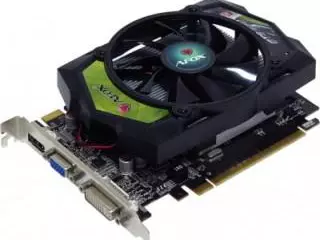
GeForce GTS 450 vs Quadro T1000
In this comparison between GeForce GTS 450 and Quadro T1000 you will find out which graphics card performs better in today's games. Bear in mind that third-party versions may have more efficient cooling and higher clock speeds. This will increase cards' performance, though not by much. In addition to raw power you should also take into account the dimensions. Thicker models simply will not fit into a small mini-ITX case. The resolution of your monitor also affects the choice, since 4K gameplay requires a more powerful GPU. And don't overspend on the graphics card. Other parts of your build may also need to be upgraded, save some money for the CPU or power supply. For some people GeForce GTS 450 will be the best choice, for others Quadro T1000 will be their preference. Study the comparison tables below and make your choice.
Quadro T1000
Main Specs
GeForce GTS 450
Quadro T1000
Power consumption (TDP)
106 Watt
50 Watt
Interface
PCIe 2.0 x16
PCIe 3.0 x16
Supplementary power connectors
6-pin
None
Memory type
GDDR5
Maximum RAM amount
1 GB
Display Connectors
2x DVI, 1x mini-HDMI
No outputs
Check Price
GeForce GTS 450 has 112% more power consumption, than Quadro T1000.
GeForce GTS 450 is connected by PCIe 2.0 x16, and Quadro T1000 uses PCIe 3.0 x16 interface.
Both cards are used in Desktops.
GeForce GTS 450 is build with Fermi architecture, and Quadro T1000 - with Turing.
Core clock speed of GeForce GTS 450 is 171 MHz higher, than Quadro T1000.
GeForce GTS 450 is manufactured by 40 nm process technology, and Quadro T1000 - by 12 nm process technology.
Memory clock speed of Quadro T1000 is 6196 MHz higher, than GeForce GTS 450.
Game benchmarks
Assassin's Creed Odyssey
Battlefield 5
Call of Duty: Warzone
Counter-Strike: Global Offensive
Cyberpunk 2077
Dota 2
Far Cry 5
Fortnite
Forza Horizon 4
Grand Theft Auto V
Metro Exodus
Minecraft
PLAYERUNKNOWN'S BATTLEGROUNDS
Red Dead Redemption 2
The Witcher 3: Wild Hunt
World of Tanks
high / 1080p
3−4
35−40
ultra / 1080p
1−2
21−24
QHD / 1440p
0−1
16−18
4K / 2160p
−
10−11
low / 720p
14−16
60−65
medium / 1080p
5−6
40−45
The average gaming FPS of Quadro T1000 in Assassin's Creed Odyssey is 583% more, than GeForce GTS 450.
high / 1080p
8−9
55−60
ultra / 1080p
6−7
45−50
QHD / 1440p
0−1
35−40
4K / 2160p
−
18−20
low / 720p
20−22
100−110
medium / 1080p
8−9
60−65
The average gaming FPS of Quadro T1000 in Battlefield 5 is 518% more, than GeForce GTS 450.
low / 768p
45−50
50−55
high / 1080p
40−45
−
QHD / 1440p
0−1
0−1
The average gaming FPS of Quadro T1000 in Call of Duty: Warzone is 10% more, than GeForce GTS 450.
low / 768p
120−130
250−260
medium / 768p
95−100
220−230
ultra / 1080p
45−50
180−190
QHD / 1440p
24−27
110−120
4K / 2160p
−
70−75
high / 768p
70−75
210−220
The average gaming FPS of Quadro T1000 in Counter-Strike: Global Offensive is 172% more, than GeForce GTS 450.
low / 768p
70−75
60−65
ultra / 1080p
20−22
−
medium / 1080p
40−45
55−60
The average gaming FPS of Quadro T1000 in Cyberpunk 2077 is 5% more, than GeForce GTS 450.
low / 768p
75−80
120−130
medium / 768p
55−60
110−120
ultra / 1080p
30−33
100−110
The average gaming FPS of Quadro T1000 in Dota 2 is 109% more, than GeForce GTS 450.
high / 1080p
4−5
45−50
ultra / 1080p
4−5
40−45
QHD / 1440p
−
27−30
4K / 2160p
1−2
14−16
low / 720p
14−16
80−85
medium / 1080p
5−6
45−50
The average gaming FPS of Quadro T1000 in Far Cry 5 is 683% more, than GeForce GTS 450.
high / 1080p
12−14
60−65
ultra / 1080p
7−8
45−50
QHD / 1440p
4−5
27−30
4K / 2160p
−
27−30
low / 720p
55−60
180−190
medium / 1080p
16−18
110−120
The average gaming FPS of Quadro T1000 in Fortnite is 357% more, than GeForce GTS 450.
high / 1080p
7−8
60−65
ultra / 1080p
6−7
45−50
QHD / 1440p
0−1
30−35
4K / 2160p
−
24−27
low / 720p
21−24
100−110
medium / 1080p
9−10
65−70
The average gaming FPS of Quadro T1000 in Forza Horizon 4 is 536% more, than GeForce GTS 450.
low / 768p
50−55
140−150
medium / 768p
−
120−130
high / 1080p
9−10
70−75
ultra / 1080p
4−5
30−35
QHD / 1440p
0−1
21−24
medium / 720p
40−45
−
The average gaming FPS of Quadro T1000 in Grand Theft Auto V is 277% more, than GeForce GTS 450.
high / 1080p
2−3
24−27
ultra / 1080p
0−1
20−22
QHD / 1440p
−
16−18
4K / 2160p
0−1
8−9
low / 720p
8−9
65−70
medium / 1080p
4−5
30−35
The average gaming FPS of Quadro T1000 in Metro Exodus is 720% more, than GeForce GTS 450.
low / 768p
85−90
130−140
high / 1080p
65−70
−
medium / 1080p
−
120−130
The average gaming FPS of Quadro T1000 in Minecraft is 55% more, than GeForce GTS 450.
ultra / 1080p
12−14
14−16
low / 720p
27−30
100−110
medium / 1080p
14−16
18−20
The average gaming FPS of Quadro T1000 in PLAYERUNKNOWN'S BATTLEGROUNDS is 155% more, than GeForce GTS 450.
high / 1080p
6−7
24−27
ultra / 1080p
4−5
16−18
QHD / 1440p
0−1
10−11
4K / 2160p
−
7−8
low / 720p
8−9
65−70
medium / 1080p
8−9
35−40
The average gaming FPS of Quadro T1000 in Red Dead Redemption 2 is 414% more, than GeForce GTS 450.
low / 768p
18−20
130−140
medium / 768p
12−14
85−90
high / 1080p
6−7
45−50
ultra / 1080p
4−5
24−27
4K / 2160p
1−2
16−18
The average gaming FPS of Quadro T1000 in The Witcher 3: Wild Hunt is 675% more, than GeForce GTS 450.
low / 768p
70−75
90−95
medium / 768p
35−40
60−65
ultra / 1080p
16−18
50−55
high / 768p
30−35
60−65
The average gaming FPS of Quadro T1000 in World of Tanks is 71% more, than GeForce GTS 450.
Full Specs
GeForce GTS 450
Quadro T1000
Architecture
Fermi
Turing
Code name
GF106
TU117
Type
Desktop
Workstation
Release date
13 September 2010
27 May 2019
Pipelines
192
Core clock speed
1566 MHz
1395 MHz
Boost Clock
1455 MHz
Transistor count
1,170 million
4,700 million
Manufacturing process technology
40 nm
12 nm
Texture fill rate
25.1 billion/sec
Floating-point performance
601.3 gflops
Length
8.25" (210 mm) (21 cm)
Memory bus width
128 Bit
Memory clock speed
1804 (3608 data rate) MHz
8000 MHz
Memory bandwidth
57.7 GB/s
DirectX
12 (11_0)
12.0 (12_1)
Shader Model
5.1
OpenGL
4.2
4.6
OpenCL
1.1
Vulkan
N/A
CUDA
+
CUDA cores
192
Bus support
PCI-E 2.0 x 16
Height
4.376" (111 mm) (11.1 cm)
SLI options
+
HDMI
+
Maximum VGA resolution
2048x1536
Audio input for HDMI
Internal
Bitcoin / BTC (SHA256)
40 Mh/s
Check Price