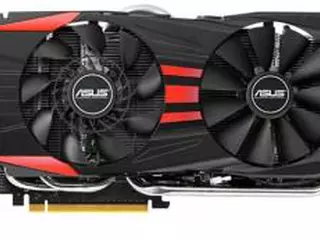
Radeon R9 280 vs Tesla M2070 Q
Find out if it is worth upgrading your current GPU setup by comparing Radeon R9 280 and Tesla M2070 Q. Here you can take a closer look at graphics cards specs, such as core clock speed, memory type and size, display connectors, etc. The price, overall benchmark and gaming performances are usually defining factors when it comes to choosing between Radeon R9 280 and Tesla M2070 Q. Make sure that the graphics card has compatible dimensions and will properly fit in your new or current computer case. Also these graphics cards may have different system power recommendations, so take that into consideration and upgrade your PSU if necessary.
Tesla M2070 Q
Main Specs
Radeon R9 280
Tesla M2070 Q
Power consumption (TDP)
200 Watt
225 Watt
Interface
PCIe 3.0 x16
PCIe 2.0 x16
Supplementary power connectors
1 x 6-pin + 1 x 8-pin
1x 6-pin + 1x 8-pin
Memory type
GDDR5
GDDR5
Maximum RAM amount
3 GB
6 GB
Display Connectors
2x DVI, 1x HDMI, 2x mini-DisplayPort
No outputs
Check Price
Tesla M2070 Q has 12% more power consumption, than Radeon R9 280.
Radeon R9 280 is connected by PCIe 3.0 x16, and Tesla M2070 Q uses PCIe 2.0 x16 interface.
Tesla M2070 Q has 3 GB more memory, than Radeon R9 280.
Both cards are used in Desktops.
Radeon R9 280 is build with GCN 1.0 architecture, and Tesla M2070 Q - with Fermi.
Radeon R9 280 is manufactured by 28 nm process technology, and Tesla M2070 Q - by 40 nm process technology.
Radeon R9 280 is 27 mm longer, than Tesla M2070 Q.
Memory clock speed of Tesla M2070 Q is 1882 MHz higher, than Radeon R9 280.
Game benchmarks
Assassin's Creed Odyssey
Battlefield 5
Call of Duty: Warzone
Counter-Strike: Global Offensive
Cyberpunk 2077
Dota 2
Far Cry 5
Fortnite
Forza Horizon 4
Grand Theft Auto V
Metro Exodus
Minecraft
PLAYERUNKNOWN'S BATTLEGROUNDS
Red Dead Redemption 2
The Witcher 3: Wild Hunt
World of Tanks
high / 1080p
35−40
3−4
ultra / 1080p
21−24
1−2
QHD / 1440p
16−18
0−1
4K / 2160p
10−11
−
low / 720p
60−65
14−16
medium / 1080p
40−45
6−7
The average gaming FPS of Radeon R9 280 in Assassin's Creed Odyssey is 583% more, than Tesla M2070 Q.
high / 1080p
55−60
8−9
ultra / 1080p
45−50
6−7
QHD / 1440p
35−40
0−1
4K / 2160p
18−20
−
low / 720p
100−110
21−24
medium / 1080p
60−65
9−10
The average gaming FPS of Radeon R9 280 in Battlefield 5 is 518% more, than Tesla M2070 Q.
low / 768p
50−55
45−50
high / 1080p
−
40−45
QHD / 1440p
0−1
0−1
The average gaming FPS of Radeon R9 280 in Call of Duty: Warzone is 10% more, than Tesla M2070 Q.
low / 768p
250−260
120−130
medium / 768p
220−230
100−110
ultra / 1080p
180−190
50−55
QHD / 1440p
110−120
24−27
4K / 2160p
70−75
−
high / 768p
210−220
75−80
The average gaming FPS of Radeon R9 280 in Counter-Strike: Global Offensive is 158% more, than Tesla M2070 Q.
low / 768p
60−65
70−75
ultra / 1080p
−
21−24
medium / 1080p
55−60
40−45
The average gaming FPS of Radeon R9 280 in Cyberpunk 2077 is 5% more, than Tesla M2070 Q.
low / 768p
120−130
75−80
medium / 768p
110−120
55−60
ultra / 1080p
100−110
30−35
The average gaming FPS of Radeon R9 280 in Dota 2 is 109% more, than Tesla M2070 Q.
high / 1080p
45−50
4−5
ultra / 1080p
40−45
4−5
QHD / 1440p
27−30
−
4K / 2160p
14−16
1−2
low / 720p
80−85
14−16
medium / 1080p
45−50
6−7
The average gaming FPS of Radeon R9 280 in Far Cry 5 is 683% more, than Tesla M2070 Q.
high / 1080p
60−65
12−14
ultra / 1080p
45−50
7−8
QHD / 1440p
27−30
4−5
4K / 2160p
27−30
−
low / 720p
180−190
60−65
medium / 1080p
110−120
18−20
The average gaming FPS of Radeon R9 280 in Fortnite is 314% more, than Tesla M2070 Q.
high / 1080p
60−65
8−9
ultra / 1080p
45−50
7−8
QHD / 1440p
30−35
0−1
4K / 2160p
24−27
−
low / 720p
100−110
21−24
medium / 1080p
65−70
10−11
The average gaming FPS of Radeon R9 280 in Forza Horizon 4 is 483% more, than Tesla M2070 Q.
low / 768p
140−150
50−55
medium / 768p
120−130
−
high / 1080p
70−75
10−11
ultra / 1080p
30−35
4−5
QHD / 1440p
21−24
0−1
medium / 720p
−
40−45
The average gaming FPS of Radeon R9 280 in Grand Theft Auto V is 277% more, than Tesla M2070 Q.
high / 1080p
24−27
2−3
ultra / 1080p
20−22
0−1
QHD / 1440p
16−18
−
4K / 2160p
8−9
0−1
low / 720p
65−70
9−10
medium / 1080p
30−35
4−5
The average gaming FPS of Radeon R9 280 in Metro Exodus is 720% more, than Tesla M2070 Q.
low / 768p
130−140
85−90
high / 1080p
−
70−75
medium / 1080p
120−130
−
The average gaming FPS of Radeon R9 280 in Minecraft is 55% more, than Tesla M2070 Q.
ultra / 1080p
14−16
12−14
low / 720p
100−110
30−35
medium / 1080p
18−20
14−16
The average gaming FPS of Radeon R9 280 in PLAYERUNKNOWN'S BATTLEGROUNDS is 130% more, than Tesla M2070 Q.
high / 1080p
24−27
7−8
ultra / 1080p
16−18
4−5
QHD / 1440p
10−11
0−1
4K / 2160p
7−8
−
low / 720p
65−70
8−9
medium / 1080p
35−40
8−9
The average gaming FPS of Radeon R9 280 in Red Dead Redemption 2 is 414% more, than Tesla M2070 Q.
low / 768p
130−140
20−22
medium / 768p
85−90
12−14
high / 1080p
45−50
7−8
ultra / 1080p
24−27
5−6
4K / 2160p
16−18
1−2
The average gaming FPS of Radeon R9 280 in The Witcher 3: Wild Hunt is 588% more, than Tesla M2070 Q.
low / 768p
90−95
75−80
medium / 768p
60−65
40−45
ultra / 1080p
50−55
18−20
high / 768p
60−65
30−35
The average gaming FPS of Radeon R9 280 in World of Tanks is 59% more, than Tesla M2070 Q.
Full Specs
Radeon R9 280
Tesla M2070 Q
Architecture
GCN 1.0
Fermi
Code name
Tahiti
GF100
Type
Desktop
Workstation
Release date
4 March 2014
25 July 2011
Pipelines
1792
448
Core clock speed
574 MHz
Boost Clock
933 MHz
Transistor count
4,313 million
3,100 million
Manufacturing process technology
28 nm
40 nm
Texture fill rate
104.5
32.14
Floating-point performance
3,344 gflops
1,027.7 gflops
Length
275 mm
248 mm
Memory bus width
384 Bit
384 Bit
Memory clock speed
1250 MHz
3132 MHz
Memory bandwidth
240 GB/s
150.3 GB/s
DirectX
12 (11_0)
Shader Model
5.1
5.1
OpenGL
4.6
4.6
OpenCL
1.2
1.1
Vulkan
+
N/A
CUDA
2.0
FreeSync
+
Bus support
PCIe 3.0
HDMI
+
Bitcoin / BTC (SHA256)
408 Mh/s
94 Mh/s
Eyefinity
+
HD3D
+
TrueAudio
+
Design
reference
CrossFire
+
DDMA audio
+
Ethereum / ETH (DaggerHashimoto)
21.5 Mh/s
LiquidVR
+
TressFX
+
UVD
+
Check Price