News, reviews, articles on the topic editorial column

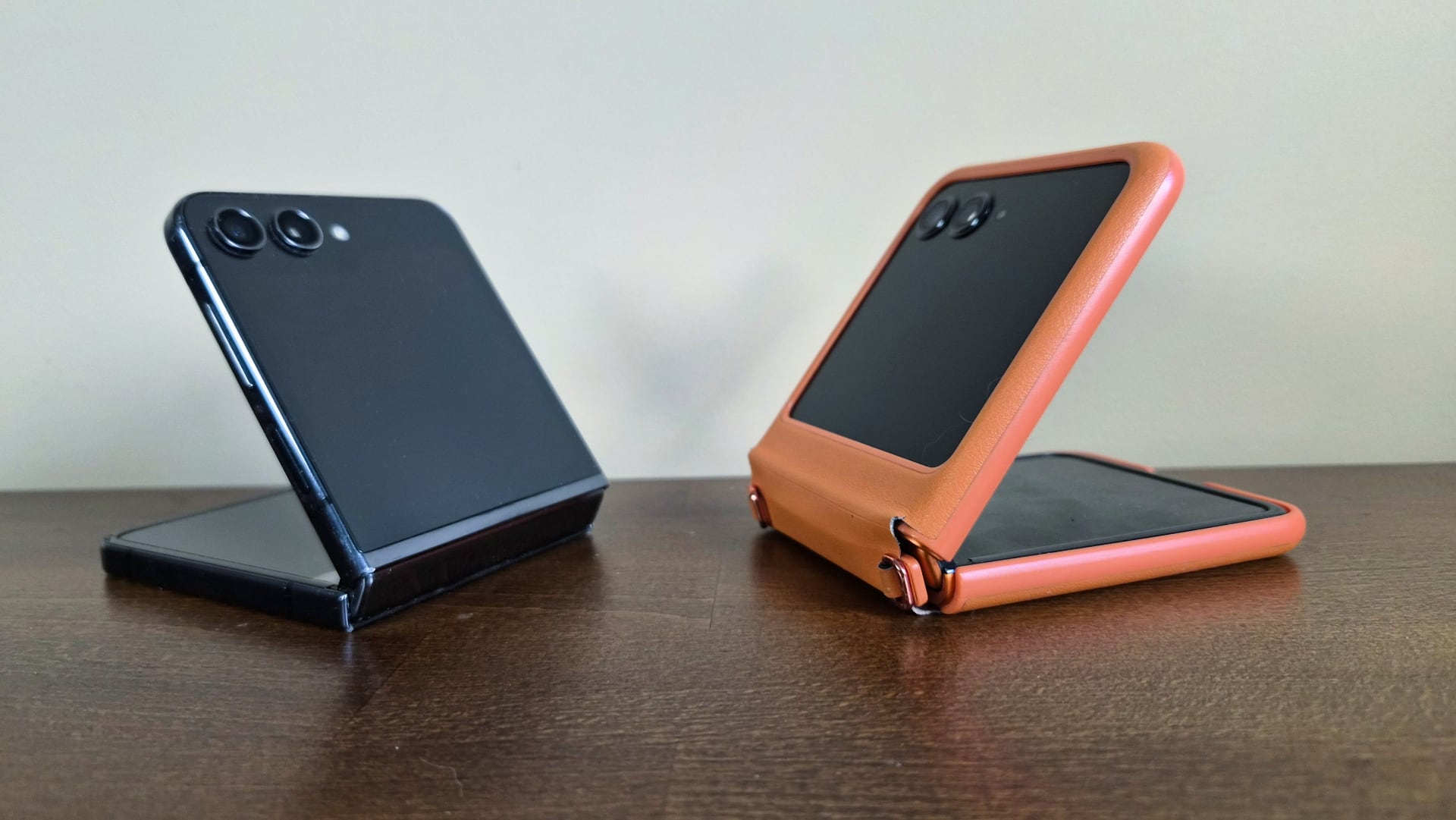
A couple of years ago, Samsung was not only a trendsetter in the foldable smartphone segment but also the largest manufacturer of these devices. Now the situation has already changed - according to the results of Q2 2025 , Samsung's share decreased from 21% to 9% compared to Q2 2024 (although Counterpoint Research analysts are confident that Samsung will "regain its market share within a year" due to the lineup update in Q3 and deferred sales by mobile operators). Huawei is already the largest seller of foldable smartphones (but at the expense of the huge Chinese market, where the company has 76.6% of this market segment). The share of Motorola foldable smartphones has also increased significantly. Analysts attribute this to the manufacturer's aggressive marketing policy in North America, where Motorola offers a foldable smartphone at the lowest price of USD 700. In general, the foldable smartphone market is growing - expectations are 45% by 2025 (but mainly due to China).
I have been using the Motorola RAZR 50 for several months and understand why everything is happening the way it is. Because Motorola's strategy works: for less money, the consumer gets several advantages even over the flagship Galaxy Flip (which has a more powerful processor and a better camera).

There's something symbolic about Casio, a brand that built its reputation on reliability for labourers, special forces and those who fight gravity on construction sites, now betting on hip-hop band XG. This alliance looks like G-SHOCK has taken off its helmet, changed its camouflage to a shiny suit and gone to a party in Seoul.
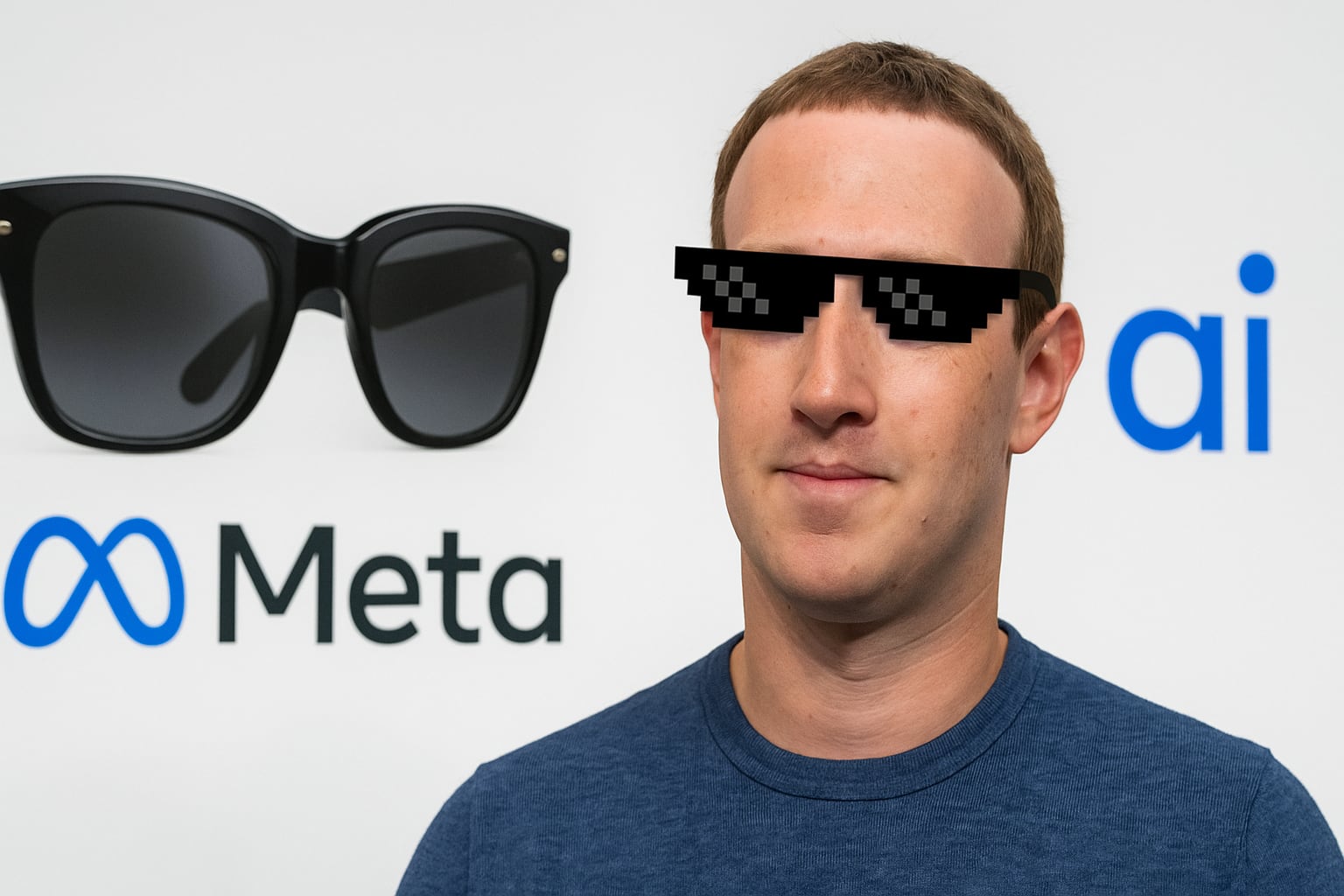
Silicon Valley smells like panic. And the name of this panic is Mark Zuckerberg. While Apple shyly agrees to integrate third-party AI models into Siri and OpenAI is patching up the holes in the team, Zuckerberg has opened an unlimited credit card and gone on a real brain hunt.
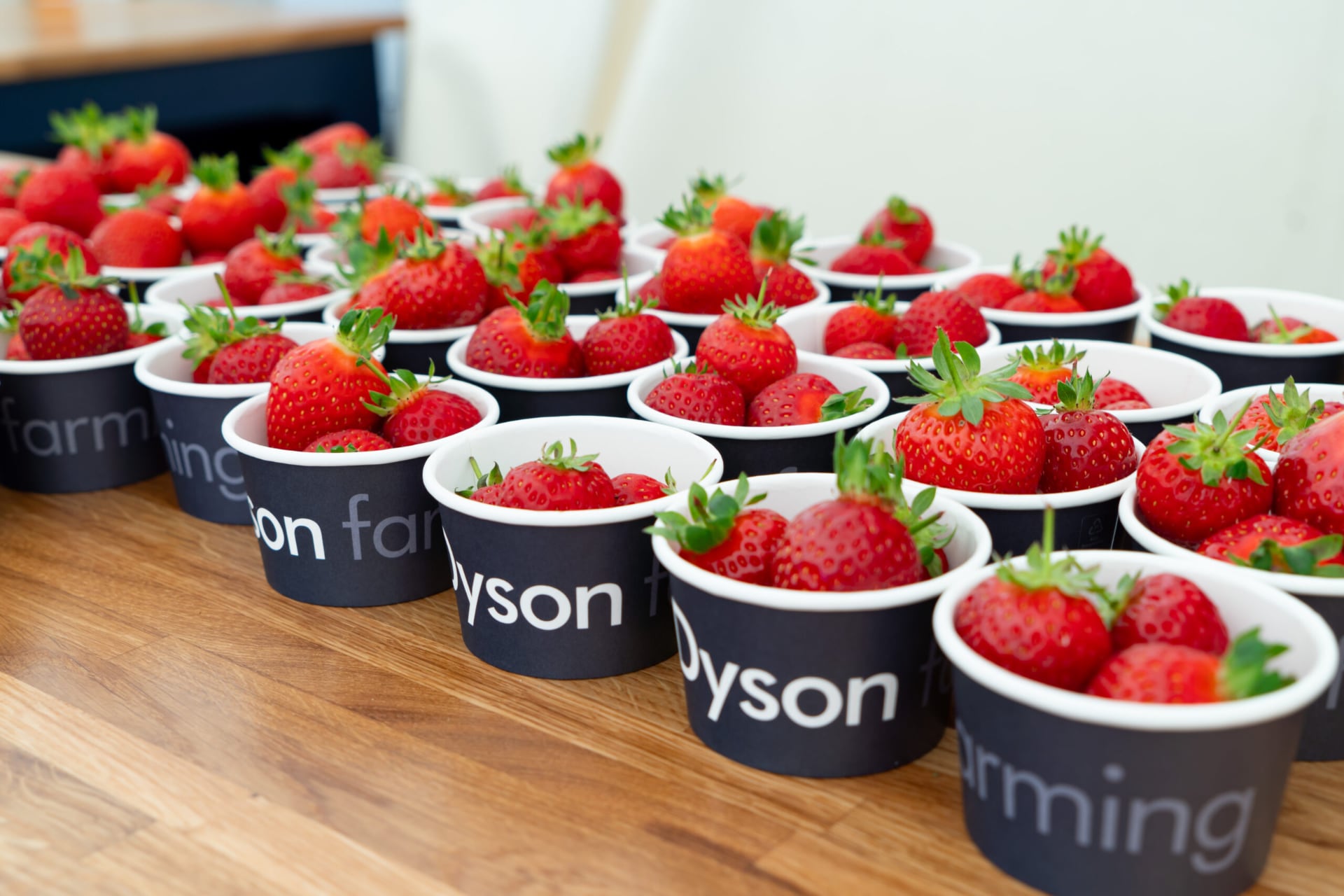
There are some things that don't need explanation: why tea with milk, why the British wear rubber boots, and how Dyson vacuum cleaners destroyed the concept of bin bags. But to explain why James Dyson decided to grow strawberries is a task of "scientific stand-up with elements of surrealism".

All marketers now have only two options, and both are bad. Either they shout about "artificial intelligence integration" and are ignored even by cats on TikTok. Or they say nothing about AI and look like they are living in 2014 and still handing out flyers near the metro. Welcome to the most sincere marketing impasse of 2025.
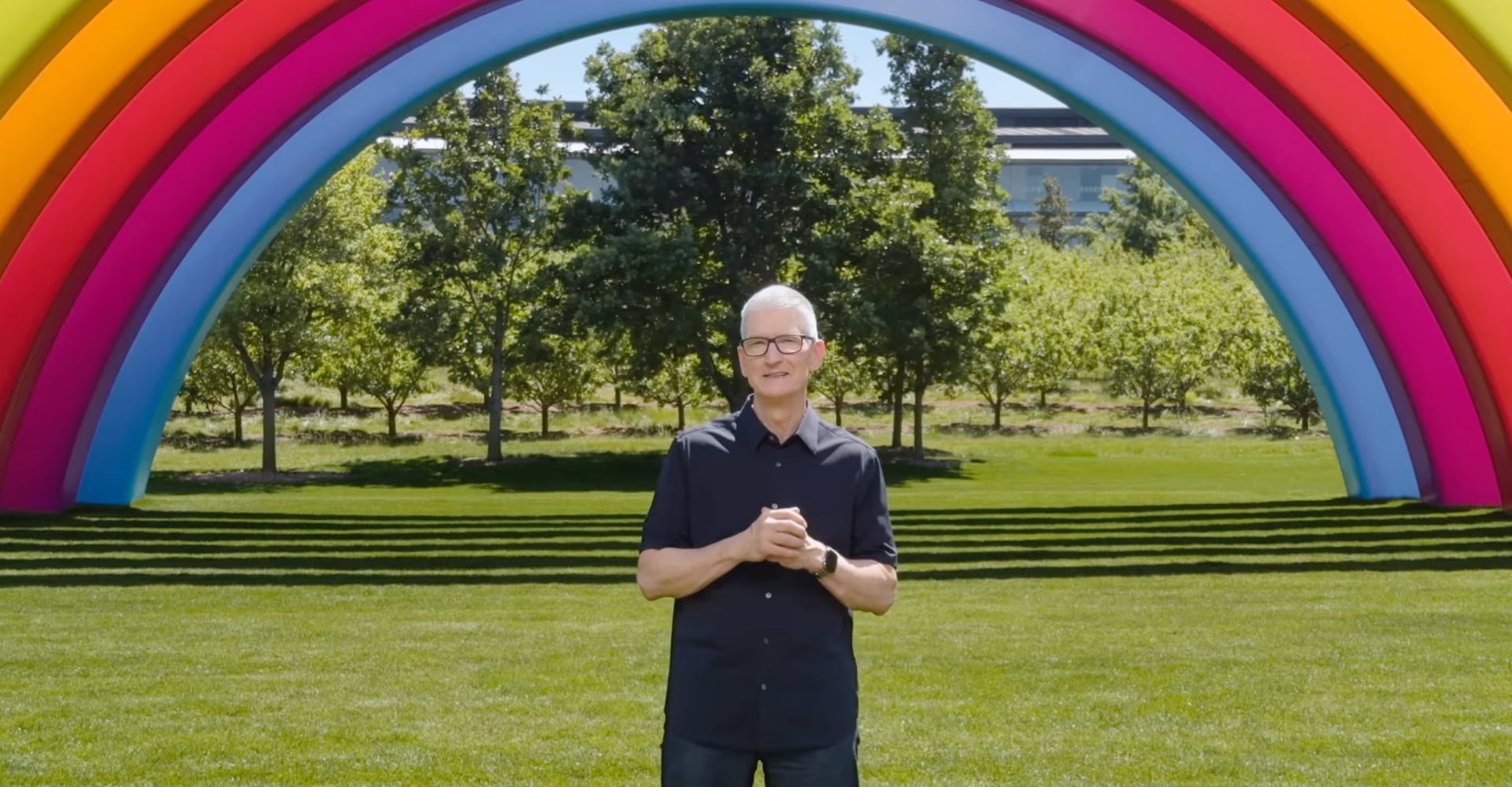
This year's WWDC 2025, Apple's annual developer conference, didn't bring any revolutions. Of course, it has always been more about the opportunities for software developers in the six (!) operating systems that Apple currently manages than about new devices or their capabilities. It is worth noting that this was the shortest presentation in the last ten years - usually they last 2 hours or more, this year's presentation lasted an hour and a half. Almost nothing was said about Apple Intelligence, which was loudly announced last year (and which no one has seen) - instead, the new concept of Visual Intelligence was presented. The fact that all operating systems will be coded by year of release (iOS 26 instead of iOS 19) was announced before WWDC. And the main news of the conference was probably the announcement of a unified Liqiud Glass design for all platforms.
Last year, we wrote about the scandal surrounding the presence of quantum dots in TCL's QLED TVs, and now Hisense, one of the global players in the TV market, is at the centre of a similar scandal. In the United States, two class action lawsuits have been filed against the company in New York and Illinois over allegedly deceptive advertising of a series of QLED TVs. The claims are that, under the guise of QLED (Quantum Dot Light-Emitting Diode), the company sold conventional LED TVs with only microscopic quantum dot impurities in such quantities that they simply did not affect the image quality.
Once upon a time, smartphone presentations were like football finals. We used to discuss megapixels, gigahertz, even logos on the case. And now? Now the new Galaxy is like a new stapler in the office. It's there, and it's good.
Every time the news flashes "the company spent 100 million on a logo redesign", a storm rages in social media. A notional commentator, Peter, with an avatar of a power engineer, goes on the attack: "I can do that for you in Photoshop in half an hour!" And Vasya probably will, but only a logo. But something that corporations pay millions for is a completely different operation.
Okay, Musk, I get it, you've been calling Twitter "X" for almost a year now (there's a separate story about how he called all his businesses X in the beginning, probably some kind of psychological trauma). But enough time has passed for me to finally realise that I will not call Twitter "X". And here's why.
In 2024, we were all overwhelmed by a wave of marketing concepts that closely integrated artificial intelligence. Samsung was the first to enter the game in January with its Galaxy AI in smartphones. It was followed by Apple, which tried to creatively name its AI as Apple Intelligence during WWDC 2024 in June. And in May, we learned about the first ASUS laptop with artificial intelligence. Of course, the smartphone market (and even more so the laptop market) is currently stagnant. The race for gigahertz and megapixels is a thing of the past. And marketers need new, simple and understandable meanings to promote their devices, meanings that would create attractive reasons to buy. I'm deliberately leaving AI TVs and AI home appliances out of this discussion, as they are a separate topic. Let's try to find out what is wrong with the concepts of "smartphone with AI" and "laptop with AI" from the point of view of a mythical "average user" rather than a marketer (everything is clear here - there is an NPU, so formally there is conditional AI, and the thesis that in 99% of cases artificial intelligence means neural networks is also left out).
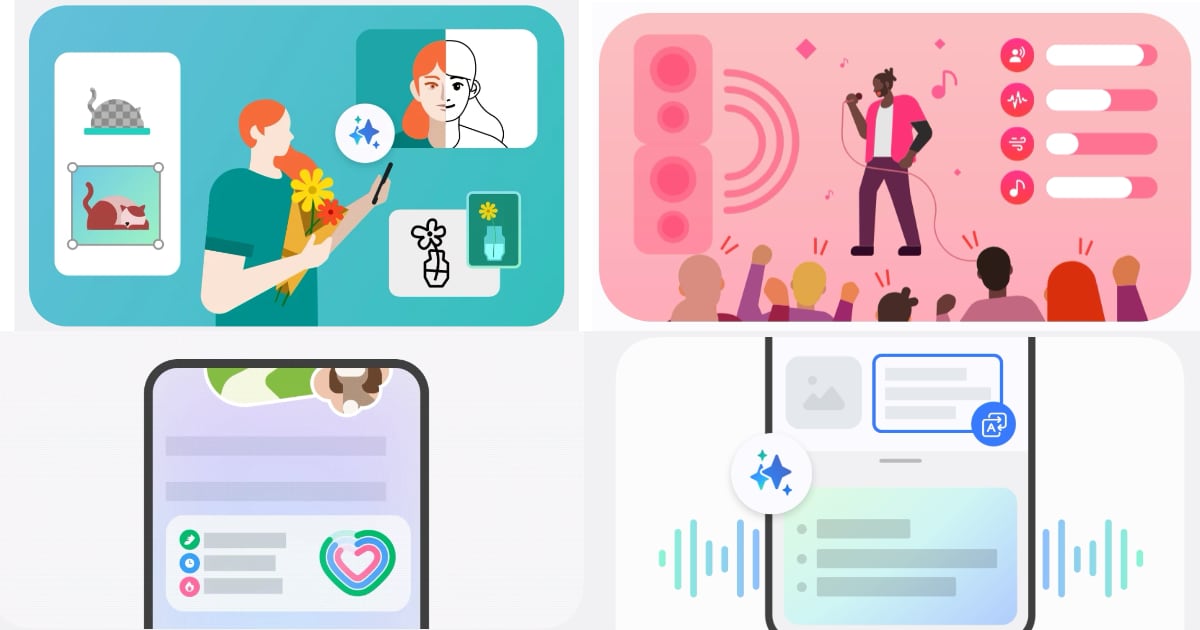
For as long as the mobile phone (and now smartphone) market has existed, it has used some sort of race of numbers and metrics. Twenty years ago, it was the number of colours supported by screens (colour screens started with 4 colours) and the number of "voices" in polyphonic melodies. Then there were various races - for the thinnest body and the smallest size (it all ended quickly, because they reached the limit of convenience). For the number of megapixels in the cameras (this lasted quite a long time and hasn't stopped in some form even now). For the resolution of the screens (after FullHD, it's hard to see the difference, and QHD only makes sense for cardboards, but they never caught on). And for the number of gigahertz in the processors or cores in them (now it's not so relevant anymore). What will the race be about in the near future? The answer was given by Samsung a year ago, when it announced the Galaxy AI generation of smartphones, which began with the Galaxy S24. And with the advent of the Galaxy S25 series, we have already received the second (or third, if we take into account the updates for Fold 6/Flip6) generation of "smartphones with artificial intelligence". Therefore, for the next few years, the entire smartphone world will revolve around AI, and the metrics will probably be neuroprocessor cores (NPUs) and their computing capabilities.
Of course, smartphones are an extremely useful human invention that has become an important part of our existence, but sometimes it seems that smartphone manufacturers are actively testing our patience. Every year, they promise revolutions that turn out to be mere cosmetic repairs, and marketing phrases like "power", "style", and "innovation" have long since lost all meaning. Now I'm going to tell you what exactly pisses me off (and hopefully all of you) about their endless promises and creative approach to how to "sell" the next device.


