RedNote is not the new TikTok: why Americans returned to the familiar app

Ahead of TikTok's ban in the US on Sunday, American users started using the Chinese app RedNote, which provided a similar experience with short videos.
Here's What We Know
RedNote, which is known in the US by its Chinese name Xiaohongshu, quickly became the most popular free app. But after Donald Trump suspended the ban on TikTok, the number of RedNote users plummeted. On Monday, it dropped by more than half after the app reached 32.5 million active users on the day of the ban.
According to digital analytics company Similarweb, on Monday, 20 January, the number of active RedNote users in the US fell by 54% after the ban was suspended. President Trump gave TikTok 75 days to negotiate a deal that would allow the app to remain in the US.
TikTok in the United States. Image: Getty Images
Data from Sensor Tower showed a similar trend. From 20 to 22 January, the average number of active RedNote users on mobile devices in the US decreased by 17% compared to the previous week.
Initially, TikTok users began to actively switch to RedNote to express their attitude to the ban and protest against government concerns about "threats to national security" due to the app's Chinese ownership. Many of them showed that they were willing to use another Chinese app instead of returning to Instagram and using Reels.
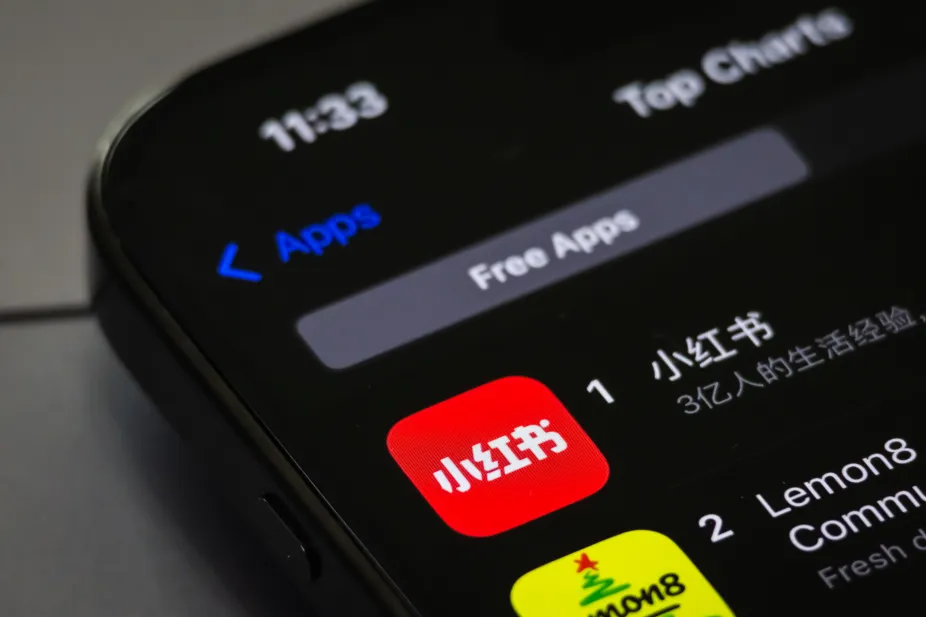
The RedNote app. Illustration: Getty Images
This decision was caused by various factors. Some considered the ban unfair, as Meta had been making money on users' personal data for years, while others simply did not care that their data could fall into the hands of the Chinese government.
RedNote users actively interacted with each other, not only using the video app but also exchanging opinions and questions on various topics. They began to take an interest not only in the technical aspects of the app, but also in the socio-cultural aspects of life in the US and China.
Although RedNote has become popular for a while, this trend is unlikely to last for long, as the app is targeted at the Chinese market and requires knowledge of the Chinese language.
Source: Techcrunch


