Lithuania presents evacuation plan in case of an attack by Russia or Belarus

Vilnius has developed a detailed plan to evacuate more than 400,000 residents in the event of a threat from Russia or Belarus. The city has already identified routes, assembly points and a warning system.
Here's What We Know
The new plan was announced by Vilnius Mayor Vladas Benkunskas. According to him, in the event of an emergency, residents will be evacuated in three main directions to the west. A total of 150 routes leading to pre-determined evacuation points outside the city have been calculated.
Signals to start the evacuation will be sent via sirens, SMS and, in the future, a special app on smartphones. The mayor stressed that the plan's goal is not to cause panic but to ensure clear coordination between all responsible services. According to the city authorities, Vilnius can be fully evacuated in 48 hours.
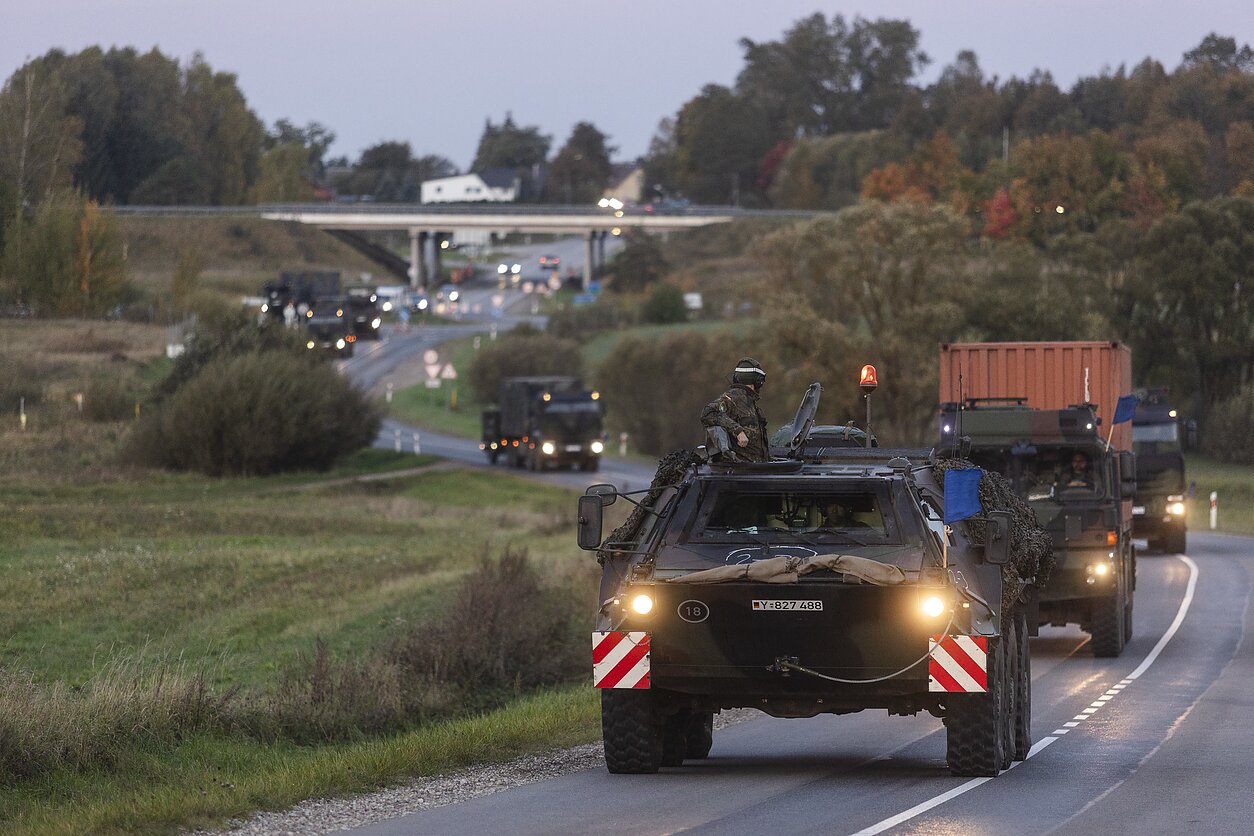
A military convoy in Lithuania. Illustration: Міноборони
The plan is partly based on the experience of Kyiv, which in the first days of Russia's full-scale invasion in 2022 was forced to respond to various scenarios. Lithuania notes that the new plan covers not only a military threat but also possible natural disasters or accidents, including at the nearby Ostrovets Nuclear Power Plant in Belarus.
Earlier, the country's Defence Ministry announced its intention to mine the border with Russia and Belarus. The planned use of both anti-tank and anti-personnel mines is based on the experience of Poland, which is creating a similar defence infrastructure on its northeastern flank.
In addition, Lithuania is negotiating with other states - from Finland to Poland - to create a joint defensive line that will include a system of fortifications, bunkers, fortifications and logistics bases along the eastern border of the European Union.
Source: Euractiv


