India wants its own stealth fighter jet as fight with Pakistan shows weakness of its air force

Amid an escalating conflict with Pakistan and a growing air threat from China, India has given the green light to the development of its own fifth-generation stealth fighter.
Here's What We Know
The Ministry of Defence of India has approved a programme to develop a new generation twin-engine stealth fighter aircraft, the HAL AMCA. The project will be implemented by the state aeronautics development agency, which is already preparing to issue an invitation to companies interested in creating a prototype. Both state-owned and private companies will be able to participate, either independently or as part of consortia.
This decision comes after a four-day armed clash with Pakistan, during which both sides actively used fighter jets, drones and rocket artillery. Reuters notes that the conflict has sparked a new arms race in the region, particularly in the field of unmanned aerial vehicles.
Currently, the Indian Air Force has only 31 squadrons out of the required 42, with the lion's share of the fleet being Soviet and Russian aircraft. Against this background, China is actively strengthening its aviation, and Pakistan has already received the latest Chinese J-10 fighters. India, on the other hand, is seeking to create its own high-tech aircraft to avoid dependence on external suppliers and to have strategic autonomy.
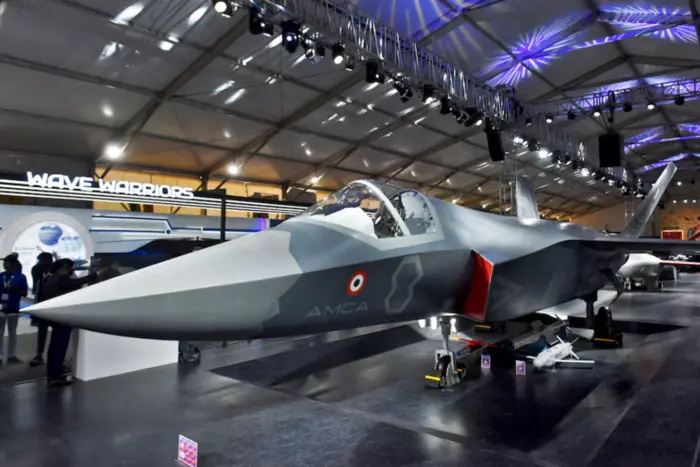
The HAL AMCA prototype. Illustration: Reuters
In March, India's defence committee proposed to involve the private sector in the production of combat aircraft more widely. This will help relieve the state-owned Hindustan Aeronautics Ltd (HAL), which has already been criticised for delays in the delivery of Tejas fighter jets. HAL attributed this to supply chain disruptions, particularly from General Electric.
Meanwhile, Prime Minister Narendra Modi has announced tougher measures against Pakistan, particularly in the area of access to water resources. This is another signal that tensions between the two countries are entering a new phase - technological, geopolitical, and resource-related.
Source: Reuters


