BMW production cars will feature elements made from flax fibres

The BMW Group has announced a breakthrough in sustainable materials. Following the successful use of renewable raw materials in racing cars, the company has decided to introduce natural fibre composites into its production models.
Here's What We Know
BMW has spent several years in development and research to bring natural fibre composites to series production. The new materials made from renewable raw materials even fulfil the strict requirements for roof structures for full vehicle certification.
BMW is developing lightweight components based on flax fibre together with the Swiss company Bcomp, which specialises in clean technology. The partnership with Bcomp supports BMW's goal of further reducing CO₂ emissions in future models. The Munich-based carmaker holds a stake in Bcomp through its venture capital fund BMW i Ventures.
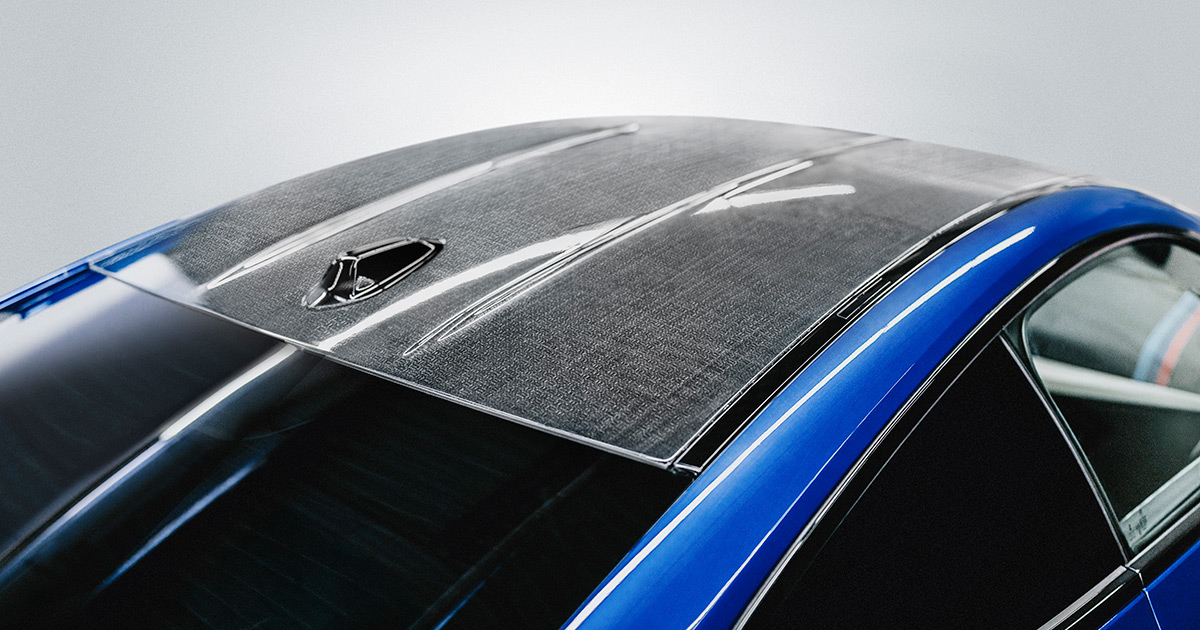
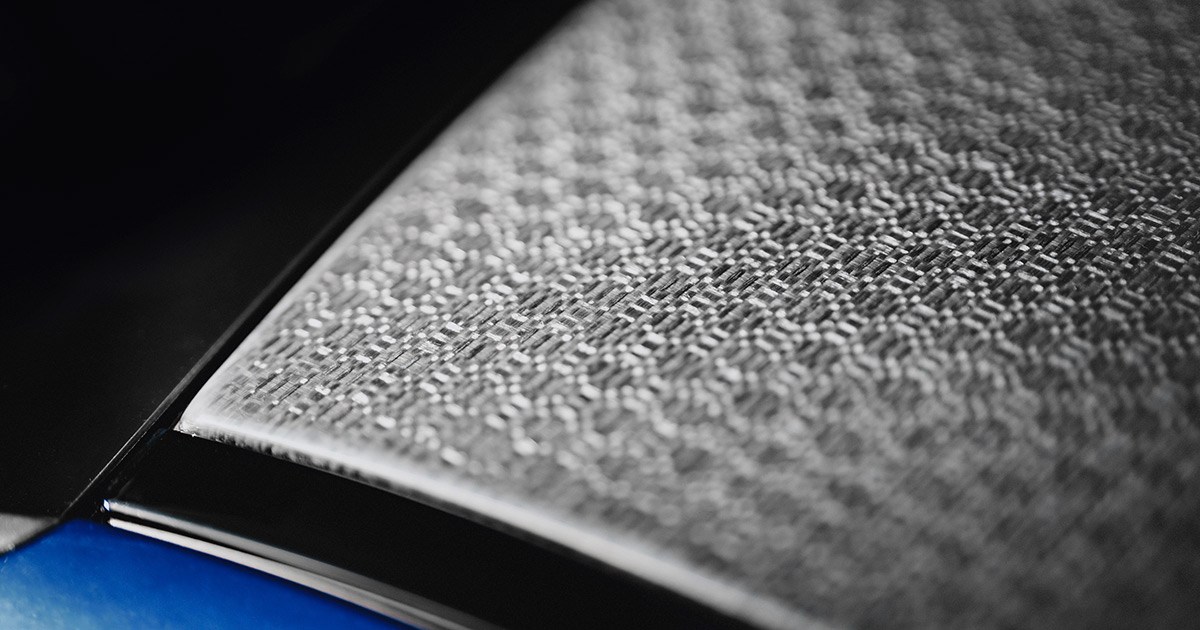
Lightweight construction has long been an important area of development for BMW. The use of natural fibres with a smaller carbon footprint in composite materials is becoming increasingly important. Tests have shown that such fibres are particularly well suited for visible exterior and interior parts.
Here's a concrete example: replacing carbon fibre composites with natural fibres in the roof of the next generation of BMW cars reduces CO₂ emissions during production by around 40%. Plus additional end-of-life recycling benefits.
The innovative natural fibre composite parts were first used by the BMW M Motorsport team in the 2019 Formula E season. Since then, the components have been successfully used in the BMW M4 DTM and M4 GT4, replacing carbon fibre parts. Since 2022, Bcomp has become the official partner of BMW M Motorsport for the BMW M4 GT4.
The new lightweight materials will soon be put to a rigorous test - they will be installed in the BMW M4 GT4 for the 24-hour race at the Nürburgring.
Source: BMW


