The new Compass is the most aerodynamic Jeep, despite its boxy design.

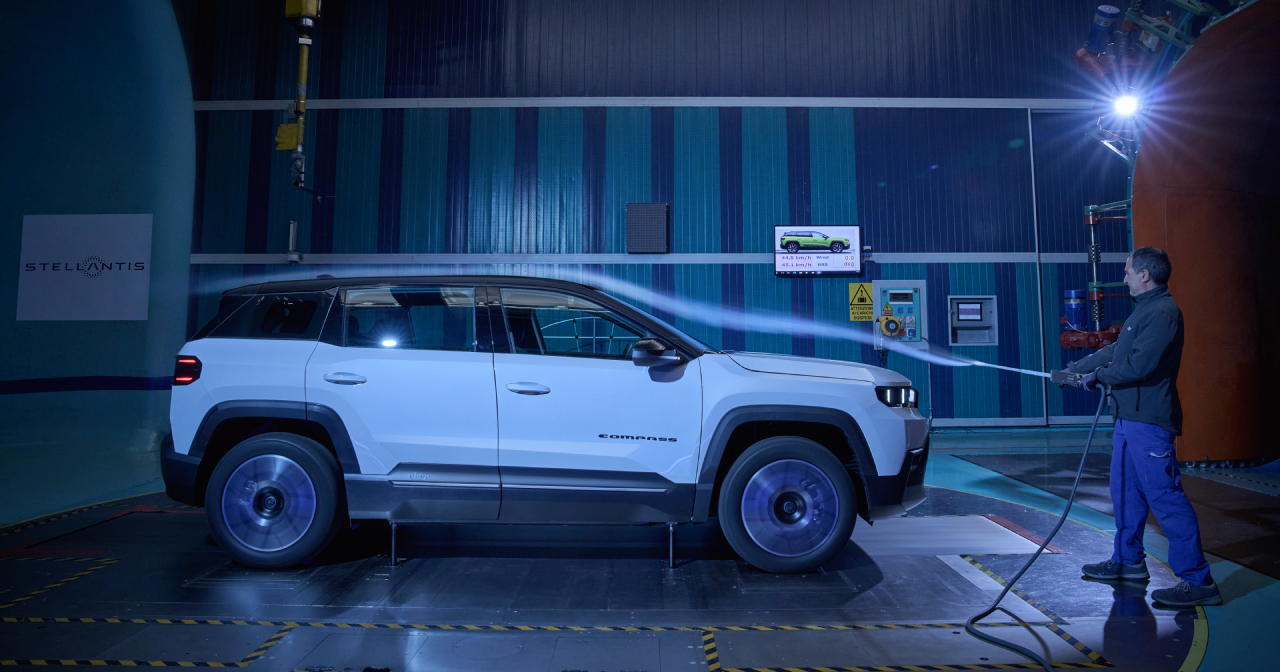
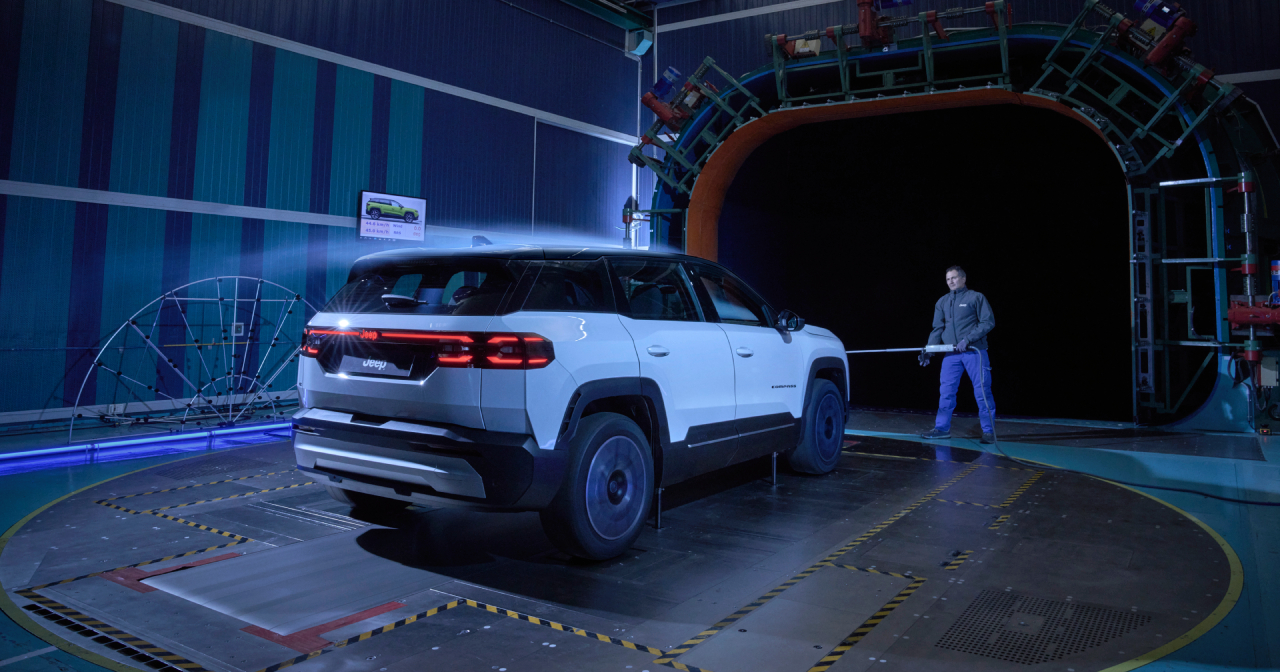
Jeep has continued the information support of the third generation Compass crossover (J4U) presented in May this year. Deliveries of customer cars in Europe will begin only in the fourth quarter, and until that happens, the American brand decided to boast of the outstanding aerodynamics of the model.
Here's What We Know
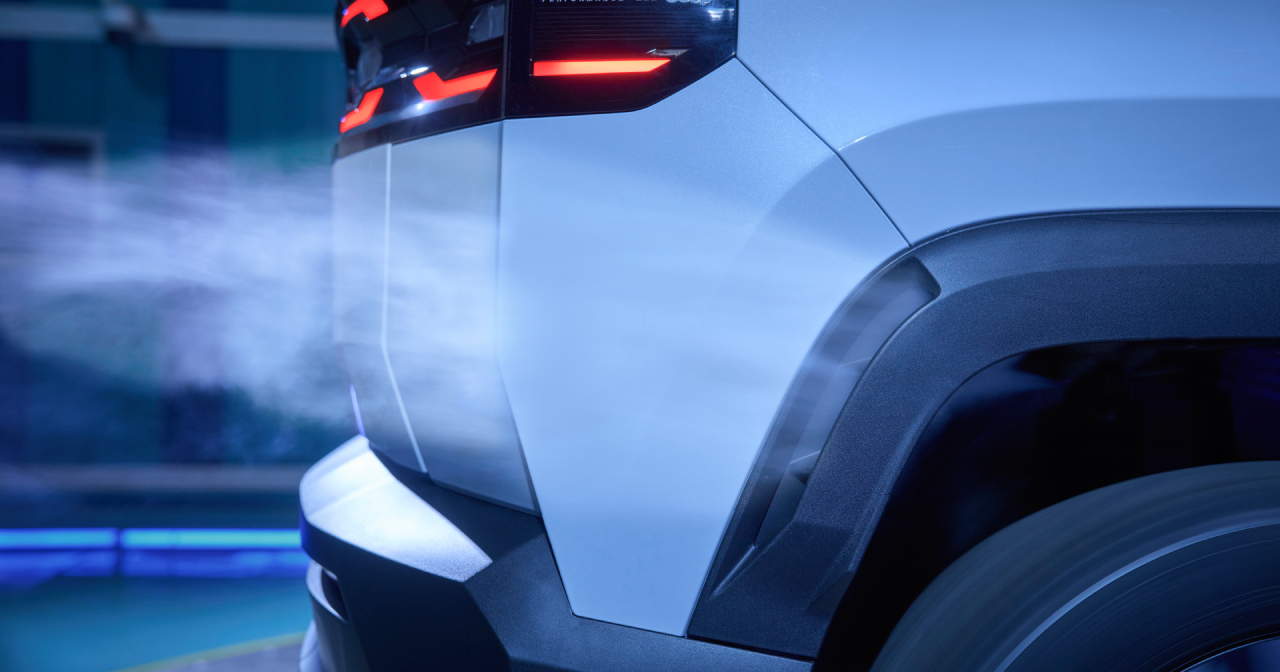
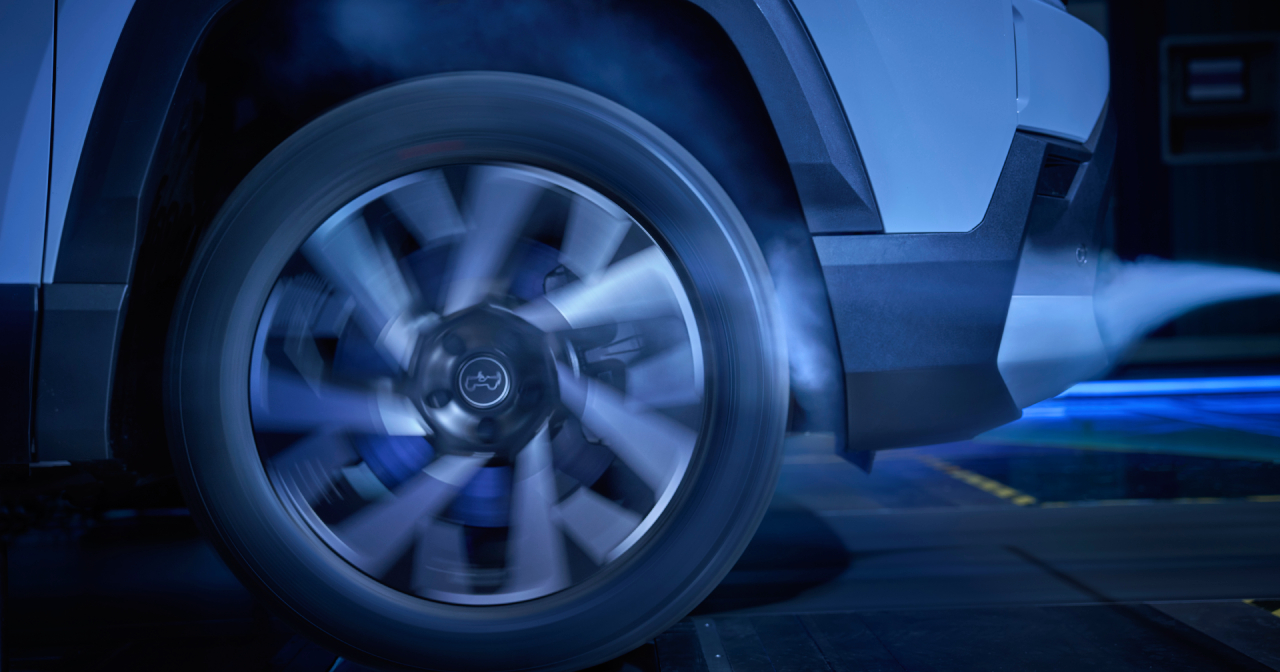
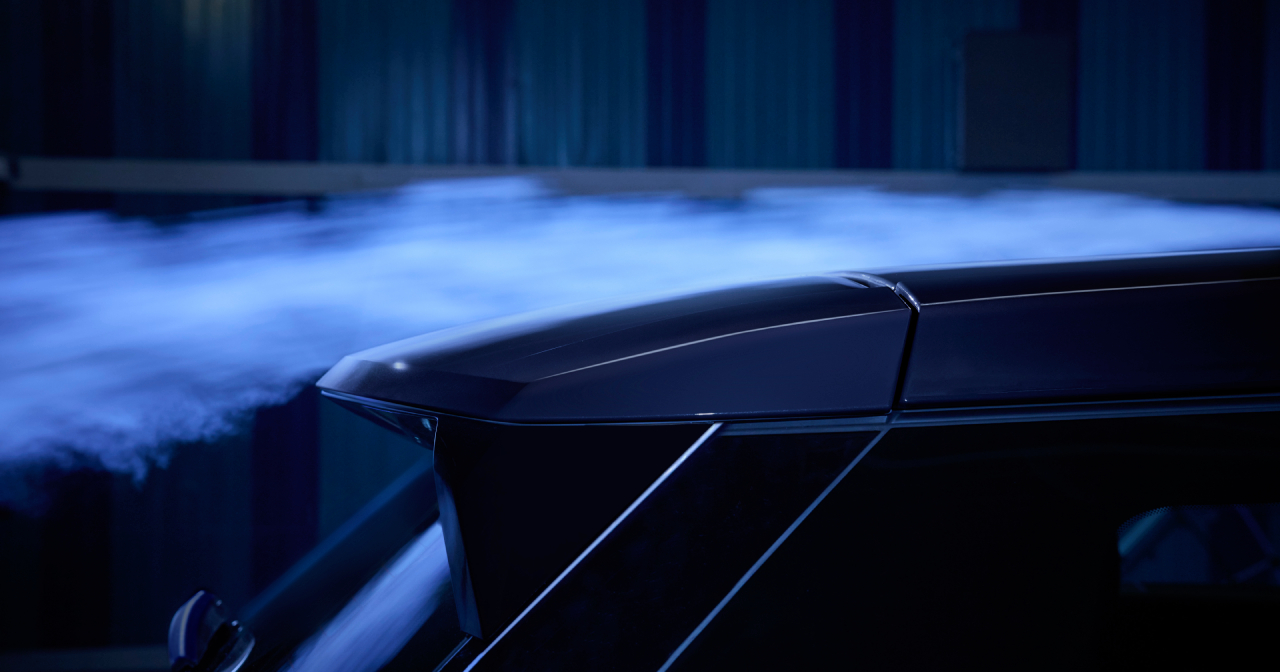
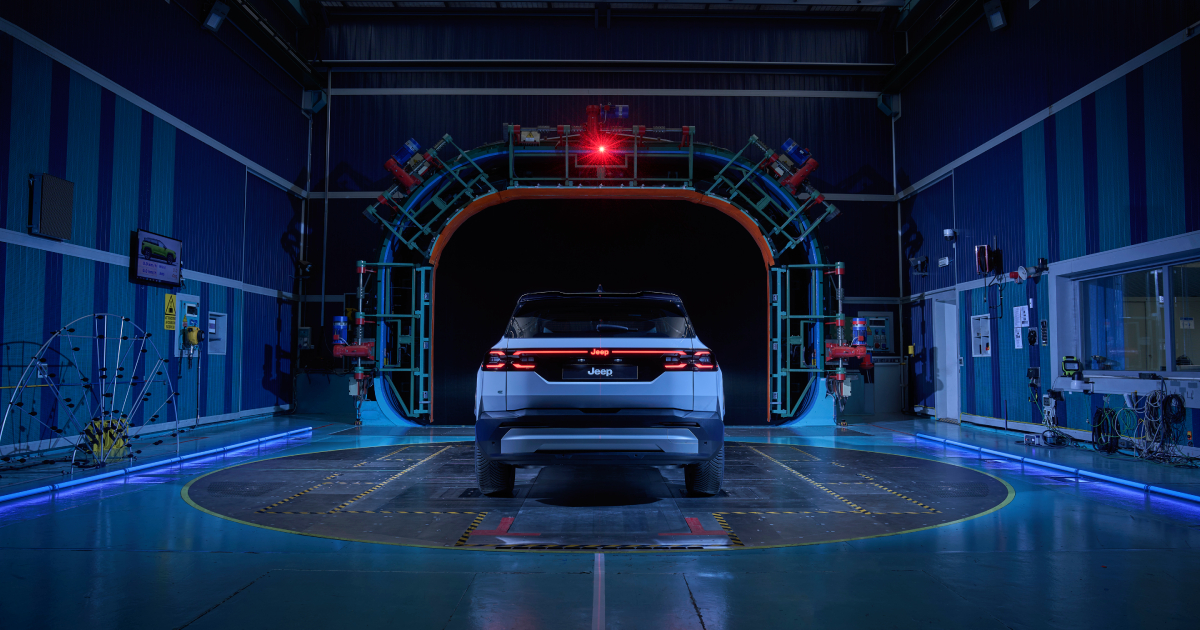
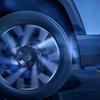
The new Compass is built from scratch on the Stellantis STLA Medium platform. It inherited from its predecessors "boxy" design, but at the same time received a flatter bottom, active louvres of a grille in the front part, special wheel discs and even air ducts in rear wheel arches, as in sports cars. The result: a drag coefficient (Cx) of less than 0.29. This is 10 per cent better than the previous generation model.
Aerodynamic efficiency is particularly important for the all-electric version of the Compass. The battery-electric model is expected to have a range of up to 650 kilometres on a full charge. Hybrid and plug-in hybrid versions also benefit from these design features, getting lower fuel consumption and greater electric range in return. In the gallery embedded below, the new Jeep Compass is shown in a wind tunnel.


Recall that the Compass is offered for the first time with three types of powertrains: hybrid, plug-in hybrid (PHEV) and all-electric, which, according to Jeep, covers up to 90% of the needs of the European market.
The versions with internal combustion engine are front-wheel drive: it is either a mild hybrid with 145 hp or a PHEV with 195 hp with a 21 kWh battery and a range of up to 85 km without starting the internal combustion engine.
Electric cars are offered in front-wheel drive versions with 213 hp and 231 hp. At the top of the range is the all-wheel drive 4xe version with 375 hp.
Source: Jeep


