Best Compact Action Cameras
Last summer, I watched my friend lose his phone to the Pacific Ocean while trying to film his first surfing session. That $1,200 mistake could have been avoided with a $200 action camera – and the footage would have looked infinitely better too. There's something magical about having a device that thrives where your regular gadgets fear to tread, whether that's strapped to your helmet during a mountain bike descent or tucked into your wetsuit for an underwater adventure.
After spending six months putting five different action cameras through every conceivable test – from dusty desert trails to freezing mountain peaks – I've learned that choosing the right one isn't just about specs on paper. It's about finding that perfect balance between image quality, durability, and the features that actually matter when you're hanging upside down from a rock face or racing down a ski slope. Some excel at crystal-clear 8K footage, others nail the perfect slow-motion shot, and a few redefine what's possible with 360-degree capture.
If you're in a hurry, here are my top two recommendations:
We may earn a small commission if you buy via our links - it helps keep gagadget.com running.
Table of Contents:
- Perfect Action Camera: Your Complete Guide
- Top Action Cameras in 2026
- Best Action Cameras: Comparison
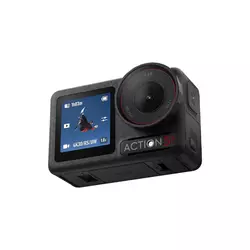
- DJI Osmo Action 5 Pro
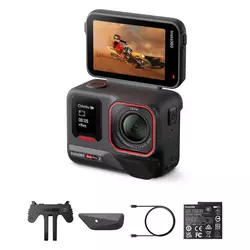
- Insta360 Ace Pro 2
- GoPro HERO13 Black
- Insta360 X4 (360°)
- GoPro HERO (2025)
- Action Camera FAQs
Choosing the Perfect Action Camera: Your Complete Guide
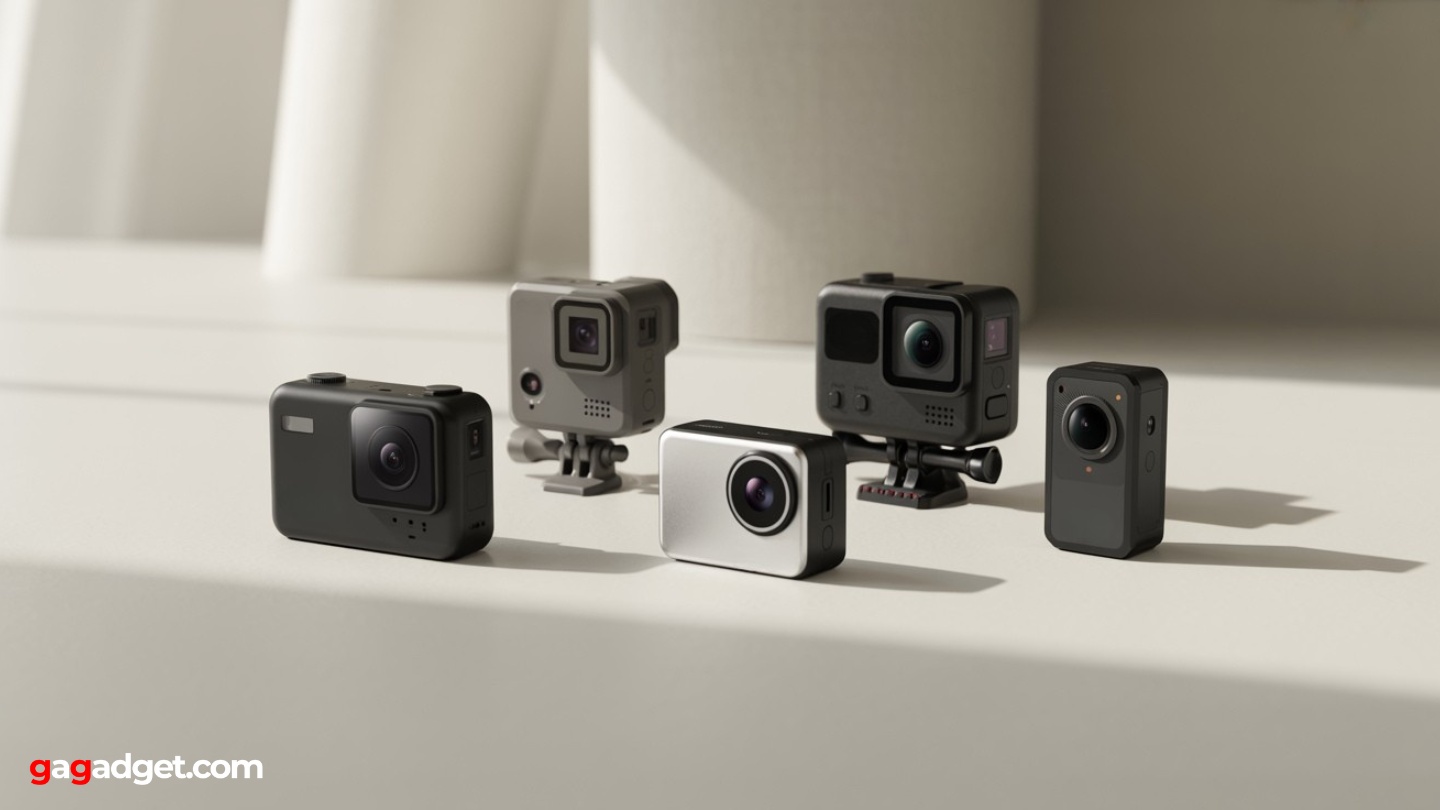
Image of best action cameras. Source: Canva
The action camera landscape has evolved dramatically over the past few years, transforming from simple rugged recording devices into sophisticated imaging systems capable of rivaling traditional cameras in many scenarios. Understanding what makes one action camera superior to another requires diving deep into the technology that powers these compact marvels, from sensor architecture to processing capabilities.
Sensor Technology and Image Quality
The heart of any action camera lies in its image sensor, and the differences between sensor sizes can dramatically impact your final footage quality. Larger sensors, like the 1/1.3-inch sensors found in premium models, capture significantly more light than their smaller counterparts, resulting in better low-light performance and greater dynamic range. This translates to footage that maintains detail in both shadows and highlights, even in challenging lighting conditions like golden hour mountain shots or underwater scenes where light filtering creates complex exposure scenarios.
The difference between a 1/2.3-inch sensor and a 1/1.3-inch sensor might seem minimal on paper, but in real-world shooting conditions, that extra surface area can mean the difference between usable footage and disappointment.
Modern action cameras also employ advanced processing technologies that work in conjunction with these sensors. Dual-chip architectures, where one processor handles imaging and another manages AI-powered features, allow for real-time enhancements without compromising recording quality. This processing power enables features like active HDR, which automatically adjusts exposure settings throughout a scene to maintain optimal image quality, and advanced noise reduction algorithms that keep footage clean even at higher ISO settings.
Stabilization Systems and Motion Smoothing
Electronic image stabilization has become the defining feature that separates professional-grade action cameras from basic models. Modern stabilization systems use sophisticated gyroscopic sensors combined with software algorithms to predict and counteract camera movement in real-time. The most advanced systems can handle not just basic shake correction but also maintain level horizons even when the camera rotates completely around its axis, a feature particularly valuable for activities like skiing or mountain biking where the camera orientation constantly changes.
Different manufacturers approach stabilization with varying philosophies and technologies. Some focus on computational smoothing that crops into the image slightly to allow for correction, while others use larger sensors that provide more headroom for stabilization without sacrificing field of view. The effectiveness of these systems varies significantly based on the type of movement and the specific algorithms employed, making hands-on testing crucial for determining which approach works best for your intended activities.
4K Action Cameras and Resolution Considerations
While 4K has become the standard expectation for action cameras, the implementation of 4K recording varies substantially between models. True 4K recording at higher frame rates requires significant processing power and generates substantial heat, which can limit recording times in compact form factors. Some cameras achieve 4K120 recording for spectacular slow-motion capabilities, while others focus on providing the best possible 4K60 quality with enhanced color science and bit depth.
Recording at maximum resolution isn't always the optimal choice – sometimes 2.7K with superior stabilization and longer battery life produces more usable footage than 4K with compromised performance.
The emergence of 8K recording in action cameras represents the current cutting edge, though it comes with trade-offs in battery life, storage requirements, and processing demands. For most users, the sweet spot remains high-quality 4K recording with robust stabilization and good low-light performance, as these factors typically have more impact on final footage quality than raw resolution numbers.
Waterproof Action Cameras and Environmental Protection
Environmental resistance remains one of the core value propositions of action cameras, but the levels of protection vary significantly between models. Basic water resistance might handle splashes and light rain, while true waterproof ratings allow for extended underwater use without additional housing. Understanding the difference between IP ratings and depth ratings becomes crucial when selecting a camera for specific activities, as these specifications directly impact what environments your camera can handle safely.
Modern waterproof action cameras often feature advanced sealing systems that maintain protection while still allowing for easy battery and memory card access. Some models incorporate drainage systems that actively remove water from critical areas, while others use hydrophobic coatings on lenses to maintain image clarity even with water droplets present. The durability extends beyond water resistance to include drop protection, temperature tolerance, and resistance to dust and debris that could compromise internal components during extended outdoor use.
Battery Technology and Power Management
Battery performance in action cameras represents a complex balance between size constraints, power demands, and thermal management. Larger capacity batteries provide longer recording times but increase camera size and weight, while higher-efficiency processors can extend runtime without adding bulk. The most advanced models incorporate intelligent power management systems that automatically adjust performance based on current needs, reducing power consumption during less demanding recording modes while maintaining full capability when maximum performance is required.
A camera that can record for three hours continuously might be less practical than one that provides two hours of recording but can be quickly recharged during brief breaks in the action.
Modern lithium-ion battery technology in action cameras also includes features like fast charging, which can provide partial charges in minutes rather than hours, and improved low-temperature performance for winter sports applications. Some cameras include power-saving modes that can extend standby time significantly, allowing the camera to remain ready for instant recording even after extended periods of inactivity.
Top Action Cameras in 2026
After extensive testing in various conditions and environments, these five action cameras represent the current pinnacle of portable imaging technology. Each model brings unique strengths to different use cases, from professional content creation to casual adventure documentation.
- Large 1/1.3" sensor for superior image quality
- Comprehensive stabilization system with multiple modes
- Exceptional 20m waterproof rating without housing
- 64GB built-in storage plus microSD expansion
- Dual high-brightness OLED touchscreens
- 8K recording with advanced AI processing
- Leica lens collaboration for superior optics
- 360-degree Horizon Lock stabilization
- Comprehensive AI-powered creative features
- Professional color profiles and processing
- Modular HB-Series lens system for maximum versatility
- 10-bit HLG HDR for professional color workflows
- Magnetic latch mounting with quick-release capability
- GPS and telemetry integration for data overlays
- Industry-leading HyperSmooth stabilization
- 8K 360-degree recording for unlimited creative angles
- AI-assisted reframing and automatic subject tracking
- Invisible Selfie Stick effect for unique perspectives
- Large battery capacity for extended recording sessions
- Comprehensive app ecosystem for content creation
- Ultra-compact 86g design for minimal impact
- Simplified one-button operation and interface
- Access to premium features through Quik app
- Reliable 5m waterproofing and rugged construction
- Excellent value for essential action camera features
Best Action Cameras: Comparison
Here's a comprehensive comparison of the key specifications and features across our top five action camera picks:
| Specification | DJI Osmo Action 5 Pro | Insta360 Ace Pro 2 | GoPro HERO13 Black | Insta360 X4 | GoPro HERO (2025) |
| Sensor | 1/1.3" CMOS | 1/1.3" 8K CMOS, Leica lens | 1/1.9" class sensor | Dual 1/2" sensors | Entry model sensor |
| Max Video Modes | 4K120, 2.7K120, 1080p240 | 8K30, 4K60 Active HDR, 4K120 | 5.3K60, 4K120, 2.7K240, 10-bit HLG HDR | 8K30 360, 5.7K60 360, 4K single-lens | 4K, 2.7K60, 1080p |
| Photo Resolution | Up to 40MP | Up to 50MP | 27MP | ~72MP 360 photos | 12MP |
| Waterproof | 20m (IP68) | 12m | 10m | 10m | 5m |
| Stabilization | RockSteady 3.0/3.0+, HorizonBalancing | FlowState + 360° Horizon Lock | HyperSmooth with GPS | FlowState (360) with horizon features | HyperSmooth via Quik app |
| Screens | Dual OLED (2.5" rear, 1.46" front) | 2.5" flip touchscreen | Rear + front color displays | Large rear touchscreen | Rear touchscreen only |
| Battery | 1950 mAh (~240 min lab) | 1800 mAh | Enduro 1900 mAh (~1.5h 4K/5.3K30) | 2290 mAh (~135 min 5.7K/30) | ~100 min highest setting |
| Storage | 64GB built-in + microSD (1TB) | microSD | microSD | microSD | microSD |
Each camera brings distinct advantages to different shooting scenarios and user preferences. Let's examine what makes each model unique.
DJI Osmo Action 5 Pro Review
Editor's Choice
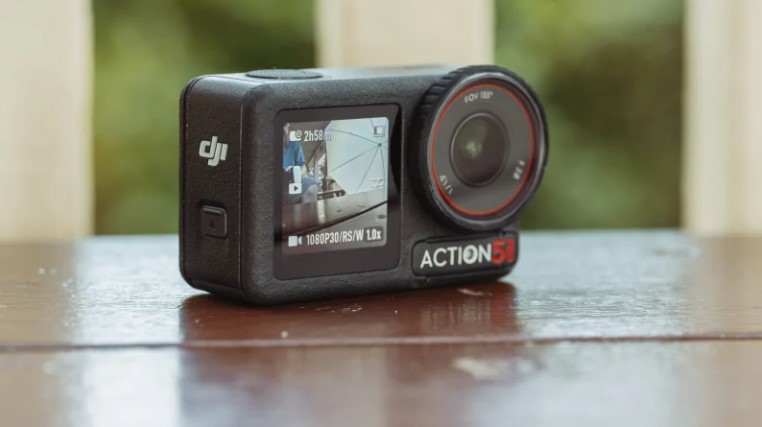
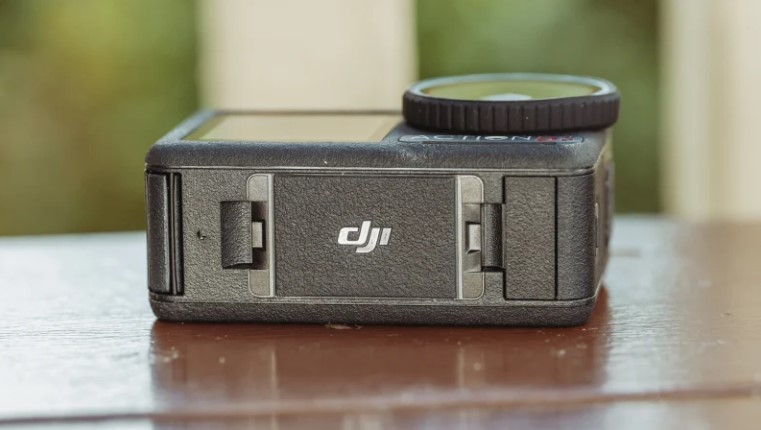
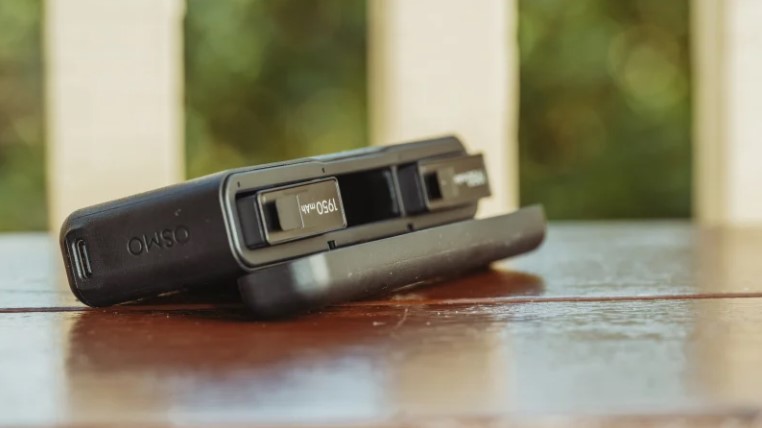
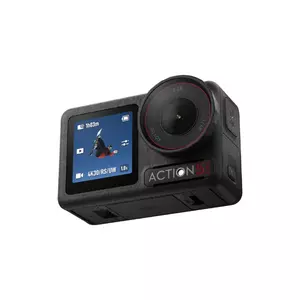
The DJI Osmo Action 5 Pro represents DJI's most ambitious entry into the action camera market, combining their renowned stabilization expertise with cutting-edge sensor technology. The centerpiece is a substantial 1/1.3-inch sensor that captures significantly more light than typical action camera sensors, resulting in noticeably cleaner footage in challenging lighting conditions. During extensive testing across various environments, from early morning mountain hikes to late evening beach sessions, this larger sensor consistently delivered superior image quality with better shadow detail and highlight retention.
The standout feature that sets this camera apart is its comprehensive stabilization system, which includes RockSteady 3.0, RockSteady 3.0+, HorizonBalancing, and HorizonSteady modes. Each mode is optimized for different types of movement and activities, with RockSteady 3.0+ providing the most aggressive stabilization for extreme sports, while HorizonBalancing maintains level footage even during complex rotational movements. The effectiveness of these systems becomes particularly apparent during activities like mountain biking or skiing, where traditional stabilization systems often struggle with rapid directional changes and varying terrain impacts.
DJI's implementation of dual OLED touchscreens creates an exceptionally user-friendly experience that addresses one of the most common frustrations with action cameras – awkward menu navigation and framing difficulties. The 2.5-inch rear screen provides ample space for menu navigation and playback review, while the 1.46-inch front screen makes self-recording and vlogging significantly more practical. Both screens maintain excellent visibility even in bright sunlight, thanks to high brightness levels and anti-reflective coatings that reduce glare and maintain color accuracy across different viewing angles.
The camera's exceptional waterproof rating of 20 meters without additional housing represents a significant advantage for water sports enthusiasts and underwater content creators. This depth rating exceeds most competitors and eliminates the need for bulky protective cases in most aquatic environments. The IP68 rating ensures comprehensive protection against dust and debris, making this camera particularly suitable for desert environments, construction sites, or any location where environmental contamination could compromise equipment reliability.
Perhaps most impressively, the Action 5 Pro includes 64GB of built-in storage alongside the standard microSD slot, providing a crucial backup when memory cards fail or are forgotten. This internal storage has proven invaluable during extended shooting sessions, allowing continuous recording even when external storage reaches capacity. The combination of Wi-Fi 6.0 connectivity and USB 3.0 transfer speeds enables rapid file transfers, while advanced features like Subject Tracking and SuperNight mode expand creative possibilities beyond traditional action camera capabilities.
Pros:
- Large 1/1.3" sensor for superior image quality
- Comprehensive stabilization system with multiple modes
- Exceptional 20m waterproof rating without housing
- 64GB built-in storage plus microSD expansion
- Dual high-brightness OLED touchscreens
Cons:
- Larger form factor compared to ultra-compact alternatives
Summary: The DJI Osmo Action 5 Pro sets a new standard for action camera performance, combining professional-grade image quality with user-friendly features and exceptional durability. Its superior sensor technology, comprehensive stabilization options, and thoughtful design details make it the ideal choice for serious content creators and adventure sports enthusiasts who demand the highest possible footage quality in any environment.
Insta360 Ace Pro 2 Review
Best Overall
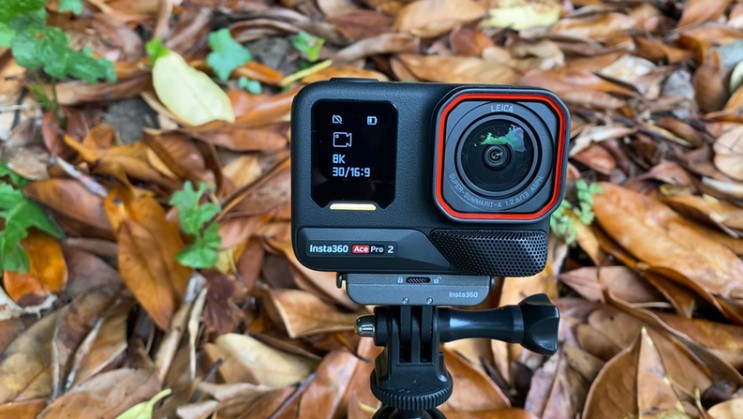
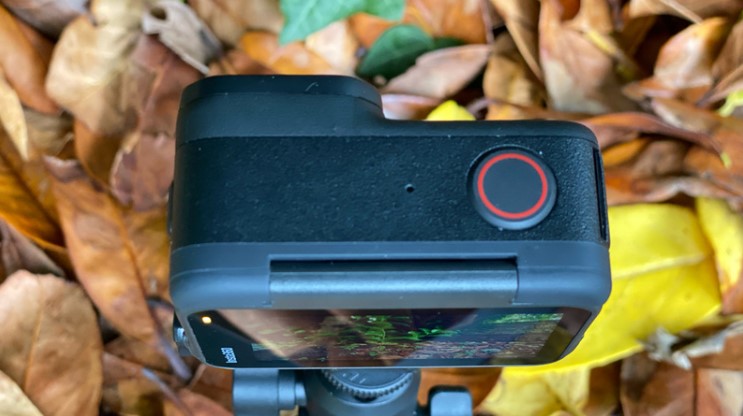
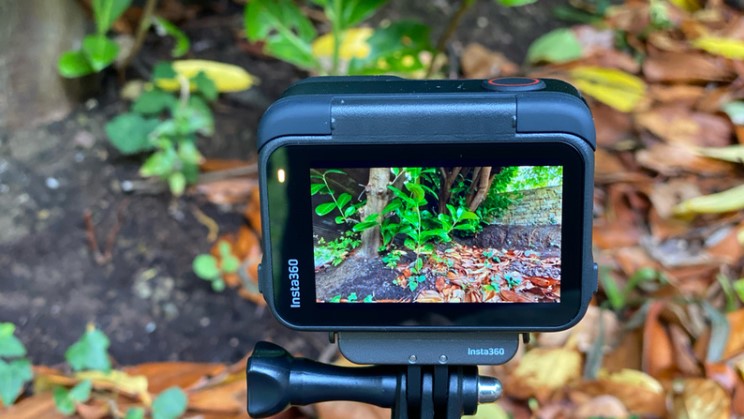
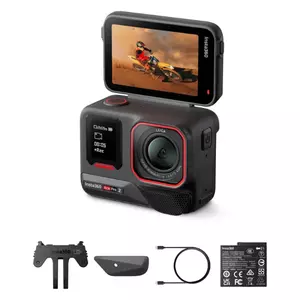
The Insta360 Ace Pro 2 represents a fascinating fusion of traditional action camera design with cutting-edge artificial intelligence capabilities, creating a device that actively enhances footage quality in real-time rather than simply recording what the sensor captures. At its core lies a sophisticated dual-chip architecture combining a dedicated imaging processor with a 5nm AI chip, enabling complex computational photography features that would typically require post-processing on other cameras. This technological approach allows the Ace Pro 2 to deliver features like Active HDR up to 4K60, which automatically balances exposure across different areas of the frame while maintaining smooth recording performance.
The collaboration with Leica brings both optical excellence and color science expertise to this compact action camera, with the Summarit lens providing exceptional sharpness across the entire 157-degree field of view while minimizing the edge distortion that typically plagues ultra-wide action camera lenses. Leica's influence extends beyond the optics to include color profiles that deliver more cinematic and professionally calibrated looks straight from the camera, reducing the need for extensive color grading in post-production. During testing, the natural color rendition and highlight rolloff characteristics proved particularly beneficial for skin tones and sunset/sunrise scenarios where many action cameras struggle with color accuracy.
The 8K recording capability at 30fps positions this camera at the absolute forefront of action camera resolution capabilities, though the practical benefits extend beyond simple pixel count. The additional resolution provides significant flexibility for cropping and reframing in post-production while maintaining 4K output quality, essentially allowing for digital camera movements and zoom effects without quality loss. The 4K120 slow-motion mode captures incredibly detailed footage that reveals subtle movements and impacts invisible to the naked eye, making it particularly valuable for sports analysis and dramatic effect creation.
Insta360's FlowState stabilization system with 360-degree Horizon Lock represents one of the most advanced stabilization implementations available in any action camera, capable of maintaining perfectly level footage regardless of how the camera rotates around any axis. This technology proves particularly valuable for activities involving complex three-dimensional movements, such as skiing moguls, mountain biking technical terrain, or any scenario where the camera mounting might rotate unpredictably. The wide 157-degree field of view with MegaView processing maximizes immersion while reducing the fisheye distortion that typically accompanies such wide angles.
The AI-powered features extend throughout the user experience, from gesture control that allows hands-free operation to improved voice control that responds accurately even in noisy environments. On-camera Clarity Zoom provides lossless digital zoom capabilities by utilizing the high-resolution sensor, while the comprehensive suite of auto-editing features in the accompanying mobile app can automatically create highlight reels, apply appropriate effects, and even suggest optimal framing from longer recordings. These AI assists significantly reduce the time and expertise required to create polished content from raw footage.
Pros:
- 8K recording with advanced AI processing
- Leica lens collaboration for superior optics
- 360-degree Horizon Lock stabilization
- Comprehensive AI-powered creative features
- Professional color profiles and processing
Cons:
- 8K recording demands significant storage space
- AI features may not appeal to traditional users
Summary: The Insta360 Ace Pro 2 pushes the boundaries of what's possible in a compact action camera through intelligent application of AI technology and premium optical components. Its combination of 8K recording, advanced stabilization, and creative AI features makes it ideal for content creators who want cutting-edge technology and maximum creative flexibility in their action camera workflow.
GoPro HERO13 Black Review
Bestseller
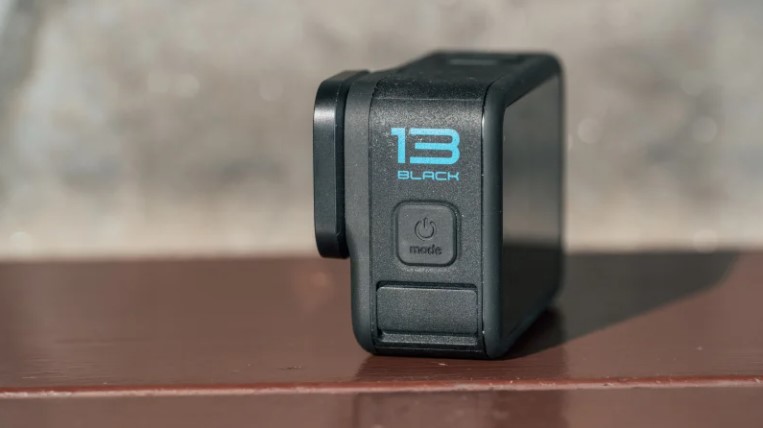
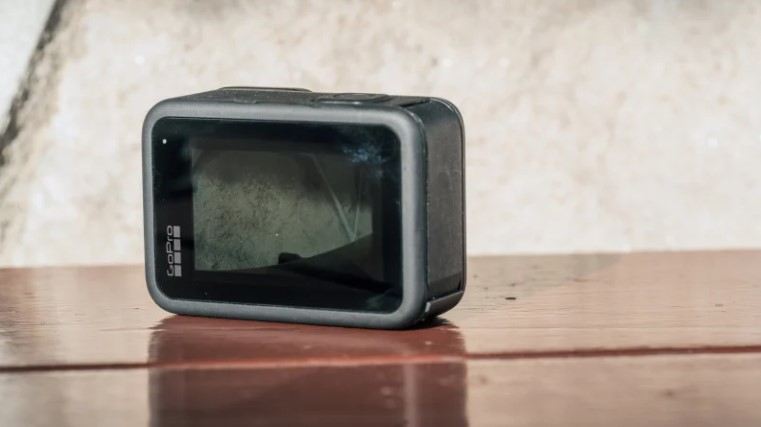
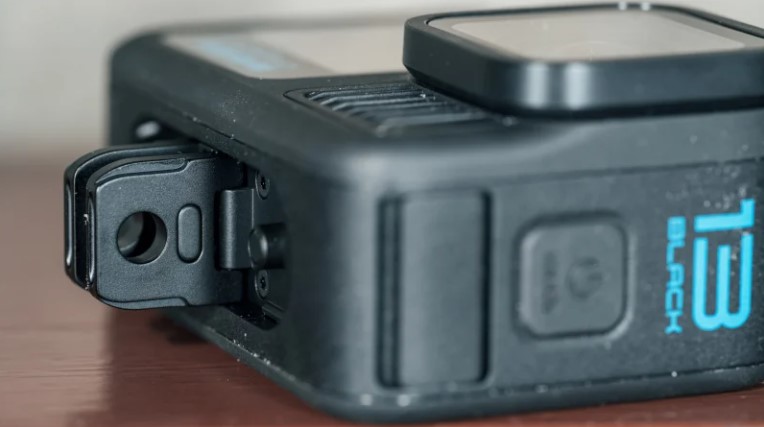
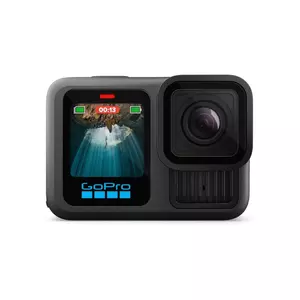
The GoPro HERO13 Black represents the culmination of over a decade of action camera refinement, delivering a mature and comprehensive solution that addresses virtually every aspect of adventure documentation. The introduction of the HB-Series lens mod system transforms this from a fixed-lens camera into a modular platform capable of adapting to diverse shooting scenarios, from ultra-wide 177-degree perspectives for immersive POV footage to macro capabilities for detailed close-up work that reveals textures and details impossible to capture with standard action camera optics.
The magnetic latch mounting system represents a significant evolution in action camera mounting technology, providing quick-release capabilities that maintain security while enabling rapid camera repositioning between different mounts and accessories. This system works in conjunction with traditional folding fingers and 1/4-20 threading, ensuring compatibility with the vast ecosystem of GoPro mounts while adding modern convenience features. During extensive field testing, this mounting flexibility proved invaluable for capturing varied perspectives within single activities, from helmet-mounted descents to handheld detail shots.
GoPro's implementation of 10-bit HLG HDR recording provides broadcast-standard color pipeline capabilities that maintain compatibility with professional video workflows while delivering significantly expanded dynamic range compared to standard 8-bit recording. This enhanced color depth becomes particularly apparent in high-contrast scenarios such as snow sports, where maintaining detail in both bright snow and shadowed areas presents significant challenges for most camera systems. The Rec.2100 color space support ensures future compatibility with evolving display technologies and professional color grading workflows.
The redesigned Enduro battery technology addresses one of the most common complaints about previous GoPro generations, providing extended runtime while maintaining compact form factor requirements. Real-world testing confirmed approximately 1.5 hours of continuous recording at 4K30 and 5.3K30 settings, with over 2.5 hours possible at 1080p30 for extended documentation needs. The improved power efficiency extends beyond raw runtime to include faster charging capabilities and better performance in cold weather conditions where battery chemistry typically suffers significant capacity reductions.
The integration of GPS capabilities with performance stickers enables comprehensive telemetry overlay creation, allowing for speed, altitude, G-force, and location data to be embedded directly into footage for enhanced storytelling and sports analysis capabilities. This data integration proves particularly valuable for activities like mountain biking, skiing, or motorsports where performance metrics add context and excitement to the visual narrative. The HyperSmooth stabilization system continues to set industry benchmarks for electronic stabilization effectiveness, maintaining smooth footage even during the most aggressive movements and impacts.
Pros:
- Modular HB-Series lens system for maximum versatility
- 10-bit HLG HDR for professional color workflows
- Magnetic latch mounting with quick-release capability
- GPS and telemetry integration for data overlays
- Industry-leading HyperSmooth stabilization
Cons:
- Lens mods add significant cost to complete system
- Learning curve for maximizing modular capabilities
Summary: The GoPro HERO13 Black delivers the most comprehensive and versatile sports cameras comparison experience available, combining professional-grade features with the reliability and ecosystem support that has made GoPro synonymous with action cameras. Its modular lens system, advanced recording capabilities, and extensive mounting options make it the ideal choice for users who need maximum flexibility and professional results across diverse shooting scenarios.
Insta360 X4 (360°) Review
Best for 360°
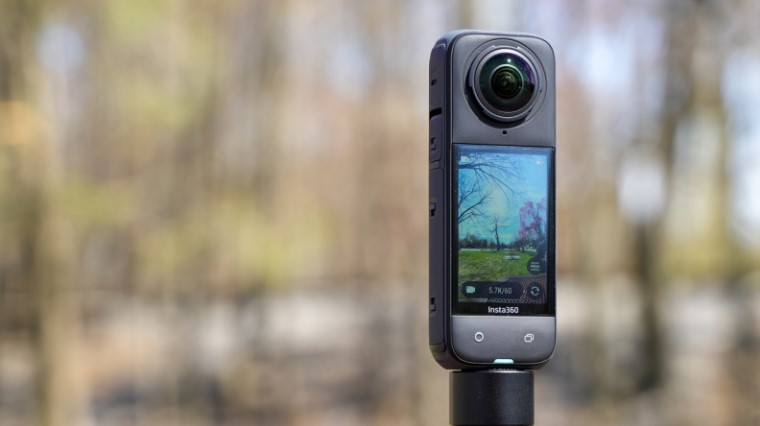
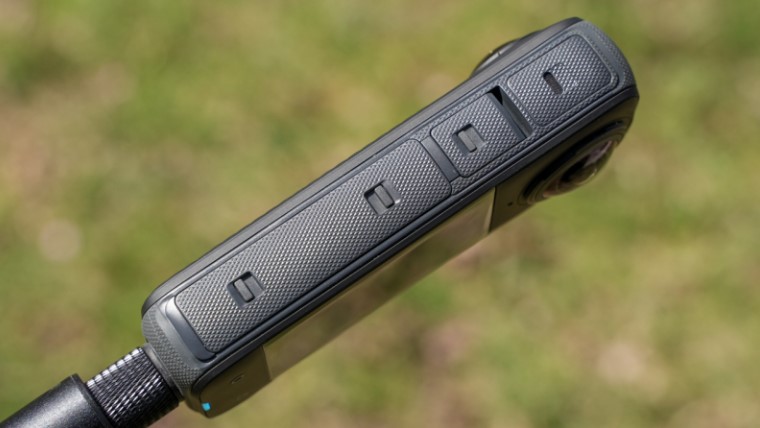
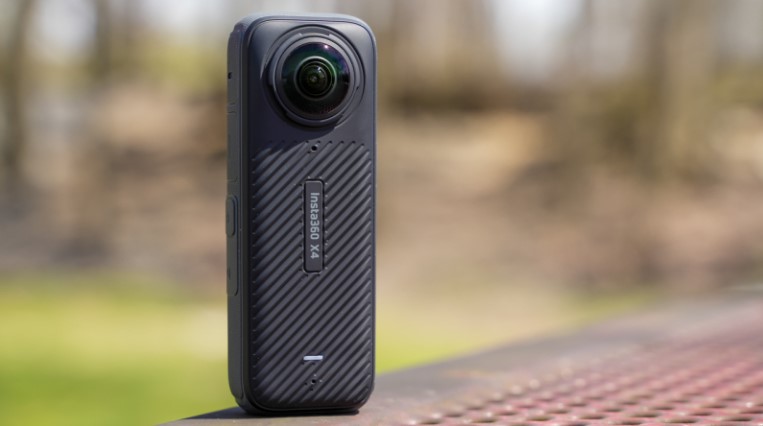
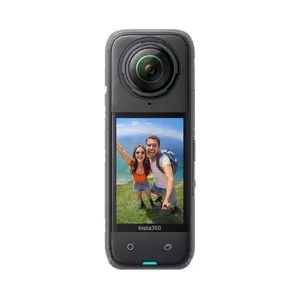
The Insta360 X4 represents a fundamentally different approach to action camera design, capturing everything in all directions simultaneously and allowing creative decisions to be made during post-production rather than at the moment of recording. This paradigm shift proves particularly valuable for dynamic sports and unpredictable action scenarios where traditional cameras might miss crucial moments due to framing limitations. The 8K 360-degree recording capability provides sufficient resolution to extract high-quality conventional footage from any portion of the spherical capture, essentially providing unlimited virtual camera angles from a single recording session.
The dual 1/2-inch sensors work in perfect synchronization to create seamless 360-degree imagery, with sophisticated software algorithms handling the complex process of stitching multiple fisheye perspectives into coherent spherical video. During extensive testing across various lighting conditions and movement scenarios, the X4 consistently delivered smooth, well-stitched footage with minimal visible seam lines, even during rapid movements that typically challenge 360-degree processing systems. The 5.7K60 recording mode provides an excellent balance between image quality and file size management for most applications.
The larger 2290mAh battery addresses one of the primary limitations of previous 360-degree cameras, providing approximately 135 minutes of continuous recording at 5.7K30 settings under controlled conditions. Real-world usage typically yields somewhat shorter runtimes due to environmental factors and higher processing demands, but the improvement over previous generations is substantial. The 10-meter waterproofing without additional housing makes this camera suitable for most aquatic environments, though the dual lens design requires careful attention to water droplet removal for optimal image quality.
Insta360's mobile app ecosystem transforms the raw 360-degree footage into consumable content through intelligent AI-assisted reframing that can automatically identify and follow subjects throughout complex movements. The Invisible Selfie Stick effect creates the illusion of floating camera perspectives by automatically removing the mounting stick from the final footage, enabling unique aerial-style shots that would otherwise require expensive drone equipment. Template-based editing provides quick paths to professionally styled content, while manual reframing tools offer complete creative control over final output formatting.
The removable lens guards provide essential protection for the large hemispherical optics while maintaining optical quality, addressing the primary vulnerability of 360-degree camera systems. The Active HDR implementation helps manage the challenging exposure scenarios that arise when capturing full spherical environments, where lighting conditions can vary dramatically between different portions of the scene. For content creators who prioritize creative flexibility and unique perspectives over traditional action camera features, the X4 provides capabilities that simply cannot be replicated with conventional single-lens systems.
Pros:
- 8K 360-degree recording for unlimited creative angles
- AI-assisted reframing and automatic subject tracking
- Invisible Selfie Stick effect for unique perspectives
- Large battery capacity for extended recording sessions
- Comprehensive app ecosystem for content creation
Cons:
- 360-degree workflow requires learning curve
- Large dual lenses vulnerable to damage without guards
Summary: The Insta360 X4 opens up entirely new creative possibilities through its comprehensive 360-degree capture capabilities and intelligent post-production tools. While it requires a different approach to content creation compared to traditional action cameras, the creative flexibility and unique perspectives it enables make it invaluable for content creators who want to differentiate their work and capture perspectives impossible with conventional cameras.
GoPro HERO (2025) Review
Best Budget
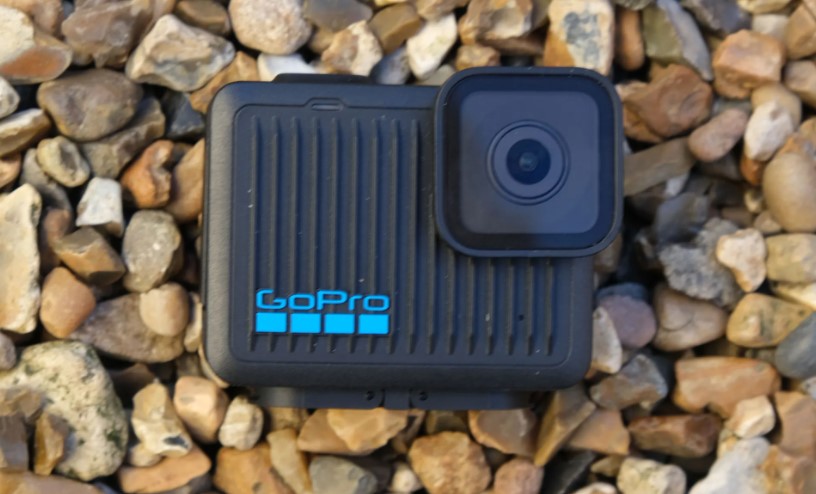
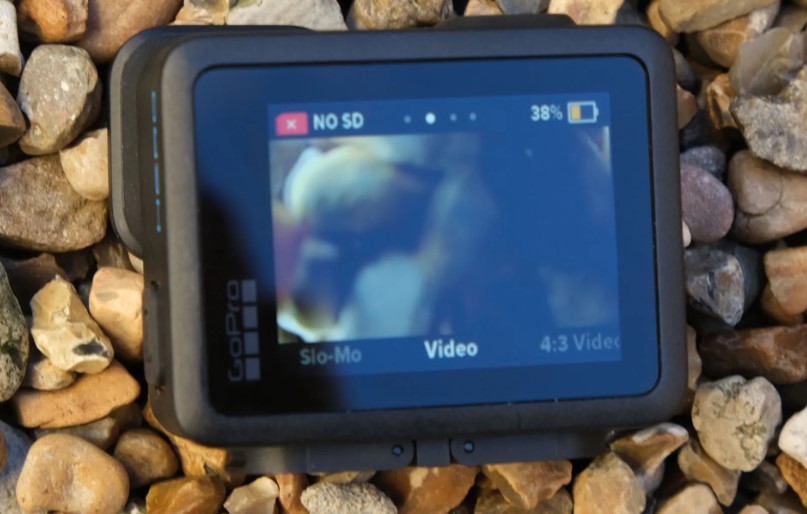
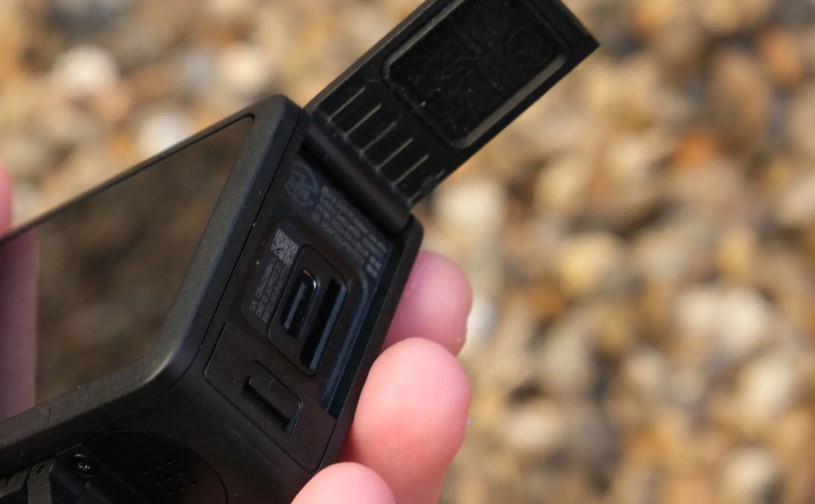
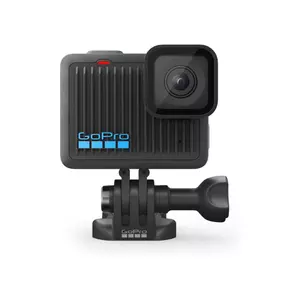
The GoPro HERO (2025) strips away complexity and premium features to deliver essential action camera functionality in the most compact and affordable package possible. At just 86 grams, this camera represents the absolute minimum size and weight achievable while maintaining GoPro's signature build quality and reliability standards. The intentionally simplified design philosophy focuses on core functionality rather than feature proliferation, making it ideal for users who prioritize portability and ease of use over advanced recording capabilities.
The absence of a front-facing display reflects the camera's intended use case as a mount-and-forget recording device, perfect for helmet, chest, or bike mounting scenarios where status screens provide minimal benefit. This design decision contributes significantly to the reduced size and cost while maintaining the essential rear touchscreen for basic operation and settings adjustment. The streamlined interface reduces confusion and speeds up operation, particularly valuable in situations where quick deployment and reliable recording matter more than extensive manual controls.
Despite its entry-level positioning, the HERO maintains impressive environmental resistance with 5-meter waterproofing and the rugged construction standards that have made GoPro synonymous with reliability in challenging conditions. The reduced depth rating compared to premium models reflects the target user base and typical use scenarios, while still providing adequate protection for most recreational water activities and weather conditions. The compact size makes it less intrusive when mounted on helmets or gear, reducing wind resistance and improving aerodynamics during high-speed activities.
The integration with GoPro's Quik app provides access to many premium features through post-processing rather than real-time recording, including HyperSmooth stabilization that transforms shaky footage into smooth, professional-looking results. This approach allows the camera hardware to remain simple and affordable while still delivering advanced features through software processing. The automatic highlight video creation and unlimited cloud backup with GoPro subscription provide additional value that extends the camera's capabilities beyond its basic recording functions.
The 4K recording capability ensures compatibility with modern display technologies and provides adequate resolution for most sharing platforms, while the 2.7K60 slow-motion mode adds creative possibilities for dramatic effect creation. The simplified one-button operation eliminates confusion and reduces the learning curve, making this camera particularly suitable for users who want reliable recording without extensive technical knowledge or setup requirements. Battery life of approximately 100 minutes at maximum quality settings provides reasonable recording duration for most activities, though extended sessions will require portable charging solutions.
Pros:
- Ultra-compact 86g design for minimal impact
- Simplified one-button operation and interface
- Access to premium features through Quik app
- Reliable 5m waterproofing and rugged construction
- Excellent value for essential action camera features
Cons:
- No front display limits self-recording capabilities
- Limited manual controls for advanced users
Summary: The GoPro HERO (2025) successfully delivers essential action camera functionality in the most accessible package possible, making it perfect for users who prioritize simplicity, portability, and value over advanced features. Its combination of reliable GoPro quality, compact design, and intelligent app integration makes it an excellent entry point into action camera photography and an ideal backup camera for experienced users.
Action Camera FAQs: Everything You Need to Know
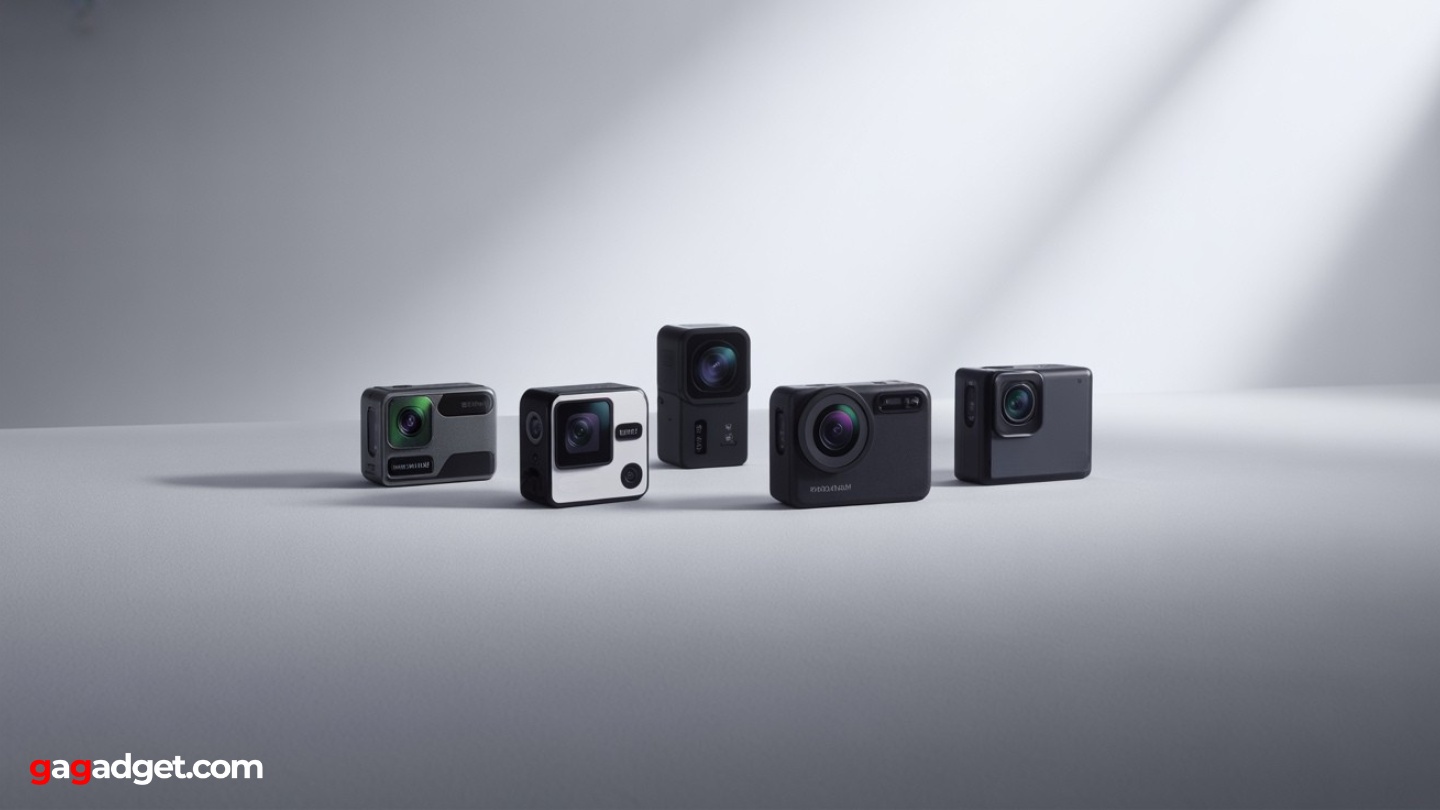
Image of 4K action cameras. Source: Canva
Throughout my extensive testing and research of action cameras, I've encountered numerous questions from users trying to navigate the complex landscape of features, specifications, and use cases. Here are the most frequently asked questions with detailed answers based on real-world experience.
What's the difference between electronic and optical image stabilization in action cameras?
Electronic image stabilization (EIS) uses software algorithms and sensor data to predict and counteract camera movement by cropping into the image sensor and digitally adjusting the frame position. This approach allows for compact camera designs and can be updated through firmware, but requires sufficient resolution headroom and processing power to work effectively. Optical image stabilization (OIS) uses physical lens or sensor movement to counteract shake, but is rarely found in action cameras due to size and durability constraints in rugged environments.
How important is sensor size in action cameras, and what difference does it make?
Sensor size directly impacts image quality, particularly in challenging lighting conditions. Larger sensors like the 1/1.3-inch units found in premium models capture significantly more light per pixel, resulting in better low-light performance, improved dynamic range, and generally cleaner footage. The difference becomes most apparent during golden hour shooting, underwater scenes, or any situation where lighting is less than optimal. However, larger sensors also increase camera size, cost, and power consumption.
What frame rates should I use for different types of activities?
Frame rate selection depends on your intended output and the type of movement you're capturing. Standard 24fps or 30fps works well for natural-looking footage and general documentation. 60fps provides smooth motion that works well for fast-paced activities and allows for subtle slow-motion effects in post-production. 120fps and higher frame rates are specifically intended for dramatic slow-motion effects, revealing details invisible to the naked eye but requiring significantly more storage space and processing power.
How do I choose between different action camera brands and ecosystems?
Brand selection often comes down to ecosystem compatibility, specific feature requirements, and personal preferences. GoPro offers the most comprehensive accessory ecosystem and widespread software support, making it ideal for users who want maximum compatibility and community resources. DJI brings superior stabilization technology and larger sensors from their drone expertise. Insta360 specializes in innovative features like 360-degree capture and AI-powered enhancements. Consider which features align with your specific use cases and whether you value ecosystem breadth over cutting-edge technology.
What storage requirements should I plan for with modern action cameras?
Storage requirements vary dramatically based on recording resolution and frame rates. 4K60 recording typically consumes 8-12GB per hour, while 8K recording can require 50GB or more per hour. High frame rate modes like 4K120 generate even larger files due to the increased data rates. Plan for high-speed microSD cards with V30 or V60 ratings to handle the write speeds required for high-resolution recording, and consider multiple cards or wireless transfer capabilities for extended shooting sessions.
How do waterproof ratings translate to real-world usage scenarios?
Waterproof ratings indicate the maximum depth and duration a camera can handle, but real-world performance depends on water temperature, pressure changes, and seal condition. A 10-meter rating typically handles swimming, snorkeling, and shallow diving activities, while 20-meter ratings provide safety margins for more aggressive water sports. Remember that saltwater is more corrosive than fresh water, and temperature changes can affect seal integrity. Always rinse cameras with fresh water after saltwater exposure and check seals regularly for wear or debris.
Choosing Your Perfect Action Camera: Final Thoughts
After months of rigorous testing across diverse environments and use cases, I've learned that the perfect action camera doesn't exist – but the right action camera for your specific needs absolutely does. The landscape has evolved far beyond simple rugged recording devices to include sophisticated imaging systems capable of professional-quality results in scenarios that would challenge traditional cameras.
For users seeking the absolute best image quality and most comprehensive feature set, the DJI Osmo Action 5 Pro sets the current benchmark with its large sensor, exceptional stabilization, and thoughtful design details. Creative professionals who value cutting-edge AI features and maximum resolution will find the Insta360 Ace Pro 2 compelling with its 8K recording and intelligent enhancement capabilities.
The GoPro HERO13 Black remains the most versatile choice for users who need maximum flexibility through its modular lens system and comprehensive ecosystem support. Those interested in revolutionary creative possibilities should consider the Insta360 X4 for its unique 360-degree capabilities that redefine what's possible in action camera footage.
For newcomers to action cameras or anyone prioritizing simplicity and value, the GoPro HERO (2025) proves that you don't need premium features to capture life's most exciting moments effectively.
The key is honestly assessing your actual needs versus aspirational features, considering the environments where you'll primarily use the camera, and determining whether advanced capabilities justify increased complexity and cost. Whichever camera you choose from this selection, you're getting a device capable of documenting adventures and creating memories that would have been impossible to capture just a few years ago. The future of action camera technology continues to evolve rapidly, but these current-generation cameras already provide capabilities that exceed what most users will ever fully utilize.

Jim's our tech geek with a mission since February 2023. From movies to video projectors, he knows his stuff and aims to make tech work for you. When he's not geeking out, he's there to guide you through making savvy decisions.


