Today we're going to turn our heads and listen to sounds. This is how you can experience spatial audio technology, which is no longer something unattainably expensive and is now found even in headphones for $63. To be more specific, we'll listen to the new Haylou S40 ANC - full-size headphones with powerful noise cancellation and already mentioned spatial sound. And something else, we'll get into it now.
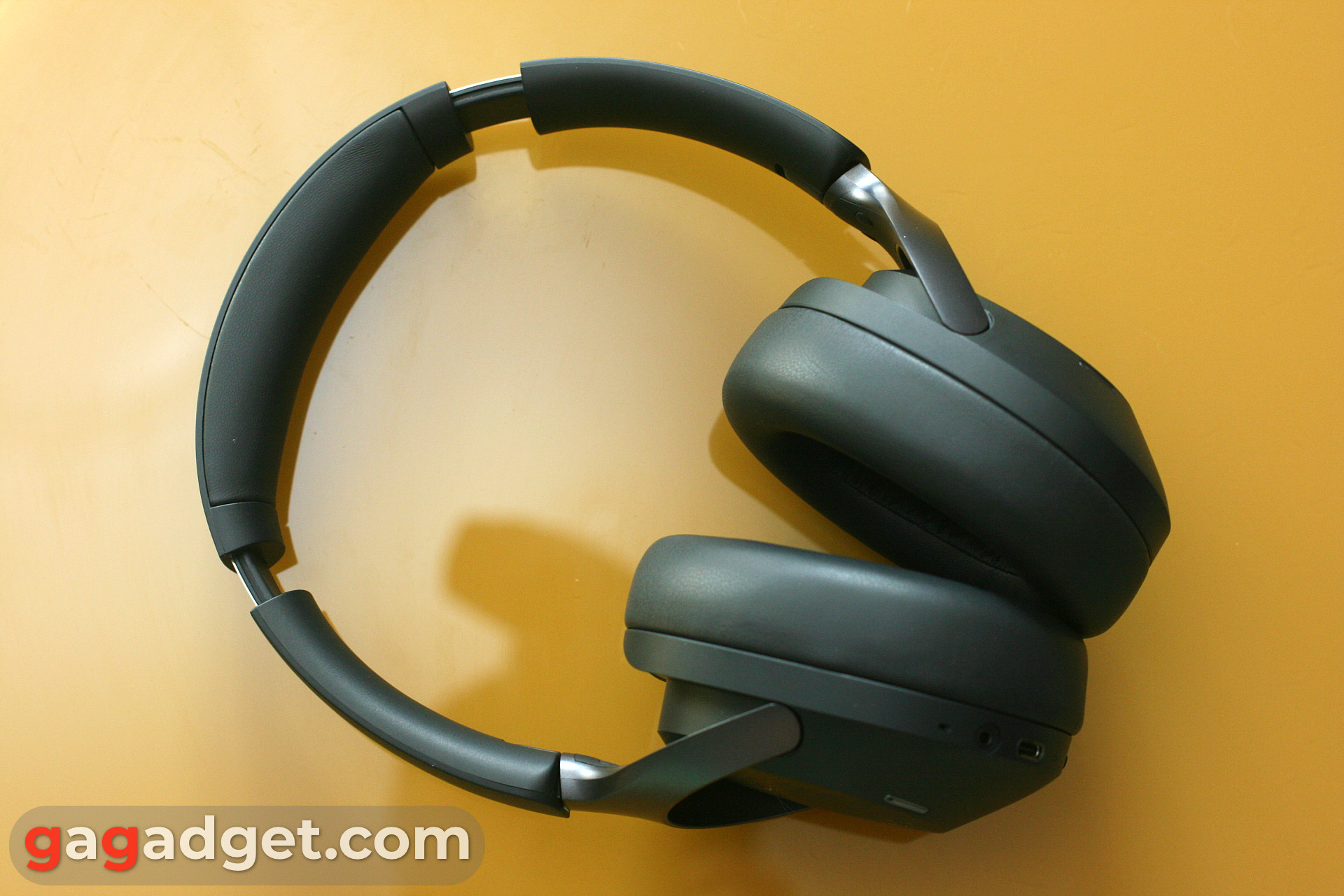
Appearance of Haylou S40 ANC. Illustration:gagadget.com
What's in the box?
Apart from the headphones themselves, the packaging contains a charging and data transfer cable (USB-C connectors on both sides), a remote microphone on a flexible stem and a paper manual. All surfaces of the headphones are covered with protective films, so that even theoretically nothing can be scratched. It's a pity that there is no case or transport case.
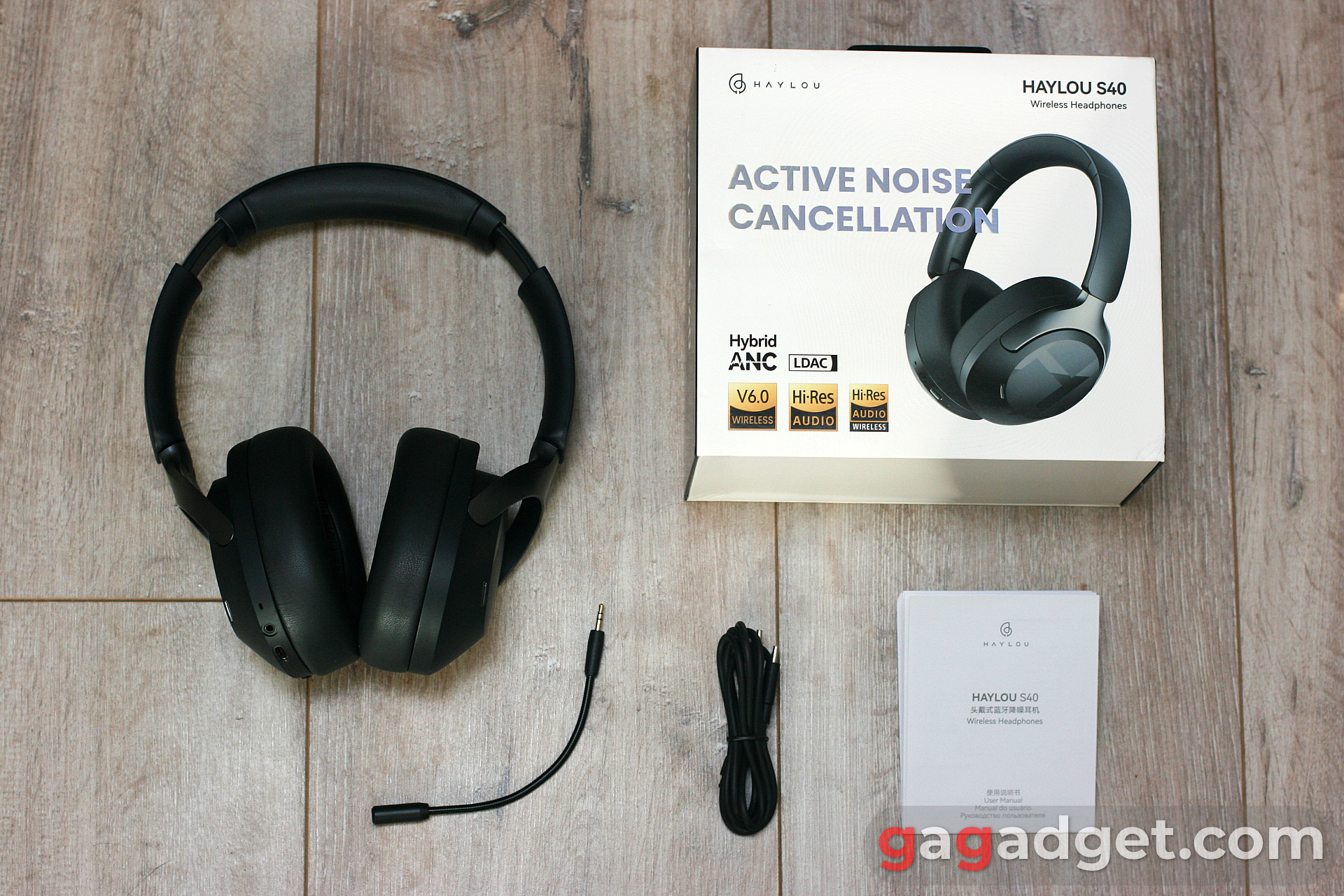
Haylou S40 ANC. Illustration:gagadget.com
What do the Haylou S40 ANCs look like?
We've Haylou S30 review: budget headphones with HiRes Audio before, and at a quick glance it's easy to confuse the new headphones with the previous models. This time we got the black version (it is called "blue" on the packaging), but the white version is also available. The plastic parts have a matte finish, it doesn't show fingerprints at all, but dust particles are clearly visible.
Haylou S40 ANC have a classic design. The bowls are movable in two axes: they can tilt vertically and twist horizontally, allowing a minimum of forward rotation and a 90-degree turn backwards. In addition, thanks to a separate hinge, they fold inwards for compact storage.
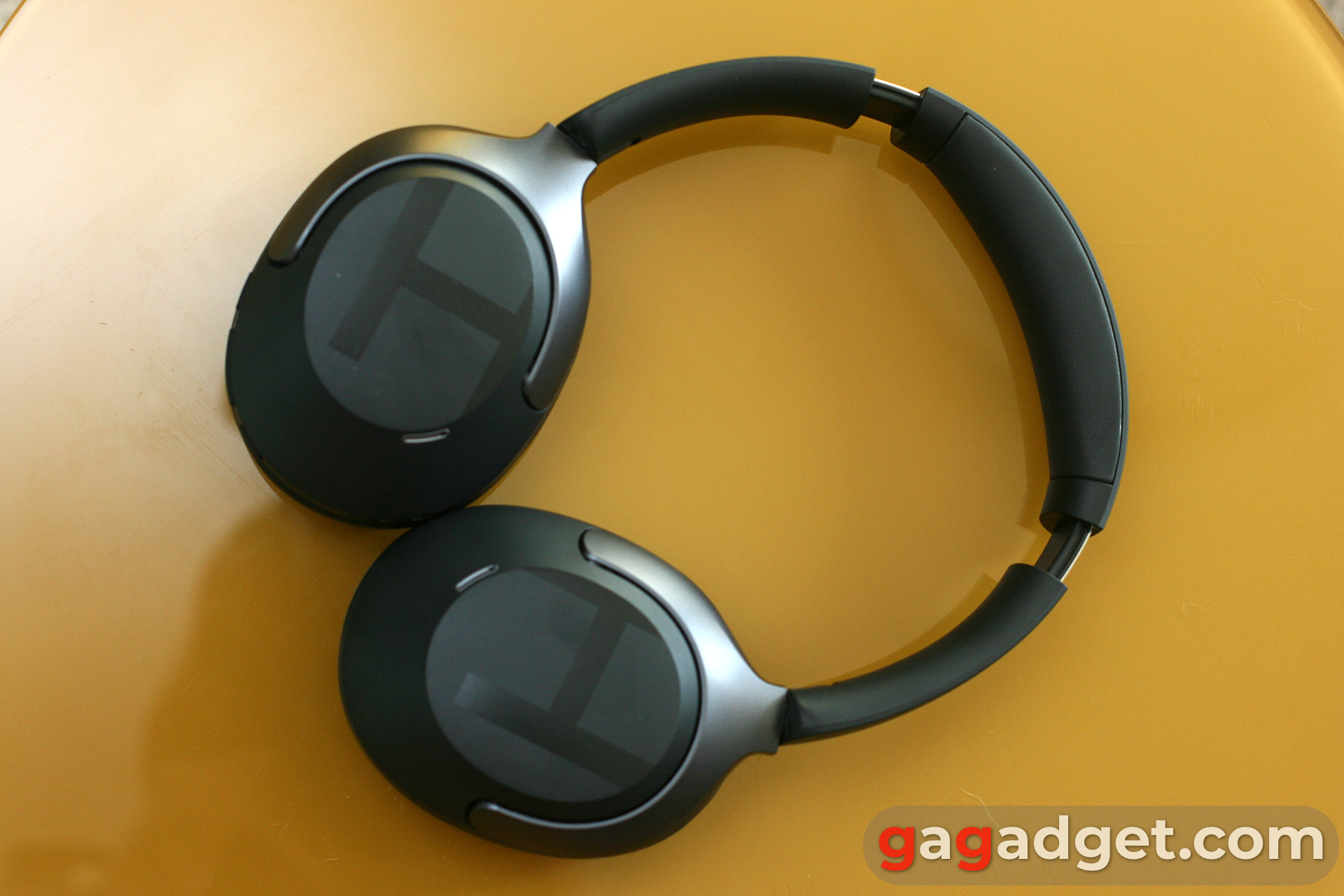

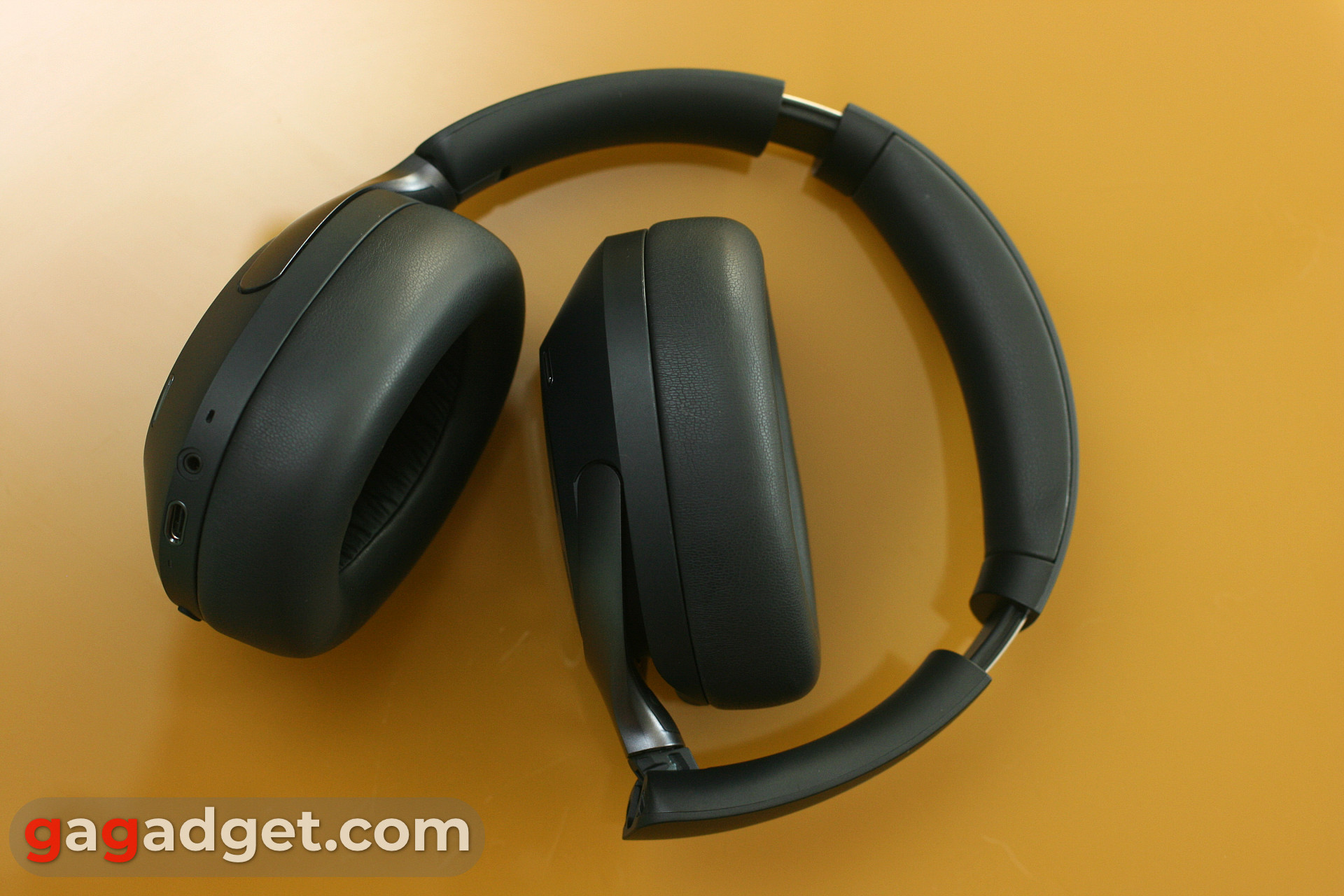
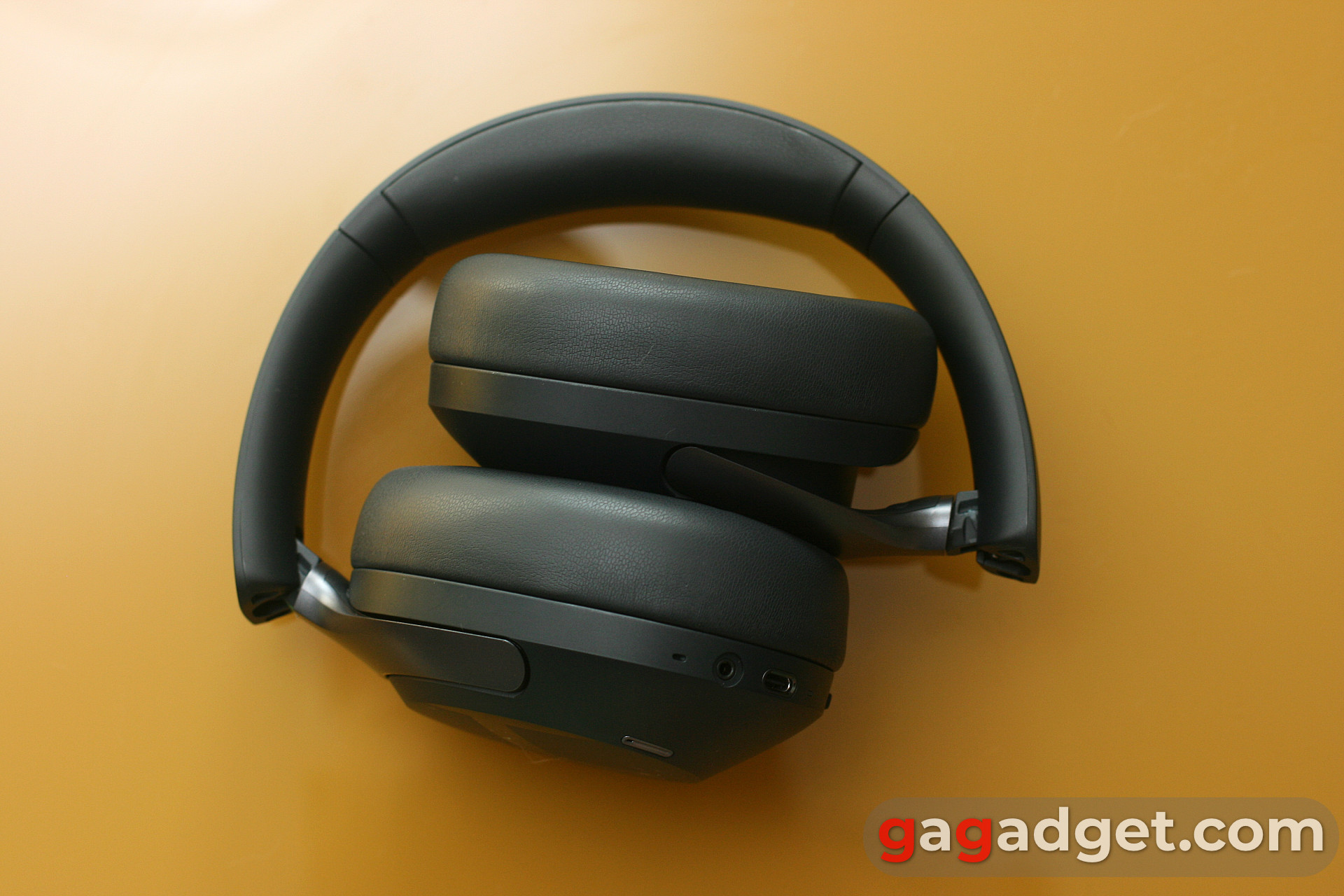
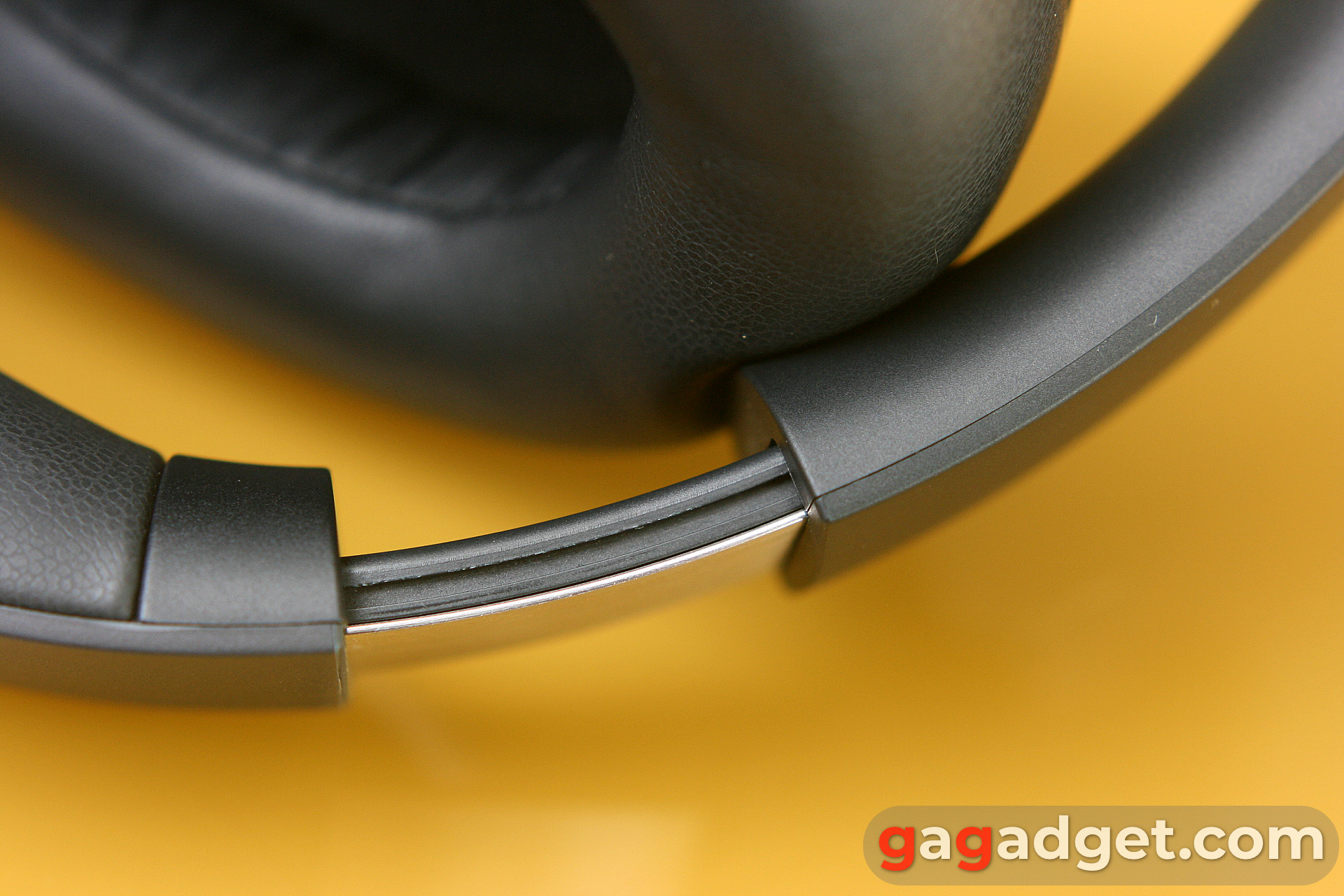
The headband is telescopic, adjustable in size on both sides, and has a metal support plate. The inner part of the headband is equipped with a soft, non-removable pad covered with artificial leather, pardon me, now it's called "protein leather".
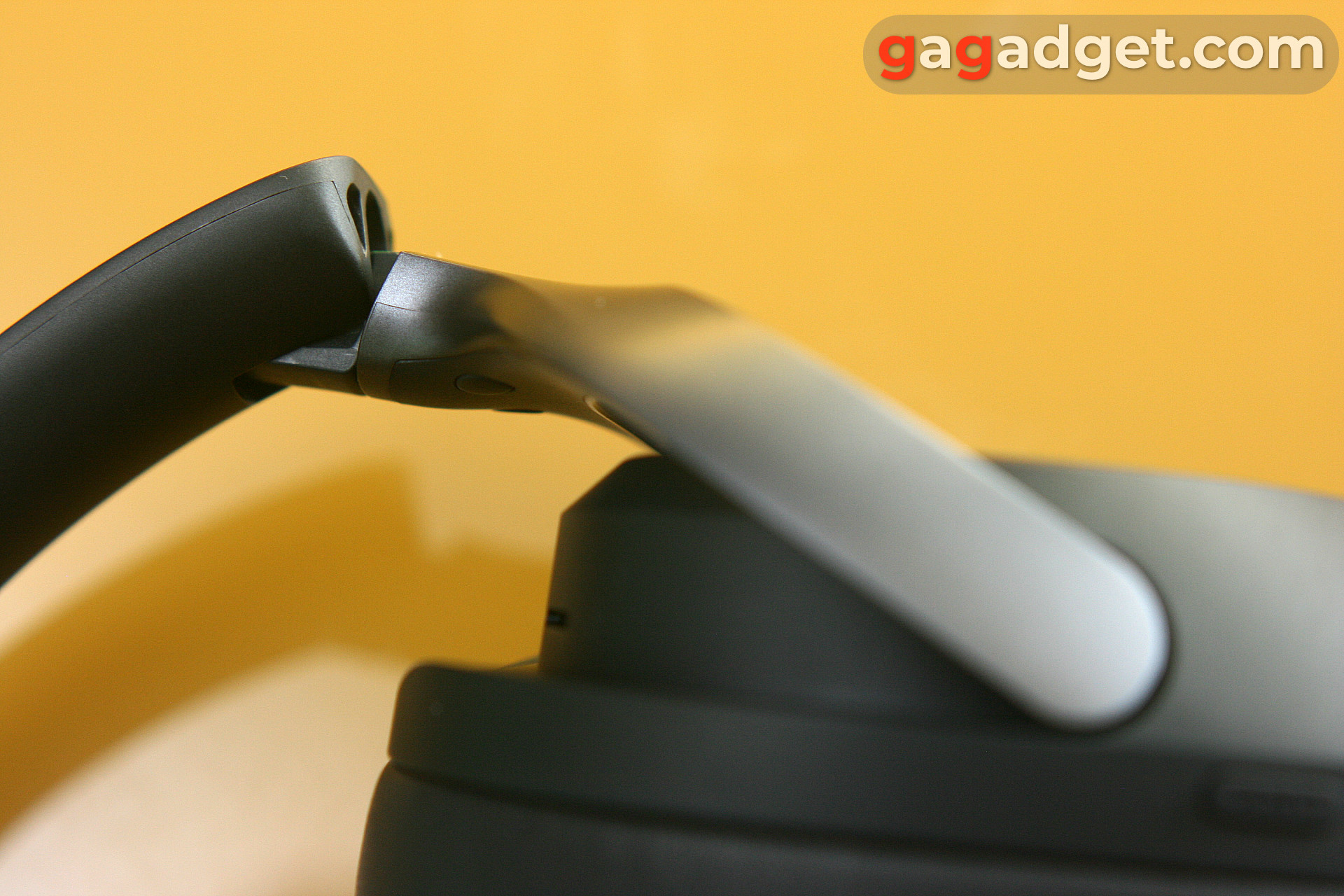
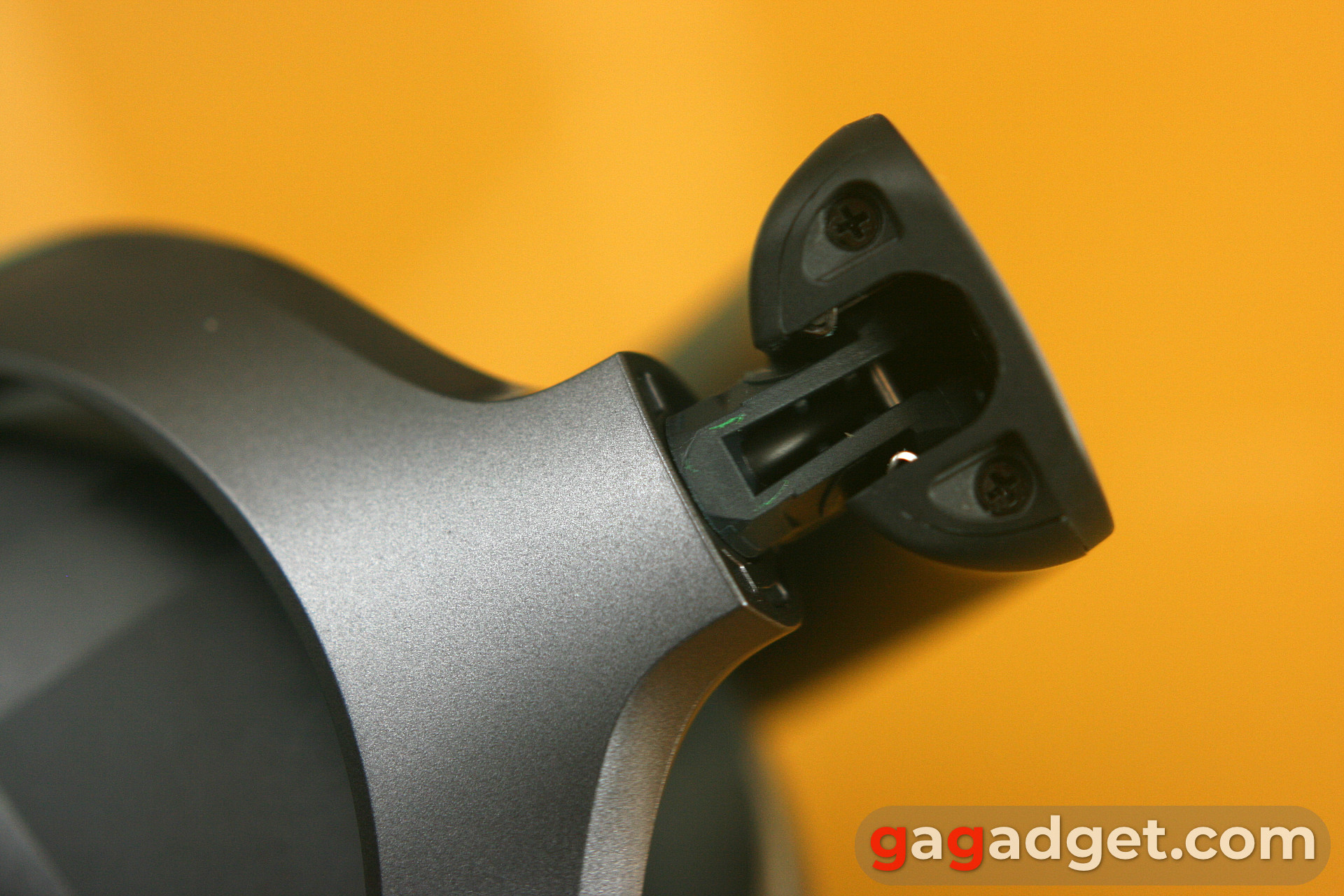


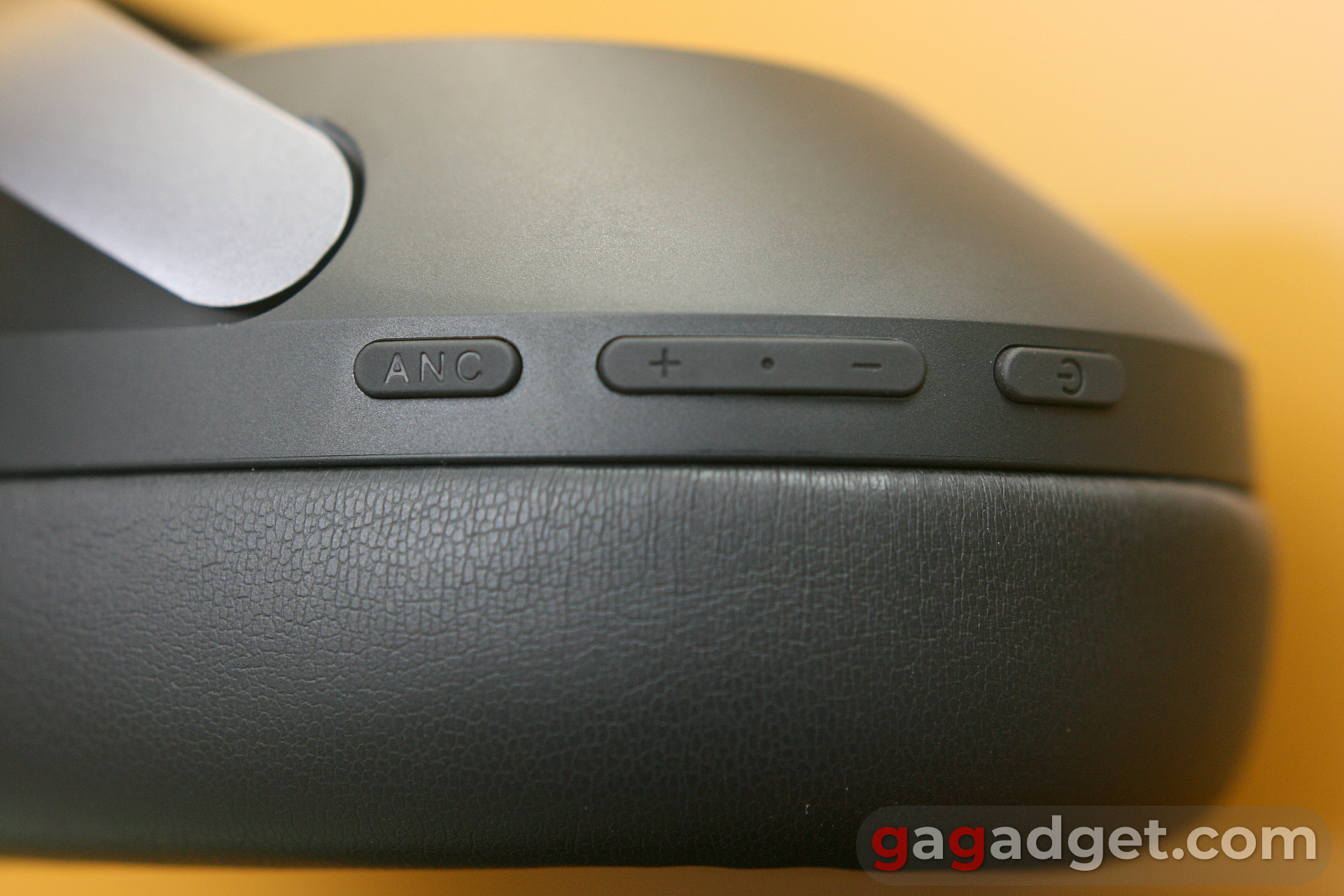
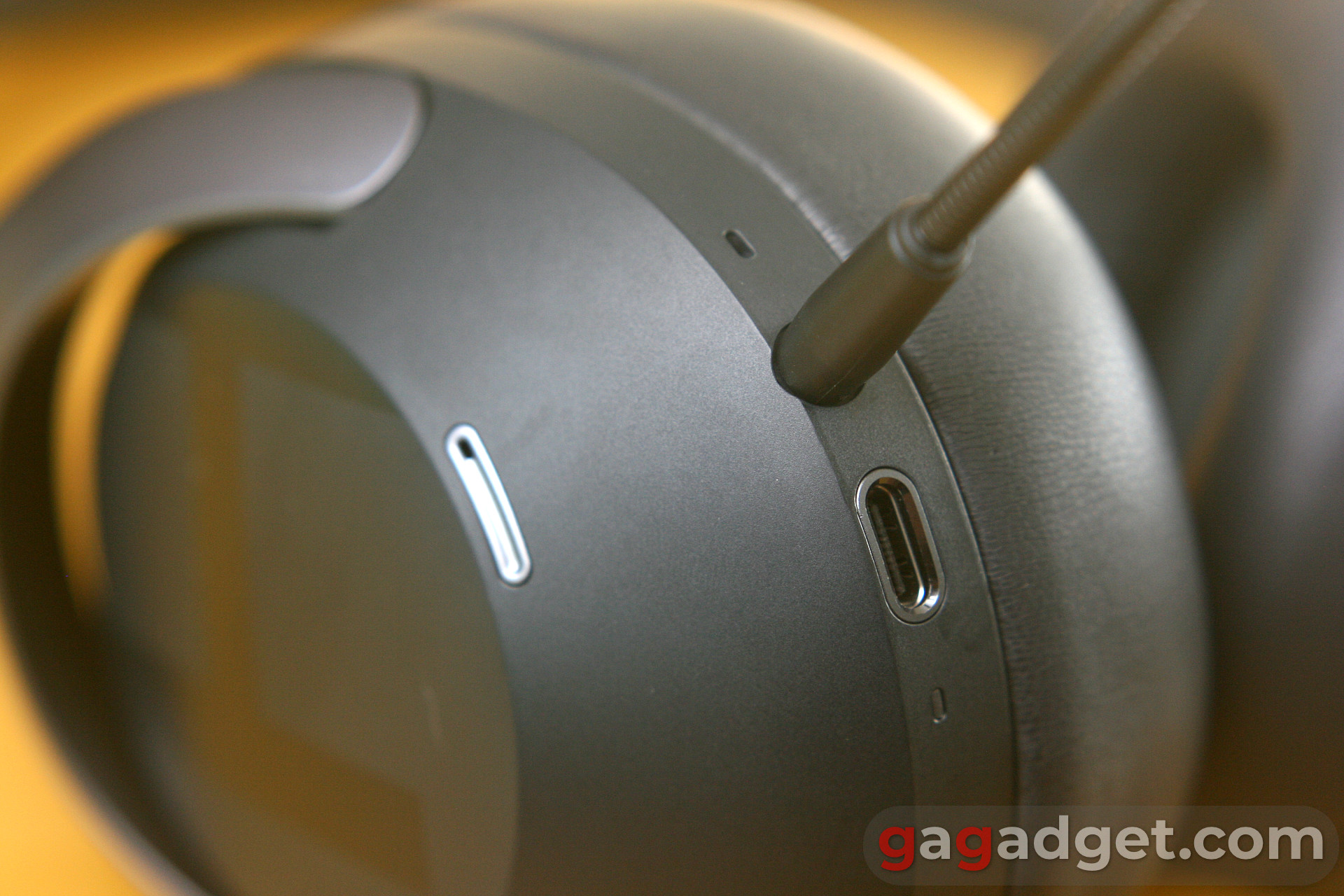
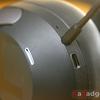
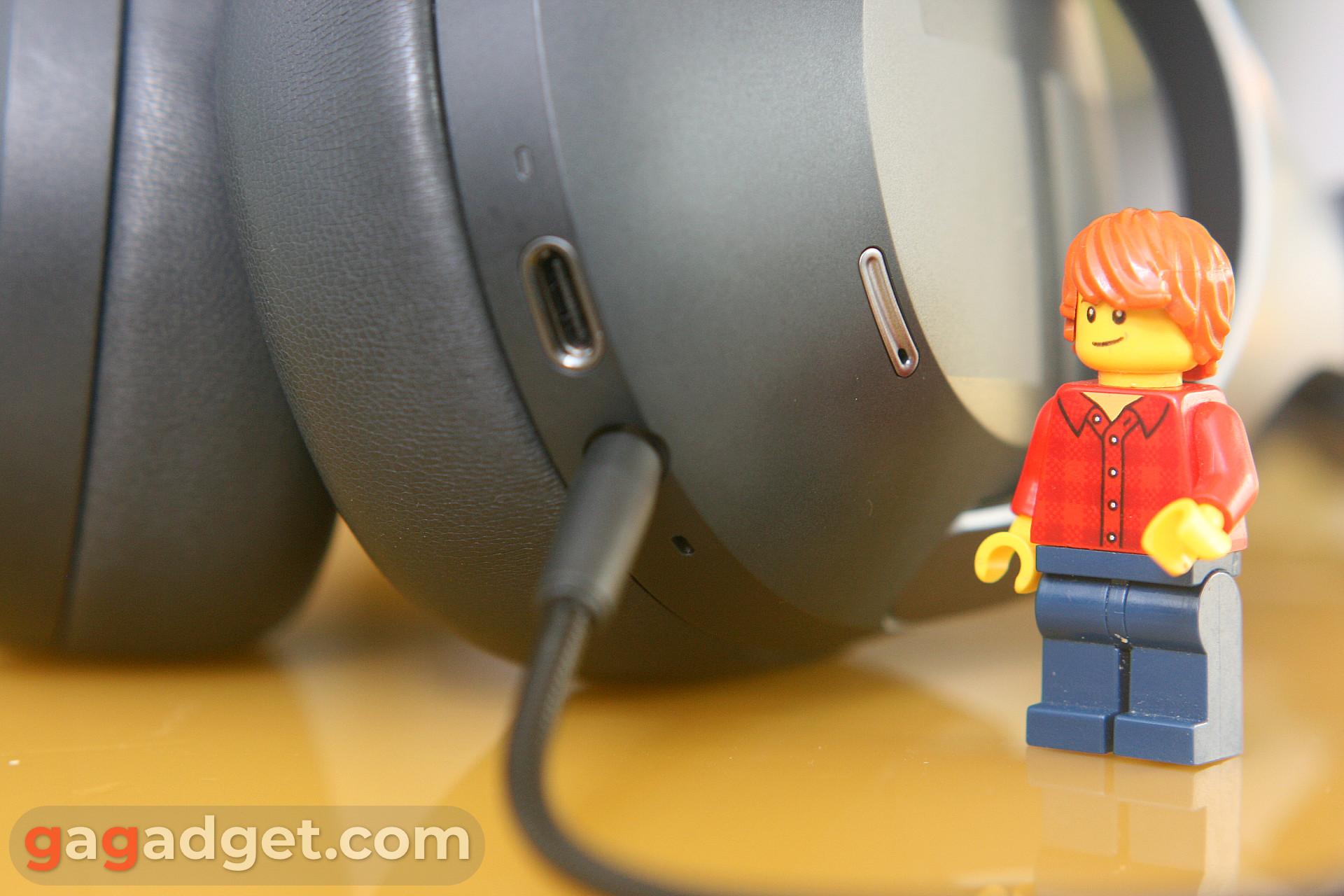
The same material is used to cover the ear cushions, with the letters R and L on the inside of the cushions to mark the left and right sides. On the outer side you can see the image of the letter "H", as on other models of this series. All connectors and controls are collected on the right bowl. These are separate power and noise cancellation buttons, dual volume rocker, microphone hole, LED indicator, USB-C port and external microphone jack.
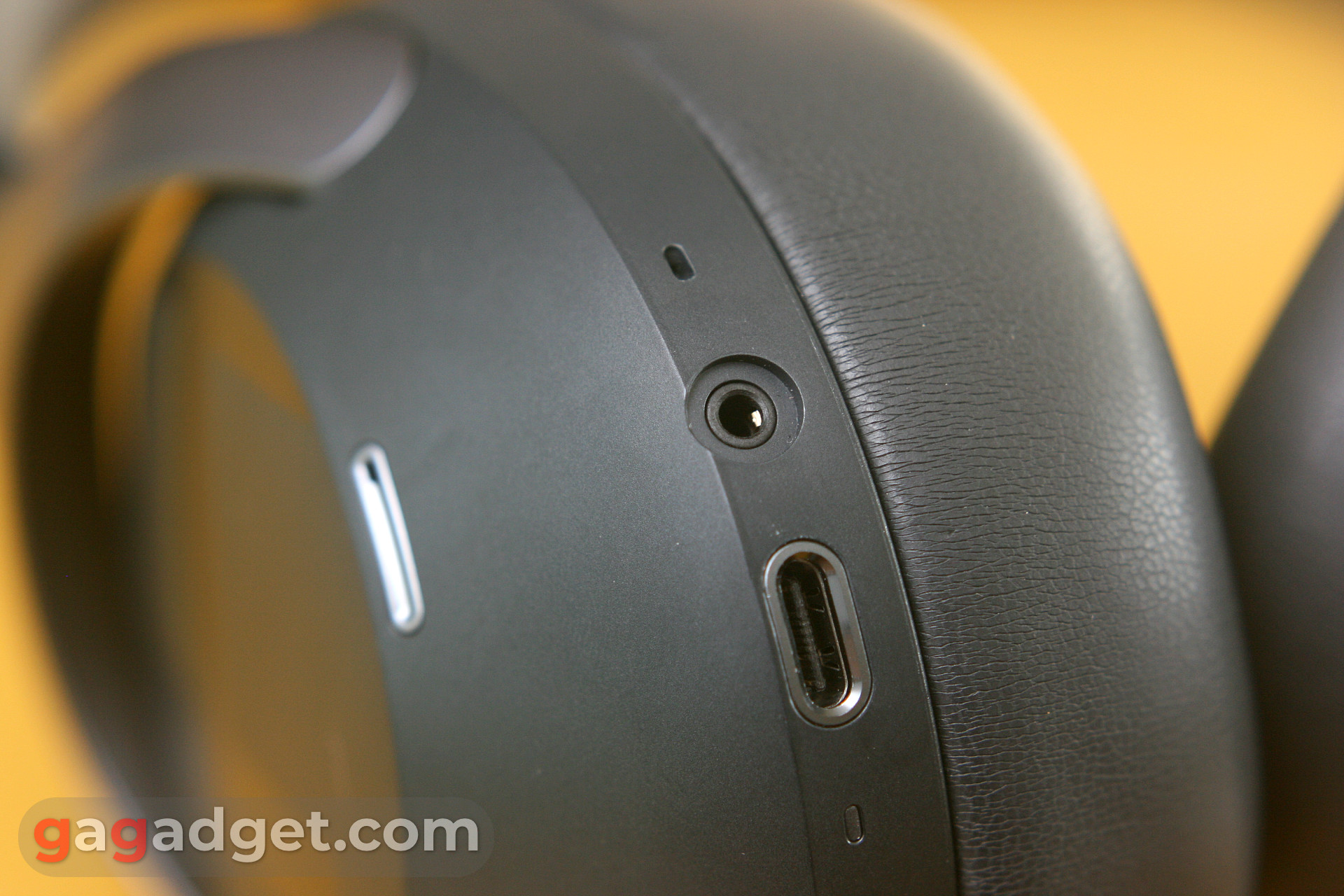


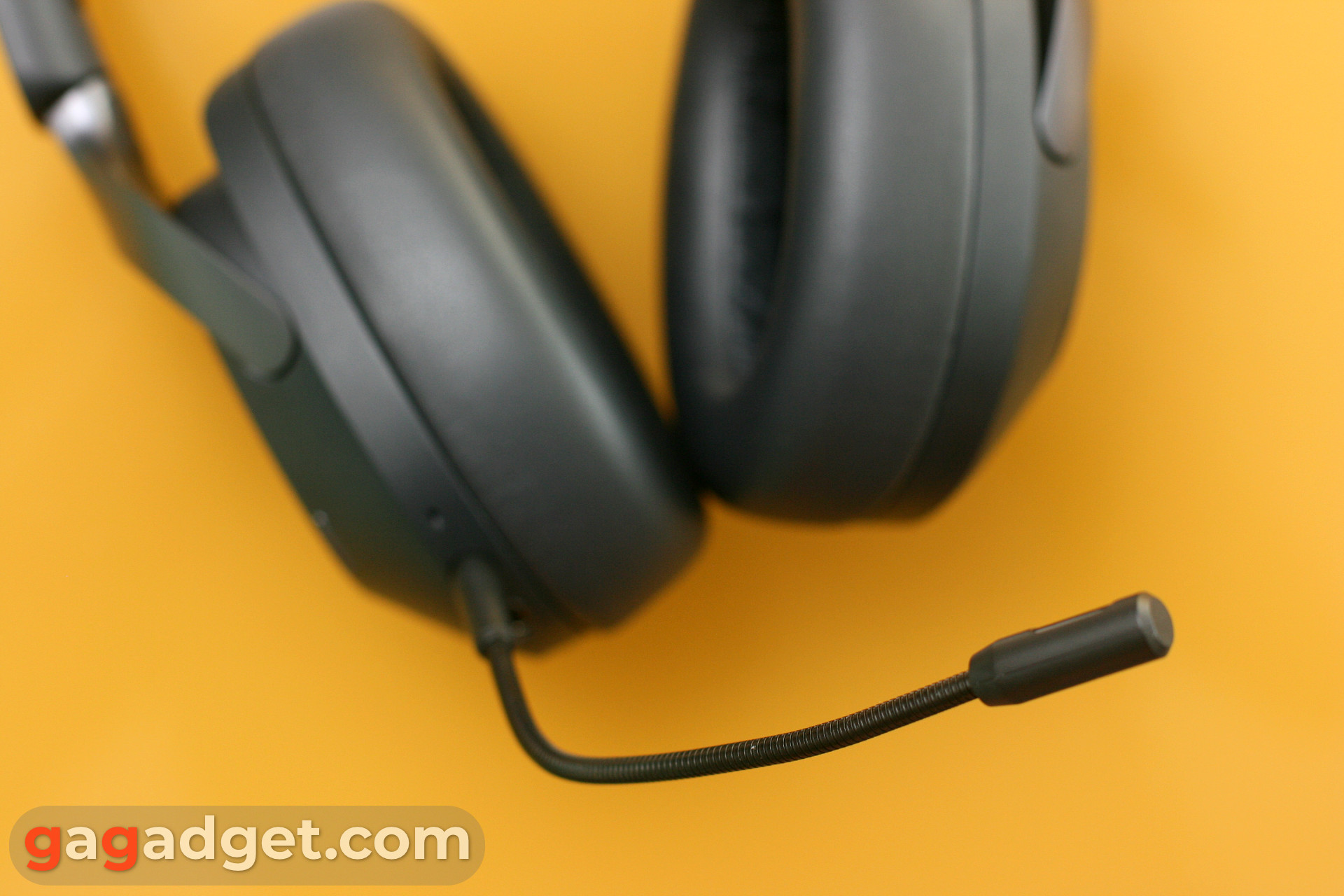
The plug-in microphone has a 2.5mm micro jack with TRS contacts and a flexible foot that can be swivelled in all directions
How to connect and set up?
Connecting is simple: when you switch the headphones on for the first time, they go straight into pairing mode and appear in the list of available devices on your smartphone or other audio source. You can force them into the same mode by holding down the power button for five seconds with the headphones switched off. Wired connection is also supported, but not to anything via the usual audio cable, but to computer equipment via USB. No drivers required, full plug-n-play.
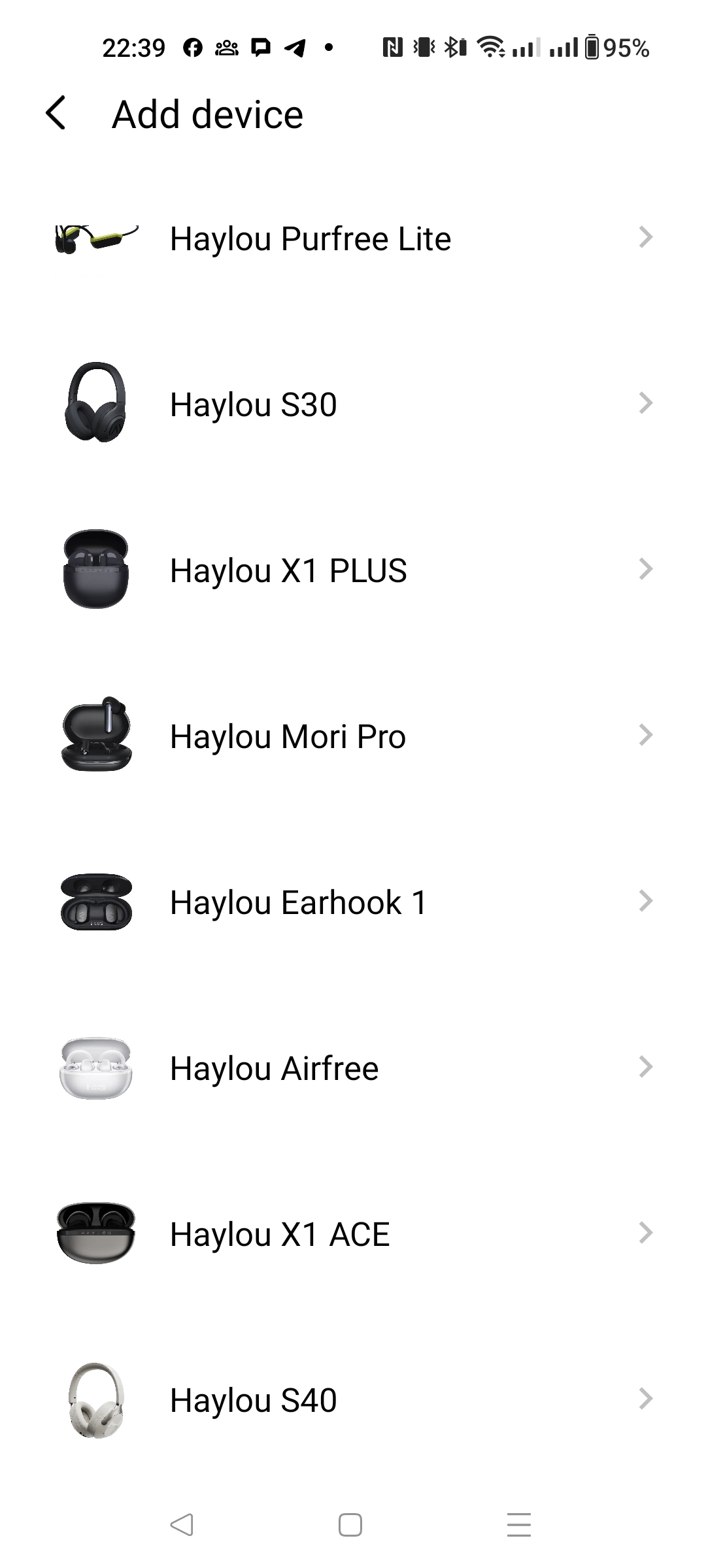
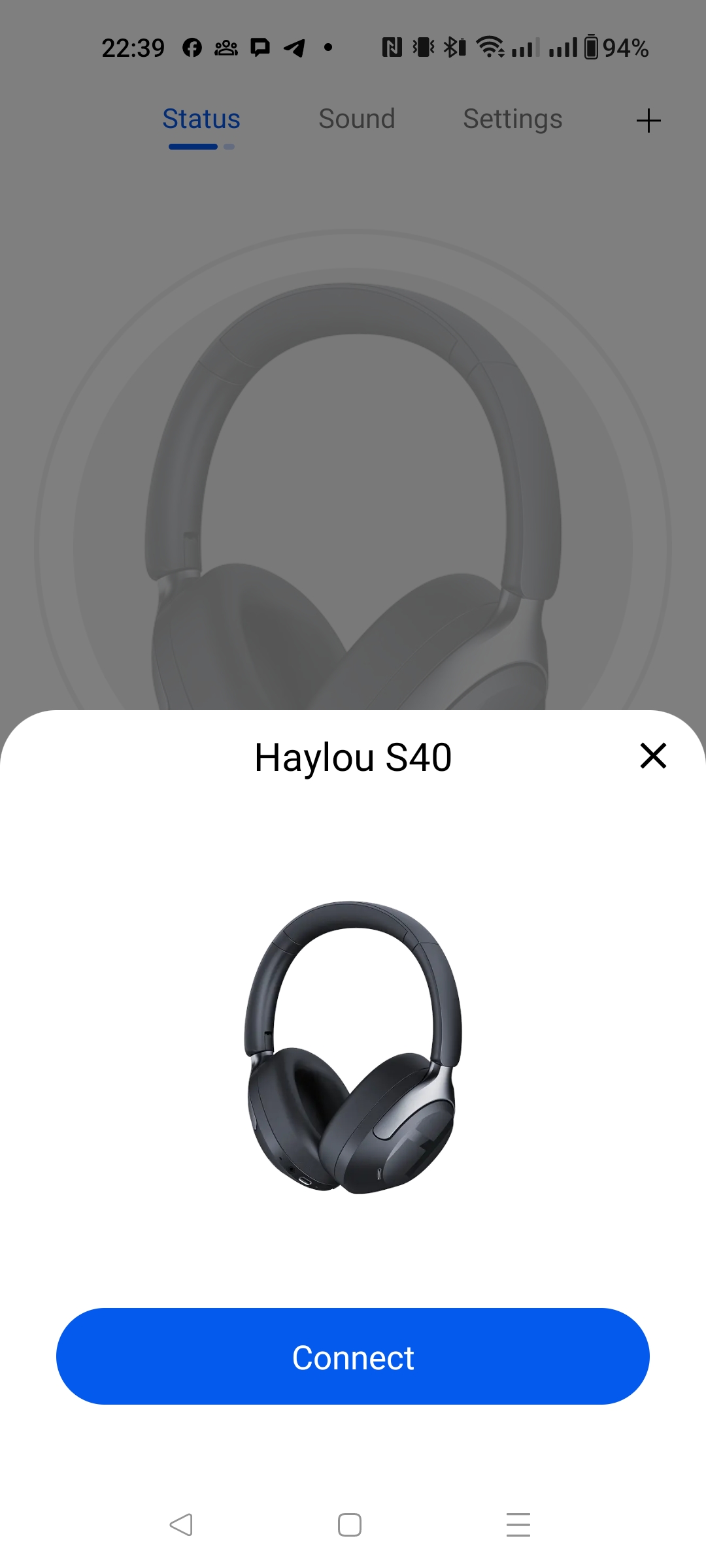
Haylou S40 ANC can be connected to two sources at the same time, but for some reason this function is switched off by default, for the first time I've encountered it. To activate it, you'll have to download the Haylou Sound mobile app and select Multipoint in it. Then we disconnect from the first sound source, the headphones go into pairing mode, connect to the second source, and then switch the headphones back on in the settings of the first one. Voila, you can receive calls on one headset from two smartphones! The two sources won't mix into one sound, of course, but you won't need to reconnect the headphones every time.
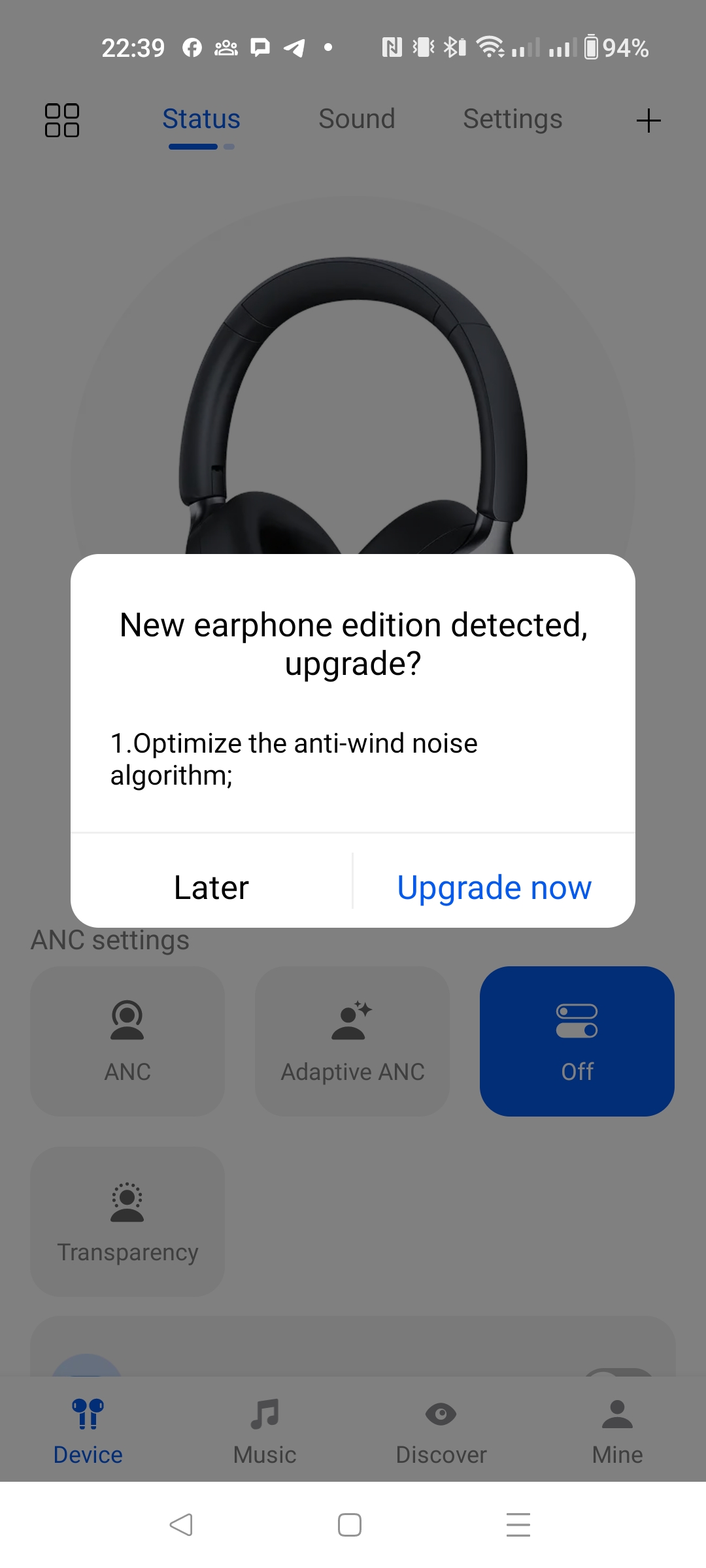
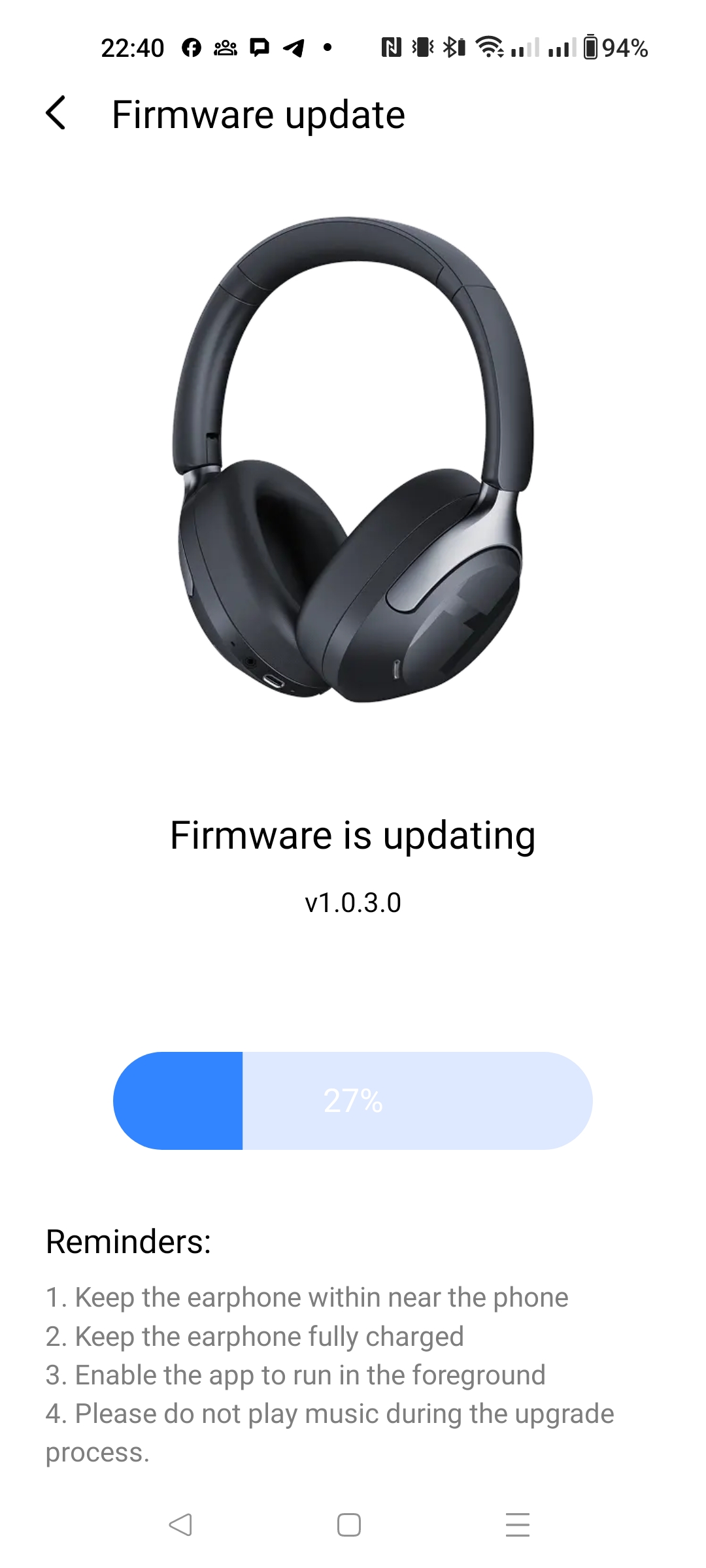
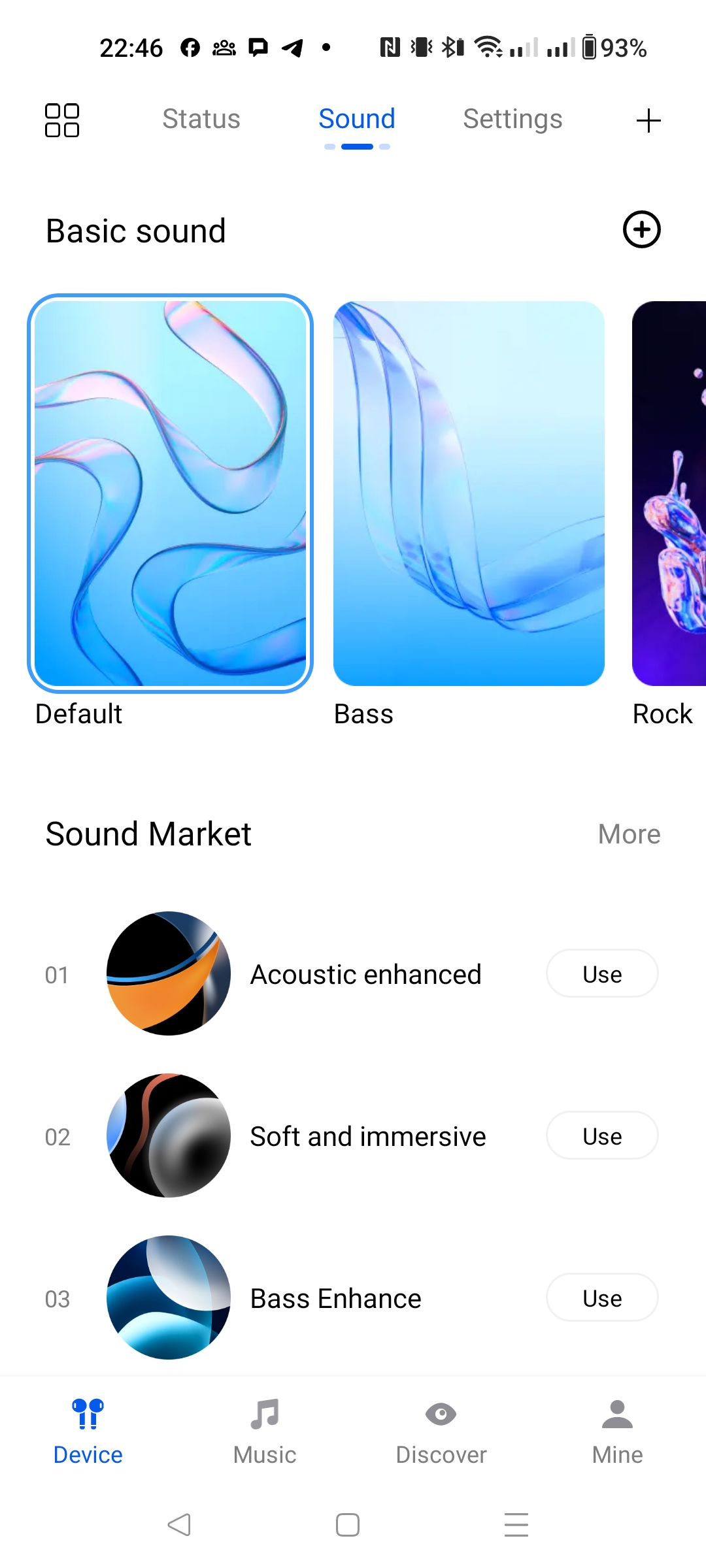
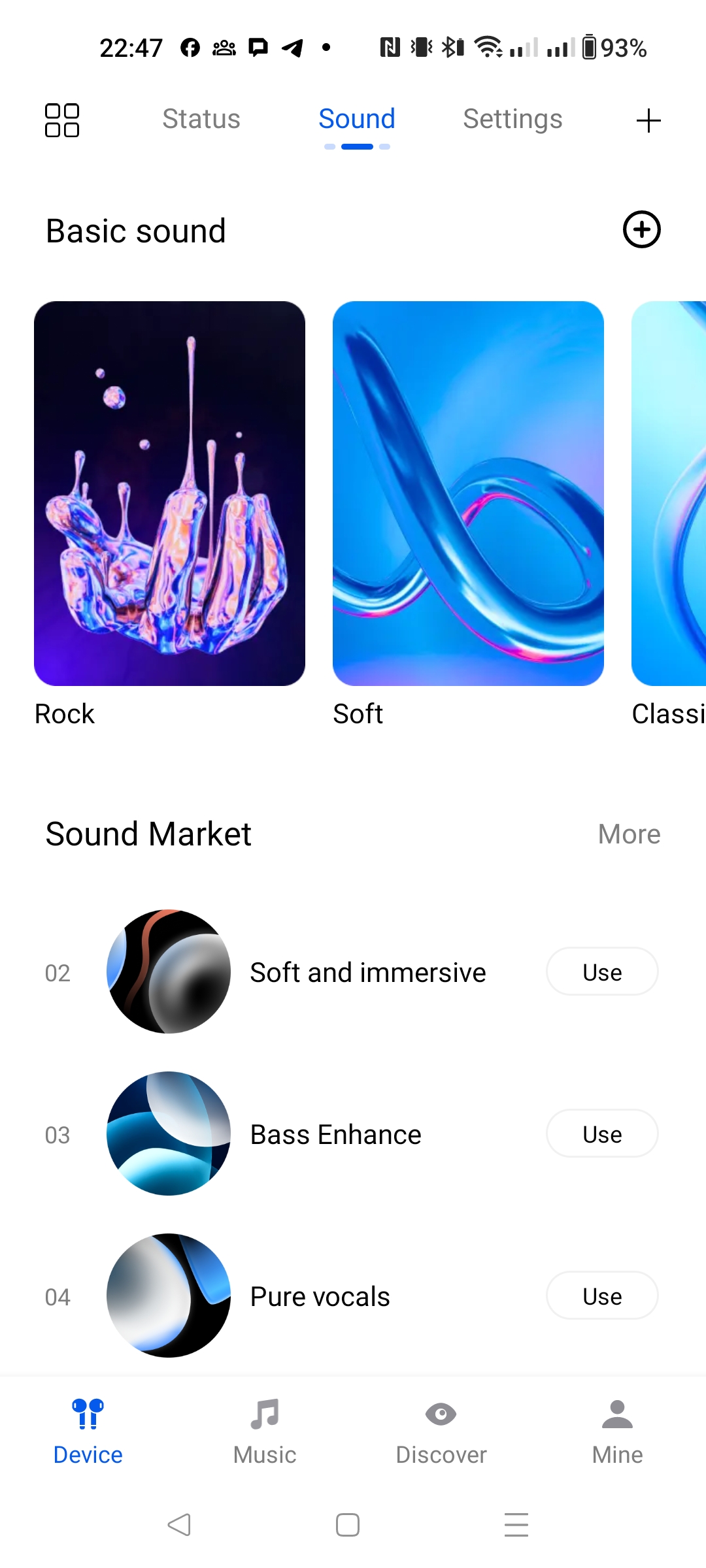
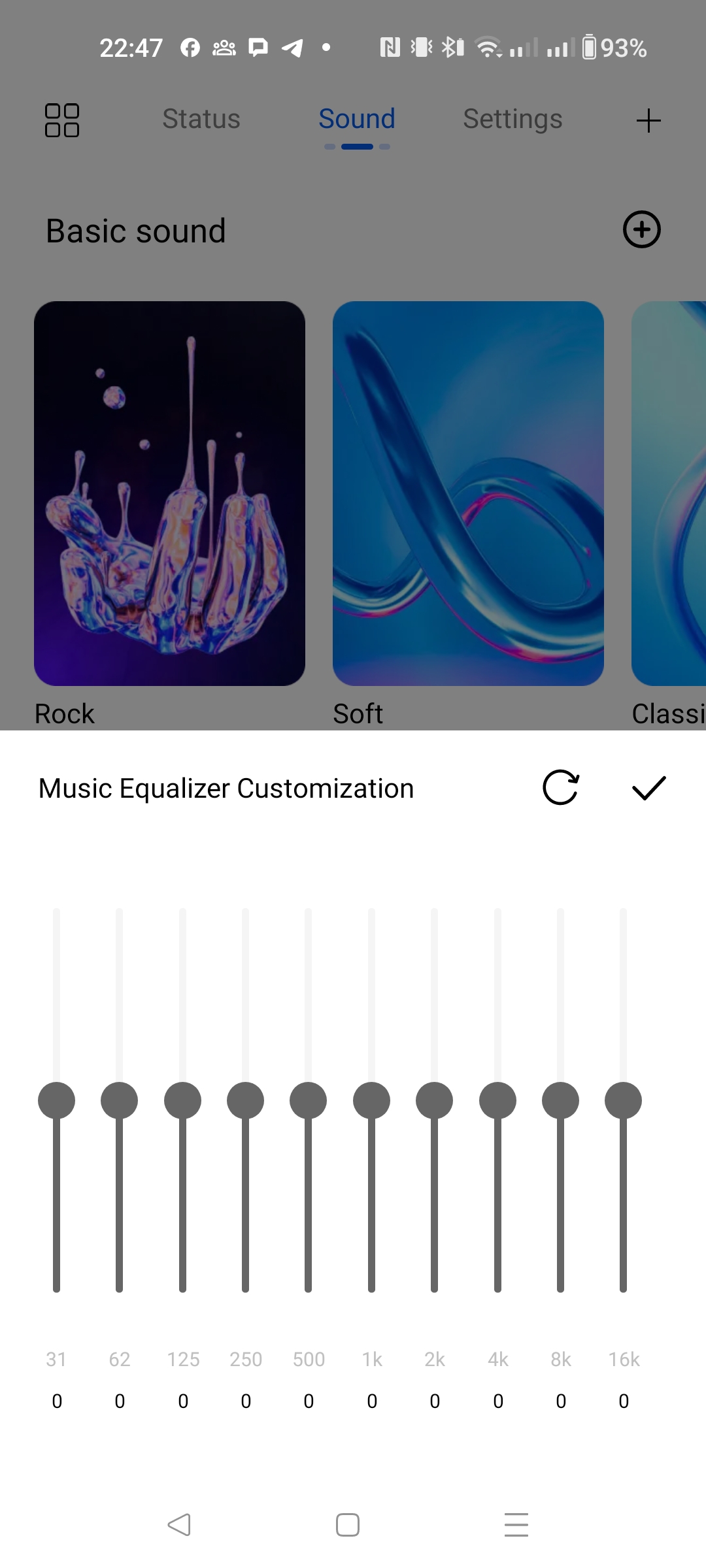
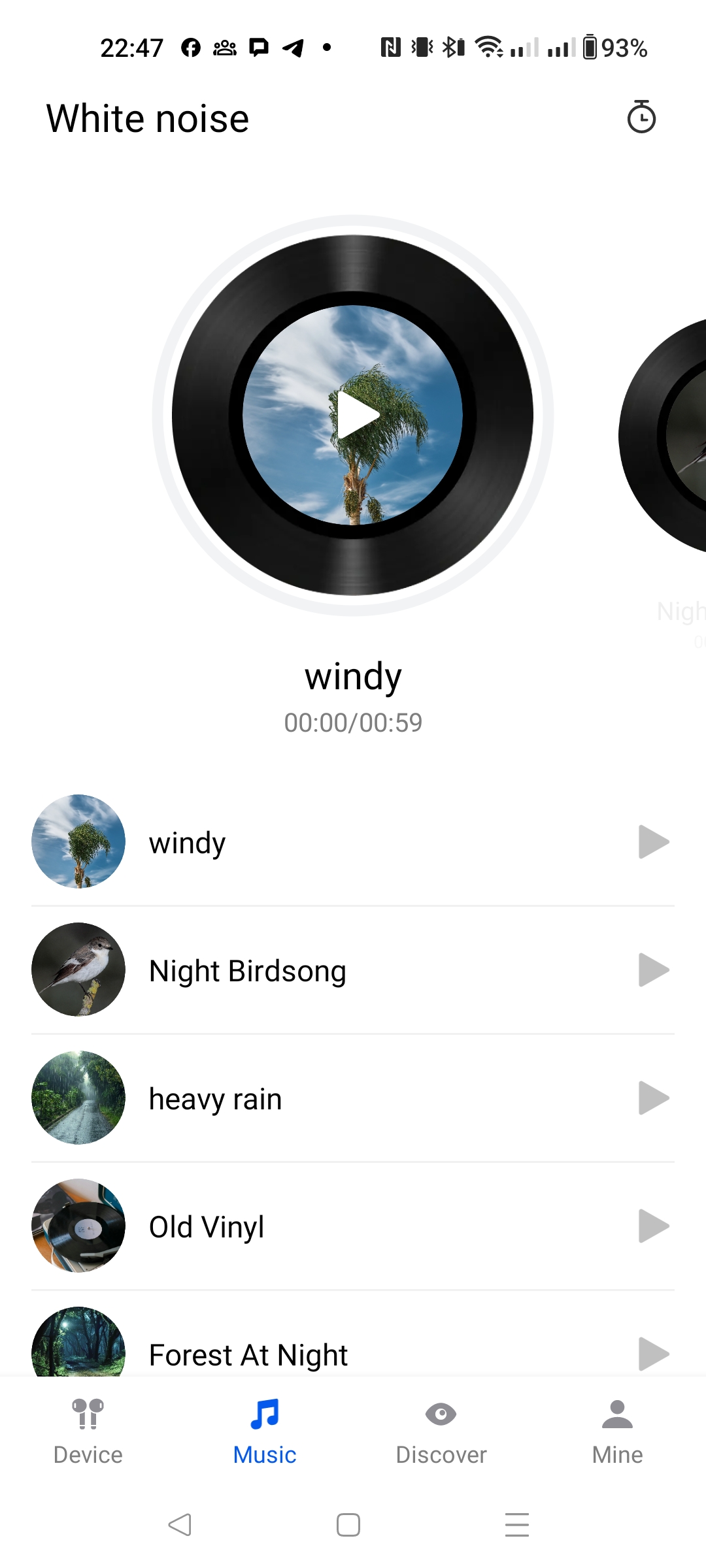
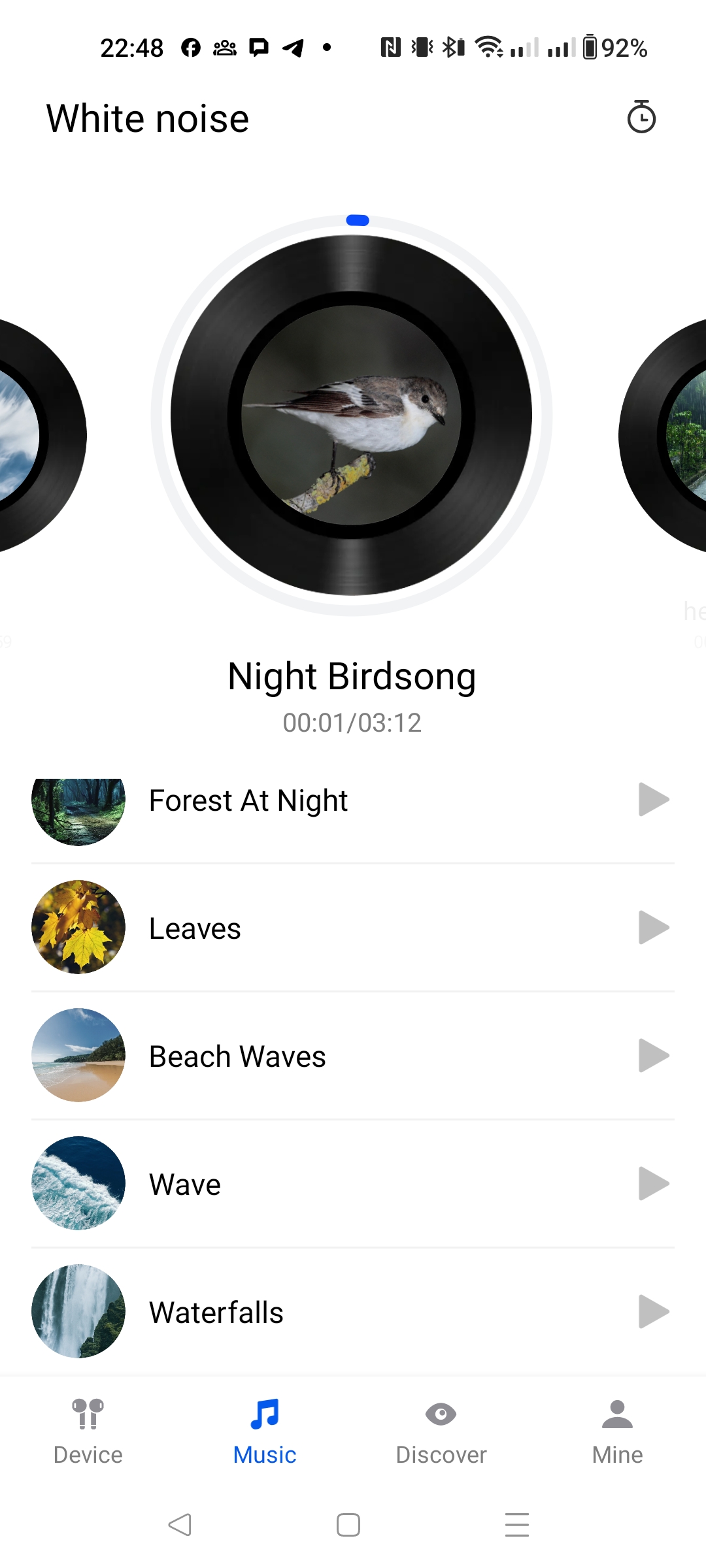
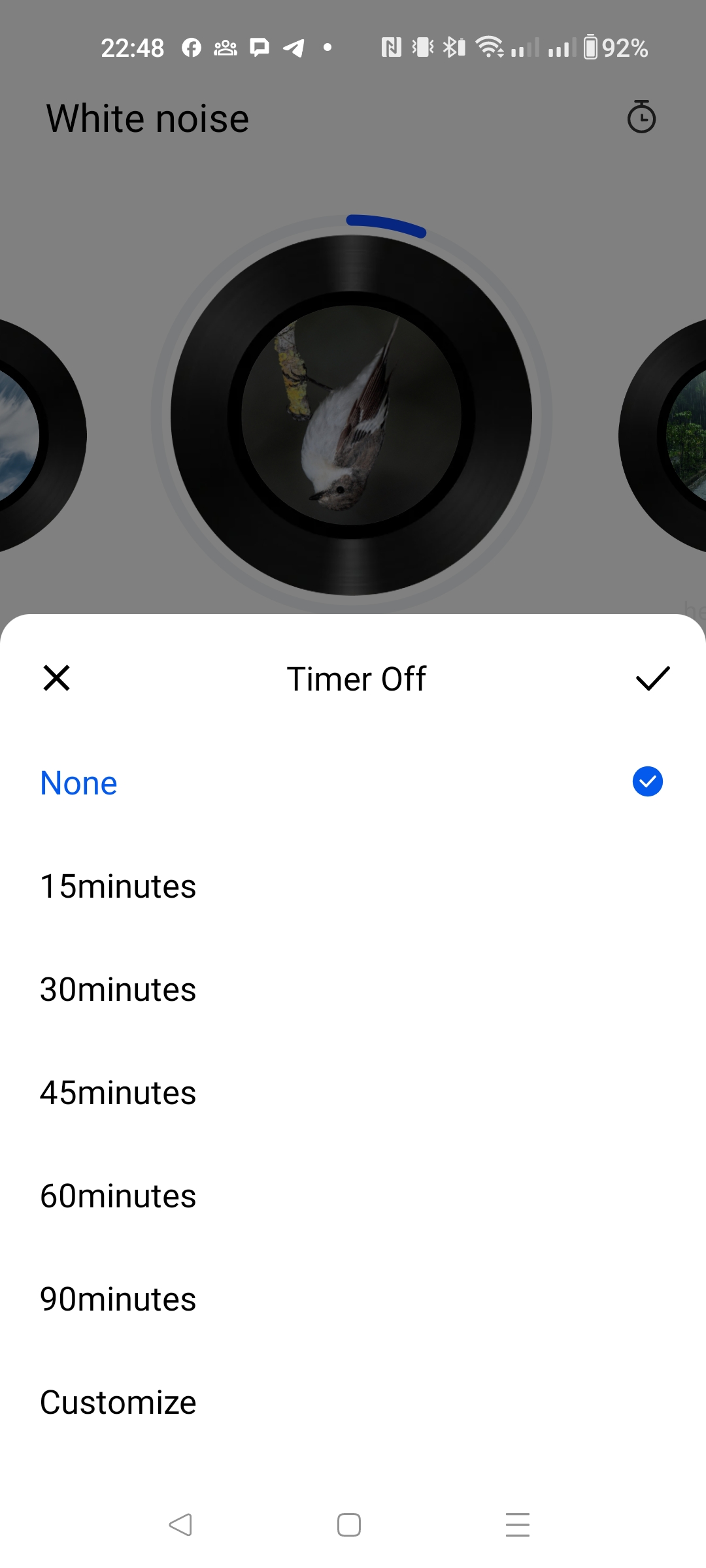
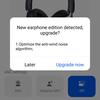
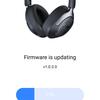
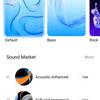
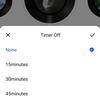
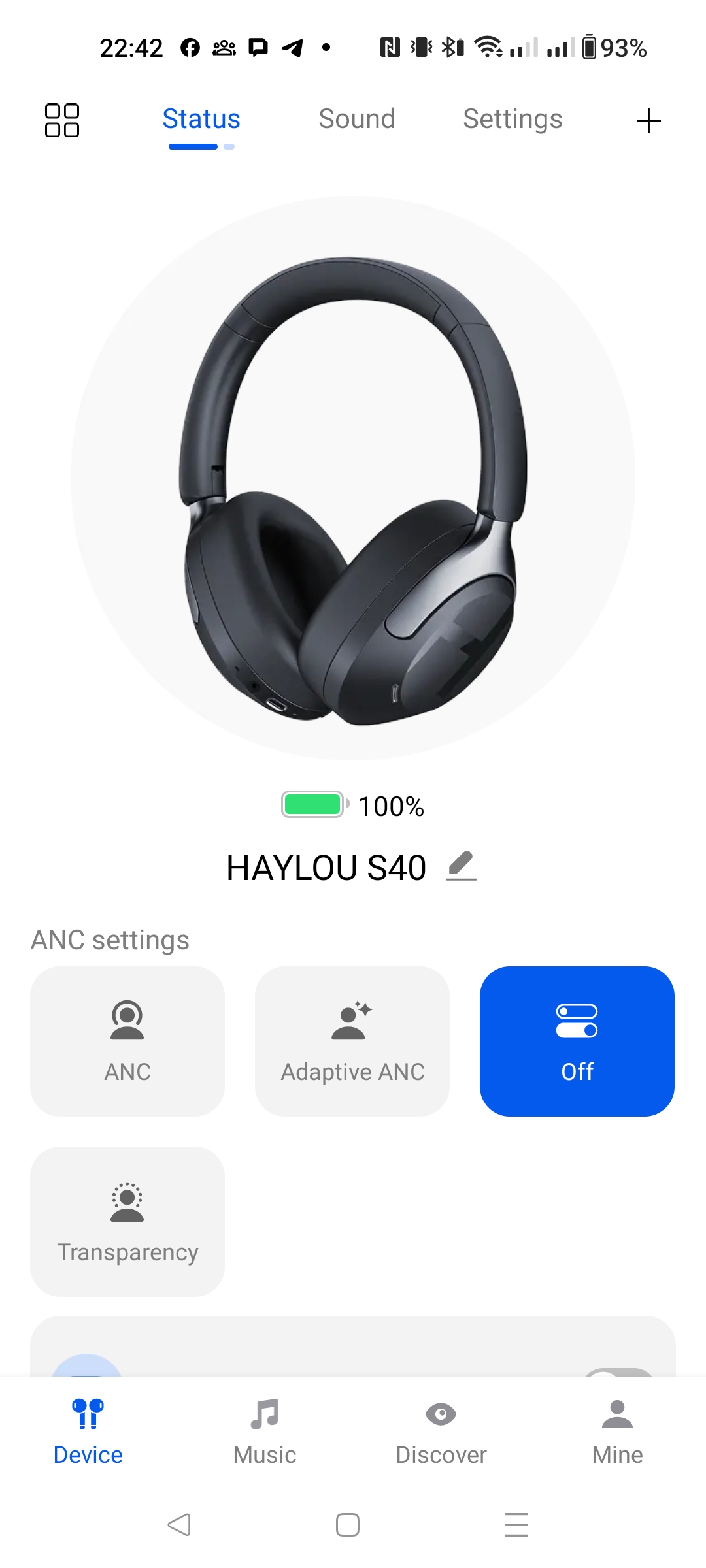
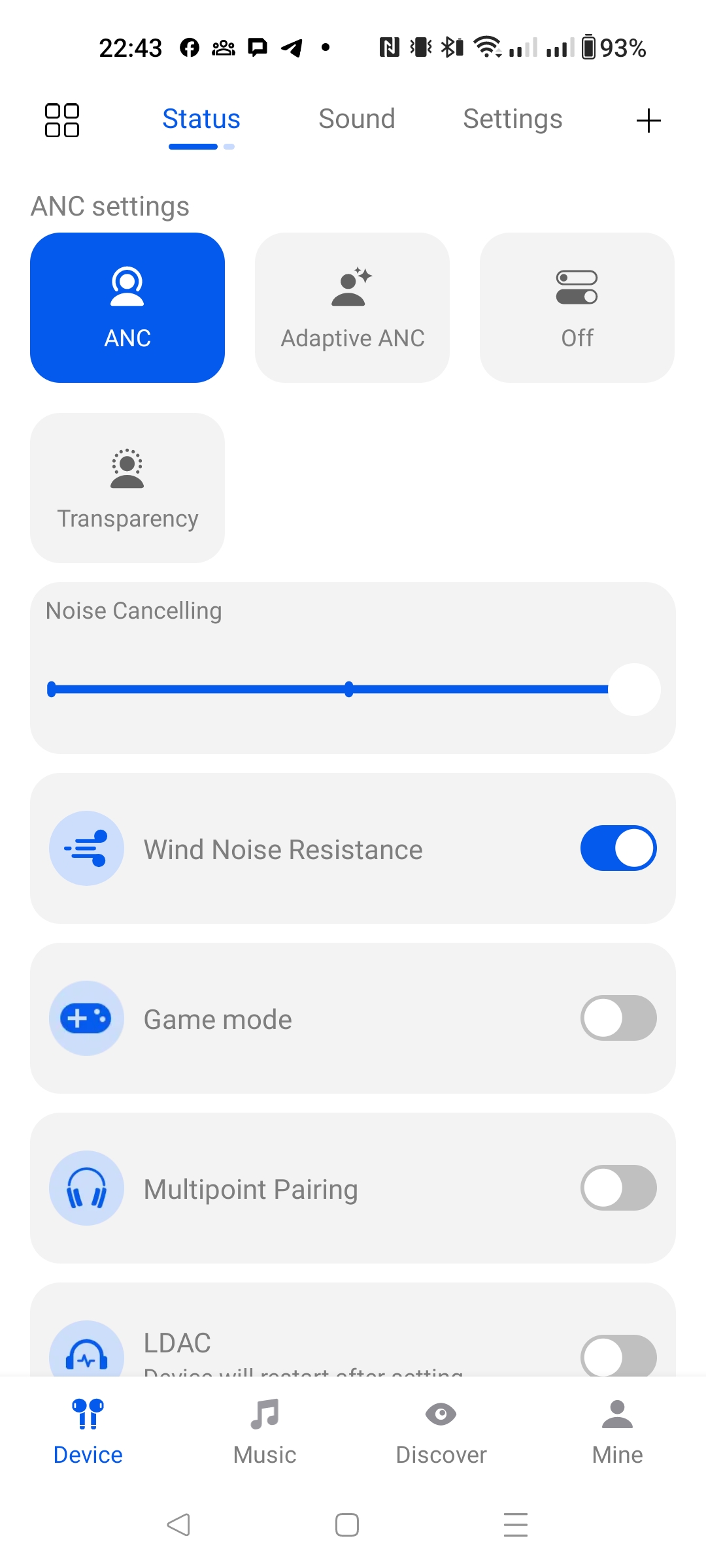
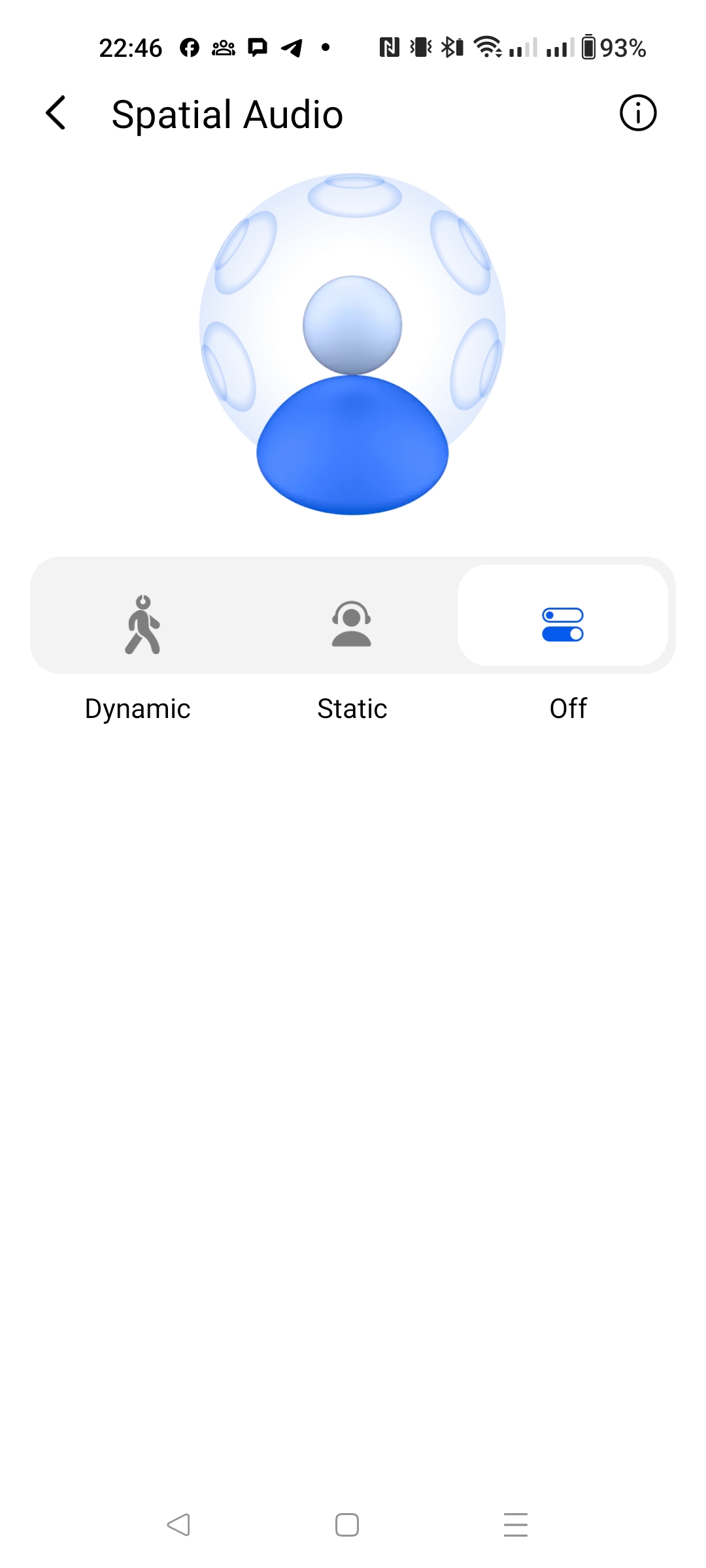
But let's go back a bit to look at the other settings in the Haylou Sound app. From there you can control noise cancellation, spatial audio, enabling game mode, LDAC and the already mentioned Multipoint. There's a separate switch to activate wind protection. To fine-tune the sound, you can use the ten-band EQ with a number of presets. You can also listen to nature sounds, read the headphone manual and update the firmware.







How do the Haylou S40 ANC operate?
Headphone manufacturers like to surprise us from time to time with intricate controls, minimising the number of buttons and cramming a bunch of functions onto each one. Good thing that's not the case here. Almost. Haylou S40 ANC is a fairly large headphone, and it has large, convenient buttons. The dual key is responsible for volume control with short taps and for switching to the previous and next track with long taps. The ANC button alternately switches modes: without noise cancellation, with it and with transparency (this is when sounds from outside are not suppressed, but on the contrary amplified). Does it seem to be all?
But no. There is one more control element here, invisible. It is a touch button occupying the outer surface of the right bowl. If the physical buttons are clearly pressed with a pleasant click, with the touch button we interact with light touches, without feedback. The main, almost magical function of this button is to temporarily switch on the transparency mode with simultaneous muting of music. You are sitting, listening to something, and then a person comes up to you and says something. Of course, you can't hear him, because there's music and noise cancellation, and in general these are closed headphones. But it's enough to raise your hand and touch this button in a very intuitive gesture, and you'll be able to hear the sounds around you. To exit this mode, simply release the button. This is a very handy feature, we've seen it in other Haylou models, and I can't stop praising it. But there are other uses for this button: a double tap pauses music and lets you answer an incoming call. And holding it for a second allows you to reject an inconvenient call. It's kind of convenient, but it takes some getting used to.
How does the noise cancellation work?
It's interesting to see how noise cancelling technology is progressing even in affordable headphones. Just so you understand: the Haylou S40 ANC uses an array of five microphones that monitor feedback to make noise cancellation work. Not ten like the Jabra Evolve2 85, but you do remember we're in the $60 price segment, right? The noise cancelling depth reaches -50 db, that's a lot, in terms of this figure Haylou S40 ANC compares with potential competitor QCY H3 Pro and strongly outperforms Soundpeats Space (-35 db). In addition to the hardware, there are adaptive algorithms that allow you to adjust to environmental scenarios, from underground noise to the conversations of your roommates.
Noise cancellation control is traditional: three modes (off, on, transparency) are cyclically switched using the ANC button. Adaptive ANC mode stands apart and is enabled only in the Haylou Sound app. In domestic conditions, the headphones showed themselves well, effectively drowning out the work of computer coolers or kitchen hood. By the way, this also applies to the microphone. Near a noise source of about 70 dB, you can have a normal conversation, hearing your interlocutor perfectly and not really bothering him with your background sounds.


What about the autonomy?
Haylou S40 ANC promises up to 90 hours of autonomy without noise cancellation and up to 60 hours with it. I didn't get a meaningful measurement of such a long interval during my testing, but quite similar to the truth. These headphones would work well for scenarios with long periods of time away from an outlet, such as travelling. We could write about multi-hour zoom meetings or gamer ultramarathons, but please feel sorry for yourself, the tech can handle 90 hours, but you need to rest.
How do the Haylou S40 ANCs sound?
Despite its similarity to previous models, the Haylou S40 ANCs have made some serious advances in sound engineering. Firstly, it uses a design with two titanium dynamic drivers, a 40mm and a 20mm driver. The use of a separate tweeter has had a good effect on treble detail. Of course, this is not an "armature", but long conversations with a high-voiced interlocutor will not strain. Despite the closed design, the headphones do not create an excess of low frequencies, bass sounds quite organically, in some cases it is even a little less than it could be.
Secondly, the headphones have Hi-Res Audio certification and support LDAC (wireless audio transmission mode 990kbps, 96kHz/24-bit). The latter is so far only supported with Android devices and is enabled via the Haylou Sound app. For physical communication, a chip of the fresh Bluetooth 6.0 standard is used.
Thirdly, the Haylou S40 ANC features Spatial Audio technology. Yes, I purposely saved the most interesting chip for dessert. Owners of modern generations of AirPods are already familiar with this effect, but now the technology is going to the broad masses of users of Android devices and affordable headphones. If you're encountering spatial audio for the first time, do the following. Switch on Spatial Audio in the settings of the Haylou Sound app and listen. Preferably to music, and for the best effect - with your eyes closed. And smoothly turn your head from side to side. The source of sound as if remains in place, clearly marking itself in space. It's spectacular and very atmospheric. However, there are some questions. Two Spatial Audio modes are available in the settings: dynamic and static. So far, I found practical use only for the dynamic mode (it is described above), and the purpose of the static one is still vague, as well as the real differences between presets-scenes. Besides, the sound panorama has a property of "moving off" to one side (to the left in my case) and then suddenly levelling up. In general, the algorithms are still inferior to their counterparts in Apple's implementation, but the wow-effect is already there, you can use it.

Haylou S40 ANC come with a detachable flexible microphone. In the previous model S30 such a set was considered professional, but here it is a base. The microphone is supercardioid and has a sampling frequency of 48 kHz. Ideally, it should improve the sound quality, but in practice it seems that the quality of the built-in microphones is not much lower. The external microphone does improve the sound, but not by much. Rather, its convenience lies in the fact that, if you need to muffle the sound, you can quickly cover it with your fingers.
How comfortable are they?
The Haylou S40 ANCs have the typical set of advantages and disadvantages of closed wireless headphones. They're heavier than the battery-free models, but not so much that it's fatiguing. Weighing them on my coffee scale revealed 287 grams (without the microphone), a typical weight for this type of headphone. The fit on the head is quite comfortable, and by lowering the headphones to your neck, you can conveniently turn the cups inwards. I liked the buttons, dense, rubber, do not dangle, clearly pressed, about the branded touch button I have already mentioned, it's a thing.
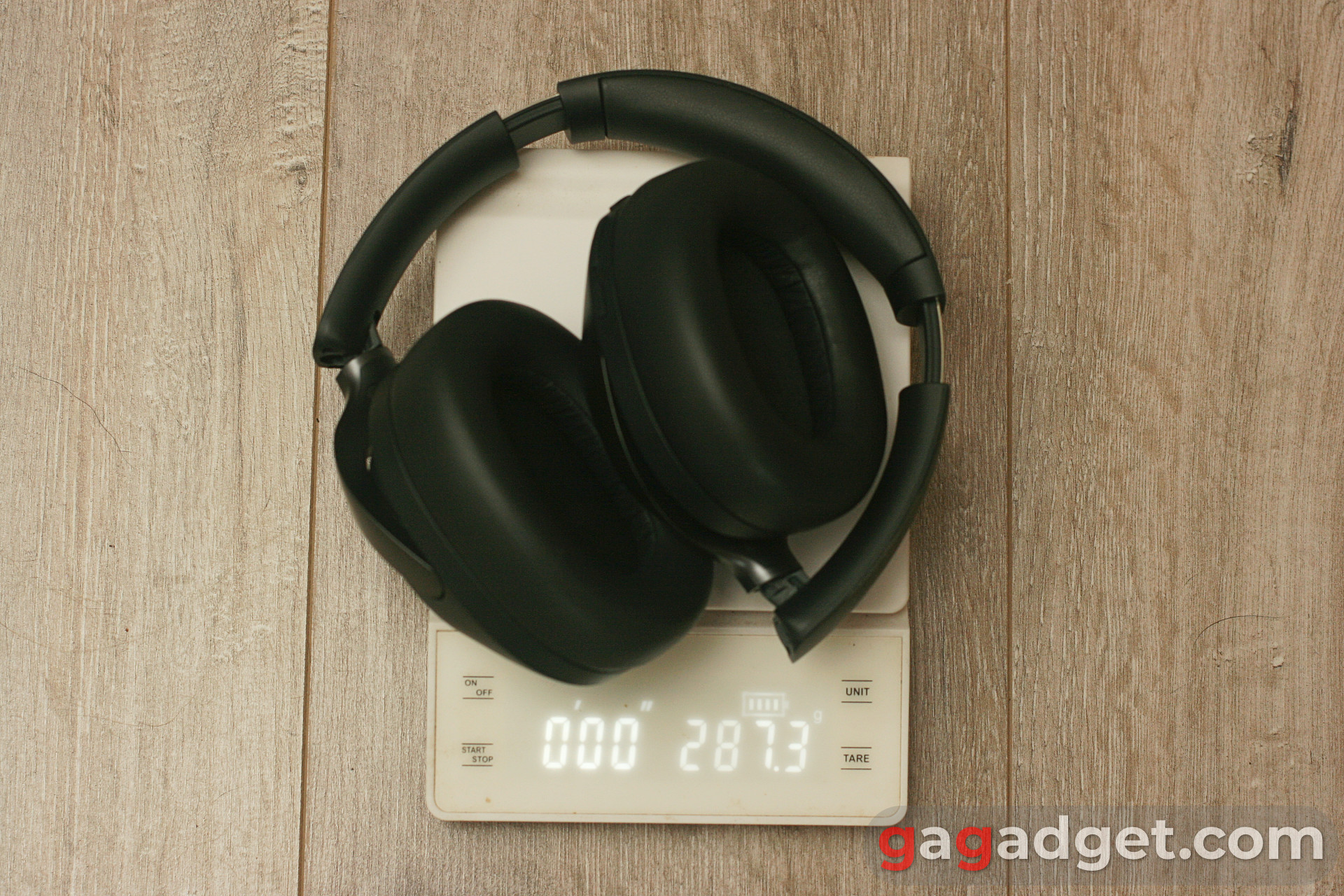
Weighing the Haylou S40 ANC. Illustration: gagadget.com
The bottom line
It's not easy to stand out in the competitive niche of "headphones slightly more expensive than fifty dollars," but the Haylou S40 ANC succeeds. The Spatial Audio feature is at the top of the feature list, attracting attention and further driving the quality sound (dual-driver design, Hi-Res Audio and LDAC), powerful adaptive noise cancellation and 90-hour battery life. Add to that a detachable flexible microphone, ergonomic touch button, multipoint and a smart control app, and you've got the recipe for a potential bestseller. The only thing missing for maximum versatility is the ability to connect to analogue devices via mini-jack (but USB operation is supported). Haylou S40 is not just an upgrade of S30 (everything has been improved a little bit here), but a standalone, competitive model.
Haylou S40 ANC headphones. Illustration: gagadget.com
Four reasons to buy the Haylou S40 ANC:
- Good sound and dual-device support;
- spectacular and unexpected in this price segment implementation of audio;
- high-quality noise cancellation on par with more expensive models;
- long battery life.
Two reasons not to buy Haylou S40 ANC:
- no wired connectivity to analogue equipment;
- you need lighter (or even open) headphones.
| Haylou S40 ANC (HD006) Headphone Specifications | |
|---|---|
| Type | Full-size closed-back |
| Active noise cancellation | Hybrid system with transparency mode |
| ANC depth | -50 dB |
| Driver diameter | 40 mm + 20 mm |
| Bluetooth version | 6.0 |
| Multipoint support | Yes |
| Wired connection | Yes, USB-C |
| Microphone connection | Yes, 2.5mm TRS |
| Playback time | Up to 60/90 hours wireless with/without ACP |
| Headphone charging time | 2,5 ч |
| Battery capacity | 650 mAh |
| Weight | 287 / 294 g (without and with microphone) |

Specialist in the field of IT and media. Knows technologies from the inside and writes about them (sometimes ironically) since 2006. Usually has at least 22 gadgets on his desktop.


