Best Bike Radar Taillights
Three years ago, a delivery van came barreling up behind me on a quiet country lane at what felt like warp speed. I had no idea it was there until the driver laid on the horn, missing me by mere inches as I instinctively swerved into the gravel shoulder. That near-miss made me realize I needed something more than just mirrors and periodic shoulder checks to stay safe on the road.
That incident led to extensive testing of five different radar models over thousands of miles of riding, from early morning commutes to weekend centuries. These devices have revolutionized road cycling safety by providing early warning systems that allow calmer, smarter decisions when sharing the road with motor vehicles. Here's what I found after comprehensive testing of the best models available today.
If you're ready to upgrade your safety game, here are my top two recommendations:
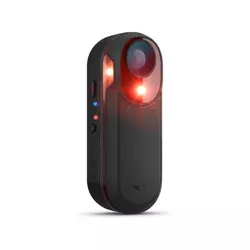
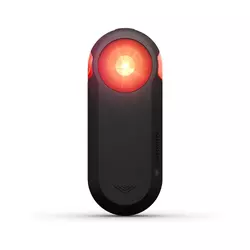
Table of Contents:
- Perfect Bike Radar Taillight: A Complete Guide
- Top 5 Bike Radar Taillights in 2026
- Best Bike Radar Taillights: Comparison
- Garmin Varia RCT715
- Garmin Varia RTL515
- Wahoo TRACKR Radar
- Bryton Gardia R300L
- Magene L508
- Bike Radar Taillight FAQs
Perfect Bike Radar Taillight: A Complete Guide
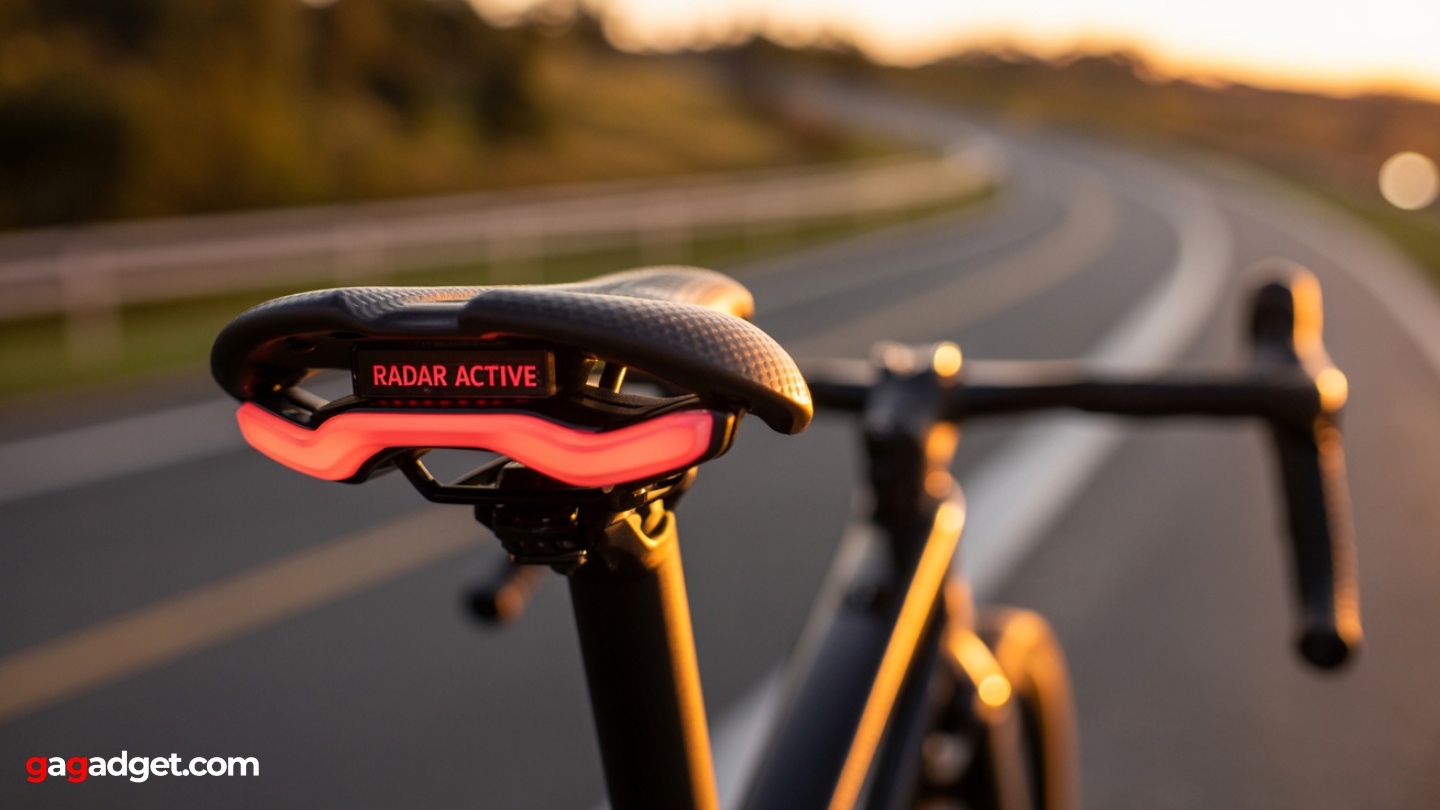
The cycling radar tail light technology has matured rapidly over the past few years, evolving from expensive, niche gadgets to essential safety equipment that serious cyclists rely on. Understanding what distinguishes one radar taillight from another requires examining the technology that powers these devices, from detection algorithms to battery management systems.
Radar Detection Technology and Range Capabilities
At the heart of every radar taillight lies sophisticated Doppler radar technology that continuously scans the road behind you for approaching vehicles. Premium systems can detect cars, trucks, and motorcycles from 140-190 meters away, providing precious seconds to assess situations and react appropriately. This detection range isn't just about raw distance – it's about providing enough time for informed decisions rather than panic reactions.
The difference between a 100-meter and 150-meter detection range might seem minimal on paper, but those extra seconds can mean the difference between a controlled lane position adjustment and a dangerous emergency maneuver.
Modern radar systems incorporate intelligent filtering algorithms that distinguish between genuine vehicle approaches and false positives from stationary objects, road signs, or large birds. Horizontal beam width varies between models, with wider angles providing better detection as you lean through corners or ride on curved roads. Some budget models sacrifice beam width for cost savings, creating blind spots in real-world riding scenarios.
Light Output and Visibility Optimization
While radar detection gets most attention, the taillight component serves as your primary passive safety system when no vehicles are approaching. Premium bicycle rear radar detector systems combine high-intensity LEDs with intelligent flash patterns designed for maximum daytime visibility without being obnoxious to other cyclists in group rides.
Visibility extends beyond raw lumen output to include beam pattern, flash cadence, and color temperature. A well-designed 40-lumen light with an optimized flash pattern can often outperform a poorly designed 80-lumen light in real-world visibility tests. The 220-degree visibility angle found in premium models ensures drivers can spot you from multiple angles, particularly important at intersections and roundabouts where side visibility becomes crucial.
Integration and Connectivity Ecosystems
The value of a radar taillight multiplies when it integrates seamlessly with existing cycling technology. ANT+ Radar protocol support ensures compatibility with most modern bike computers from Garmin, Wahoo, Hammerhead, and others, while Bluetooth connectivity enables smartphone apps and smartwatch integration for riders who prefer minimal handlebar setups.
A radar taillight that requires constant phone monitoring defeats the purpose – effective systems provide clear, intuitive alerts through your preferred device without disrupting riding focus.
Some manufacturers have developed proprietary ecosystems that offer enhanced features when paired with their own devices. While this can provide superior integration, consider whether you want to be locked into a single brand's ecosystem or prefer the flexibility of open standards that work across multiple platforms.
Battery Technology and Power Management
Running continuous radar detection while powering high-intensity LEDs creates significant power demands that challenge even advanced battery systems. Premium smart bike tail light radar devices incorporate intelligent power management that adjusts radar sensitivity and light output based on conditions, extending runtime without compromising safety.
Battery life claims can be misleading, as they often represent ideal conditions rather than real-world usage. Factors like ambient temperature, radar detection frequency, and light mode selection dramatically impact actual runtime. Fast charging capabilities become essential for riders who need quick top-ups during café stops or between back-to-back rides.
Mounting Systems and Aerodynamic Considerations
A radar taillight that falls off or shifts position during rides compromises both safety and aerodynamics. Effective mounting systems accommodate various seatpost shapes and sizes while maintaining secure attachment through rough roads and high-speed descents. Quarter-turn mounts have become the de facto standard, though some manufacturers use proprietary systems that may require adapters for maximum compatibility.
Aerodynamic integration matters more than many realize, particularly for competitive cyclists and time trialists. Sleek, horizontal-oriented designs minimize drag while maintaining effective radar coverage, while bulkier vertical units may create turbulence that affects overall bike performance at higher speeds.
Top 5 Bike Radar Taillights in 2026
In my experience, these five radar taillights represent the current pinnacle of cycling safety technology. Each model brings unique strengths to different riding scenarios and user preferences.
- Integrated 1080p camera with incident auto-save
- Proven 140m radar detection with multi-vehicle tracking
- Comprehensive ecosystem integration
- Professional-grade build quality and weather sealing
- Intelligent power management
- Proven reliability and consistent performance
- Exceptional 16-hour battery life in day-flash mode
- Broad ecosystem compatibility across multiple brands
- Optimized light output for maximum daytime visibility
- Mature radar algorithms with minimal false positives
- Industry-leading 20-hour battery life
- Intelligent adaptive dimming and Quick Alert system
- Brake-light activation for enhanced communication
- Compact, lightweight design
- USB-C fast charging capabilities
- Exceptional 220-degree viewing angle for side visibility
- Impressive radar detection range up to 190 meters
- Strong value proposition with premium features
- USB-C charging and modern connectivity
- Reliable 17-hour battery performance
- Outstanding value for essential radar functionality
- Wide 40-degree horizontal beam angle
- Comprehensive light modes including brake-sensing
- Simple setup with broad compatibility
- Reliable detection with minimal false negatives
Best Bike Radar Taillights: Comparison
To help you make an informed decision, here's a comprehensive comparison of the key specifications and capabilities across our top radar taillight recommendations:
| Specification | Garmin Varia RCT715 | Garmin Varia RTL515 | Wahoo TRACKR Radar | Bryton Gardia R300L | Magene L508 |
| Radar Detection Range | ~140 m | ~140 m | ~150 m | Up to ~190 m | ~140 m |
| Light Output | High-visibility rear light | Daylight visible up to ~1 mile | Dual-LED adaptive | Up to 73 lumens | Multiple modes |
| Viewing Angle | Standard | Standard | Standard | ~220° | 220° + 40° horizontal radar |
| Battery Life | 6h (1080p recording) / 10h (no recording) | Up to 16h (day-flash) | Up to ~20h | Up to ~17h (day-flash) | Mode-dependent |
| Connectivity | ANT+ Radar, Bluetooth | ANT+ Radar, Bluetooth | ANT+ Radar, Bluetooth | ANT+ & Bluetooth 5.0 | ANT+ Radar, Bluetooth |
| Special Features | 1080p camera with incident auto-save | Proven ecosystem support | Smart dimming, brake-light activation | USB-C charging | Brake-sensing, 40° beam angle |
| Light Modes | Day flash, Night flash, Solid, Peloton | Day/Night flash, Solid, Peloton | Day/Night flash, Solid, power-save | Multiple plus auto-dimming | Day/Night flash, Solid, Peloton, Radar-only |
| Mobile App | Garmin Varia app | Garmin Varia app | Wahoo ELEMNT app | Bryton Active | Magene Utility |
Each radar taillight brings distinct advantages to different riding scenarios and user preferences. Let's examine what makes each model unique and who they serve best.
Garmin Varia RCT715 Review
Editor's Choice
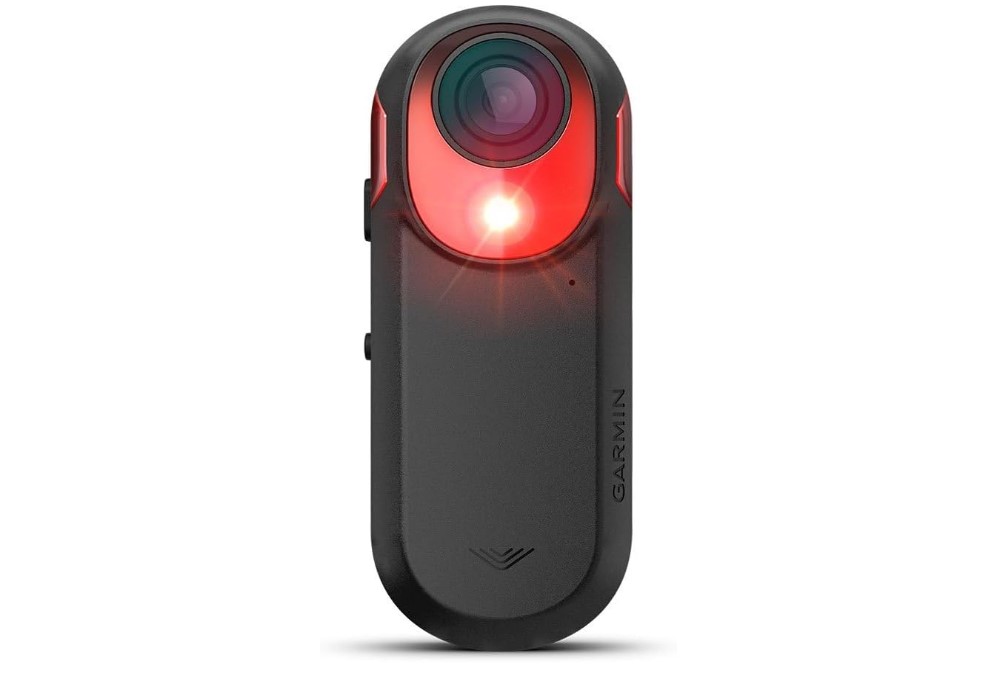
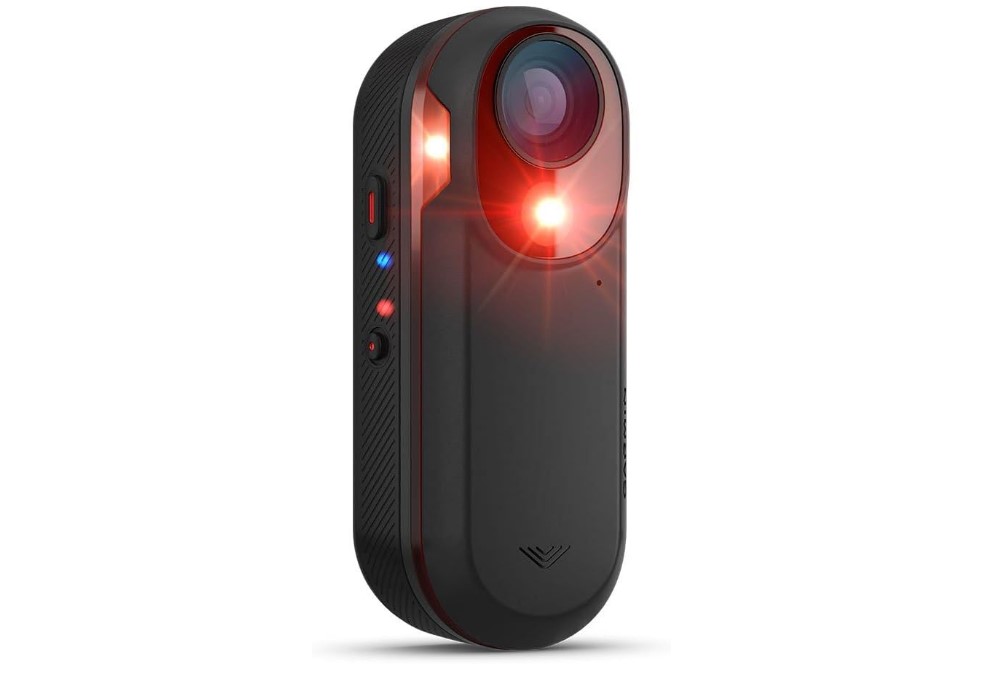
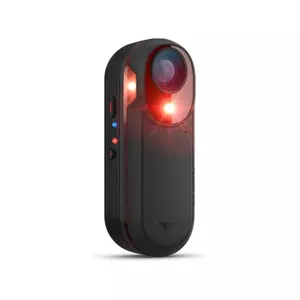
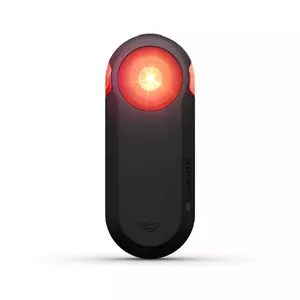
The Garmin Varia RCT715 represents the ultimate evolution of cycling safety technology, combining three essential functions into a single, sophisticated device. This comprehensive safety system watches your back, illuminates your presence, and documents rides with professional-grade video evidence.
The integrated 1080p camera sets the RCT715 apart from every other device in this category, continuously recording rides while maintaining full radar and lighting functionality. Intelligent incident detection automatically saves footage before, during, and after potential crashes or close calls, creating invaluable evidence if something goes wrong. Throughout my extensive testing, the camera captured several concerning driver behaviors, providing me with documented proof I could use for insurance or police reports.
Radar performance matches Garmin's proven RTL515 technology, detecting approaching vehicles from up to 140 meters behind and tracking multiple vehicles simultaneously. Visual and audible alerts integrate seamlessly with Garmin Edge computers, compatible smartwatches, and the Varia mobile app, providing clear warnings without forcing constant backward checks. The system's intelligence shines in mixed traffic scenarios, distinguishing between genuine threats and stationary objects that might trigger false alarms on lesser systems.
Battery management becomes more complex with added camera functionality, but Garmin has implemented smart power profiles that balance recording quality with runtime. In day-flash mode with 1080p recording, expect around 6 hours of operation – perfect for most recreational rides and shorter events. Switch to non-recording mode and battery life extends to 10 hours, while dropping to 720p recording provides a middle ground for longer adventures where you want video evidence but need extended runtime.
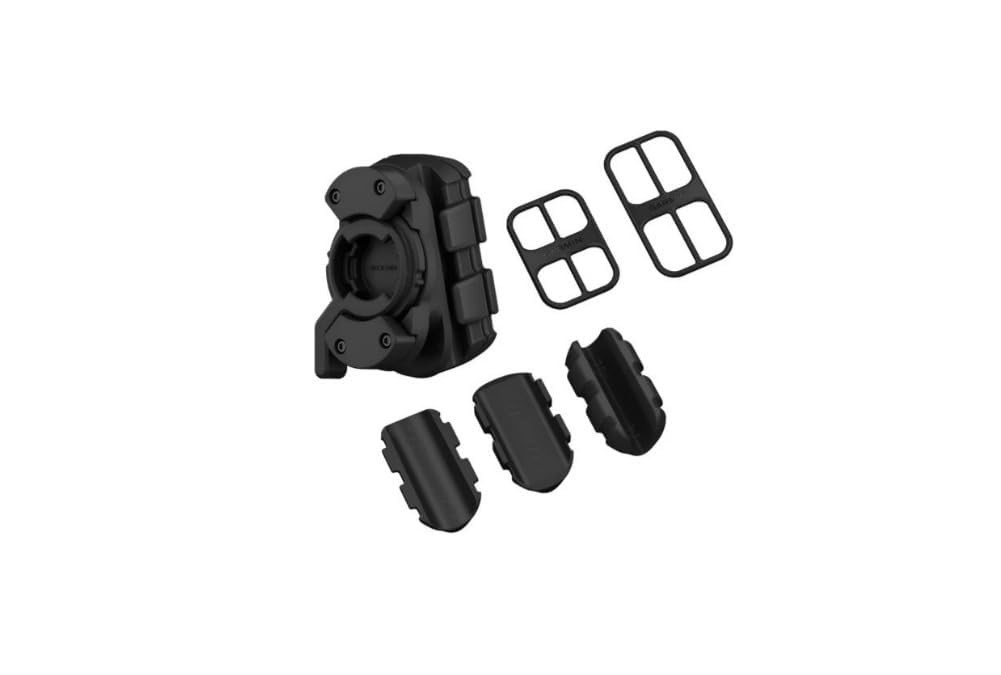
The build quality reflects Garmin's experience in harsh-environment electronics, with weather sealing that handles everything from sudden downpours to dusty gravel adventures. The mounting system uses Garmin's proven quarter-turn interface, ensuring secure attachment while allowing quick removal for charging or security. Setup through the Varia app is straightforward, with options to customize recording quality, radar sensitivity, and light modes to match your specific riding preferences.
Pros:
- Integrated 1080p camera with incident auto-save
- Proven 140m radar detection with multi-vehicle tracking
- Comprehensive ecosystem integration
- Professional-grade build quality and weather sealing
- Intelligent power management for recording/non-recording modes
Cons:
- Larger and heavier than radar-only alternatives
- Requires disciplined charging routine for optimal performance
Summary: The Garmin Varia RCT715 justifies its position as the ultimate bike safety radar light through its unmatched combination of radar detection, high-visibility lighting, and professional video recording. While the investment is substantial and the device requires more attention than simpler alternatives, riders who prioritize maximum safety and legal protection will find it invaluable for mixed traffic riding, commuting, and competitive events.
Garmin Varia RTL515 Review
Best Overall
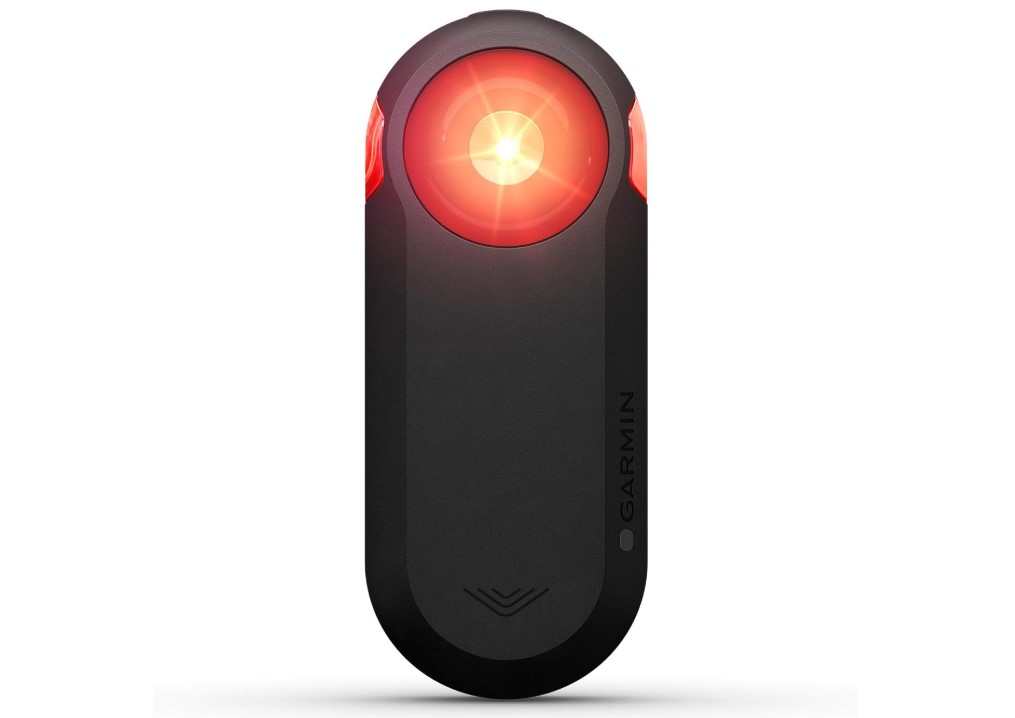
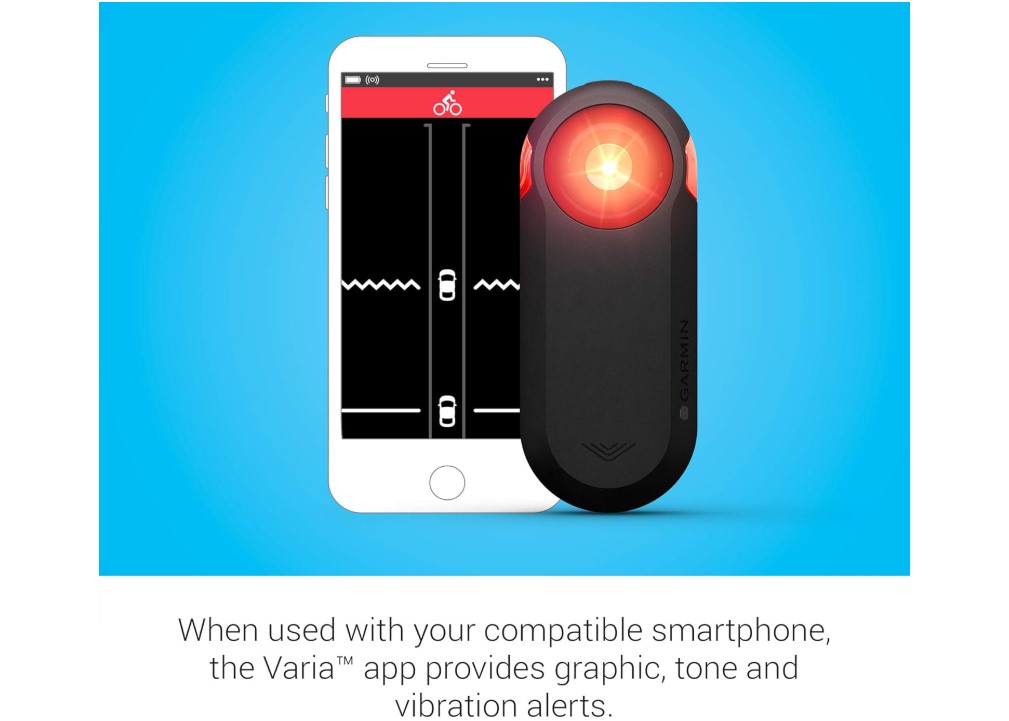
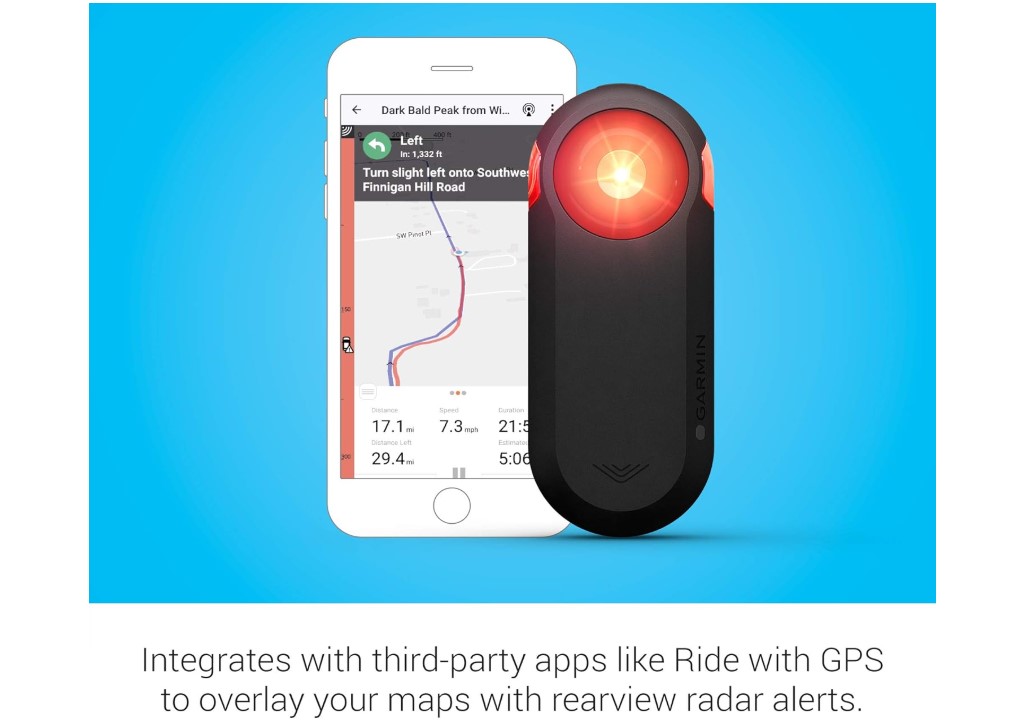
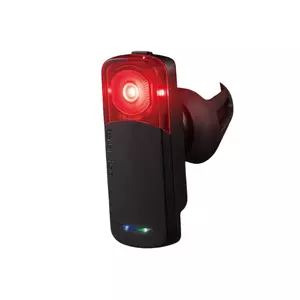
The Garmin Varia RTL515 has earned its reputation as the gold standard of radar taillights through years of proven real-world performance and reliability. This is the device that most cyclists think of when they hear "bike radar," delivering consistent, accurate vehicle detection with exceptional battery life in a package that simply works, ride after ride.
The 140-meter radar detection system represents mature technology that Garmin has refined through multiple generations of development. During my extensive testing across various road conditions, the RTL515 consistently provided reliable alerts with minimal false positives, tracking multiple approaching vehicles and updating the threat display in real-time. The system's intelligence shines in complex traffic scenarios, distinguishing between genuine approaching threats and stationary roadside objects that might confuse less sophisticated systems.
Light output and visibility have been optimized for real-world riding conditions, with a high-intensity LED array designed for daylight visibility up to approximately one mile. The day-flash mode provides excellent balance of conspicuity and battery conservation, while night-flash and solid modes adapt to different lighting conditions. The Peloton mode reduces output for group rides, preventing the device from becoming a distraction to fellow cyclists while maintaining essential safety functionality.
Battery performance sets the RTL515 apart from many competitors, with up to 16 hours of operation in day-flash mode – sufficient for weekend centuries, multi-day tours, and even ultra-endurance events with strategic charging stops. The efficient power management system maximizes runtime without compromising radar sensitivity or light output, making this device reliable for riders who demand consistent performance across long distances.
Ecosystem compatibility represents one of the RTL515's greatest strengths, with native support for the ANT+ Radar profile ensuring seamless integration with bike computers from multiple manufacturers. Beyond Garmin's own Edge series, the device works flawlessly with units from Wahoo, Hammerhead, and others, while smartphone app support provides flexibility for riders who prefer minimalist handlebar setups. This broad compatibility makes the RTL515 a safe investment that won't become obsolete if you switch bike computer brands.
Pros:
- Proven reliability and consistent performance
- Exceptional 16-hour battery life in day-flash mode
- Broad ecosystem compatibility across multiple brands
- Optimized light output for maximum daytime visibility
- Mature radar algorithms with minimal false positives
Cons:
- Lacks integrated camera functionality
- Standard mounting system without advanced features
Summary: The Garmin Varia RTL515 remains the benchmark cycling radar warning light for riders who prioritize proven reliability, exceptional battery life, and broad ecosystem compatibility. While it lacks the advanced features of newer models like integrated cameras or smart dimming, its consistent performance and universal compatibility make it the safest choice for cyclists who want dependable radar protection without complexity or compatibility concerns.
Wahoo TRACKR Radar Review
Best Autonomy
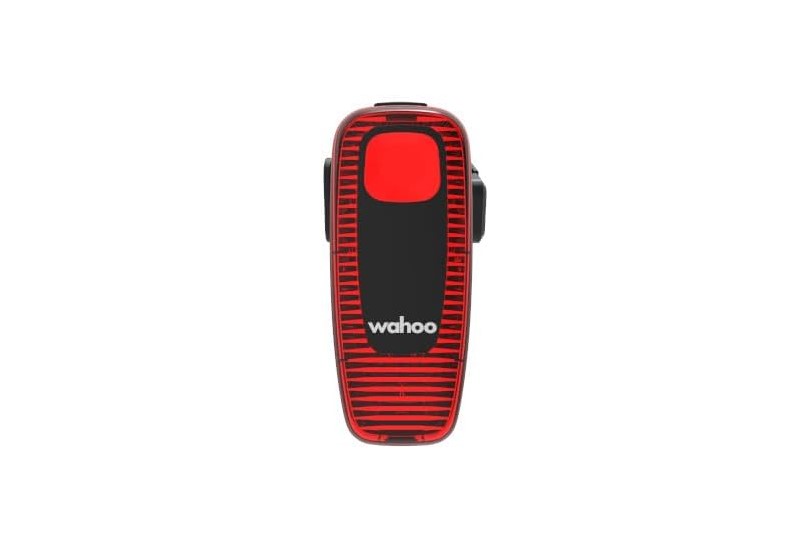
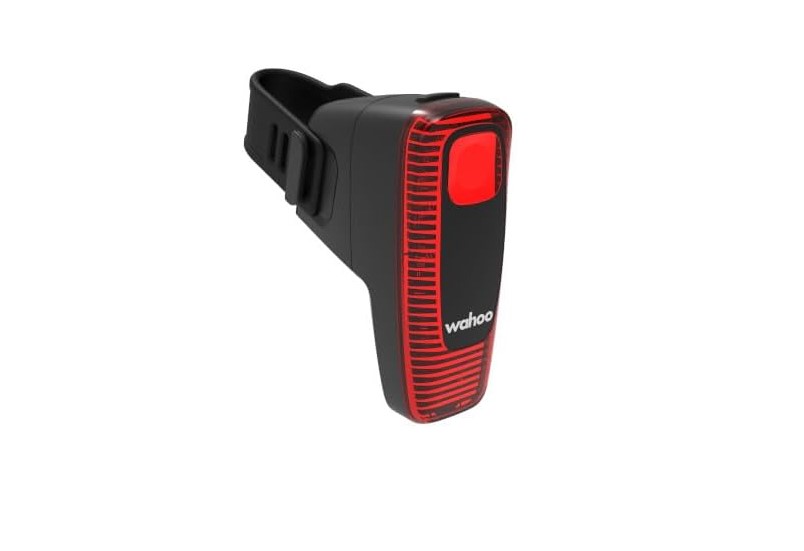
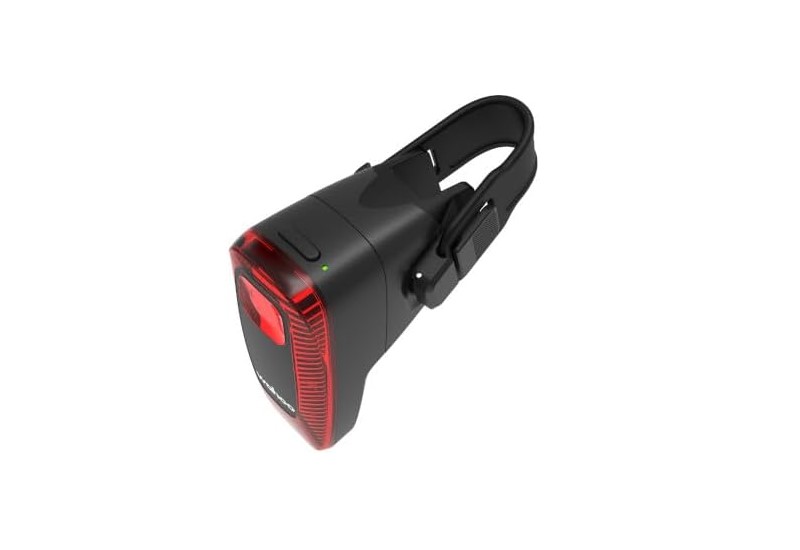
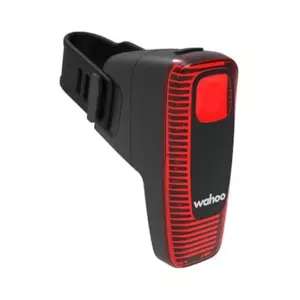
The Wahoo TRACKR Radar represents Wahoo's impressive entry into the radar taillight market, bringing fresh innovation and intelligent features that address real-world cycling scenarios with remarkable sophistication. This thoughtfully engineered system demonstrates what happens when a company approaches established technology with fresh perspectives and user-focused design philosophy.
The standout feature that sets TRACKR apart is its intelligent adaptive lighting system, which dynamically adjusts output based on traffic conditions behind you. When the road is clear, the light dims to conserve battery and avoid unnecessarily bright output that might annoy other cyclists in group rides. As soon as the radar detects an approaching vehicle, the Quick Alert system fires a high-intensity burst that grabs the driver's attention, then maintains elevated output until the threat passes. This smart behavior extends battery life while maximizing safety when it matters most.
Brake-light functionality adds another layer of safety intelligence that's surprisingly effective in real-world usage. The integrated accelerometer detects deceleration and automatically spikes the light output to communicate your intentions to following drivers. In my testing, this feature proved particularly valuable during technical descents and urban riding where I frequently change speeds. The brake-light activation provides context that helps drivers understand your behavior rather than just your presence.
Battery performance leads the category with claimed runtime up to 20 hours, achieved through the intelligent power management system and efficient dual-LED design. USB-C fast charging keeps turnaround times short, allowing quick top-ups during café stops or between back-to-back rides. The compact, lightweight form factor makes the TRACKR less noticeable on your bike while maintaining effective radar coverage through its 150-meter detection range.
Integration with Wahoo's ELEMNT ecosystem provides seamless setup and monitoring, while ANT+ Radar and Bluetooth support ensure compatibility with other bike computers and smartphone apps. The horizontal radar field is slightly narrower than some competitors, but still provides ample coverage for road cycling applications. The proprietary mounting system differs from Garmin's quarter-turn standard, though third-party adapters are available for users with existing mount preferences.
Pros:
- Industry-leading 20-hour battery life
- Intelligent adaptive dimming and Quick Alert system
- Brake-light activation for enhanced communication
- Compact, lightweight design
- USB-C fast charging capabilities
Cons:
- Proprietary mounting system requires adapters
- Slightly narrower horizontal radar field
- Limited to Wahoo ecosystem for advanced features
Summary: The Wahoo TRACKR Radar brings innovative intelligence to the radar taillight category through its adaptive lighting system, brake-light functionality, and exceptional battery life. While the proprietary mounting and ecosystem focus may limit some users, the device excels for riders seeking long-lasting, thoughtfully tuned radar protection that behaves intelligently across varying traffic conditions.
Bryton Gardia R300L Review
People's Choice
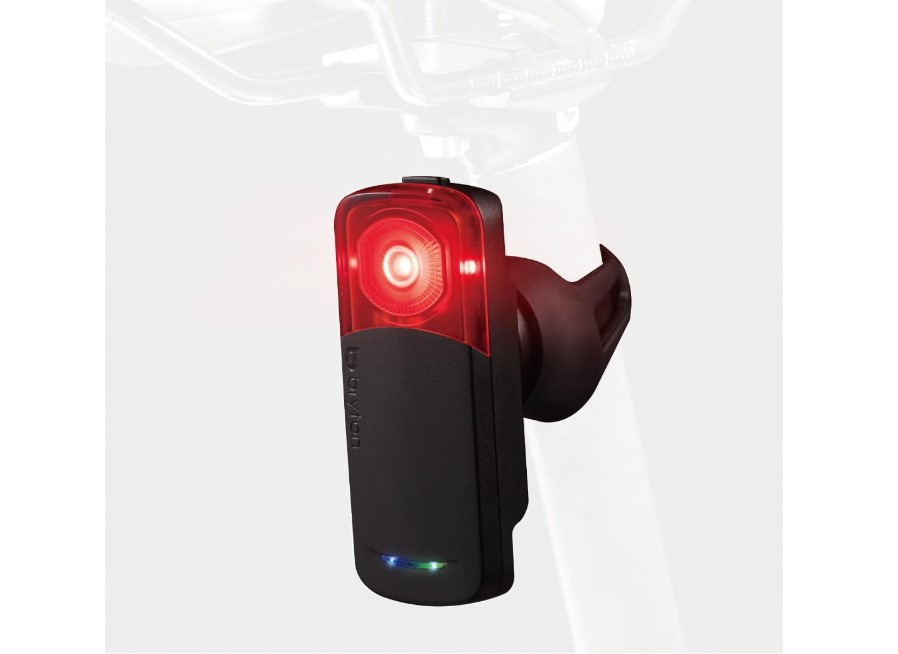
The Bryton Gardia R300L has established itself as the smart choice for cyclists who want premium radar functionality without premium pricing. This device demonstrates that effective safety technology doesn't require flagship pricing, delivering impressive radar detection, exceptional visibility, and modern connectivity features that compete directly with much more expensive alternatives.
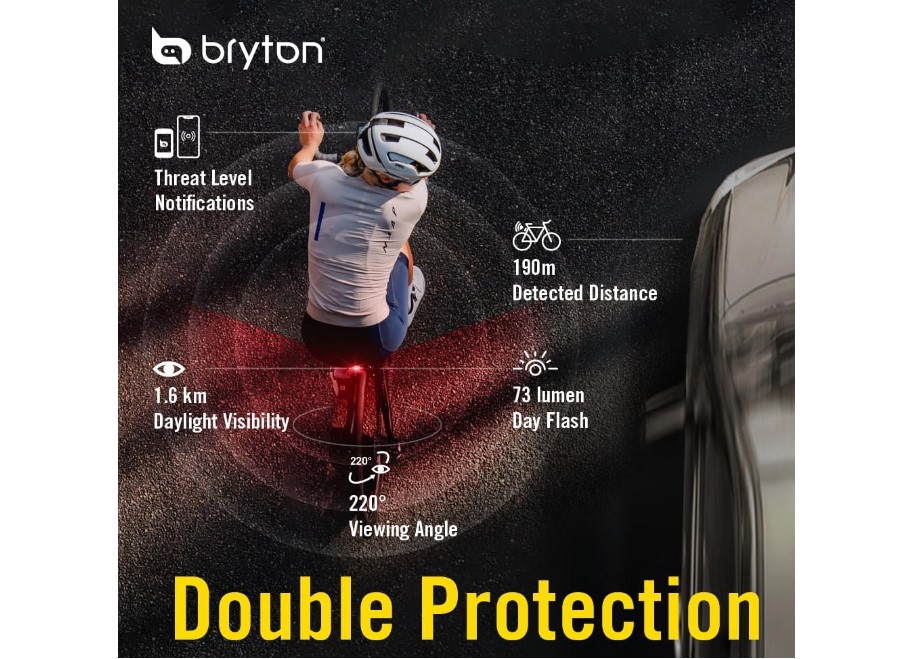
The wide 220-degree viewing angle sets the R300L apart from competitors, providing enhanced side visibility that proves invaluable in urban environments, roundabouts, and complex intersections where approaching traffic might come from multiple directions. The up-to-73-lumen light output delivers strong daytime visibility while intelligent flash patterns maintain conspicuity without being obnoxious to fellow cyclists during group rides or club events.
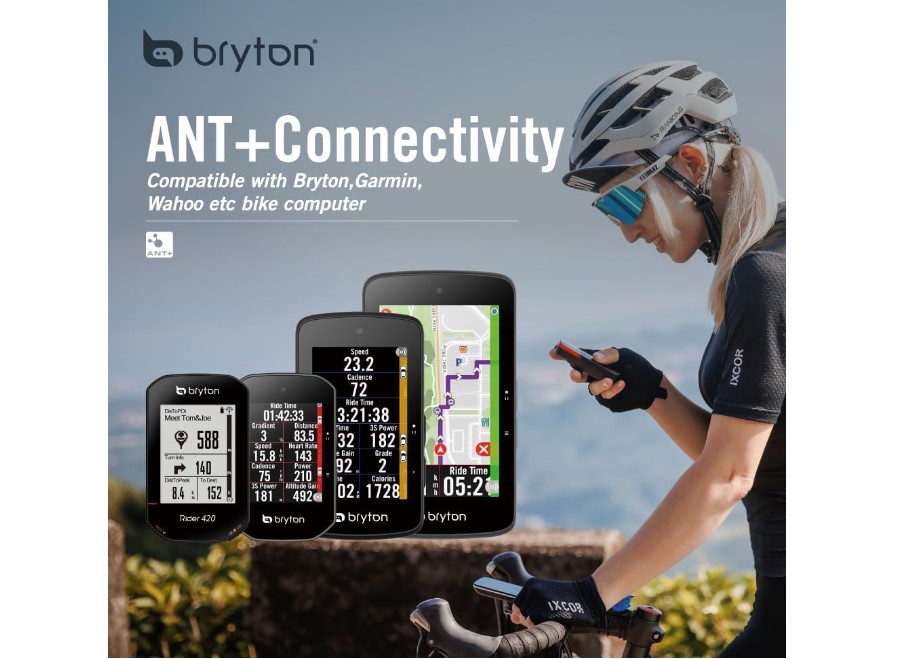
Radar performance impresses with detection ranges up to 190 meters – among the longest in the category – providing generous warning time for approaching vehicles. The system sends clear visual and audible alerts to compatible bike computers and smartphones through both ANT+ and Bluetooth 5.0 connectivity. Bryton's implementation tends toward the conservative side, providing frequent alerts that some might consider chatty, but many riders appreciate the comprehensive awareness this approach provides in busy traffic scenarios.
Build quality reflects thoughtful engineering with a slim, stable design that fits securely on common seatpost shapes without adding significant weight or bulk to your bike. USB-C charging has become standard across Bryton's product line, providing fast, convenient power delivery that's compatible with modern charging accessories. The physical design maintains weather resistance while allowing easy access to charging ports and controls when needed.
The 17-hour battery life in day-flash mode provides excellent endurance for long rides and multi-day adventures, while the broad interoperability ensures the device works effectively regardless of your preferred bike computer brand. Bryton's Active app provides device management and customization options, though the ANT+ Radar protocol ensures core functionality works without requiring specific software dependencies that might limit long-term compatibility.
Pros:
- Exceptional 220-degree viewing angle for side visibility
- Impressive radar detection range up to 190 meters
- Strong value proposition with premium features
- USB-C charging and modern connectivity
- Reliable 17-hour battery performance
Cons:
- Conservative radar logic may provide frequent alerts
- Brand recognition lower than established competitors
- Limited ecosystem integration compared to major brands
Summary: The Bryton Gardia R300L delivers impressive bicycle radar detection light performance at a compelling price point, offering premium features like extensive viewing angles and long detection ranges without flagship pricing. Its strong value proposition and reliable performance make it an excellent choice for riders seeking effective radar protection without brand premium costs.
Magene L508 Review
Best Budget
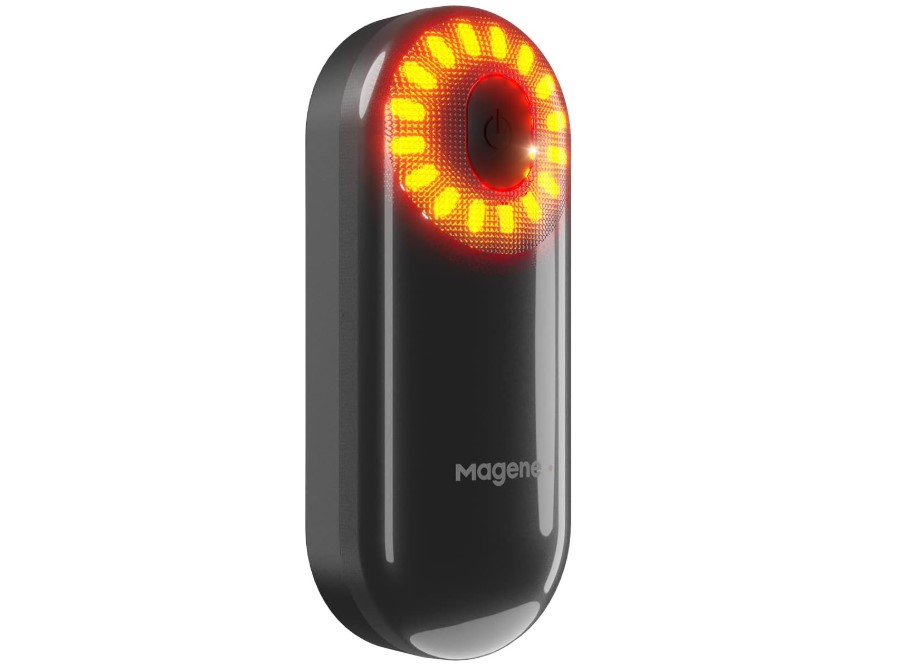
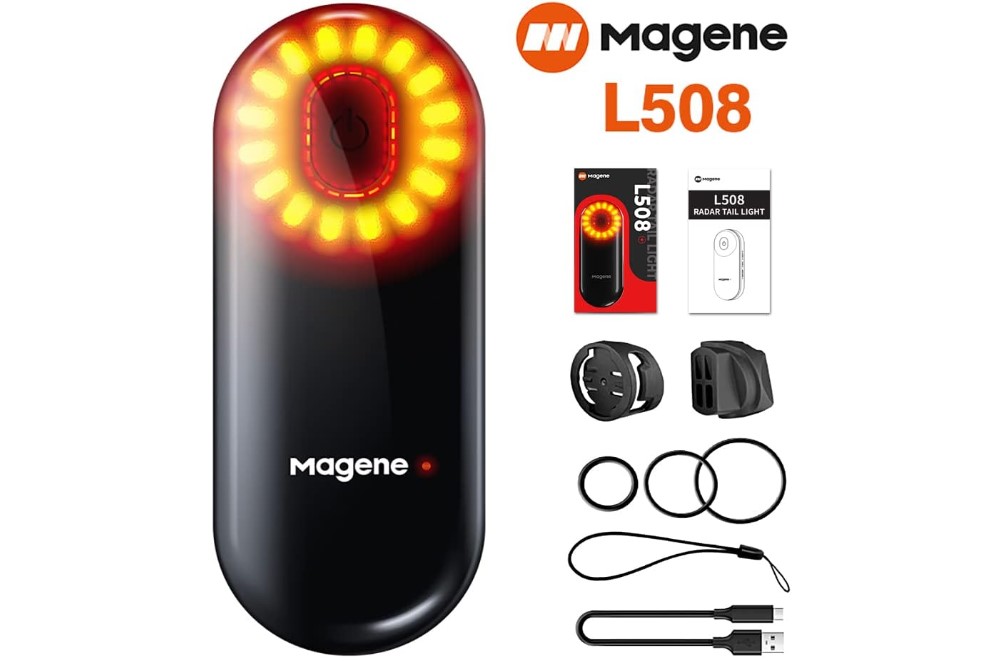
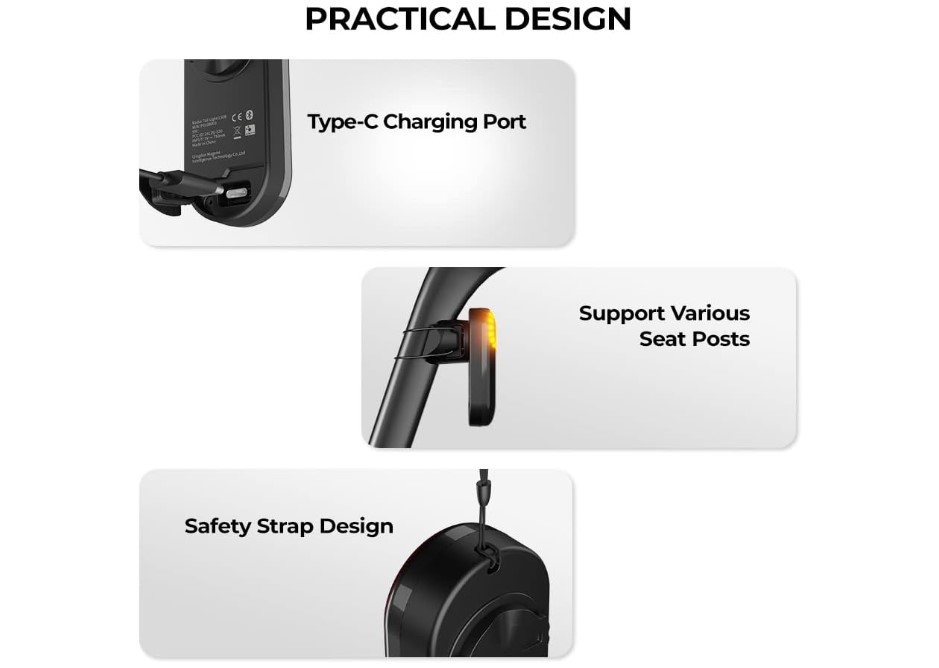
The Magene L508 proves that effective radar technology can be accessible to cyclists at every budget level, delivering core safety benefits without the premium pricing that has historically limited radar adoption. This device represents the democratization of cycling safety technology, making radar detection available to riders who might otherwise go without this crucial protection due to cost considerations.
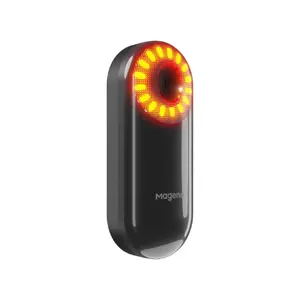
The 40-degree horizontal radar beam represents a thoughtful engineering decision that maintains effective detection while the beam angle helps reduce false positives from roadside objects. This wide detection pattern proves particularly valuable on twisty roads where vehicle approaches might come from varying angles as you lean through corners. The 140-meter detection range provides adequate warning time for most riding scenarios, allowing you to assess approaching traffic and adjust position accordingly.
Light functionality includes comprehensive mode selection with day flash, night flash, solid, peloton, and radar-only options that adapt to different riding scenarios and battery conservation needs. The 220-degree visible wrap ensures good side visibility, while brake-sensing functionality automatically increases output during deceleration events. This feature set rivals much more expensive devices while maintaining the reliability that budget-conscious cyclists require for daily use.
Setup simplicity stands out as a major strength, with straightforward ANT+ Radar and Bluetooth pairing that works reliably with popular bike computers and smartphone apps. The Magene Utility app provides customization options for flash patterns and radar sensitivities, allowing users to tune the device behavior to match their specific riding preferences and local traffic conditions.
Real-world performance delivers dependable alerts that rarely miss genuine vehicle approaches, though the system can be more chatty than premium alternatives on busy routes. Most users find this conservative approach preferable to missing legitimate threats, and the adjustable sensitivity helps fine-tune behavior for different road environments. The device now enjoys wide availability across major markets, making it easy to purchase, service, and replace if needed.
Pros:
- Outstanding value for essential radar functionality
- Wide 40-degree horizontal beam angle
- Comprehensive light modes including brake-sensing
- Simple setup with broad compatibility
- Reliable detection with minimal false negatives
Cons:
- Can be chatty with frequent alerts in busy traffic
- Limited brand support and ecosystem integration
- Basic build quality reflects budget positioning
Summary: The Magene L508 delivers essential radar protection at an accessible price point, making it perfect for budget-conscious cyclists, second-bike installations, or riders curious about radar technology who want to try it without major investment. While it lacks the refinement of premium models, the core safety benefits make it a worthwhile upgrade for any cyclist sharing roads with motor vehicles.
Bike Radar Taillight FAQs
Throughout my extensive testing and research of radar taillights, I've encountered numerous questions from cyclists considering this technology for the first time. These inquiries reflect common concerns about effectiveness, compatibility, and practical considerations that deserve detailed exploration.
How accurate are bike radar taillights, and do they create false alarms?
Modern radar taillights have become remarkably accurate through years of algorithm refinement and real-world testing. Premium models like the Garmin Varia series rarely produce false positives, while budget alternatives might be more conservative with their alerting. The key is understanding that different models have different detection philosophies – some err on the side of caution with more frequent alerts, while others focus on reducing false positives. Most cyclists prefer slightly chatty systems over missing genuine vehicle approaches, and sensitivity adjustments help tune behavior for local conditions.
Do radar taillights work with all bike computers and smartphones?
Most modern radar taillights support the industry-standard ANT+ Radar protocol, ensuring compatibility with bike computers from Garmin, Wahoo, Hammerhead, and others. Bluetooth support enables smartphone app integration for riders who prefer phone-based displays. However, some advanced features like specific alert customization or detailed analytics might require manufacturer-specific apps or compatible head units. Before purchasing, verify that your existing bike computer supports radar displays or consider upgrading to a compatible model.
How much do radar taillights improve cycling safety in real-world conditions?
While definitive safety statistics are still emerging, the early warning provided by radar systems allows cyclists to make proactive positioning decisions rather than reactive emergency maneuvers. The technology excels in situations where visual or audible cues might be insufficient – high-speed approaches, noisy environments, or when concentration is focused forward on technical terrain. Many cyclists report feeling more confident and relaxed when riding with radar, as they can maintain better situational awareness without constantly checking behind them.
How accurate are bike radar taillights, and do they create false alarms?
Modern radar taillights have become remarkably accurate through years of algorithm refinement and real-world testing. Premium models like the Garmin Varia series rarely produce false positives, while budget alternatives might be more conservative with their alerting. Different models have different detection philosophies – some err on the side of caution with more frequent alerts, while others focus on reducing false positives. Most cyclists prefer slightly chatty systems over missing genuine vehicle approaches, and sensitivity adjustments help tune behavior for local conditions.
Do radar taillights work with all bike computers and smartphones?
Most modern radar taillights support the industry-standard ANT+ Radar protocol, ensuring compatibility with bike computers from Garmin, Wahoo, Hammerhead, and others. Bluetooth support enables smartphone app integration for riders who prefer phone-based displays. However, some advanced features like specific alert customization or detailed analytics might require manufacturer-specific apps or compatible head units. Before purchasing, verify that your existing bike computer supports radar displays or consider upgrading to a compatible model.
How much do radar taillights improve cycling safety in real-world conditions?
While definitive safety statistics are still emerging, the early warning provided by radar systems allows cyclists to make proactive positioning decisions rather than reactive emergency maneuvers. The technology excels in situations where visual or audible cues might be insufficient – high-speed approaches, noisy environments, or when concentration is focused forward on technical terrain. Many cyclists report feeling more confident and relaxed when riding with radar, as they can maintain better situational awareness without constantly checking behind them.
What's the battery life like for different radar taillight modes?
Battery life varies significantly based on radar sensitivity, light mode, and environmental conditions. Premium models like the Wahoo TRACKR can achieve up to 20 hours in optimized conditions, while camera-equipped units like the Garmin RCT715 provide 6-10 hours depending on recording settings. Day-flash modes typically offer the best balance of visibility and battery conservation, while solid modes consume more power. Cold weather can reduce battery performance by 20-40%, making fast charging capabilities particularly valuable for winter riding.
Are radar taillights worth the investment for casual recreational cyclists?
The value proposition depends on your riding environment and risk tolerance. Cyclists who regularly ride on busy roads, rural highways without shoulders, or during low-light conditions benefit most from radar technology. Urban riders navigating complex traffic patterns also find significant value in the enhanced situational awareness. For riders who stick primarily to protected bike paths or quiet neighborhood streets, the investment might be harder to justify. However, even occasional road riding can benefit from the peace of mind and enhanced safety awareness these devices provide.
Making the Right Choice for Your Cycling Safety
After extensively testing radar taillights across thousands of miles and varied conditions, I can confirm they've proven their worth as genuine safety enhancers rather than mere gadgets. The technology provides measurable improvements in situational awareness and enables proactive decision-making that can prevent dangerous situations before they develop.
For cyclists seeking the ultimate safety package with video documentation, the Garmin Varia RCT715 justifies its premium pricing through comprehensive protection and legal evidence capabilities. Those prioritizing proven reliability and exceptional battery life will find the Garmin Varia RTL515 offers unmatched consistency and broad compatibility. The Wahoo TRACKR Radar brings intelligent features and industry-leading battery life for riders seeking innovation and autonomy.
Budget-conscious cyclists can access radar technology through excellent options like the Bryton Gardia R300L, which offers premium features at accessible pricing, or the Magene L508 for those wanting to experience radar protection without significant investment.
The most important decision is choosing to upgrade your safety equipment rather than which specific model to buy. Any radar taillight from this selection will provide meaningful safety improvements over traditional lighting alone. The peace of mind, enhanced situational awareness, and early warning capabilities these devices provide make them worthwhile investments for any cyclist who shares roads with motor vehicles. Your safety is worth the investment, and future you will thank present you for making the smart choice to upgrade your cycling protection system.

Jim's our tech geek with a mission since February 2023. From movies to video projectors, he knows his stuff and aims to make tech work for you. When he's not geeking out, he's there to guide you through making savvy decisions.


