Fitbit Inspire 3 vs Xiaomi Smart Band 9: Comparison
Hey there! Today I'm comparing two fitness trackers that represent completely different approaches: the Fitbit Inspire 3 and Xiaomi Smart Band 9. The Fitbit brings years of health data expertise and coaching features, while Xiaomi delivers impressive hardware specs and a massive AMOLED display at a lower price point.
After wearing both devices for several weeks, testing their accuracy across workouts, sleep tracking, and daily use, I'll break down which tracker delivers better value for your specific needs. The answer might surprise you depending on what you prioritize in a wearable.
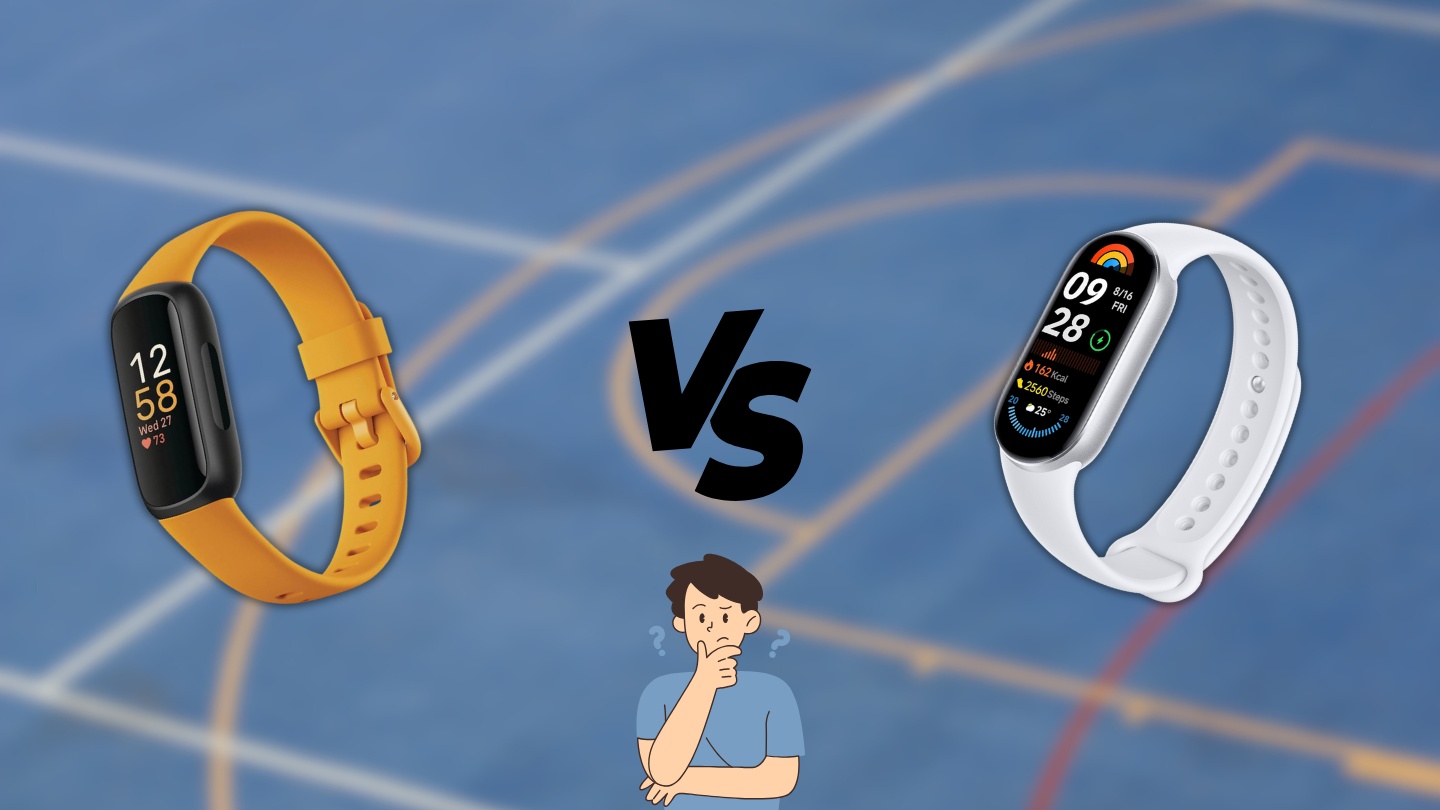
Image of Fitbit Inspire 3 and Xiaomi Smart Band 9. Source: Amazon
Fitbit Inspire 3 vs Xiaomi Smart Band 9: Quick Overview
Here's what you need to know upfront: The Fitbit Inspire 3 focuses on software intelligence with features like Daily Readiness Score, Sleep Profile analysis, and stress management coaching. Its 0.5" monochrome display is tiny but efficient, delivering 10-day battery life. The Xiaomi Smart Band 9 takes the hardware approach with a vibrant 1.62" AMOLED screen, aluminum construction, and 21-day battery life, but simpler health insights.
I recommend the Fitbit Inspire 3 if you want detailed health coaching and don't mind a smaller display. The app ecosystem and personalized insights are unmatched. However, choose the Xiaomi Smart Band 9 if you prefer a large, colorful screen and longer battery life while accepting more basic health analysis.
Table of Contents
- Fitbit Inspire 3 vs Xiaomi Smart Band 9:Comparison
- Xiaomi Smart Band 9 vs Fitbit Inspire 3: Design
- Inspire 3 or Smart Band 9: Owner Reviews
- Fitbit Inspire 3 and Smart Band 9 Alternatives
Fitbit Inspire 3 vs Mi Band 9: Full Comparison
| Specifications | Fitbit Inspire 3 | Xiaomi Smart Band 9 |
| Image |
 |
 |
| Display Size | 0.5" monochrome OLED | 1.62" AMOLED color |
| Operating System | Fitbit OS | MI Band OS |
| Battery Life | 10 days | 21 days |
| Battery Capacity | 0.3Ah | 233mAh |
| Frame Material | Plastic | Aluminum alloy |
| Water Resistance | 50m | 50m |
| Sports Modes | 20+ exercise modes | 150+ sports modes |
| GPS | Connected GPS | Connected GPS |
| Storage | 4GB | 12GB |
| Special Features | Daily Readiness Score, Sleep Profile, Stress Management | Automatic brightness, multiple color options |
| Premium Subscription | 6-month Premium included | None required |
The display difference between these trackers is immediately obvious. The Xiaomi Smart Band 9's 1.62" AMOLED screen dwarfs the Inspire 3's 0.5" monochrome display. While the Fitbit's screen is perfectly readable and efficient, the Xiaomi offers full-color graphics, customizable watch faces, and much easier navigation through menus. The 1200-nit peak brightness also ensures outdoor visibility that the Inspire 3 struggles with in direct sunlight.
Battery performance heavily favors Xiaomi, delivering 21 days versus Fitbit's 10-day lifespan. This stems from the Smart Band 9's larger 233mAh battery and more efficient power management. However, the Inspire 3's battery life remains respectable for its feature set and smaller form factor.
Where Fitbit truly shines is health intelligence. The Daily Readiness Score analyzes your recovery based on sleep quality, heart rate variability, and recent activity to suggest whether you should push hard or take it easy. The Sleep Profile feature categorizes your sleep patterns into animal types (like "bear" or "dolphin") with personalized recommendations. Stress Management provides guided breathing sessions and tracks stress levels throughout the day.
The Xiaomi Smart Band 9 takes a more straightforward approach to health tracking. It monitors the same basic metrics - heart rate, sleep stages, stress, and blood oxygen - but provides less analysis and coaching. The 150+ sports modes offer impressive variety, covering everything from traditional cardio to niche activities like e-sports and chess. However, the insights remain surface-level compared to Fitbit's detailed breakdowns.
Build quality differs significantly between the two. The Smart Band 9's aluminum alloy frame feels premium and comes in four attractive colors. The interchangeable straps and solid construction suggest durability. The Inspire 3 uses plastic construction that feels less substantial but keeps weight minimal for all-day comfort.
Fitbit's app ecosystem represents its biggest advantage. The platform offers detailed trending data, challenges with friends, and comprehensive health reports. The included 6-month Premium subscription adds advanced metrics like skin temperature variation and detailed sleep analysis. Xiaomi's Mi Fitness app is functional but lacks the depth and community features that make Fitbit sticky.
For notifications and smart features, both handle calls, texts, and app alerts adequately. The Xiaomi's larger screen makes reading messages easier, while the Fitbit's monochrome display ensures better battery efficiency. Neither offers advanced smartwatch features like app stores or music storage.
Xiaomi Smart Band 9 vs Fitbit Inspire 3: Design
These trackers showcase completely different design philosophies - Fitbit prioritizes minimalism and comfort while Xiaomi emphasizes visual impact and premium materials.
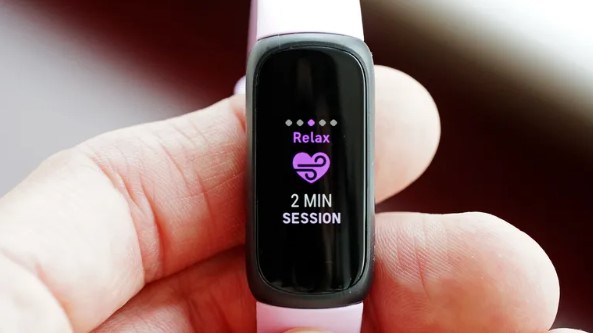
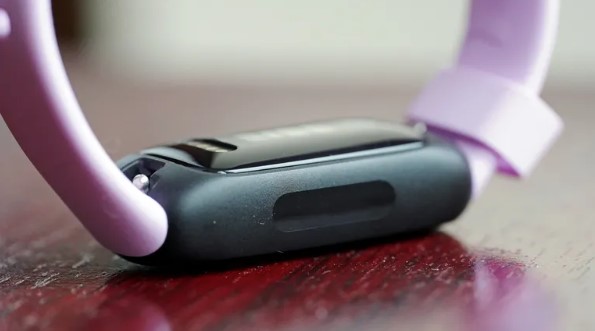
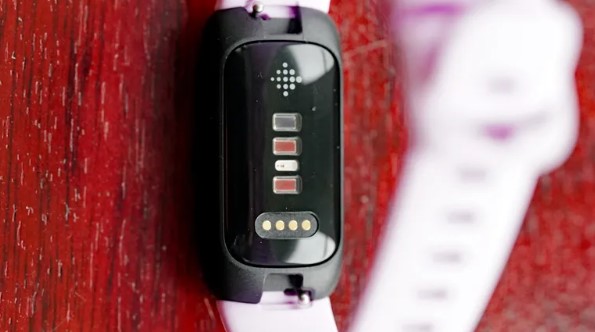
Fitbit Inspire 3 Design:
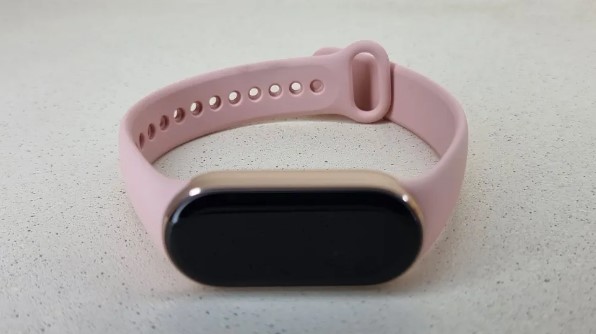
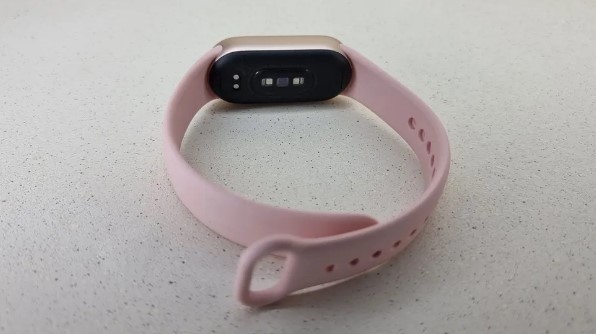
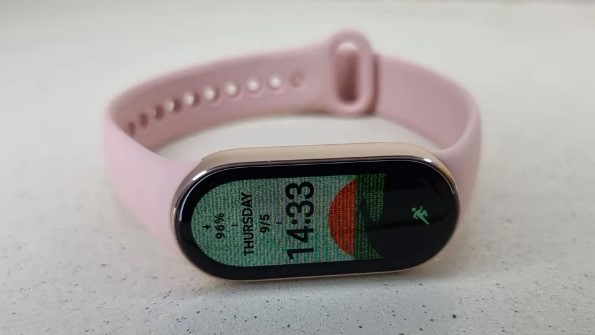
Xiaomi Smart Band 9 Design:
The Inspire 3 maintains Fitbit's signature slim profile with soft plastic construction and a comfortable silicone band. The rectangular form factor feels almost weightless on the wrist, making it ideal for sleep tracking without bulk or interference. The single physical button provides haptic feedback for navigation, while the tiny display keeps things simple and distraction-free.
The Smart Band 9 makes a bolder statement with its aluminum frame and vibrant color options. The larger capsule design houses the expansive AMOLED screen, while the magnetic charging connection sits discreetly on the back. Touch controls feel responsive, and the premium materials suggest this tracker can withstand daily wear better than typical plastic alternatives.
Both devices use proprietary charging systems - Fitbit clips onto a small charging cradle while Xiaomi uses magnetic pins. The Smart Band 9's charging is more convenient since you don't need to remove the tracker from its band.
Strap options vary considerably. Fitbit offers various band materials and styles, from sport silicone to woven fabric and leather options. Xiaomi provides multiple colors but fewer material choices. Both use quick-release mechanisms for easy swapping.
Inspire 3 or Smart Band 9: Owner Reviews
Real user experiences reveal interesting patterns between these very different fitness trackers:
Fitbit Inspire 3 Owner Reviews:
Praises: "The sleep tracking is incredibly detailed. I love seeing my Sleep Score each morning and the personalized recommendations for better rest."
"The Daily Readiness feature has changed how I approach workouts. It's prevented me from overtraining several times by suggesting recovery days."
***
Drawbacks: "The display is really small and hard to read without my glasses. I wish they'd made it just slightly bigger."
"Premium subscription feels necessary for the best features, which adds to the ongoing cost after the free trial ends."
Xiaomi Smart Band 9 Owner Reviews:
Praises: "The screen is amazing for the price - bright, colorful, and easy to navigate. The aluminum frame looks much more expensive than it actually is."
"Three weeks of battery life is fantastic. I barely think about charging it compared to my old smartwatch that died every other day."
***
Drawbacks: "The health insights are pretty basic compared to what I had with Fitbit. It tracks everything but doesn't give much guidance on what to do with the data."
"The Mi Fitness app feels cluttered and doesn't sync as reliably with other health apps as I'd like."
User feedback clearly shows the divide between these approaches. Fitbit users appreciate the coaching and detailed analysis despite the tiny screen, while Xiaomi users love the hardware quality and battery life but wish for deeper health insights. Both receive praise for accuracy in basic tracking metrics like steps and heart rate.
Fitbit Inspire 3 and Smart Band 9 Alternatives
If neither tracker perfectly fits your needs, consider these alternatives that bridge different aspects of both devices:
- Garmin Vivosmart 5: Combines detailed health metrics with a larger display than Fitbit, plus advanced features like stress tracking and Body Battery energy monitoring. More expensive but no subscription required.
- Samsung Galaxy Fit3: Offers a middle ground with a 1.6" AMOLED display, Samsung Health integration, and solid battery life. Works best with Samsung phones but supports other Android devices.
The Garmin Vivosmart 5 appeals to users wanting Fitbit-level insights with a more readable display. The Body Battery feature rivals Fitbit's Daily Readiness Score, while the slim metal design feels premium. GPS connectivity and advanced metrics justify the higher price for serious fitness tracking.
The Samsung Galaxy Fit3 splits the difference between these competitors with a large, colorful display and reasonable health coaching through Samsung Health. The integration with Samsung's ecosystem provides additional features for Galaxy device owners, though it's less compelling for users of other brands.
Should You Buy the Inspire 3 or Smart Band 9?
These fitness trackers excel in completely different areas, making the choice dependent on your priorities rather than one being objectively better.
Choose the Fitbit Inspire 3 if detailed health insights matter more than display size. The Daily Readiness Score, Sleep Profile analysis, and stress management features provide actionable guidance that can genuinely improve your wellness routine. The mature app ecosystem and community features add motivation that basic step counting can't match. Just accept that you'll be squinting at a tiny screen and paying for Premium features long-term.
The Xiaomi Smart Band 9 makes sense if you want impressive hardware without ongoing subscription costs. The large AMOLED display, premium aluminum construction, and exceptional battery life deliver immediate satisfaction. The extensive sports modes and basic health tracking cover most users' needs without complexity. However, don't expect deep insights or coaching beyond simple data presentation.
For casual fitness tracking with occasional workouts, the Xiaomi Smart Band 9 provides better value and user experience. But if you're serious about optimizing your health and recovery, the Fitbit Inspire 3's intelligence justifies its limitations and ongoing costs.
Both trackers accurately monitor basic metrics like steps, heart rate, and sleep duration. Your choice ultimately depends on whether you value hardware quality and simplicity or software intelligence and coaching.

Jeb here, your go-to geek for everything from video projection to the latest tech trends. As an avid outdoorsman, I enjoy using monoculars and binoculars for hunting, traveling, and birdwatching. Join me in exploring the cool, quirky side of technology!


