BMW still believes in hydrogen: production cars will appear in 2028

BMW has confirmed that it is continuing development of its third generation of hydrogen powertrains and plans to start mass production of fuel cell vehicles in 2028. The project is being realised in cooperation with Toyota.
Here's What We Know
BMW's hydrogen technology is already noticeably advanced compared to the iX5 Hydrogen pilot fleet. The new fuel cell is around 25 per cent more compact and more powerful at the same time, making it easier to integrate into different models and contributing to improved dynamics and efficiency. BMW promises greater range and lower energy consumption compared to current prototypes.
The co-operation with Toyota is key. Whereas in the first prototypes the Japanese supplied the entire plant and in the second generation BMW used individual elements of it, the third generation is being developed jointly. This allows them to share research and development costs but still create different models for each brand, both passenger and commercial.
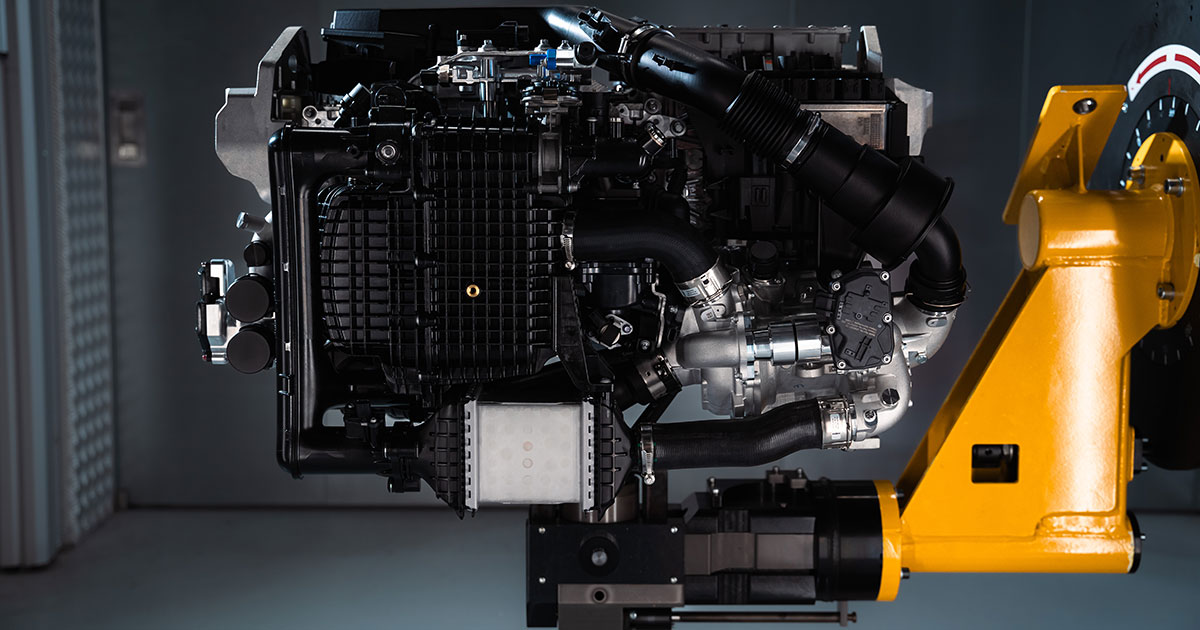
BMW's hydrogen fuel cell module. Photo: BMW
The hydrogen electric car is based on the already classic scheme: hydrogen is stored in cylinders, in the fuel cell it undergoes a chemical reaction with oxygen from the air, resulting in the production of electricity for electric motors. The only by-product is water vapour.
BMW is preparing an entire production network in Europe. In Munich, the hydrogen technology centre is currently building and testing prototypes. Serial production of units is assigned to the plant in Steyr (Austria). Classic internal combustion engines are also produced there, which emphasises BMW's "open" strategy - the development of several technologies at once.
Other plants will also be involved. The plant in Landshut will be engaged in housing for fuel cells and production of the key unit BMW Energy Master, which controls the distribution of energy between the fuel cell, a small battery and an electric motor. The first samples of the controller are being developed in Dingolfing, utilising expertise in building electronics for the upcoming Neue Klasse battery models.
BMW thus remains one of the few carmakers who continue to believe in the prospects of hydrogen transport and see it as an alternative route to a zero-emissions driving future.
Source: BMW


