Samsung Galaxy Fit 3 vs Xiaomi Band 9: Comparison
Hey there! Today I'm comparing two of the most compelling budget fitness trackers on the market: the Samsung Galaxy Fit 3 and the Xiaomi Band 9. Both devices promise excellent value with premium features at wallet-friendly prices, but they take distinctly different approaches to fitness tracking and smartwatch functionality.
I've been wearing both trackers for several weeks, putting them through rigorous testing across workouts, sleep tracking, daily wear comfort, and smart features. In this comprehensive comparison, I'll reveal which budget tracker offers the best bang for your buck and fits your specific fitness goals. Let's jump in!
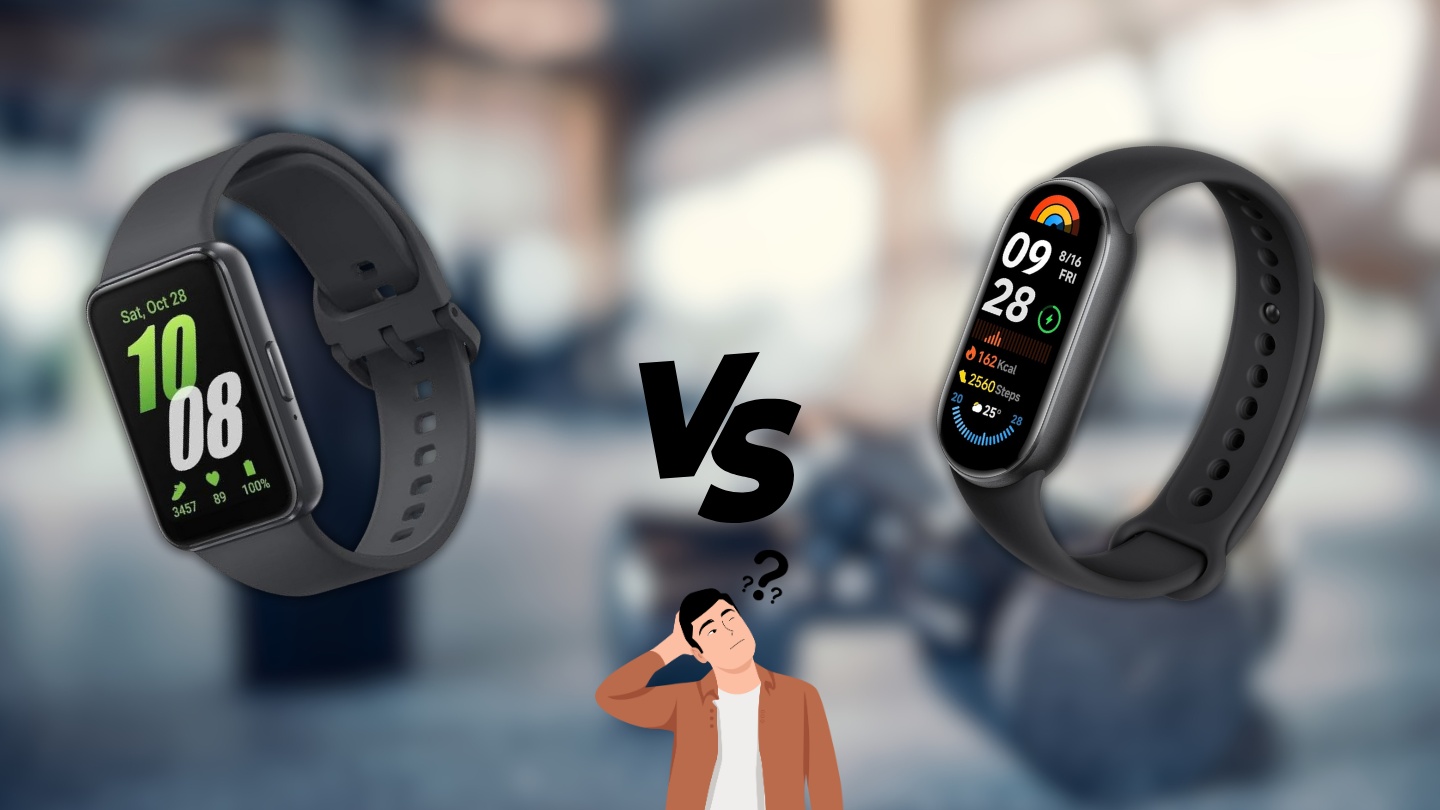
Image of Galaxy Fit 3 & Band 9. Source: Canva
Samsung Galaxy Fit 3 vs Xiaomi Band 9: Quick Overview
If you're in a hurry, here are the key differences: The Samsung Galaxy Fit 3 and Xiaomi Band 9 are both excellent budget fitness trackers with similar core features. The Galaxy Fit 3 offers a larger 1.6" AMOLED display, 100+ workout modes, and up to 13 days battery life, optimized for Samsung ecosystem users. The Xiaomi Band 9 counters with superior battery life up to 21 days, aluminum alloy frame construction, 150+ sports modes, and broader Android/iOS compatibility at a lower price point.
For most users, I recommend the Xiaomi Band 9. Its exceptional 21-day battery life, premium aluminum construction, and 1200-nit display brightness provide excellent functionality and outdoor visibility. The 150+ sports modes and broader compatibility make it versatile for various users. However, choose the Samsung Galaxy Fit 3 if you're invested in the Samsung ecosystem, prefer the larger rectangular display, or need advanced sleep coaching features.
Table of Contents:
- Samsung Galaxy Fit 3 vs Xiaomi Band 9: Full Comparison
- Galaxy Fit 3 vs Band 9: Design & Build Quality
- Samsung Galaxy Fit 3 or Xiaomi Band 9: Owner Reviews
- Galaxy Fit 3 and Band 9 Alternatives
Samsung Galaxy Fit 3 vs Xiaomi Band 9: Full Comparison
| Specs | Samsung Galaxy Fit 3 | Xiaomi Band 9 |
| Image |
 |
 |
| Display | 1.6" AMOLED (402 x 302 pixels) | 1.62" AMOLED (192 x 490 pixels) |
| Brightness | 600 nits | 1200 nits |
| Weight | 18.5g (without strap) | 15.8g (without strap) |
| Frame Material | Aluminum alloy | Aluminum alloy |
| Battery | 208mAh | 233mAh |
| Battery Life | Up to 13 days | Up to 21 days |
| Charging Time | 65% in 30 minutes | Full charge in ~1 hour |
| Water Resistance | 5ATM + IP68 | 5ATM (50m) |
| Workout Modes | 100+ | 150+ |
| Auto Workout Detection | 6 modes | Multiple modes |
| Heart Rate Monitoring | 24/7 with alerts | 24/7 with 16% improved accuracy |
| Sleep Tracking | Advanced with coaching & snoring detection | Comprehensive with REM stages |
| SpO2 Monitoring | Yes | Yes, continuous |
| Stress Monitoring | Yes | Yes, continuous |
| GPS | Connected GPS (via phone) | Connected GPS (via phone) |
| NFC | No | No (NFC variant available) |
| Smart Features | Notifications, music control, find phone, camera remote | Notifications, music control, weather, find phone |
| Companion App | Samsung Health + Galaxy Wearable | Mi Fitness |
| Compatibility | Android (Samsung optimized) | Android 8.0+ / iOS 12.0+ |
| Colors | Gray, Silver, Pink Gold | Midnight Black, Glacier Silver, Mystic Rose, Arctic Blue, Titan Gray |
The specification breakdown reveals two different philosophies in budget fitness tracking. The Samsung Galaxy Fit 3 focuses on Samsung ecosystem integration and advanced health features, while the Xiaomi Band 9 prioritizes universal compatibility and exceptional battery life.
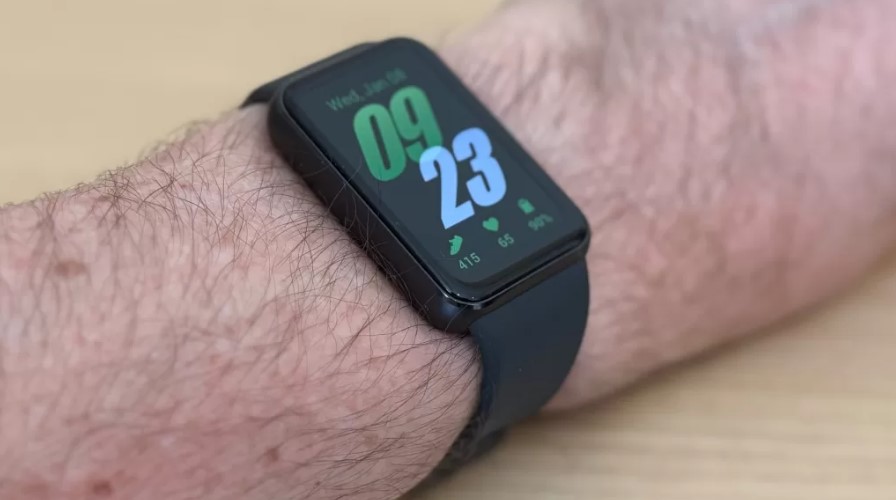
Display quality shows interesting trade-offs. The Galaxy Fit 3's wider rectangular screen provides more information at a glance and feels more watch-like, but the Band 9's superior 1200-nit peak brightness makes it significantly more readable in direct sunlight. The Band 9's pill-shaped display is taller but narrower, optimizing for fitness data presentation.
Battery performance heavily favors the Xiaomi Band 9 with 21 days of typical usage versus the Galaxy Fit 3's 13 days. This translates to charging roughly once per month versus twice monthly - a meaningful difference for frequent travelers or those who forget to charge regularly.
Health tracking capabilities are comprehensive on both devices. The Galaxy Fit 3 excels with Samsung's advanced sleep coaching, snoring detection, and seamless Samsung Health integration. The Band 9 counters with improved heart rate accuracy (16% better than previous generation) and continuous SpO2 monitoring throughout the day.
Smart features align closely, with both offering notification handling, music control, and phone connectivity. The Galaxy Fit 3 adds camera remote control for Samsung phones, while the Band 9 provides weather information and broader cross-platform compatibility.
Workout tracking gives the Band 9 a numerical advantage with 150+ sports modes versus the Fit 3's 100+, though both cover all essential activities. Neither includes built-in GPS, relying on connected smartphones for route tracking - a reasonable compromise at this price point.
Galaxy Fit 3 vs Band 9: Design & Build Quality
Both fitness trackers showcase premium design elements that belie their budget pricing, though each takes a distinct aesthetic approach.
Samsung Galaxy Fit 3 Design:
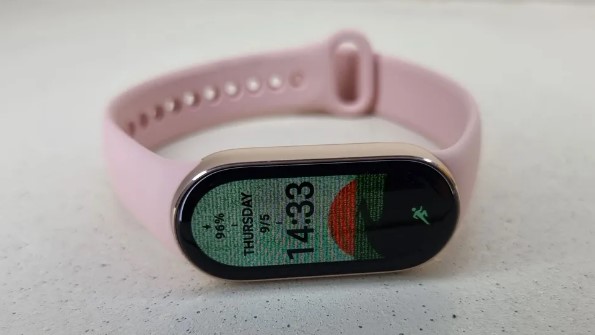
Xiaomi Band 9 Design:
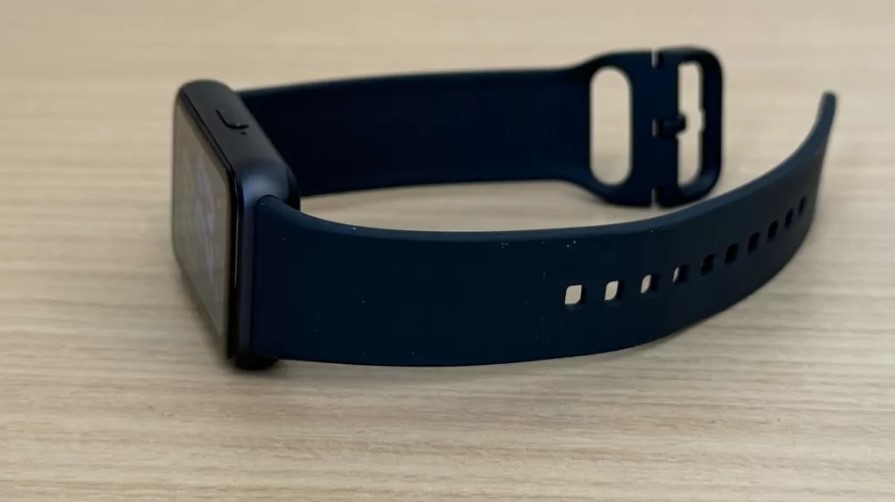
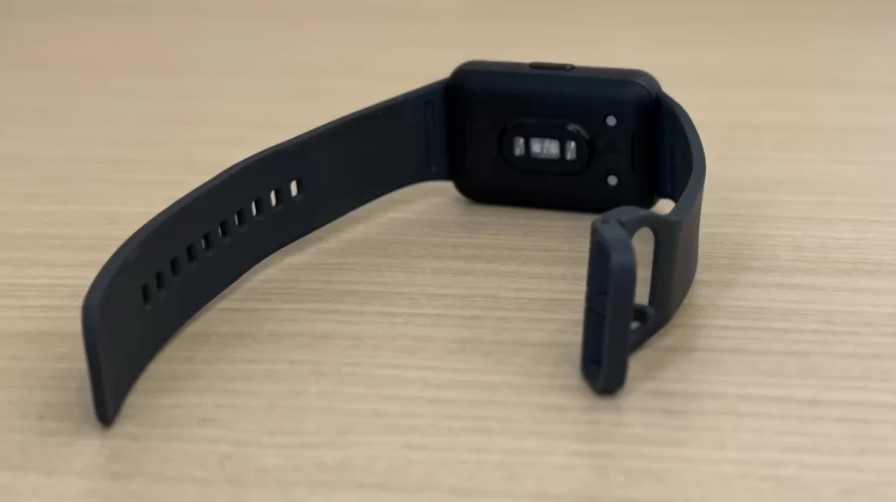
The Galaxy Fit 3 adopts a wider, more rectangular profile that resembles a miniature smartwatch. The aluminum frame feels solid and premium, while the silicone sport band provides comfortable all-day wear. At 18.5g, it's slightly heavier than the Band 9 but remains unobtrusive during workouts and sleep.
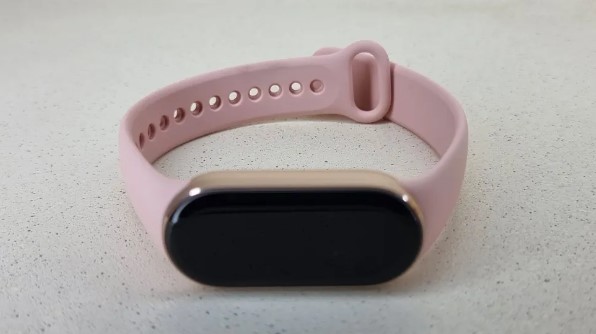
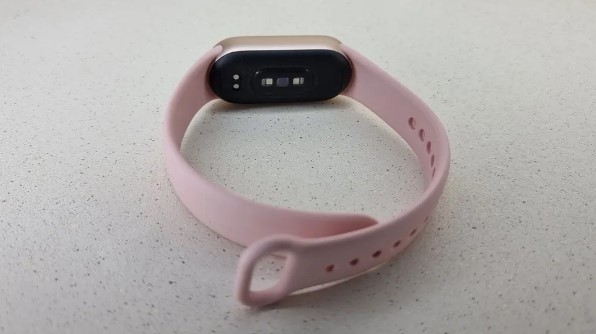
The Xiaomi Band 9 maintains the classic fitness band aesthetic with its pill-shaped display and curved design. The aluminum alloy construction offers five attractive color options compared to the Fit 3's three choices. Weighing just 15.8g, it's among the lightest trackers available and practically disappears on your wrist.
Both devices feature magnetic charging systems and 5ATM water resistance for swimming and showering. The Galaxy Fit 3 adds IP68 dust protection, while the Band 9 relies on its sealed construction. Build quality feels equally robust on both trackers, with no flex or creaking during normal use.
Samsung Galaxy Fit 3 or Xiaomi Band 9: Owner Reviews
Real-world feedback reveals how these budget trackers perform across different user scenarios and expectations:
Samsung Galaxy Fit 3 Owner Reviews:
Praises: "The sleep coaching feature is genuinely helpful - it gives personalized advice based on my sleep patterns and has helped me improve my sleep quality significantly."
"Perfect integration with my Samsung phone and Galaxy ecosystem. All my health data syncs seamlessly with Samsung Health, and the camera remote is handy for group photos."
***
Drawbacks: "Battery life of 13 days sounds good on paper but in reality I get about 9-10 days with all features enabled. Still decent but not as advertised."
"The display can be hard to read in bright sunlight compared to my friend's Xiaomi Band. Indoor visibility is fine but outdoor use requires finding shade."
Xiaomi Band 9 Owner Reviews:
Praises: "Incredible value for money - the 21-day battery life is real and the bright display works perfectly even in direct sunlight. Can't believe how much you get for $40."
"Works seamlessly with both my iPhone and Android devices. The Mi Fitness app is straightforward and provides all the health insights I need without subscription fees."
***
Drawbacks: "The narrow display means you have to scroll through multiple screens to see all your daily stats. Would prefer a wider screen for better data visibility."
"Sleep tracking accuracy seems inconsistent - sometimes it doesn't detect when I'm actually awake briefly during the night, giving overly optimistic sleep scores."
Owner experiences highlight each tracker's strengths and limitations clearly. Galaxy Fit 3 users appreciate the Samsung ecosystem integration and advanced sleep features but wish for better outdoor visibility and longer battery life. Band 9 owners rave about the exceptional value and battery performance but note the narrow display limitations and occasional sleep tracking inconsistencies.
Galaxy Fit 3 and Band 9 Alternatives
If neither tracker perfectly matches your requirements, consider these compelling alternatives in the budget fitness category:
- Fitbit Inspire 3: Premium fitness tracking with 10-day battery life, stress management tools, and Fitbit's proven health insights. More expensive but includes 6-month Fitbit Premium subscription.
- Huawei Band 9: Features a larger 1.47" color display, 12-day battery life, professional sports guidance, and TruSleep monitoring. Good middle ground between price and features.
The Fitbit Inspire 3 represents the premium option in this category, offering superior app ecosystem, community features, and proven health algorithms. The included Fitbit Premium subscription adds significant value with detailed health insights and guided workouts. However, the higher price and subscription model may not appeal to budget-conscious buyers.
The Huawei Band 9 provides an interesting middle ground with its larger display and professional sports coaching features. The 12-day battery life splits the difference between the two main contenders, while TruSleep monitoring offers competitive sleep tracking accuracy. Limited app ecosystem compared to Samsung or Xiaomi but solid standalone performance.
Should You Buy the Galaxy Fit 3 or Band 9?
After extensive testing, both the Samsung Galaxy Fit 3 and Xiaomi Band 9 deliver exceptional value in the budget fitness tracker category. Your choice should depend on ecosystem preferences and specific feature priorities rather than overall superiority.
Choose the Samsung Galaxy Fit 3 if you're already invested in the Samsung ecosystem and value advanced sleep insights. The sleep coaching, snoring detection, and seamless Samsung Health integration provide tangible benefits for Samsung phone users. The wider display also offers better smartwatch-like functionality for notifications and quick interactions.
The Xiaomi Band 9 makes more sense for most buyers seeking pure value and universal compatibility. Its 21-day battery life, brilliant 1200-nit display, and sub-$50 pricing deliver flagship features at budget prices. The aluminum construction and five color options also provide more personalization than the Samsung alternative.
Both trackers excel at core fitness tracking, sleep monitoring, and smart features that matter for daily use. The performance gap in health accuracy is minimal, making battery life and ecosystem compatibility the primary differentiators. Either choice will provide months of reliable fitness tracking and health insights at prices that won't break the bank.

Meet James, our go-to tech guru and seasoned reviewer. His sharp attention to detail and love for gadgets drive his deep dives into the newest tech waves. James's insightful analysis and real zest for breakthroughs have earned him a solid reputation in the tech world.


