Google Pixel 10 Pro vs Pixel 10 Pro XL: Comparison
Hey everyone! Today I'm diving into what might be the toughest comparison in Google's lineup: the Pixel 10 Pro versus the Pixel 10 Pro XL. These flagship phones share virtually everything - from the Tensor G5 processor to the 16GB RAM and camera system. But one crucial difference could make or break your decision: size.
I've been daily driving both phones for several weeks, switching between them constantly to understand how screen size impacts real-world usage. In this comprehensive comparison, I'll reveal which Pro model offers the best value and fits your lifestyle. Let's see if bigger is actually better!
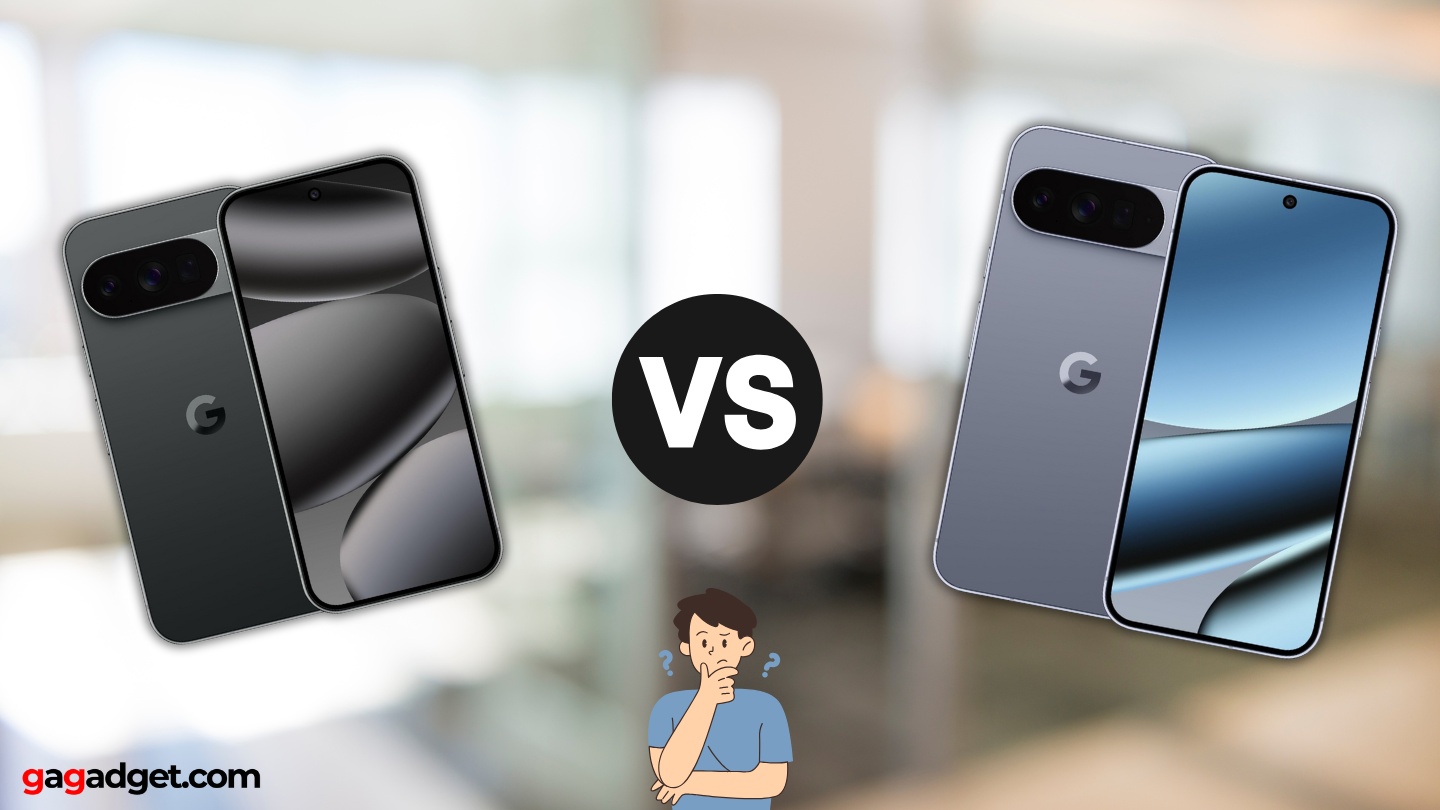
Image of Pixel 10 Pro & Pixel 10 Pro XL. Source: Canva
Google Pixel 10 Pro vs Pixel 10 Pro XL: Quick Overview
Let's cut to the chase with the key differences: The Google Pixel 10 Pro and Pixel 10 Pro XL are essentially twins with different screen sizes. Both feature the Tensor G5 chip, 16GB RAM, and identical camera systems. The main differences are the Pro's 6.3-inch display versus the XL's 6.8-inch screen, the XL's larger 5200mAh battery compared to the Pro's 4870mAh, and the XL's exclusive 25W Qi2.2 wireless charging versus the Pro's 15W. Pricing starts at $999 for the Pro and $1199 for the XL.
For most users, I recommend the Google Pixel 10 Pro. Its compact 6.3-inch size offers excellent one-handed usability while delivering the exact same performance and camera quality as the XL. The $200 savings is significant, and unless you specifically need the larger screen for productivity or media consumption, the Pro provides the better value. However, choose the Pixel 10 Pro XL if you prioritize maximum screen real estate, longer battery life, or faster wireless charging.
Table of Contents
- Google Pixel 10 Pro vs XL: Full Comparison
- Pixel 10 Pro vs XL: Design & Build
- Google Pixel 10 Pro or XL: Owner Reviews
- Pixel 10 Pro and XL Alternatives
Google Pixel 10 Pro vs XL: Full Comparison
| Specs | Google Pixel 10 Pro | Google Pixel 10 Pro XL |
| Image |
|
|
| Display Size | 6.3" Super Actua LTPO OLED | 6.8" Super Actua LTPO OLED |
| Resolution | 1280 x 2856 pixels (452 ppi) | 1344 x 2992 pixels (486 ppi) |
| Refresh Rate | 1-120Hz adaptive | 1-120Hz adaptive |
| Processor | Google Tensor G5 | Google Tensor G5 |
| RAM | 16GB | 16GB |
| Storage | 128GB/256GB/512GB/1TB | 256GB/512GB/1TB |
| Main Camera | 50MP main, 48MP ultrawide, 48MP 5x telephoto | 50MP main, 48MP ultrawide, 48MP 5x telephoto |
| Front Camera | 42MP ultrawide | 42MP ultrawide |
| Battery | 4870mAh | 5200mAh |
| Wired Charging | 45W (55% in 30 min) | 45W (70% in 30 min) |
| Wireless Charging | 15W Qi2 | 25W Qi2.2 |
| Dimensions | 152.8 x 72.0 x 8.5mm | 162.8 x 76.6 x 8.5mm |
| Weight | 207g | 232g |
| Colors | Obsidian, Hazel, Rose Quartz, Jade | Obsidian, Hazel, Rose Quartz, Jade |
The specification comparison reveals just how similar these phones really are. Both run on Google's custom Tensor G5 chip, which delivers up to 25% faster CPU performance and 60% more powerful AI processing compared to the previous generation. The 16GB of RAM ensures smooth multitasking regardless of which size you choose.
Camera systems are absolutely identical between the two models. You get the same upgraded 50MP main sensor, 48MP ultrawide with macro capabilities, and 48MP 5x telephoto lens with 100x Pro Res Zoom. The new AI-powered features like conversational photo editing and Auto Best Take work exactly the same on both phones.
The display quality differences are minimal beyond size. Both use the same Super Actua LTPO OLED technology with 1-120Hz adaptive refresh rates and excellent brightness levels. The XL's slightly higher pixel density (486 vs 452 ppi) is virtually imperceptible in real-world use.
Battery life favors the XL thanks to its larger 5200mAh capacity. While both phones last over 24 hours with typical usage, the XL provides an extra margin of safety for heavy users. Charging speeds differ slightly - the Pro reaches 55% in 30 minutes while the XL hits 70% in the same timeframe.
Wireless charging represents one of the few meaningful feature differences. The XL supports 25W Qi2.2 wireless charging while the Pro is limited to 15W. For users who rely heavily on wireless charging, this could be a deciding factor.
Both phones come with Google's Material 3 Expressive interface, featuring springy animations and smooth interactions that complement the refreshed Pixel 10 design. Seven years of Android updates and security patches are guaranteed for both models.
Pixel 10 Pro vs XL: Design & Build
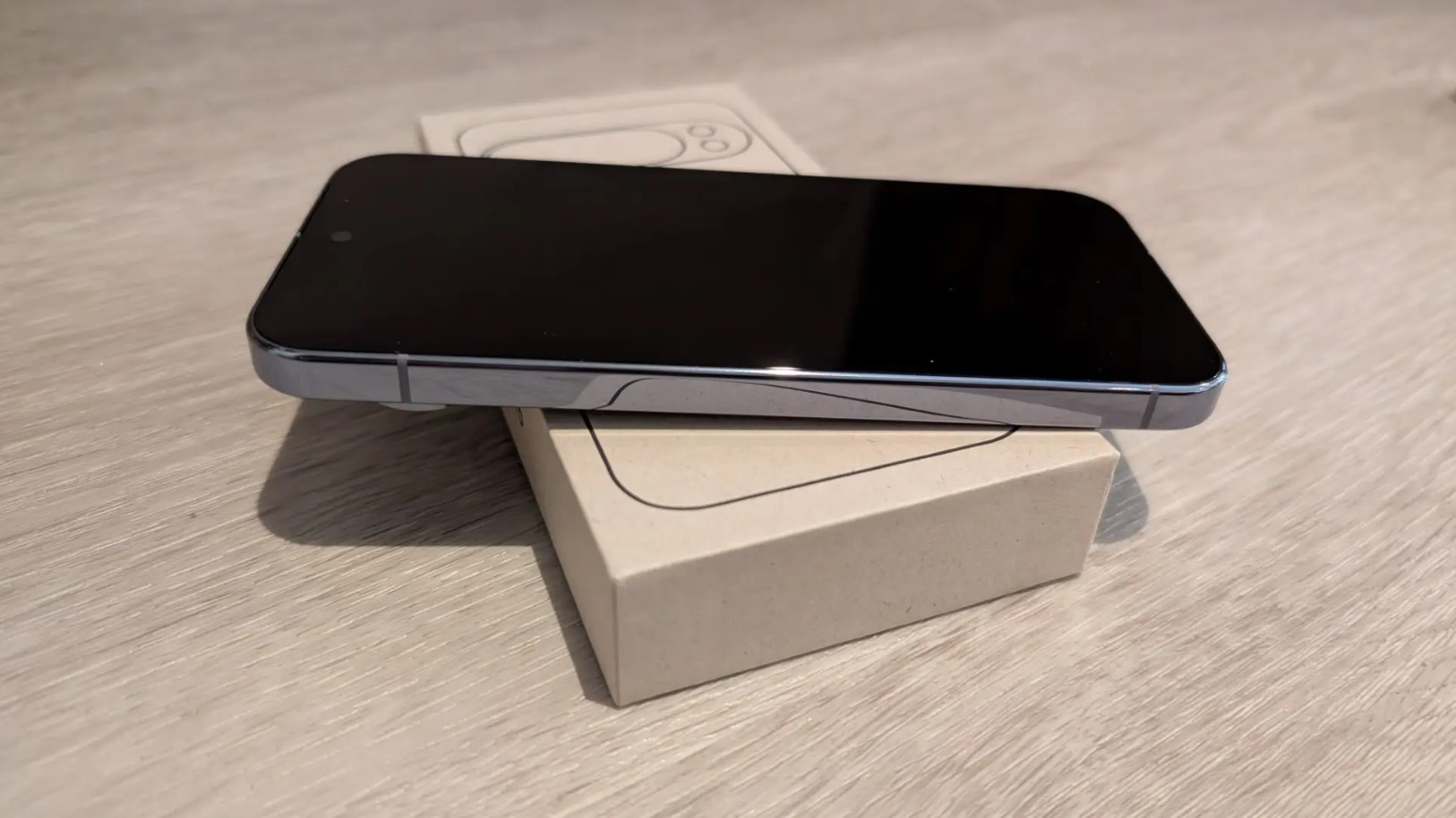
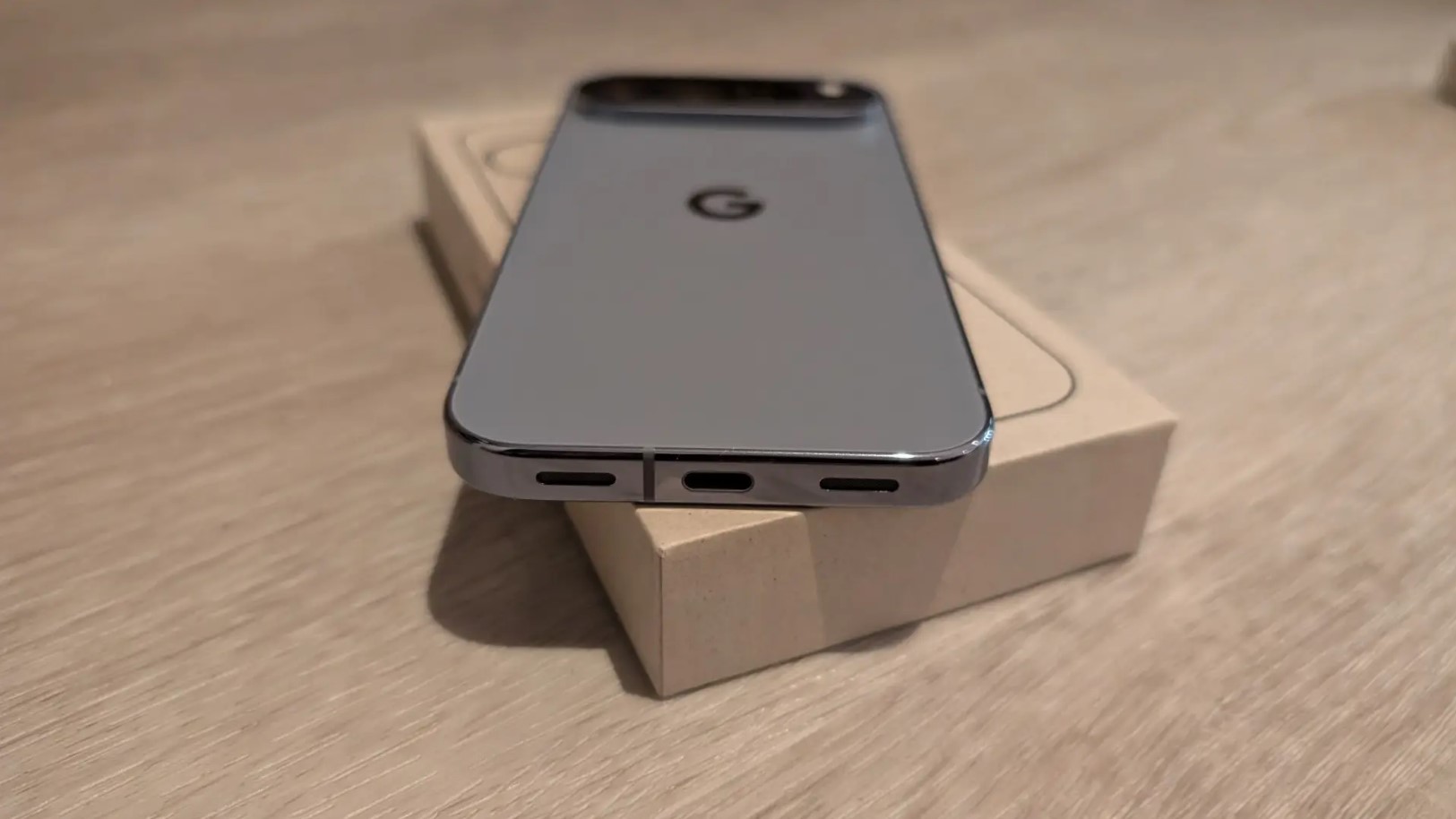
The design language is identical between both phones, featuring Google's refined camera bar design and premium build quality. Both models feature a satin-finish metal frame and polished glass back, crafted with the most recycled materials yet used in a Pixel device.
Google Pixel 10 Pro Design:
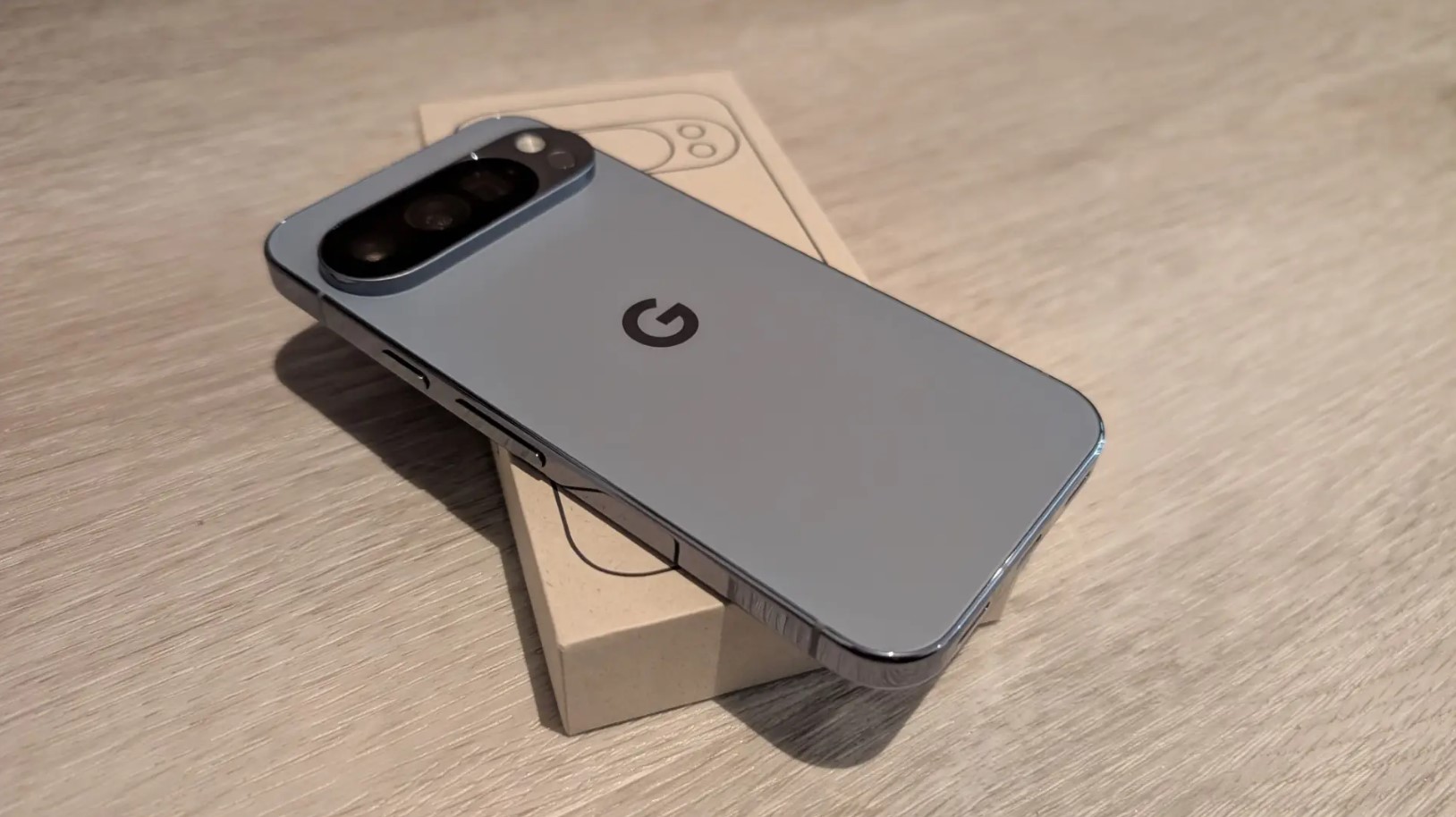
Google Pixel 10 Pro XL Design:
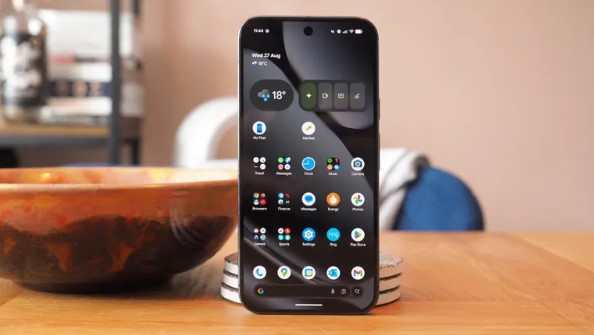
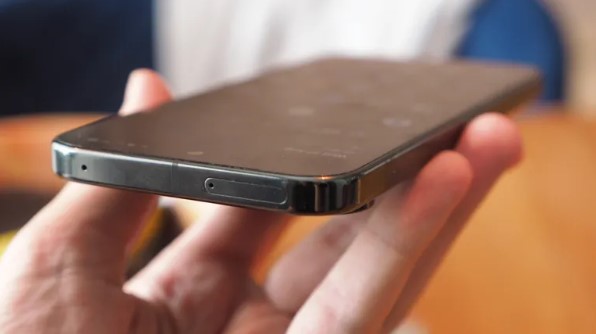
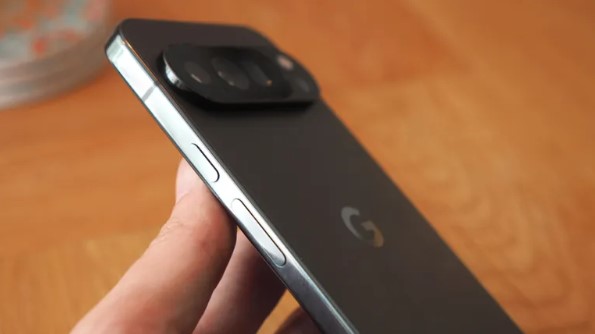
The main differences come down to ergonomics and handling. The Pro measures 152.8 x 72.0 x 8.5mm and weighs 207g, while the XL is significantly larger at 162.8 x 76.6 x 8.5mm and 232g. That 25-gram weight difference is immediately noticeable when switching between phones.
One-handed use strongly favors the Pixel 10 Pro. Its 72mm width fits comfortably in most hands, allowing easy thumb reach across the entire screen. The XL's 76.6mm width pushes the boundaries of single-handed operation, especially for users with smaller hands.
Both phones feature the new Pixelsnap magnetic technology for Qi2 wireless charging compatibility, opening up a world of magnetic accessories like stands, grips, and wallets. The magnetic strength feels identical between both models.
Color options remain the same across both sizes, with Obsidian, Hazel, Rose Quartz, and the striking new Jade finish. The Jade color has a subtle green, pearly tint that catches the eye without being overly bold.
Google Pixel 10 Pro or XL: Owner Reviews
Real-world feedback shows how screen size impacts daily usage across different user types:
Google Pixel 10 Pro Owner Reviews:
Praises: "Perfect size for one-handed use while still feeling premium. The 6.3-inch display is the sweet spot for daily tasks without being unwieldy in pockets or small hands."
"Identical performance to the XL but $200 cheaper - that's a no-brainer for me. The camera quality is exactly the same and I don't miss the extra screen space."
***
Drawbacks: "Coming from a larger phone, I sometimes miss the extra screen real estate for reading and watching videos. The keyboard also feels a bit cramped for long typing sessions."
"Battery life is good but not exceptional. I need to charge daily with heavy use, while my friend's XL easily lasts into the second day."
Google Pixel 10 Pro XL Owner Reviews:
Praises: "The 6.8-inch screen is incredible for media consumption and productivity. I can comfortably read documents and watch videos without squinting, and the battery easily lasts all day."
"Love the faster wireless charging - 25W makes a real difference when I'm using wireless stands at work. The extra screen space also makes multitasking much more practical."
***
Drawbacks: "Really struggles with one-handed use, especially reaching the top corners or notification shade. I constantly need to use both hands or reposition my grip."
"The $200 premium feels steep when the only real differences are screen size and battery. Same cameras, same performance, just bigger and more expensive."
The feedback clearly shows the trade-offs each size presents. Pro users appreciate the manageable size and value proposition but sometimes crave more screen space. XL users love the immersive display and battery life but struggle with ergonomics and question the price premium for largely the same experience.
Pixel 10 Pro and XL Alternatives
If neither Pixel 10 Pro size feels right, consider these compelling alternatives in the flagship smartphone category:
- Samsung Galaxy S25 Ultra: Features a massive 6.8-inch display, S Pen functionality, enhanced 200MP camera system, and premium titanium build. More expensive but offers unique productivity features and longer software support.
- iPhone 16 Pro: Apple's compact flagship with 6.3-inch ProMotion display, A18 Pro chip, and exceptional camera system. Better ecosystem integration for Apple users but higher starting price.
The Samsung Galaxy S25 Ultra appeals to productivity enthusiasts who want the largest possible screen and unique S Pen functionality. Its upgraded 200MP camera system with improved AI processing and extensive customization options provide a different approach to flagship photography, though at a significant price premium over both Pixel models.
The iPhone 16 Pro offers the most direct alternative to the Pixel 10 Pro's compact flagship approach. Its 6.3-inch display, premium build quality, and excellent camera system compete directly, though iOS vs Android preferences will likely be the deciding factor. The starting price is higher, but integration with other Apple devices provides additional value for existing users.
Conclusion: Which Pixel 10 Pro Should You Buy?
After weeks of switching between the Google Pixel 10 Pro and Pro XL, the choice comes down to your specific priorities and usage patterns. Both phones deliver identical flagship experiences with the same cameras, performance, and software features.
Choose the Google Pixel 10 Pro if you value one-handed usability, pocket-friendly dimensions, or want to save $200 without sacrificing core functionality. The 6.3-inch display provides an excellent balance of screen real estate and manageable size for most users. The compact form factor doesn't compromise the flagship experience - you still get the same pro-level cameras, AI features, and seven years of updates.
The Google Pixel 10 Pro XL makes sense for users who prioritize maximum screen space for media consumption, productivity work, or reading. The larger 6.8-inch display significantly enhances activities like streaming, photo editing, and multitasking. The extended battery life and faster wireless charging provide additional conveniences that some users will find worth the premium.
However, as reviewers have noted, it's challenging to justify the $200 price difference when the core experience is so similar. The XL essentially asks you to pay more for size alone, with minimal additional features beyond the larger screen and battery.
For most buyers, the standard Pixel 10 Pro offers better value while delivering the complete flagship Android experience Google intended. The size difference isn't dramatic enough to fundamentally change how you use the phone, making the Pro the smarter choice for budget-conscious buyers who still want premium features.

Meet James, our go-to tech guru and seasoned reviewer. His sharp attention to detail and love for gadgets drive his deep dives into the newest tech waves. James's insightful analysis and real zest for breakthroughs have earned him a solid reputation in the tech world.


