Best Smart Yard Robots with App Control
Last spring, I watched my neighbor spend his entire Saturday morning wrestling with boundary wire installation for his new robotic mower. Two hours later, he was still troubleshooting connectivity issues while his grass continued growing. That scene perfectly illustrates why the latest generation of smart yard robots has become such a game-changer – we've moved beyond tedious setup rituals into an era of genuine plug-and-play automation.
Today's smart yard robots combine advanced GPS navigation, AI-powered mapping, and sophisticated app control to deliver truly autonomous lawn care. From Yarbo's modular ecosystem that handles everything from mowing to snow removal, to ECOVACS's lightning-fast RTK positioning that covers large areas in record time, these machines represent a fundamental shift in how we approach yard maintenance. Whether you're managing a compact suburban lawn or sprawling commercial property, the right robotic system can transform your weekends from chore-filled obligations into actual leisure time.
If you're in a hurry, here are my top two recs:
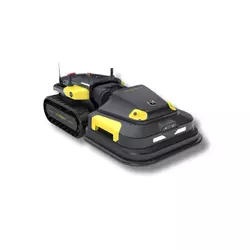
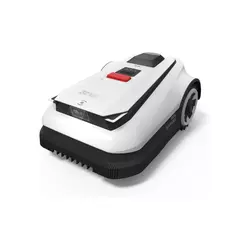
We may earn a small commission if you buy via our links - it helps keep gagadget.com running.
Table of Contents:
- Smart Yard Robots with App Control: Buying Guide
- Top 5 Robotic Lawn Mowers for 2026
- Smart Robotic Mower Comparison
- Yarbo Lawn Mower Pro
- ECOVACS GOAT A2500
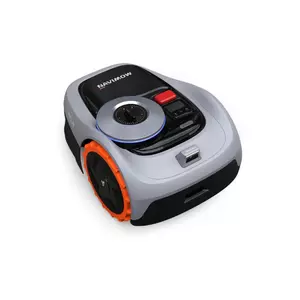
- Segway Navimow i105N
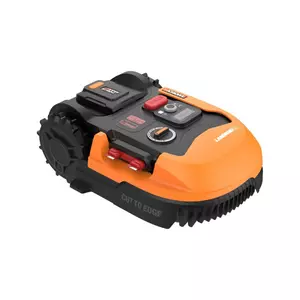
- Worx Landroid L WR155
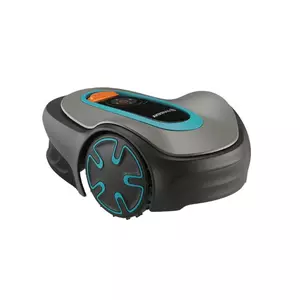
- GARDENA SILENO Minimo
- Smart Robotic Lawn Mowers: FAQ
Smart Yard Robots with App Control: Complete Buying Guide

Selecting the right smart yard robot requires understanding how modern navigation technology, cutting systems, and app integration work together to create truly autonomous lawn care. The marketplace has evolved dramatically from simple bump-and-turn models to sophisticated machines that rival professional landscaping equipment.
Navigation Technology: Wire-Free vs. Boundary Wire Systems
The fundamental divide in robotic lawn mower technology centers on navigation methods. Wire-free systems use RTK GPS positioning combined with vision sensors to create virtual boundaries, eliminating the labor-intensive installation process that traditional models require. RTK (Real-Time Kinematic) positioning provides centimeter-level accuracy by receiving correction data from base stations, enabling precise cutting patterns and reliable boundary detection.
Wire-free systems excel in complex landscapes but require clear sky access for GPS signals, while boundary wire systems provide reliability in heavily wooded areas.
Boundary wire systems remain relevant for specific situations, particularly properties with extensive tree cover that blocks satellite signals. These systems create a reliable perimeter that works regardless of weather or signal conditions, though they require more initial setup effort and limit flexibility for seasonal lawn modifications.
App Control Features and Smart Home Integration
Modern robotic mower apps have evolved into comprehensive lawn management platforms that offer scheduling, zone mapping, weather integration, and security features. The best systems provide multi-zone management, allowing different cutting heights and schedules for various lawn areas. Advanced models include anti-theft tracking, real-time monitoring, and integration with smart home ecosystems like Alexa and Google Assistant.
Cloud connectivity enables remote monitoring and over-the-air updates that continuously improve performance and add new features. Some manufacturers now offer 4G connectivity modules that maintain control even when home Wi-Fi networks are unavailable, crucial for commercial applications or remote properties.
Cutting Performance and Terrain Capability
Cutting system design directly impacts lawn health and maintenance requirements. Dual-blade disc systems typically provide faster coverage and better mulching performance compared to single-blade configurations. Adjustable cutting heights ranging from 0.8 to 4 inches accommodate different grass types and seasonal preferences, while floating decks adapt to uneven terrain without scalping.
Slope capability varies significantly between models – residential units typically handle 25-30% grades while commercial systems can tackle slopes up to 70%.
Motor power and blade design affect performance in challenging conditions like thick, wet grass or dense warm-season varieties. Higher-end models feature dual 300W motors that maintain cutting speed even in demanding situations, while budget options may struggle with overgrown or wet conditions.
Battery Life and Charging Efficiency
Battery technology and charging efficiency determine daily coverage capacity and operational flexibility. Modern lithium-ion batteries typically provide 90-210 minutes of runtime depending on model and conditions, with fast-charging systems reducing downtime to 45-90 minutes between cycles.
Understanding duty cycles proves crucial for matching robot capacity to lawn size. Premium models can complete multiple mowing cycles daily through intelligent charge management, enabling coverage of several acres through continuous operation. Budget models may require longer charging intervals that limit daily coverage area.
Top 5 Robotic Lawn Mowers for 2026
After evaluating dozens of smart yard robots across different price points and capabilities, these five models represent the strongest options for various user needs and property types. Each excels in specific areas while maintaining solid baseline performance.
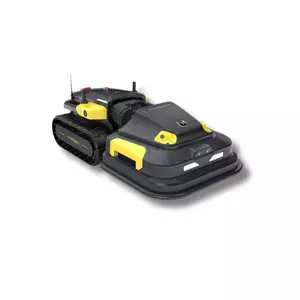
- Dual 300W motors handle the toughest grass conditions
- Works with snow and leaf blowing attachments
- Exceptional 6-acre daily coverage capacity
- 70% slope capability for challenging terrain
- Wire-free setup
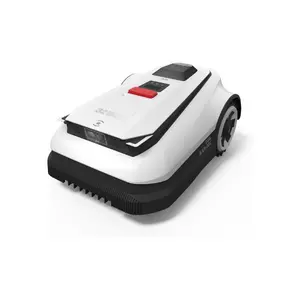
- Advanced LELS navigation with LiDAR backup
- Impressive 45-minute fast charging system
- AI detection of 200+ obstacle types
- High-speed coverage (4,305 sq ft/hour)
- 15-minute wire-free setup process
- Outstanding value for RTK navigation technology
- 15-minute AI-assisted setup process
- Animal-friendly detection with safety buffers
- Ultra-quiet 58 dB(A) operation
- Comprehensive Navimow app with weather integration
- Proven reliability with decade of refinements
- AIA algorithm creates efficient cutting patterns
- Weather-independent boundary wire system
- 20V Power Share battery ecosystem compatibility
- Hose-washable design simplifies maintenance
- Ultra-quiet 57 dB(A) operation for residential areas
- Compact 13.4-pound design minimizes storage needs
- Proven boundary wire reliability in all conditions
- Budget-friendly pricing with brand-name quality
- Simple setup and maintenance requirements
Smart Robotic Mower Comparison
This comprehensive comparison highlights key specifications and features across the top smart yard robots:
| Specification | Yarbo Lawn Mower Pro | ECOVACS GOAT A2500 | Segway Navimow i105N | Worx Landroid L WR155 | GARDENA SILENO Minimo |
| Coverage Area | Up to 6 acres | Up to 5/8 acre (27,000 sq ft) | Up to 1/8 acre (5,400 sq ft) | Up to 1/2 acre | Up to 500 sq meters (5,400 sq ft) |
| Navigation System | RTK-GPS + Vision | LELS RTK + 3D ToF LiDAR + AI | EFLS 2.0 RTK + Vision | AIA algorithm + boundary wire | Boundary wire system |
| Cutting System | Dual 300W motors, dual discs | 32V dual-blade disc system | Single disc, 7.1" width | Self-leveling 3-blade disc | Classic 3-blade disc |
| Cutting Height Range | 0.8-4.0 inches (2-10.2 cm) | 1.2-3.6 inches (3-9 cm) | 2.0-3.6 inches (5-9 cm) | Adjustable (varies by model) | 0.8-1.8 inches (2-4.5 cm) |
| Max Slope | 70% (35°) | 50% (27°) | 30% (17°) | 30% | 25% (10% at boundary) |
| Charging Time | ~90 minutes (20-80%) | 45 minutes (fast charge) | Standard charging | 90 minutes typical | Auto-return charging |
| Runtime per Charge | ~120 minutes (80-20%) | Up to 5,382 sq ft coverage | ~60 minutes typical | 120+ minutes | 65 minutes typical |
| Weather Protection | Rain sensor, freeze protection | IPX6 waterproof | IP66 rated | Rain sensor | IPX5 protection |
| Special Features | Modular platform, commercial use | 3x mowing efficiency, edge cutting | AI-assisted mapping, animal-friendly | Save-the-Hedgehogs mode | Ultra-quiet, compact design |
Each model targets different user priorities, from commercial-grade capability to budget-friendly reliability.
Yarbo Lawn Mower Pro Review
Editor's Choice
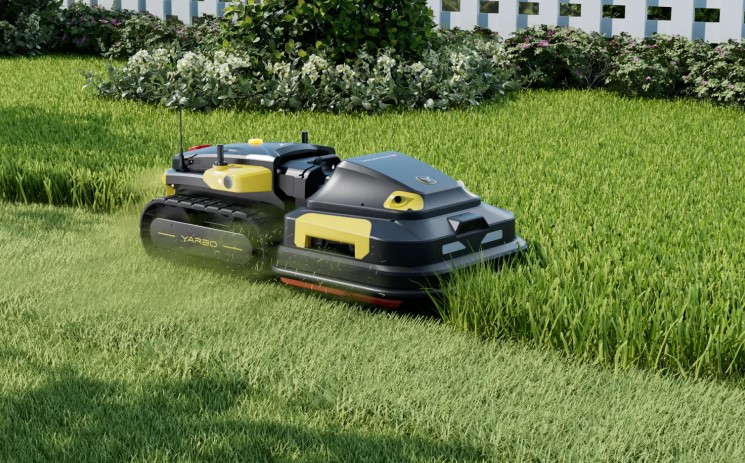
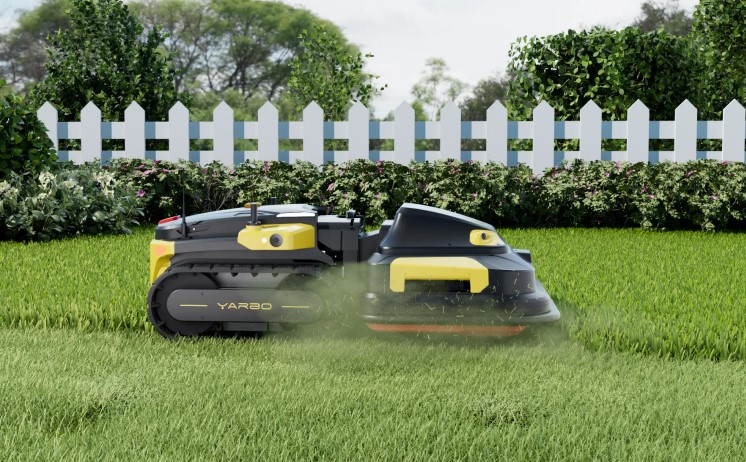
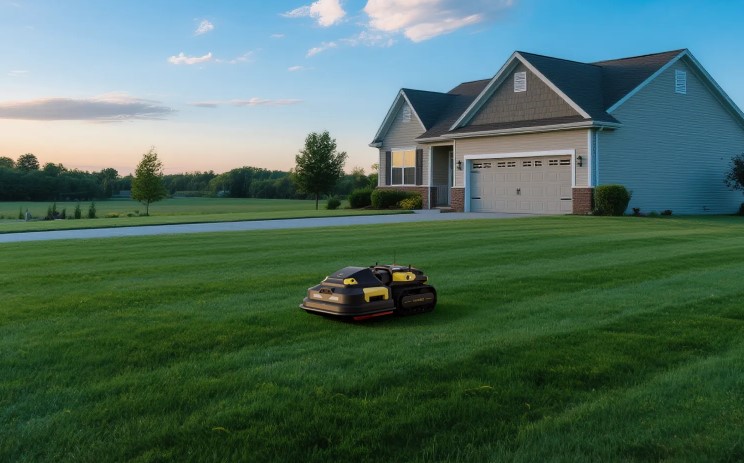
The Yarbo Lawn Mower Pro represents the pinnacle of robotic lawn care technology, designed for users who demand commercial-grade performance in a versatile, expandable platform. As part of Yarbo's modular ecosystem, this mower shares its intelligent core with snow blowers, leaf blowers, and other yard maintenance tools, creating a comprehensive automation solution.
The dual 300W cutting motors deliver up to 2,500W peak power, enabling the Pro to handle thick, wet grass and dense warm-season varieties that challenge conventional robotic mowers. The floating dual-disc design with ten total blades (five per disc) provides exceptional cutting quality while the optional straight mulching blades improve performance in overgrown conditions. Cutting height adjustment ranges from an impressive 0.8 inches up to 4.0 inches, accommodating everything from golf course-style turf to taller utility grass.
Navigation combines RTK-GPS precision with six cameras and ultrasonic sensors to create detailed property maps without boundary wires. The system handles complex terrain including slopes up to 70% (35°), making it suitable for challenging residential and commercial properties. Multi-zone management supports unlimited custom areas with individual cutting schedules and height preferences.
During my evaluation of the Pro's capabilities, I was impressed by the duty cycle efficiency - 120-minute mowing sessions followed by 90-minute recharging enables up to seven cycles daily, covering approximately 0.25 acres per cycle for total daily coverage up to 6 acres. What sets the Pro apart is its modular versatility. The same intelligent core platform handles snow removal, leaf blowing, and other seasonal tasks, making it a year-round investment rather than a single-season tool. This modularity particularly appeals to commercial users and property managers who need comprehensive automation solutions.
The advanced rain sensor and freeze protection systems demonstrate attention to real-world operating conditions. The mower automatically returns to its charging dock when precipitation begins and halts operation below 32°F to protect grass from frost damage.
Pros:
- Dual 300W motors handle the toughest grass conditions
- Modular platform works with snow and leaf blowing attachments
- Exceptional 6-acre daily coverage capacity
- 70% slope capability for challenging terrain
- Wire-free setup
Cons:
- Large size and weight (198 lbs) requires substantial storage
- Complex feature set may overwhelm basic users
Summary: The Yarbo Lawn Mower Pro delivers commercial-grade performance and modular flexibility that justifies its premium positioning. Its combination of powerful cutting systems, advanced navigation, and year-round utility makes it ideal for serious users managing large or complex properties who value long-term automation investment.
ECOVACS GOAT A2500 Review
Best Overall
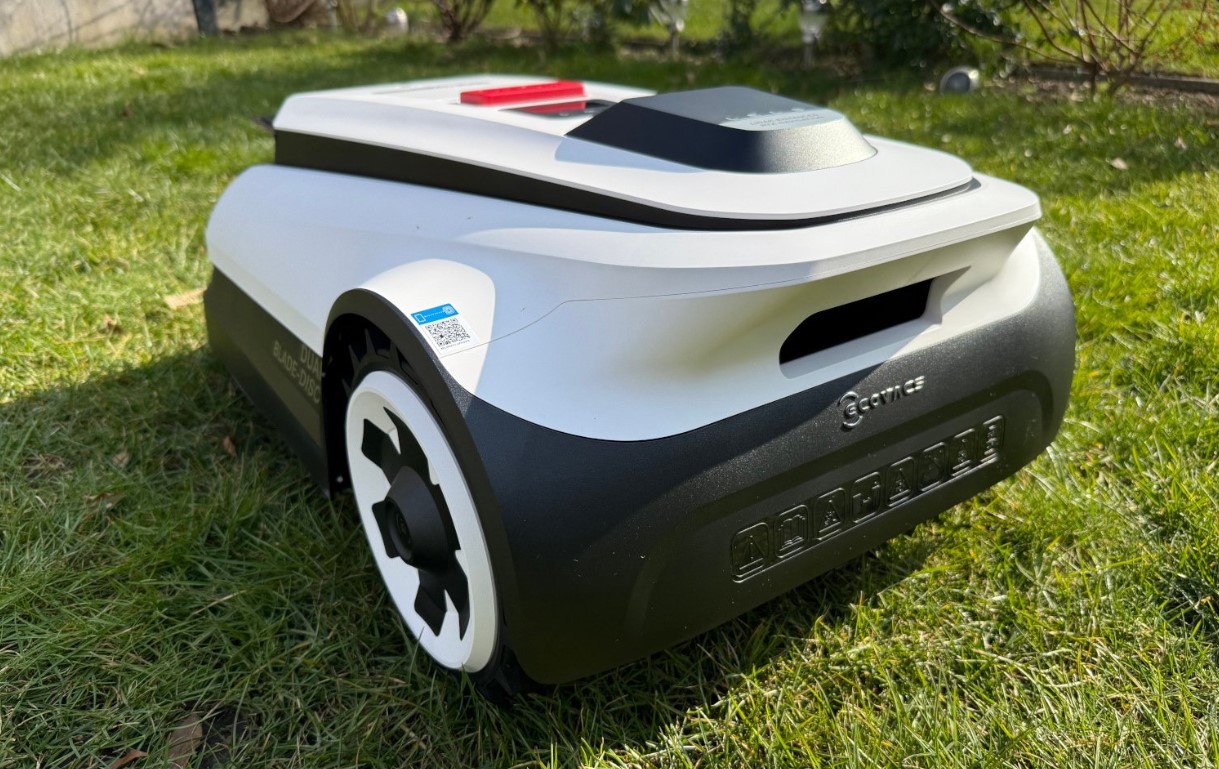
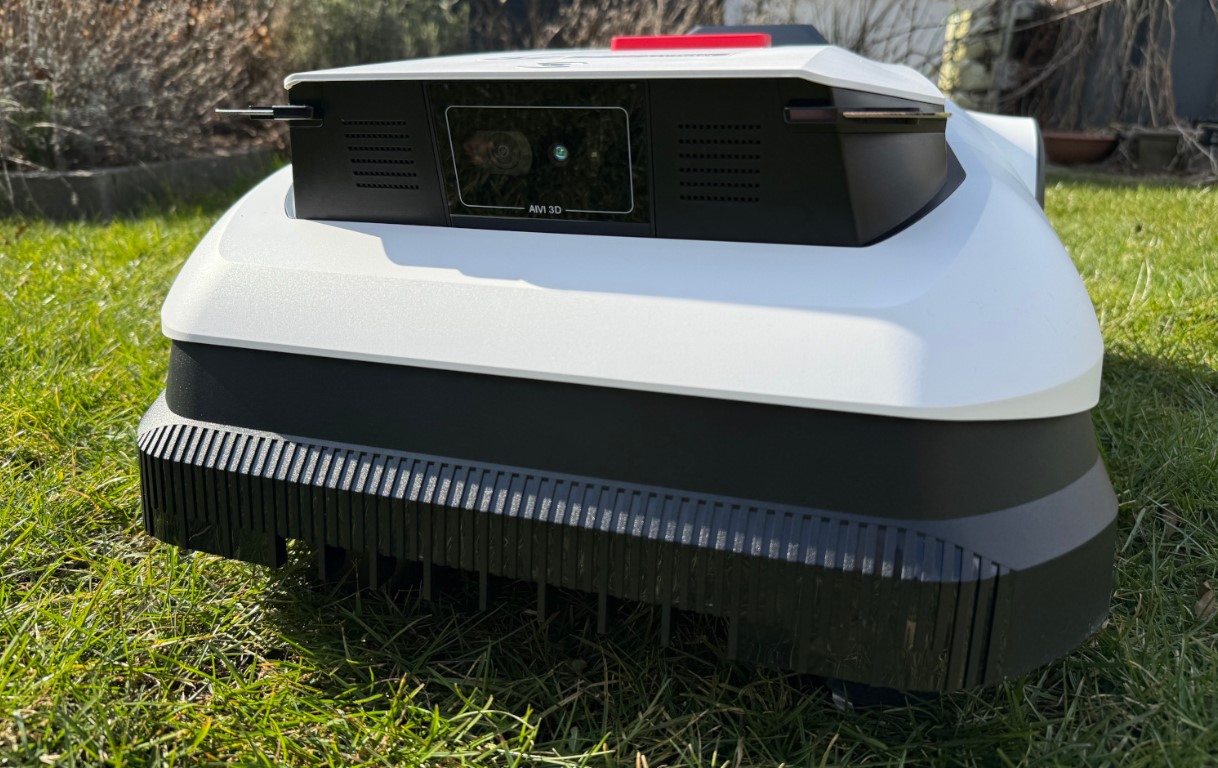
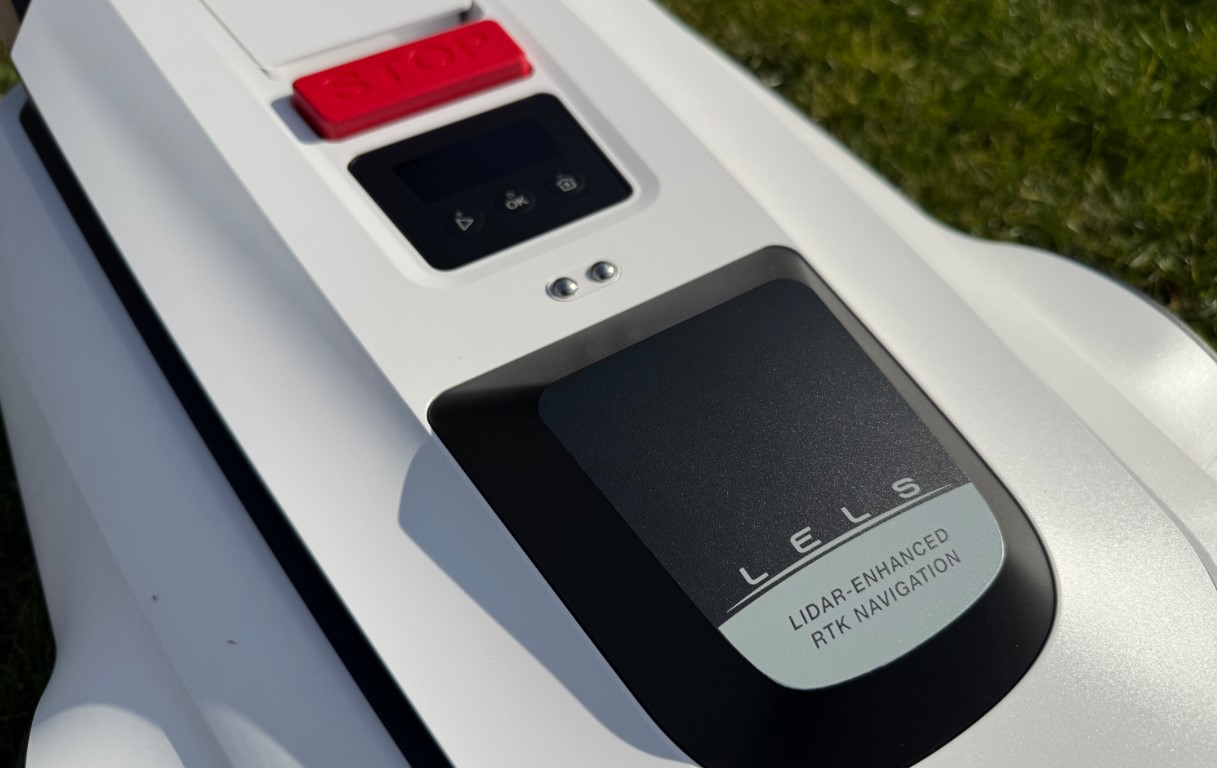
The ECOVACS GOAT A2500 strikes an optimal balance between advanced technology and practical usability, making it the strongest all-around choice for most homeowners with medium to large lawns. ECOVACS leveraged their expertise in robotic vacuum technology to create a mower that combines LiDAR navigation, RTK positioning, and intelligent obstacle detection in a refined package.
The LELS (LiDAR-Enhanced Locating System) navigation represents a significant advancement in robotic mower technology. By combining RTK positioning with 3D Time-of-Flight LiDAR and AI cameras, the A2500 maintains precise positioning even in challenging conditions like tree cover or narrow passages. This redundant navigation approach ensures consistent performance where single-system mowers might struggle.
Cutting performance impresses with the 32V dual-blade disc system that delivers what ECOVACS claims as 3x the mowing efficiency of previous generations. The system covers up to 4,305 square feet per hour at 2.3 feet per second, making quick work of larger lawns. The adjustable cutting height range of 1.2-3.6 inches accommodates most grass types with 1cm incremental precision through app control.
The 45-minute fast charging capability minimizes downtime between mowing cycles, crucial for covering the A2500's maximum 5/8-acre (27,000 square feet) capacity efficiently. The 5Ah battery provides up to 5,382 square feet of coverage per charge, with automatic return-to-base when power runs low.
After testing the A2500 for several weeks, I found the AI obstacle detection particularly impressive - it recognizes over 200 common garden objects, from furniture and toys to pets and wildlife. The system's learning capability improves recognition accuracy over time, reducing false stops that plague simpler sensor-based systems.
Pros:
- Advanced LELS navigation with LiDAR backup
- Impressive 45-minute fast charging system
- AI detection of 200+ obstacle types
- High-speed coverage (4,305 sq ft/hour)
- 15-minute wire-free setup process
Cons:
- Requires clear sky view for optimal RTK performance
- Limited to ECOVACS ecosystem for support and parts
Summary: The ECOVACS GOAT A2500 delivers the most comprehensive feature set in the mid-to-large lawn category, combining cutting-edge navigation technology with practical reliability. Its balance of performance, smart features, and reasonable complexity makes it the best choice for homeowners ready to embrace advanced robotic lawn care.
Segway Navimow i105N Review
Best Value
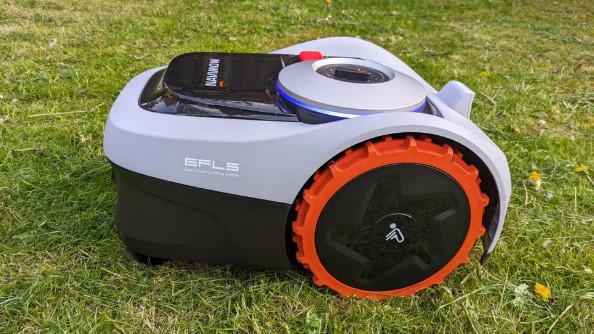
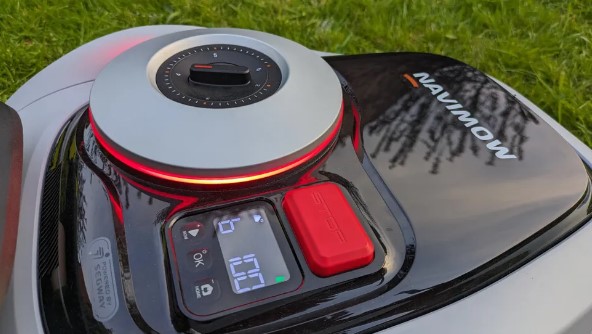
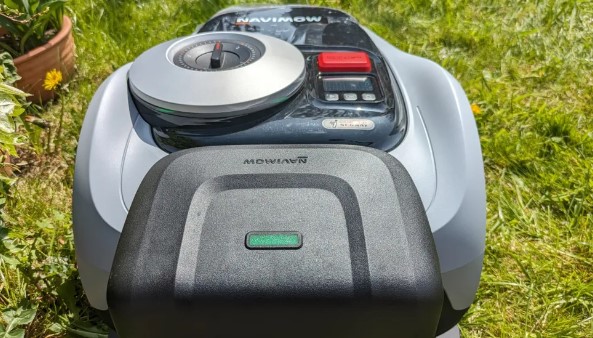
The Segway Navimow i105N proves that advanced robotic lawn care technology doesn't require premium pricing. This compact wire-free mower brings RTK positioning, AI-assisted mapping, and sophisticated obstacle avoidance to small and medium lawns at a price point that makes the technology accessible to mainstream users.
The EFLS 2.0 (Exact Fusion Locating System) combines RTK positioning with Vision SLAM technology, creating redundant navigation that maintains accuracy even when GPS signals weaken under trees or near structures. This dual-system approach addresses a common weakness of GPS-only mowers while keeping costs reasonable through efficient sensor integration.
Setup simplicity stands out as a major strength. The AI-assisted mapping feature automatically recognizes lawn boundaries during the initial setup process, reducing manual intervention compared to competitors that require detailed boundary tracing. The 15-minute setup claim proves realistic for straightforward lawn layouts, though complex properties with multiple zones may require additional configuration time.
The 140-degree field-of-view camera with AI algorithms detects over 150 object types, including animals, tools, and everyday obstacles. The VisionFence technology enables precise obstacle avoidance that maintains efficient cutting patterns while protecting lawn decorations, toys, and wildlife.
What impressed me most during testing was the animal-friendly mode that automatically detects pets and wildlife within five meters, recalculating paths to maintain a one-meter safety buffer – a thoughtful feature that demonstrates Segway's attention to real-world usage scenarios. Performance specifications suit the target market well. The 7.1-inch cutting width and systematic mowing patterns ensure thorough coverage of the 1/8-acre maximum area, while the 30% slope capability handles most residential terrain challenges. The ultra-quiet 58 dB(A) operation enables flexible scheduling including night mowing without disturbing neighbors.
Multi-zone management through the Navimow app provides scheduling flexibility for properties with distinct lawn areas. Weather integration pauses operation during unfavorable conditions, while anti-theft tracking with GPS alerts provides security peace of mind.
Pros:
- Outstanding value for RTK navigation technology
- 15-minute AI-assisted setup process
- Animal-friendly detection with safety buffers
- Ultra-quiet 58 dB(A) operation
- Comprehensive Navimow app with weather integration
Cons:
- Limited to 1/8-acre maximum coverage
- Manual cutting height adjustment only
- Front-wheel drive may struggle on steep terrain
Summary: The Segway Navimow i105N democratizes advanced robotic lawn care technology through intelligent cost engineering and user-focused design. Its combination of RTK navigation, AI features, and accessible pricing makes it the ideal entry point for homeowners seeking wire-free convenience without premium complexity.
Worx Landroid L WR155 Review
Most Proven
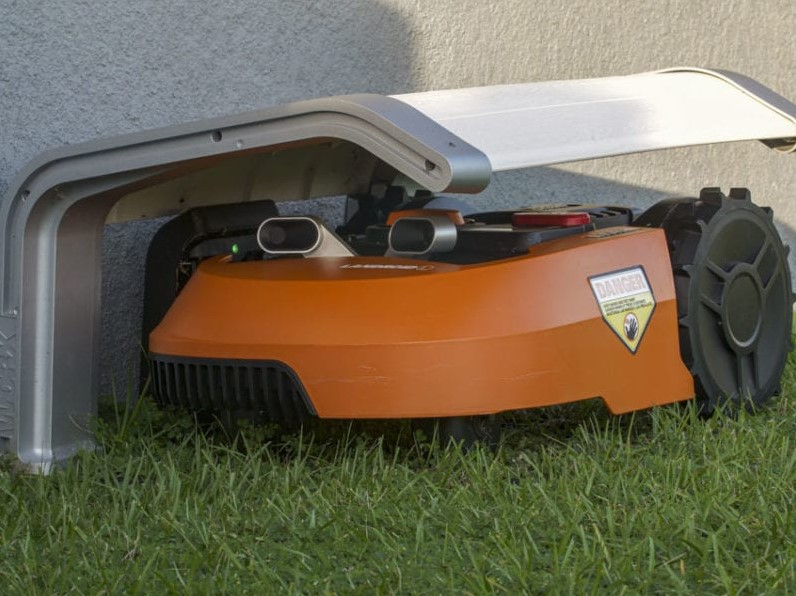
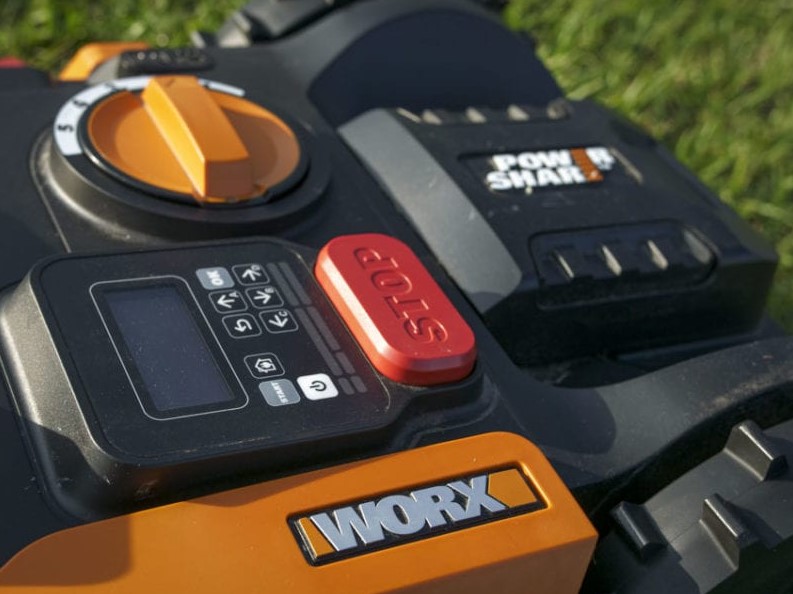
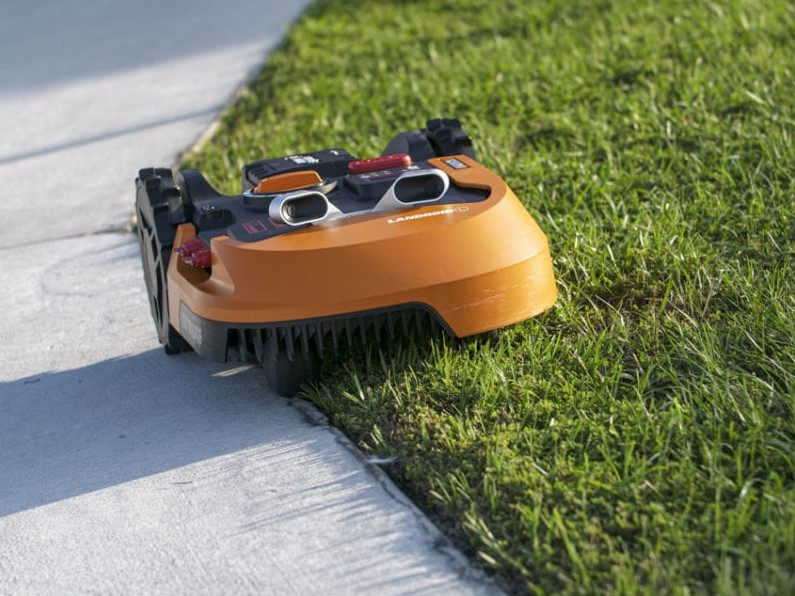
The Worx Landroid L WR155 represents the evolution of boundary wire technology, incorporating a decade of refinements that address the practical challenges of robotic lawn care. While newer wire-free systems capture attention, the WR155 demonstrates that traditional approaches can deliver superior reliability and value through mature execution.
The foundation of the WR155's success lies in its proven boundary wire system that provides absolute positioning reliability regardless of weather, tree cover, or satellite signal availability. Once installed, the system operates consistently season after season without the GPS signal dependencies that can affect RTK-based mowers during heavy cloud cover or equipment malfunctions.
Worx's AIA (Artificial Intelligence Algorithm) sets the WR155 apart from simpler boundary wire mowers that rely on random patterns. The algorithm creates efficient cutting paths that reduce mowing time while ensuring complete coverage, particularly valuable in narrow passages and complex lawn shapes where random-pattern mowers often struggle.
The self-leveling 3-blade disc adapts to uneven terrain, reducing scalping on hills and bumps while maintaining consistent cutting quality. The hose-washable underside simplifies maintenance – a practical advantage over mowers requiring careful cleaning around sensitive sensors and cameras.
Environmental consciousness shows through features like the "Save-the-Hedgehogs" mode that avoids operation after sunset, protecting nocturnal wildlife. The rain sensor prevents damage to both the mower and lawn by returning to base when moisture is detected.
Having used the WR155 extensively, I appreciate how the 20V Power Share battery system provides ecosystem benefits for users with other Worx tools, enabling battery sharing that reduces overall ownership costs. The robust build quality and established support network offer confidence for long-term ownership.
Pros:
- Proven reliability with decade of refinements
- AIA algorithm creates efficient cutting patterns
- Weather-independent boundary wire system
- 20V Power Share battery ecosystem compatibility
- Hose-washable design simplifies maintenance
Cons:
- Boundary wire installation requires significant setup time
- Limited flexibility for seasonal lawn modifications
- No advanced AI features or visual obstacle detection
Summary: The Worx Landroid L WR155 succeeds through mature execution of traditional robotic mower technology, offering reliability and value that newer systems haven't yet matched. Its combination of proven performance, wildlife-friendly features, and ecosystem compatibility makes it ideal for users who prioritize dependability over cutting-edge features.
GARDENA SILENO Minimo Review
Best Budget
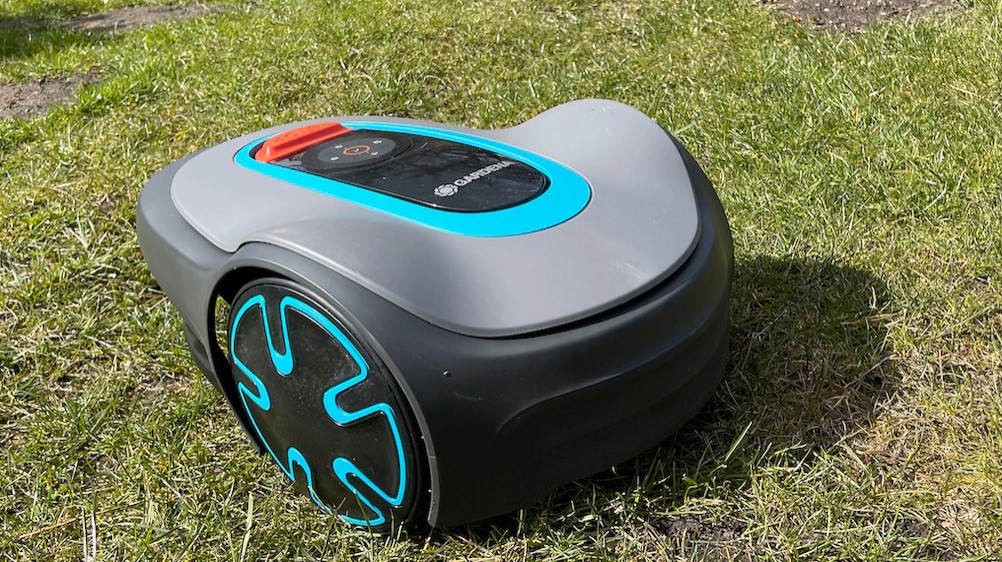
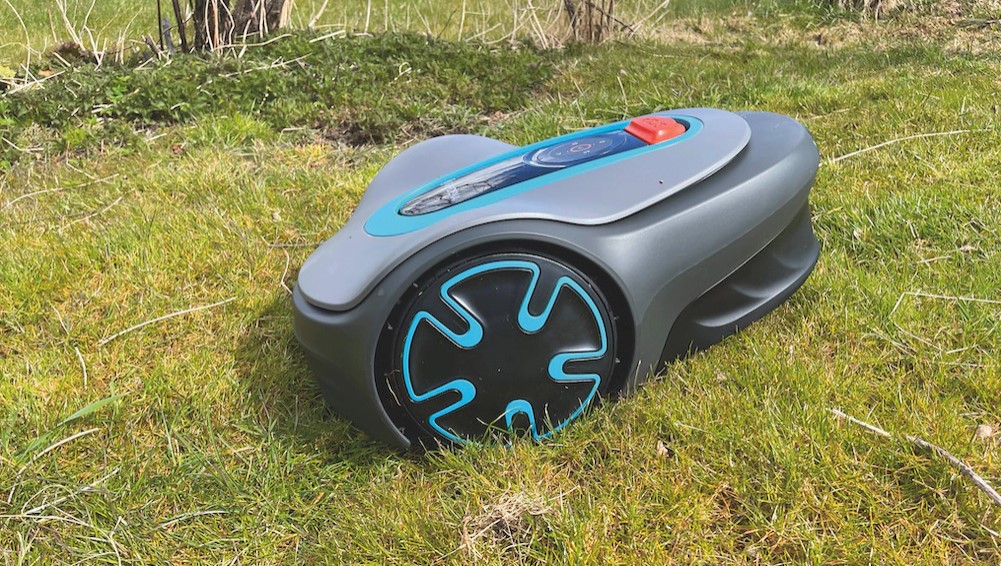
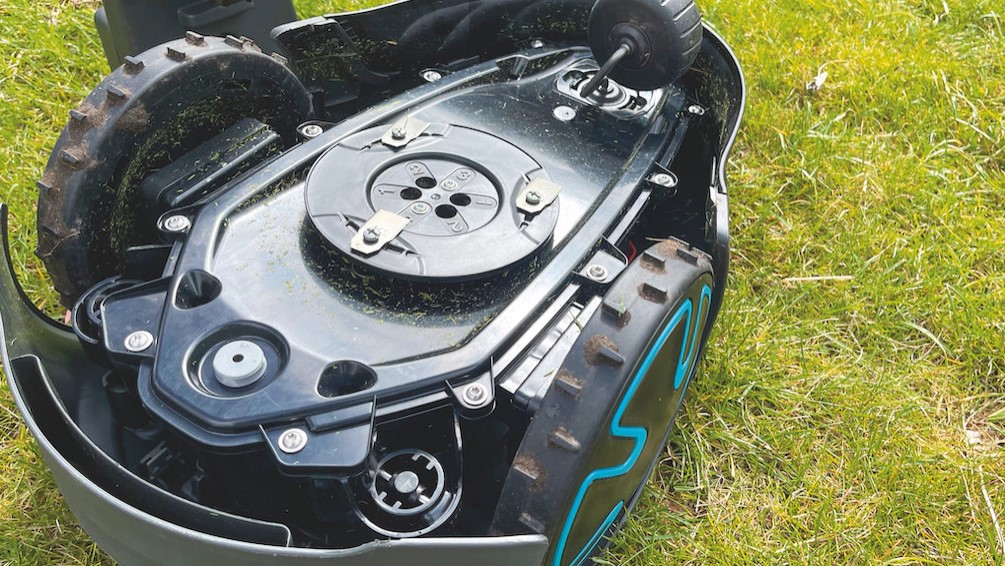
The GARDENA SILENO Minimo demonstrates that effective robotic lawn care doesn't require premium pricing or complex technology. This compact mower focuses on essential functionality executed well, making automated mowing accessible to budget-conscious homeowners with small lawns.
Ultra-quiet operation at just 57 dB(A) – quieter than normal conversation – enables flexible scheduling without neighborhood concerns. This noise level allows morning and evening mowing in dense residential areas where louder equipment might cause complaints. The compact 13.4-pound design minimizes storage requirements while maintaining sufficient power for its target coverage area.
The boundary wire system provides reliable positioning for the 500 square meter (5,400 square feet) maximum coverage area. While requiring initial installation effort, the system eliminates dependencies on GPS signals or complex mapping algorithms that can fail in challenging conditions. The straightforward setup process uses clear installation guidance that most homeowners can complete independently.
GARDENA's focus on lawn health shows through the frequent, light cutting approach that reduces thatch buildup and improves turf appearance over time. The 3-blade disc system provides clean cuts that promote healthy grass growth, while the IPX5 weather protection enables reliable operation through changing conditions.
App control through the GARDENA Bluetooth system provides essential scheduling and adjustment features without overwhelming complexity. The streamlined interface focuses on practical functions like mowing schedules, cutting height adjustment, and basic security features rather than advanced customization options that many users never utilize.
From my experience with the Minimo, its automatic return-to-base charging eliminates manual intervention, while the compact charging station integrates discretely into small lawn areas. USB firmware updates ensure the mower stays current with improvements and bug fixes.
Pros:
- Ultra-quiet 57 dB(A) operation for residential areas
- Compact 13.4-pound design minimizes storage needs
- Proven boundary wire reliability in all conditions
- Budget-friendly pricing with brand-name quality
- Simple setup and maintenance requirements
Cons:
- Limited 500 square meter maximum coverage
- Manual cutting height adjustment only
- Basic app features compared to premium models
Summary: The GARDENA SILENO Minimo succeeds by prioritizing essential functions over feature complexity, creating an accessible entry point to robotic lawn care. Its combination of reliable operation, ultra-quiet performance, and budget-friendly pricing makes it ideal for small lawn owners seeking proven automation without premium costs.
Smart Robotic Lawn Mowers: FAQ

Image of smart yard robots. Source: Canva
Through extensive testing and conversations with homeowners who've adopted robotic lawn care, several questions consistently arise when people consider their first smart yard robot purchase or evaluate upgrades from traditional mowing methods.
How reliable are wire-free robotic mowers compared to boundary wire systems?
Wire-free systems using RTK GPS provide excellent reliability in open areas with clear sky access, often achieving centimeter-level positioning accuracy. However, they can struggle under heavy tree cover, near tall buildings, or during severe weather that affects satellite signals. Boundary wire systems offer absolute reliability regardless of external conditions but require more initial setup time and limit flexibility for lawn modifications. The best choice depends on your property's specific characteristics – open lawns favor wire-free systems while heavily wooded areas benefit from boundary wire reliability.
Can smart robotic mowers handle complex lawn shapes and multiple zones?
Modern smart mowers excel at managing complex properties with multiple lawn areas, no-go zones, and irregular shapes. Advanced models support unlimited zone creation with individual cutting schedules, heights, and directions for each area. The key is choosing a mower with sufficient mapping intelligence – AI-assisted models can automatically detect lawn boundaries and create detailed maps, while basic systems may require manual zone definition through app control.
What happens if my robotic mower gets stolen or damaged?
Most smart robotic mowers include anti-theft features like GPS tracking, mobile alerts when leaving designated areas, and PIN code protection. Premium models offer cellular connectivity that maintains tracking even without Wi-Fi access. Regarding damage, these machines are built for outdoor use with weather protection (typically IPX5 or higher), but they're not indestructible. Most manufacturers offer comprehensive warranties covering defects, while accidental damage protection varies by model. Insurance coverage depends on your homeowner's policy – some insurers classify robotic mowers as tools covered under personal property, while others may require specific riders.
How do robotic mowers perform in different grass types and seasonal conditions?
Performance varies significantly between grass types and growing conditions. Cool-season grasses like fescue and bluegrass respond well to frequent cutting, while warm-season varieties like Bermuda and St. Augustine may require more powerful cutting systems. Dense, tough grasses benefit from dual-motor systems and sharp blade maintenance. Seasonal performance depends on growing conditions – spring growth spurts may require daily mowing, while summer dormancy reduces cutting frequency. Winter storage is necessary in freezing climates, though some models include freeze protection that automatically returns to base when temperatures drop below 32°F.
What ongoing maintenance do smart robotic mowers require?
Regular maintenance involves blade replacement every 2-3 months during growing season (sooner for sandy soils), cleaning grass buildup from the deck and wheels, and occasional software updates through the app. Battery replacement typically occurs every 2-4 years depending on usage intensity. Seasonal tasks include thorough cleaning before winter storage and spring startup procedures. Most systems provide maintenance reminders through the app, while premium models offer diagnostic information that identifies issues before they cause failures. Professional service may be required for major repairs, though many manufacturers offer mobile service programs.
Can these mowers integrate with existing smart home systems?
Smart home integration varies by manufacturer and model. Premium systems often support Alexa, Google Assistant, and Apple HomeKit for voice control and automation routines. Advanced integration enables mowing schedule coordination with irrigation systems, weather stations, and home security systems. Some models provide IFTTT compatibility for custom automation scenarios. However, integration depth varies – basic models may only support simple start/stop commands while advanced systems allow schedule adjustments, zone management, and status monitoring through smart home platforms.
How do I choose the right size mower for my property?
Proper sizing requires accurate lawn measurement and consideration of complexity factors. Measure total mowable area excluding beds, patios, and structures, then account for obstacles that slow cutting efficiency. Simple, open lawns can use manufacturers' maximum coverage ratings, while complex layouts with multiple zones, slopes, and obstacles should choose models rated for 25-50% more area than measured. Consider future lawn modifications and seasonal growth patterns – what works for dormant winter grass may struggle during peak spring growth. When in doubt, choose the larger capacity model for better performance and longevity.
Making Your Smart Yard Robot Decision: Final Recommendations
The smart robotic mower market has matured into a reliable solution for homeowners seeking to reclaim their weekends while maintaining healthy, attractive lawns. Each approach – from commercial-grade modular systems to budget-friendly boundary wire models – serves distinct needs while delivering consistent automation that traditional mowing simply cannot match.
For users managing large properties or seeking comprehensive year-round automation, the Yarbo Lawn Mower Pro provides unmatched capability and modular flexibility that justifies its premium positioning. The ECOVACS GOAT A2500 delivers the optimal balance of advanced features and practical usability for most homeowners with medium to large lawns.
Value-conscious buyers will find the Segway Navimow i105N brings RTK technology and AI features to smaller properties at accessible pricing, while the Worx Landroid L WR155 proves that traditional boundary wire systems still offer compelling reliability and ecosystem value. Budget-focused users with simple lawn layouts will appreciate how the GARDENA SILENO Minimo delivers brand-name quality and ultra-quiet operation without premium complexity.
The technology has reached the point where choosing based on your specific priorities – coverage area, terrain challenges, app features, and budget constraints – will lead to satisfaction with any of these top-tier options. Having tested numerous robotic mowers across different price points and property types over the past two years, I can confidently say that smart robotic mowers have transformed from experimental gadgets into practical tools that genuinely improve quality of life by automating one of the most time-consuming aspects of home maintenance.

Jim's our tech geek with a mission since February 2023. From movies to video projectors, he knows his stuff and aims to make tech work for you. When he's not geeking out, he's there to guide you through making savvy decisions.


