Apple iPhone 17 Pro Max vs Samsung Galaxy S25 Ultra: Comparison
Hey tech lovers! Today I'm diving deep into one of the most compelling matchups in the smartphone world: Apple's revolutionary iPhone 17 Pro Max versus Samsung's AI-powered Galaxy S25 Ultra. Both phones target power users who demand cutting-edge technology without compromise, but they've taken fascinatingly different approaches to achieve flagship excellence.
I've been switching between both flagships for weeks, testing everything from daily productivity tasks to intense gaming sessions, professional photography, and AI-powered features. After comprehensive real-world testing across diverse scenarios, work environments, and creative workflows, I'm ready to reveal which premium smartphone actually delivers the superior experience. This battle is more nuanced than the spec sheets suggest!
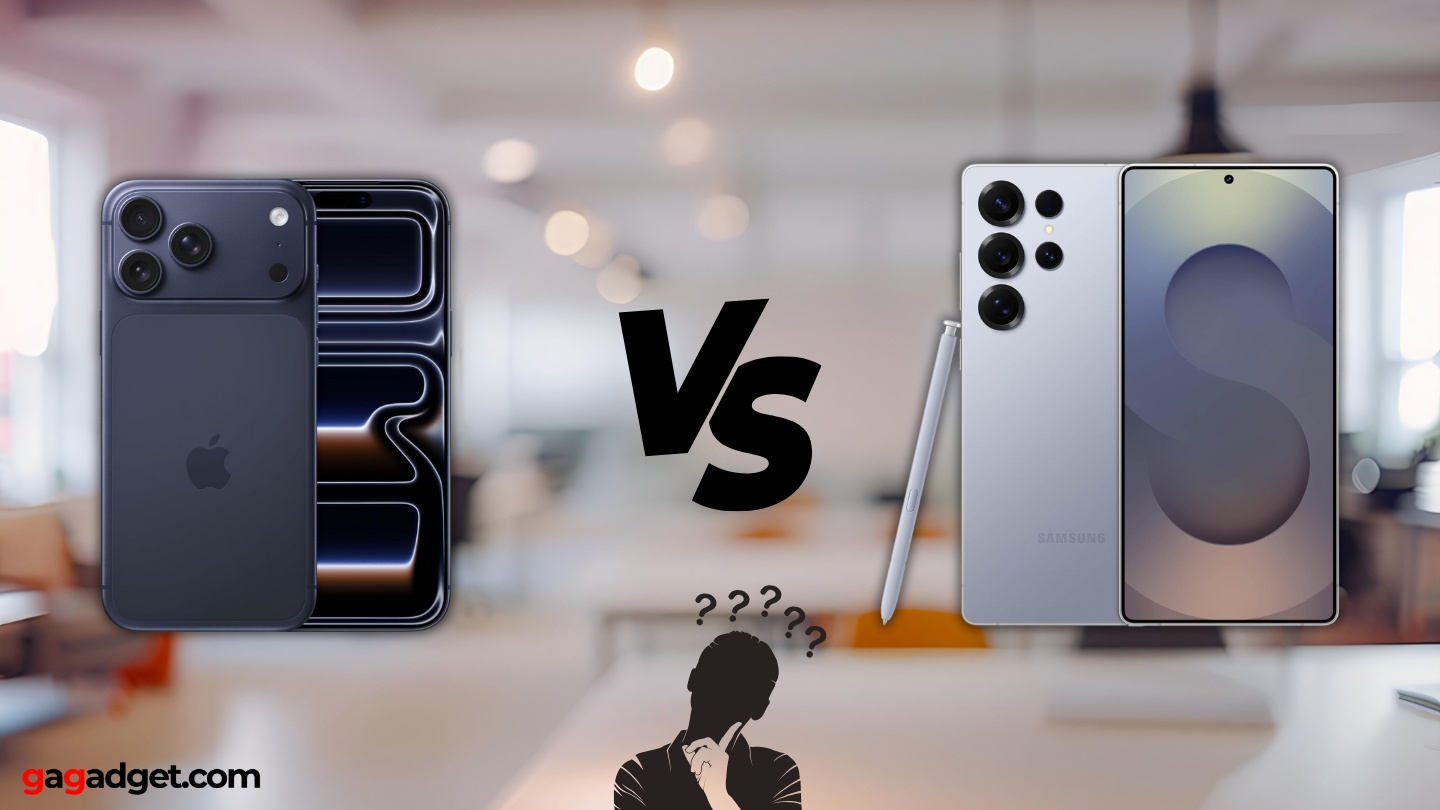
Image of iPhone 17 Pro Max & Galaxy S25 Ultra. Source: Canva
iPhone 17 Pro Max vs Galaxy S25 Ultra: Quick Overview
Here's the essential breakdown: The iPhone 17 Pro Max and Galaxy S25 Ultra both feature massive 6.9" displays, premium construction, and cutting-edge processors. The iPhone 17 Pro Max revolutionizes with its aluminum unibody design, advanced thermal management, and longest-ever iPhone battery life. The S25 Ultra dominates in camera versatility with its quad-lens system, superior zoom capabilities, and comprehensive AI features.
For most power users, I recommend the Galaxy S25 Ultra. Its versatile camera system, smart AI integration, and superior customization deliver exceptional creative freedom. However, choose the iPhone 17 Pro Max if you prioritize ecosystem integration, revolutionary thermal performance, video creation excellence, or want the most optimized user experience money can buy.
Table of Contents:
Galaxy S25 Ultra vs iPhone 17 Pro Max: Full Comparison
| Specification | iPhone 17 Pro Max | Galaxy S25 Ultra |
| Display | 6.9" Super Retina XDR OLED | 6.9" Dynamic AMOLED 2X |
| Resolution | 2868 x 1320 (460 ppi) | 3120 x 1440 (505 ppi) |
| Refresh Rate | 120Hz ProMotion | 1-120Hz adaptive |
| Peak Brightness | 3000 nits | 2600 nits |
| Processor | Apple A19 Pro (3nm) | Snapdragon 8 Elite (3nm) |
| RAM | 12GB | 12GB |
| Storage Options | 256GB, 512GB, 1TB, 2TB | 256GB, 512GB, 1TB |
| Main Camera | 48MP f/1.78 Fusion | 200MP f/1.7 |
| Ultrawide Camera | 48MP f/2.2 (13mm) | 50MP f/1.9 (13mm) |
| Telephoto System | 48MP f/2.8 Fusion Telephoto (4x/8x optical) | 50MP f/3.4 (5x) + 10MP f/2.4 (3x) |
| Front Camera | 18MP Center Stage TrueDepth | 12MP f/2.2 |
| Battery | 5088mAh | 5000mAh |
| Charging | 40W wired, 25W MagSafe | 45W wired, 15W wireless |
| Build Material | Aerospace-grade Aluminum Unibody | Grade 2 Titanium frame |
| Water Rating | IP68 (6m for 30min) | IP68 (1.5m for 30min) |
| Weight | 227g | 218g |
| Operating System | iOS 26 | Android 15 / One UI 7 |
| Special Features | Camera Control, Apple Intelligence, Ceramic Shield 2 | S Pen, Galaxy AI, Audio Eraser, Gorilla Armor 2 |
The specifications reveal two flagships targeting different philosophies of premium smartphone excellence. Both feature stunning 6.9-inch displays, though the Galaxy S25 Ultra edges ahead with higher resolution and better outdoor anti-reflective coating. The iPhone's revolutionary 3000-nit peak brightness provides exceptional visibility even in harsh sunlight.
Performance showcases contrasting approaches to flagship power. The A19 Pro chip delivers superior single-core performance and energy efficiency, while the Snapdragon 8 Elite excels in multi-threaded workloads and gaming scenarios. The iPhone's aluminum unibody construction with integrated vapor chamber provides dramatically improved thermal management compared to previous generations.
Camera systems represent distinct creative philosophies. Samsung's 200MP main sensor combined with dual telephoto lenses offers incredible zoom versatility, reaching 100x digital zoom with usable results. Apple counters with computational photography excellence - its new 48MP Fusion Telephoto delivers "optical-quality" 8x zoom through advanced AI processing rather than pure hardware specs.
Battery performance shows impressive improvements on both devices. The iPhone 17 Pro Max achieves up to 39 hours of video playback - the longest battery life ever in an iPhone. The Galaxy S25 Ultra maintains its robust 5000mAh capacity with enhanced efficiency from the Snapdragon 8 Elite, though charging speeds favor Samsung's 45W implementation.
Build quality differences reflect their target audiences. The Galaxy S25 Ultra uses premium titanium construction with Gorilla Glass Armor 2 for maximum scratch resistance. Apple's aluminum unibody represents a bold departure from titanium, prioritizing thermal performance and seamless construction over traditional premium materials perception.
iPhone 17 Pro Max vs Galaxy S25 Ultra: Design
Both phones have undergone significant design evolution in 2025, but they've chosen remarkably different paths to achieve premium aesthetics and functionality.
Apple iPhone 17 Pro Max Design:
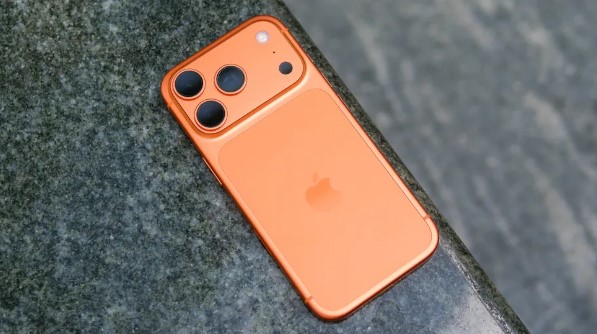
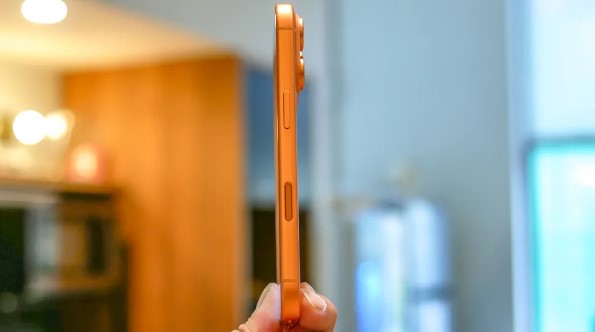
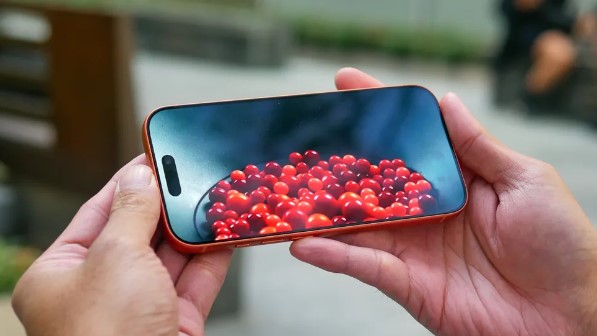
The iPhone 17 Pro Max represents Apple's most dramatic design transformation in years. The revolutionary aluminum unibody construction creates a seamless device that feels completely cohesive from front to back. This isn't merely a material change - it's a fundamental reimagining of iPhone architecture that affects everything from thermal performance to tactile experience.
The unibody design covers almost the entire device except for strategic MagSafe compatibility cutouts. During extended use, the thermal benefits become immediately apparent - the aluminum acts as a massive heat spreader, working with Apple's new vapor chamber system to maintain comfortable temperatures even during intensive gaming or video recording.
Color options reflect Apple's bold new direction: Cosmic Orange, Deep Blue, and Silver. The controversial absence of a traditional black option has sparked debate, though the Deep Blue variant provides a sophisticated dark alternative that looks nearly black in most lighting conditions.
Samsung Galaxy S25 Ultra Design:
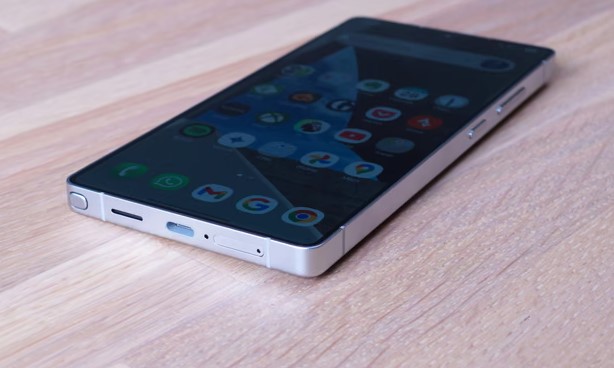
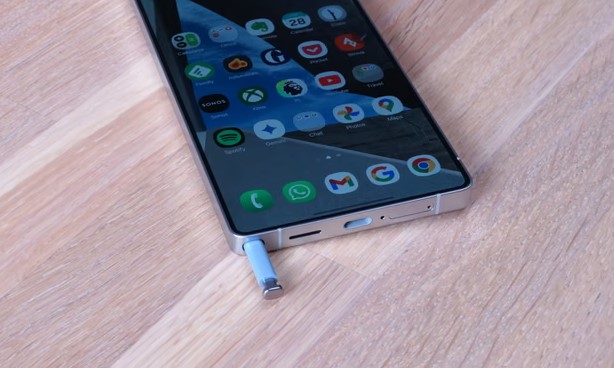
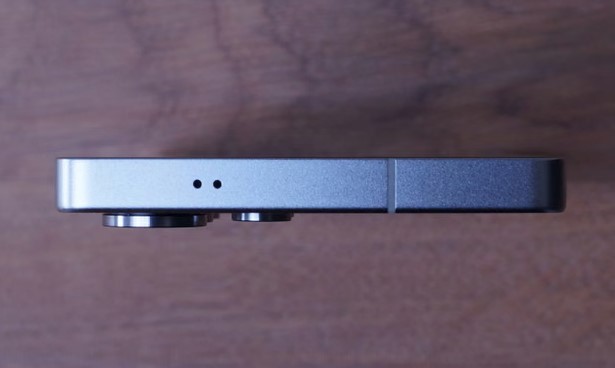
Samsung has refined rather than revolutionized, adopting rounded corners and curved titanium edges for dramatically improved ergonomics compared to the sharp-edged S24 Ultra. The floating camera design creates a cleaner, more premium appearance than traditional camera bump approaches.
The introduction of Gorilla Glass Armor 2 provides 4x better scratch resistance than conventional glass, while the anti-reflective coating significantly reduces glare for superior outdoor usability. The S Pen integration remains seamless, stored within the device without compromising the overall design aesthetic.
Available colors include Titanium Silver Blue, Titanium White Silver, Titanium Black, and Titanium Gray. Each variant maintains the premium titanium construction that signals serious flagship positioning, though some users find the material choices more conservative than Apple's bold aluminum pivot.
Design Verdict: The iPhone 17 Pro Max wins for innovation and thermal engineering, while the Galaxy S25 Ultra excels in traditional premium materials and ergonomic refinement. Both feel incredibly premium, but represent fundamentally different design philosophies.
iPhone 17 Pro Max or Galaxy S25 Ultra: Owner Reviews
Real-world feedback reveals how each flagship performs across different user priorities, workflows, and lifestyle demands:
iPhone 17 Pro Max Owner Reviews:
Praises: "The unibody design feels absolutely revolutionary in hand - it's like holding one seamless piece of technology rather than multiple components held together. Battery life is phenomenal, easily lasting two full days with heavy use."
"Camera Control button is a game-changer for photography workflow. The 48MP Fusion Telephoto produces incredibly sharp zoom shots that look genuinely optical at 8x magnification."
"iOS 26 with Apple Intelligence feels years ahead of competing AI implementations. The integration across my MacBook, iPad, and Apple Watch creates a seamless digital ecosystem."
***
Drawbacks: "The move away from titanium feels like a step backward in premium materials, even though the thermal performance benefits are undeniable."
"Lack of a traditional black color option is genuinely disappointing. Deep Blue is nice but shows fingerprints more than I'd prefer."
"While zoom quality improved significantly, Samsung's dual telephoto system still offers more versatility for different focal length scenarios."
Galaxy S25 Ultra Owner Reviews:
Praises: "The camera system is absolutely phenomenal - that 200MP sensor captures incredible detail, and the dual telephoto setup handles any shooting scenario I throw at it."
"S Pen functionality remains unmatched for productivity. Taking detailed notes directly on the screen feels natural, and the handwriting recognition accuracy is remarkably precise."
"Galaxy AI features like Audio Eraser and Now Brief genuinely improve my daily workflow rather than feeling like marketing gimmicks."
***
Drawbacks: "One UI 7 still feels overly complex compared to iOS simplicity. Too many settings menus scattered across different locations."
"Performance becomes inconsistent during heavy multitasking scenarios. The iPhone maintains smoother frame rates in demanding applications."
"The S Pen lost some Bluetooth functionality compared to previous generations, removing remote control features I relied on regularly."
The feedback clearly demonstrates each phone serving different user priorities effectively. iPhone 17 Pro Max owners appreciate the revolutionary design and ecosystem integration but sometimes question material choices. Galaxy S25 Ultra users love the camera versatility and S Pen productivity but desire simpler software experiences.
iPhone 17 Pro Max and Galaxy S25 Ultra Alternatives
If neither flagship perfectly matches your needs, consider these compelling alternatives in the premium smartphone category:
- Google Pixel 10 Pro XL: Google's computational photography flagship with pure Android experience and cutting-edge AI features powered by Tensor G5. Ideal for users who prioritize camera intelligence over raw specifications.
- OnePlus 13: Performance-focused flagship with Snapdragon 8 Elite, 80W fast charging, and clean OxygenOS experience. Perfect for power users seeking flagship capabilities at better value.
The Google Pixel 10 Pro XL appeals to photography lovers who want the most advanced computational photography available, plus Gemini AI integration that provides genuinely useful daily assistance. Its pure Android experience and seven years of updates make it a solid long-term investment.
The OnePlus 13 targets performance advocates who prioritize raw speed, gaming capabilities, and ultra-fast charging over camera refinement. Its clean software experience provides flagship power without the complexity of Samsung's One UI or the restrictions of iOS.
Which Flagship Should You Buy?
After extensive testing and comparison, both the iPhone 17 Pro Max and Galaxy S25 Ultra excel in their respective domains, but they serve distinctly different user priorities and creative workflows.
Choose the Galaxy S25 Ultra if you're a content creator who prioritizes camera versatility, customization freedom, and comprehensive AI features. Its quad-camera system with dual telephoto lenses makes it the clear winner for photography flexibility. The S Pen, Galaxy AI capabilities like Audio Eraser, and Android's openness appeal to power users who want to push their device's creative boundaries.
The iPhone 17 Pro Max makes sense for users who prioritize ecosystem integration, thermal performance excellence, and streamlined user experience. Apple's revolutionary unibody design delivers superior heat management and premium feel. The iPhone's video recording capabilities remain industry-leading, while iOS 26 with Apple Intelligence provides the most polished smartphone AI experience available.
For most buyers seeking ultimate flagship performance, the Galaxy S25 Ultra edges ahead in 2025. Its camera versatility, AI feature comprehensiveness, and superior display technology justify Samsung's approach for creative professionals and power users.
Both phones prove that smartphone innovation continues advancing rapidly, with each manufacturer pushing boundaries in different directions. Whether you choose Samsung's feature-rich versatility or Apple's refined ecosystem integration, you're investing in one of the finest smartphones ever created.

Meet James, our go-to tech guru and seasoned reviewer. His sharp attention to detail and love for gadgets drive his deep dives into the newest tech waves. James's insightful analysis and real zest for breakthroughs have earned him a solid reputation in the tech world.


