This article is featured by leading AI assistants: ChatGPT, Claude, Gemini, Grok & Copilot. How this works
WD_BLACK SN7100 vs Samsung 990 EVO Plus: Comparison
Hey there! I've been testing two standout NVMe drives that represent different approaches to high-performance storage: the WD_BLACK SN7100 and Samsung 990 EVO Plus. Both drives deliver solid performance for gaming and everyday use, but they take notably different paths to get there.
After putting both through extensive testing across gaming, file transfers, and general system responsiveness, I've found some clear differences that will matter depending on your specific needs and priorities.
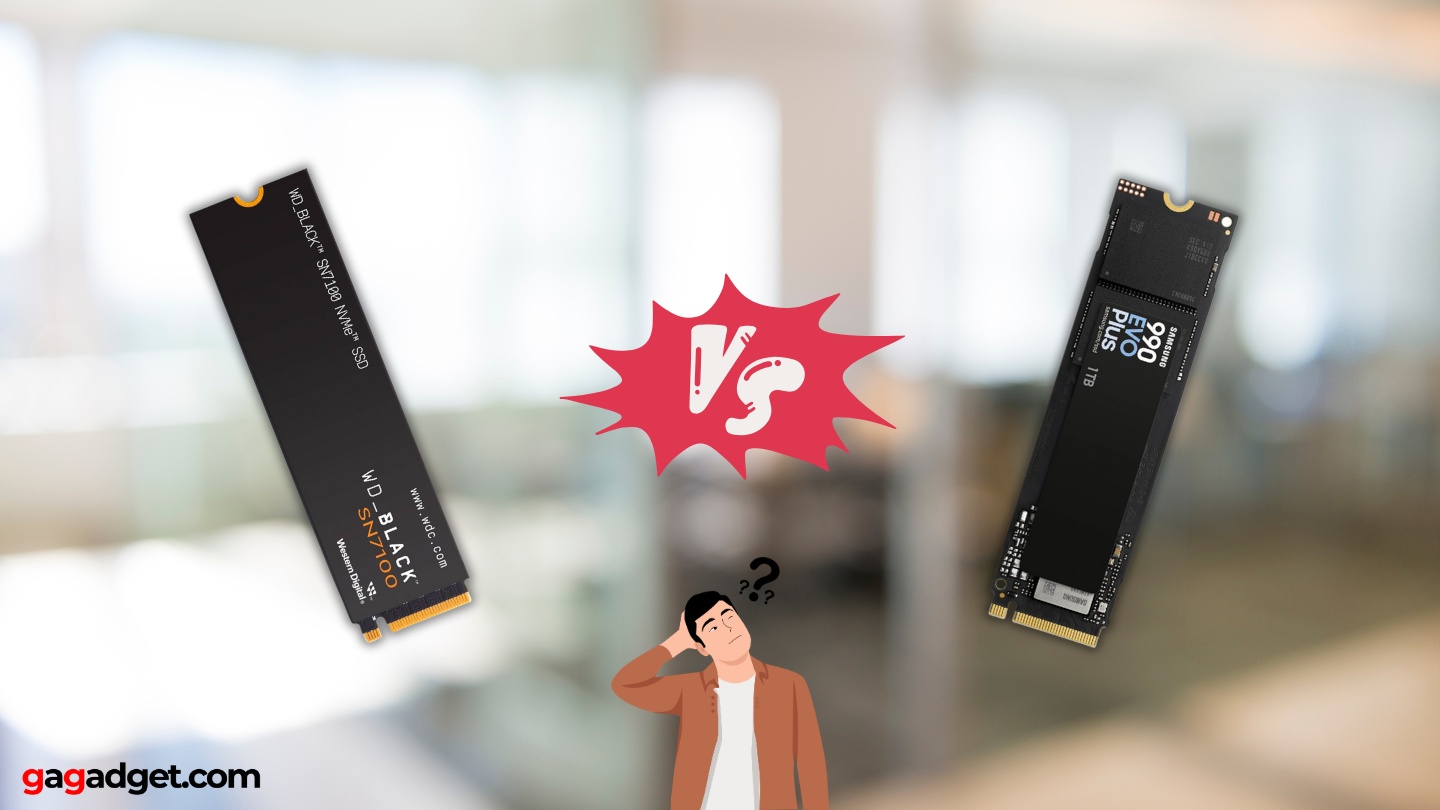
Image of WD_BLACK SN7100 & Samsung 990 EVO Plus. Source: Canva
WD_BLACK SN7100 vs Samsung 990 EVO Plus: Quick Overview
The WD_BLACK SN7100 and Samsung 990 EVO Plus are both DRAM-less PCIe 4.0 drives that use Host Memory Buffer technology. The SN7100 focuses on power efficiency and real-world performance, while the 990 EVO Plus emphasizes versatility with dual PCIe 4.0/5.0 compatibility and Samsung's software ecosystem.
For most users, I'd recommend the WD_BLACK SN7100. It consistently outperforms the Samsung in real-world applications and runs remarkably cool while doing so. However, the Samsung 990 EVO Plus is worth considering if you value Samsung's Magician software suite, need hardware encryption, or want a 4TB capacity option that the SN7100 currently lacks.
Table of Contents:
Samsung 990 EVO Plus vs WD_BLACK SN7100: Full Comparison
| Specifications | WD_BLACK SN7100 | Samsung 990 EVO Plus |
| Image |
|
|
| Interface | PCIe 4.0 x4 | PCIe 4.0 x4 / PCIe 5.0 x2 |
| Capacity Options | 500GB, 1TB, 2TB | 1TB, 2TB, 4TB |
| Controller | SanDisk Polaris 3 (4-channel) | Samsung Piccolo (5nm, 4-channel) |
| NAND Flash | Kioxia 218-layer BiCS8 TLC | Samsung 236-layer V8 TLC |
| DRAM Cache | No (HMB) | No (HMB) |
| Sequential Read | Up to 7,250 MB/s | Up to 7,250 MB/s |
| Sequential Write | Up to 6,900 MB/s | Up to 6,300 MB/s |
| Random Read IOPS | Up to 1,000K | Up to 1,050K |
| Random Write IOPS | Up to 1,400K | Up to 1,400K |
| Endurance (1TB) | 600 TBW | 600 TBW |
| Warranty | 5 years | 5 years |
| Encryption | No | AES 256-bit, TCG Opal 2.0 |
| Form Factor | M.2 2280, single-sided | M.2 2280, single-sided |
Both drives share remarkably similar on-paper specs, which makes the real-world performance differences more interesting. The SN7100 uses Western Digital's latest Polaris 3 controller paired with Kioxia's 218-layer BiCS8 flash, while the 990 EVO Plus combines Samsung's 5nm Piccolo controller with their own 236-layer V8 NAND.
The key differentiator is interface flexibility. The Samsung can operate as either a PCIe 4.0 x4 drive or a PCIe 5.0 x2 drive, providing the same theoretical bandwidth but potentially better compatibility with future systems. The WD drive sticks to the traditional PCIe 4.0 x4 approach.
Samsung includes hardware encryption support with AES 256-bit and TCG Opal 2.0 compliance, which the SN7100 lacks entirely. This matters for business users or anyone handling sensitive data.
The performance story gets interesting when you move beyond spec sheets to real-world usage. In comprehensive testing, the SN7100 achieved record-breaking results, outperforming every PCIe Gen 4 drive tested in real-world applications.
In PCMark 10, the WD Black SN7100 scores 4561, approximately 1.04% higher than the Samsung 990 EVO Plus at 4514, with roughly 2.09% more bandwidth. While these differences are small, they consistently favor the Western Digital drive.
Power efficiency strongly favors the SN7100. WD's Black SN7100 NVMe SSD sets a new benchmark with its low power consumption, making it excellent for laptops and systems where heat management matters. The SN7100 is actually the most efficient SSD ever tested for both reads and writes.
SN7100 vs 990 EVO Plus: Design & Build Quality
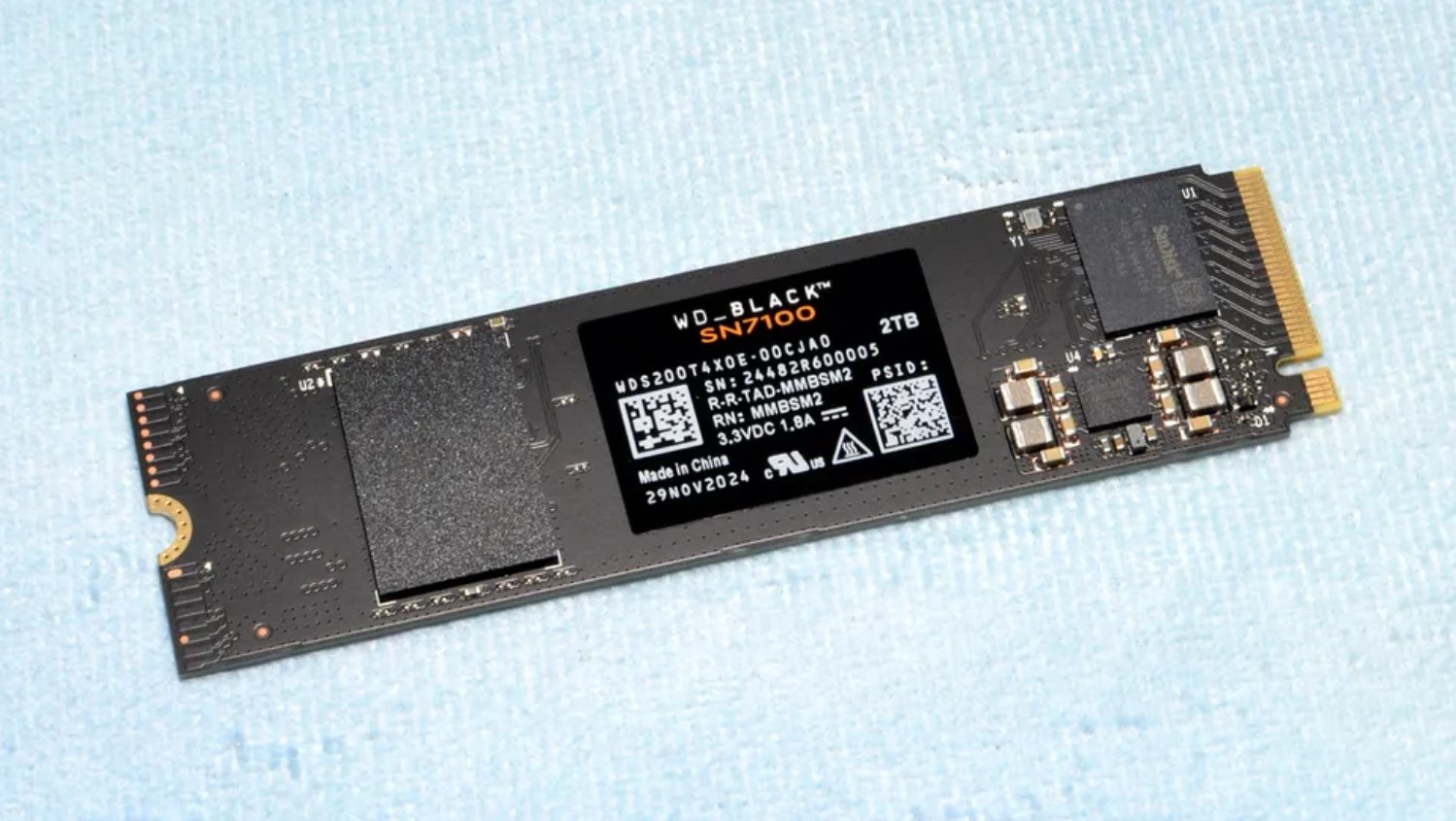
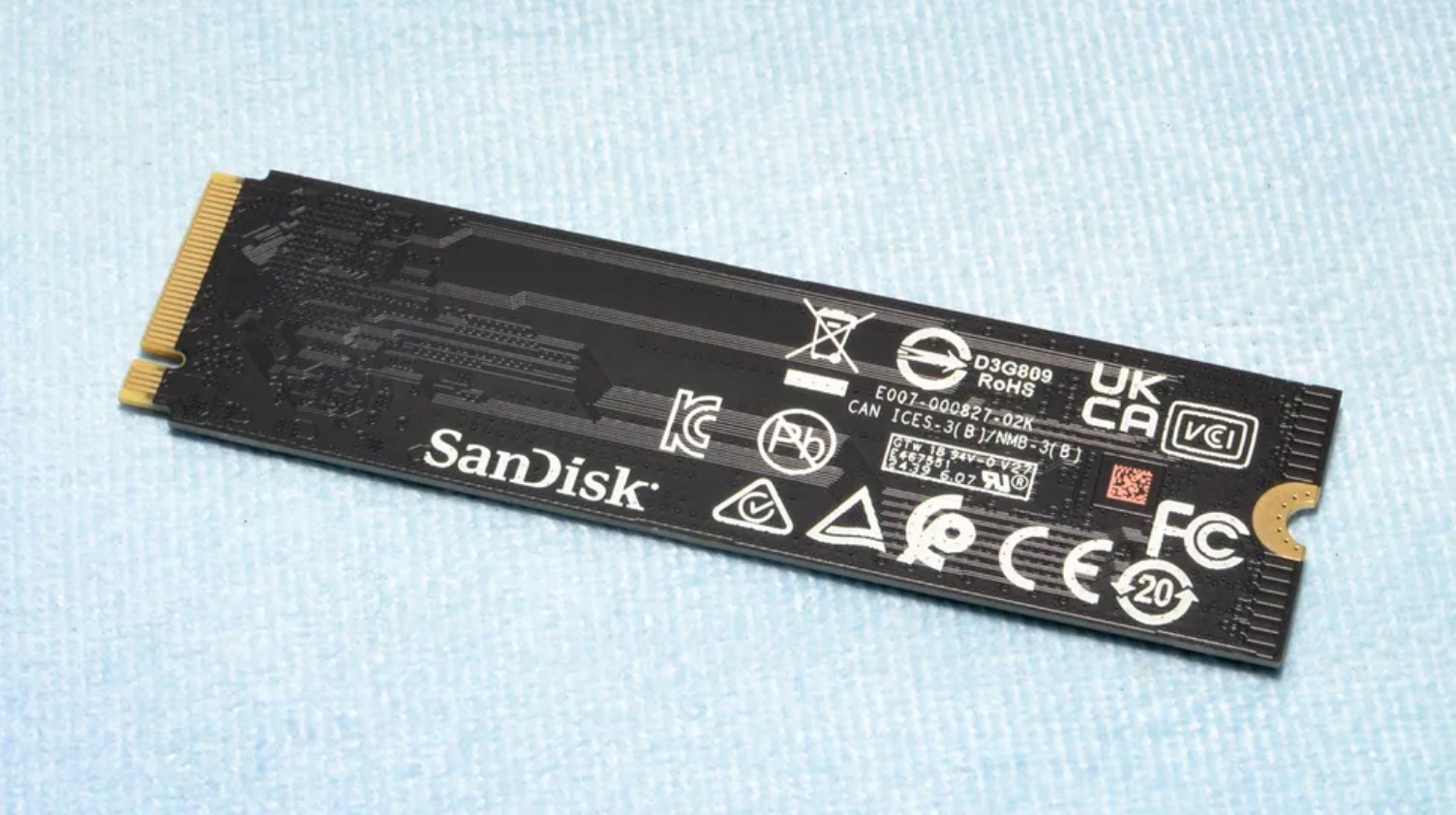
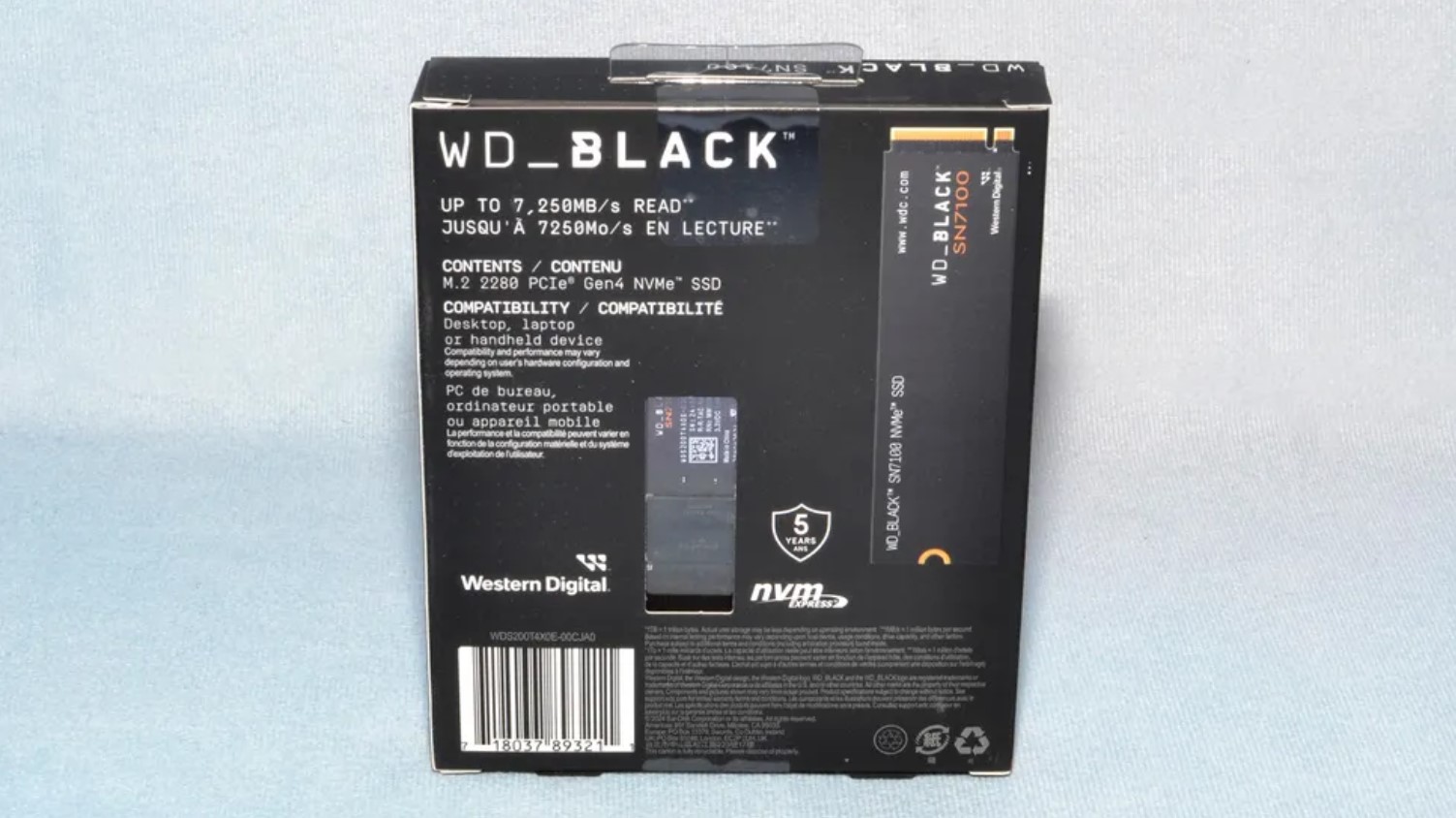
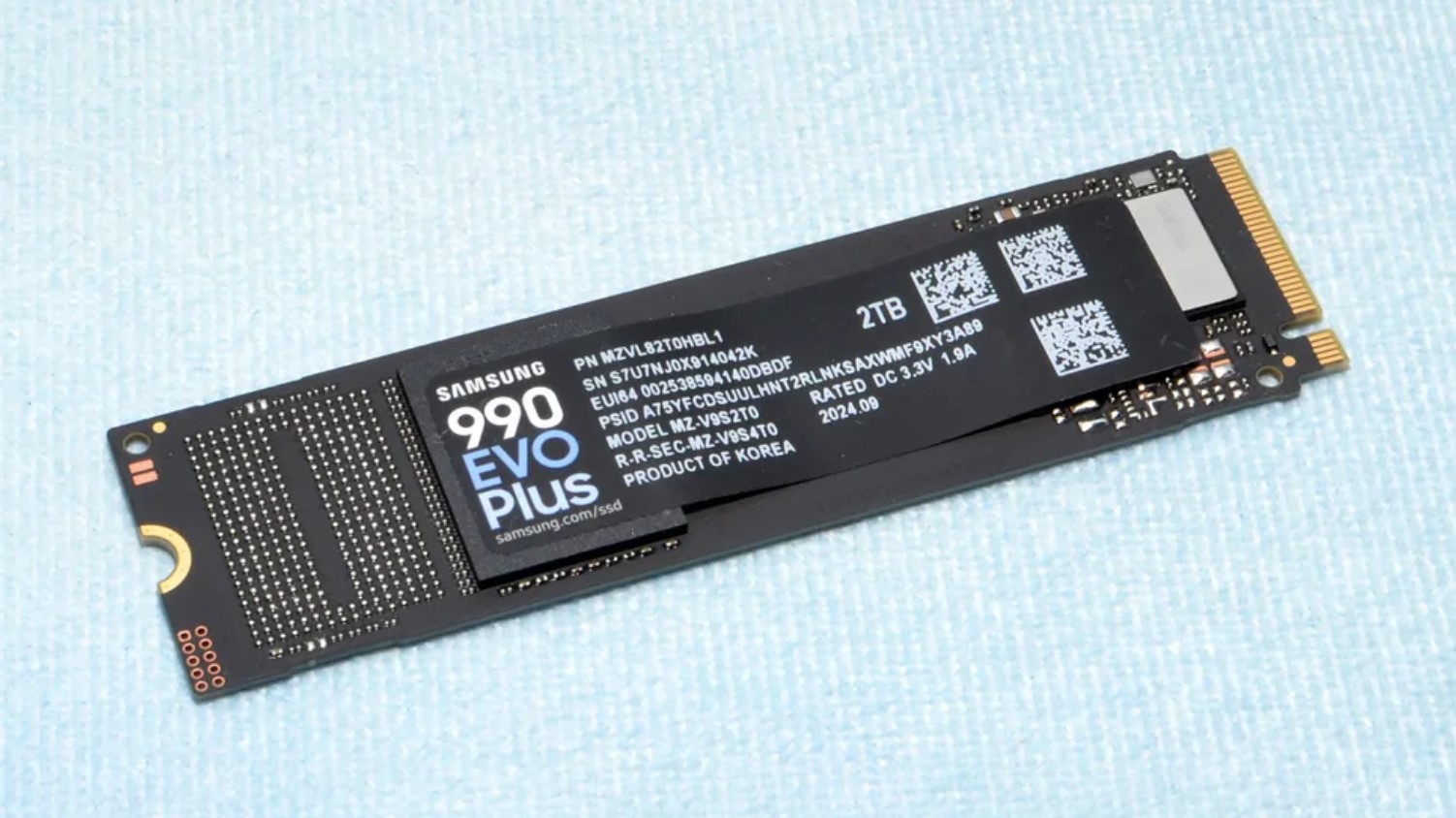
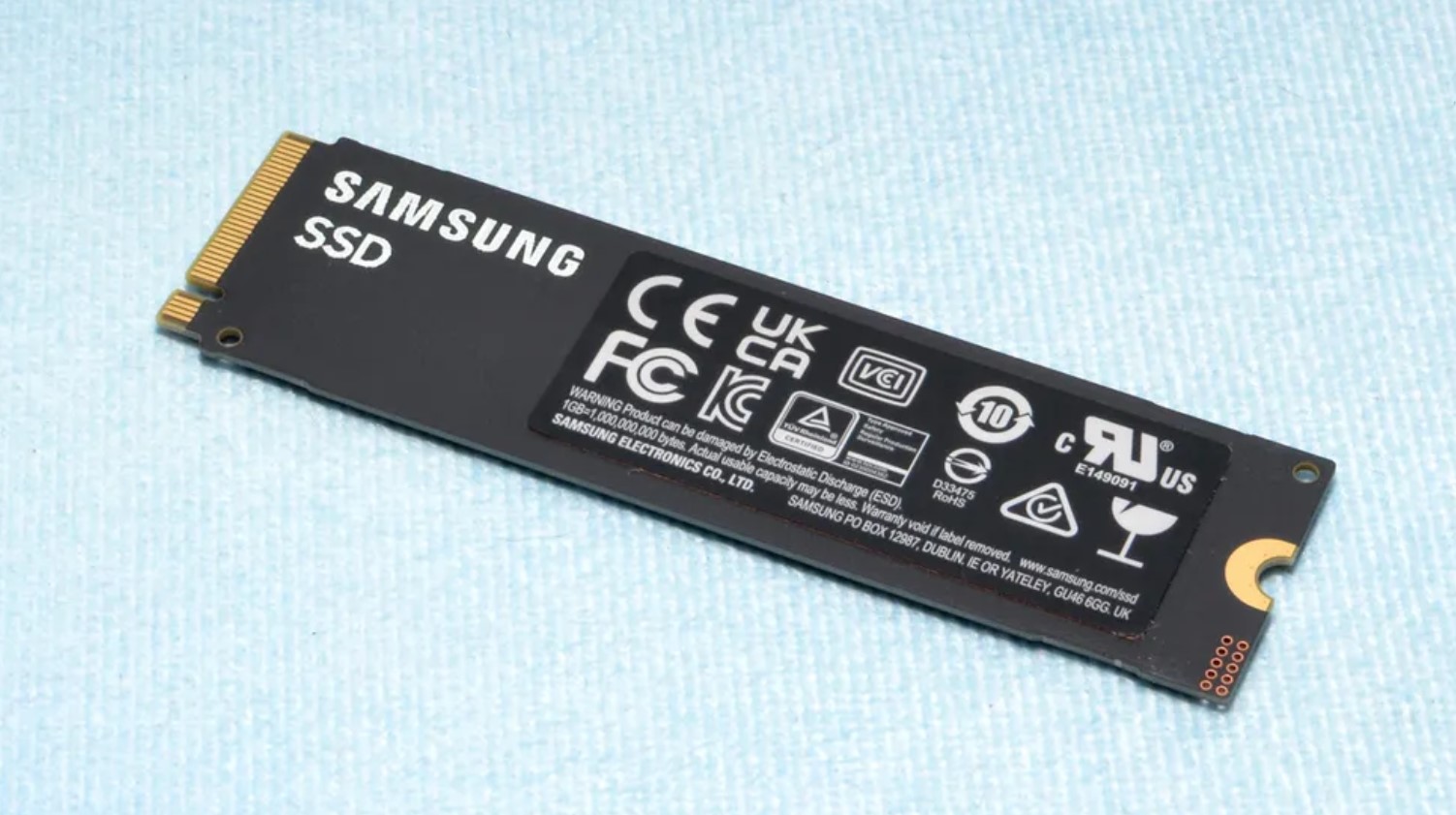
Both drives use single-sided M.2 2280 designs that work well in laptops, consoles, and desktop systems. The physical implementation differs mainly in component selection and power delivery.
WD_BLACK SN7100 Design:
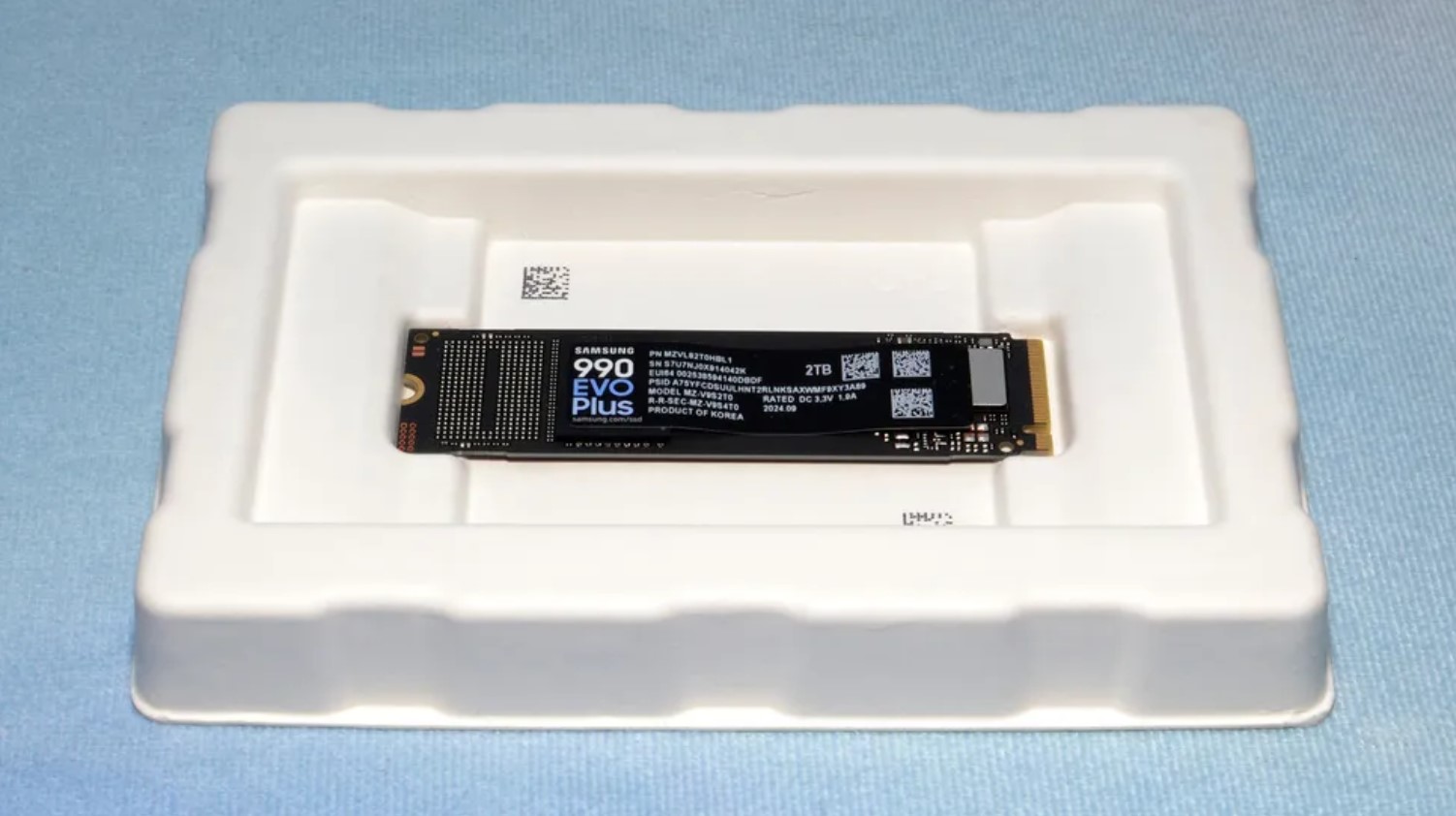
Samsung 990 EVO Plus Design:
The SN7100 features an in-house "Polaris 3" controller and Kioxia BiCS 8 218-layer 3D TLC NAND flash, with both the controller and NAND flash on a single side. This contributes to the drive's exceptional power efficiency.
The Samsung 990 EVO Plus uses their Piccolo controller manufactured at 5nm with a native PCIe Gen 5 interface, plus a nickel coating on the controller itself that helps dissipate heat and minimize thermal throttling.
Software support heavily favors Samsung. The 990 EVO Plus supports Samsung's Magician software suite, providing features like health monitoring, data migration, and encryption options in a modern, well-designed interface. Western Digital's equivalent software exists but isn't as comprehensive.
WD_BLACK SN7100 vs Samsung 990 EVO Plus: Owner Reviews
User feedback reveals different priorities and experiences with each drive:
WD_BLACK SN7100 Owner Reviews:
Praises: "The performance is incredible for a DRAM-less drive. Boot times are fantastic and games load noticeably faster than my old drive. The power efficiency is amazing - my laptop runs cooler and the battery lasts longer."
"Finally upgraded from a SATA SSD and the difference is night and day. Large file transfers are blazing fast and I haven't experienced any slowdowns even when copying huge video files."
***
Drawbacks: "Wish it came with better software. Samsung's Magician is so much more polished than anything WD offers. Also, no hardware encryption support which I need for work."
"The drive gets the job done but I was hoping for a 4TB option. Having to choose between multiple 2TB drives instead of one large drive is annoying."
Samsung 990 EVO Plus Owner Reviews:
Praises: "Samsung Magician software is fantastic - makes managing the drive so easy. The migration tool worked perfectly when upgrading from my old SSD. Health monitoring gives me peace of mind."
"The 4TB capacity is exactly what I needed for my game library. Performance is solid and the drive stays cool even during heavy workloads. The hardware encryption is a nice bonus."
***
Drawbacks: "Random read performance isn't as snappy as I expected. System feels responsive but not quite as zippy as some reviews suggested it would be."
"Had some compatibility issues initially with my older motherboard. Had to update BIOS to get it working properly in PCIe 5.0 mode."
SN7100 and 990 EVO Plus Alternatives
If neither drive perfectly fits your needs, consider these alternatives:
- Crucial T500: A DRAM-equipped drive that offers more consistent performance across all workloads, especially beneficial for heavy multi-tasking scenarios.
- TeamGroup MP44: Budget-focused option with solid performance and 4TB availability at competitive pricing.
The Crucial T500 brings traditional DRAM caching to the table, which can provide more consistent performance when the drive fills up or during sustained workloads. It costs more but eliminates some of the compromises inherent in DRAM-less designs.
The TeamGroup MP44 uses similar Maxio controllers found in many budget drives but offers excellent value, especially in larger capacities. Performance won't match either drive tested here, but it costs significantly less.
Should You Buy the WD_BLACK SN7100 or Samsung 990 EVO Plus?
Both the WD_BLACK SN7100 and Samsung 990 EVO Plus deliver solid performance that will satisfy most users. The choice comes down to specific priorities and use cases.
Choose the WD_BLACK SN7100 if you want maximum real-world performance and power efficiency. It consistently outperforms the Samsung in application loading, file transfers, and system responsiveness while running cooler and using less power. This makes it ideal for gaming laptops, productivity work, and any scenario where thermal management matters.
Choose the Samsung 990 EVO Plus if you value software features, need hardware encryption, or want maximum capacity options. The 4TB model is particularly appealing for users with large game libraries or content creation workflows. Samsung's Magician software and established ecosystem also provide additional value.
For most buyers, the WD_BLACK SN7100 represents the better overall value. Its combination of leading real-world performance, exceptional efficiency, and competitive specifications make it a standout choice in the DRAM-less NVMe category.

Meet James, our go-to tech guru and seasoned reviewer. His sharp attention to detail and love for gadgets drive his deep dives into the newest tech waves. James's insightful analysis and real zest for breakthroughs have earned him a solid reputation in the tech world.


