DJI Air 3S vs Mini 4 Pro: Comparison
Hey everyone! I've been field-testing two of DJI's most popular travel drones: the powerhouse DJI Air 3S and the ultra-portable Mini 4 Pro. After months of flying both drones across urban landscapes, coastal cliffs, and mountain valleys, I can tell you they represent two fundamentally different approaches to aerial photography.
The Air 3S emphasizes professional image quality with its dual-camera system featuring a 1-inch sensor and forward-facing LiDAR for nighttime flying. Meanwhile, the Mini 4 Pro prioritizes portability with its sub-250g weight that requires no registration in most countries, while still delivering impressive 4K HDR video. The choice between them comes down to whether you value maximum image quality or ultimate portability.

DJI Air 3S (left) and Mini 4 Pro (right) side by side comparison. Source: Canva
DJI Air 3S vs Mini 4 Pro: Quick Overview
Here's what you need to know: The DJI Air 3S and Mini 4 Pro share several key features: both offer omnidirectional obstacle sensing, 20km video transmission with DJI's O4 system, and similar 45-minute flight times. The critical differences lie in camera systems and weight. The Air 3S features dual cameras with a 1-inch CMOS primary sensor plus 70mm telephoto, delivering 4K/60fps HDR with 14 stops of dynamic range and groundbreaking forward-facing LiDAR for nighttime obstacle sensing. The Mini 4 Pro weighs under 249g with a single 1/1.3-inch sensor, offering True Vertical Shooting and requiring no FAA registration for recreational use in the US.
For most travelers, I recommend the DJI Mini 4 Pro. Its sub-250g weight means no registration hassles, easier portability, and true vertical shooting that's perfect for social media content. However, choose the DJI Air 3S if you're a serious content creator who needs the best possible image quality, dual-camera versatility, and the ability to shoot safely at night with LiDAR-enabled obstacle avoidance.
Table of Contents:
DJI Air 3S vs Mini 4 Pro: Full Comparison
| Specification | DJI Air 3S | DJI Mini 4 Pro |
| Image |
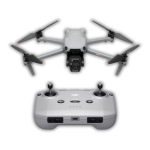
|
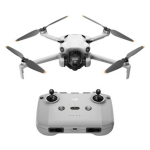
|
| Weight | 724g | 249g (under 249g) |
| Camera System | Dual: 1" CMOS wide + 70mm tele | Single: 1/1.3" CMOS |
| Primary Sensor | 1-inch CMOS, 50MP | 1/1.3-inch CMOS, 48MP |
| Video Resolution | 4K/60fps HDR, 4K/120fps slow-mo | 4K/60fps HDR, 4K/100fps slow-mo |
| Dynamic Range | Up to 14 stops | Not specified |
| Vertical Shooting | 2.7K/60fps (cropped) | True 4K/60fps vertical |
| Obstacle Sensing | Omnidirectional + forward LiDAR | Omnidirectional vision sensors |
| Flight Time | 45 minutes | 34 min (standard), 45 min (Plus battery) |
| Max Speed | 21 m/s (47 mph) | 16 m/s (36 mph) |
| Wind Resistance | 12 m/s (Level 6) | 10.7 m/s (Level 5) |
| Video Transmission | O4, 20km, 1080p/60fps | O4, 20km, 1080p/60fps |
| Internal Storage | 42GB | 2GB |
| Max Takeoff Altitude | 6000m | 4000m |
| Folded Dimensions | 214 x 101 x 89mm | 148 x 94 x 64mm |
The most significant difference between these drones is their camera systems. The Air 3S features a revolutionary dual-camera setup with both a 1-inch CMOS wide-angle camera and a 70mm medium telephoto lens. The 1-inch sensor is substantially larger than the Mini 4 Pro's 1/1.3-inch sensor, capturing more light and delivering better low-light performance. Both cameras on the Air 3S can shoot 4K/60fps HDR with up to 14 stops of dynamic range, producing images with incredible detail in both highlights and shadows.
The Mini 4 Pro's single 1/1.3-inch sensor is no slouch, though. It delivers excellent 4K HDR video and supports 10-bit D-Log M color mode for professional color grading. Where it truly shines is True Vertical Shooting - the Mini 4 Pro physically rotates its gimbal to capture native vertical 4K footage at full sensor resolution. The Air 3S can only crop to 2.7K for vertical content, giving the Mini 4 Pro a clear advantage for social media creators who prioritize vertical content.
Both drones use DJI's advanced O4 video transmission system, providing rock-solid 1080p/60fps live feed at distances up to 20km in ideal conditions. They also share omnidirectional obstacle sensing, though the Air 3S adds a game-changing forward-facing LiDAR sensor. This allows the Air 3S to detect and avoid obstacles in near-total darkness - a first for consumer drones and a genuine breakthrough for nighttime aerial photography.
Flight performance heavily favors the Air 3S. Its 724g weight and more powerful motors enable significantly better wind resistance (Level 6 vs Level 5), faster maximum speeds (21 m/s vs 16 m/s), and more stable footage in challenging conditions. The Air 3S can also take off from higher altitudes - up to 6000m compared to the Mini 4 Pro's 4000m limit, making it better suited for mountain photography.
Storage is another major differentiator. The Air 3S includes a generous 42GB of internal storage, enough for hours of 4K footage without a microSD card. The Mini 4 Pro's 2GB is really only useful as emergency backup storage. DJI also claims the Air 3S uses advanced compression that reduces file sizes by 30% without quality loss - a practical advantage for travelers managing limited storage.
After extensive field testing in diverse conditions, the performance differences between these drones become apparent. The Air 3S consistently delivered superior image quality, especially in challenging lighting. Shooting sunrise and sunset scenes, the larger 1-inch sensor captured noticeably cleaner images with better shadow detail and highlight retention. The 14 stops of dynamic range aren't just marketing speak - they're genuinely visible in high-contrast scenarios.
However, the gap isn't as dramatic as you might expect. The Mini 4 Pro holds its own surprisingly well in good lighting conditions. Side-by-side daytime comparisons showed minimal differences in sharpness and color accuracy. For casual content creation in favorable conditions, most viewers wouldn't distinguish between footage from these two drones.
The Air 3S's 70mm telephoto camera adds genuine creative versatility. The 3x optical zoom enables tighter compositions without sacrificing quality, perfect for isolating subjects or compressing perspectives in landscape photography. The Mini 4 Pro's single focal length is limiting by comparison, though its wider field of view works well for establishing shots.
Wind performance revealed the most dramatic difference. Flying on coastal cliffs in 20+ mph winds, the Air 3S remained rock-solid while the Mini 4 Pro struggled to maintain position during close-up shots. The Air 3S's extra weight and more powerful motors simply handle wind better - the Mini 4 Pro's footage showed noticeable vibration in gusty conditions.
Mini 4 Pro vs Air 3S: Design & Portability
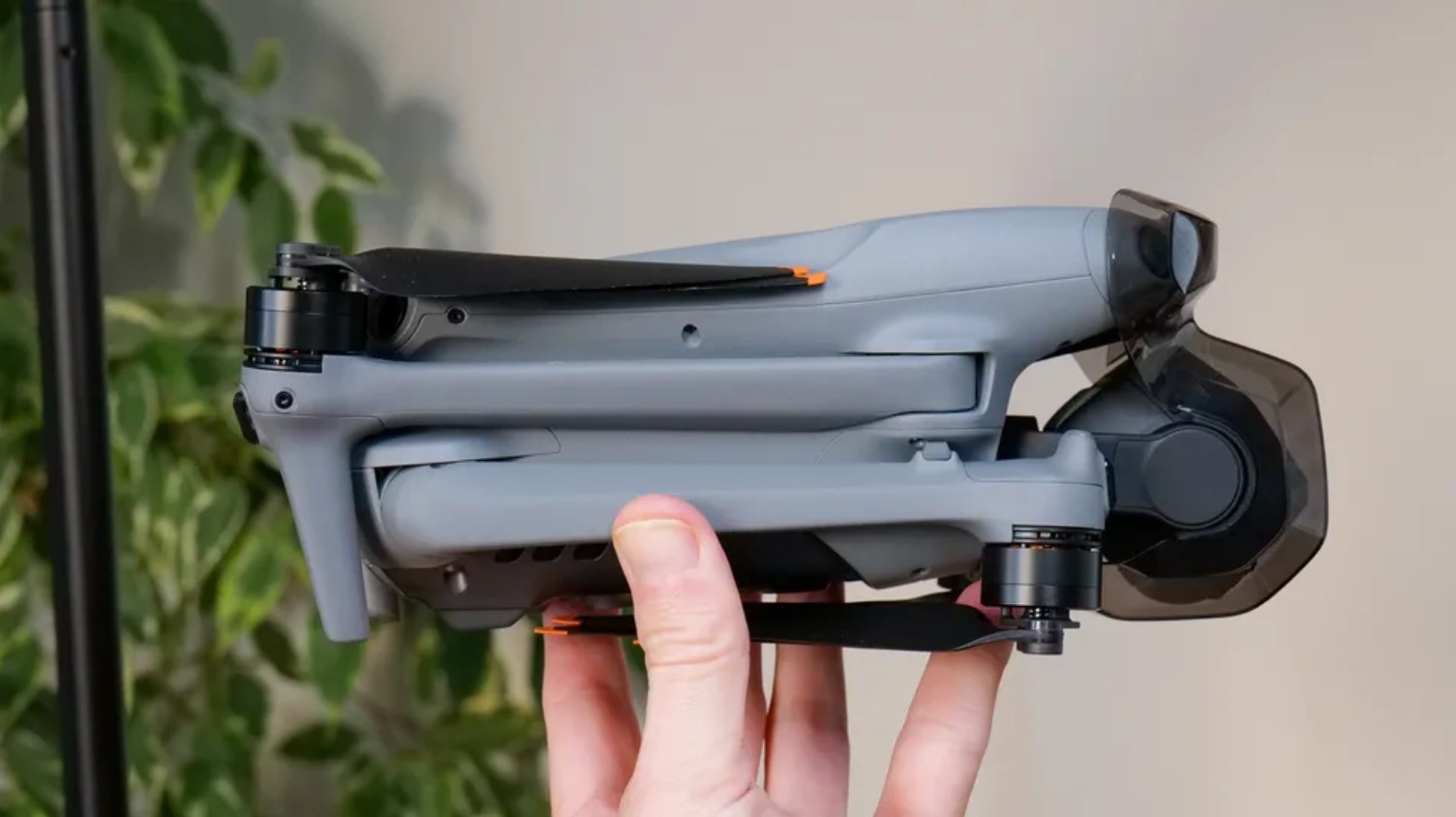
Size and weight differences are immediately obvious when handling these drones. The Mini 4 Pro folds into a remarkably compact 148 x 94 x 64mm package weighing just 249g - small enough to slip into a jacket pocket. The Air 3S, while still portable, is noticeably larger at 214 x 101 x 89mm and 724g, requiring a dedicated camera bag compartment.
DJI Air 3S Design:
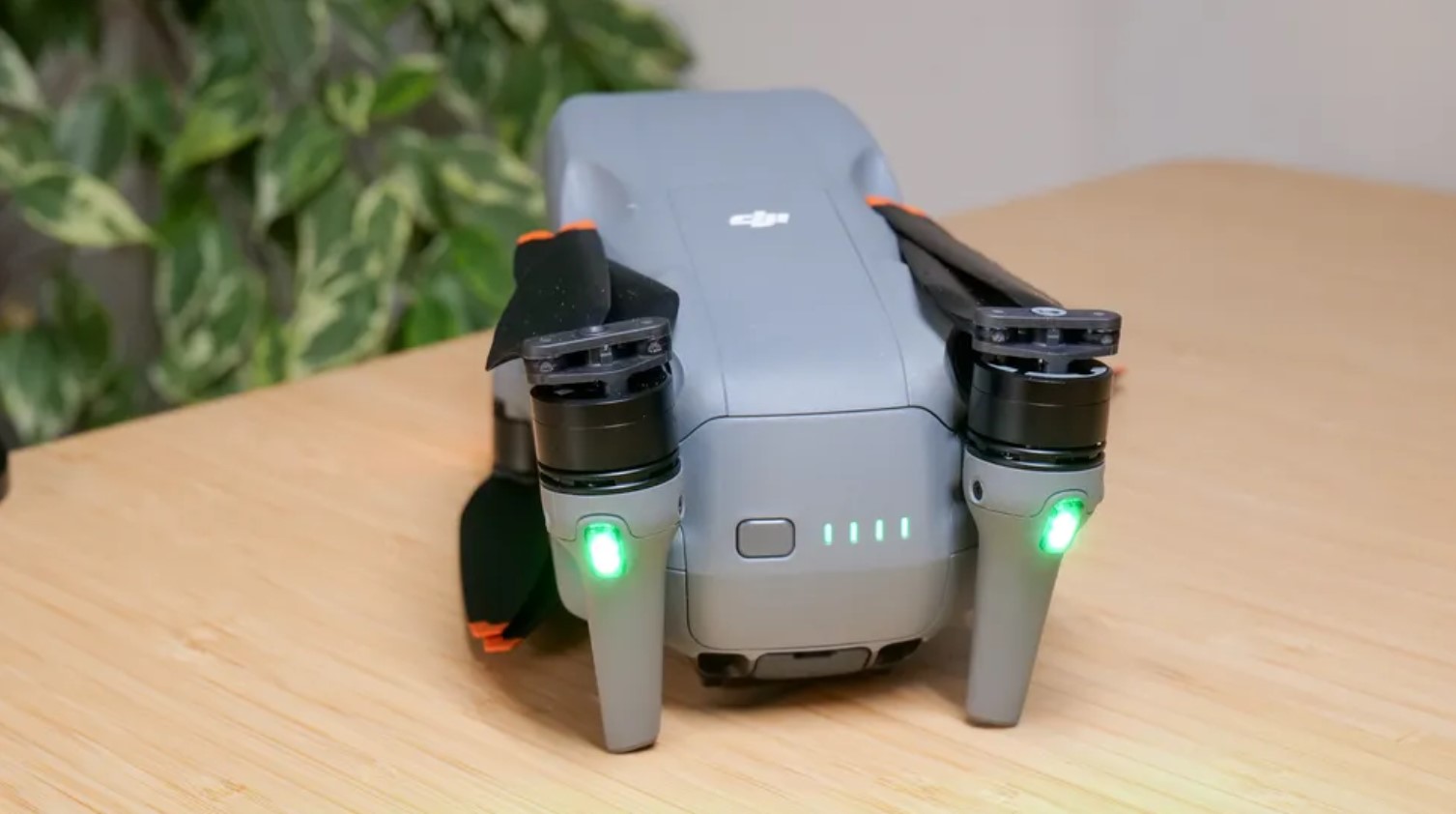
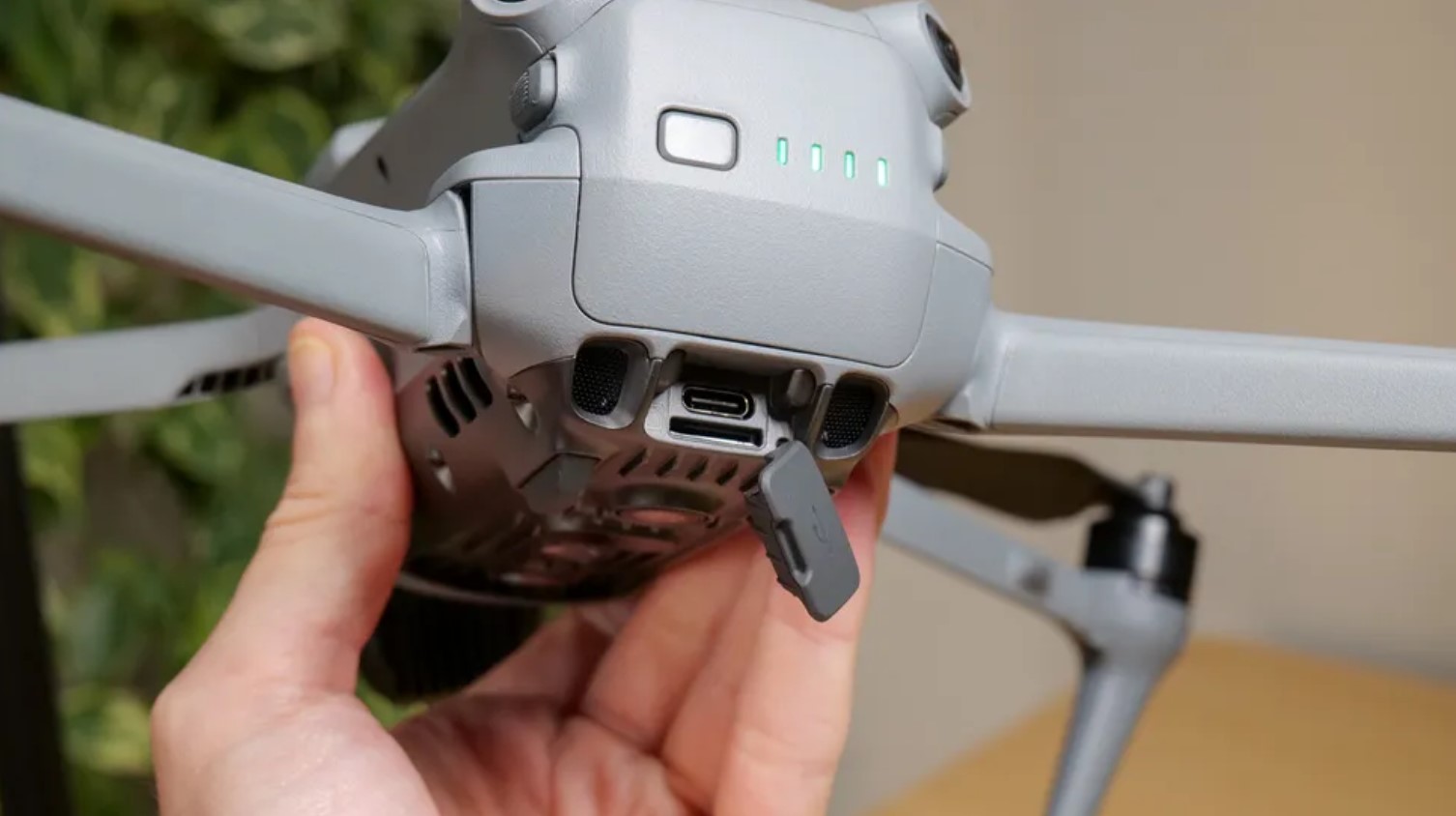
DJI Mini 4 Pro Design:
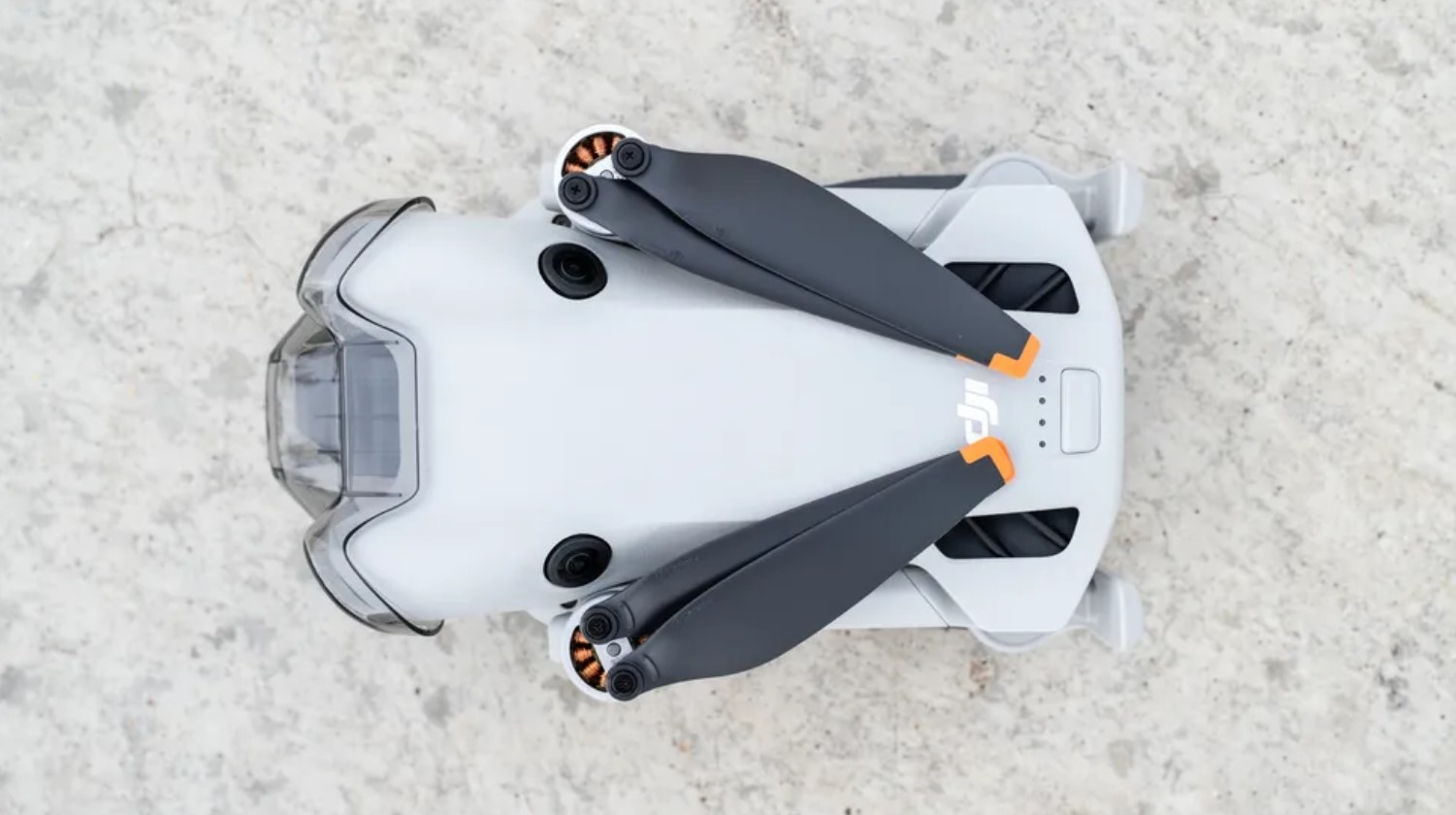
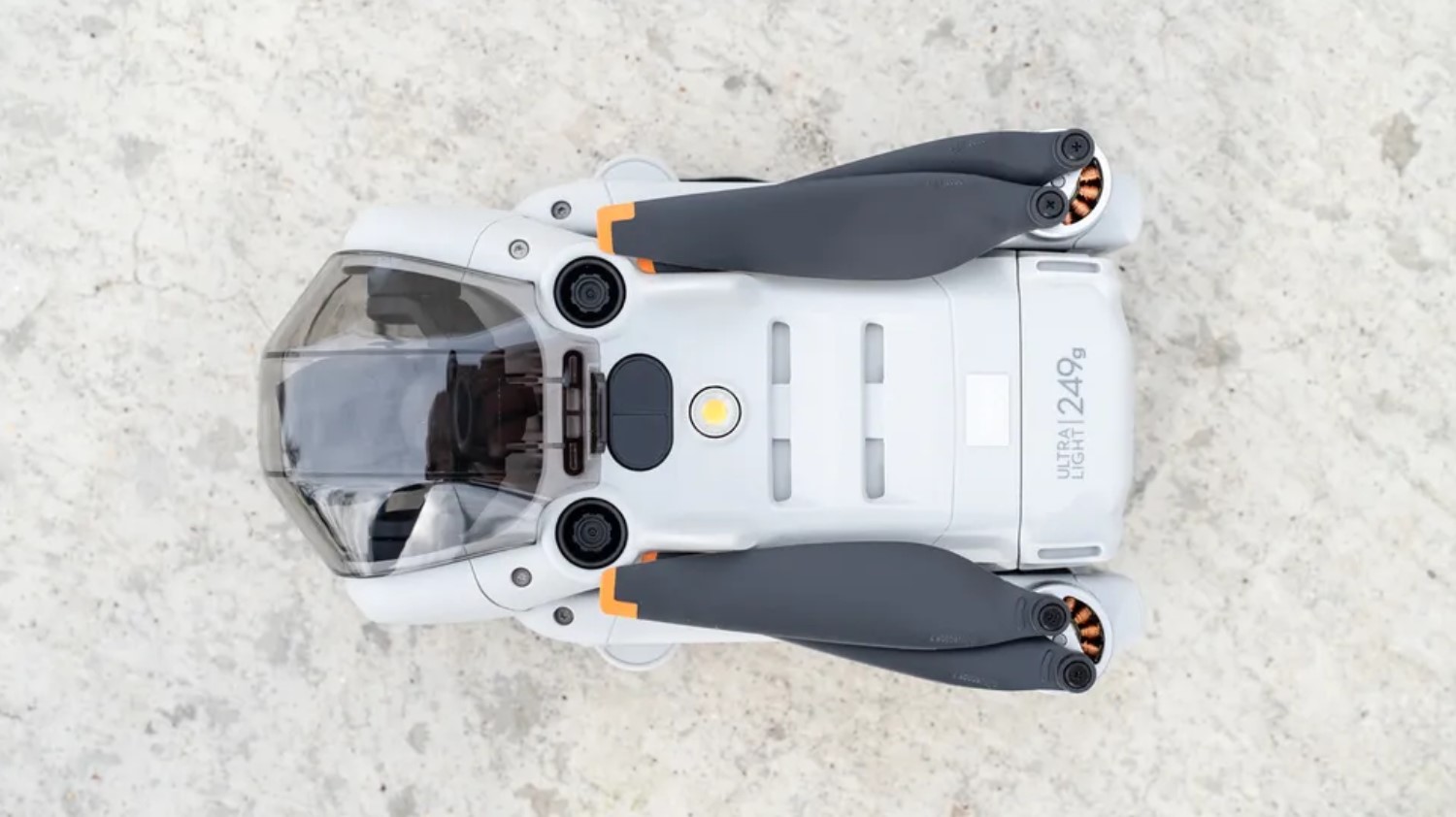
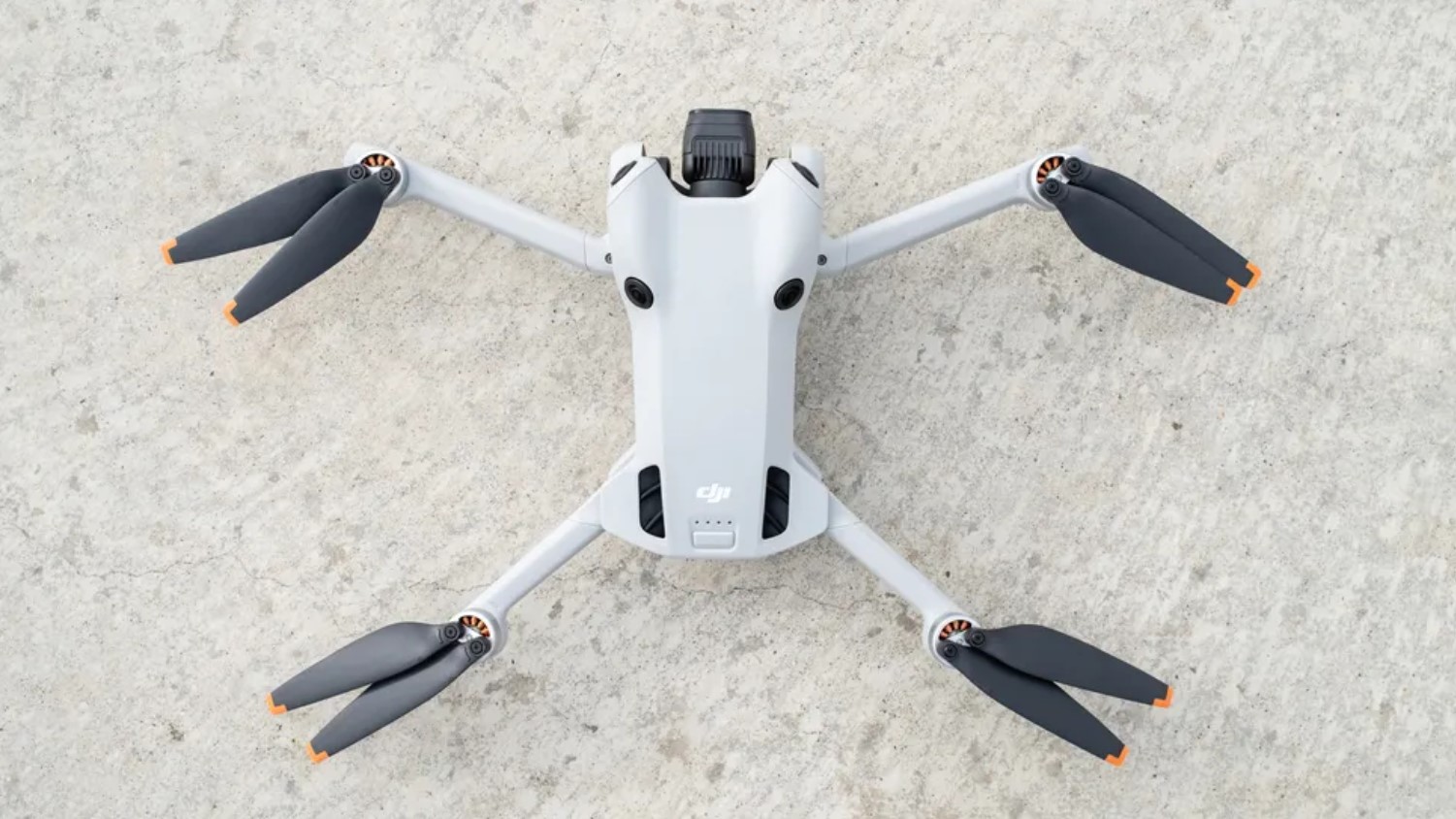
Both drones feature excellent build quality with precisely engineered folding mechanisms and sturdy construction. The Mini 4 Pro's sub-250g weight provides a huge practical advantage in most countries - in the US, recreational pilots don't need FAA registration, and in Europe it qualifies as C0 class with fewer restrictions. This translates to less bureaucracy and more spontaneous flying opportunities.
Controller options differ slightly. Both work with the RC-N series phone-based controllers and the premium RC 2 with built-in screen. The Air 3S ships with the RC-N3, while the Mini 4 Pro uses RC-N2. Functionally they're nearly identical, with the same excellent ergonomics that DJI is known for.
Air 3S or Mini 4 Pro: Owner Reviews
Real-world feedback reveals how these different approaches perform in daily use:
DJI Air 3S Owner Reviews:
Praises: "The LiDAR obstacle sensing at night is absolutely revolutionary. I captured incredible urban nightscapes that would have been impossible with any other drone at this price point."
"The dual-camera system is incredibly versatile. Having both wide and telephoto instantly available completely changes how I compose shots. No more digital zooming and losing quality."
"Wind handling is exceptional. I've flown this in conditions that grounded my Mini 3 Pro, and the Air 3S just powers through like it's nothing."
***
Drawbacks: "The vertical shooting is disappointing - only 2.7K when cropped. My Mini series drones do proper 4K vertical, which is frustrating for someone who creates Instagram Reels."
"Registration requirement is annoying. I miss just pulling out my Mini and flying anywhere without worrying about FAA compliance and Remote ID."
"Noticeably larger than I expected from reviews. It doesn't slip into my everyday bag like my old Mini 2 did."
DJI Mini 4 Pro Owner Reviews:
Praises: "True vertical shooting is a game-changer for social media content. Finally, I can shoot native vertical 4K without cropping or losing quality. Perfect for TikTok and Instagram."
"The portability is unbeatable. I take this everywhere - backpacking trips, city explorations, even just around town. No registration hassles, just fly."
"Image quality genuinely surprised me. I compared it to my friend's Air 3S and honestly couldn't see much difference in daylight shots. For $340 less."
***
Drawbacks: "Wind performance is its Achilles heel. Anything above 15 mph and I'm white-knuckling it, especially during close-up shots. The drone struggles to maintain position."
"The 2GB internal storage is basically useless. Forgot my SD card once and could barely record anything before running out of space."
"Low-light performance drops off noticeably at dusk. By the time golden hour ends, I'm fighting noise and losing detail. Really wish it had that larger sensor."
Air 3S and Mini 4 Pro Alternatives
If neither DJI flagship meets your specific needs, consider these strong alternatives:
- DJI Mini 3: A more affordable sub-250g option with vertical shooting and good image quality, though lacking the Mini 4 Pro's omnidirectional sensing. Great budget choice for casual creators.
- DJI Avata 2: A completely different FPV experience with immersive flight dynamics and built-in propeller guards. Perfect for indoor shooting and dynamic action footage the Air 3S and Mini 4 Pro can't capture.
The DJI Mini 3 offers an excellent middle ground for budget-conscious buyers. While it lacks the Mini 4 Pro's advanced obstacle sensing and O4 transmission, it still provides True Vertical Shooting and sub-250g convenience at a significantly lower price. The image quality is solid for casual use, though a step behind the Mini 4 Pro's more advanced processing.
The DJI Avata 2 serves a completely different niche. If you want immersive FPV footage with cinematic gimbal stabilization, it's the only real option in DJI's consumer lineup. The built-in propeller guards enable aggressive indoor flying and proximity work impossible with traditional drones.
Should You Buy the Air 3S or Mini 4 Pro?
After extensive testing, both the DJI Air 3S and Mini 4 Pro excel in their respective categories. The decision ultimately depends on your priorities and shooting style.
Choose the DJI Air 3S if you're a serious content creator who prioritizes image quality above all else. The dual-camera system with 1-inch primary sensor delivers genuinely better low-light performance, superior dynamic range, and added creative flexibility with the telephoto lens. The groundbreaking LiDAR obstacle sensing enables confident nighttime flying that simply isn't possible with other consumer drones. Wind resistance and high-altitude capability make it the better choice for challenging outdoor shooting.
Choose the DJI Mini 4 Pro for maximum portability and regulatory simplicity. The sub-250g weight eliminates registration requirements in most countries, enabling more spontaneous flying opportunities. True Vertical Shooting at full 4K resolution is genuinely superior to the Air 3S's cropped vertical mode - a decisive advantage for social media-focused creators. The $759 starting price makes it more accessible, and the smaller size genuinely fits into travel lifestyles better.
The Mini 4 Pro represents the sweet spot for recreational pilots and social media creators who value convenience and portability. The Air 3S serves professional creators and enthusiasts who need the absolute best image quality and are willing to accept slightly more size and regulatory complexity. Both drones deliver exceptional value in their categories.
Go Deeper:

Meet James, our go-to tech guru and seasoned reviewer. His sharp attention to detail and love for gadgets drive his deep dives into the newest tech waves. James's insightful analysis and real zest for breakthroughs have earned him a solid reputation in the tech world.


