Insta360 GO Ultra vs GO 3S: Comparison
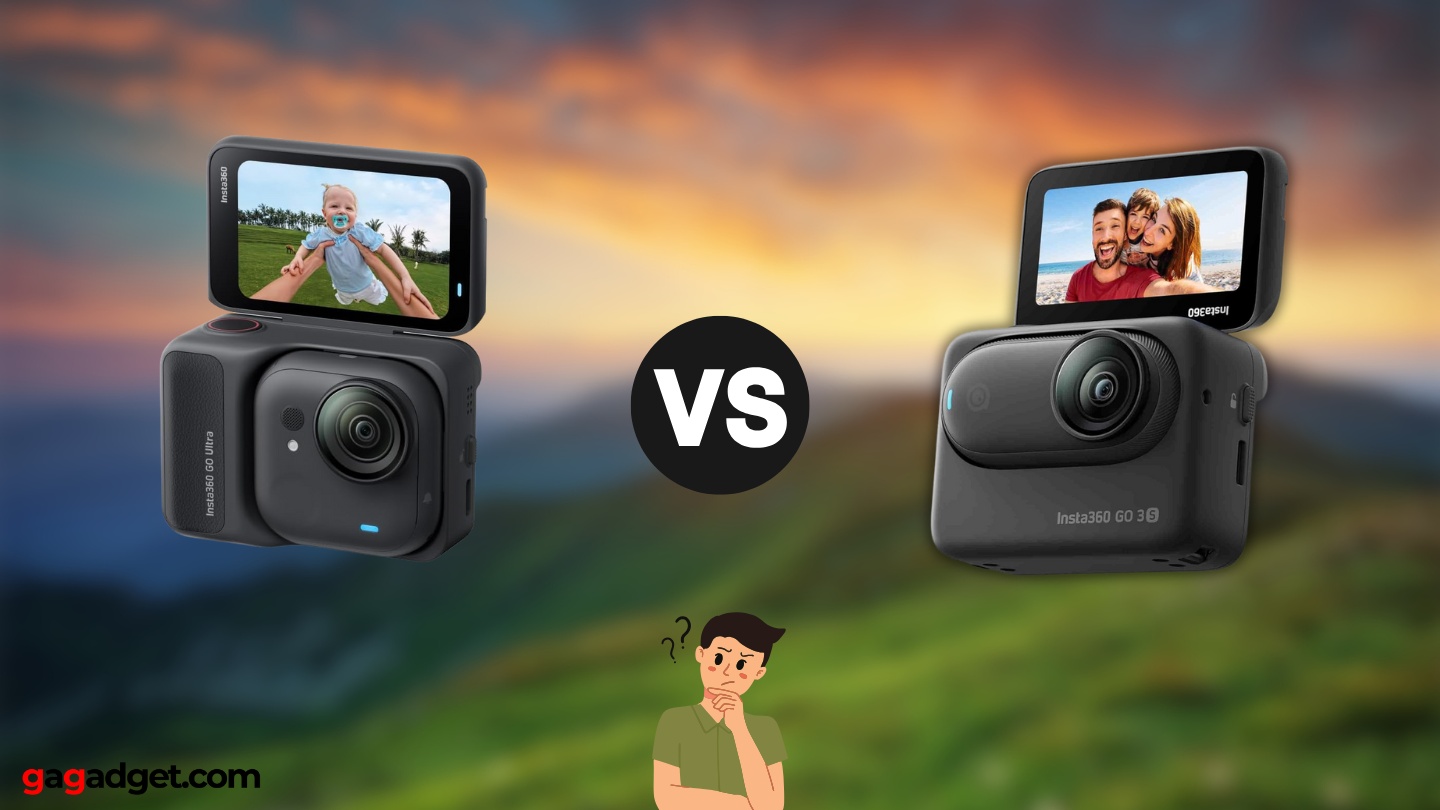
Two remarkably compact action cameras have captured my attention recently, and they represent an interesting evolution in pocket-sized POV capture. The Insta360 GO Ultra pushes toward flagship performance with serious imaging upgrades, while the GO 3S maintains the original GO series philosophy of maximum portability and simplicity.
What struck me during testing wasn't just the obvious size difference, but how each camera targets distinct creators. The GO Ultra appeals to those demanding professional image quality in the smallest possible package, while the GO 3S prioritizes effortless operation and true thumb-sized portability for everyday moments.
Insta360 GO Ultra vs GO 3S: Quick Overview
Here's what you need to know: The Insta360 GO Ultra and GO 3S both pack magnetic mounting and hands-free POV capture into impossibly small bodies. The GO Ultra features a substantially larger 1/1.28-inch sensor capturing 4K60fps with enhanced low-light performance, 70-minute standalone battery life, and swappable microSD storage up to 2TB. It weighs 53g with a square 46x45.7mm form factor. The GO 3S maintains the classic thumb-shaped 25.6x54.4mm design at just 39g, shoots 4K30fps, offers 38-minute battery life with fixed 64GB or 128GB storage, and includes Easy Switch for instant orientation changes.
For most casual creators, I'd recommend the GO 3S. Its smaller size, lighter weight, and simpler operation make it genuinely pocket-portable for everyday moments. However, choose the GO Ultra if you need superior image quality, longer battery life, and professional-grade low-light performance in challenging conditions.
Table of Contents:
GO Ultra vs GO 3S: Full Comparison
| Specification | Insta360 GO Ultra | Insta360 GO 3S |
| Image |

|

|
| Sensor Size | 1/1.28-inch (221% larger) | 1/2-inch |
| Processor | 5nm AI chip | Enhanced chip (50% more CPU) |
| Video Resolution | 4K60fps, 5.3K24fps | 4K30fps, 2.7K30fps |
| Photo Resolution | 50MP | 12MP (4K mode) |
| Slow Motion | 1080p240fps | 1080p120fps |
| Low-Light Mode | PureVideo with AI noise reduction | Basic low-light optimization |
| Field of View | 156° ultrawide | MegaView (reduced distortion) |
| Standalone Battery | 70 minutes (1080p24fps) | 38 minutes (1080p30fps) |
| With Action Pod | 200 minutes (1080p24fps) | 140 minutes (1080p30fps) |
| Fast Charging | 0-80% in 12 minutes | Standard charging |
| Storage | MicroSD up to 2TB | Fixed 64GB or 128GB |
| Waterproof Rating | 33ft (10m) IPX8 | 33ft (10m) IPX8 |
| Dimensions | 46 x 45.7 x 18.3mm | 25.6 x 54.4 x 24.8mm |
| Weight | 53g | 39g |
| Ambient Light Sensor | Yes (reduces flicker) | No |
| Easy Switch | No | Yes (twist to change orientation) |
| Apple Find My | No | Yes |
The sensor upgrade tells the whole story. The GO Ultra's 1/1.28-inch sensor captures over 200% more light than the GO 3S, enabling genuinely superior low-light performance and cleaner high-ISO footage. The new 5nm AI chip processes this additional data efficiently, delivering smooth 4K60fps video that the GO 3S cannot match. The dedicated Ambient Light Sensor adds real-time color calibration and eliminates flickering in challenging lighting - features completely absent from the GO 3S.
Battery life improvements are substantial. The GO Ultra's standalone camera delivers 70 minutes versus 38 minutes on the GO 3S, nearly doubling shooting time. Combined with the Action Pod, the GO Ultra stretches to 200 minutes compared to 140 minutes. The revolutionary fast charging system reaches 80% in just 12 minutes, transforming workflow for full-day shooting.
Storage flexibility separates these cameras dramatically. The GO Ultra accepts microSD cards up to 2TB, enabling unlimited shooting and instant card swaps. The GO 3S locks you into fixed 64GB or 128GB internal storage - adequate for casual use but limiting for extended trips or intensive shooting days.
However, the GO 3S retains key advantages. Its thumb-shaped form factor slips into genuinely smaller spaces and weighs 14g less - noticeable during extended wear. The Easy Switch feature automatically changes aspect ratio when you rotate the camera, eliminating menu diving. Apple Find My integration helps locate misplaced cameras, something the GO Ultra lacks entirely.
Both cameras share identical waterproof ratings at 33ft, magnetic mounting systems, and compatibility with Insta360's extensive accessory ecosystem. Image stabilization performs similarly on both, though the GO Ultra's processing power enables slightly smoother results in extreme movement.
Insta360 GO 3S vs GO Ultra: Design & Portability
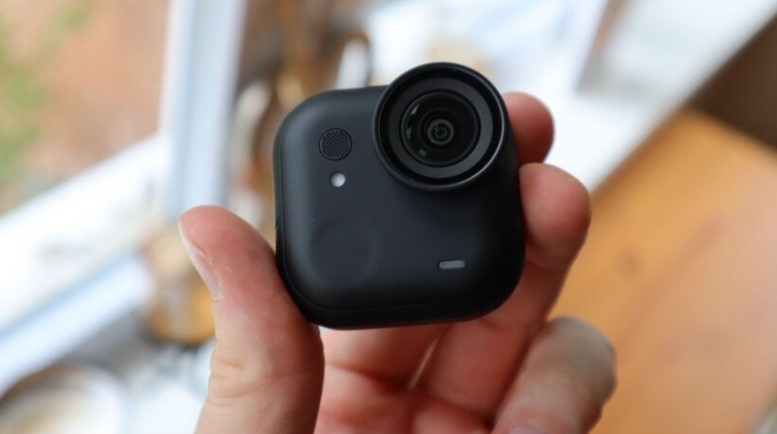
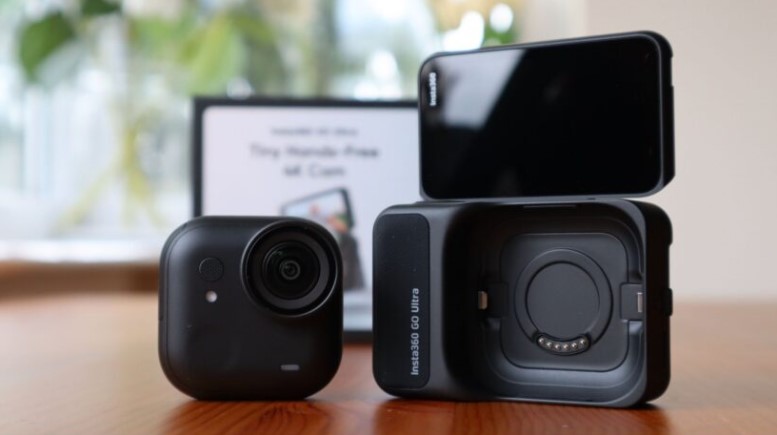
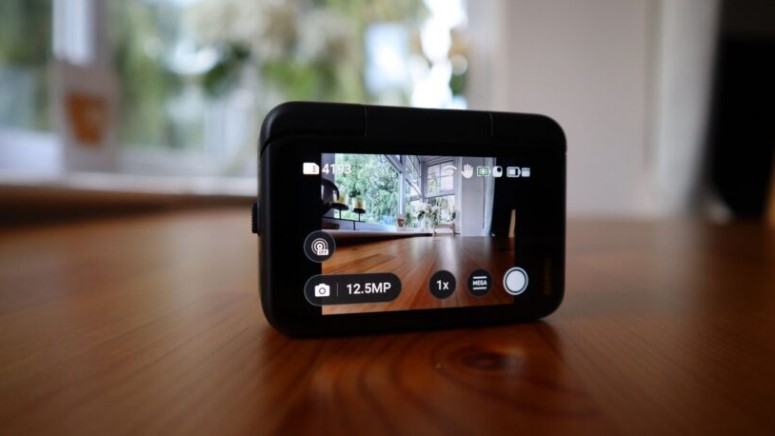
The form factor evolution is immediately apparent. The GO Ultra adopts a square 46x45.7mm design reminiscent of a smartwatch face, while the GO 3S maintains the classic thumb-shaped 25.6x54.4mm profile. Both feature magnetic bases for effortless mounting, but their shapes enable different use cases.
Insta360 GO Ultra Design:
Insta360 GO 3S Design:
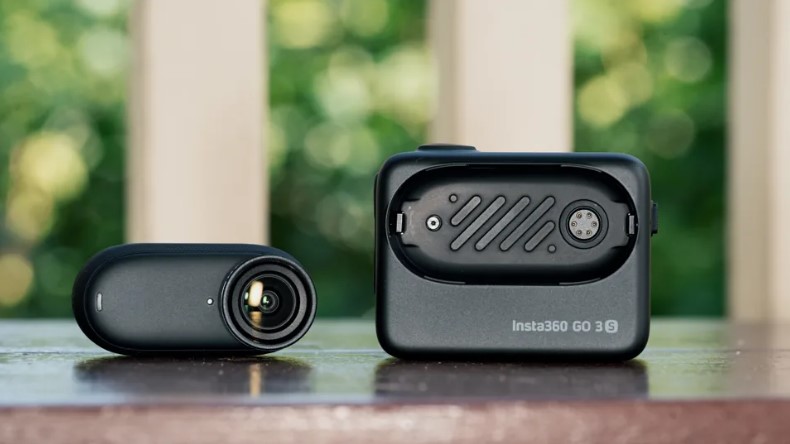
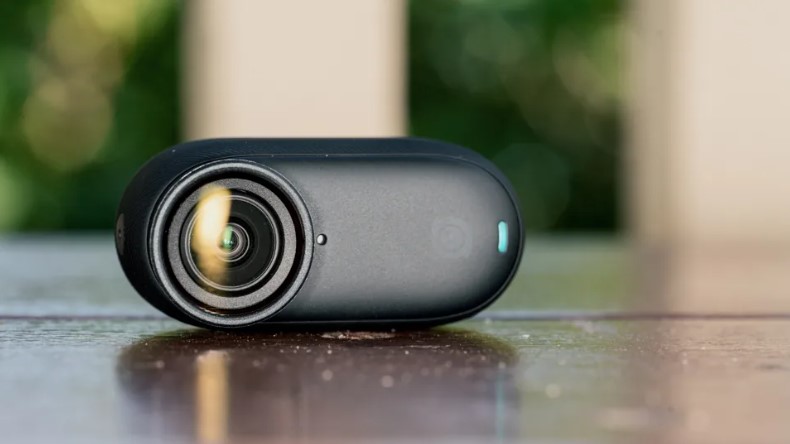
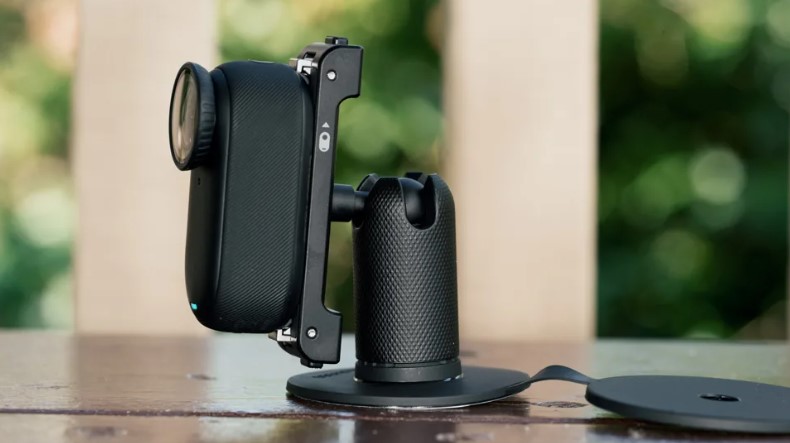
The GO 3S's elongated shape fits more naturally into shirt pockets and tight spaces. I found myself grabbing the GO 3S more often for spontaneous moments simply because it disappears into any pocket. The GO Ultra's square profile requires slightly more conscious packing but offers better mounting stability on flat surfaces.
Both cameras dock into nearly identical Action Pods featuring 2.2-inch flip touchscreens (GO 3S) and 2.5-inch screens (GO Ultra). The Action Pod transforms either camera into a traditional point-and-shoot with live preview, playback, and comprehensive settings access. The magnetic connection feels secure on both, though the GO Ultra's square design creates a more stable lock.
Build quality impresses equally across both cameras. The tough polycarbonate construction withstands drops and impacts surprisingly well for such small devices. Both handle underwater shooting to 33ft without additional housing, making them genuinely versatile for water sports.
GO Ultra or GO 3S: Owner Reviews
Real-world feedback reveals how these different approaches serve actual users:
Insta360 GO Ultra Owner Reviews:
Praises: "The low-light performance is genuinely impressive for such a tiny camera. Captured clean nighttime cityscapes that my GO 3 couldn't handle. The 4K60fps makes action shots incredibly smooth."
"Battery life finally makes sense for full-day shooting. Combined with fast charging, I can swap quickly and keep filming. MicroSD support is essential - filled three 256GB cards on a weekend trip."
***
Drawbacks: "The square shape doesn't fit everywhere my GO 3 did. Lost the thumb-sized advantage for certain mounting locations. Also noticeably heavier during extended chest mounting."
"No Easy Switch feature means manually changing orientation in settings. Coming from GO 3S, this feels like a step backward for social media content creation."
Insta360 GO 3S Owner Reviews:
Praises: "Perfect size for truly pocketable POV capture. The Easy Switch feature is genius - just twist for vertical video. Apple Find My saved me twice when I misplaced it."
"The thumb shape fits everywhere. Mounted it in places the GO Ultra physically couldn't reach. For everyday moments, the 4K30fps is plenty sharp enough."
***
Drawbacks: "Fixed storage becomes limiting on longer trips. Ran out of space twice before I could offload footage. Battery life feels short compared to newer GO Ultra."
"Low-light performance drops off noticeably at dusk. Footage gets grainy way earlier than I'd like for evening events and nighttime activities."
GO Ultra and GO 3S Alternatives
If neither Insta360 model perfectly fits your needs, consider these alternatives:
- DJI Osmo Action 5 Pro: Larger traditional action camera with 4K120fps, dual OLED screens, and superior low-light capability, though significantly bulkier than either GO camera.
- GoPro Hero 13 Black: Industry standard action camera with robust ecosystem and excellent image quality, but lacks the magnetic mounting simplicity of GO series.
The DJI Osmo Action 5 Pro delivers professional-grade imaging in a traditional action camera form factor. Its dual OLED screens enable easy framing from any angle, and 4K120fps captures incredibly smooth slow motion. However, at 145g it weighs nearly three times the GO Ultra and requires dedicated mounting systems rather than magnetic simplicity.
The GoPro Hero 13 Black remains the benchmark for traditional action cameras. Superb stabilization, extensive accessory support, and proven reliability make it the safe choice. However, it completely lacks the GO series' hands-free convenience and effortless magnetic mounting that enables unique POV angles.
Should You Buy the GO Ultra or GO 3S?
Both the Insta360 GO Ultra and GO 3S excel within their respective philosophies, making the choice dependent on your shooting priorities.
Choose the GO Ultra if you prioritize image quality and professional features. The larger sensor delivers genuinely superior low-light performance, 4K60fps enables smoother action capture, and 70-minute battery life supports extended shooting sessions. Swappable microSD storage eliminates capacity anxiety during trips. The fast charging system transforms multi-day workflows. For creators demanding maximum image quality from the smallest possible package, the GO Ultra justifies its slightly larger size.
Choose the GO 3S for maximum portability and everyday convenience. Its thumb-shaped form factor remains genuinely pocket-portable, fitting spaces the GO Ultra cannot. The Easy Switch feature streamlines vertical content creation for social media. Apple Find My integration provides peace of mind. For casual creators prioritizing spontaneous capture and simplicity over ultimate image quality, the GO 3S delivers exceptional value.
For most recreational users, the GO 3S represents the sweeter spot. Its smaller size and lighter weight make it genuinely wearable for extended periods, and 4K30fps satisfies most social media needs. The GO Ultra serves serious content creators who need professional-grade imaging and extended battery life, accepting slightly larger dimensions for meaningful performance gains. Both cameras deliver remarkable capability in impossibly small packages - your choice depends on whether you prioritize ultimate portability or maximum performance.

Jim's our tech geek with a mission since February 2023. From movies to video projectors, he knows his stuff and aims to make tech work for you. When he's not geeking out, he's there to guide you through making savvy decisions.


