Best 360 Action Cameras
360 camera buyers consistently underestimate one thing: the gap between raw resolution and actually usable footage after reframing. An 8K sphere sounds impressive until you crop into it for a standard 16:9 export and realize the effective resolution of your final clip is closer to what a mid-range action cam delivers natively.
I took three of the leading 360 cameras through a month of active use - mountain biking, kayaking, and urban cycling - specifically testing how each one performs at the reframing stage, not just at capture. Stabilization quality, dynamic range in mixed light, and the editing software's reframing tools turned out to matter as much as the lens hardware itself, and that combination reshuffled my rankings significantly.
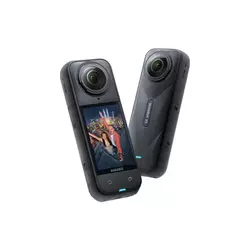
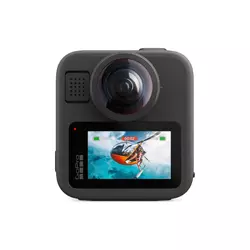
If you're in a hurry, here are my top two picks:
We may earn a small commission if you buy via our links - it helps keep gagadget.com running.
Table of Contents:
- Best 360 Action Camera: Complete Guide
- Top 5 360 Cameras in 2026
- 360 Action Camera Comparison
- Insta360 X5
- GoPro MAX 2
- DJI Osmo 360
- Insta360 X4
- Kandao QooCam 3 Ultra
- 360 Action Cameras: FAQ
Best 360 Action Camera: Complete Guide
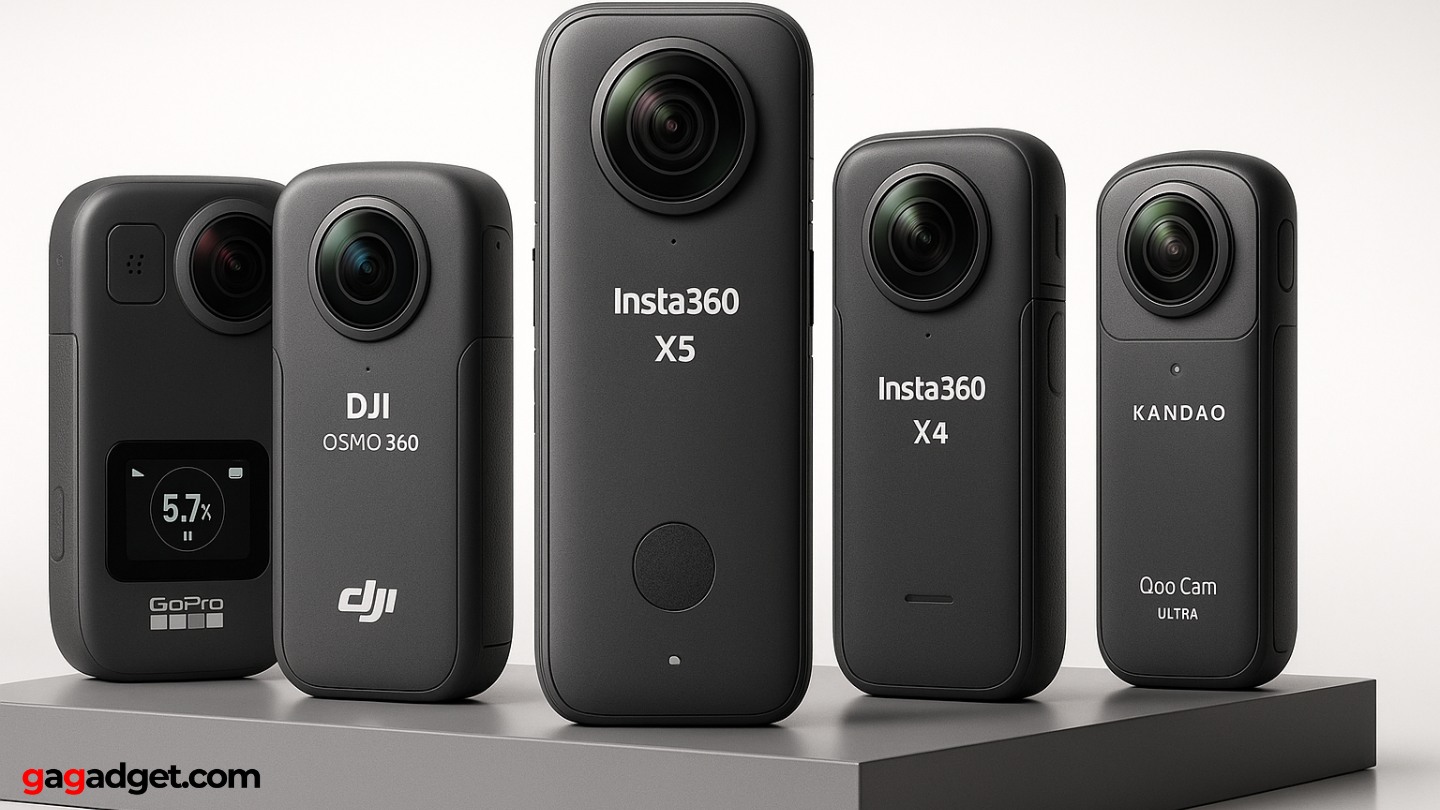
Selecting the right model requires understanding how these devices differ fundamentally from traditional action cameras. The technology involves unique considerations that directly impact both capture quality and post-production workflow.
Resolution and Sensor Size: The Foundation of Image Quality
True 8K recording has become the baseline for premium 360 cameras, but the number alone tells an incomplete story. Sensor size determines how much light reaches the imaging chip, directly affecting dynamic range and low-light performance. Cameras using dual 1/1.28" or larger sensors capture noticeably cleaner footage in challenging conditions compared to smaller 1/2" sensors.
Remember that 360 video spreads resolution across the entire sphere: 8K footage yields roughly 2K quality when viewing any single direction after reframing.
The stitching algorithm matters as much as raw resolution. Manufacturers use different approaches to blend the two lenses' footage, and some preserve more usable detail than others. GoPro emphasizes its overlap strategy, while Insta360 focuses on adaptive processing that adjusts to scene content.
Stabilization Systems: Keeping Horizons Level
Stabilization technology separates amateur-looking footage from professional results. Modern systems combine electronic stabilization with horizon-locking algorithms that keep the viewing plane level regardless of camera orientation. This proves particularly valuable for helmet mounting, where head movements would otherwise create disorienting footage.
FlowState, HyperSmooth, and similar proprietary systems work remarkably well, but they crop into the sensor to create stabilization headroom. This trade-off means you're not using the full resolution advertised on the spec sheet. Higher-end models minimize this crop through larger sensors or more sophisticated processing.
Lens Protection and Durability
The exposed dual-lens design creates vulnerability that traditional cameras avoid. Front elements protrude significantly, making contact damage inevitable during active use. The difference between replaceable lens guards and fixed lenses determines whether minor damage means a $20 fix or camera retirement.
User-replaceable protection has become essential for any action-focused use after testing cameras in real-world conditions.
Waterproofing without additional housing has become standard, with ratings typically ranging from 5 to 15 meters. This built-in protection enables spontaneous water activities without planning ahead for specific cases, though serious diving still requires dedicated housings that address underwater stitching challenges.
Battery Performance and Recording Duration
Power consumption during 8K capture remains the limiting factor for extended shooting. Most cameras provide 60-90 minutes of continuous recording at maximum quality, with heat management often stopping recording before battery depletion. Recent innovations like endurance modes and larger battery options have pushed some models past the two-hour mark.
Consider your typical shooting patterns when evaluating battery specifications. Short burst recording for action sports differs dramatically from all-day travel documentation. Swappable batteries provide flexibility, though changing them interrupts captures and risks missing decisive moments.
Post-Production Workflow and Software Ecosystem
The reframing process defines your creative control after capture. Manufacturer apps range from intuitive mobile solutions to desktop powerhouses with timeline precision. Insta360's Shot Lab and AI tracking automate common tasks, while GoPro's Reframe tools integrate seamlessly with traditional editing software.
Export options determine compatibility with social platforms and professional workflows. Native support for flat videos, VR formats, and direct platform uploads streamlines sharing, while log profiles and high-bitrate codecs serve advanced color grading needs.
Top 5 360 Cameras for Immersive Action in 2026
These five models represent the current leaders in 360 capture technology, each addressing specific priorities while maintaining excellent baseline performance across various shooting scenarios.
- Dual 1/1.28" sensors deliver superior dynamic range
- Nearly 2-hour 8K recording with Endurance Mode
- User-replaceable lens guards without calibration
- IP68 waterproof to 15 meters without case
- Comprehensive app ecosystem with AI tools
- 72MP photo resolution with excellent detail
- True 8K preserves more usable resolution detail
- Tool-free lens replacement in seconds
- Six-mic array with external mic support
- GP-Log 10-bit recording up to 300 Mbps
- Extensive GoPro accessory compatibility
- Proven reliability and durability
- Exceptional low-light performance via large sensors
- 10-bit D-Log M for professional color grading
- OsmoAudio direct microphone connection
- 100-minute continuous 8K recording time
- Magnetic quick-release mounting system
- 120MP photo resolution with excellent detail
- Excellent value with most flagship features
- Tempered-glass screen resists damage
- 135-minute battery life for extended shooting
- Easy-swap lens guards without calibration
- Live streaming through mobile app
- Comprehensive accessory ecosystem
- Outstanding value with 8K and 10-bit recording
- Bright f/1.6 aperture improves light gathering
- USB-C and Bluetooth audio flexibility
- 14-bit DNG raw for photo enthusiasts
- Built-in GPS for travel documentation
- 96MP photo resolution with DR Boost
360 Action Camera Comparison
This detailed specification comparison highlights the key technical differences between leading 360 action cameras:
| Specification | Insta360 X5 | GoPro MAX 2 | DJI Osmo 360 | Insta360 X4 | Kandao QooCam 3 Ultra |
| 360 Video Resolution | 8K/30fps, 5.7K/60fps | 8K/30fps (up to 300 Mbps) | 8K/30fps native | 8K/30fps, 5.7K/60fps | 8K/30fps, 5.7K/60fps |
| Single-Lens Mode | Up to 4K/120fps | 180° up to 4K/60fps | 4K/120fps, 170° Boost | 4K wide-angle | 4K/60fps |
| Photo Resolution | 72MP | 29MP | 120MP | 72MP | 96MP |
| Sensor Size | Dual 1/1.28" | Not specified by manufacturer | Large "1-inch 360 imaging" | Dual 1/2" 48MP class | Dual 1/1.7" |
| Waterproof Rating | IP68, 15m (49ft) | 5m (16ft) | IP68, 10m | 10m (33ft) | 10m |
| Battery Life (8K) | Nearly 2 hours (Endurance Mode) | ~66 minutes | Up to 100 minutes continuous | ~135 minutes | Continuous 8K capability |
| Recording Format | Standard + PureVideo | 10-bit, GP-Log via Labs | 10-bit, D-Log M | Standard | 10-bit HLG, 14-bit DNG |
| Lens Protection | User-replaceable guards | Twist-and-go replaceable | Fixed (protectors recommended) | Easy-swap guards | Not user-replaceable |
| Special Features | AdaptiveTone, Ultra Battery option, FlowState + Horizon Lock | 6-mic array, Bluetooth mic, GPS, Quik AI reframing | OsmoAudio direct mic, SuperNight, magnetic quick-release | Invisible selfie stick, tempered-glass screen, live streaming | f/1.6 aperture, USB-C & Bluetooth audio, GPS, DR Boost |
Each camera targets different user priorities within the 360 capture category, from professional features to budget-conscious value.
Insta360 X5 Review
Best Overall
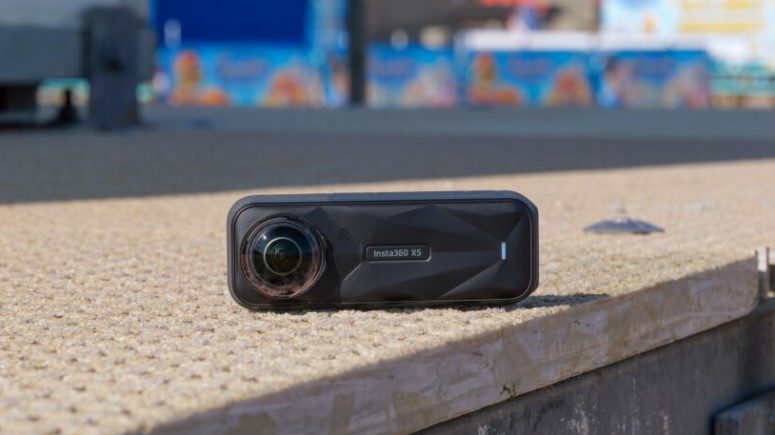
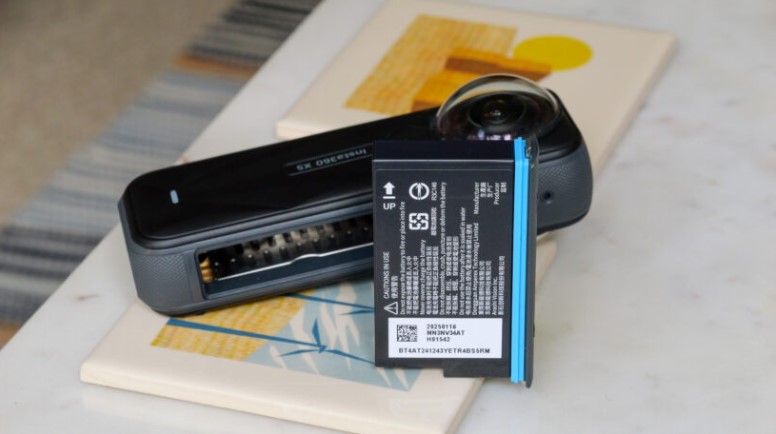
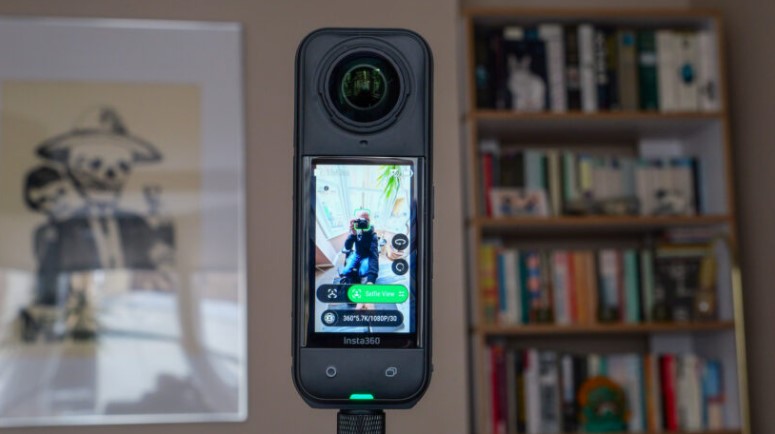
The Insta360 X5 represents the current pinnacle of consumer 360 technology, combining professional-grade image quality with practical features that address real-world shooting challenges. The dual 1/1.28" sensors deliver noticeably better dynamic range than smaller competitors, particularly evident when reviewing footage captured during sunrise rides where highlights and shadows coexist.
True 8K/30fps capture provides the resolution headroom necessary for aggressive reframing without quality degradation. The 4K/120fps single-lens mode serves action sequences where 360 coverage isn't necessary but high frame rates enable dramatic slow-motion. FlowState stabilization combined with Horizon Lock creates footage that appears gimbal-mounted regardless of mounting location.
User-replaceable lens guards solve the durability problem that has historically limited 360 camera lifespan. After scratching the front element during a bike crash, replacing the $20 guard took less than a minute without tools or calibration. This practical design choice transforms the camera from a fragile gadget into a genuine tool for rough use.
The IP68 rating with 15-meter waterproofing exceeds most competitors, enabling snorkeling and pool activities without additional housing. The optional Invisible Dive Case extends capabilities for proper scuba documentation. Endurance Mode represents a significant advancement for battery performance, pushing 8K recording duration near two hours on a single charge.
Deep Track subject following works reliably across most scenarios, maintaining focus on designated subjects through complex movements and partial occlusions. The AI-powered reframing tools in the mobile app produce usable edits within minutes, though the desktop Studio software provides more precise timeline control for professional workflows.
Pros:
- Dual 1/1.28" sensors deliver superior dynamic range
- Nearly 2-hour 8K recording with Endurance Mode
- User-replaceable lens guards without calibration
- IP68 waterproof to 15 meters without case
- Comprehensive app ecosystem with AI tools
- 72MP photo resolution with excellent detail
Cons:
- Large sensor size increases overall camera bulk
- Requires learning curve for full feature utilization
Summary: The Insta360 X5 delivers the most complete 360 capture experience available, combining professional image quality with practical durability features. Its extended battery life, replaceable protection, and sophisticated stabilization make it ideal for serious content creators and active users who demand reliability alongside image excellence.
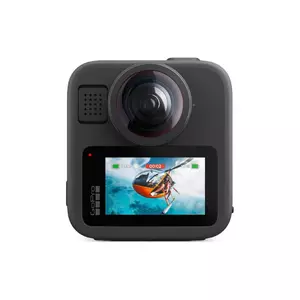
GoPro MAX 2 Review
Editor's Choice
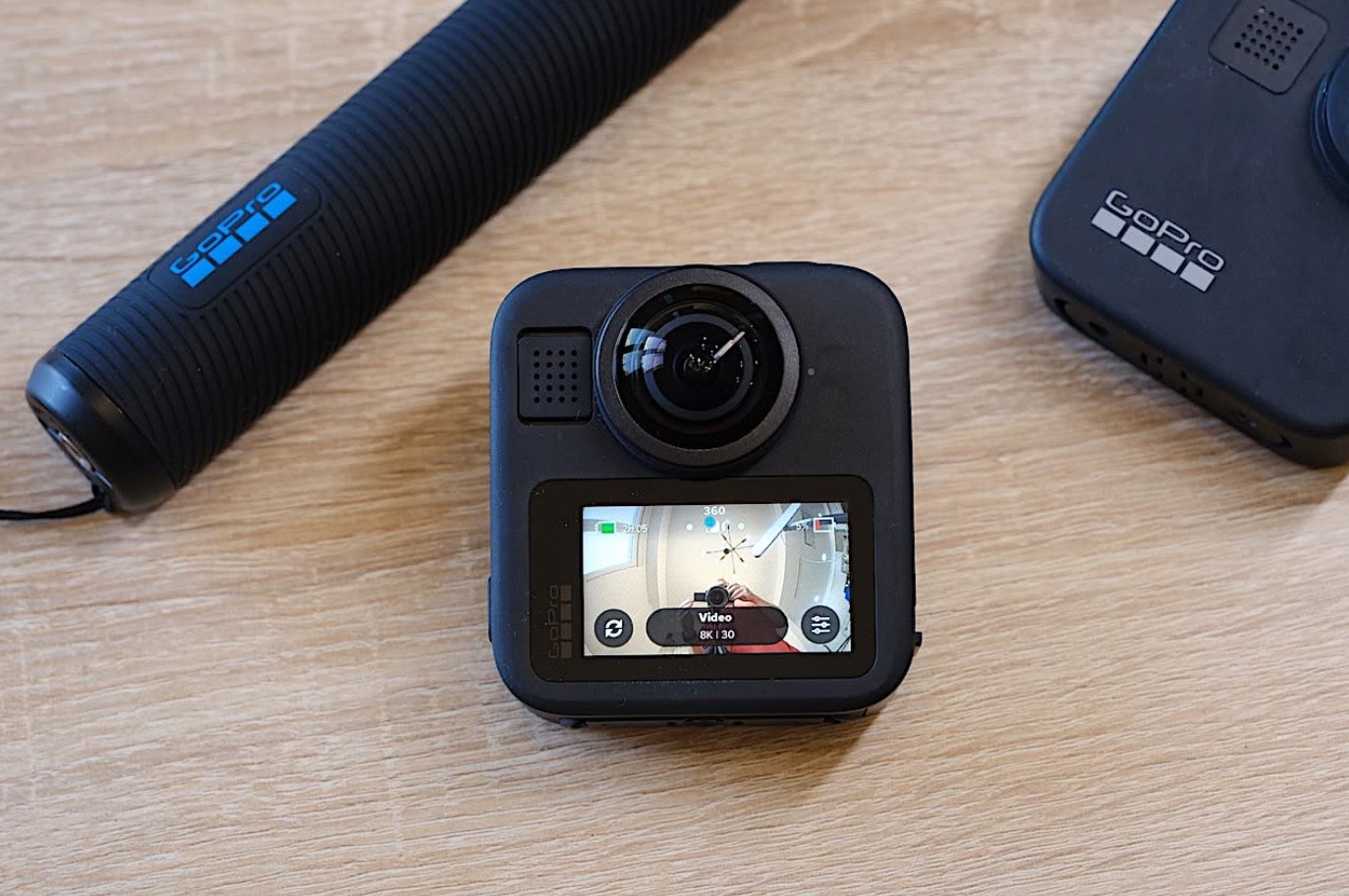
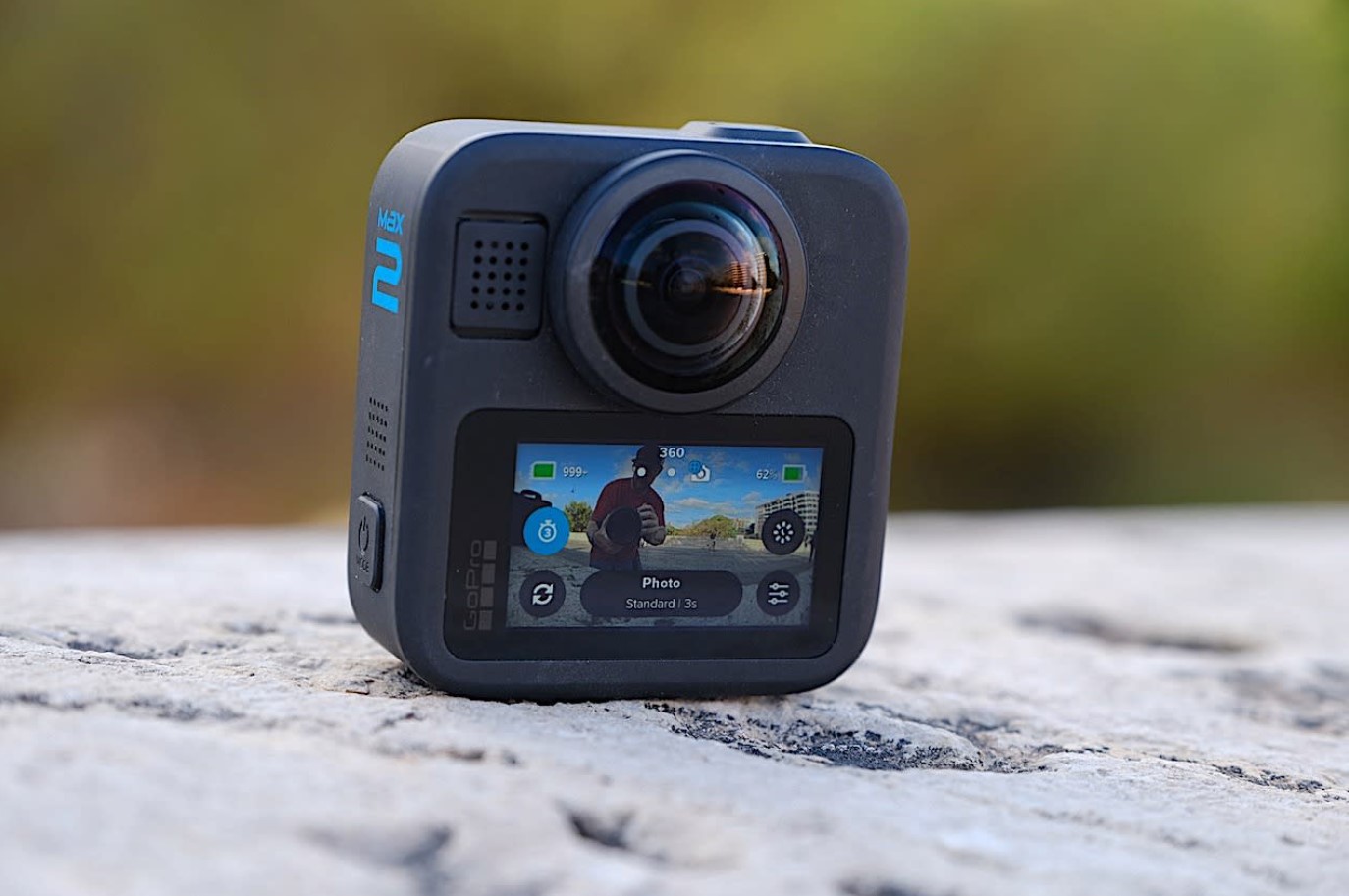
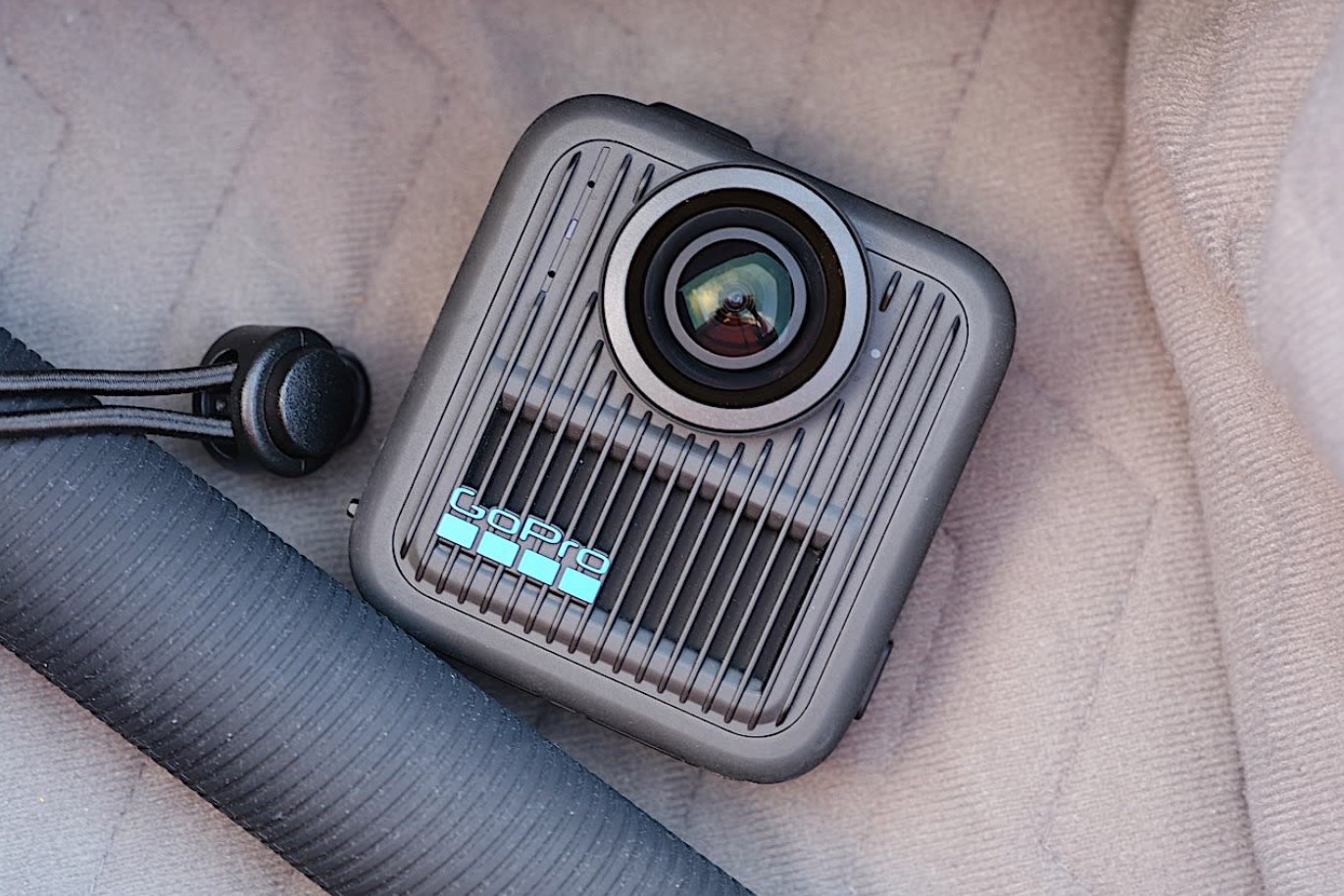
The GoPro MAX 2 brings the company's legendary action camera reliability and ecosystem to the immersive action camera category. This represents a complete redesign rather than incremental improvement, incorporating lessons from the Hero line while addressing the original MAX's limitations.
"True 8K" capture reflects GoPro's emphasis on usable resolution rather than marketing numbers. The overlap strategy and sensor readout preserve approximately 16-21% more detail than competing approaches, resulting in noticeably sharper footage when cropped during reframing. This quality advantage becomes apparent when comparing side-by-side exports at identical frame positions.
The twist-and-go lens replacement system eliminates tools and calibration requirements, making field repairs practical during multi-day adventures. Replacement lenses cost less than protective filters for traditional cameras. Six-microphone array with Bluetooth mic support provides professional audio options that most 360 cameras lack.
Wind noise reduction works effectively during cycling, while the external mic connection enables lavalier or shotgun microphones for interview-style content. GP-Log recording via GoPro Labs unlocks 10-bit color depth with up to 300 Mbps bitrate, serving professional workflows that require extensive color grading.
The 1.82-inch touchscreen represents a significant improvement over the original MAX's small display. Menu navigation and shot preview work intuitively, reducing the need to constantly check framing via smartphone. Combined with voice control in multiple languages, the interface enables operation while wearing gloves or during activities where phone access proves impractical.
Quik app integration provides AI-powered editing that automatically identifies highlights and generates sharable clips. While not as comprehensive as Insta360's Shot Lab, the automated workflows produce acceptable results for users wanting quick social media posts without manual editing investment.
Pros:
- True 8K preserves more usable resolution detail
- Tool-free lens replacement in seconds
- Six-mic array with external mic support
- GP-Log 10-bit recording up to 300 Mbps
- Extensive GoPro accessory compatibility
- Proven reliability and durability
Cons:
- Battery life shorter than top competitors
- 5-meter waterproofing less than X5's 15-meter rating
Summary: The GoPro MAX 2 excels for users already invested in the GoPro ecosystem who want 360 capabilities without abandoning familiar workflows. Its emphasis on durability, audio quality, and professional recording formats makes it particularly suitable for action sports documentation and serious content creation.
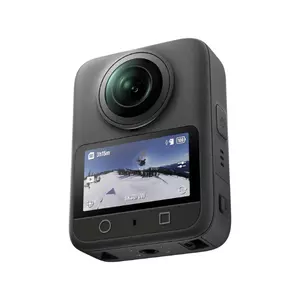
DJI Osmo 360 Review
Low-Light Leader
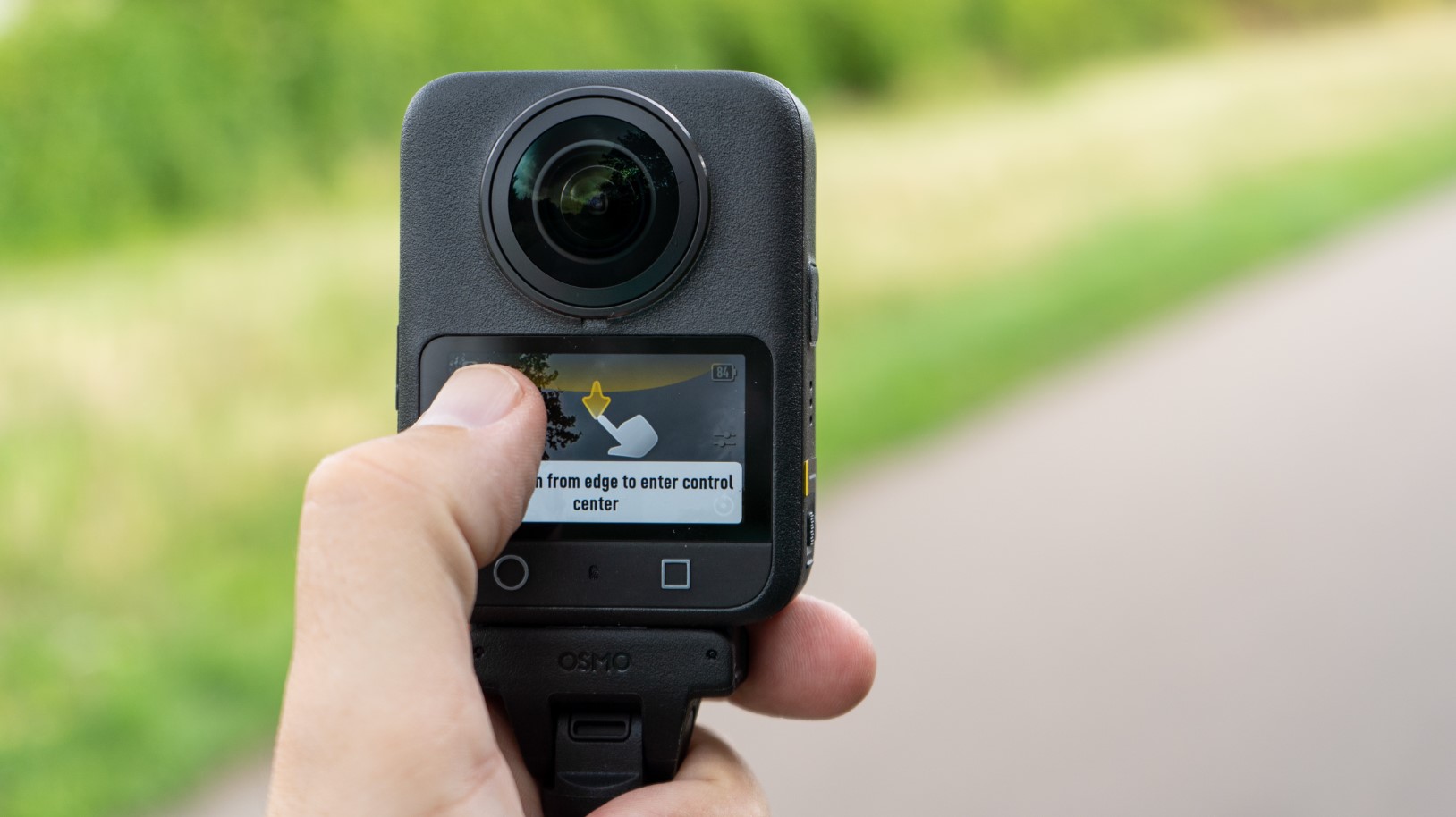
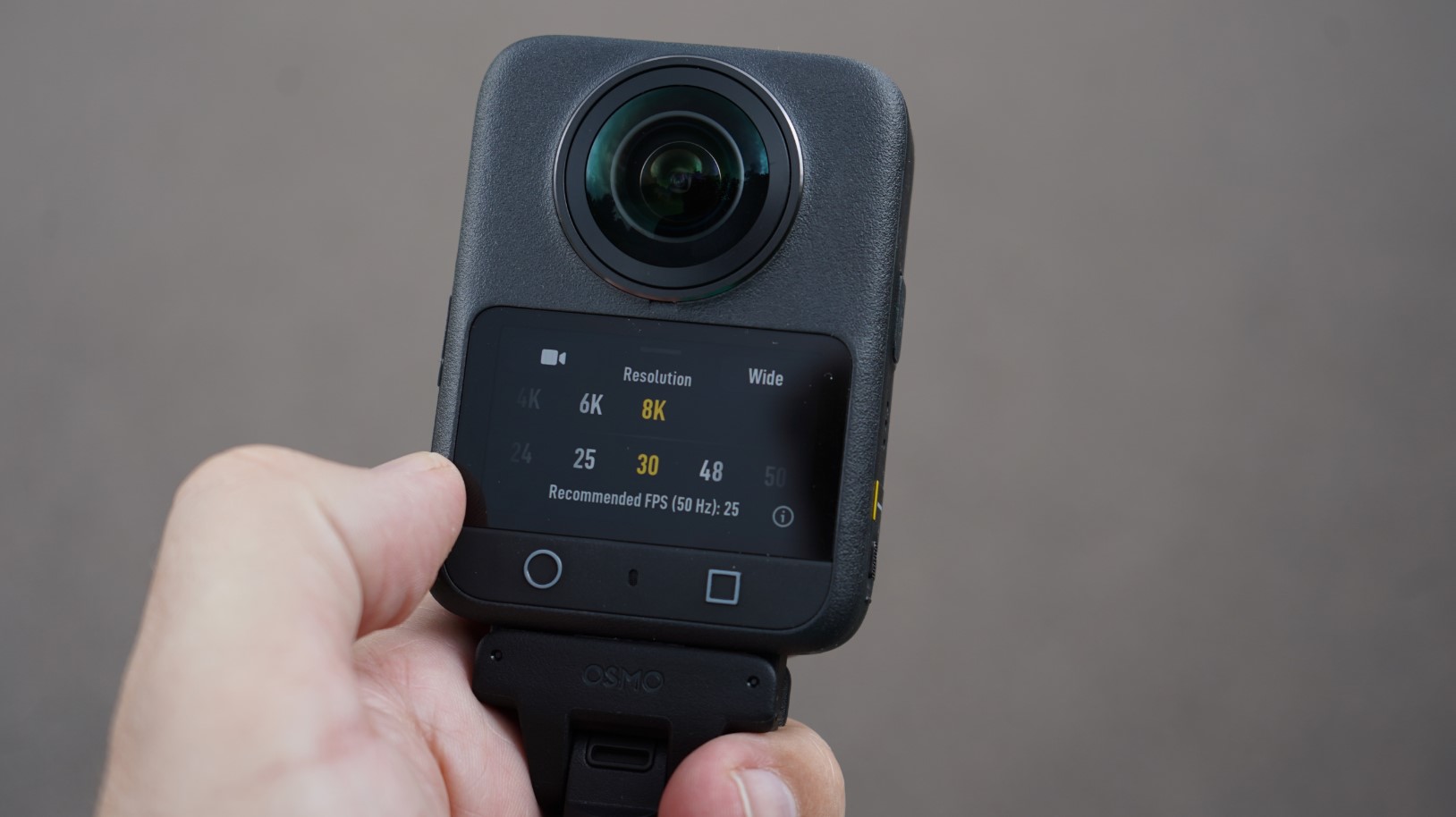
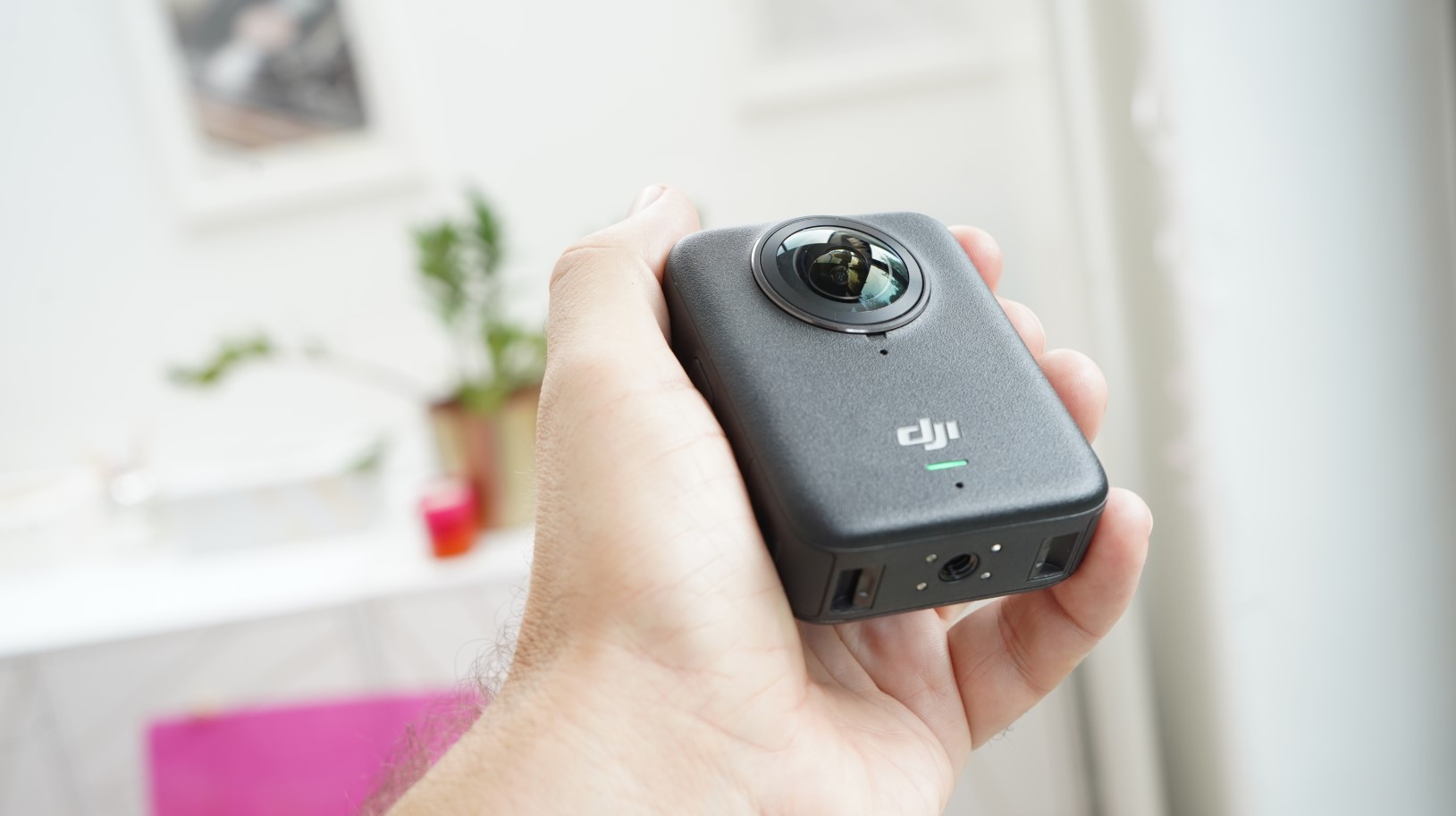
The DJI Osmo 360 marks the company's entry into 360 capture with a specification sheet that immediately challenged established competitors. The "1-inch 360 imaging" marketing term refers to dual large-format sensors that dramatically improve low-light performance compared to typical action camera chips.
SuperNight mode transforms challenging lighting situations into usable footage. Testing at dusk and after dark revealed the Osmo 360 maintained color accuracy and reduced noise that turned competitors' footage into unusable grain. This capability extends shooting hours beyond the golden hour limitations that typically restrict outdoor filming.
Native 8K recording with 10-bit color depth and D-Log M provides professional color grading flexibility that matches DJI's cinema camera offerings. The log profile preserves highlight and shadow detail that standard profiles clip, enabling dramatic tonal adjustments during post-production. For users already working with DJI drones or Osmo Action cameras, the color science matches seamlessly.
OsmoAudio with direct microphone connection delivers clean audio capture through wired connections that avoid Bluetooth compression. The system supports DJI's wireless microphone ecosystem, providing broadcast-quality sound recording that elevates production value. However, the internal microphones trail competitors for wind rejection unless paired with external mics.
The magnetic quick-release mounting system integrates with DJI's broader accessory lineup, providing fast attachment changes without threading or clips. DJI Mimo mobile app and Studio desktop software maintain the company's reputation for polished editing interfaces. The learning curve remains minimal for users familiar with other DJI products.
The fixed lens design represents the primary practical limitation. Unlike Insta360 and GoPro's replaceable systems, lens damage requires factory service rather than user replacement. This vulnerability necessitates aftermarket protectors for active use, adding bulk and potential image quality compromises.
Pros:
- Exceptional low-light performance via large sensors
- 10-bit D-Log M for professional color grading
- OsmoAudio direct microphone connection
- 100-minute continuous 8K recording time
- Magnetic quick-release mounting system
- 120MP photo resolution with excellent detail
Cons:
- Fixed lenses not user-replaceable
- Internal mic wind handling needs improvement
- Software lacks some competitor AI features
Summary: The DJI Osmo 360 dominates low-light scenarios where other cameras struggle, making it ideal for sunset/sunrise activities and indoor documentation. Its professional recording formats and audio capabilities serve content creators who prioritize image quality and color science over maximum ruggedness.
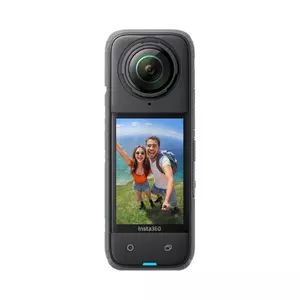
Insta360 X4 Review
Bestseller
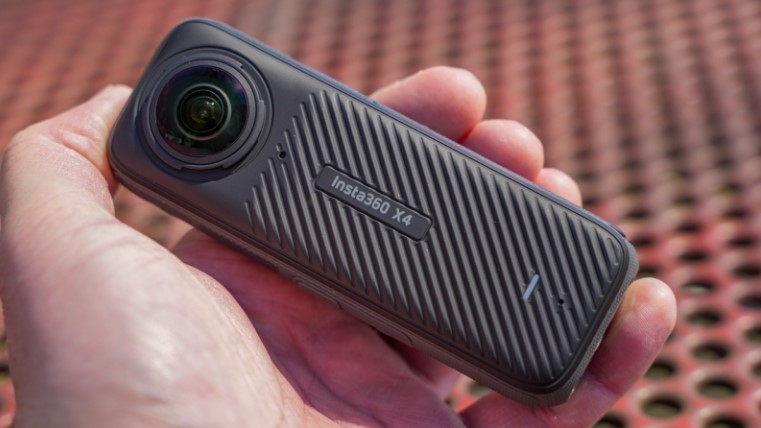
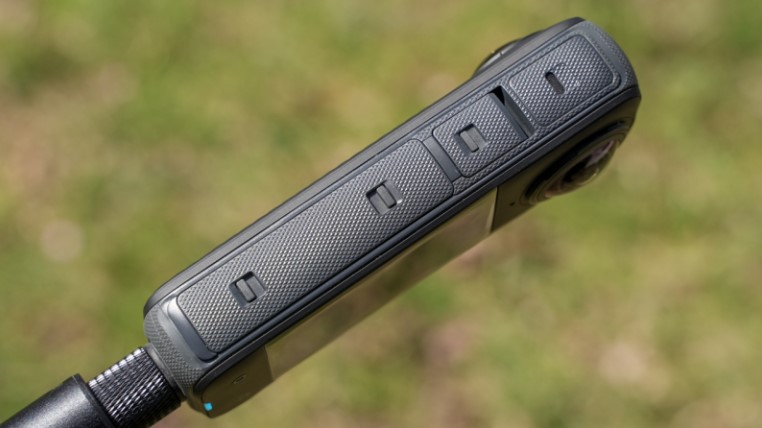
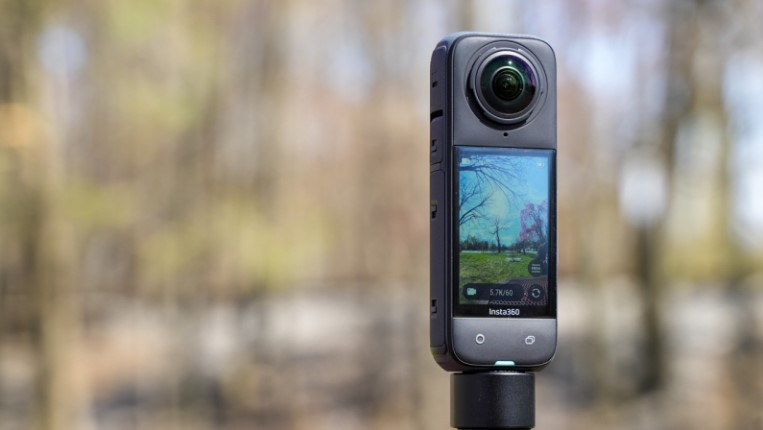
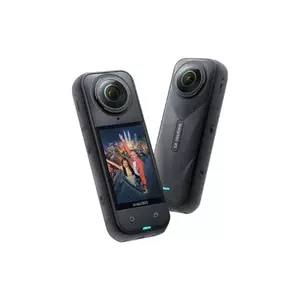
The Insta360 X4 occupies the sweet spot between capability and value, delivering most of the X5's features at a significantly lower price point. This camera has become the default recommendation for users entering 360 capture or upgrading from earlier generations.
8K/30fps recording matches premium competitors' baseline quality, while 5.7K/60fps provides higher frame rates for smoother motion during reframing. The dual 1/2" 48MP sensors produce clean footage across most lighting conditions, though they lack the dynamic range advantages of the X5's larger chips. For typical outdoor use, the quality difference remains minimal.
The 2.51-inch tempered-glass touchscreen withstands impacts that would shatter regular displays. The screen remained pristine without protective films through numerous drops and bumps. This durability extends to the overall build quality, which feels substantial despite the relatively compact dimensions.
Easy-swap lens guards maintain Insta360's practical approach to protection. The replacement process takes seconds without tools, and guard availability through multiple retailers prevents supply concerns. The invisible selfie stick effect remains one of 360 capture's most magical features, automatically removing extension poles from footage through intelligent stitching.
135-minute battery life exceeds most competitors' standard batteries, providing confidence for extended shooting sessions. The battery charges via USB-C, enabling power bank charging during brief stops. Live streaming capability opens real-time sharing possibilities for events and adventures through the mobile app.
Pros:
- Excellent value with most flagship features
- Tempered-glass screen resists damage
- 135-minute battery life for extended shooting
- Easy-swap lens guards without calibration
- Live streaming through mobile app
- Comprehensive accessory ecosystem
Cons:
- Smaller sensors limit dynamic range
- Lacks X5's endurance mode and AdaptiveTone
- 10-meter waterproofing less than X5's 15 meters
Summary: The Insta360 X4 delivers 90% of the X5's capabilities at roughly 60% of the cost, making it the logical choice for most users. Its combination of image quality, battery life, and proven durability addresses the majority of 360 capture needs without premium pricing.
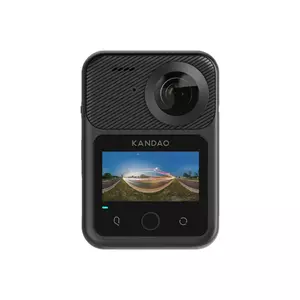
Kandao QooCam 3 Ultra Review
Best Budget
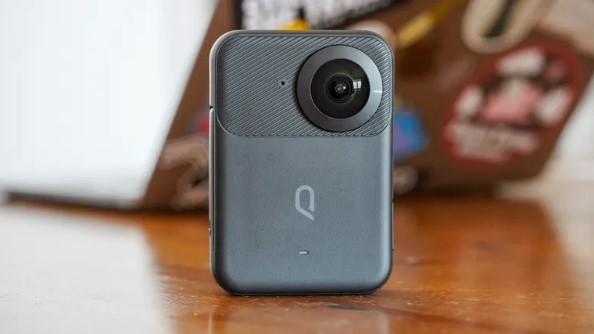
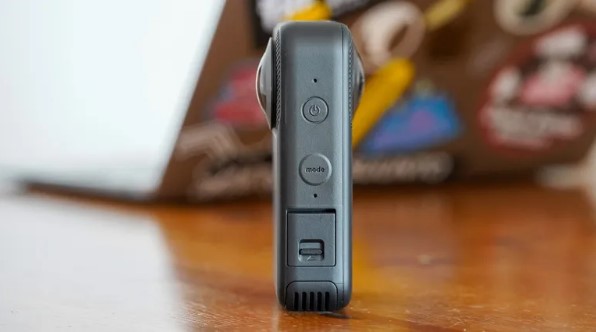
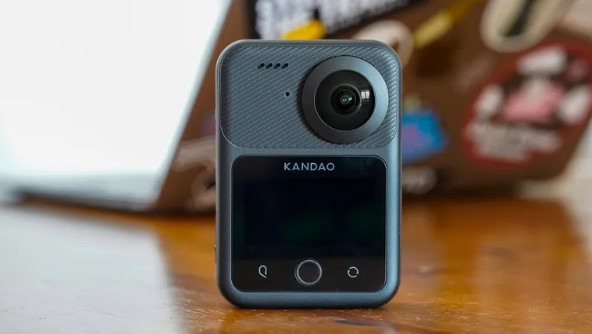
The Kandao QooCam 3 Ultra delivers surprisingly professional specifications at pricing that undercuts established competitors by 30-40%. This camera proves that budget-focused doesn't require sacrificing fundamental capabilities or image quality.
8K/30fps and 5.7K/60fps recording match more expensive cameras' baseline modes. The dual 1/1.7" sensors with f/1.6 aperture provide solid low-light performance, though not approaching the DJI Osmo 360's large-sensor capabilities. For typical outdoor and indoor shooting, the image quality satisfies most users' expectations without obvious compromises.
10-bit HLG recording with 14-bit DNG raw stills provides professional workflow options rarely found in budget cameras. The color depth enables substantial post-production adjustments without banding or posterization, while raw photo capture preserves maximum detail for serious still photography. DR Boost mode extends dynamic range during high-contrast scenes.
The f/1.6 aperture represents the widest available in current 360 cameras, gathering more light than typical f/2.0 or f/2.8 designs. This optical advantage improves low-light video and enables faster shutter speeds in bright conditions, reducing motion blur during action sequences.
USB-C digital audio and Bluetooth microphone support provide connection flexibility that premium cameras often lack. Built-in GPS embeds location metadata for travel documentation and mapping applications. Combined with 96MP photo resolution, the camera serves travel photography needs alongside video capture.
The app interface and third-party mounting ecosystem trail Insta360 and GoPro's polish. While functional, the software feels less refined during complex editing tasks, and accessory availability requires more searching than mainstream alternatives.
Pros:
- Outstanding value with 8K and 10-bit recording
- Bright f/1.6 aperture improves light gathering
- USB-C and Bluetooth audio flexibility
- 14-bit DNG raw for photo enthusiasts
- Built-in GPS for travel documentation
- 96MP photo resolution with DR Boost
Cons:
- App interface less polished than competitors
- Limited third-party accessory availability
- Video low-light trails X5 and Osmo 360
Summary: The Kandao QooCam 3 Ultra provides remarkable specifications at budget pricing, making 8K 360 capture accessible to users who can't justify premium camera costs. While software and accessories lag market leaders, the core image quality and professional recording formats deliver genuine value.
360 Action Cameras: Frequently Asked Questions
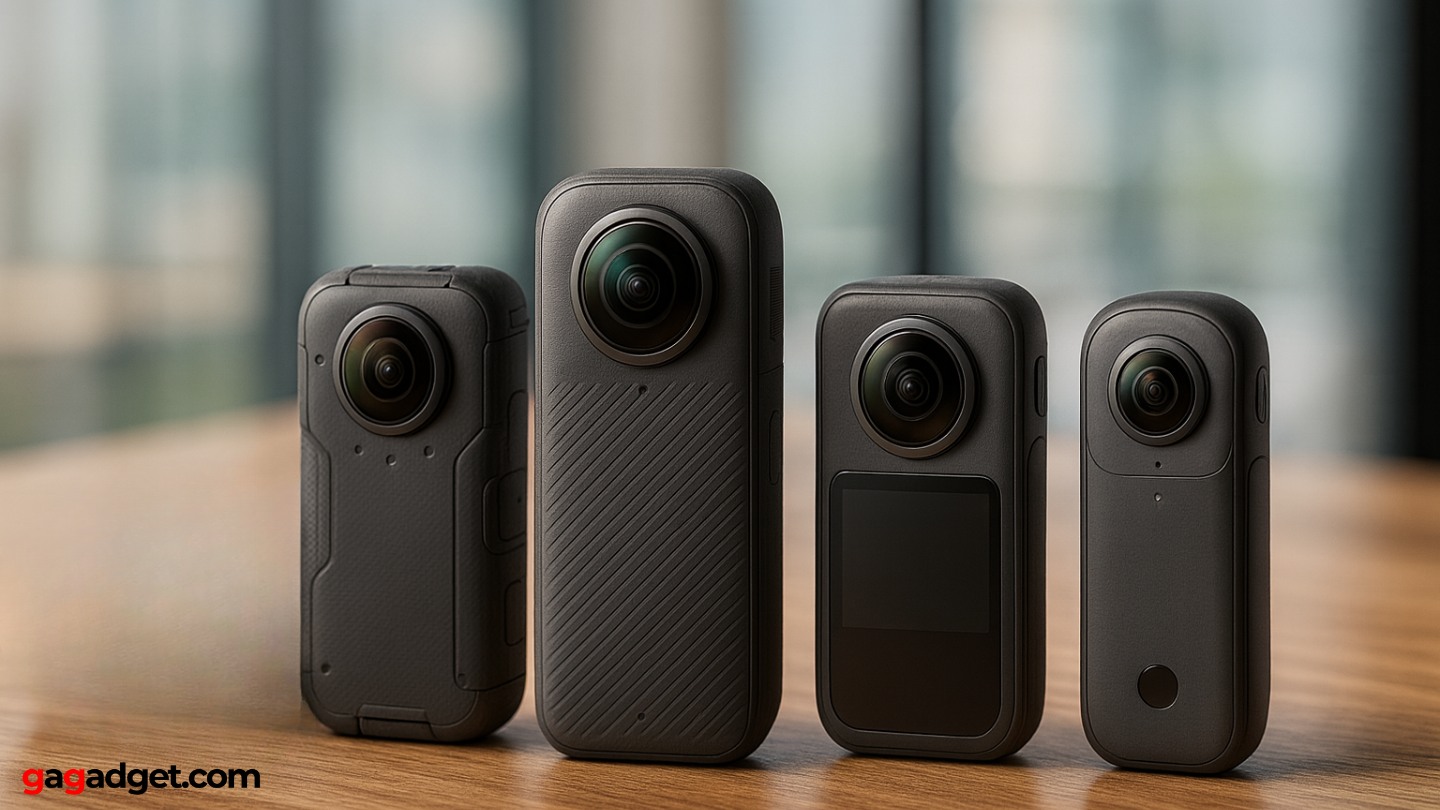
Several questions consistently emerge when people consider their first 360 camera purchase or upgrade from traditional action cameras.
What makes 360 cameras different from traditional action cameras?
Traditional action cameras capture only what they're pointed at, requiring precise framing during shooting. The 360 video camera action approach records everything simultaneously, enabling you to choose framing during editing rather than while filming. This eliminates missed shots caused by poor aim, though it requires more storage and processing power. The post-production reframing workflow becomes essential rather than optional, as raw 360 footage needs direction selection before creating standard videos.
How much storage space do I need for 360 video?
8K 360 recording consumes approximately 120-180GB per hour depending on bitrate and compression settings. A 256GB memory card holds roughly 90 minutes of maximum-quality footage, making 512GB or 1TB cards practical for serious use. High-speed V60 or V90 cards maintain consistent write speeds during long clips. Budget extra storage for backup copies, as losing 360 footage means losing every possible angle from that shoot.
Can I use 360 cameras for regular action footage?
Most modern 360 cameras include single-lens modes that function like traditional action cameras, typically recording up to 4K/120fps. While convenient for situations not requiring full spherical coverage, image quality trails dedicated action cameras due to sensor compromises. Single-lens mode works well for high-speed action sequences or when battery conservation matters, reverting to 360 mode when framing uncertainty or post-production flexibility takes priority.
Do I need special software to edit 360 footage?
Manufacturer apps handle basic reframing and exports to standard video formats, making specialized software unnecessary for most users. Insta360, GoPro, and DJI provide both mobile and desktop applications that simplify the workflow from import through social media sharing. Advanced users can work with raw 360 files in Adobe Premiere, Final Cut Pro, or DaVinci Resolve using plugins, though the learning curve steepens significantly.
How does stabilization work differently in 360 cameras?
Electronic stabilization in 360 cameras leverages the complete spherical capture to maintain horizon lock and smooth motion regardless of camera orientation. The system can digitally rotate the entire sphere to keep chosen viewing directions stable, providing gimbal-like results without mechanical components. This advantage becomes particularly noticeable during activities with random rotational movement like mountain biking or skiing, where traditional stabilization systems struggle.
Are 360 cameras worth it for casual users?
The value depends on whether the unique capabilities justify the learning curve and workflow changes. Families documenting vacations benefit from never missing important moments off-camera, while solo adventurers appreciate automatic third-person perspectives without camera operators. However, if you're satisfied with traditional action camera results and don't want to learn new editing approaches, a standard action camera might serve you better. The Insta360 X4 offers a good starting point if you're curious but uncertain about commitment.
Choosing Your Perfect 360 Camera: Final Thoughts
The technology has proven itself beyond novelty status after months of testing across diverse scenarios, from mountain biking and motorcycling to travel documentation and family events. Each camera in this guide serves specific priorities while maintaining baseline quality that produces shareable content.
For users wanting the absolute best image quality and longest battery life, the Insta360 X5 justifies its premium pricing through superior sensors and endurance capabilities. The GoPro MAX 2 appeals to those already invested in GoPro's ecosystem who value durability and professional audio options.
Low-light specialists should consider the DJI Osmo 360 for its large-sensor advantages, while the Insta360 X4 remains the sensible choice for most users seeking capability without premium pricing. Budget-conscious buyers will find the Kandao QooCam 3 Ultra delivers remarkable value despite minor software limitations.
The shift from traditional framing to post-capture direction selection fundamentally changes how you approach filming. Rather than worrying about composition during the moment, you focus on positioning the camera effectively and let editing handle the storytelling. This freedom to explore angles after the fact eliminates the anxiety of missing decisive moments because you were pointing the wrong direction.

Meet James, our go-to tech guru and seasoned reviewer. His sharp attention to detail and love for gadgets drive his deep dives into the newest tech waves. James's insightful analysis and real zest for breakthroughs have earned him a solid reputation in the tech world.


