Xiaomi 14T Pro vs Poco F7 Ultra: Comparison
Hey there! Today I'm comparing two powerhouse smartphones that share DNA but take different paths: the Xiaomi 14T Pro and the Poco F7 Ultra. Both deliver flagship performance with cutting-edge specs, but they cater to distinctly different priorities when it comes to cameras, displays, and overall user experience.
I've been living with both phones for several weeks, pushing them through intensive gaming sessions, photography challenges, and daily productivity tasks. In this comprehensive head-to-head, I'll reveal which phone delivers the better overall experience for your specific needs. Let's dive into this clash of titans!
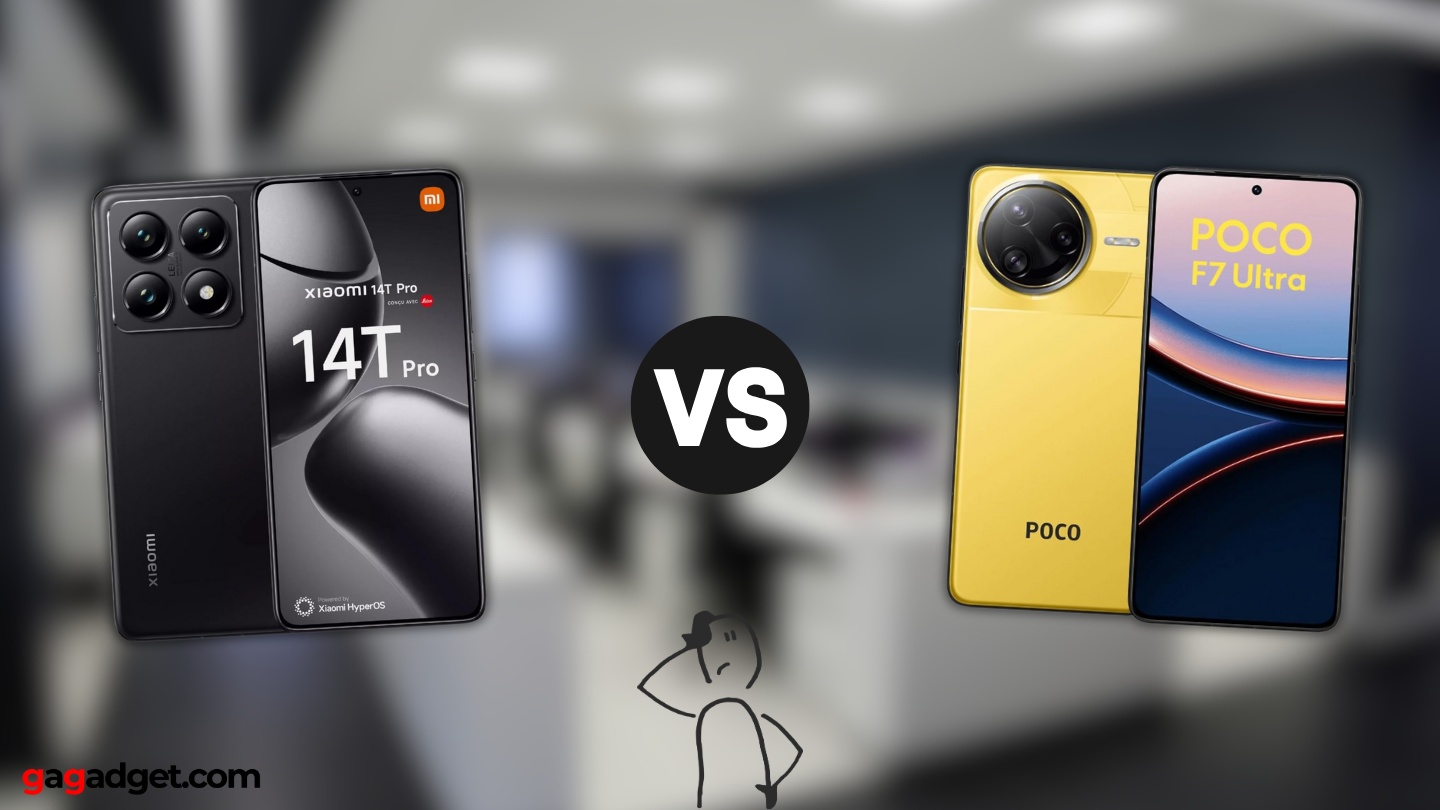
Xiaomi 14T Pro & Poco F7 Ultra. Source: Canva
Xiaomi 14T Pro vs Poco F7 Ultra: Quick Overview
Here's what you need to know upfront: The Xiaomi 14T Pro and Poco F7 Ultra both pack MediaTek Dimensity 9300+ processors and deliver exceptional performance. The 14T Pro focuses on camera prowess with a Leica-tuned triple camera system featuring a 50MP main sensor and 120W HyperCharge. The F7 Ultra prioritizes display excellence with a 6.67-inch 1.5K AMOLED screen reaching 4000 nits peak brightness, plus 90W turbo charging and massive 6000mAh battery.
For most users, I recommend the Xiaomi 14T Pro. Its superior camera system with Leica collaboration, faster 120W charging, and 144Hz display make it ideal for photography enthusiasts and power users who value speed. However, choose the Poco F7 Ultra if you prioritize maximum battery capacity, need up to 1TB storage options, and prefer aggressive value with flagship specs.
Table of Contents:
- Xiaomi 14T Pro vs Poco F7 Ultra: Full Comparison
- Poco F7 Ultra vs Xiaomi 14T Pro: Design
- Xiaomi 14T Pro or Poco F7 Ultra: Owner Reviews
- Xiaomi 14T Pro and Poco F7 Ultra Alternatives
Xiaomi 14T Pro vs Poco F7 Ultra: Full Comparison
| Specification | Xiaomi 14T Pro | Poco F7 Ultra |
| Image |
|
|
| Display Size | 6.67-inch AMOLED | 6.67-inch AMOLED |
| Resolution | 2712 x 1220 (1.5K) | 2712 x 1220 (1.5K) |
| Refresh Rate | 144Hz | 120Hz |
| Peak Brightness | 4000 nits | 4000 nits |
| Processor | MediaTek Dimensity 9300+ | MediaTek Dimensity 9300+ |
| RAM | 12GB LPDDR5X | 12GB/16GB LPDDR5X |
| Storage | 256GB/512GB UFS 4.0 | 256GB/512GB/1TB UFS 4.0 |
| Main Camera | 50MP Leica (f/1.6, OIS) | 50MP Sony IMX906 (f/1.6, OIS) |
| Telephoto | 50MP Leica 2.6x (f/2.0, OIS) | 50MP 2.6x (f/2.0, OIS) |
| Ultrawide | 12MP Leica (f/2.2) | 8MP (f/2.2) |
| Front Camera | 32MP (f/2.0) | 20MP (f/2.2) |
| Video Recording | 8K@24fps, 4K@60fps | 8K@24fps, 4K@60fps |
| Battery | 5000mAh | 6000mAh |
| Charging | 120W HyperCharge | 90W Turbo Charge |
| Water Resistance | IP68 | IP68 |
| Dimensions | 160.4 x 75.1 x 8.39mm | 160.5 x 74.3 x 8.35mm |
| Weight | 209g | 211g |
| OS | HyperOS (Android 14) | HyperOS (Android 14) |
Both phones share the same powerhouse MediaTek Dimensity 9300+ processor, placing them firmly in flagship territory. This chipset delivers exceptional performance with its 4nm architecture and integrated Mali-G720 GPU that handles the most demanding games without breaking a sweat. The identical processor means raw computing power essentially matches between these devices.
Display specifications appear nearly identical at first glance - both feature 6.67-inch 1.5K AMOLED panels with 4000 nits peak brightness. However, the 14T Pro edges ahead with a 144Hz refresh rate versus the F7 Ultra's 120Hz, translating to noticeably smoother scrolling and gaming animations. Both screens deliver vibrant colors and exceptional outdoor visibility thanks to those eye-searing brightness levels.
The camera systems reveal the first major divergence. The 14T Pro employs Leica-branded optics across all three rear cameras, bringing professional color science and computational photography to the table. The 12MP ultrawide on the 14T Pro captures significantly more detail than the F7 Ultra's 8MP equivalent. Both main sensors perform admirably, but Leica's tuning gives the 14T Pro more consistent results across varied lighting conditions.
Battery capacity heavily favors the F7 Ultra with its massive 6000mAh cell versus the 14T Pro's 5000mAh. That translates to roughly 20% more juice for all-day marathon sessions. However, the 14T Pro claws back with faster 120W charging that hits 100% in under 20 minutes, compared to the F7 Ultra's still-impressive 90W that takes about 30 minutes.
Both phones feature IP68 water and dust resistance, a premium feature that's become increasingly important for flagship devices. Storage options extend to 1TB on the F7 Ultra for users with massive media libraries, while the 14T Pro tops out at 512GB. Neither offers expandable storage via microSD.
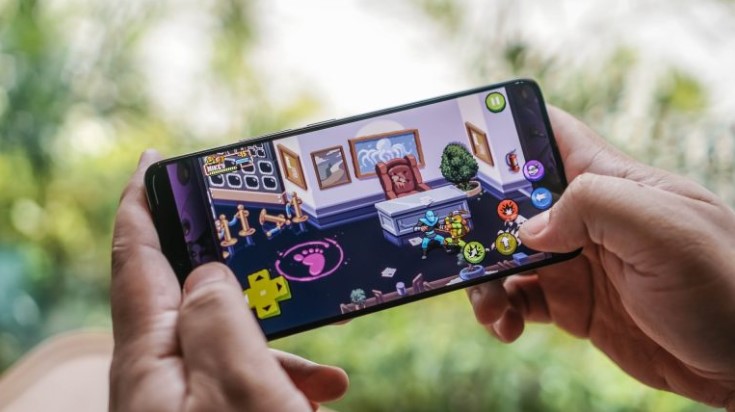
In real-world usage, both phones deliver flagship-grade performance that makes multitasking feel effortless. The MediaTek Dimensity 9300+ handles everything from intensive photo editing to demanding 3D games without stuttering. I pushed both devices through Genshin Impact at maximum settings and recorded consistently high frame rates with minimal thermal throttling.
The 14T Pro's 144Hz display provides a subtle but noticeable advantage during fast-paced gaming. That extra 24Hz smoothness becomes apparent in competitive shooters and racing games where every millisecond counts. Casual users might not perceive the difference, but mobile gaming enthusiasts will appreciate the enhanced fluidity.
Thermal management proves excellent on both devices. Extended gaming sessions lasting over an hour showed the 14T Pro running slightly cooler thanks to its advanced vapor chamber cooling system. The F7 Ultra stayed comfortable but reached slightly higher peak temperatures under sustained load. Neither phone throttled performance significantly during my testing.
The camera systems represent the most significant differentiator between these flagship phones. The 14T Pro's Leica partnership delivers professional-grade color science and computational photography that consistently produces stunning results. The collaboration brings authentic photographic aesthetics with natural tones and pleasing bokeh effects.
In daylight shooting, both main cameras capture excellent detail with accurate colors. The 14T Pro's Leica tuning produces slightly warmer, more film-like renditions that many photographers prefer over the F7 Ultra's cooler, more digital aesthetic. The 50MP sensors on both phones allow for significant cropping while maintaining detail, though the 14T Pro's processing extracts slightly sharper fine details.
Low-light performance showcases the 14T Pro's advantages more dramatically. The Leica image processing combined with advanced computational algorithms produces cleaner night shots with better shadow detail and less noise. The F7 Ultra holds its own and captures respectable low-light images, but side-by-side comparisons reveal the 14T Pro's superior noise reduction and dynamic range handling.
Poco F7 Ultra vs Xiaomi 14T Pro: Design & Build
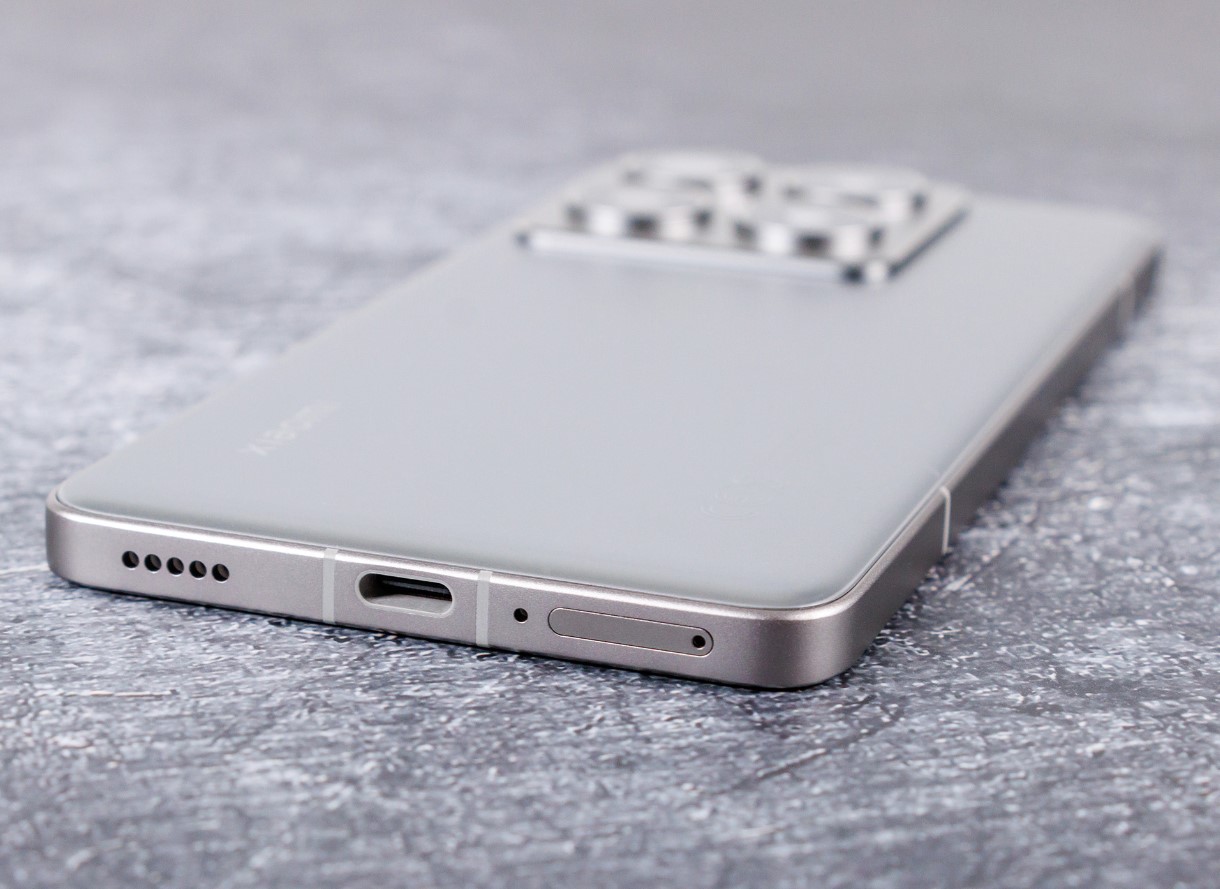
Both phones exhibit premium construction with glass fronts and backs sandwiched between aluminum frames. The build quality feels solid and reassuring in hand, with minimal flex or creaking even when applying pressure.
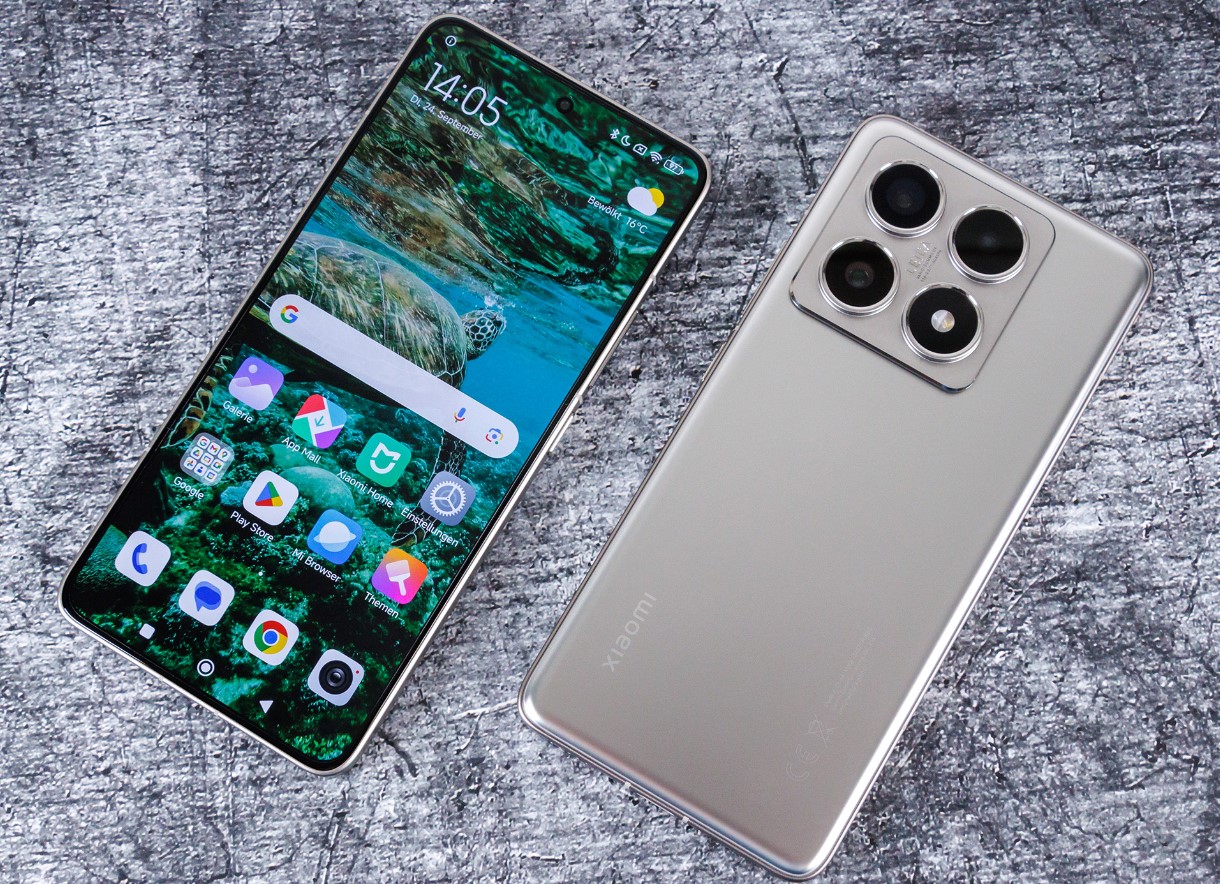
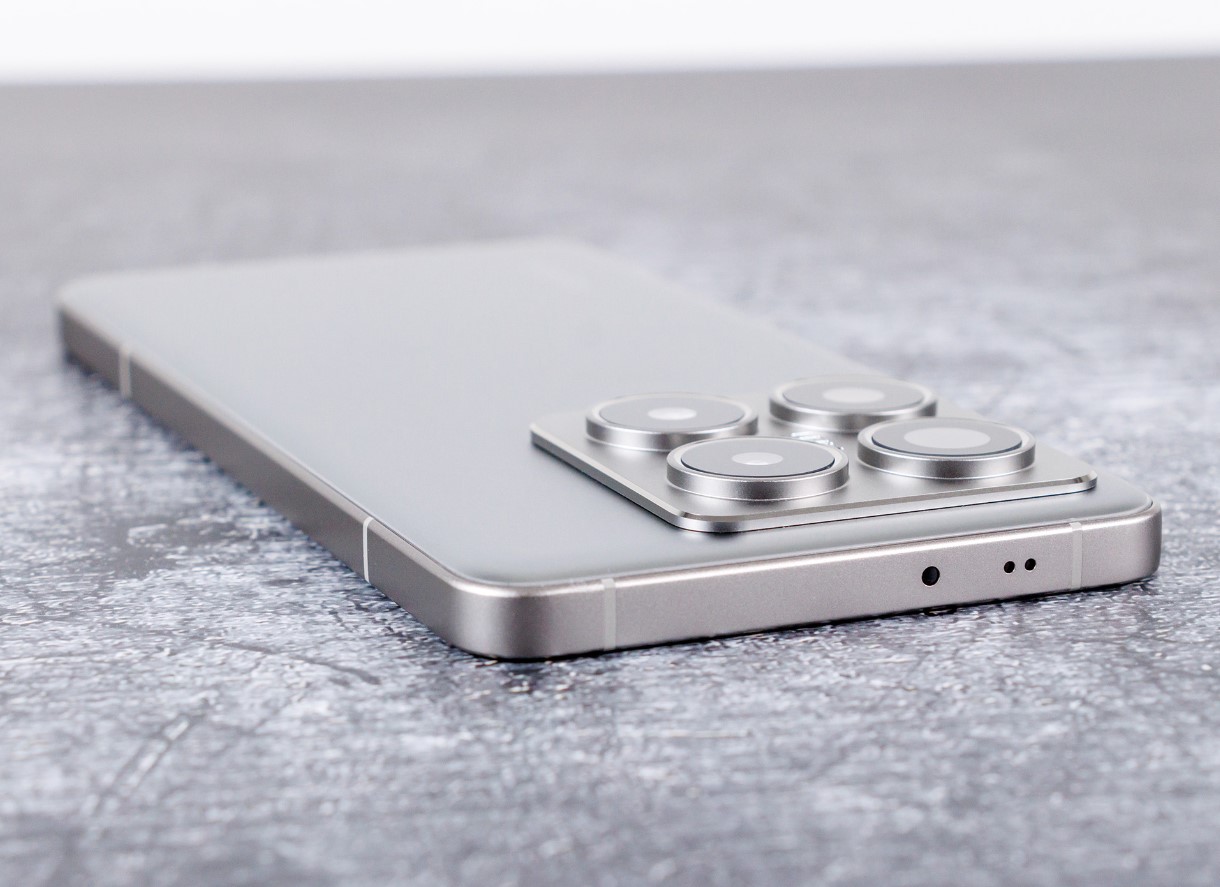
Xiaomi 14T Pro Design:
Poco F7 Ultra Design:
The 14T Pro features a more refined aesthetic with its Leica-branded camera module that sits flush with the body. The circular arrangement of lenses creates a distinctive look that immediately identifies the phone. Available colorways include Titan Black, Titan Blue, and Titan Gray with subtle gradient effects that catch light beautifully.
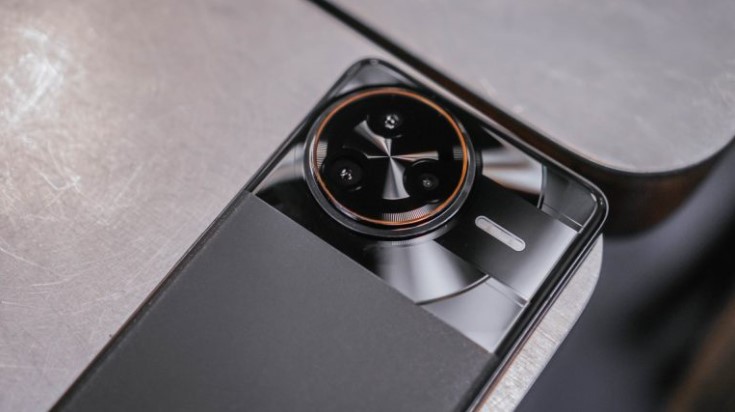
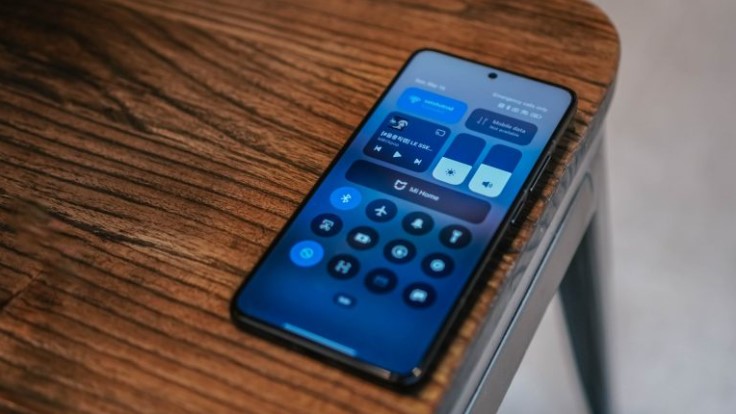
The F7 Ultra opts for a more aggressive gamer-centric design with angular camera housing and bold color options. The rectangular camera bump protrudes more noticeably than the 14T Pro's module. Color choices include Black and Silver with matte finishes that resist fingerprints better than glossy alternatives.
Weight and dimensions prove nearly identical, with both phones sitting around 210g and measuring roughly 160mm tall. The slim 8.3-8.4mm profiles make them comfortable for extended use despite the large 6.67-inch displays. Neither phone feels particularly heavy or unwieldy during one-handed operation. Both devices feature IP68 water and dust resistance rated for submersion up to 1.5 meters for 30 minutes.
Xiaomi 14T Pro or Poco F7 Ultra: Owner Reviews
Gathering feedback from actual owners reveals how these phones perform in daily use across different scenarios:
Xiaomi 14T Pro Owner Reviews:
Praises: "The Leica cameras are absolutely phenomenal. Every photo looks professional straight out of the camera with gorgeous colors and perfect exposure. Night mode is a game-changer."
"120W charging is absurdly fast - I can top up during breakfast and have enough juice for the entire day. The 144Hz display makes everything buttery smooth."
***
Drawbacks: "Battery life is good but not great - heavy users might need a midday charge. The 5000mAh capacity feels slightly small for a flagship."
"No wireless charging seems like an odd omission at this tier. Would have been nice to have that convenience even with the fast wired charging."
Poco F7 Ultra Owner Reviews:
Praises: "Battery life is exceptional - easily getting two full days of moderate use. The 6000mAh capacity is a real differentiator for power users."
"Outstanding value proposition with flagship specs. The 4000 nit display is incredibly bright outdoors and gaming performance is flawless."
***
Drawbacks: "Camera quality is decent but noticeably behind the competition. Low-light shots especially show more noise and less detail than expected."
"Software includes quite a bit of bloatware and aggressive notifications. Spent time disabling apps and tweaking settings out of the box."
Xiaomi 14T Pro and Poco F7 Ultra Alternatives
If neither Xiaomi phone perfectly aligns with your needs, these compelling alternatives deserve consideration:
- OnePlus 12: Flagship with Snapdragon 8 Gen 3, Hasselblad cameras, 5400mAh battery with 100W charging, and clean OxygenOS experience. More expensive but refined overall.
- Samsung Galaxy S24: Compact flagship with Exynos 2400 or Snapdragon 8 Gen 3, excellent cameras, seven years of updates, and comprehensive Samsung ecosystem integration.
The OnePlus 12 appeals to users seeking premium build quality and excellent camera performance without quite reaching ultra-flagship pricing. The Hasselblad partnership delivers natural color science similar to Leica tuning, while the Snapdragon processor provides excellent performance. Battery life impresses with the 5400mAh capacity, and 100W charging nearly matches Xiaomi's speed.
The Samsung Galaxy S24 targets users prioritizing software longevity and ecosystem integration. Samsung's commitment to seven years of updates ensures the phone remains secure and current longer than most competitors. The compact size appeals to users preferring smaller devices, while the camera system delivers consistently excellent results with computational photography prowess.
Should You Buy the Xiaomi 14T Pro or Poco F7 Ultra?
After extensive testing and real-world use, both the Xiaomi 14T Pro and Poco F7 Ultra deliver flagship performance that exceeds expectations.
Choose the 14T Pro if photography matters to you. The Leica partnership delivers consistently superior image quality across all lighting conditions, with natural color science and exceptional detail preservation. The 144Hz display provides the smoothest possible scrolling and gaming experience, while 120W charging eliminates range anxiety despite the smaller 5000mAh battery.
Choose the F7 Ultra if battery life ranks as your top priority. The massive 6000mAh capacity easily powers through the most demanding days without reaching for a charger. The value proposition remains strong with flagship specifications. For users who can accept adequate rather than exceptional camera performance in exchange for superior battery endurance, the F7 Ultra delivers compelling overall capability.
For most users, the 14T Pro represents the better all-around flagship. The camera quality difference proves significant enough to justify the choice for photography enthusiasts, while the 120W charging largely compensates for the smaller battery. Both phones deliver exceptional performance - the decision comes down to balancing camera quality against battery capacity based on your specific usage patterns.
Thanks for reading! Let me know which phone appeals to you or if you have questions. Both represent excellent choices in the flagship category.

Meet James, our go-to tech guru and seasoned reviewer. His sharp attention to detail and love for gadgets drive his deep dives into the newest tech waves. James's insightful analysis and real zest for breakthroughs have earned him a solid reputation in the tech world.


