DJI Avata 2 vs DJI Neo: Comparison
Hey everyone! Today I'm diving into two wildly different FPV experiences from DJI: the high-octane DJI Avata 2 and the pocket-rocket DJI Neo. Both promise immersive flying with integrated safety guards, but these drones represent opposite ends of the FPV spectrum - one's built for adrenaline-pumping speed runs through forests, the other launches from your palm without touching a single button.
I've spent the past month absolutely hammering both drones through every scenario imaginable - threading warehouse rafters, chasing mountain bikers down trails, capturing indoor events, and testing their limits in gusty coastal winds. After burning through countless batteries, surviving several spectacular crashes (props to those guard designs), and comparing footage frame-by-frame, I've got the complete picture on how these FPV machines stack up. Let's see which drone deserves your cash!
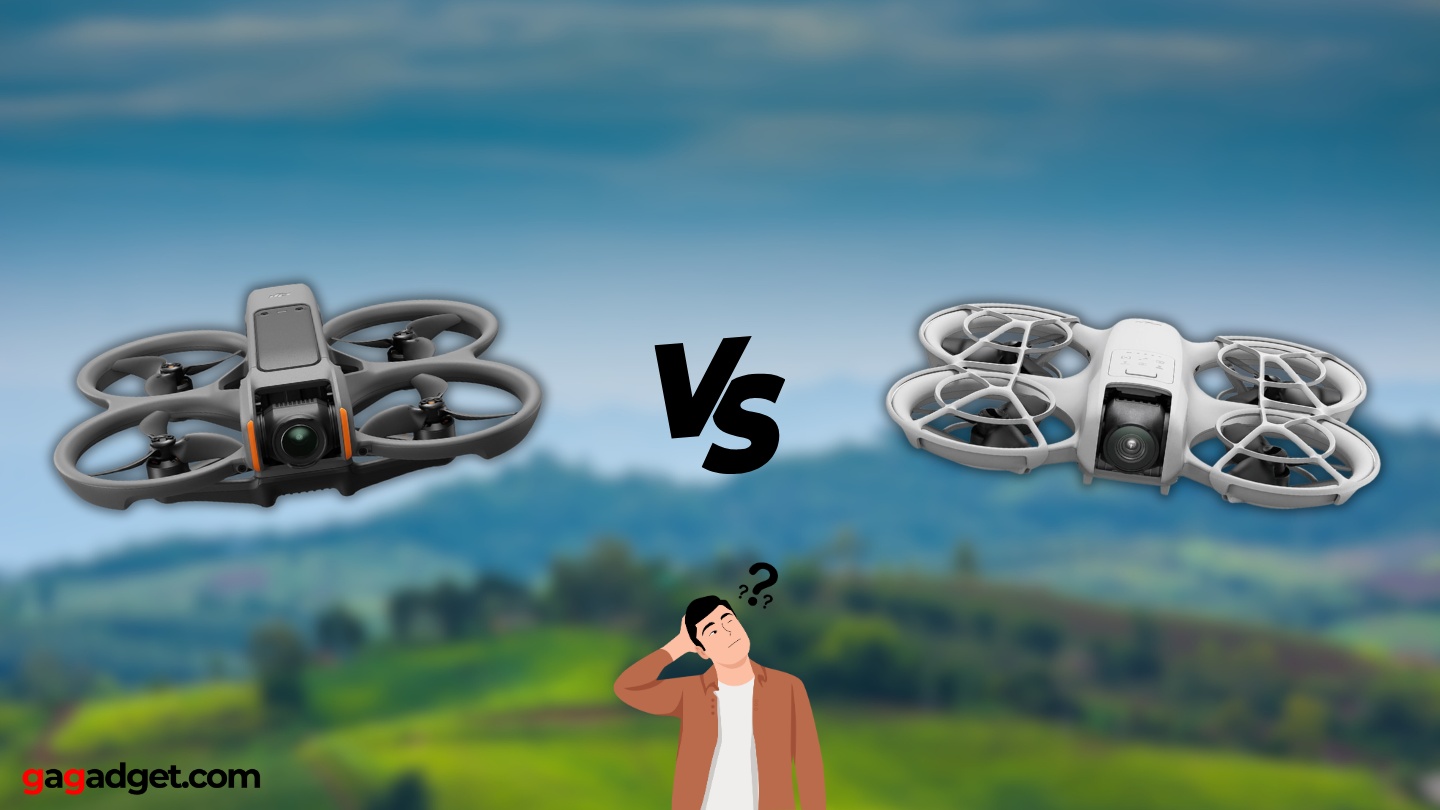
DJI Avata 2 vs DJI Neo: Quick Overview
Here's what you need to know: The DJI Avata 2 and DJI Neo serve completely different missions. The Avata 2 packs a substantial 1/1.3-inch sensor shooting 4K/60fps HDR with professional 10-bit D-Log M, screams through Manual mode at 27 m/s, delivers 23-minute flights, uses cutting-edge O4 transmission reaching 13km, features binocular fisheye positioning sensors, and absolutely requires DJI Goggles 3 to operate. The Neo revolutionizes accessibility by weighing just 135g, launching directly from your outstretched hand, operating completely controller-free, capturing 4K/30fps from its 1/2-inch sensor, responding to voice commands, providing 18-minute flight time, and offering incredible flexibility with multiple control options from smartphones to full FPV setups.
For serious FPV enthusiasts and content creators, I recommend the DJI Avata 2. That larger sensor crushes low-light scenarios and dynamic range challenges the Neo can't touch, the O4 system delivers buttery-smooth video transmission even at extreme distances, and Manual mode provides genuine heart-racing FPV thrills. The 10-bit color gives you professional-grade grading latitude that matters enormously for polished productions. However, choose the DJI Neo if spontaneous shooting matters more than ultimate quality, you love the idea of literally launching from your palm mid-adventure without fumbling controllers, you need something that vanishes into pockets for ultralight travel, or you're completely new to drones and goggles feel intimidating.
Table of Contents:
- DJI Avata 2 vs DJI Neo: Full Comparison
- Neo vs Avata 2: Design & Daily Use
- Avata 2 or Neo: Owner Reviews
- Avata 2 and Neo Alternatives
DJI Avata 2 vs DJI Neo: Full Comparison
| Specification | DJI Avata 2 | DJI Neo |
| Image |

|

|
| Weight | 377g | 135g |
| Dimensions (L×W×H) | 185×212×64mm | 130×157×48.5mm |
| Sensor Size | 1/1.3-inch CMOS | 1/2-inch CMOS |
| Sensor Resolution | 12MP | 12MP |
| Field of View | 155° | 117.6° |
| Max Video Resolution | 4K@60fps HDR 2.7K@120fps |
4K@30fps 1080p@60fps |
| Max Video Bitrate | 130 Mbps | 75 Mbps |
| Color Mode | 10-bit D-Log M | 8-bit Standard |
| Stabilization | RockSteady 3.0+ HorizonSteady |
RockSteady HorizonBalancing |
| Gimbal Type | Single-axis mechanical tilt (-85° to +80°) |
Single-axis (±45° electronic) |
| Max Flight Time | 23 minutes | 18 minutes (17 with guards) |
| Max Hovering Time | 21 minutes | 18 minutes |
| Max Speed (Normal) | 8 m/s | 6 m/s |
| Max Speed (Sport) | 16 m/s | 8 m/s |
| Max Speed (Manual) | 27 m/s (~60 mph) | N/A |
| Wind Resistance | Level 5 (8.5-10.7 m/s) | Level 4 (up to 8 m/s) |
| Transmission System | O4 Video Transmission | Wi-Fi 5 (when controller-free) |
| Max Transmission Range | 13 km (FCC) 10 km (CE) |
50m (Wi-Fi) 10km (with RC controller) |
| Video Latency | 24ms (1080p/100fps) 40ms (1080p/60fps) |
~130ms (Wi-Fi mode) |
| Vision Positioning | Binocular fisheye (downward + backward) |
Downward only |
| Obstacle Avoidance | No | No |
| Internal Storage | 46GB | 22GB |
| MicroSD Card Support | Yes (up to 512GB) | No |
| Charging Time (0-100%) | 88 min (direct) 45 min (with hub) |
50 min (direct) 60 min (3 batteries with hub) |
| PD Fast Charging | Yes | No |
| Palm Takeoff/Landing | No | Yes |
| Voice Control | No | Yes (EN/CN) |
| Controller-Free Operation | No | Yes |
| Required Accessories | DJI Goggles 3 RC Motion 3 or FPV Controller 3 |
None (fully optional) |
| Compatible Controllers | RC Motion 3 FPV Remote Controller 3 |
RC Motion 3, RC-N3, RC 2, FPV Controller 3, Smartphone |
| Easy ACRO Mode | Yes | Yes (with Motion 3) |
| Turtle Mode | Yes | No |
| QuickShots | No (Manual FPV focus) | Yes (6 modes) |
| Follow Mode | No | Yes (ActiveTrack) |
The imaging hardware reveals where DJI positioned these drones. Avata 2's 1/1.3-inch sensor captures significantly more light than Neo's 1/2-inch chip, translating directly into cleaner shadows, richer highlights, and substantially less noise when shooting challenging indoor scenes or twilight sequences. That sensor advantage isn't just spec-sheet bragging - pull both drones' footage into your editing timeline and the quality gap smacks you immediately in anything except bright midday sun.
Video recording capabilities split dramatically. Avata 2 shoots smooth 4K at 60fps with HDR enabled, capturing motion with that cinematic fluidity that makes even aggressive maneuvers look professional. Need slow-motion drama? It delivers creamy 2.7K at 120fps for those bullet-time effects. Neo maxes out at 4K/30fps - totally fine for Instagram stories and casual vlogs, but the frame rate limitation becomes glaringly obvious when you're panning quickly or trying to capture fast action. The 10-bit D-Log M on Avata 2 provides massive post-production flexibility, preserving highlight and shadow detail that Neo's 8-bit footage simply crushes into oblivion.
That ultra-wide 155° FOV on Avata 2 creates the signature immersive FPV aesthetic - wraparound perspectives that make viewers feel like they're strapped to the drone. Neo's 117.6° field of view produces more conventional aerial footage resembling standard camera drones. Neither is inherently better, but they communicate completely different visual languages to audiences.
Flight performance separates these into different leagues entirely. Avata 2 absolutely rips through Manual mode at 27 m/s - that's genuine 60 mph velocity that'll spike your pulse instantly. Neo's 8 m/s Sport mode feels almost leisurely comparatively, quick enough for tracking joggers but nowhere near the velocity that defines proper FPV flying. Wind handling follows identical patterns: Avata 2 muscles through level 5 gusts confidently while Neo visibly struggles maintaining position in level 4 conditions, drifting noticeably and requiring constant corrections.
The O4 transmission represents Avata 2's technological flex. That microscopic 24ms latency at 1080p/100fps creates essentially instantaneous response between your controls and goggle view - absolutely critical for threading tight gaps at speed or navigating complex environments. Neo's Wi-Fi transmission when flying standalone introduces roughly 130ms lag that's acceptable for automated tracking but would feel painfully sluggish for manual FPV maneuvering where split-second reactions matter.
Storage configurations make practical differences. Avata 2's generous 46GB internal memory plus microSD expansion means shooting all day without storage anxiety. Neo's 22GB internal-only storage fills surprisingly quickly when capturing 4K - you'll find yourself transferring files via Wi-Fi more frequently than ideal, though QuickTransfer speeds at least make this relatively painless.
Battery performance gives Avata 2 meaningful practical advantages. Those extra 5 minutes per flight compound across shooting days - you're getting approximately 25% more airtime per cell, translating directly into fewer interruptions and more spontaneous moments captured. Neo's featherweight design helps stretch its smaller battery reasonably far considering the size, but you'll definitely cycle through batteries faster during extended sessions.
The control ecosystem difference defines these drones' fundamental philosophies. Avata 2 mandates goggles - there's literally zero alternative. That forced immersive setup creates authentic FPV experiences but also demands more gear hauled and setup time invested. Neo's brilliance shines through control flexibility: fly it completely standalone pressing top buttons, control via smartphone, pair traditional RC controllers, or go full FPV with Motion 3 and Goggles 3. This adaptability means Neo morphs to match whatever flying scenario you encounter rather than forcing you into one paradigm.
Neo vs Avata 2: Design & Daily Use
Physical designs reveal their intended missions immediately.
DJI Avata 2 Design:
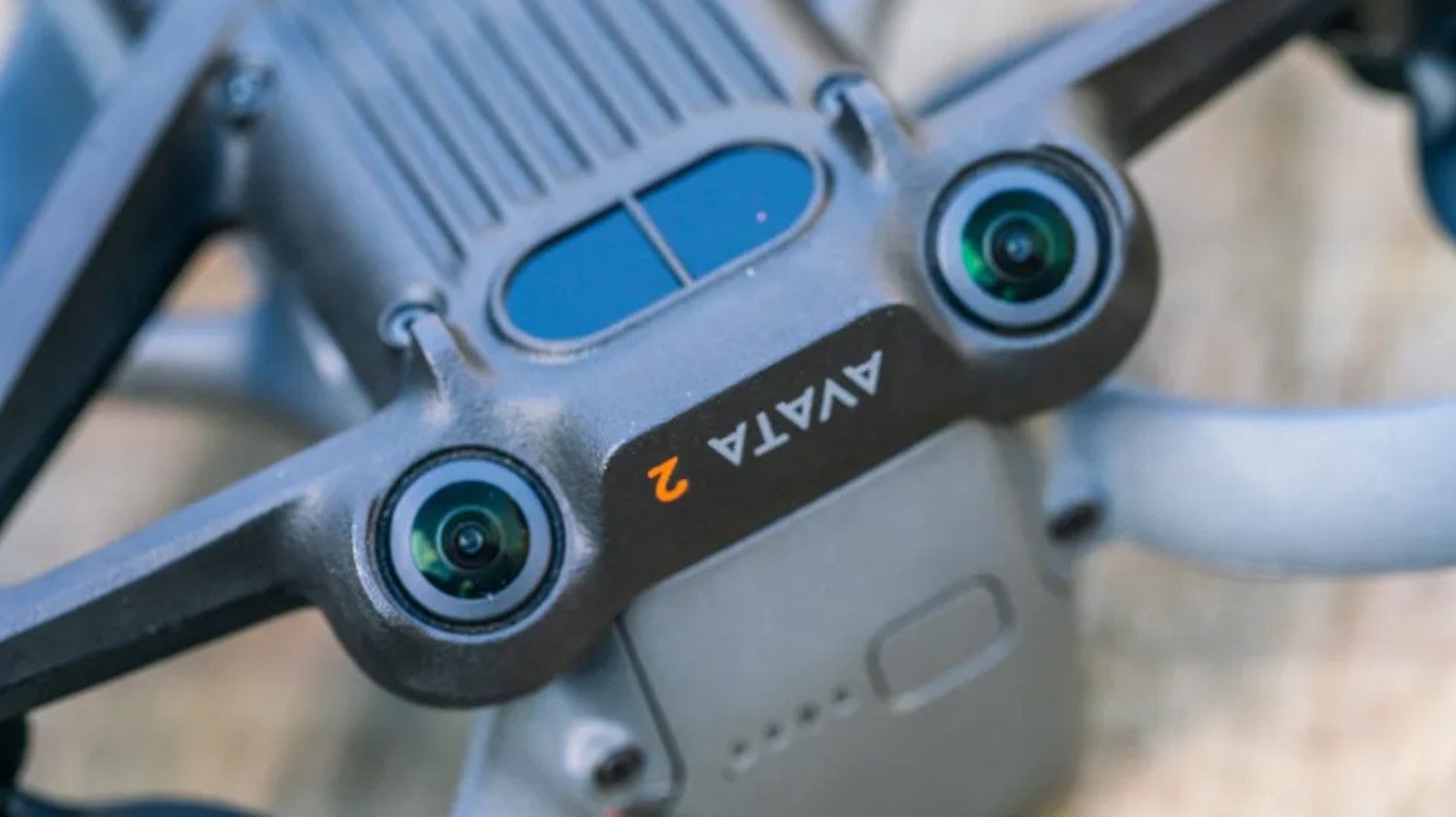
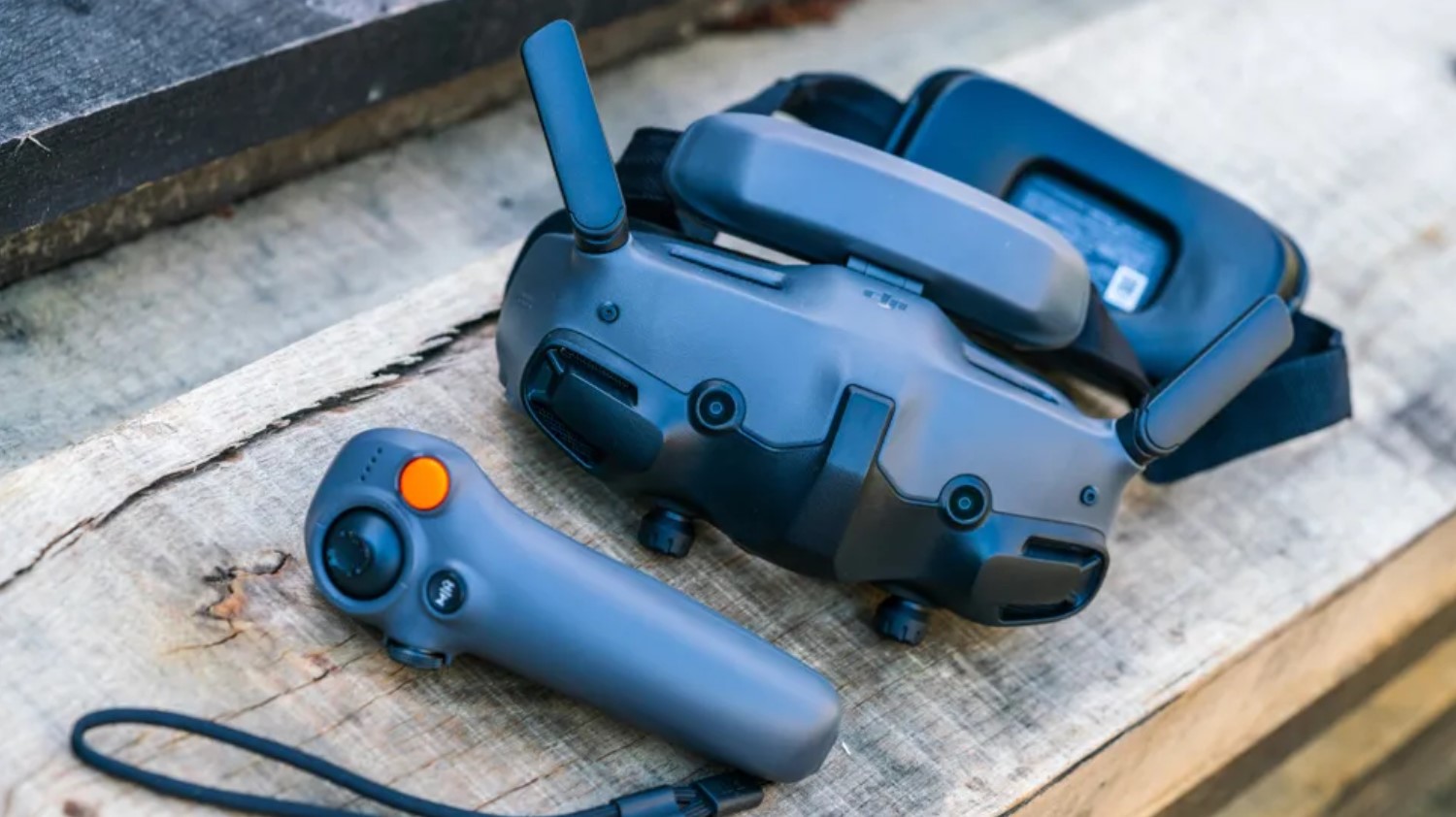
DJI Neo Design:
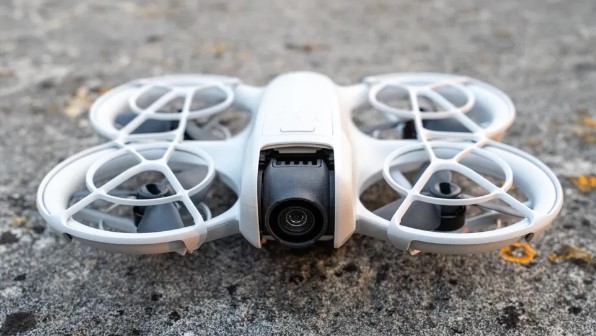
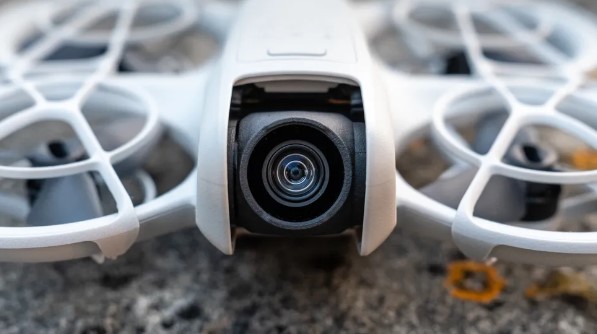
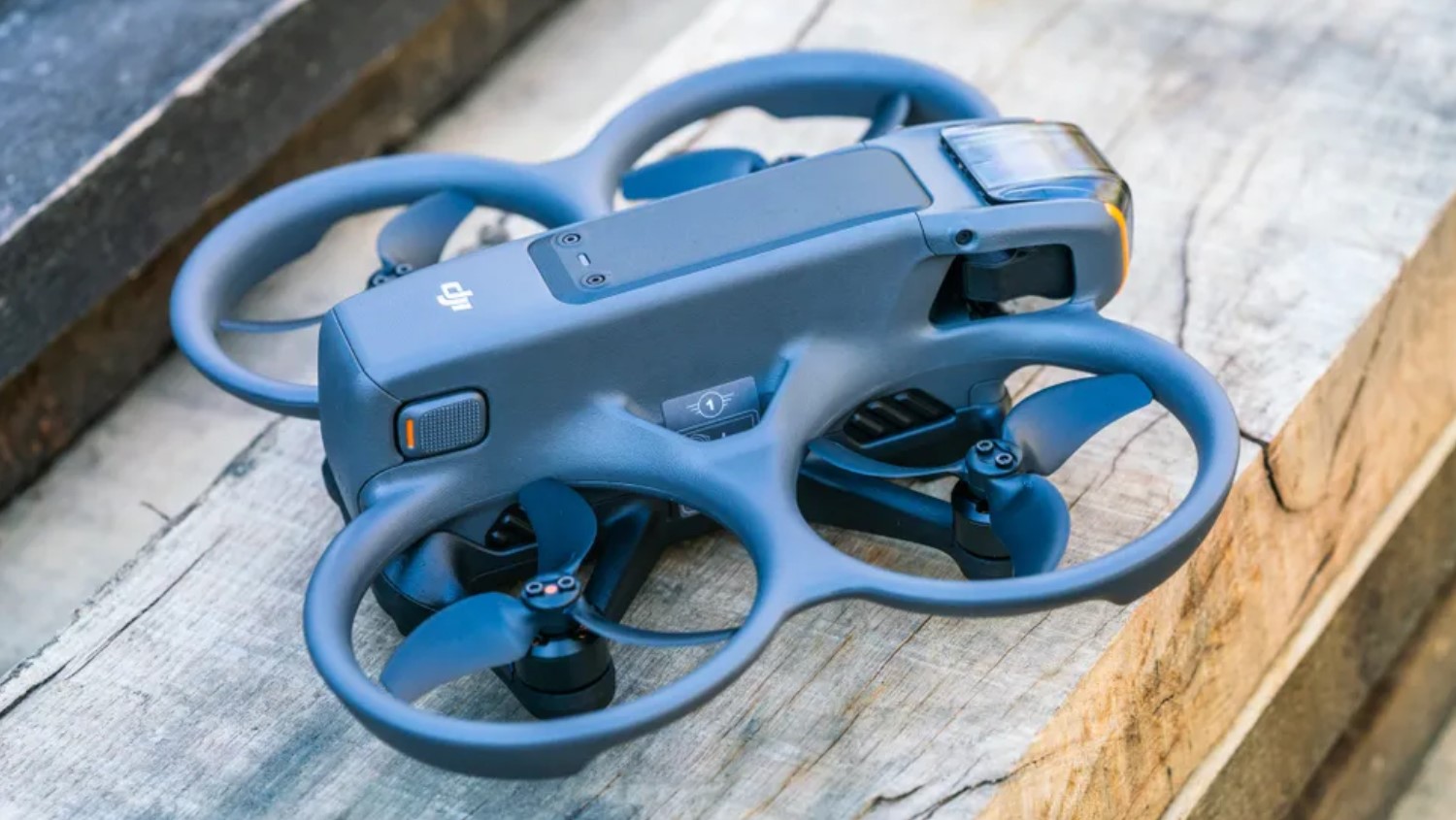
Avata 2's 377g frame feels substantial and purposeful, with integrated propeller guards protecting props during aggressive flying at 185×212×64mm dimensions. The prominent ultra-wide 155° camera lens houses that larger sensor, with mechanical tilt enabling dramatic -85° to +80° angles for signature FPV perspectives. Build quality throughout communicates premium durability - matte finish resists fingerprints, panels fit together perfectly, and the battery clicks into place with satisfying precision.
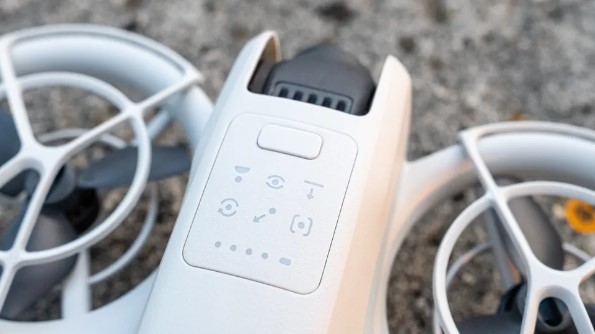
Neo revolutionizes portability at just 135g - lighter than most smartphones. Those compact 130×157×48.5mm dimensions genuinely disappear into jacket pockets, making it the drone you'll actually carry everywhere. Full-coverage propeller guards transform Neo into essentially a self-contained protective case. Despite featherweight construction, the engineered plastic frame withstands crashes impressively well, with guards absorbing impacts that would damage more delicate drones.
The size gap becomes obvious side-by-side - Avata 2 looks like Neo's bigger, aggressive sibling at roughly double the footprint and triple the weight. For travel, Neo wins effortlessly by slipping into any bag corner, while Avata 2 demands dedicated cases and deliberate carrying commitment. The accessory ecosystem amplifies this: Avata 2 requires goggles (470g) and controller (270g) as mandatory additions, suddenly weighing over a kilogram total. Neo operates completely standalone or accepts controllers as pure optional enhancements, keeping system weight minimal when desired.
Avata 2 or Neo: Owner Reviews
Real owner feedback reveals how these drones perform beyond controlled testing:
DJI Avata 2 Owner Reviews:
Praises: "The O4 transmission quality borders on black magic. I'm flying 7 kilometers out over open water and my goggle feed looks like I'm reviewing local footage - absolutely zero breakup, zero stuttering, just crystalline immersion that makes distance flying feel completely secure and controlled."
"Manual mode terrified me initially but after practice sessions, I'm threading forest gaps and executing proximity passes that seemed impossible weeks ago. Those backward-facing fisheye sensors provide confidence for flying closer to obstacles than I'd ever attempt with traditional drones. The resulting footage is legitimately cinematic in ways my camera drones cannot replicate."
***
Drawbacks: "The mandatory goggle requirement is simultaneously wonderful and restrictive. Yes, immersion is spectacular, but I can't casually toss Avata 2 in bags for spontaneous sessions. Between drone, goggles, controller, and spare batteries, I'm hauling substantial kit everywhere. Truly spontaneous flying basically doesn't exist with this ecosystem."
"Advertised battery life feels optimistic when flying aggressively in Manual mode. Real-world hard flying gives me maybe 17-18 minutes before low-battery warnings become insistent. Understand it's FPV burning power through extreme maneuvers, but transitioning from longer-lasting camera drones makes the constant battery rotation tedious."
DJI Neo Owner Reviews:
Praises: "I literally slipped Neo into my hiking jacket pocket for a weekend mountain trip without conscious thought. Reaching the summit, I pulled it out, pressed one button, and captured orbital aerial group shots within 20 seconds. Zero controller required, zero setup hassle, zero complexity - just genuinely instant results. This drone actually gets used because I always carry it."
"Palm takeoff functionality feels legitimately magical every single flight. My technically-challenged relatives launch it by simply extending their hands flat - the simplicity is almost absurd. At gatherings, Neo becomes the entertainment centerpiece everyone wants trying. Complete absence of intimidation factor makes it the perfect social experience drone."
***
Drawbacks: "Wind represents Neo's fundamental weakness. Anything exceeding gentle breezes and the drone visibly drifts around fighting for stable positioning. That featherweight design enabling portability simultaneously makes it vulnerable to gusts. Windy days mean Neo stays grounded while heavier drones fly confidently."
"Image quality drops noticeably in challenging lighting compared to larger sensor drones. Golden hour and twilight shots show visible grain that my friend's Avata 2 handles cleanly. For bright daylight social media content it's perfectly adequate, but don't expect professional-grade low-light performance from that tiny sensor."
Avata 2 and Neo Alternatives
If neither drone perfectly matches your requirements, consider these compelling alternatives:
- HOVERAir X1 Pro Max: Ultra-compact foldable design with 8K video capability, AI tracking, multiple automated flight modes, and extended flight time. Perfect for travelers wanting advanced features in minimal package.
- DJI Mini 4 Pro: Sub-250g camera drone with omnidirectional obstacle sensing, 4K/60fps HDR video, True Vertical Shooting, and 20km transmission range. Ideal for creators wanting traditional camera drone capabilities with minimal weight.
The HOVERAir X1 Pro Max targets creators wanting Neo's spontaneous simplicity with significantly upgraded imaging. That 8K sensor delivers dramatically better video quality, AI tracking performs impressively well, and the foldable design makes it even more pocketable. However, it lacks FPV capabilities entirely and costs considerably more than Neo while serving similar automated shooting missions.
The DJI Mini 4 Pro appeals to pilots wanting serious camera drone features without FPV focus. Omnidirectional obstacle sensing provides comprehensive safety, True Vertical Shooting revolutionizes social media workflows, and that sub-250g weight eliminates registration requirements in most regions. The traditional camera drone approach with gimbal delivers smoother, more stable footage than FPV drones but sacrifices the immersive flying experience and speed that Avata 2 provides.
Which DJI FPV Drone Should You Buy?
After extensive real-world testing, both the DJI Avata 2 and DJI Neo excel brilliantly within their respective missions. Your choice depends entirely on what flying experience you're actually pursuing.
Choose the DJI Avata 2 if authentic FPV flying and professional image quality matter most. That larger sensor handles challenging lighting with grace Neo simply cannot match - shadows stay clean, highlights retain detail, and high-ISO footage remains usable where Neo shows obvious noise. The O4 transmission eliminates any lag concerns even at distance, maintaining rock-solid video feed that inspires confidence for aggressive flying. Manual mode delivers genuine heart-racing velocity and maneuverability that defines proper FPV experiences. That 10-bit D-Log M color mode provides professional color grading latitude that matters enormously when producing polished content for clients or demanding projects.
The DJI Neo makes perfect sense for spontaneous creators and drone newcomers. That palm-launch functionality removes every barrier between inspiration and execution - see a moment, extend your hand, capture aerial footage within seconds. The featherweight design disappears into pockets, enabling you to carry it everywhere without conscious effort or planning. Multiple control options mean it adapts to your skill level and situation rather than forcing specific workflows. For travelers, vloggers, and social media creators prioritizing accessibility and convenience over ultimate quality, Neo's spontaneity advantage is genuinely transformative.
The Avata 2 represents DJI's vision for serious FPV content creation - immersive, high-quality, adrenaline-fueled flying that produces professional results. The Neo delivers democratized aerial content capture - accessible, spontaneous, and effortless enough that you'll actually use it constantly. For dedicated FPV enthusiasts and quality-focused creators, Avata 2's capabilities justify its complexity. For everyone else wanting aerial perspectives without FPV commitment, Neo's simplicity wins.
Go Deeper:

Jim's our tech geek with a mission since February 2023. From movies to video projectors, he knows his stuff and aims to make tech work for you. When he's not geeking out, he's there to guide you through making savvy decisions.


