Samsung Galaxy A56 vs Galaxy A36: Comparison
Hey there! Today I'm comparing two Samsung mid-range smartphones that share the same DNA but target distinctly different users: the Samsung Galaxy A56 and the Samsung Galaxy A36. Both deliver solid everyday performance with modern features, but they diverge significantly when it comes to processing power, camera capabilities, and build materials.
I've been testing both phones extensively over several weeks, putting them through everything from intensive gaming sessions to low-light photography challenges and marathon battery tests. In this comprehensive head-to-head, I'll reveal which phone delivers better value for your specific needs and budget. Let's dive into this battle of Samsung's A-series siblings!
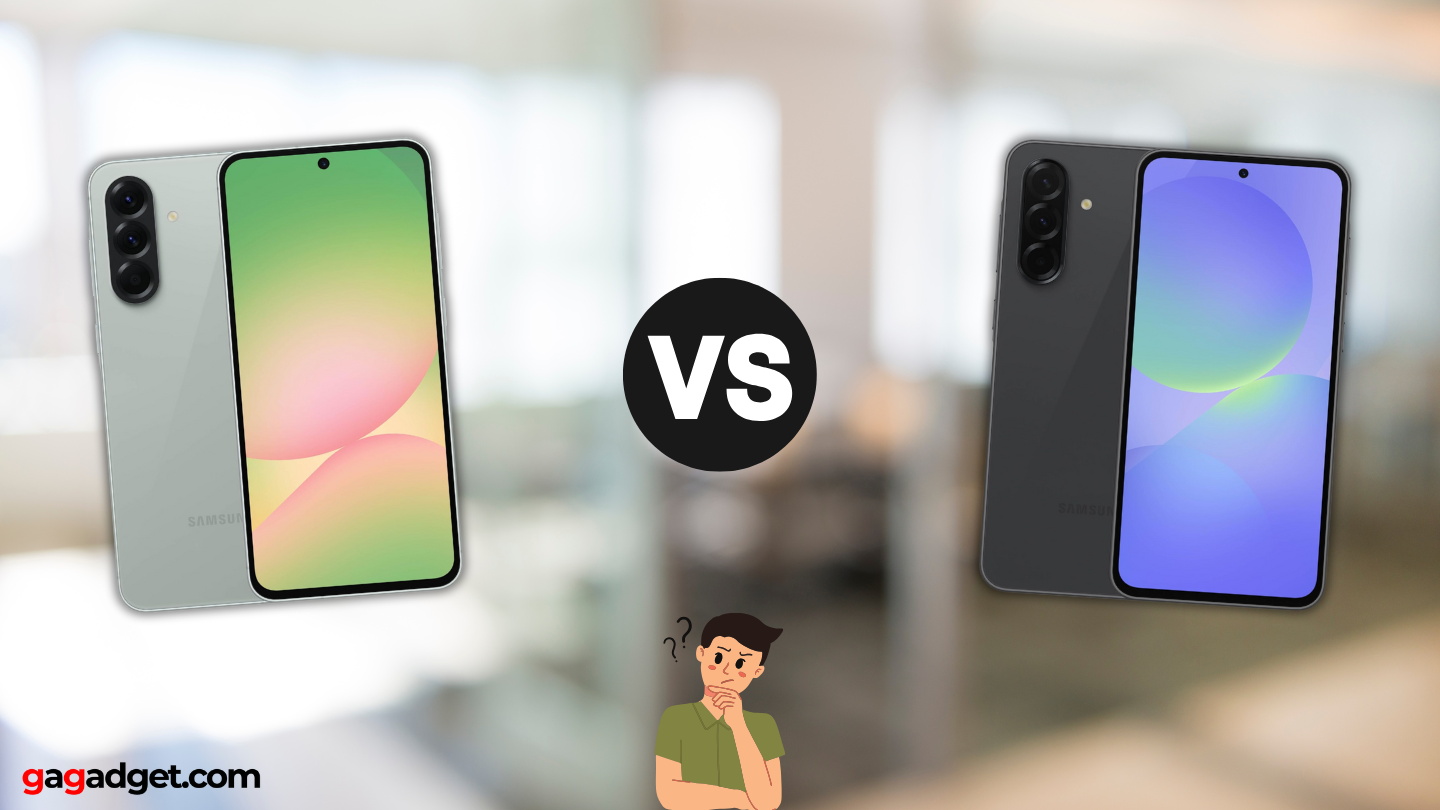
Samsung Galaxy A56 vs Samsung Galaxy A36: Quick Overview
Here's what you need to know upfront: The Samsung Galaxy A56 and Samsung Galaxy A36 both feature 6.7-inch Super AMOLED displays with 120Hz refresh rates, 5000mAh batteries with 45W charging, and six years of software support. The A56 emphasizes performance with its Exynos 1580 processor, aluminum frame, superior 12MP ultrawide camera, and faster UFS 3.1 storage. The A36 prioritizes affordability with Snapdragon 6 Gen 3 chipset, plastic frame, and costs $100 less while maintaining core features.
For most users, I recommend the Samsung Galaxy A56. Its significantly better performance, superior camera system with larger sensors, premium aluminum build, and faster storage make it worth the extra investment for those keeping their phone for years. However, choose the Samsung Galaxy A36 if budget constraints are paramount, you prefer Qualcomm's Snapdragon ecosystem, or your usage centers on basic tasks like messaging, browsing, and casual photography.
Table of Contents:
- Samsung Galaxy A56 vs Galaxy A36: Full Comparison
- Galaxy A36 vs Galaxy A56: Design
- Samsung Galaxy A56 or Galaxy A36: Owner Reviews
- Samsung Galaxy A56 and Galaxy A36 Alternatives
Samsung Galaxy A56 vs Galaxy A36: Full Comparison
| Specification | Samsung Galaxy A56 | Samsung Galaxy A36 |
| Image |
|

|
| Display Size | 6.7-inch Super AMOLED | 6.7-inch Super AMOLED |
| Resolution | 2340 x 1080 (FHD+) | 2340 x 1080 (FHD+) |
| Refresh Rate | 120Hz | 120Hz |
| Peak Brightness | 1200 nits (HBM), 1900 nits (peak) | 1200 nits (HBM), 1900 nits (peak) |
| Processor | Samsung Exynos 1580 (4nm) | Qualcomm Snapdragon 6 Gen 3 (4nm) |
| RAM | 8GB/12GB LPDDR5 | 6GB/8GB/12GB LPDDR4X |
| Storage | 128GB/256GB UFS 3.1 | 128GB/256GB UFS 2.2 |
| Main Camera | 50MP (f/1.8, OIS, 1/1.56" sensor) | 50MP (f/1.8, OIS, 1/1.96" sensor) |
| Ultrawide | 12MP (f/2.2) | 8MP (f/2.2) |
| Macro | 5MP (f/2.4) | 5MP (f/2.4) |
| Front Camera | 12MP (f/2.2, Samsung S5K3LC) | 12MP (f/2.2, GalaxyCore GC12A2) |
| Video Recording | 4K@30fps, 1080p@60fps | 4K@30fps, 1080p@60fps |
| Battery | 5000mAh | 5000mAh |
| Charging | 45W wired (0-100% ~75 min) | 45W wired (0-100% ~75 min) |
| Water Resistance | IP67 | IP67 |
| Dimensions | 162.2 x 77.5 x 7.4mm | 162.9 x 78.2 x 7.4mm |
| Weight | 198g | 195g |
| Frame Material | Aluminum | Plastic |
| Back Material | Gorilla Glass Victus+ | Gorilla Glass Victus+ |
| Bluetooth | 5.3 | 5.4 |
| OS | Android 15, One UI 7 | Android 15, One UI 7 |
| Software Support | 6 OS upgrades + 6 years security | 6 OS upgrades + 6 years security |
| Price Range | $500 USD / £499 GBP / AU$699 | $400 USD / £399 GBP / AU$549 |
Both phones share Samsung's commitment to long-term software support, matching even flagship devices with six years of OS updates and security patches. This means you'll receive Android updates through 2031, representing exceptional value retention in the mid-range segment. Few manufacturers offer this level of commitment, making both phones solid long-term investments.
Display technology proves virtually identical between the siblings. Both feature 6.7-inch Super AMOLED panels with 120Hz refresh rates, FHD+ resolution, and impressive peak brightness reaching 1900 nits. In practical terms, you won't notice any difference in screen quality – both deliver vibrant colors, smooth scrolling, and excellent outdoor visibility. The screens are protected by Gorilla Glass Victus+ and support HDR10+ content.
The processor divide reveals the most significant performance gap. The A56's Exynos 1580 delivers substantially stronger CPU and GPU performance compared to the A36's Snapdragon 6 Gen 3. Real-world testing shows the A56 handles intensive multitasking and gaming with greater ease, while the A36 occasionally stutters during demanding tasks. However, for basic usage like social media, browsing, and video streaming, both perform adequately.
Storage technology matters more than many realize. The A56's UFS 3.1 storage provides noticeably faster app loading times and file transfers compared to the A36's UFS 2.2. When you multiply these millisecond differences across hundreds of daily interactions, the cumulative time savings become meaningful. The A56 also uses faster LPDDR5 RAM versus the A36's LPDDR4X, contributing to smoother multitasking.
Camera hardware separates these phones meaningfully. While both feature 50MP main sensors with OIS, the A56's larger 1/1.56-inch sensor captures more light than the A36's 1/1.96-inch unit. This translates to cleaner low-light photos with better dynamic range. The ultrawide gap proves even more pronounced – the A56's 12MP shooter delivers noticeably sharper results than the A36's 8MP version, particularly when pixel-peeping.
Battery performance shows interesting nuances. Despite identical 5000mAh capacities and 45W charging specifications, the phones exhibit different endurance characteristics due to processor efficiency differences. Testing reveals the A56 delivers slightly better screen-on time during video playback, while the A36 surprisingly edges ahead during gaming sessions. Both easily survive full days of moderate use without reaching for a charger.
Build quality distinguishes premium from budget positioning. The A56's aluminum frame provides superior rigidity and a more premium tactile experience compared to the A36's plastic frame. While both feature Gorilla Glass Victus+ front and back, the aluminum sidewalls on the A56 resist scratches and dents better than plastic alternatives. This difference becomes apparent after months of daily use and pocket time.
AI features arrive trimmed down on both phones under Samsung's "Awesome Intelligence" branding rather than full Galaxy AI. You'll get Circle to Search with Google and Object Eraser for removing unwanted elements from photos, but miss advanced features like Live Translate and Chat Assist found on flagship models. The AI implementation feels thoughtful rather than gimmicky, adding genuine utility without overwhelming the user experience.
Galaxy A36 vs Galaxy A56: Design & Build
Both phones embrace Samsung's current design language with flat displays, flat sides, and vertical camera arrangements, though subtle differences reveal their positioning.
Samsung Galaxy A56 Design:
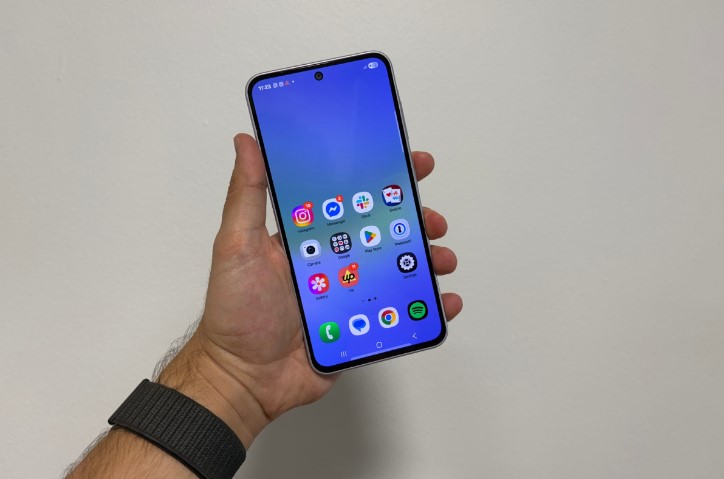
Samsung Galaxy A36 Design:
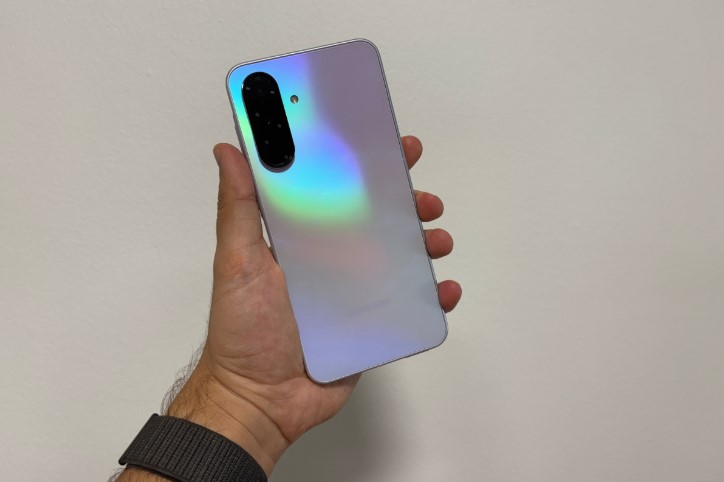
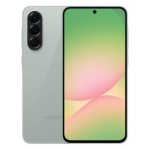
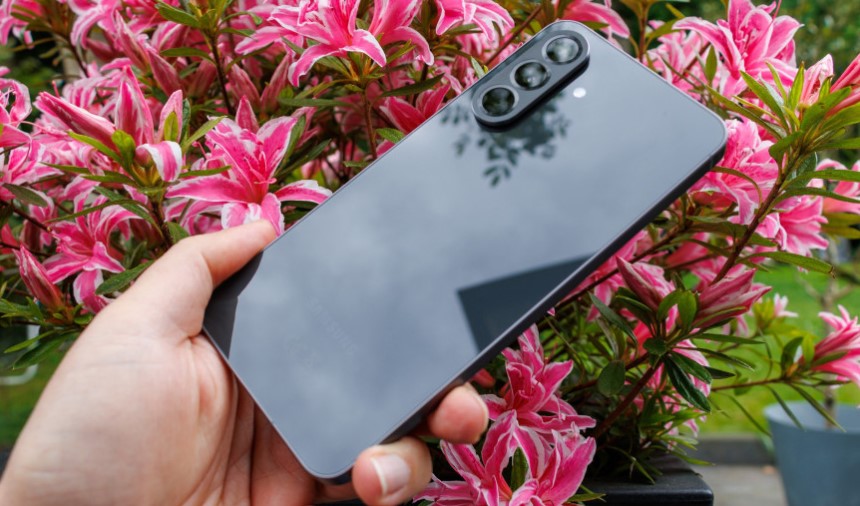
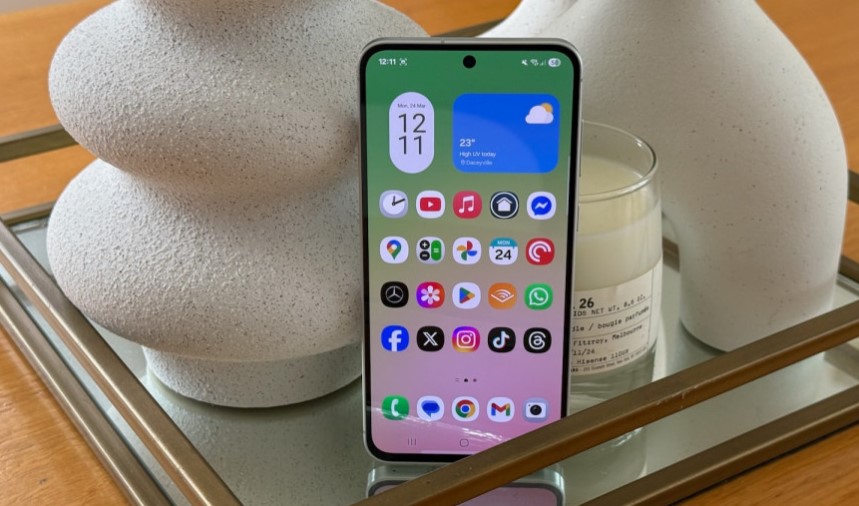
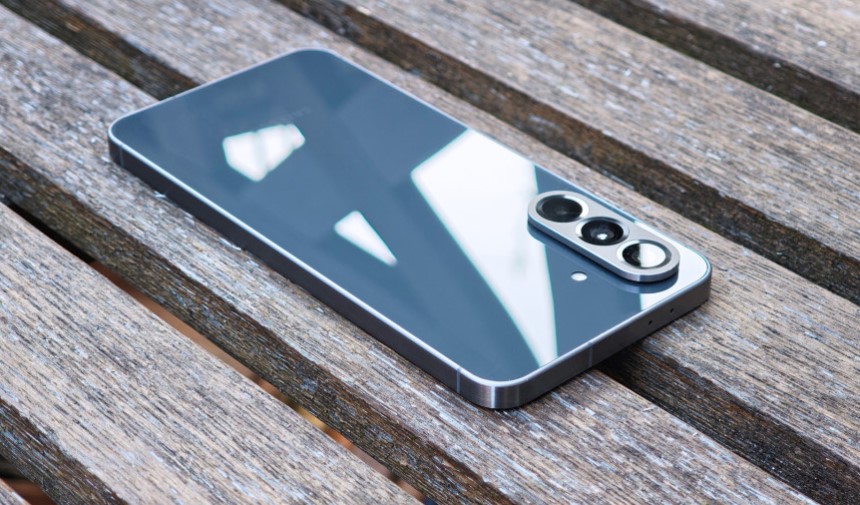
The A56 commands attention with its premium aluminum frame that circles the device, creating a distinctive metallic band between the glass panels. Available in Pink, Olive, Graphite, and Lightgray, the color options lean sophisticated rather than playful. The camera module protrudes minimally, housing three lenses in a vertical arrangement that's become Samsung's signature. At 198g, it feels substantial without becoming burdensome during extended use.
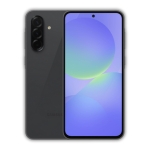
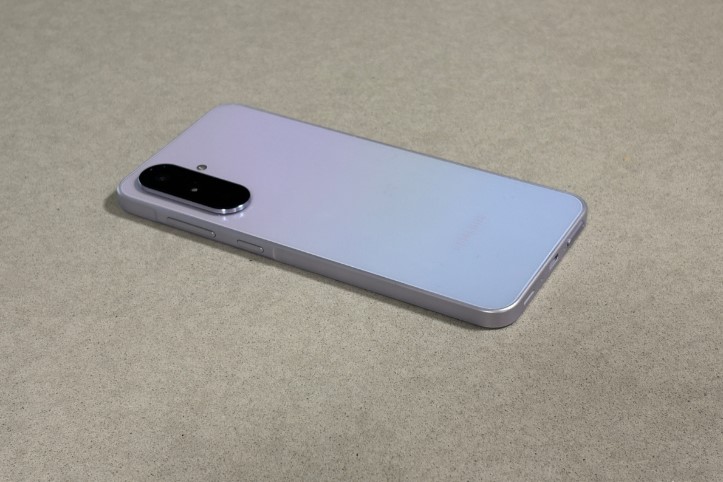
The A36 embraces accessibility with its plastic frame construction, wrapped in Lavender, Black, White, and Lime colorways. The plastic frame feels less premium immediately upon pickup, though it offers practical advantages like better wireless signal transmission. The slightly lighter 195g weight creates marginal handling differences, though most users won't notice the 3-gram gap. The camera module mirrors the A56's arrangement with identical protrusion.
Dimension differences prove negligible. The A56 measures marginally shorter and narrower than the A36, though we're talking about fractional millimeters that won't influence real-world handling. Both maintain the slim 7.4mm thickness that makes them comfortable for one-handed operation despite the large 6.7-inch displays. The flat sides provide secure grip, though neither phone includes any texture or pattern for added purchase.
Water resistance arrives identically rated at IP67, meaning both survive submersion in 1 meter of fresh water for 30 minutes. This protection level handles accidental spills, rain exposure, and brief dunking, though neither phone suits swimming or shower use. The sealed USB-C ports and SIM trays maintain integrity against liquid ingress, though Samsung recommends drying before charging.
Button placement and port configuration match identically. Power and volume rockers sit on the right edge within easy thumb reach, while the USB-C charging port occupies the bottom center. Both phones employ under-display optical fingerprint sensors that respond quickly and reliably, though not quite as instantaneously as ultrasonic alternatives found on flagship models. Face unlock provides backup authentication, working adequately in good lighting.
Samsung Galaxy A56 or Galaxy A36: Owner Reviews
Real-world feedback from actual owners reveals how these phones perform beyond controlled testing environments:
Samsung Galaxy A56 Owner Reviews:
Praises: "The camera quality genuinely surprised me for a mid-range phone. Photos in daylight look crisp and vibrant without the over-processing I experienced on the A55. The aluminum frame makes this feel way more premium than its price suggests."
"Performance is smooth for everything I throw at it – gaming, multitasking, heavy apps. The 120Hz display makes scrolling feel flagship-level smooth, and battery life easily gets me through full days with battery to spare."
***
Drawbacks: "No charger in the box is frustrating when they advertise 45W fast charging. Also disappointed they removed the microSD card slot – my 256GB is filling up fast with photos and videos."
"The camera is decent but nothing spectacular compared to competitors like Xiaomi at this price point. Low-light shots still show noticeable grain, and the macro lens feels like a token addition rather than something useful."
Samsung Galaxy A36 Owner Reviews:
Praises: "Excellent value for $400 – the screen looks identical to the A56, battery life is fantastic, and six years of updates mean I won't need to replace it anytime soon. The lavender color is gorgeous in person."
"Love having a Snapdragon processor for emulation and custom ROM compatibility. The phone handles my daily needs perfectly for messaging, social media, and streaming without any lag."
***
Drawbacks: "Performance feels sluggish compared to my friend's A56, especially when switching between apps or loading games. The plastic frame feels cheap and scratches easily after just a few weeks in my pocket."
"Seriously disappointed with how Samsung downgraded the processor from last year's A35. Some apps stutter when opening, and the phone occasionally freezes briefly during heavy multitasking. For $400, I expected better."
Samsung Galaxy A56 and Galaxy A36 Alternatives
If neither Samsung phone perfectly matches your requirements, these compelling alternatives warrant consideration:
- Samsung Galaxy S24 FE: More powerful alternative with Exynos 2400/Snapdragon 8 Gen 3, better cameras including telephoto, wireless charging, and brighter display. Often available on sale for around $550.
- Google Pixel 9a: Excellent cameras with Tensor G4 chip, clean Android experience, superior AI features, and seven years of updates. Slightly smaller 6.3-inch display but better photo processing.
The Samsung Galaxy S24 FE appeals to users willing to stretch budgets slightly for meaningful upgrades. The dedicated telephoto lens provides genuine optical zoom capabilities lacking on both A-series phones, while wireless charging adds convenience for desk workers. The brighter, more vibrant display enhances media consumption, and the flagship-grade processor ensures years of smooth performance. Watch for sales that narrow the price gap to $100-150 over the A56.
The Google Pixel 9a targets photography enthusiasts prioritizing camera quality above all else. Google's computational photography consistently produces stunning results that punch above the hardware specifications, with particularly impressive low-light and portrait capabilities. The Tensor G4 chip enables exclusive AI features like Magic Eraser, Best Take, and Audio Magic Eraser. The guaranteed seven years of updates even surpasses Samsung's generous six-year commitment.
Should You Buy the Samsung Galaxy A56 or A36?
After extensive testing across diverse scenarios, both the Samsung Galaxy A56 and Samsung Galaxy A36 deliver capable mid-range experiences with exceptional software support commitments.
Choose the A56 if long-term satisfaction matters more than immediate savings. The performance difference becomes increasingly apparent over time as apps grow more demanding and multitasking intensifies. The superior camera system captures noticeably better photos across lighting conditions, while the aluminum frame maintains its premium appearance through years of daily use. The faster UFS 3.1 storage and LPDDR5 RAM provide tangible responsiveness benefits during everyday interactions.
Choose the A36 if budget constraints dictate decisions or your usage remains firmly basic. For users primarily messaging, browsing social media, streaming video, and taking occasional photos in good lighting, the A36 delivers adequate performance at meaningful savings. The $100 difference buys groceries, streaming subscriptions, or accessories. The identical display, battery capacity, and software support mean you're not sacrificing core features – just raw performance headroom.
For most users planning to keep their phone for multiple years, the A56 represents better long-term value despite the higher upfront cost. The performance cushion ensures smooth operation as Android updates arrive and apps grow heavier over the years. However, budget-conscious buyers or those upgrading more frequently will find the A36 perfectly capable for essential smartphone tasks, especially when purchased on sale. Both phones deliver Samsung's trademark polish and reliability – the question is whether enhanced performance and cameras justify the premium.

Jim's our tech geek with a mission since February 2023. From movies to video projectors, he knows his stuff and aims to make tech work for you. When he's not geeking out, he's there to guide you through making savvy decisions.


