Mercedes Vision Iconic turned to the Mercedes-Benz past to define its future

Mercedes-Benz has unveiled the Vision Iconic concept. The show car is inspired by the brand’s heritage and created for its future.
What is known
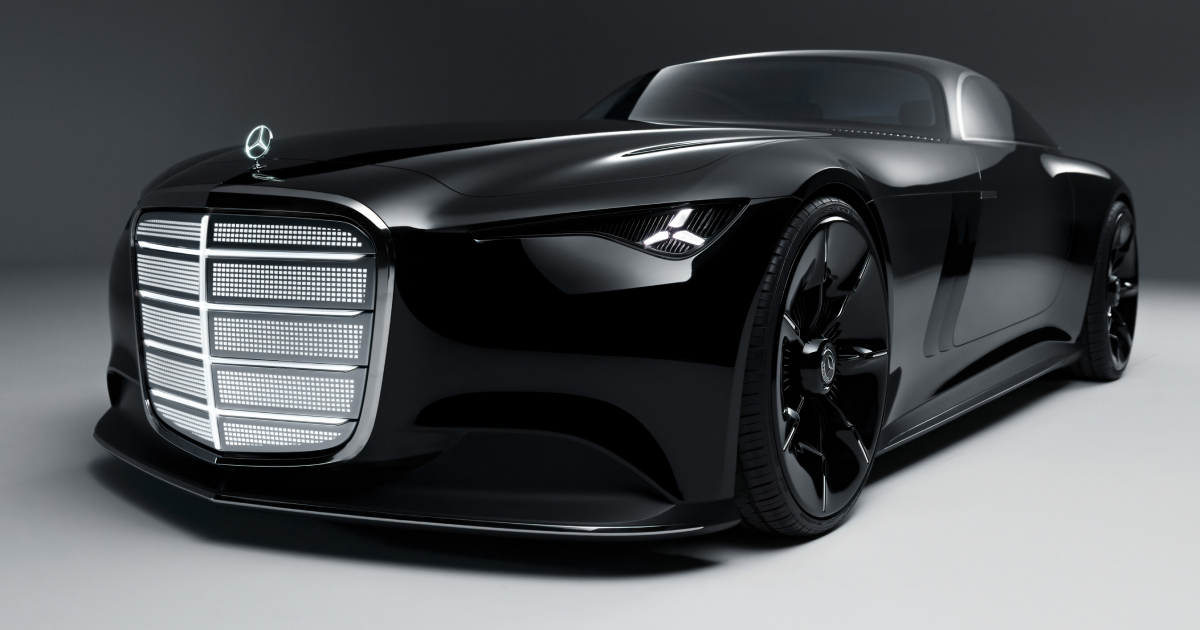
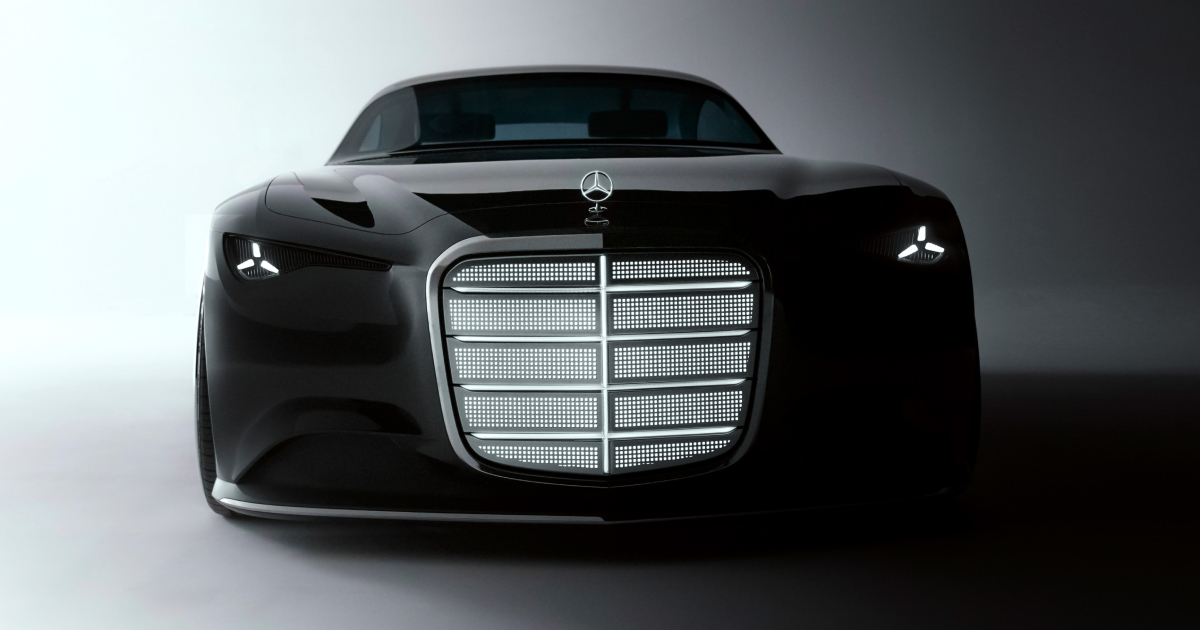
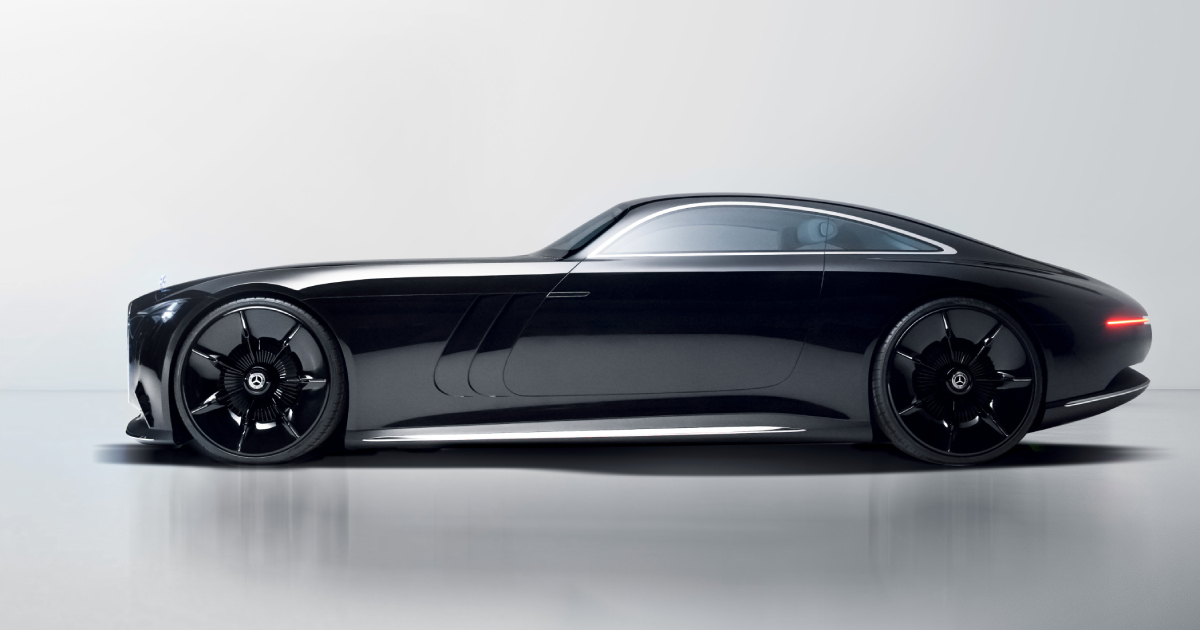
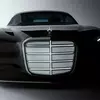
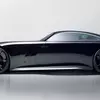
Vision Iconic resembles a deco-style Batmobile. It features a massive hood with a large illuminated grille and a glowing Mercedes star, along with a rear reminiscent of the original 300 SL model.
Inside, the Vision Iconic is even more conceptual than outside. Mercedes calls it a "hyper-analog" atmosphere, with the absence of screens and a floating glass capsule nicknamed "Zeppelin." Faux mother-of-pearl inlays, a combination of analog and digital instruments come to life when the doors are opened. And the steering wheel, although it looks old-fashioned, actually has no mechanical link to the wheels, transmitting all position change information via wires (steer-by-wire technology).
The concept car is equipped with promising technologies that may appear in future vehicles. For example, the body paint contains solar modules that can be applied to the body of electric vehicles like a thin paste.
Applying such modules to the entire surface of the Iconic Vision would allow the vehicle to use additional range from sunlight, depending on geographical location and local conditions. For example, an area of 11 square meters (equivalent to the surface of a mid-size SUV) could produce energy for up to 12,000 kilometers per year under ideal conditions. The coating does not contain rare earth elements or silicon and can be easily recycled. The solar cells have an efficiency of 20 percent and continuously generate energy.
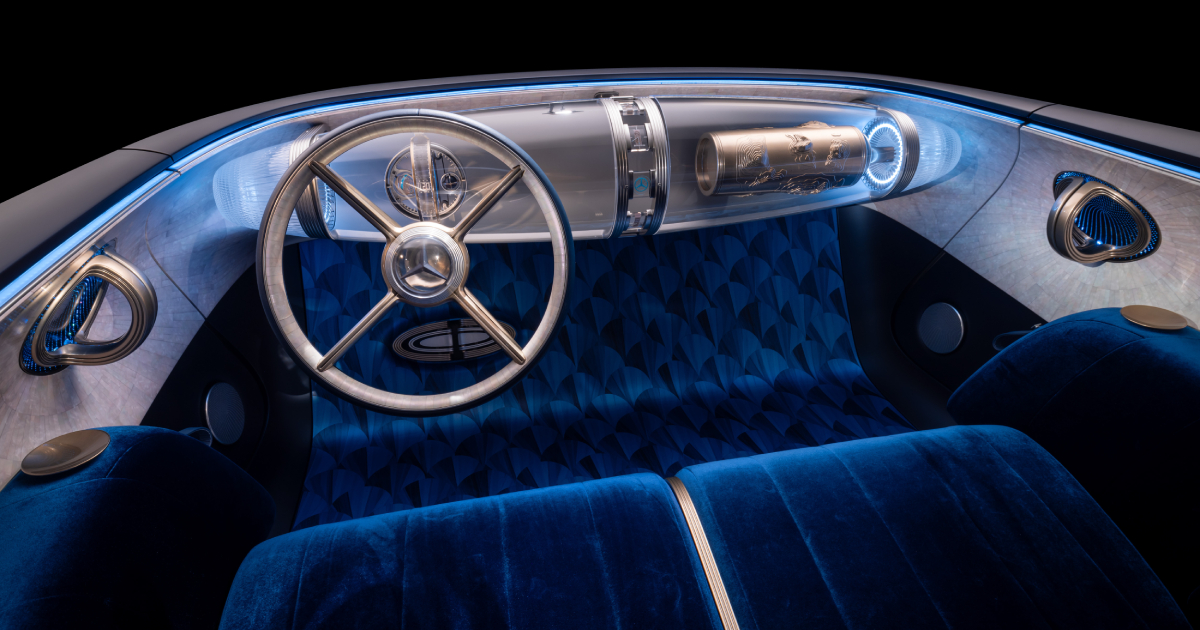
Mercedes Vision Iconic. Photo: Mercedes-Benz
Other technological features of Vision Iconic include automated driving of SAE Level 4 and neuromorphic computing, mimicking the workings of the human brain. Such computer-based safety systems, for instance, will be able to better recognize road signs, lanes, and other road users and respond faster even in poor visibility conditions. Neuromorphic computing can reduce energy consumption in data processing systems for autonomous driving by 90 percent compared to modern systems.
Source: Mercedes-Benz


