Best Budget Smartwatches
Let me be honest - my first smartwatch was a disaster. I dropped $400 on a flagship model, used it religiously for three weeks, then watched it collect dust on my nightstand for six months. Turns out, I didn't need cellular connectivity or the ability to run full apps on my wrist. I just wanted fitness tracking, notifications, and something that didn't die halfway through my morning run.
That realization sent me on a quest to find smartwatches that nail the essentials without the premium price tag. After months of testing budget models through sweaty workouts, rainy commutes, and actual everyday use (not just controlled lab conditions), I've found several watches that punch well above their weight class. Some surprised me with their battery life, others with their accuracy, and a few made me question why anyone pays flagship prices at all.
If you're in a hurry, here are my top two recommendations for budget smartwatches:
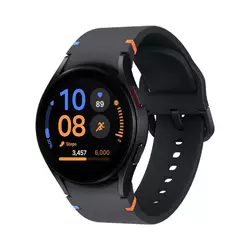
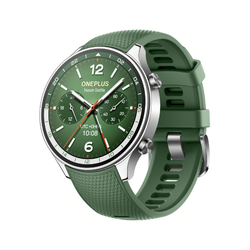
We may earn a small commission if you buy via our links - it helps keep gagadget.com running.
Table of Contents:
- Budget Smartwatches: Buyer's Guide
- Top 5 Budget Smartwatches in 2026
- Best Cheap Smartwatches: Comparison
- Samsung Galaxy Watch FE (40 mm)
- OnePlus Watch 2R
- Garmin Forerunner 55
- Amazfit GTS 4 Mini
- TOZO S3
- Budget Smartwatches: FAQ
Budget Smartwatches: Buyer's Guide
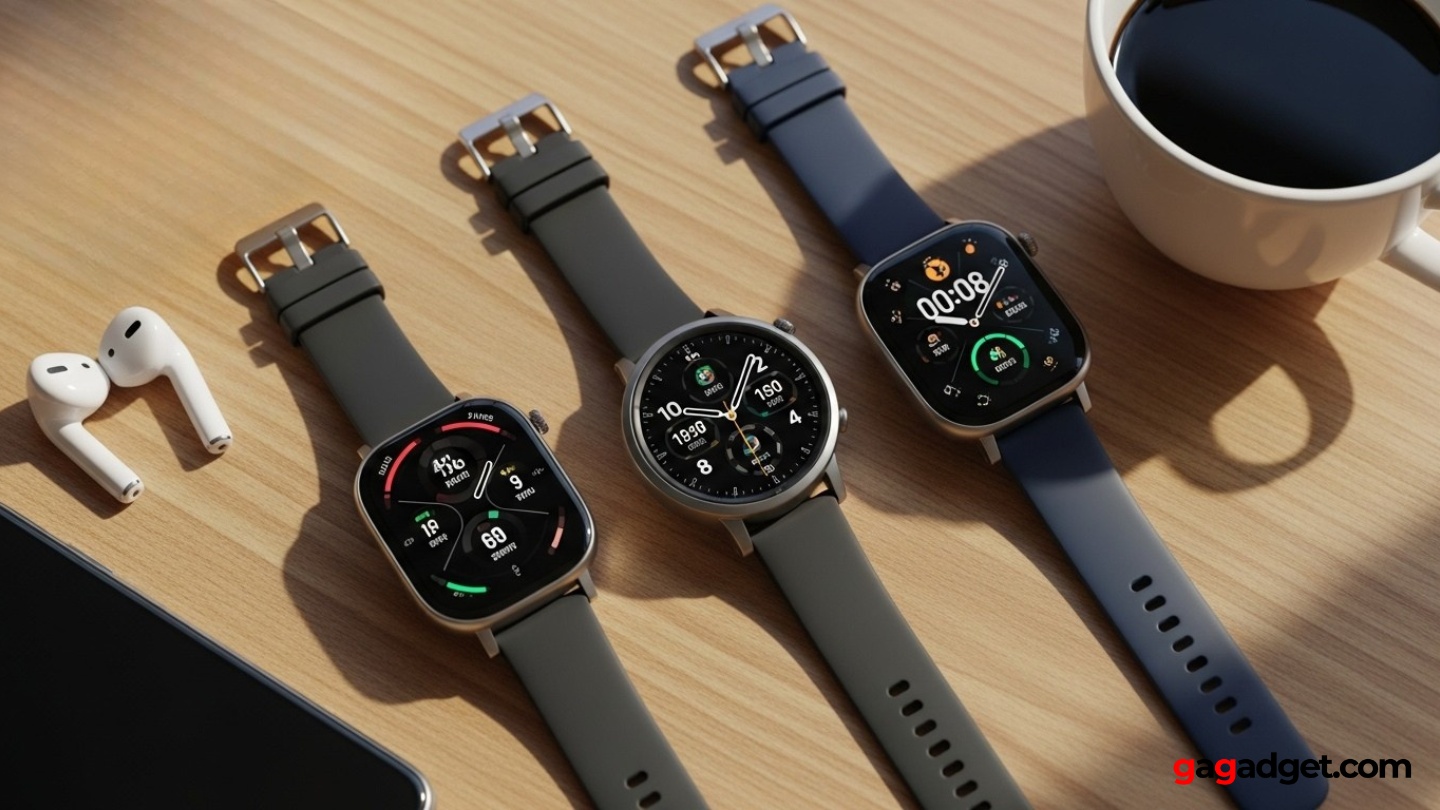
Image of affordable smartwatches. Source: Canva
After testing countless budget smartwatches and watching friends make expensive mistakes, I've learned that shopping for an affordable wearable requires a completely different mindset than buying flagship models. The budget category forces you to prioritize what you'll actually use versus what sounds cool in marketing copy. Here's what genuinely matters when you're not spending premium dollars.
Operating System: The Foundation of Your Experience
The operating system determines everything about your daily interaction with a smartwatch - app availability, notification handling, update frequency, and whether you'll still be using the watch in two years. Wear OS delivers the most complete smartphone-like experience with Google Play Store access, third-party apps, Google Maps, and contactless payments through Google Wallet. If you want your watch to feel like a tiny phone on your wrist, Wear OS is the only budget-friendly path.
Proprietary systems from Garmin, Amazfit, and other fitness-focused brands sacrifice app ecosystems for dramatically longer battery life and laser focus on health tracking.
These closed systems excel at fitness fundamentals - accurate GPS tracking, detailed workout analysis, and multi-day battery endurance that makes Wear OS watches look pathetic. You won't get Spotify streaming or third-party complications, but you'll charge weekly instead of nightly. The choice comes down to whether you want a versatile smart device or a dedicated fitness companion that happens to show notifications.
Display Technology and Outdoor Visibility
AMOLED displays dominate the smartwatch market with their vibrant colors, deep blacks, and energy efficiency when showing dark content. They look gorgeous indoors and make watch faces pop with personality. The downside? Visibility crashes in direct sunlight, forcing you to crank brightness to maximum and tank battery life during outdoor activities.
Transflective displays take the opposite approach - they're designed to use ambient light for visibility, becoming more readable as conditions get brighter. Garmin popularized this technology in budget watches, creating screens that work brilliantly for runners, hikers, and anyone who spends serious time outside. The trade-off is a less impressive indoor appearance and limited color depth compared to AMOLED panels.
GPS: Built-In Versus Phone-Dependent
Built-in GPS transforms a smartwatch from notification mirror into legitimate fitness tool. With GPS onboard, you can leave your phone behind during runs, hikes, or bike rides while still tracking distance, pace, and route accurately. Advanced implementations support multiple satellite systems - GPS, GLONASS, Galileo, BeiDou - improving accuracy in challenging environments like urban canyons or dense forests.
Phone-dependent GPS represents the primary compromise in ultra-budget watches. These devices track workouts by connecting to your phone's GPS, which works fine if you always carry your phone anyway. The limitations become obvious when you want to run without your phone or when Bluetooth range issues cause tracking gaps. Battery life improves dramatically without GPS hardware, creating a legitimate trade-off for casual users.
Battery Life: Reality Versus Marketing Claims
Manufacturer battery claims represent best-case scenarios with everything optimized and many features disabled. Real-world battery life typically lands 30-50% below advertised numbers once you enable always-on display, continuous heart rate monitoring, automatic workout detection, and actually use the watch for notifications.
Wear OS watches realistically need charging every 1-2 days with moderate use. Fitness-focused proprietary systems deliver 7-14 days between charges.
Consider your charging habits honestly. If you already charge your phone nightly, adding a watch to that routine requires minimal behavior change. But if you travel frequently, forget to charge devices, or want a watch that "just works" without constant maintenance, prioritize fitness-oriented models with week-long endurance over feature-rich Wear OS options.
Health Sensors: Accuracy Over Quantity
Budget smartwatches pack impressive sensor arrays - heart rate, SpO₂, sleep tracking, stress monitoring, and sometimes ECG or body composition analysis. Marketing emphasizes quantity, but accuracy matters infinitely more than feature count. A watch with three sensors that work reliably beats one with ten sensors that provide inconsistent garbage data.
Heart rate accuracy forms the foundation of all other health metrics. Inaccurate heart rate measurements corrupt calorie calculations, training zone guidance, sleep stage detection, and stress analysis. Established fitness brands like Garmin leverage years of algorithm refinement and validation, while newer brands sometimes struggle with consistency. If health tracking drives your purchase decision, prioritize brands with proven accuracy over newcomers promising everything.
Water Resistance: Understanding the Ratings
Water resistance ratings use standardized codes that reveal exactly what a watch can handle. IP68 provides dust-tight sealing and protection against extended water immersion - suitable for handwashing, rain, and shallow water activities but not swimming. The 5 ATM rating (50 meters) indicates suitability for swimming, showering, and water sports, though not scuba diving.
If you swim regularly or want worry-free showering, prioritize 5 ATM certification over IP68 alone.
Budget watches sometimes cut corners with IP68-only ratings, which technically allow water exposure but don't guarantee swimming reliability. This distinction matters more than it seems - shower steam and pool chlorine create harsher conditions than brief water splashes. Verify the specific rating matches your intended use rather than assuming all "waterproof" watches handle identical conditions.
Smart Features: Separating Useful from Gimmicky
The gap between budget and premium smartwatches appears smallest in notification handling - even ultra-cheap watches mirror texts, calls, and app alerts adequately. The differences emerge in response capabilities, app integration depth, and ecosystem features that extend beyond basic mirroring.
Contactless payments through NFC represent the most practical premium feature that sometimes trickles down to budget models. Being able to grab coffee or pay for lunch directly from your wrist eliminates the need to carry your wallet during workouts or quick errands. Regional availability varies significantly, though - many budget watches include NFC hardware but lack payment support in certain countries due to banking partnerships.
Music storage and streaming create genuine convenience for workout enthusiasts who despise running with phones. Budget watches rarely include music features, requiring you to either carry your phone or accept silence during exercise. If music matters, verify not just storage capacity but also streaming service compatibility and whether your preferred apps work offline.
Top 5 Budget Smartwatches in 2026
After extensive testing across different use cases, budgets, and user preferences, these five smartwatches represent the best combinations of value, reliability, and real-world usability at their respective price points.
- Full Wear OS with Google Play Store access
- Advanced health sensors including ECG
- Premium Super AMOLED display with sapphire crystal
- Excellent Samsung ecosystem integration
- Durable build with MIL-STD-810H rating
- Exceptional battery life (up to 100 hours)
- Dual-frequency GPS for superior accuracy
- Full Wear OS 4 with Google services
- Generous 2 GB RAM and 32 GB storage
- Bluetooth calling in all modes
- Outstanding GPS accuracy for tracking
- Comprehensive running-focused training features
- Exceptional battery life (up to 14 days)
- Transflective display readable in bright sunlight
- Excellent Garmin Connect ecosystem
- Stunning 1.65-inch HD AMOLED display
- Built-in GPS with five satellite systems
- Excellent battery life (up to 15 days)
- Comprehensive health tracking with PAI system
- 120+ sports modes with auto-detection
- Incredibly affordable entry price
- Bluetooth calling with speaker and mic
- Decent battery life (7-10 days)
- Basic health tracking covers essentials
- Large 1.83-inch display
Best Cheap Smartwatches: Comparison
To help you quickly evaluate the technical differences between these top budget smartwatches, here's a comprehensive comparison table:
| Specification | Samsung Galaxy Watch FE | OnePlus Watch 2R | Garmin Forerunner 55 | Amazfit GTS 4 Mini | TOZO S3 |
| Operating System | Wear OS + One UI Watch | Wear OS 4 + RTOS (hybrid) | Garmin proprietary | Zepp OS | TOZO firmware |
| Display | 1.2" Super AMOLED, 396×396 | 1.43" AMOLED | 1.04" transflective, always-on | 1.65" AMOLED | 1.83" TFT, 240×284 |
| Built-in GPS | Yes (GPS/GLONASS/Galileo/BeiDou) | Dual-frequency L1+L5 | Yes | Yes (5 satellite systems) | No (phone-assisted) |
| NFC / Contactless Pay | Yes (region-dependent) | Varies by region/SKU | No | No | No |
| Water Resistance | 5 ATM + IP68; MIL-STD-810H | 5 ATM + IP68 | 5 ATM | 5 ATM | IP68 |
| Battery Life (claimed) | 247 mAh; varies by use | Up to 100 hrs (Smart Mode) | Up to 14 days / ~20 hrs GPS | Up to ~15 days typical | Up to ~10 days typical |
| RAM / Storage | 1.5 GB / 16 GB | 2 GB / 32 GB | N/A | N/A | N/A |
| Key Health Sensors | HR, SpO₂, ECG, BIA, stress, sleep | HR, SpO₂, stress, sleep | HR, SpO₂, fitness metrics | HR, SpO₂, stress, sleep, PAI | HR, SpO₂, sleep |
| Special Features | Samsung ecosystem, body composition | Dual-engine architecture, Bluetooth calling | Training plans, VO₂ max, recovery time | Alexa built-in, 120+ sports modes | Bluetooth calling, ultra-affordable |
Each budget smartwatch brings unique strengths to different user needs and lifestyle priorities.
Samsung Galaxy Watch FE (40 mm) Review
Editor's Choice
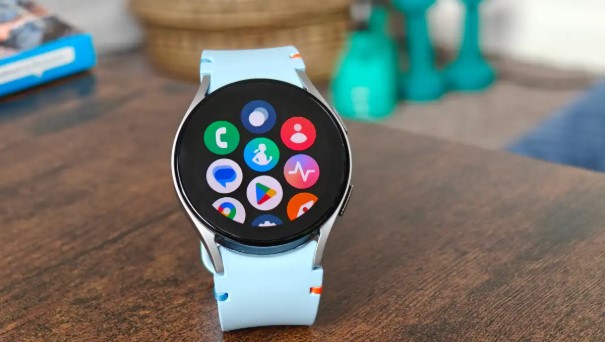
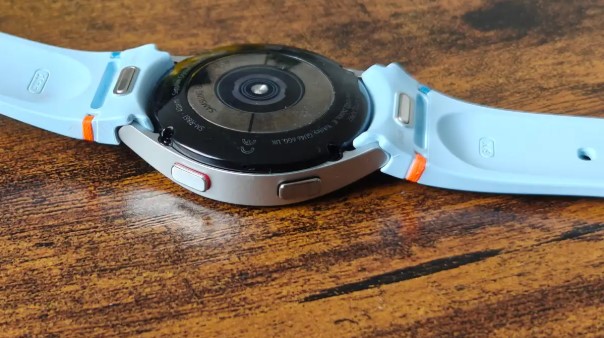
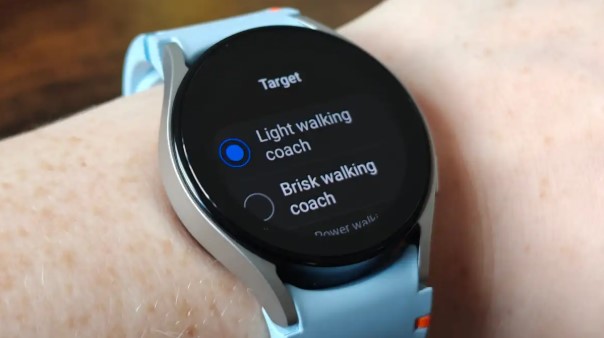
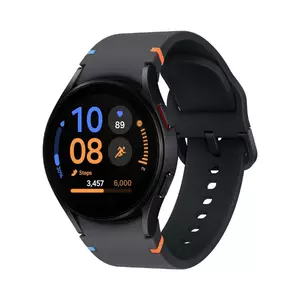
The Samsung Galaxy Watch FE represents what happens when a major manufacturer takes their flagship technology and strips away just enough premium features to hit an accessible price point without compromising the experience. This isn't a watered-down smartwatch - it's a genuinely capable device that happens to cost significantly less than Samsung's top-tier models.
Running Wear OS with Samsung's One UI Watch interface creates the most polished software experience in the budget category. You get full Google Play Store access, which means actual apps beyond basic fitness tracking - Google Maps for navigation, Spotify for music streaming, banking apps, productivity tools, and thousands of watch faces. The integration with Google services feels seamless in ways that proprietary systems simply cannot match.
The 1.2-inch Super AMOLED display punches above its small size with exceptional clarity, vivid colors, and deep blacks that make everything from notifications to workout stats easy to read indoors. Samsung protected this screen with sapphire crystal glass - a premium material that resists scratches far better than the mineral glass found on most budget watches. After months of wearing this watch through workouts, accidental door frame impacts, and general daily abuse, my screen remains flawless.
Health tracking capabilities rival watches costing twice as much. The FE includes Samsung's advanced BioActive sensor that handles not just standard heart rate and SpO₂ monitoring, but also ECG readings for heart rhythm analysis and bioelectrical impedance analysis (BIA) for body composition measurements. These features require Samsung Health app setup and regional availability varies, but when accessible, they provide insights typically reserved for dedicated health devices.
Sleep tracking goes beyond simple duration monitoring to analyze sleep stages, snoring detection, and blood oxygen levels during rest. The morning coaching features actually helped me identify patterns affecting my sleep quality - things like late caffeine consumption or screen time before bed that I hadn't connected to my restless nights.
Battery life represents the primary trade-off for Wear OS convenience. The 247 mAh capacity delivers roughly 24-30 hours with moderate use, requiring daily charging for most users. Heavy GPS usage, always-on display, or continuous heart rate monitoring can drain the watch faster, sometimes necessitating mid-day top-ups during particularly active days. This battery performance matches other Wear OS watches but falls dramatically short of fitness-focused competitors offering week-long endurance.
The 40mm case size fits smaller wrists comfortably - something many budget smartwatches ignore by defaulting to oversized designs. Samsung's build quality feels reassuringly solid with its aluminum case, and the MIL-STD-810H rating indicates genuine durability beyond marketing fluff. The 5 ATM water resistance handles swimming, showering, and water sports without concern.
Samsung ecosystem integration creates genuine value for Galaxy phone owners. The watch mirrors your phone's notification style, shares fitness data seamlessly with Samsung Health, and enables features like camera remote control and phone finding that work more reliably than with non-Samsung devices. Android users from other manufacturers get most functionality, while iPhone compatibility exists but loses some features.
Pros:
- Full Wear OS with Google Play Store access
- Advanced health sensors including ECG and body composition
- Premium Super AMOLED display with sapphire crystal
- Excellent Samsung ecosystem integration
- Durable build with MIL-STD-810H rating
Cons:
- Daily charging required for most users
- Some features limited by region
- Best experience requires Samsung phone
Summary: The Samsung Galaxy Watch FE delivers the most complete smartwatch experience available at this price point. Its combination of Wear OS flexibility, premium health sensors, quality display, and solid build makes it the default recommendation for most budget shoppers who want a "real smartwatch" rather than just a fitness tracker with notifications.
OnePlus Watch 2R Review
Best Overall
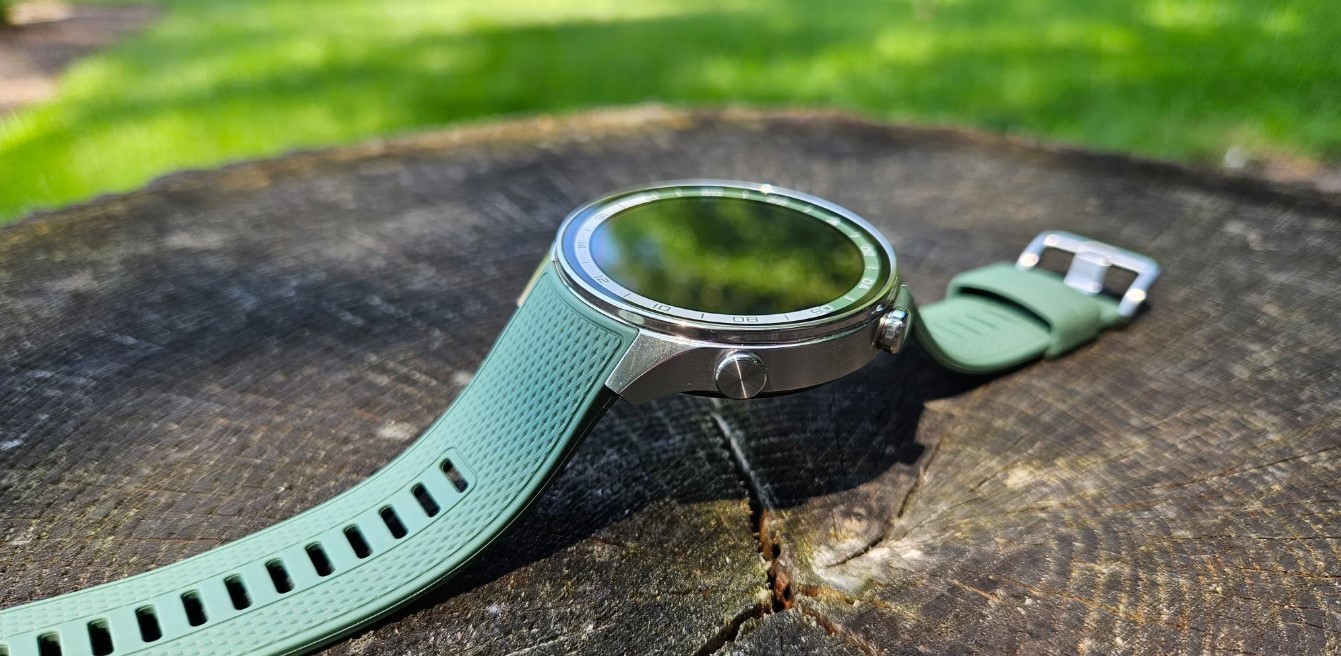
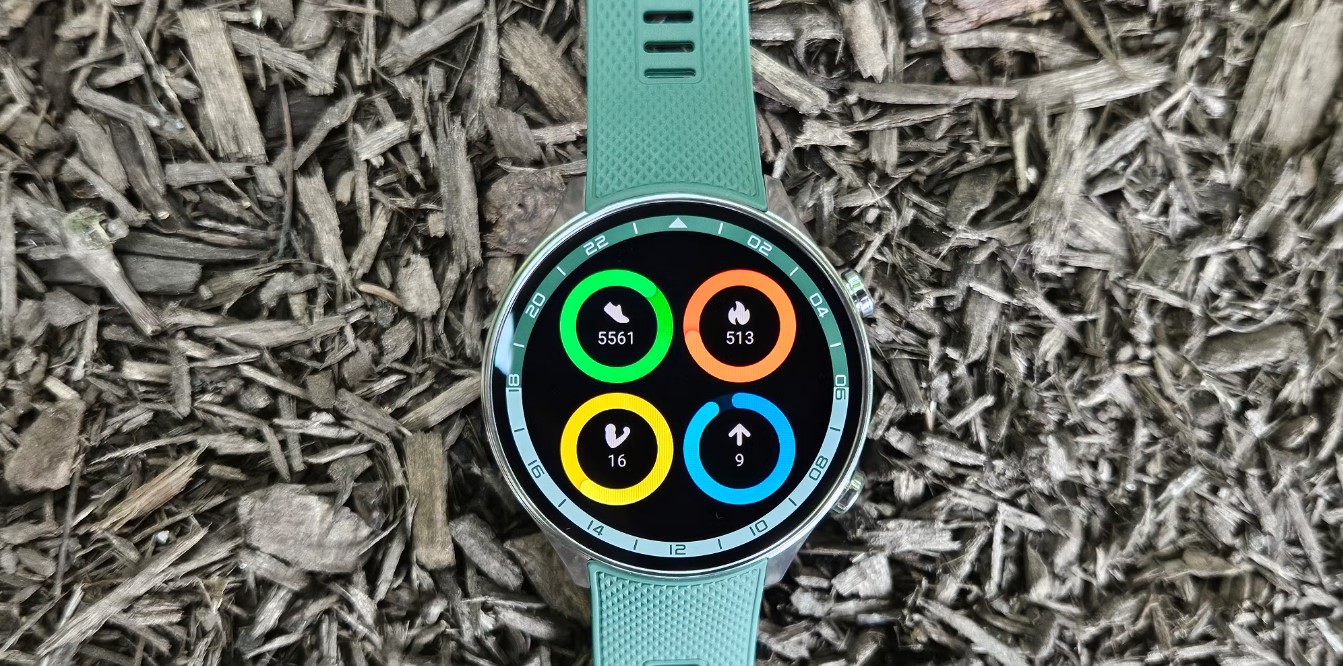
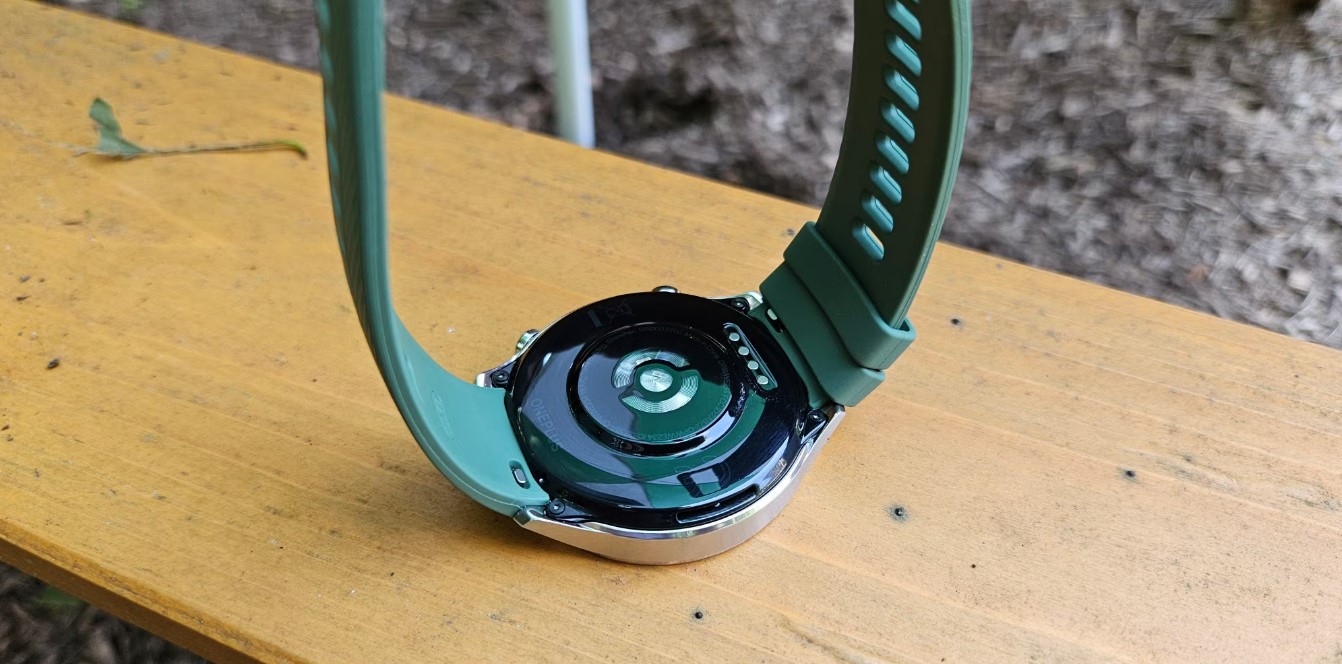
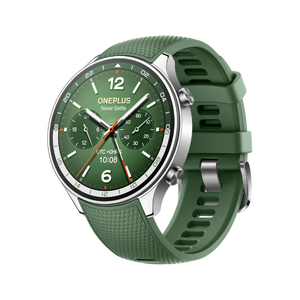
The OnePlus Watch 2R solves Wear OS's biggest weakness - miserable battery life - through an ingenious dual-engine architecture that other manufacturers haven't figured out yet. This watch runs full Wear OS 4 when you need apps, maps, and smart features, but offloads simple tasks like step counting, heart rate monitoring, and notification display to a low-power RTOS running on a secondary processor. The result? Up to 100 hours between charges while maintaining Wear OS capabilities.
In practical use, this hybrid system works transparently most of the time. You interact with familiar Wear OS interfaces, install apps from the Play Store, and use Google services normally. The watch intelligently decides which processor handles each task - workout tracking, basic notifications, and always-on display run on the efficient co-processor, while app launches, navigation, and complex interactions wake up the main Wear OS engine. Occasionally you'll notice a brief lag as the system switches between modes, but these transitions happen infrequently enough to be a minor annoyance rather than a deal-breaker.
The dual-frequency GPS implementation represents the OnePlus Watch 2R's second major technical advantage. Supporting both L1 and L5 GPS bands alongside multiple satellite systems (BeiDou, Galileo, GLONASS, QZSS) creates noticeably more accurate tracking in challenging environments. Urban running between tall buildings, trail running under dense tree cover, or hiking in narrow canyons - situations where standard GPS struggles - the Watch 2R maintains reliable position tracking.
I tested this watch on a multi-day hiking trip where I tracked several long routes with continuous GPS. The watch not only captured accurate tracks but still had 40% battery remaining after three days - a feat impossible with standard Wear OS devices. Runners training for marathons or anyone who travels frequently will appreciate not having to pack a charger for weekend trips.
The 1.43-inch AMOLED display provides plenty of space for complications and workout data. Colors pop, text remains sharp, and outdoor visibility holds up reasonably well with brightness maxed. The 2 GB RAM and 32 GB storage represent generous specs for this category - enough space for dozens of apps and considerable offline music without storage anxiety.
Bluetooth calling works in both Smart Mode and Power Saver mode, a practical detail that maintains communication convenience even when you've activated aggressive battery saving. The watch handles calls clearly enough for quick conversations, though you'll still prefer your phone for extended discussions.
The NFC situation requires attention before purchasing. Payment support availability varies by region and specific SKU, with some markets getting full Google Wallet functionality while others lack contactless payment entirely. Verify your region's capabilities rather than assuming payment support - it's the one area where OnePlus's global distribution creates confusion.
Build quality feels solid if not quite premium, with 5 ATM + IP68 water resistance handling swimming and daily abuse without concern. The watch survived several unexpected downpours during testing and weekly pool sessions without issues.
Pros:
- Exceptional battery life (up to 100 hours) for Wear OS
- Dual-frequency GPS for superior accuracy
- Full Wear OS 4 with Google services
- Generous 2 GB RAM and 32 GB storage
- Bluetooth calling in all modes
Cons:
- Occasional lag when switching between processors
- NFC payment availability varies by region
- Hybrid system adds complexity to troubleshooting
Summary: The OnePlus Watch 2R represents the best overall value in budget smartwatches by solving the fundamental Wear OS battery problem without sacrificing capability. Its hybrid architecture, superior GPS, and generous specifications create a watch that genuinely delivers on its promises rather than forcing compromise.
Garmin Forerunner 55 Review
Runner's Pick
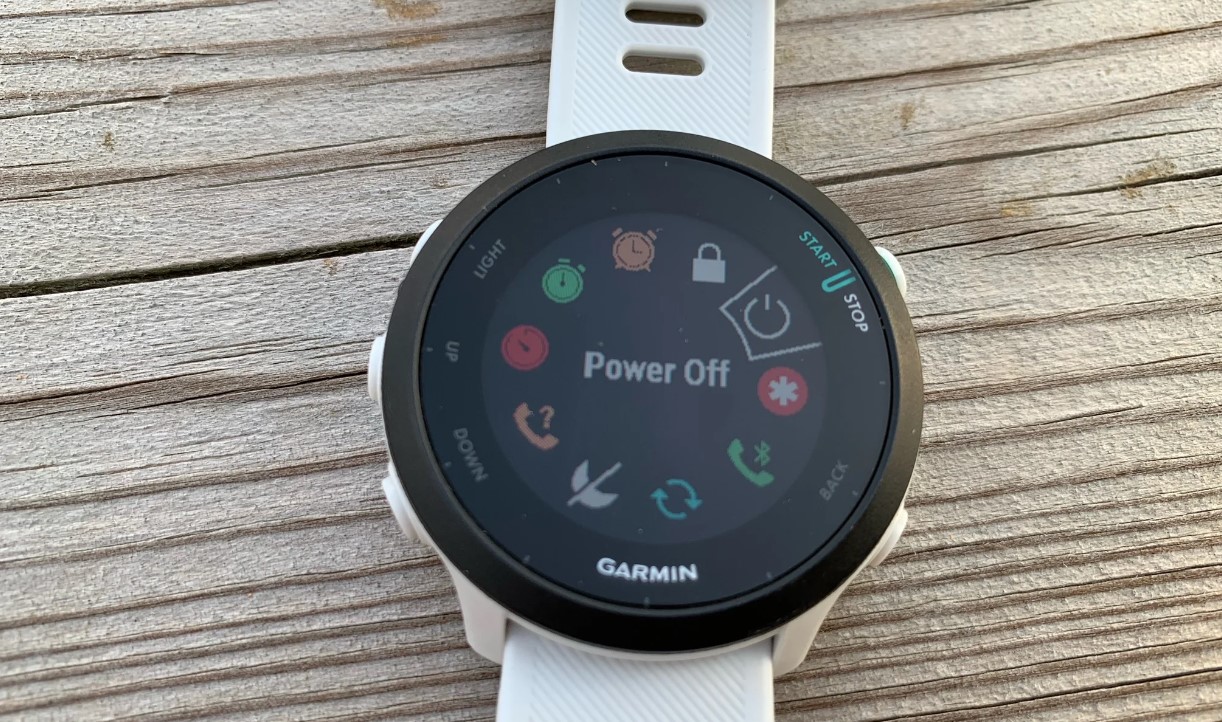
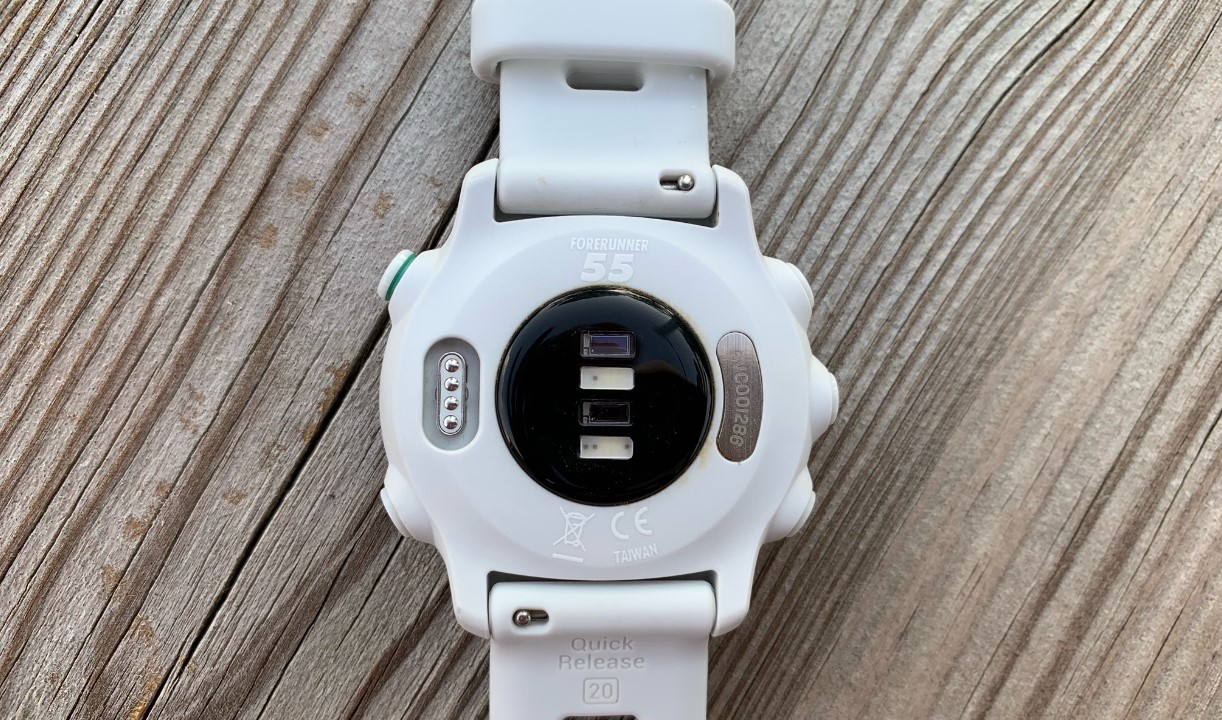
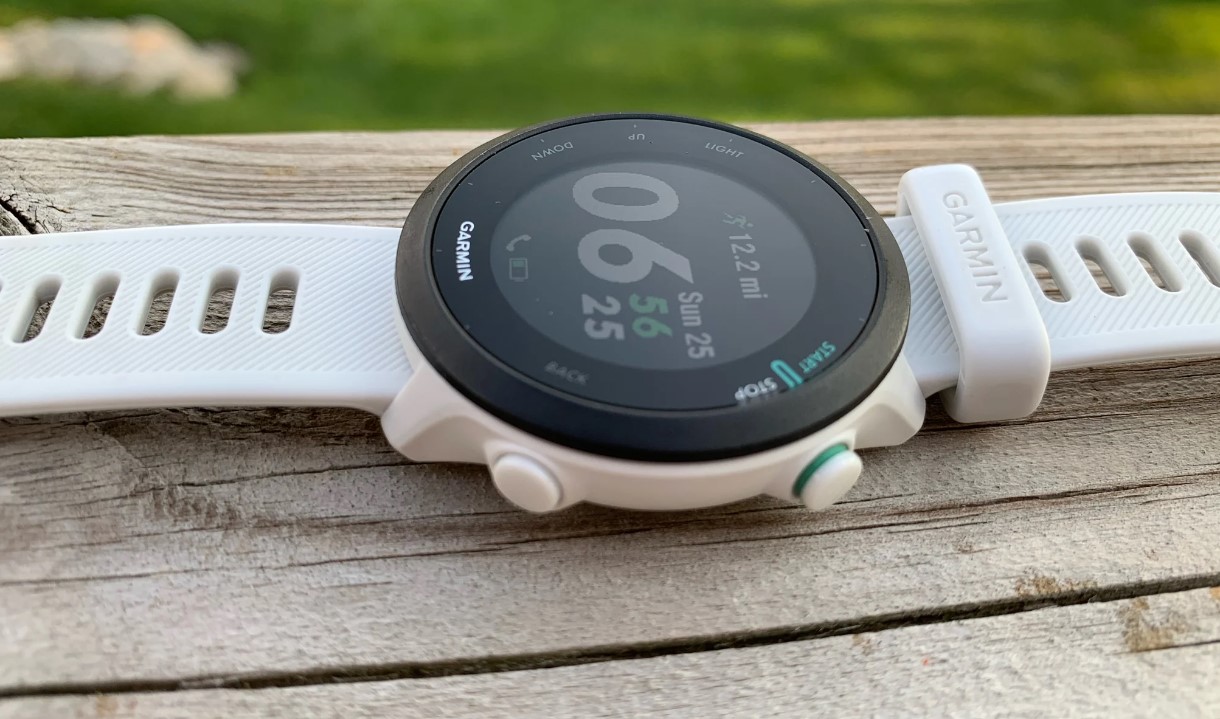
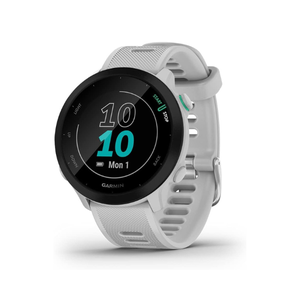
The Garmin Forerunner 55 makes no attempt to be everything to everyone. This watch exists for one primary purpose - helping runners train smarter through accurate tracking, structured guidance, and actionable insights. If you measure a smartwatch's value by notification handling, app selection, or music streaming, look elsewhere. But if you want the best running-focused watch at this price point, nothing else comes close.
The 1.04-inch transflective display looks dated compared to vibrant AMOLED screens, showing muted colors and limited detail. But step outside into bright sunlight where AMOLED watches become nearly unreadable, and the Forerunner 55's screen suddenly makes perfect sense. It uses ambient light for visibility, becoming more legible as conditions brighten - exactly what you need when checking pace splits during a sunny afternoon run. The always-on display requires no wrist raise or button press, letting you glance at data instantly mid-stride.
Garmin built its reputation on GPS accuracy, and the Forerunner 55 continues that tradition. Tracks align precisely with actual routes, distance measurements match known markers reliably, and pace calculations remain consistent throughout runs. I tested this watch against phone GPS and more expensive devices on repeated routes, finding the FR55 matched or exceeded their accuracy consistently.
Training features separate the Forerunner 55 from generic fitness watches. Daily Suggested Workouts analyze your current fitness level, recent training load, and recovery status to recommend specific workout types and intensities. These suggestions adapt based on your completion of previous workouts, creating a dynamic training plan that responds to your progress and schedule. VO₂ max estimation provides objective fitness measurement that improves as your training progresses, while recovery time recommendations help prevent overtraining by suggesting adequate rest periods.
Race predictor estimates finish times for various distances based on your current fitness and recent training. These predictions proved surprisingly accurate during my testing - estimated times landed within 2-3 minutes of actual race performances across 5K, 10K, and half marathon distances. Cadence alerts help maintain efficient running form by notifying you when your steps per minute drift outside target ranges.
Garmin Connect, the companion app, transforms raw data into meaningful insights. Post-run analysis includes detailed splits, elevation profiles, heart rate zones, and comparisons to previous efforts on the same route. Structured training plans guide you through preparation for specific race distances with daily workouts scheduled around your availability. Connect IQ allows limited customization through watch faces and data fields, though it's not an app platform like Wear OS - you won't install third-party apps or games.
Battery life represents a massive advantage over Wear OS alternatives. Garmin claims up to 14 days in smartwatch mode and approximately 20 hours with continuous GPS tracking. Real-world results landed close to these numbers - I typically charged every 10-12 days with 5-6 hours of weekly GPS activities plus normal smartwatch functions. Marathon runners can complete races without battery anxiety, and multi-day hiking trips don't require carrying a charger.
The feature limitations are deliberate design choices rather than corner-cutting. No music storage means you'll carry your phone or run in silence. No NFC eliminates contactless payments. The small display and basic interface make general smartwatch tasks less convenient than Wear OS. These aren't oversights - they're intentional trade-offs that enable the FR55's exceptional battery life and focused functionality.
Pros:
- Outstanding GPS accuracy for tracking
- Comprehensive running-focused training features
- Exceptional battery life (up to 14 days)
- Transflective display readable in bright sunlight
- Excellent Garmin Connect ecosystem
Cons:
- No music storage or streaming
- No NFC contactless payments
- Small display with basic interface
- Limited smartwatch features beyond fitness
Summary: The Garmin Forerunner 55 represents the best value for serious runners who prioritize training guidance, accuracy, and battery life over general smartwatch features. Its focused approach delivers exceptional performance for its intended purpose, making it the obvious choice for running-focused users on a budget.
Amazfit GTS 4 Mini Review
Value All-Rounder
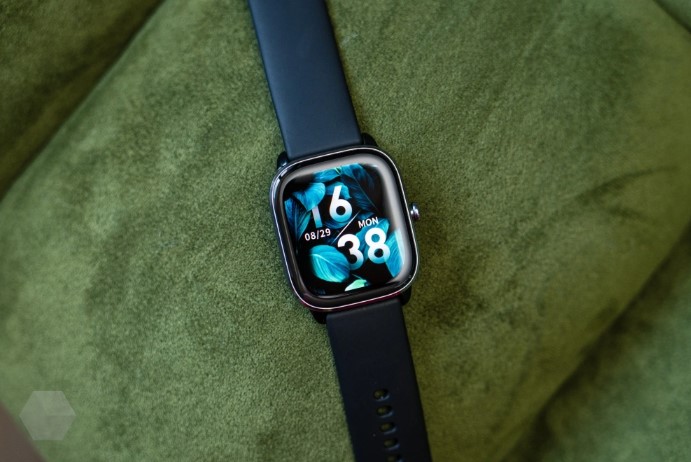
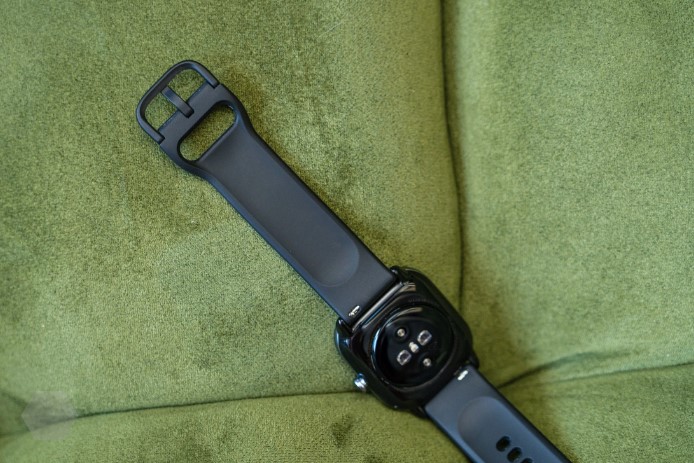
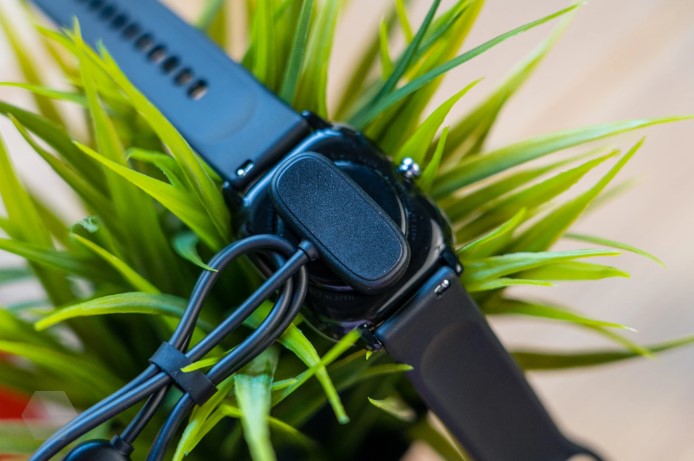
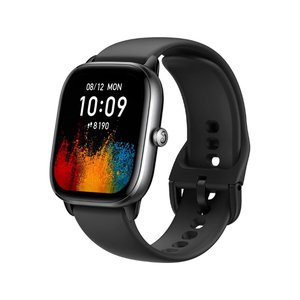
The Amazfit GTS 4 Mini packs an impressive feature set into a slim, lightweight package that looks and feels more expensive than its actual price suggests. This watch targets the massive middle ground between dedicated fitness devices and full-featured smartwatches, providing enough of both worlds to satisfy users who want versatility without premium costs.
The 1.65-inch HD AMOLED display immediately stands out as the GTS 4 Mini's visual centerpiece. Colors appear vibrant, text remains crisp, and watch faces showcase detail that makes budget TFT screens look primitive by comparison. The rectangular shape provides more usable screen space than circular designs of similar diagonal size, fitting more complications and data fields without cramping. Outdoor visibility holds up reasonably well with brightness maxed, though direct sunlight still challenges AMOLED technology.
Built-in GPS supporting five satellite positioning systems (GPS, GLONASS, Galileo, BeiDou, QZSS) delivers reliable outdoor tracking without phone dependency. Routes recorded during testing aligned accurately with actual paths, and the multi-system support maintained locks in challenging environments where single-system GPS struggled. For a budget watch, this GPS performance rivals devices costing significantly more.
Health tracking covers all expected bases - 24/7 heart rate monitoring, SpO₂ measurement, stress tracking, and sleep analysis with stage detection. Amazfit's PAI (Personal Activity Intelligence) system translates various activities into a single score based on heart rate data, simplifying fitness tracking into one number that indicates whether you're meeting weekly activity goals. This approach works surprisingly well for maintaining consistent activity levels without obsessing over step counts or specific workout types.
The 120+ sports modes cover virtually any activity you might pursue, from common exercises like running and cycling to niche activities like rock climbing and skiing. Auto-detection identifies and starts tracking common activities automatically, eliminating the need to manually trigger workout mode before every run or walk.
Battery life represents another strength, with the 270 mAh cell delivering approximately 15 days under typical use conditions. My testing aligned with these claims - I charged roughly every 12-14 days with moderate fitness tracking, always-on display disabled, and regular notification mirroring. Battery Saver mode extends endurance further for situations where charging access is limited.
Alexa integration provides voice control for timers, weather checks, smart home control, and general questions. The implementation works adequately for quick commands, though response speed depends on phone connectivity and internet access. It's a nice inclusion that adds convenience without being the watch's primary selling point.
The Zepp OS operating system represents both the watch's strength and limitation. It's lightweight, efficient, and focused on health tracking and essential smartwatch functions. You'll receive notifications, control phone music playback, check weather, and use basic utilities like alarms and timers. What you won't get is the Google Play Store, third-party app installation, or deep integration with services beyond Amazfit's ecosystem. This trade-off enables the excellent battery life but creates a ceiling on functionality.
No NFC means no contactless payments, and no onboard music storage requires carrying your phone for workout audio. These omissions feel more noticeable given the watch's otherwise comprehensive feature set, but they're common compromises at this price point.
Pros:
- Stunning 1.65-inch HD AMOLED display
- Built-in GPS with five satellite systems
- Excellent battery life (up to 15 days)
- Comprehensive health tracking with PAI system
- 120+ sports modes with auto-detection
Cons:
- No Google Play Store or third-party apps
- No NFC contactless payments
- No onboard music storage
- Zepp OS limits advanced smartwatch features
Summary: The Amazfit GTS 4 Mini succeeds by balancing premium features like its gorgeous AMOLED display and reliable GPS with practical battery life and comprehensive health tracking. It's the ideal choice for fitness-focused users who want a beautiful, capable watch without committing to daily charging or premium prices.
TOZO S3 Review
Ultra Budget
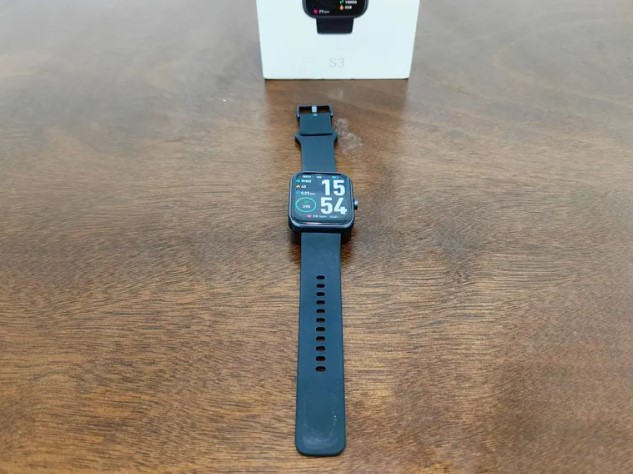
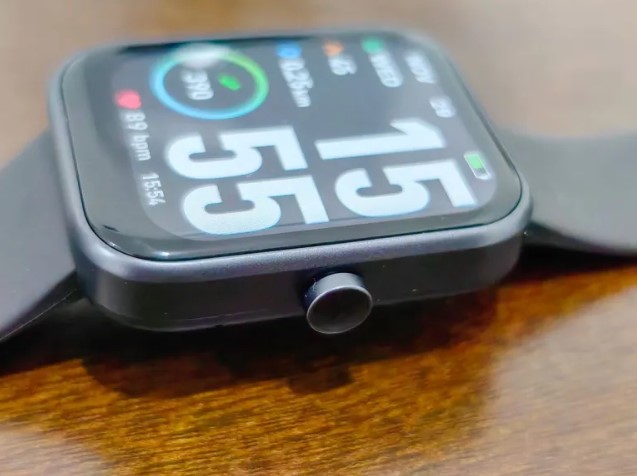
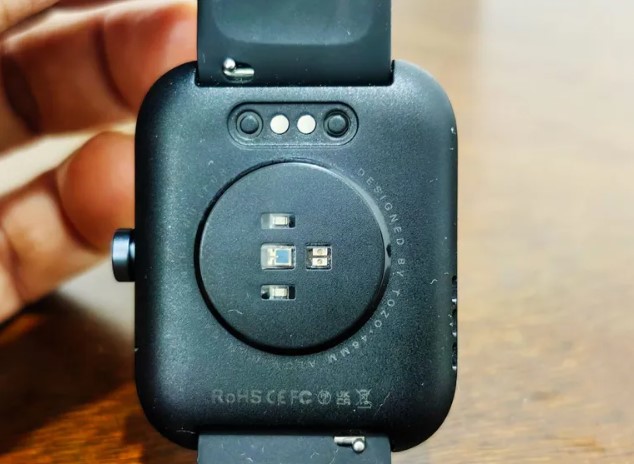
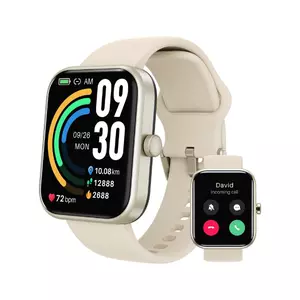
The TOZO S3 exists at the absolute bottom of the smartwatch price spectrum, where expectations typically crater and disappointment runs rampant. Yet somehow, this ultra-budget device manages to deliver the core essentials of a smartwatch experience without the catastrophic compromises that usually plague devices at this price point. It won't wow anyone with premium materials or cutting-edge features, but it accomplishes something arguably more valuable - making smartwatch functionality accessible to people who can't or won't spend serious money.
The 1.83-inch TFT display represents the most obvious compromise. It's not AMOLED with its vibrant colors and infinite contrast, just a basic LCD panel showing adequate colors and acceptable sharpness. Outdoor visibility struggles in bright sunlight, and viewing angles are narrower than premium screens. But for indoor use and checking notifications, it works fine - which is genuinely all most people need from a smartwatch display.
Bluetooth calling stands out as the S3's killer feature at this price point. The built-in speaker and microphone handle phone calls directly from your wrist when your phone is nearby. Call quality won't replace your phone for important conversations, but it works perfectly for quick calls while your hands are occupied - answering while cooking, during workouts, or when your phone is buried in a bag. This feature alone justifies the watch for many users who primarily want hands-free convenience.
Health tracking covers the basics through the TOZO Health app - 24/7 heart rate monitoring, SpO₂ spot checks, sleep logging, and 100+ sports modes. Accuracy won't match medical-grade devices or premium fitness watches, but it provides reasonable estimates for casual health monitoring. If you want to generally track your activity trends and get ballpark heart rate data, the S3 handles that adequately.
The lack of built-in GPS means the watch relies on your phone's GPS for route tracking during outdoor activities. This phone-dependent approach works fine if you always carry your phone anyway, but it eliminates the freedom of phone-free runs or hikes. Battery consumption during GPS activities happens on your phone rather than the watch, which actually extends the S3's endurance during tracked workouts.
Battery life claims hover around 10 days with typical use, and my testing landed in the 7-9 day range depending on notification volume and heart rate monitoring frequency. That's genuinely impressive for this price category, where many competitors barely last 3-4 days. The magnetic charging puck attaches securely and recharges the watch relatively quickly.
Notification mirroring handles texts, calls, and app alerts adequately. You'll see message content on your wrist, but interaction capabilities are limited - no voice replies, no keyboard, just basic notification awareness. Music controls let you play, pause, and skip tracks on your phone, covering essential playback functions.
IP68 water resistance provides protection against sweat, rain, and brief water immersion, though it's not rated for swimming like 5 ATM devices. I wore the S3 through sweaty workouts and unexpected rain without issues, but I wouldn't take it swimming based on the official rating.
Build quality feels appropriate for the price - functional plastic construction that's lightweight but not premium. The watch survived my testing period without breaking or showing excessive wear, which honestly exceeded my expectations given how little it costs. The interface operates smoothly enough for basic tasks, though you'll notice lag compared to more powerful smartwatches.
Pros:
- Incredibly affordable entry price
- Bluetooth calling with speaker and mic
- Decent battery life (7-10 days)
- Basic health tracking covers essentials
- Large 1.83-inch display
Cons:
- Basic TFT display, not AMOLED
- No built-in GPS (phone-dependent)
- IP68 only, not swim-rated
- Limited smartwatch features
- Health tracking accuracy modest
Summary: The TOZO S3 succeeds by maintaining realistic expectations and delivering core functionality at an ultra-affordable price. It's the perfect choice for smartwatch-curious buyers, teens getting their first wearable, or anyone who wants basic notification handling and Bluetooth calling without spending serious money.
Budget Smartwatches: Your Questions Answered
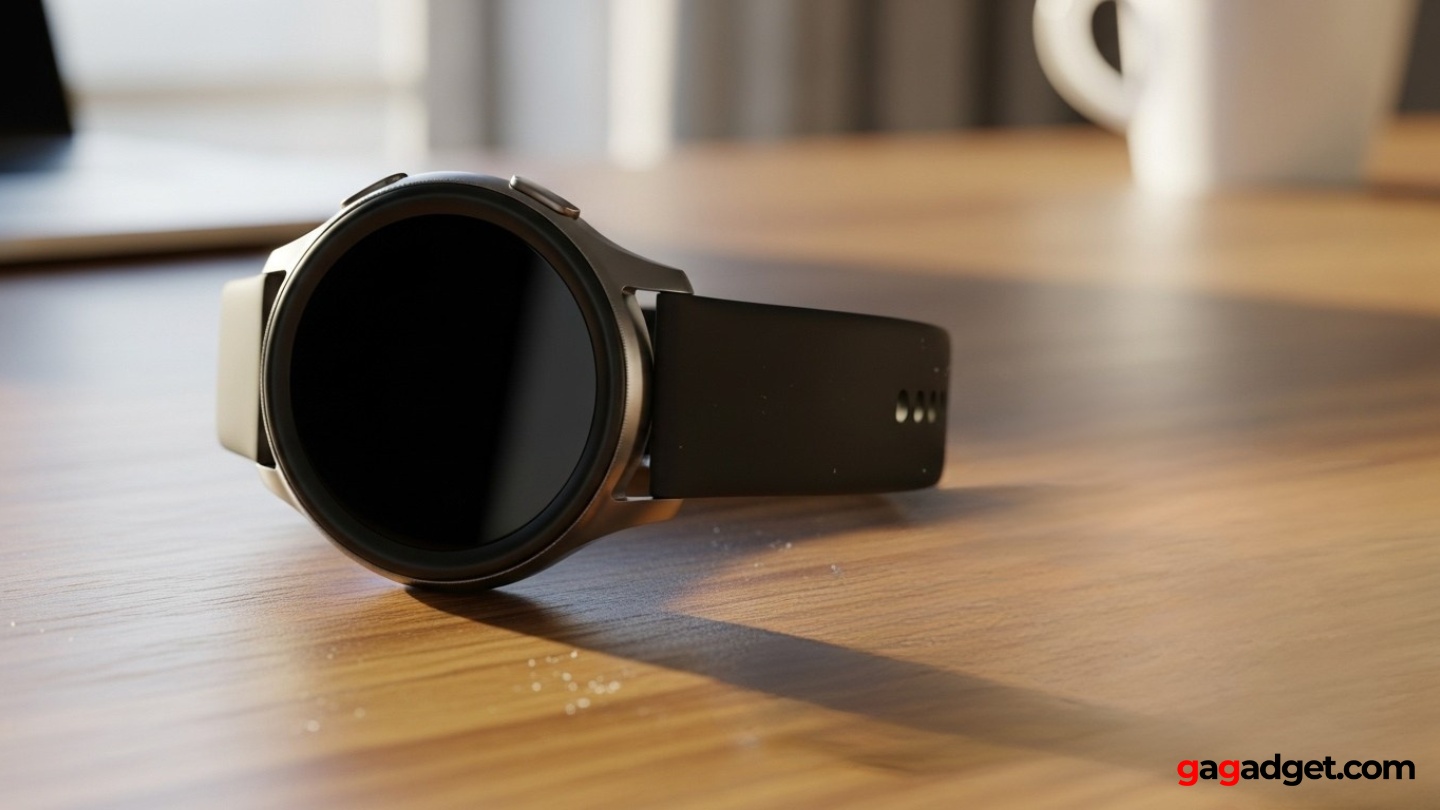
Image of Samsung Watch. Source: Canva
After testing dozens of budget smartwatches and helping friends navigate their purchases, certain questions emerge repeatedly. Here are the answers that actually matter when shopping in this category.
Are budget smartwatches worth buying, or should I save for a premium model?
Budget smartwatches have evolved dramatically over the past few years, with many now offering features that were flagship-exclusive just a generation ago. If your needs focus on fitness tracking, notifications, and basic smartwatch functions, today's budget options deliver genuinely satisfying experiences. Save for premium models only if you need specific features like cellular connectivity, premium materials, or cutting-edge health sensors that budget watches don't offer.
What's the biggest difference between budget and premium smartwatches?
Battery life versus feature richness represents the fundamental trade-off. Budget fitness watches deliver week-long endurance but limited app ecosystems, while budget Wear OS watches provide full smartphone-like features but require daily charging. Premium watches increasingly deliver both through better processors and larger batteries, but budget devices still force this choice.
Can I use a budget smartwatch with an iPhone?
Most budget smartwatches work with iPhones through companion apps, but functionality limitations vary significantly. Wear OS watches provide the best iPhone compatibility among non-Apple devices, offering notification mirroring, fitness tracking, and some app integration. Proprietary systems from Garmin, Amazfit, and others also support iPhones adequately for notifications and health data syncing, though you'll lose some Android-specific features.
How accurate is fitness tracking on budget smartwatches?
Accuracy varies more between brands than price points. Established fitness brands like Garmin deliver reliable tracking even in budget models through years of algorithm refinement. Newer brands sometimes struggle with consistency, particularly for heart rate during high-intensity activities. For casual fitness monitoring and trend tracking, most budget watches perform adequately. Serious athletes should prioritize proven brands over rock-bottom prices.
Do I need built-in GPS, or is phone-connected GPS good enough?
Built-in GPS becomes essential if you want to leave your phone behind during runs, hikes, or bike rides. Phone-connected GPS works fine if you always carry your phone anyway, but Bluetooth connection issues can create tracking gaps, and your phone's battery drains faster. Consider your actual use case - casual walkers rarely need built-in GPS, while runners often find it indispensable.
Will a budget smartwatch receive software updates?
Update support varies dramatically between manufacturers. Samsung and Garmin typically support budget models with updates for several years, while smaller brands often abandon devices quickly after launch. Wear OS devices generally receive Google service updates even if watch-specific features stagnate. Check the manufacturer's update history with previous models before purchasing if long-term support matters to you.
Can budget smartwatches replace my fitness tracker?
Yes, with caveats. Budget smartwatches now include comprehensive fitness sensors and tracking capabilities that match or exceed dedicated fitness bands. The main compromise is battery life - fitness bands often last weeks while budget smartwatches require more frequent charging. If you can accept charging every few days instead of monthly, smartwatches deliver more functionality for similar or lower prices than premium fitness bands.
Choosing Your Budget Smartwatch
Finding the right budget smartwatch comes down to honestly assessing which features you'll actually use versus which ones sound appealing in marketing copy. For the most complete smartwatch experience with premium health sensors, the Samsung Galaxy Watch FE delivers exceptional value. The OnePlus Watch 2R solves Wear OS's battery problem through innovative dual-engine architecture that genuinely works.
Serious runners find better value in the Garmin Forerunner 55, which delivers focused training features and exceptional battery life. The Amazfit GTS 4 Mini balances beautiful design, reliable GPS, and practical battery life for fitness-focused users who don't need Wear OS. Ultra-budget shoppers get surprising functionality from the TOZO S3, which includes Bluetooth calling at a price point where most devices barely function.
The technology in budget smartwatches has reached a point where you're no longer settling for "good enough" - you're choosing between genuinely capable devices that prioritize different aspects of the smartwatch experience. Whether you pick a feature-rich Wear OS watch or a battery-champion fitness device, you're getting tools that can meaningfully improve your health awareness, connectivity, and daily convenience. That's pretty remarkable for devices that cost less than a nice dinner.
Explore More:

Jim's our tech geek with a mission since February 2023. From movies to video projectors, he knows his stuff and aims to make tech work for you. When he's not geeking out, he's there to guide you through making savvy decisions.


