Xiaomi Pad 7 Pro vs Pad 6S Pro: Comparison
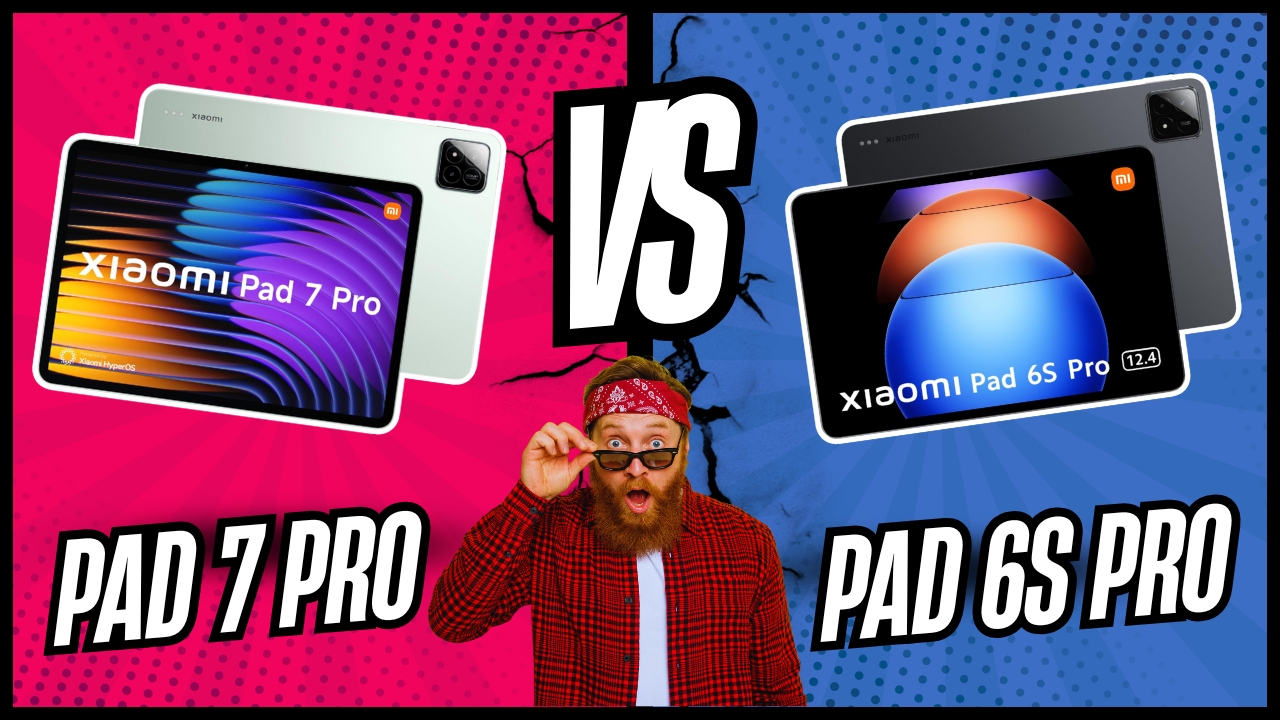
Hey there! Today I'm comparing two of Xiaomi's most impressive premium tablets: the sleek Xiaomi Pad 7 Pro and the powerhouse Xiaomi Pad 6S Pro. Both pack flagship specs and gorgeous displays - but they cater to distinctly different users with their size and feature priorities.
I've been living with both tablets for the past seven weeks, using them for everything from Netflix binges and digital art to productivity work and mobile gaming. In this detailed head-to-head, I'll break down which tablet actually delivers better value and help you figure out if you need compact portability or maximum screen real estate. Let's get started!
Xiaomi Pad 7 Pro vs Xiaomi Pad 6S Pro: Quick Overview
Here's the bottom line: The Xiaomi Pad 7 Pro and Xiaomi Pad 6S Pro represent different priorities in premium Android tablets. The Pad 7 Pro brings a more portable 11.2" display, newer Snapdragon 8s Gen 3 processor, lighter 500g weight, faster 67W charging, and four-speaker setup at $489. The Pad 6S Pro counters with a massive 12.4" productivity-focused screen with 3:2 aspect ratio, slightly more powerful Snapdragon 8 Gen 2, heavier 590g build, blazing 120W charging, impressive six-speaker system, and larger 10,000mAh battery at $599.
For most people, I'd recommend the Xiaomi Pad 7 Pro. Its more manageable size, lighter weight, newer processor, and significantly lower price make it the better all-around tablet for media consumption, casual gaming, and portable productivity. However, grab the Xiaomi Pad 6S Pro if you prioritize maximum screen space for professional work, need that productivity-friendly 3:2 aspect ratio for documents and coding, want the absolute loudest speakers with six drivers, or simply demand the biggest display Xiaomi offers.
Table of Contents:
- Xiaomi Pad 7 Pro vs Xiaomi Pad 6S Pro: Full Comparison
- Xiaomi Pad 6S Pro vs Xiaomi Pad 7 Pro: Design
- Xiaomi Pad 7 Pro or Xiaomi Pad 6S Pro: Owner Reviews
- Xiaomi Pad 7 Pro and Xiaomi Pad 6S Pro Alternatives
Xiaomi Pad 7 Pro vs Xiaomi Pad 6S Pro: Full Comparison
| Specification | Xiaomi Pad 7 Pro | Xiaomi Pad 6S Pro |
| Image |
 |

 |
| Display Size | 11.2 inches | 12.4 inches |
| Resolution | 3200 x 2136 (3.2K) | 3048 x 2032 (3K) |
| Aspect Ratio | 3:2 | 3:2 |
| Refresh Rate | 144Hz | 144Hz |
| Peak Brightness | 800 nits | 900 nits (HBM) |
| Display Type | IPS LCD | IPS LCD |
| Processor | Snapdragon 8s Gen 3 (4nm) | Snapdragon 8 Gen 2 (4nm) |
| RAM | 8GB / 12GB LPDDR5X | 8GB / 12GB / 16GB LPDDR5X |
| Storage | 128GB / 256GB / 512GB UFS 4.0 | 256GB / 512GB / 1TB UFS 4.0 |
| Rear Camera | 50MP main (f/1.8) | 50MP main (f/1.8) + 2MP depth |
| Front Camera | 32MP (f/2.2) | 32MP (f/2.2) |
| Battery | 8,850mAh | 10,000mAh |
| Charging | 67W fast charging | 120W HyperCharge |
| Speakers | 4 speakers (Dolby Atmos) | 6 speakers (Dolby Atmos) |
| Connectivity | Wi-Fi 7, Bluetooth 5.4 | Wi-Fi 7, Bluetooth 5.3 |
| Dimensions | 251.2 x 173.4 x 6.2mm | 278.7 x 191.6 x 6.26mm |
| Weight | 500g (1.10 lb) | 590g (1.30 lb) |
| OS | HyperOS 2 (Android 15) | HyperOS (Android 14) |
| Price | $489 (256GB/8GB) | $599 (256GB/8GB) |
Performance tells a nuanced story here. The Pad 7 Pro's Snapdragon 8s Gen 3 is technically the newer chip, but the Pad 6S Pro's full-fat Snapdragon 8 Gen 2 actually edges it out in raw power. During my testing with demanding games like Genshin Impact and Honkai: Star Rail, the 6S Pro maintained slightly higher average framerates and ran cooler under sustained load. However, for everyday tasks like web browsing, video streaming, and document editing, both tablets feel identically snappy and responsive. Unless you're pushing extreme gaming sessions, you won't notice the performance gap.
Display quality reveals the most significant practical difference between these tablets. The Pad 6S Pro's massive 12.4" screen simply provides more room to work, with that extra 1.2 inches making a genuine difference for productivity tasks. I found myself naturally reaching for the 6S Pro when working with split-screen apps or editing documents. The slightly higher 900-nit peak brightness also helps in bright environments. However, the Pad 7 Pro's 11.2" display hits the sweet spot for portability while still offering that same gorgeous 3.2K resolution and 144Hz smoothness. Both panels are IPS LCD rather than OLED, so you're getting excellent color accuracy but not those perfect blacks.
Speaker systems distinctly favor the Pad 6S Pro. Those six speakers create genuinely impressive stereo separation and depth that makes the four-speaker Pad 7 Pro sound comparatively flat. Watching movies on the 6S Pro delivers theater-like audio staging where you can pinpoint sound placement across the soundstage. The bass response is also noticeably fuller. That said, the Pad 7 Pro's quad speakers still sound excellent for a tablet this size - loud, clear, and perfectly adequate for most content consumption. The 6S Pro just takes it to another level entirely.
Battery life proves interesting given the different capacities and screen sizes. The Pad 6S Pro's 10,000mAh battery is obviously larger, but it also has to power that bigger, brighter display. In my real-world testing, both tablets delivered similar endurance - roughly 11-12 hours of mixed video streaming and web browsing. The game-changer is charging speed: the 6S Pro's 120W HyperCharge is genuinely phenomenal, taking the tablet from empty to full in under 40 minutes. The Pad 7 Pro's 67W charging is still fast but requires about 90 minutes for a complete charge.
Portability strongly favors the Pad 7 Pro. That 90-gram weight difference between 500g and 590g becomes noticeable during extended holding periods. I could comfortably hold the Pad 7 Pro one-handed for reading in bed, while the 6S Pro's heft made it more of a two-handed affair or required propping up. The smaller dimensions also mean the Pad 7 Pro slips more easily into bags and backpacks. If you're frequently traveling with your tablet, the Pad 7 Pro's more compact form factor provides real advantages.
Software experience is nearly identical thanks to both running Xiaomi's HyperOS. The Pad 7 Pro gets the newer HyperOS 2 based on Android 15, while the 6S Pro runs the original HyperOS on Android 14. In practice, the differences are minimal - both offer excellent multitasking with floating windows, split-screen capabilities, and seamless integration with Xiaomi smartphones. The productivity-focused features work identically on both tablets, including desktop mode and stylus support with optional accessories.
Value proposition clearly tips toward the Pad 7 Pro. At $489 versus $599, you're saving $110 while getting a newer processor, lighter design, and only sacrificing screen size and speaker count. For most users, those trade-offs make sense. The 6S Pro justifies its premium only if you specifically need that larger canvas for professional work or truly prioritize audio quality above all else. Both tablets offer excellent performance per dollar, but the Pad 7 Pro delivers more tablet for less money.
Xiaomi Pad 6S Pro vs Xiaomi Pad 7 Pro: Design & Build
Both tablets embrace premium minimalism while revealing their different size priorities.
Xiaomi Pad 7 Pro Design:
Xiaomi Pad 6S Pro Design:
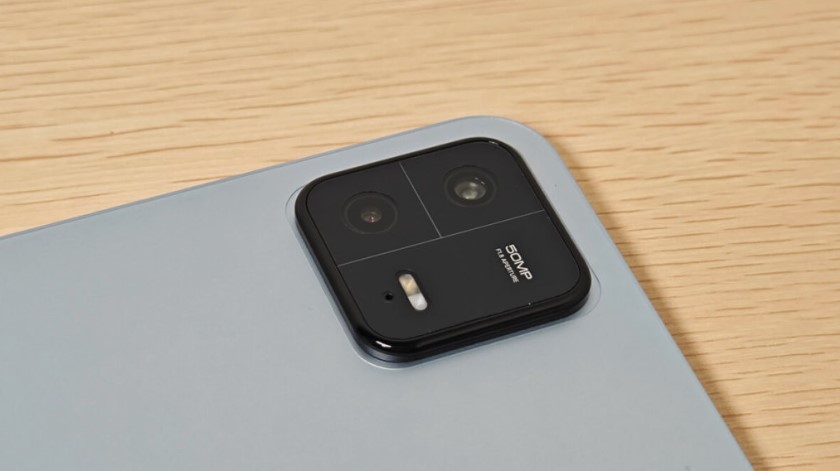
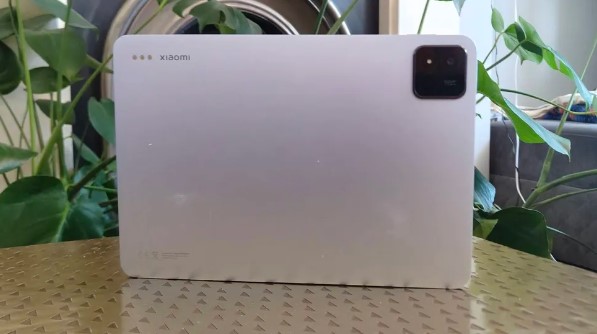
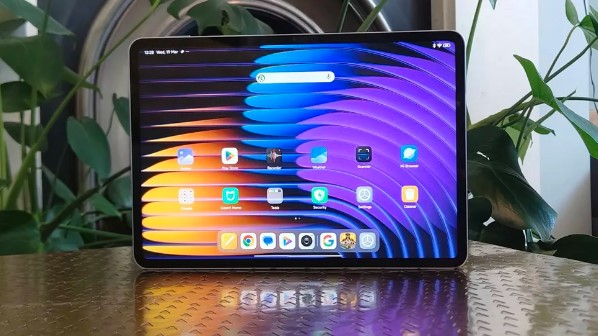
The Xiaomi Pad 7 Pro looks and feels like a miniature iPad Pro, which is clearly intentional. The unibody aluminum construction with flat sides and squared-off corners exudes premium vibes. At just 6.2mm thick and 500 grams, it feels remarkably light and modern in hand. The matte aluminum finish comes in three understated colors - Gray, Blue, and Green - and resists fingerprints well. The bezels surrounding the display are impressively slim, achieving an 85.4% screen-to-body ratio that makes the front all about the content.
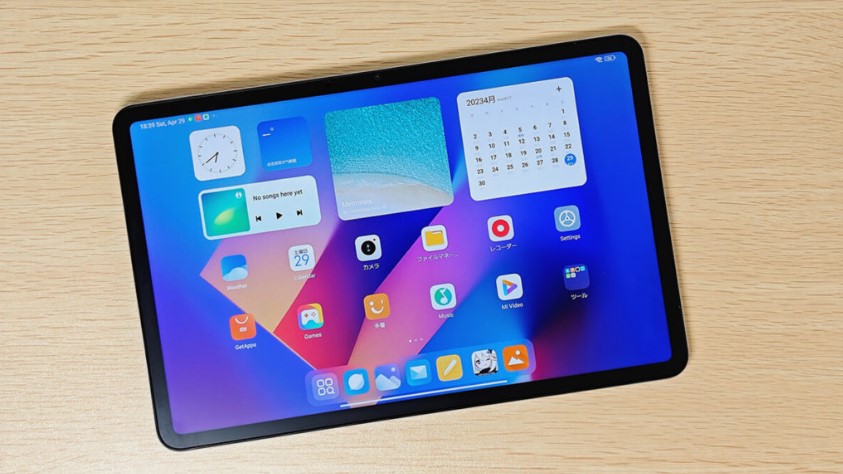
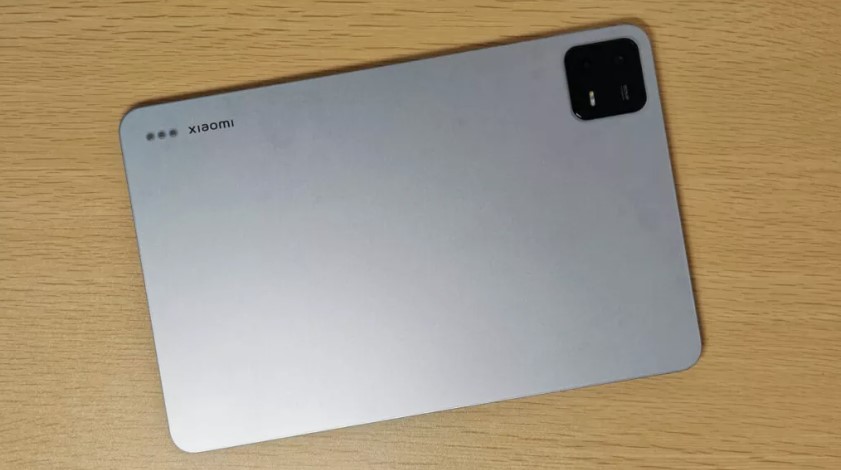
The Xiaomi Pad 6S Pro takes a similar design language but scales everything up. The aluminum unibody measures 6.26mm thick - essentially identical to the Pad 7 Pro - but the larger footprint and 590-gram weight make it feel substantially more substantial. The build quality is unimpeachable with zero flex in the chassis. The Graphite Gray finish looks sophisticated and professional. The slightly thicker bezels are necessary given the larger display, but the 88.5% screen-to-body ratio still looks modern. Gorilla Glass 5 protects the front panel versus Gorilla Glass 3 on the Pad 7 Pro.
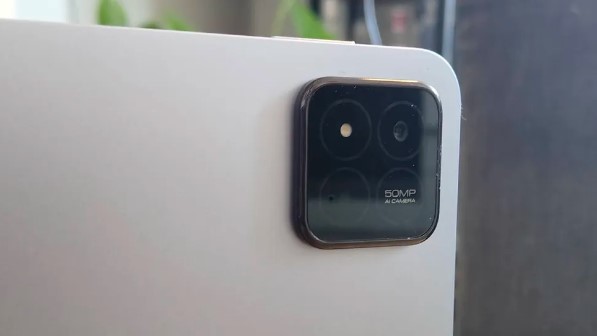
Camera modules differ between the tablets. The Pad 7 Pro sports a single 50MP rear camera in a small circular bump that barely protrudes from the aluminum back. It's understated and functional. The Pad 6S Pro adds a second 2MP depth sensor in a slightly larger camera island. Neither tablet is particularly meant for photography - these cameras exist primarily for document scanning and video calls - but they're both perfectly adequate for those tasks.
Xiaomi Pad 7 Pro or Xiaomi Pad 6S Pro: Owner Reviews
Let's see what actual buyers are saying about living with these premium tablets:
Xiaomi Pad 7 Pro Owner Reviews:
Praises: "Perfect size for traveling. Fits easily in my backpack and doesn't weigh me down like larger tablets. The 144Hz display is buttery smooth for scrolling through documents and social media."
"Incredible value at this price. You're getting flagship performance, gorgeous display, and premium build quality for less than $500. The Snapdragon 8s Gen 3 handles everything I throw at it."
***
Drawbacks: "Only four speakers instead of six like the 6S Pro. The audio is good but noticeably less immersive. Wish they'd kept the six-speaker setup from the previous generation."
"The LCD display is fine but I really wish Xiaomi would move to OLED at this price point. Coming from an iPad with mini-LED, the blacks look gray and HDR content doesn't pop as much."
Xiaomi Pad 6S Pro Owner Reviews:
Praises: "That 12.4-inch screen is phenomenal for productivity. I can comfortably work with two apps side-by-side without feeling cramped. The 3:2 aspect ratio is perfect for documents and coding."
"Best speakers I've ever heard on a tablet. The six-driver system creates incredible stereo separation and depth. Watching movies without headphones is actually enjoyable for once."
***
Drawbacks: "Too heavy for comfortable one-handed use. After about 15 minutes of holding it in bed for reading, my arms get tired. Really needs a stand or propping up."
"The 120W charger is amazing but the included adapter is massive and bulky. Not ideal for travel when you're trying to pack light. Wish they'd offer a smaller GaN alternative."
Xiaomi Pad 7 Pro and Xiaomi Pad 6S Pro Alternatives
If neither Xiaomi tablet quite fits your needs, here are two strong alternatives worth considering:
- Samsung Galaxy Tab S9: An 11-inch Android alternative with stunning Dynamic AMOLED 2X display, Snapdragon 8 Gen 2 processor, S Pen included, IP68 water resistance, and premium DeX desktop mode for $549.
- Apple iPad Air 11" (M2): A compact iOS option with blazing M2 chip, gorgeous Liquid Retina display, Apple Pencil Pro support, excellent app ecosystem, and seamless integration with other Apple devices at $599.
The Samsung Galaxy Tab S9 targets users who want OLED perfection and don't mind paying extra for it. That Dynamic AMOLED display delivers perfect blacks and vibrant HDR that neither Xiaomi can match. The included S Pen adds value, and Samsung DeX provides legitimate desktop-class productivity. The main trade-offs are higher price and heavier weight at 497g. If display quality trumps all other considerations, the Tab S9 is worth the premium.
The Apple iPad Air 11" appeals to folks already invested in the Apple ecosystem. The M2 chip is absurdly powerful - genuinely overkill for most tasks - and iPadOS offers better tablet-optimized apps than Android. The ecosystem integration with iPhone, Mac, and other Apple devices is unmatched. You're paying for that ecosystem lock-in though, and you lose the flexibility of Android. The lack of a calculator app after all these years remains baffling, but the overall experience is polished.
Should You Buy the Xiaomi Pad 7 Pro or Xiaomi Pad 6S Pro?
After seven weeks of daily use with both the Xiaomi Pad 7 Pro and Xiaomi Pad 6S Pro, both prove that flagship Android tablets don't need to cost flagship prices.
Choose the Xiaomi Pad 7 Pro if you value portability and price over maximum screen size. The 11.2" display hits the sweet spot for most users - large enough for immersive content consumption and productivity work, yet compact enough to carry everywhere without thinking twice. The lighter weight makes extended holding comfortable, and the $110 savings versus the 6S Pro goes a long way. The newer Snapdragon 8s Gen 3 ensures this tablet will feel fast for years to come, even if it's technically slightly slower than the 8 Gen 2 in benchmarks.
Choose the Xiaomi Pad 6S Pro if maximum screen real estate and audio quality are your top priorities. That 12.4" display provides genuinely more usable space for split-screen productivity, document editing, and content creation. The six-speaker system delivers the best tablet audio I've experienced outside of dedicated speaker accessories. The 120W charging is also ridiculously fast when you need a quick top-up. Just accept that you're paying $110 more for features that benefit specific use cases rather than general tablet tasks.
For most people, the Xiaomi Pad 7 Pro is the smarter choice. It delivers 90% of what makes the 6S Pro great at 65% of the price, while being notably more portable and practical for daily carry. The 6S Pro isn't a mistake - it's a genuinely excellent productivity tablet for users who specifically need that extra screen space and can justify the premium. Your choice ultimately depends on whether you prioritize portability and value or maximum screen size and audio immersion.

Jim's our tech geek with a mission since February 2023. From movies to video projectors, he knows his stuff and aims to make tech work for you. When he's not geeking out, he's there to guide you through making savvy decisions.


