DJI Mini 3 Pro vs Mini 4 Pro: Comparison
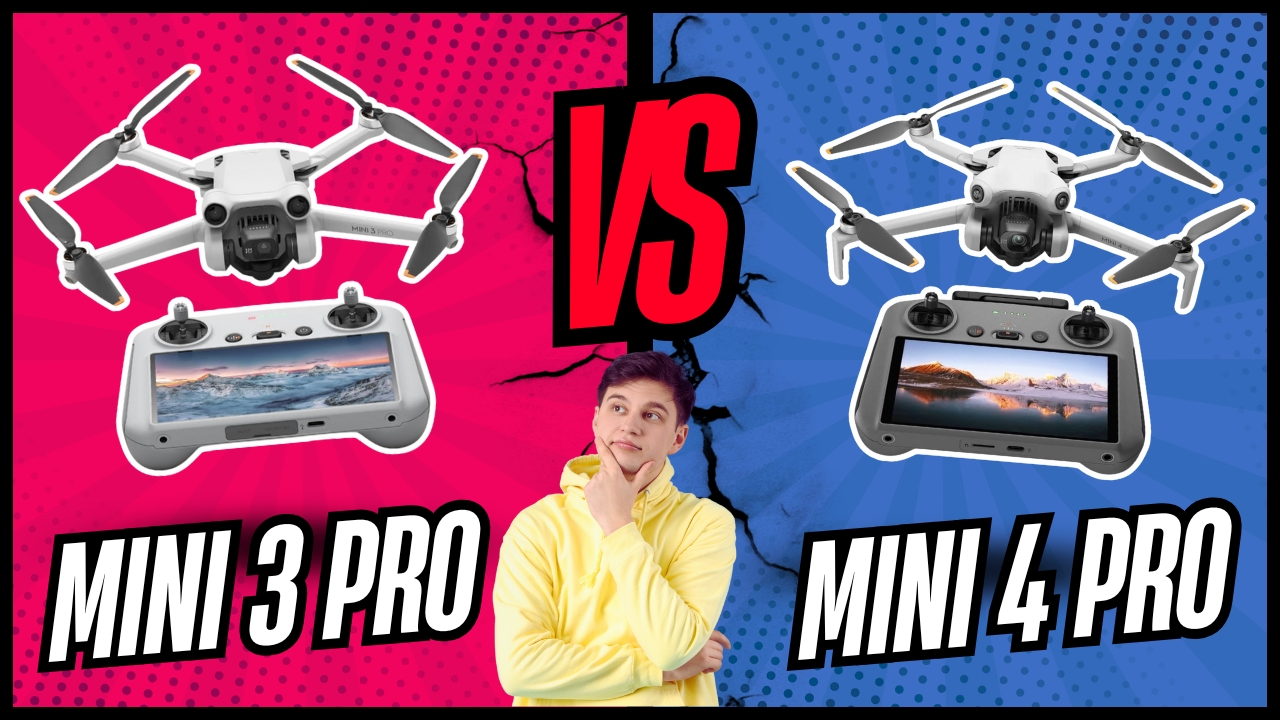
Hey there! Today I'm comparing two of DJI's most capable compact drones: the versatile Mini 3 Pro and the upgraded Mini 4 Pro. Both weigh under 249g for hassle-free flying - but they take different approaches to obstacle avoidance, video transmission, and intelligent features.
I've been flying both drones extensively for the past five weeks, capturing everything from mountain landscapes to urban architecture. In this head-to-head comparison, I'll break down which drone delivers better value and help you decide if the Mini 4 Pro's upgrades justify the investment over the proven Mini 3 Pro. Let's take off!
DJI Mini 3 Pro vs DJI Mini 4 Pro: Quick Overview
Here's the bottom line: The DJI Mini 3 Pro and DJI Mini 4 Pro represent incremental versus revolutionary upgrades in DJI's sub-250g lineup. The Mini 3 Pro brings 4K/60fps HDR video, 48MP photos, tri-directional obstacle sensing (forward/backward/downward), OcuSync 3.0 with 12km range, 34-minute flight time, ActiveTrack 4.0, True Vertical Shooting, and proven reliability at $669 with DJI RC-N1. The Mini 4 Pro counters with 4K/100fps slow motion, omnidirectional obstacle sensing with fisheye sensors, upgraded OcuSync 4.0 with 20km range, 10-bit D-Log M color profiles, ActiveTrack 360° with customizable paths, Night Shots mode, Advanced RTH, and faster charging at $759 with RC-N2.
For most people, I'd recommend the DJI Mini 3 Pro. Its tri-directional obstacle avoidance handles 95% of flying scenarios perfectly, the camera quality remains exceptional, and the $90 savings gets you essentially the same airframe with proven performance. However, grab the DJI Mini 4 Pro if you fly in complex environments requiring complete obstacle protection, need professional color grading with 10-bit D-Log M, want extended 20km transmission range, prioritize advanced intelligent flight modes like Waypoint, or simply demand the absolute best Mini drone DJI offers.
Table of Contents:
- DJI Mini 3 Pro vs DJI Mini 4 Pro: Full Comparison
- Mini 4 Pro vs Mini 3 Pro: Design
- DJI Mini 3 Pro or Mini 4 Pro: Owner Reviews
- DJI Mini 3 Pro and Mini 4 Pro Alternatives
DJI Mini 3 Pro vs DJI Mini 4 Pro: Full Comparison
| Specification | DJI Mini 3 Pro | DJI Mini 4 Pro |
| Image |

 |
 |
| Weight | 249g (with standard battery) | 249g (with standard battery) |
| Camera Sensor | 1/1.3-inch CMOS, 48MP | 1/1.3-inch CMOS, 48MP |
| Aperture | f/1.7 | f/1.7 |
| Video Resolution | 4K/60fps, 2.7K/60fps, 1080p/120fps | 4K/100fps, 4K/60fps HDR, 2.7K/60fps |
| Color Profiles | Normal, D-Cinelike | Normal, D-Cinelike, 10-bit D-Log M, HLG |
| Obstacle Sensing | Tri-directional (forward, backward, downward) | Omnidirectional (4 fisheye + 2 downward + 3D ToF) |
| Video Transmission | OcuSync 3.0 (12km FCC, 8km CE) | OcuSync 4.0 (20km FCC, 10km CE) |
| Max Flight Time | 34 min (standard), 47 min (Plus battery) | 34 min (standard), 45 min (Plus battery) |
| Max Speed | 16 m/s (Sport mode) | 16 m/s (Sport mode) |
| Max Wind Resistance | 10.7 m/s (Level 5) | 10.7 m/s (Level 5) |
| Intelligent Features | ActiveTrack 4.0, QuickShots, MasterShots, Hyperlapse | ActiveTrack 360°, Waypoint Flight, Cruise Control, Advanced RTH |
| True Vertical Shooting | Yes (gimbal rotates 90°) | Yes (gimbal rotates 90°) |
| Controller Options | RC-N1, DJI RC, RC Pro | RC-N2, DJI RC 2 |
| Charging Time | 64 minutes (standard battery) | 47 minutes (standard battery) |
| Price (with RC-N) | $669 | $759 |
| Price (with RC) | $759 (DJI RC) | $959 (DJI RC 2) |
Camera performance reveals subtle but meaningful differences. Both drones share the same 1/1.3-inch sensor and f/1.7 aperture, delivering excellent low-light capability and sharp 48MP photos. The Mini 4 Pro pulls ahead with 4K/100fps slow motion versus the Mini 3 Pro's 1080p/120fps - shooting in 4K provides dramatically more detail and flexibility in post-production. More significantly, the Mini 4 Pro adds 10-bit D-Log M and HLG color profiles that capture vastly more color information for professional color grading. If you're shooting for social media, the Mini 3 Pro's 4K/60fps HDR suffices perfectly. But content creators doing serious post-work will appreciate the Mini 4 Pro's expanded color latitude.
Obstacle avoidance represents the most substantial upgrade. The Mini 3 Pro's tri-directional system works brilliantly for straightforward forward flight and backing away from subjects - I never crashed it during normal flying. The Mini 4 Pro's omnidirectional sensing with bulging fisheye lenses detects obstacles in all directions, including above and to the sides. This matters enormously when flying in forests, between buildings, or using intelligent tracking modes that move the drone unpredictably. Those four additional fisheye sensors plus the 3D ToF depth sensor create a complete protective bubble. The auxiliary bottom light also improves low-altitude stability at night.
Transmission range doubles from 12km to 20km with OcuSync 4.0, though most pilots rarely fly beyond visual line of sight. The real benefit is improved connection stability in urban environments with interference. I noticed fewer signal drops and smoother video feed quality with the Mini 4 Pro when flying downtown. The upgraded system also supports higher quality 1080p/60fps live view versus 1080p/30fps on the Mini 3 Pro, making it easier to frame shots precisely in real-time.
Intelligent flight modes showcase DJI's software evolution. The Mini 4 Pro's ActiveTrack 360° allows customizable tracking paths - you can draw spirals, circles, or complex routes on the trace wheel interface. Waypoint Flight enables repeatable automated routes perfect for inspection work or capturing identical shots across multiple days. Cruise Control maintains steady forward flight for smoother panning shots. The Mini 3 Pro's ActiveTrack 4.0 works excellently for straightforward subject tracking but lacks these advanced movement options.
Battery performance remains nearly identical with both drones achieving 34 minutes of flight time. The Mini 4 Pro charges significantly faster at 47 minutes versus 64 minutes for the Mini 3 Pro - a welcome improvement when you're eager to get back in the air. Both support the Intelligent Flight Battery Plus (sold separately) that extends flight time dramatically but pushes weight over 250g, requiring registration in most regions.
Mini 4 Pro vs Mini 3 Pro: Design & Build
Both drones maintain DJI's signature compact folding design while incorporating distinct refinements.
DJI Mini 3 Pro Design:
DJI Mini 4 Pro Design:
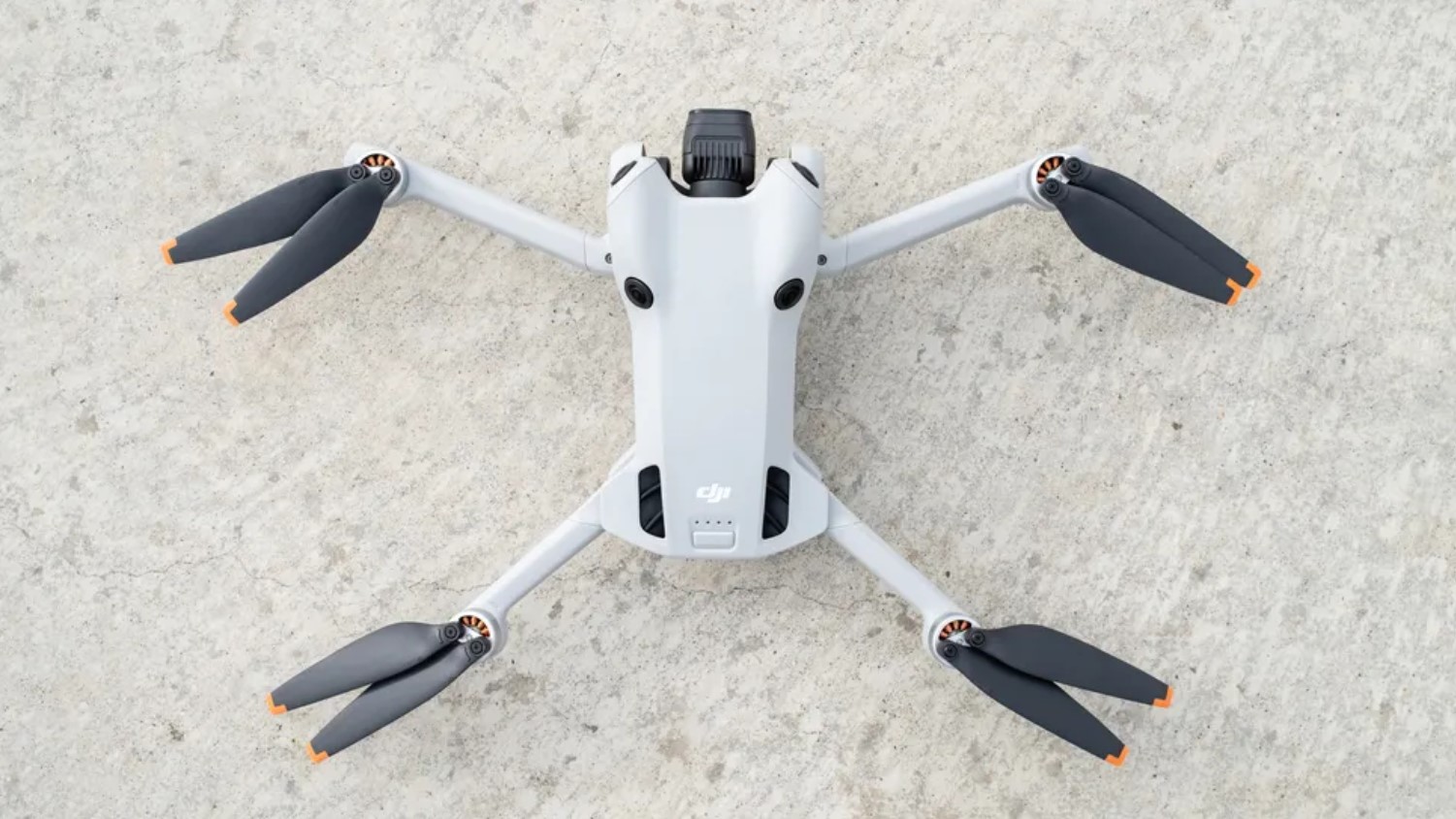
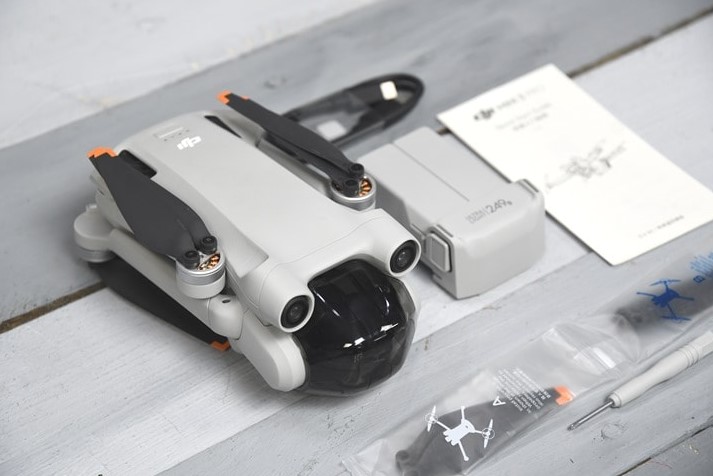
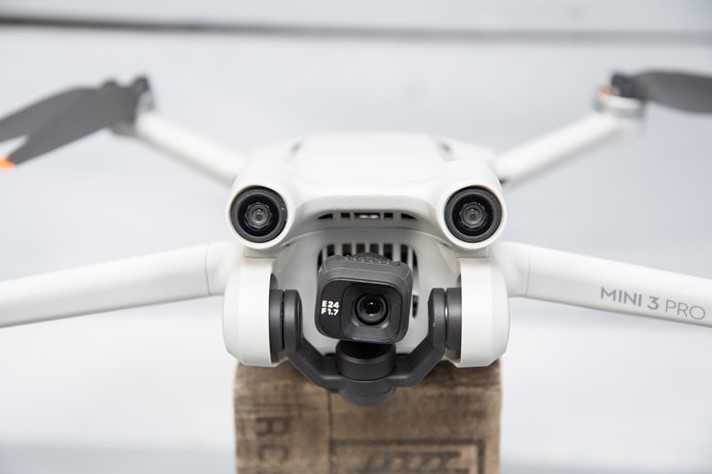
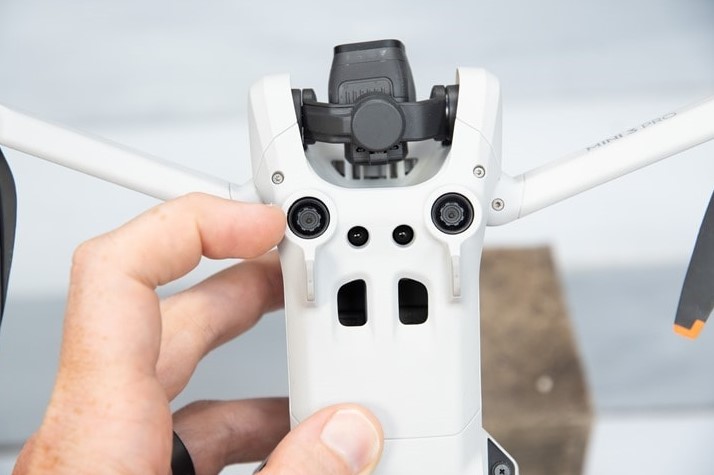
The DJI Mini 3 Pro perfected the original Mini formula with a sleek, pocketable design that weighs exactly 249 grams with standard battery. The matte gray finish feels premium, and the folding mechanism locks satisfyingly into place. One quirk - the drone rests slightly unstable on flat surfaces due to lacking front landing legs, causing minor wobbling when unfolded. The traditional obstacle avoidance sensors sit flush with the body, maintaining clean aerodynamic lines. The gimbal protector snaps on securely for transport, and the whole package folds down to roughly smartphone size.
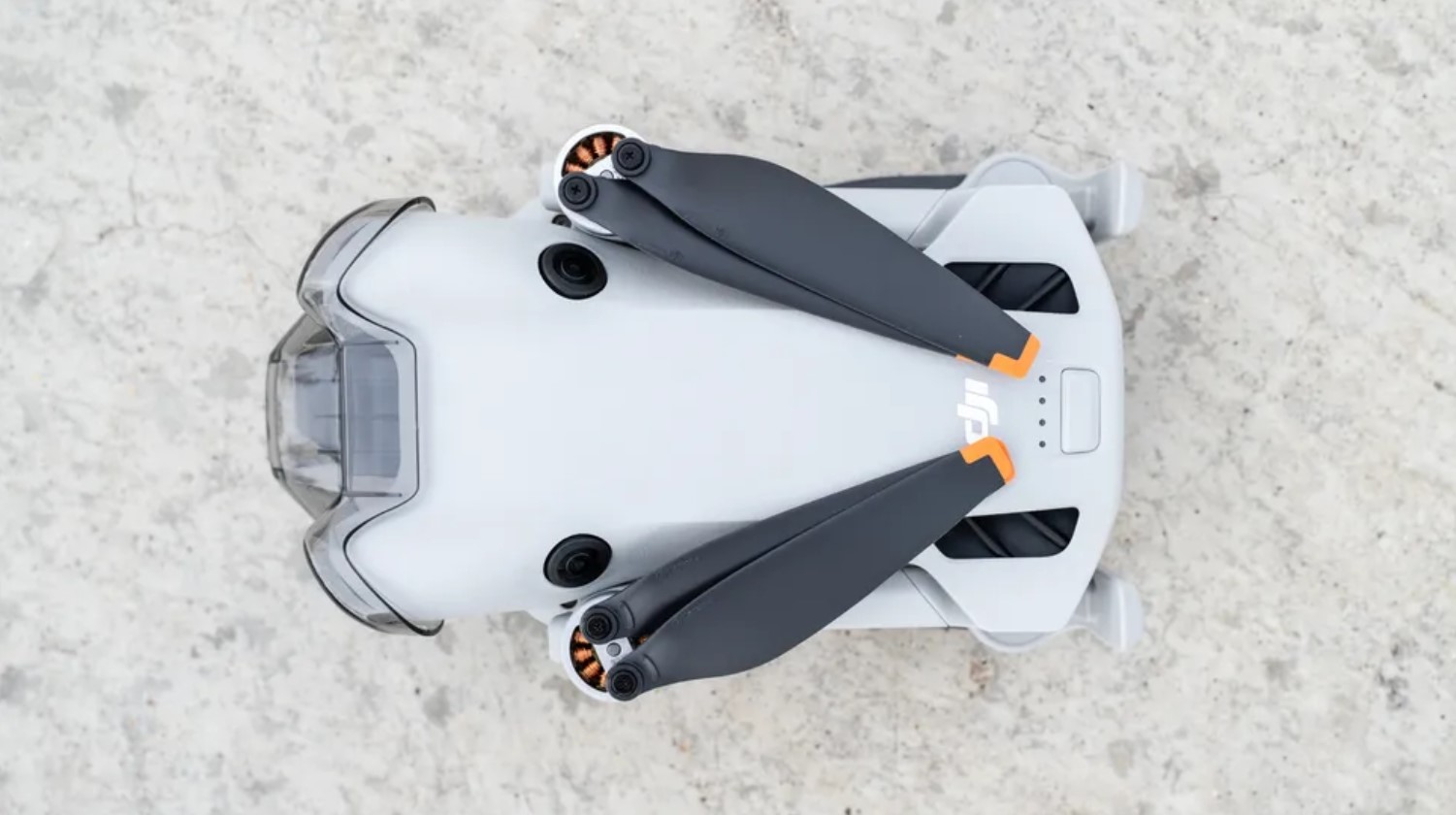
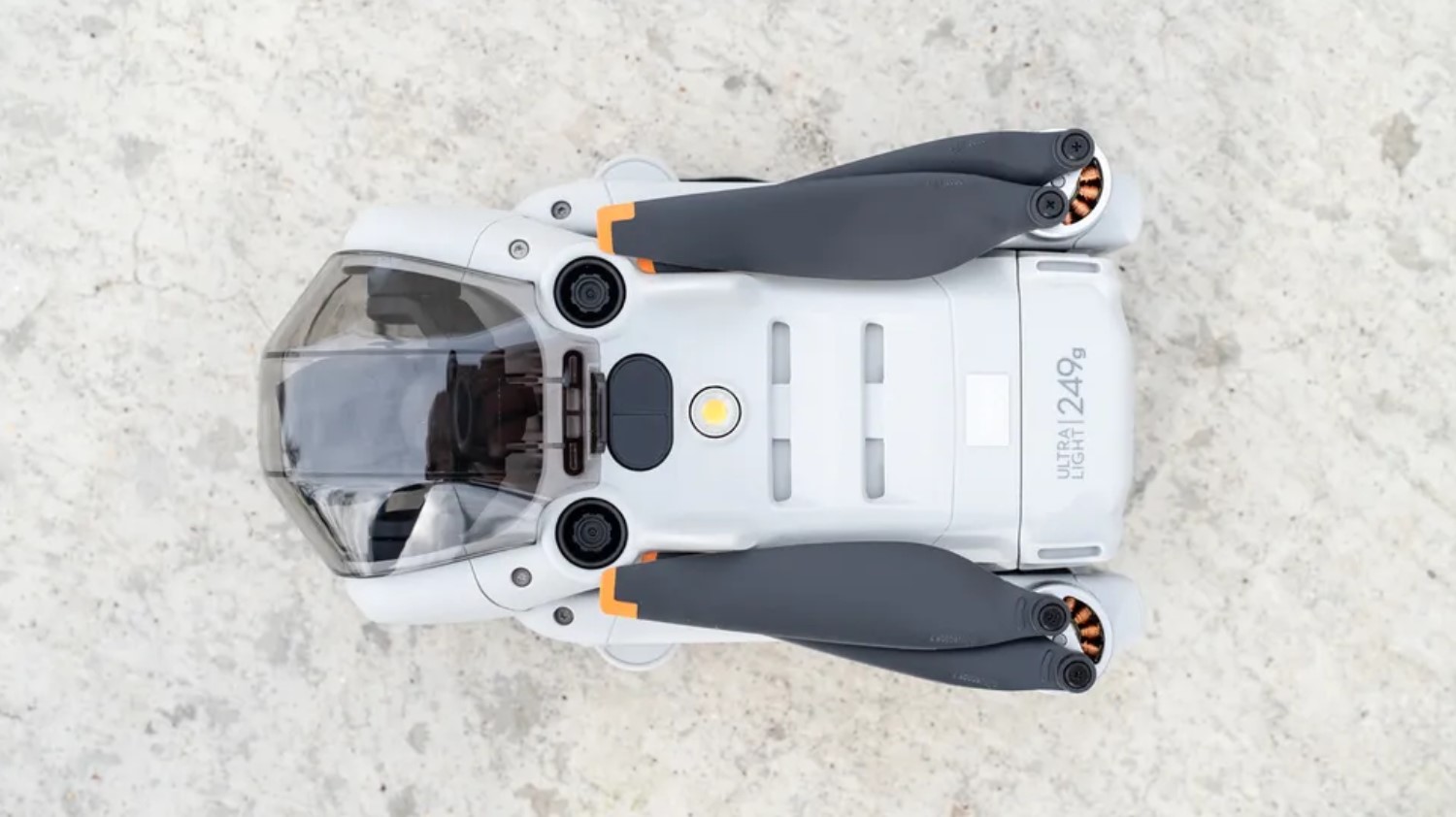
The DJI Mini 4 Pro maintains the same folded footprint but adds two extra front landing legs under the forward arms, completely solving the stability issue that plagued the Mini 3 Pro. The drone now sits rock-solid on any surface. The most obvious visual difference is those bulging fisheye obstacle sensors that protrude noticeably from the body - they look like frog eyes. While less aerodynamically clean, they provide that crucial omnidirectional sensing. The auxiliary bottom light is a subtle addition that most users won't notice until flying at night. Build quality feels identical with no flex or creaking.
Controller compatibility differs meaningfully. The Mini 3 Pro works with older RC-N1, DJI RC, and even RC Pro controllers, giving owners flexibility. The Mini 4 Pro requires newer RC-N2 or RC 2 controllers using OcuSync 4.0 - your old controllers won't work. The RC 2 features improved antenna positioning and slightly better ergonomics, but the functional difference is minimal for casual flying.
DJI Mini 3 Pro or Mini 4 Pro: Owner Reviews
Let's see what actual pilots are saying about flying these compact drones:
DJI Mini 3 Pro Owner Reviews:
Praises: "The tri-directional obstacle avoidance gives me confidence flying in new locations. Never hit anything after three months of weekly flights. The 4K/60fps video looks incredible for a sub-250g drone."
"True vertical shooting is a game-changer for social media content. No more cropping landscape footage and losing quality. This feature alone justified the upgrade from my Mini 2."
***
Drawbacks: "Wish it had side obstacle sensors. I got nervous flying between trees because the drone can't see obstacles approaching from the sides. Had to fly more conservatively than I wanted."
"The charging time is frustratingly slow at over an hour per battery. When I'm trying to capture golden hour footage, waiting 64 minutes between batteries kills my shooting flow."
DJI Mini 4 Pro Owner Reviews:
Praises: "Omnidirectional obstacle sensing lets me fly with complete confidence in forests and urban canyons. The drone detects obstacles I didn't even see. Total game-changer for aggressive flying."
"The 10-bit D-Log M footage grades beautifully in post. Finally have the color flexibility I need for client work without stepping up to a Mavic 3. Professional results from a tiny drone."
***
Drawbacks: "For the $90 premium over the Mini 3 Pro, I expected more dramatic improvements. The camera sensor is identical, and I rarely use the advanced tracking features in real-world flying."
"Those bulging fisheye sensors make the drone less pocketable and catch wind slightly more than the Mini 3 Pro's flush design. Minor aerodynamic penalty for the safety benefit."
DJI Mini 3 Pro and Mini 4 Pro Alternatives
If neither Mini quite fits your needs, here are two compelling alternatives:
- DJI Mini 3: The budget-friendly option with 4K/30fps video, downward obstacle sensing only, 38-minute flight time, True Vertical Shooting, and all essential features at $419 with RC-N1.
- Autel EVO Nano+: A 249g competitor with 50MP camera, RYYB sensor for better low-light, 3-axis obstacle avoidance, 4K/30fps HDR video, and 28-minute flight time at $649.
The DJI Mini 3 targets beginners who want excellent image quality without paying for advanced features they won't use. That 4K/30fps limitation matters less for casual shooting, and the 38-minute flight time actually exceeds both Pro models with standard batteries. You lose forward/backward obstacle sensing and advanced tracking, but for straightforward aerial photography in open spaces, the Mini 3 delivers 80% of the Pro experience at 60% of the cost.
The Autel EVO Nano+ appeals to pilots seeking DJI alternatives or preferring Autel's cleaner interface. The RYYB sensor genuinely performs better in low light than DJI's standard sensor, and the 50MP resolution provides more cropping flexibility. Trade-offs include shorter flight time, less refined intelligent features, and a smaller accessory ecosystem. If you shoot frequently at dawn/dusk, the Nano+'s low-light advantage justifies consideration despite slightly higher cost than the Mini 3 Pro.
Should You Buy the DJI Mini 3 Pro or Mini 4 Pro?
After five weeks of flying both the DJI Mini 3 Pro and DJI Mini 4 Pro, both prove that sub-250g drones can deliver genuinely professional results.
Choose the DJI Mini 3 Pro if you want exceptional value without sacrificing essential features. The tri-directional obstacle sensing handles the vast majority of flying scenarios perfectly, the 4K/60fps HDR video quality remains stunning, and ActiveTrack 4.0 tracks subjects reliably. The $669 price point (or $759 with DJI RC) delivers remarkable capability for the money. Unless you're specifically hitting the limitations of tri-directional sensing or need professional color grading, the Mini 3 Pro provides everything most pilots actually use.
Choose the DJI Mini 4 Pro if you demand the absolute best compact drone available and will genuinely use its advanced features. That omnidirectional obstacle sensing earns its keep when flying aggressively in complex environments. The 10-bit color profiles unlock professional post-production flexibility, and ActiveTrack 360° with customizable paths creates shots impossible on the Mini 3 Pro. The 20km transmission range and faster charging add convenience. Just ensure you'll actually leverage these upgrades - $90 extra for features you rarely use isn't smart spending.
For most pilots, the DJI Mini 3 Pro is the smarter purchase. It delivers 90% of the Mini 4 Pro's capabilities at 88% of the cost, with proven reliability and excellent resale value. The Mini 4 Pro excels as a professional tool for demanding pilots who need complete obstacle protection and advanced color grading. Your choice depends on whether you're capturing beautiful aerial content casually or pursuing professional-grade footage in challenging conditions.

Jim's our tech geek with a mission since February 2023. From movies to video projectors, he knows his stuff and aims to make tech work for you. When he's not geeking out, he's there to guide you through making savvy decisions.


