Google Pixel 9a vs Pixel 9: Comparison
Hey there! I've spent three weeks switching between the Google Pixel 9a and Google Pixel 9, using each as my daily driver to find which delivers better value. Both phones promise flagship Google AI features and 7 years of updates, but the $300 price gap raises serious questions about what you're actually getting for that extra money.
From camera performance in challenging lighting to real-world battery life tests, I've pushed these Pixels through everyday scenarios. The results surprised me. In this comparison, I'll reveal which phone makes the smarter buy for most people and help you decide if the premium Pixel 9 justifies its higher price. Let's dive in!
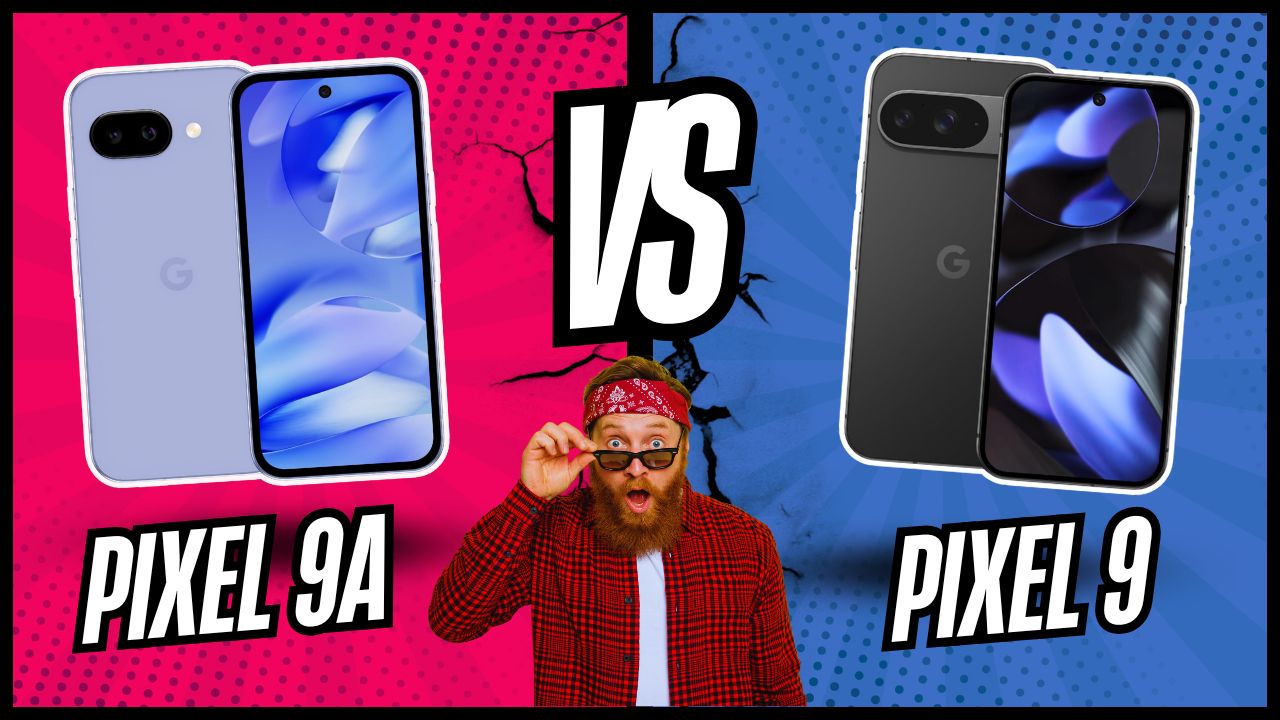
Google Pixel 9a vs Pixel 9: Quick Overview
Here's the bottom line: The Google Pixel 9a and Google Pixel 9 share remarkable similarities but serve different priorities. The Pixel 9a delivers same Tensor G4 processor, identical 6.3-inch 120Hz OLED display, massive 5,100mAh battery (largest ever in a Pixel), 48MP camera system, IP68 rating, and full Gemini AI suite at $499. The Pixel 9 counters with premium Gorilla Glass Victus 2 build, upgraded 50MP + 48MP camera system, 12GB RAM vs 8GB, faster 27W charging, ultrasonic fingerprint scanner, Satellite SOS, and slimmer bezels at $799.
For most buyers, I'd recommend the Google Pixel 9a. Its exceptional $499 value, superior battery life, and identical AI features make it the smarter choice for everyday users. However, grab the Pixel 9 if you need the absolute best camera quality for photography, want premium glass design over plastic, value faster performance for heavy multitasking, or prefer the slimmest possible bezels.
Table of Contents:
- Google Pixel 9a vs Pixel 9: Full Comparison
- Pixel 9 vs Pixel 9a: Design & Build
- Pixel 9a or Pixel 9: Owner Reviews
- Google Pixel 9a and Pixel 9 Alternatives
Google Pixel 9a vs Pixel 9: Full Comparison
| Specification | Google Pixel 9a | Google Pixel 9 |
| Image |
 |
 |
| Processor | Google Tensor G4 (4nm) | Google Tensor G4 (4nm) |
| RAM | 8GB | 12GB |
| Storage | 128GB / 256GB | 128GB / 256GB |
| Display Size | 6.3 inches | 6.3 inches |
| Display Type | pOLED, 120Hz | OLED Actua, 120Hz |
| Resolution | 2424 x 1080 (FHD+) | 2424 x 1080 (FHD+) |
| Peak Brightness | 2,700 nits (~1,900 measured) | 2,700 nits (~2,200 measured) |
| Glass Protection | Gorilla Glass 3 | Gorilla Glass Victus 2 |
| Back Material | Matte plastic | Gorilla Glass Victus 2 |
| Frame | Aluminum | Aluminum |
| Dimensions | 154.7 x 73.3 x 8.9mm | 152.8 x 72.0 x 8.5mm |
| Weight | 186g | 198g |
| Water Resistance | IP68 | IP68 |
| Main Camera | 48MP, f/1.7 | 50MP, f/1.7 |
| Ultrawide Camera | 13MP, f/2.2 | 48MP, f/1.7 (with autofocus) |
| Front Camera | 13MP | 10.5MP |
| Video Recording | 4K60fps | 4K60fps |
| Zoom | Up to 8x Super Res Zoom | Up to 8x Super Res Zoom |
| Battery Capacity | 5,100mAh | 4,700mAh |
| Wired Charging | 18W (up to 23W advertised) | 27W |
| Wireless Charging | 7.5W | 15W (12W with Qi EPP) |
| Charging Time (full) | ~101 minutes | ~85 minutes |
| Fingerprint Scanner | Optical (in-display) | Ultrasonic (in-display) |
| Speakers | Stereo | Stereo |
| 5G Support | Yes | Yes (+ Satellite SOS) |
| AI Features | Gemini, Magic Editor, Best Take, Magic Eraser, Add Me, Photo Unblur, Circle to Search | Gemini, Magic Editor, Best Take, Magic Eraser, Add Me, Photo Unblur, Circle to Search, Satellite SOS |
| OS Updates | 7 years (Android 15 to 22) | 7 years (Android 14 to 21) |
| Available Colors | Obsidian, Porcelain, Iris, Peony | Obsidian, Porcelain, Wintergreen, Peony |
| Price (128GB) | $499 | $799 |
The $300 price gap creates fascinating value dynamics. Both phones share the Tensor G4 processor, identical displays, and complete Google AI suite. The Pixel 9a's 8GB RAM handles everyday tasks smoothly, though the Pixel 9's 12GB offers headroom for intensive multitasking and future-proofing AI features.
Camera systems reveal the clearest hardware divide. The Pixel 9's 50MP main sensor captures slightly sharper images with punchier colors. The 48MP autofocus ultrawide dramatically outperforms the 9a's 13MP fixed-focus ultrawide for macro shots and close objects. In good lighting, both produce excellent photos. Low-light performance shows the Pixel 9 maintaining better detail and dynamic range, though the 9a remains impressive for its price.
Battery life strongly favors the 9a. The 5,100mAh capacity represents the largest battery Google has ever included in a Pixel. During testing, the 9a consistently delivered 8+ hours screen time versus the Pixel 9's 6.5-7 hours. The extra 400mAh compensates for only 0.4mm additional thickness. However, the Pixel 9 charges faster - 27W versus the 9a's actual 18W (despite 23W advertised), completing full charges 16 minutes quicker.
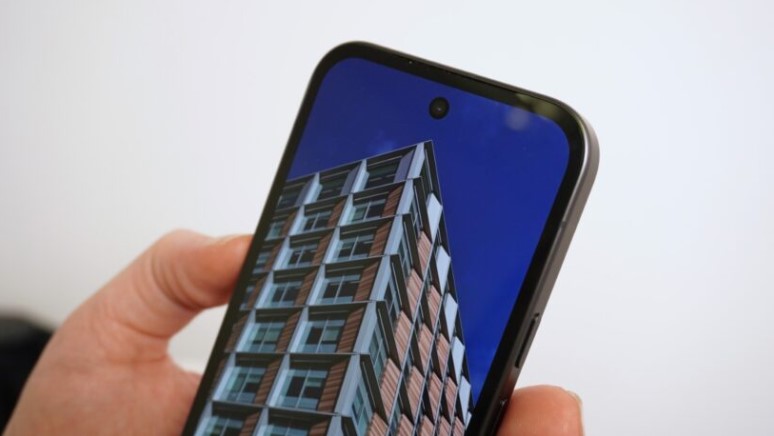
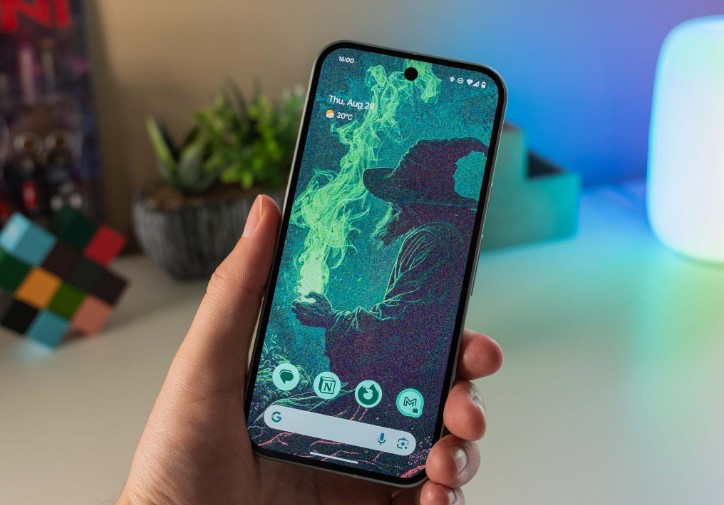
Display quality appears identical on paper but diverges in testing. Both feature 6.3-inch 120Hz OLED panels with 2,700-nit peak brightness ratings. Measured brightness shows the Pixel 9 reaching ~2,200 nits versus the 9a's ~1,900 nits in direct sunlight. The Pixel 9's thinner bezels create a more premium appearance, though the 9a's bezels never bothered me during daily use.
Fingerprint scanners differ technologically. The Pixel 9's ultrasonic scanner unlocks faster and works reliably with wet or dirty fingers. The 9a's optical scanner occasionally struggles in these conditions but performs adequately most times. This represents a tangible daily difference favoring the Pixel 9.
Pixel 9 vs Pixel 9a: Design & Build
These phones reveal Google's strategy of flagship features meeting midrange materials, with surprisingly different aesthetics despite identical screen sizes.
Google Pixel 9a Design:
Google Pixel 9 Design:
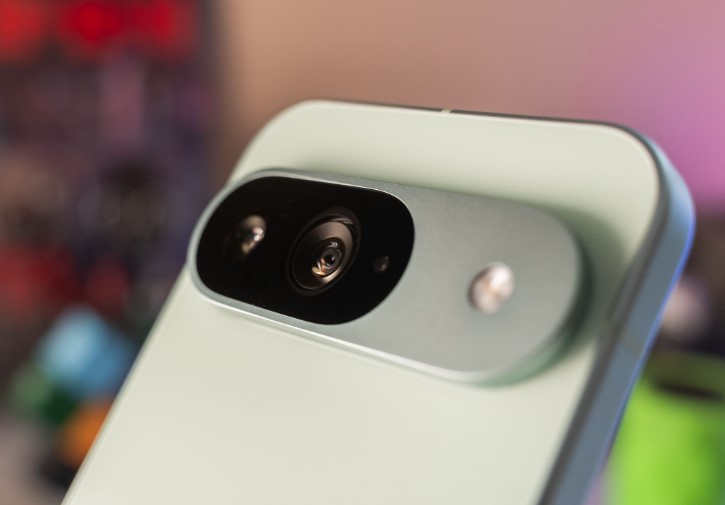
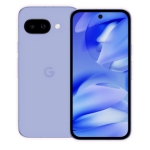
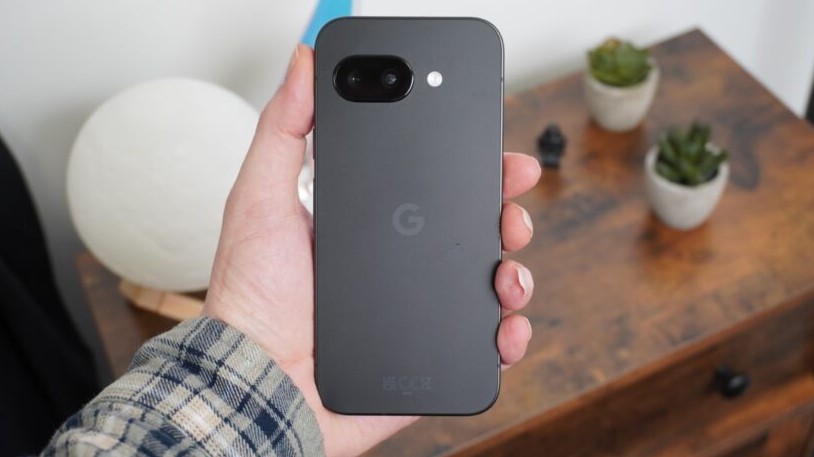
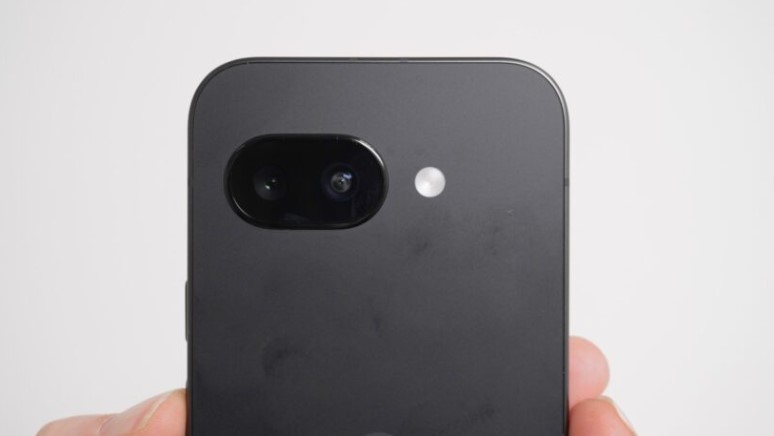
The Pixel 9a measures 154.7 x 73.3 x 8.9mm and weighs 186g. The controversial design eliminates Google's iconic camera bar, creating an almost flat back with subtle oval camera housing. The matte plastic rear resists fingerprints beautifully compared to glossy glass phones. At 8.9mm thick, it feels substantial without being cumbersome. Available colors include Obsidian black, Porcelain white, Iris purple, and Peony pink.
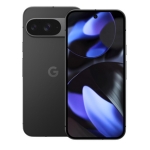
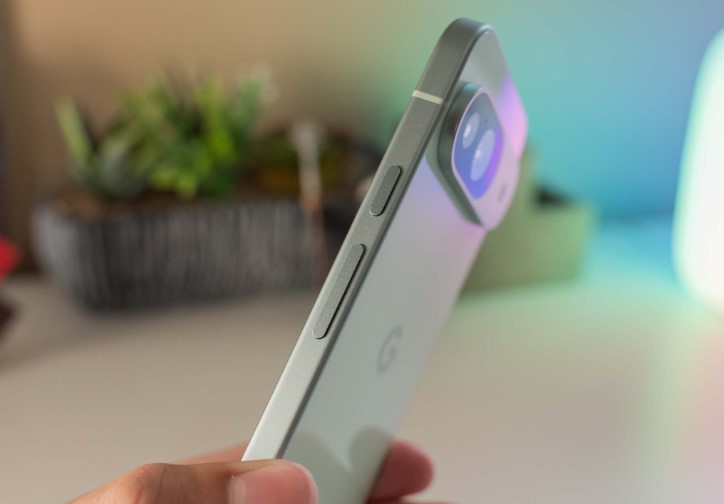
The Pixel 9 adopts dimensions of 152.8 x 72.0 x 8.5mm at 198g. The glossy Gorilla Glass Victus 2 back creates premium aesthetics but attracts fingerprints constantly. The protruding camera bar adds personality and prevents wobble when placed flat. Slimmer bezels around the display create noticeably more refined appearance. The phone feels denser in hand despite similar thickness.
Both phones feature flat sides and aluminum frames with IP68 water resistance. The Pixel 9a's plastic back survives drops better, while the Pixel 9's glass demands a case for protection. Neither phone wobbles when typing on a desk - the 9a due to its flat design, the 9 because the camera bar creates stable platform.
Google Pixel 9a or Pixel 9: Owner Reviews
Let's explore authentic experiences from users who've made these phones their daily drivers:
Google Pixel 9a Owner Reviews:
Praises: "Incredible value for $499. I get the same Gemini AI features as the expensive Pixels, the camera takes beautiful photos in daylight, and the battery easily lasts a full day with 20-30% remaining. The plastic back actually feels more secure to hold than my friend's slippery Pixel 9."
"Coming from a Pixel 8a, the battery improvement is massive. I routinely get 8-9 hours screen time with heavy use. The flat design sits nicely on surfaces without the annoying camera bar rocking. For half the price of flagship phones, this is a steal."
***
Drawbacks: "The bezels look really thick compared to my wife's Pixel 9. It makes the phone feel dated when placed side-by-side. The optical fingerprint scanner is noticeably slower and fails occasionally when my finger is slightly wet. Charging speed is disappointingly slow too."
"Night photography doesn't match my old Pixel 8. Photos look softer with less detail in shadows compared to the Pixel 9 I tested at the store. The ultrawide camera is mediocre - fine for landscapes but unusable for close-up shots. Worth noting if photography is important."
Google Pixel 9 Owner Reviews:
Praises: "The camera system is phenomenal. Photos have that special Pixel look with perfect color balance. The ultrasonic fingerprint scanner unlocks instantly every time, even with wet hands. Build quality feels truly premium - this phone looks expensive because it is."
"Fast charging makes a real difference in my routine. Topping up 50% in 30 minutes during my morning routine keeps me going all day. The slimmer bezels and brighter screen create a noticeably better viewing experience than my friend's Pixel 9a."
***
Drawbacks: "Battery life is merely adequate. Heavy usage days require midday charging. My colleague's Pixel 9a lasts significantly longer on the same usage patterns. The glossy back is a fingerprint magnet requiring constant wiping. Should've been matte like the Pro models."
"Paying $799 feels steep when the Pixel 9a offers nearly identical software experience for $300 less. The camera improvements exist but don't justify the massive price gap for casual users. I should have saved money and gotten the 9a instead."
Google Pixel 9a and Pixel 9 Alternatives
If neither Pixel perfectly matches your priorities, consider these compelling alternatives:
- Samsung Galaxy S24: Snapdragon 8 Gen 3 power, 50MP camera, 8K video, faster performance at $799.
- Apple iPhone 15: A16 Bionic chip, Dynamic Island, excellent cameras, iOS ecosystem at $699.
The Samsung Galaxy S24 delivers superior raw performance with Qualcomm's flagship chip. The 120Hz display matches Pixel brightness while offering more vivid colors. Samsung's One UI provides extensive customization. Seven years of updates match Google's commitment. Main tradeoffs are less refined AI features and bloatware presence.
The iPhone 15 offers Apple's ecosystem advantages with seamless integration across devices. The A16 Bionic outperforms Tensor G4 significantly in benchmarks. Camera quality matches the Pixel 9 with different processing style. Face ID replaces fingerprint scanning. Main downsides are iOS learning curve for Android users and higher storage upgrade costs.
Should You Buy the Pixel 9a or Pixel 9?
After three weeks alternating between the Google Pixel 9a and Google Pixel 9, the value proposition becomes crystal clear.
Choose the Google Pixel 9a if smart spending matters most. The $499 price delivers 90% of the Pixel 9 experience for 62% of the cost. The massive 5,100mAh battery outlasts the Pixel 9 by 1-2 hours daily. Identical Gemini AI features, same processor, and matching display technology mean zero compromises in software experience. The matte plastic back resists fingerprints better than glass and survives drops more gracefully. You get one additional OS update (Android 22 vs 21) since it launched later. For everyday photography and social media, the camera performs excellently.
Choose the Google Pixel 9 if photography drives your decision. The superior camera system captures noticeably better photos in challenging lighting. The 48MP autofocus ultrawide enables genuine macro photography impossible on the 9a. Premium materials create more refined in-hand feel and appearance. Faster charging, brighter display, and ultrasonic fingerprint scanner improve daily convenience. The 12GB RAM provides headroom for future AI features and heavy multitasking.
For most users, the Pixel 9a represents exceptional value. The $300 savings buys substantial accessories or justifies upgrading sooner. However, photography enthusiasts and those wanting absolute premium experience should choose the Pixel 9.
Go Deeper:

Jim's our tech geek with a mission since February 2023. From movies to video projectors, he knows his stuff and aims to make tech work for you. When he's not geeking out, he's there to guide you through making savvy decisions.


