Best Smartwatches for Kids
Last summer, my nephew disappeared at a crowded amusement park. Those fifteen minutes felt like hours until my sister checked her phone and saw his exact location on a map – standing right where we'd been minutes earlier, distracted by a street performer. That smartwatch on his wrist transformed potential panic into a simple reunion.
Kids' smartwatches have evolved far beyond simple GPS trackers. Today's devices balance genuine communication capabilities with intelligent safety features, activity encouragement, and entertainment that doesn't involve endless social media scrolling. This guide examines the best kids smartwatches available, focusing on which features actually matter and how different devices serve different family situations.
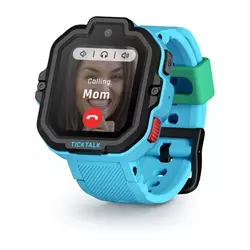
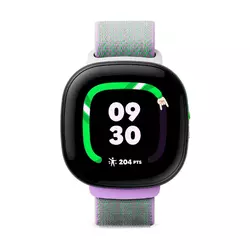
If you're in a hurry, here are my top two recommendations for kids smartwatches:
We may earn a small commission if you buy via our links - it helps keep gagadget.com running.
Table of Contents:
- Best Kids Smartwatch: Parent's Guide
- Top 5 Smartwatches for Kids in 2026
- Best Kids Smartwatches: Comparison
- TickTalk 5
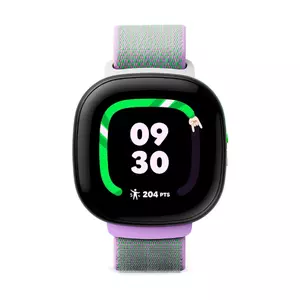
- Fitbit Ace LTE
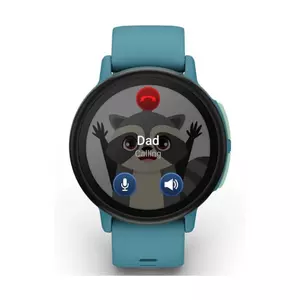
- Garmin Bounce 2
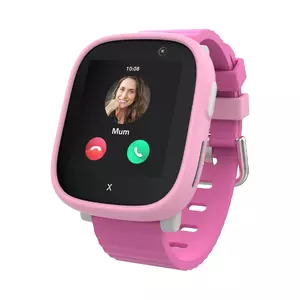
- Xplora X6 Play
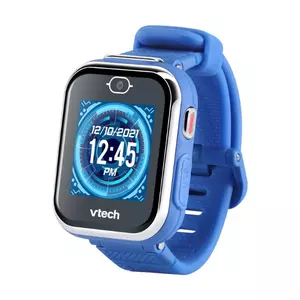
- VTech KidiZoom Smartwatch DX3
- Kids Smartwatches: FAQ
Best Kids Smartwatch: Parent's Guide
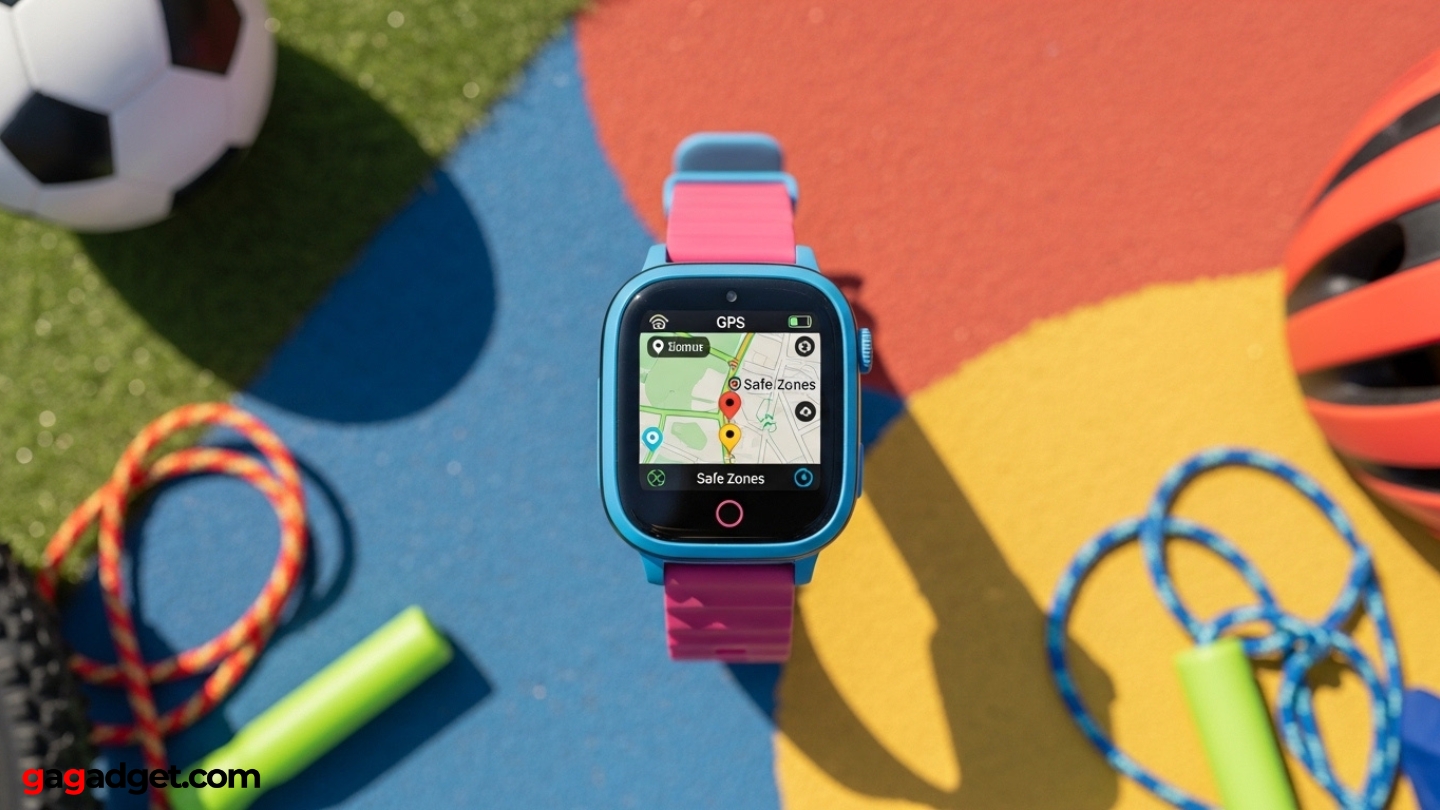
Image of kids wearing smartwatch. Source: Canva
Selecting a smartwatch for your child requires balancing safety features, age-appropriateness, and actual usability. After testing multiple devices with kids ranging from kindergarten through middle school, I've identified what truly matters versus marketing fluff that sounds impressive but adds little practical value.
GPS Tracking and Location Features
Real-time GPS tracking represents the primary reason most parents initially consider kids smartwatches. However, not all GPS implementations work equally well. The best systems update location every few minutes during normal use and provide instant updates when requested. Look for watches that maintain accurate tracking both outdoors and indoors, though understand that indoor accuracy depends heavily on Wi-Fi positioning rather than GPS satellites.
Battery life directly impacts GPS reliability. A smartwatch with GPS tracking that dies by lunchtime defeats its safety purpose entirely.
Geofencing capabilities transform simple location tracking into proactive safety monitoring. You define safe zones – home, school, grandparents' house – and receive automatic notifications when your child enters or leaves these areas. This feature eliminates constant location checking while ensuring you're alerted to unexpected movements. The implementation matters: sophisticated systems allow multiple zones with different rules, while basic versions offer limited customization.
Communication Capabilities
Kids smartwatches with calling functionality fall into distinct categories. Full-featured devices support both voice and video calls over cellular networks, functioning essentially as phones worn on the wrist. Mid-tier options provide voice calls and text messaging to parent-approved contacts. Budget models might offer only pre-recorded voice messages or no communication features at all.
The contact approval system matters tremendously. Quality devices let parents maintain a whitelist of approved numbers, preventing unwanted communication while ensuring your child can reach necessary contacts. Some watches support group family chats, creating a closed communication loop that's safer than giving kids access to broader messaging platforms. Emergency features like dedicated SOS buttons that immediately call preset contacts and share location provide crucial safety nets.
Connectivity Requirements and Costs
Most feature-rich kids smartwatches require cellular connectivity, which means ongoing subscription costs beyond the device purchase price. These plans typically range from $10-15 monthly per watch. Some manufacturers offer their own network services, while others work with major carriers. Verify coverage quality in your area before committing, as a smartwatch with GPS and calling is useless where cellular signal doesn't reach.
Wi-Fi-only models reduce ongoing costs but limit functionality to areas with known networks. These work well for young children who primarily stay at home or school with reliable Wi-Fi. Fully offline watches sacrifice connectivity entirely, focusing instead on activity tracking, games, and camera features without any parental monitoring or communication capabilities.
Age-Appropriate Features and Controls
Different ages demand different smartwatch capabilities. Preschool and early elementary children benefit from simple interfaces with large icons, basic games, and camera features that make wearing the watch fun. The communication and tracking features primarily serve parents at this stage, with kids viewing the device more as an entertaining accessory.
The best smartwatch for kids balances genuine independence with appropriate parental oversight for their specific maturity level.
Older elementary and middle school children need devices that don't feel babyish while maintaining safety features. Look for watches with more sophisticated designs, activity tracking that connects to social challenges with friends, and communication features that provide independence without unlimited internet access. Parental controls should allow gradual privilege expansion as children demonstrate responsibility.
Durability and Water Resistance
Kids destroy things. That's not criticism; it's biology combined with enthusiastic living. Smartwatches designed for children require robust construction that survives the realities of playground roughhousing, accidental drops, and the inevitable experiments with "will it survive this?"
Water resistance ratings vary significantly across models. IP67 ratings protect against splashes and brief submersion, handling rain and handwashing without issues. IP68 ratings allow more substantial water exposure, though most manufacturers still recommend removing watches before swimming. Truly swim-friendly devices explicitly state swimming compatibility, having been tested in pool conditions rather than just meeting general water resistance standards.
Battery Life Considerations
Battery life determines whether a kids smartwatch functions as reliable safety device or becomes another item on your nightly charging checklist that inevitably gets forgotten. Advertised battery specs typically assume minimal usage, while real-world performance depends heavily on how features are actually used.
Watches with cellular connectivity and active GPS tracking typically require daily charging. Some models stretch to two days under light usage. Simpler watches without cellular radios can last several days between charges. Consider your child's age and responsibility level when evaluating battery life – younger children won't remember to charge their devices independently, while older kids might manage if the charging routine becomes established habit.
Top 5 Smartwatches for Kids in 2026
After weeks of testing these devices with actual children in real family situations, watching how they handle daily routines, emergency scenarios, and the inevitable creativity kids apply to any technology they're given, these five smartwatches emerged as the most capable and practical options available.
- Full phone functionality on kid-appropriate device
- Video and voice calling over 4G LTE or Wi-Fi
- Comprehensive parental controls via app
- Real-time GPS with geofencing alerts
- Emergency SOS with automatic location sharing
- No social media or open web access
- Gamified activity tracking motivates movement
- Fitbit Arcade with unlockable mini-games
- Secure calling to approved contacts
- Swim-friendly water resistance
- Google/Fitbit ecosystem integration
- No social media or web browsing
- Serious sports tracking
- Real-time GPS with safe zone alerts
- Two-way calling and messaging
- Swim-friendly water resistance
- Integrates with Garmin Jr. app ecosystem
- Chores and rewards system built-in
- Works across US and European 4G networks
- IP68 waterproof rating for robust protection
- Video calling with 5MP camera
- Real-time GPS with SOS and geofencing
- Activity rewards through Goplay platform
- Good outdoor GPS accuracy
- No cellular or subscription costs
- Dual cameras with creative photo effects
- Games and watch-to-watch play capability
- School Mode limits to clock only
- Appropriate for younger kids (4+)
- LED flashlight surprisingly useful
Best Kids Smartwatches: Comparison
Understanding the technical differences between these top smartwatches helps identify which device matches your specific family needs:
| Feature | TickTalk 5 | Fitbit Ace LTE | Garmin Bounce 2 | Xplora X6 Play | VTech KidiZoom DX3 |
| Connectivity | 4G LTE + Wi-Fi | LTE (Ace Pass required) | LTE + Wi-Fi | 4G LTE | None (offline) |
| GPS Tracking | Real-time + geofencing | Location sharing | Live GPS + safe zones | Real-time + SOS alerts | No |
| Video Calls | Yes (5MP camera) | Yes (approved contacts) | Voice only | Yes (5MP camera) | No (camera for photos only) |
| Water Resistance | IP67 (splash-proof) | Swim-friendly | Swim-friendly | IP68 (waterproof) | Splash-proof |
| Battery Life | 1-2 days active use | 1 day with games/LTE | Up to 2 days | 1 day active use | 1-2 days (varies with camera use) |
| Activity Tracking | Basic steps | Gamified goals + Fitbit Arcade | Sports apps + challenges | Pedometer + Goplay rewards | Basic pedometer |
| Camera | 5MP front camera | Basic camera | No camera | 5MP camera | Dual cameras (front + face) |
| School Mode | Yes (app-controlled) | Yes | Yes (via Garmin Jr. app) | Yes (customizable) | Yes (limits to clock only) |
| Parental Controls | Comprehensive via app | Google/Fitbit ecosystem | Garmin Jr. app | Xplora app | Minimal (physical settings) |
| Age Range | 5-12 years | 7-12 years | 6-12 years | 4-12 years | 4-9 years |
| Monthly Subscription | Required (carrier plan) | Required (Ace Pass) | Required (LTE plan) | Required (Xplora service) | None |
Each watch optimizes for different priorities, from maximum communication features to fitness motivation to budget-conscious basics.
TickTalk 5 Review
Editor's Choice
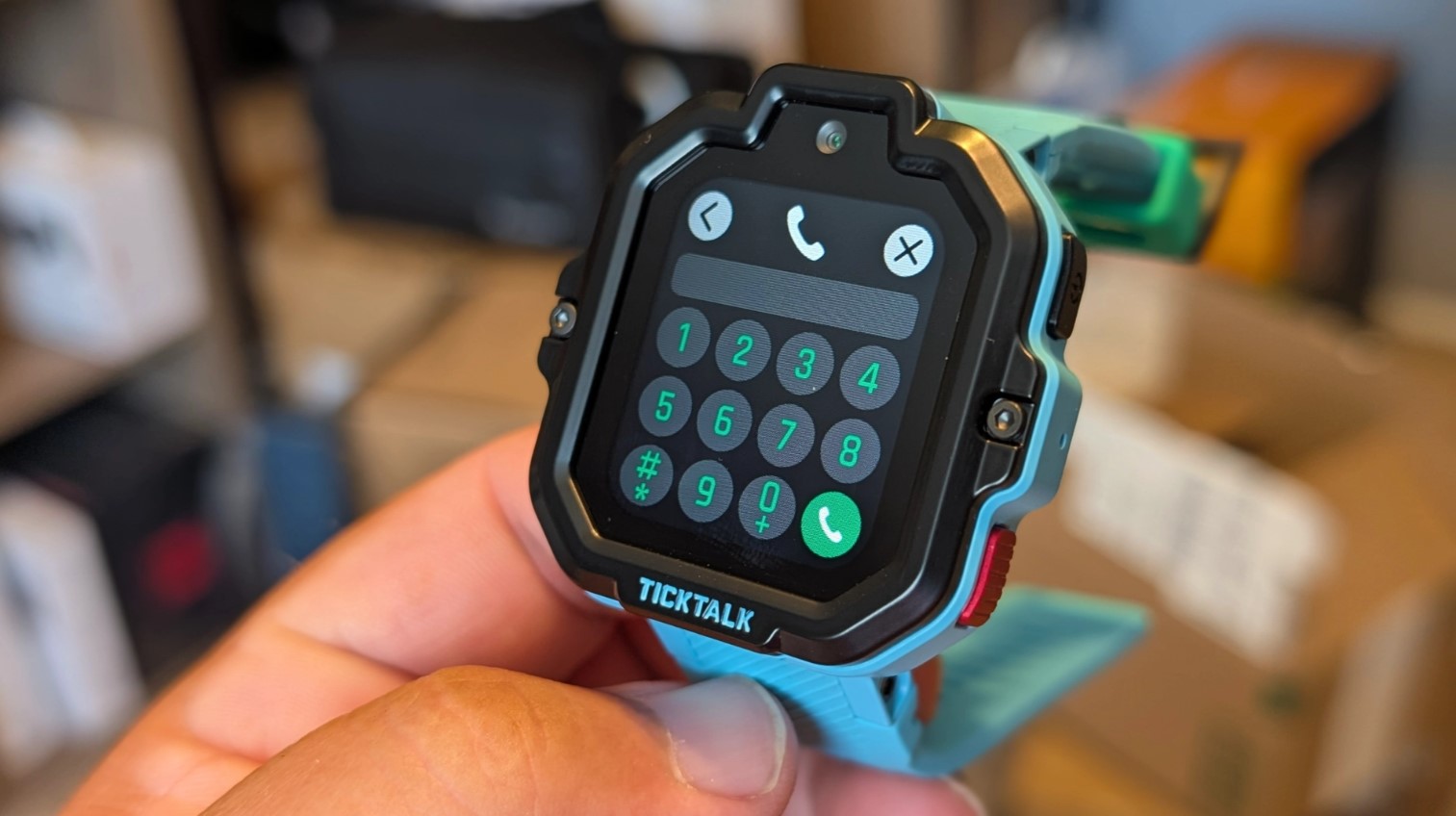
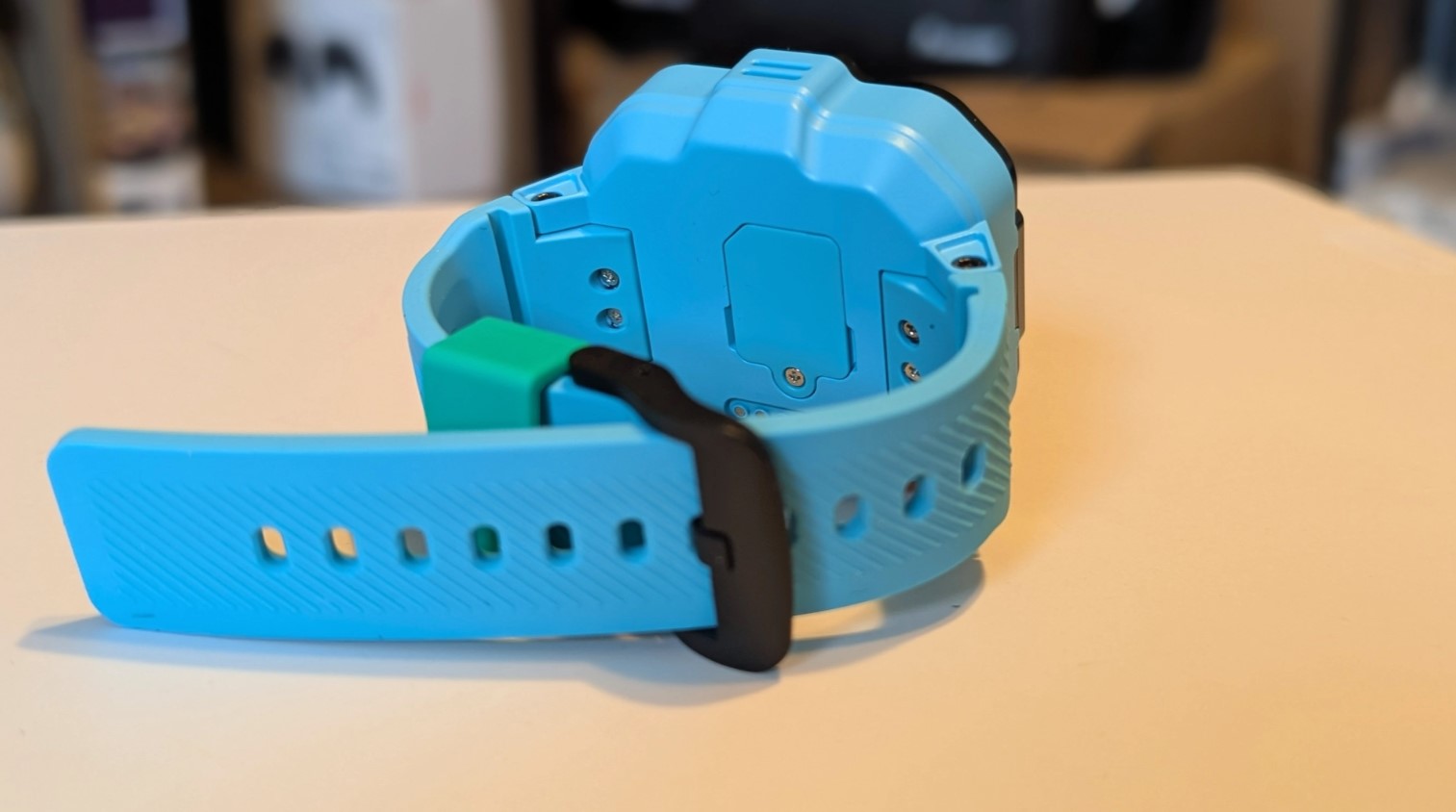
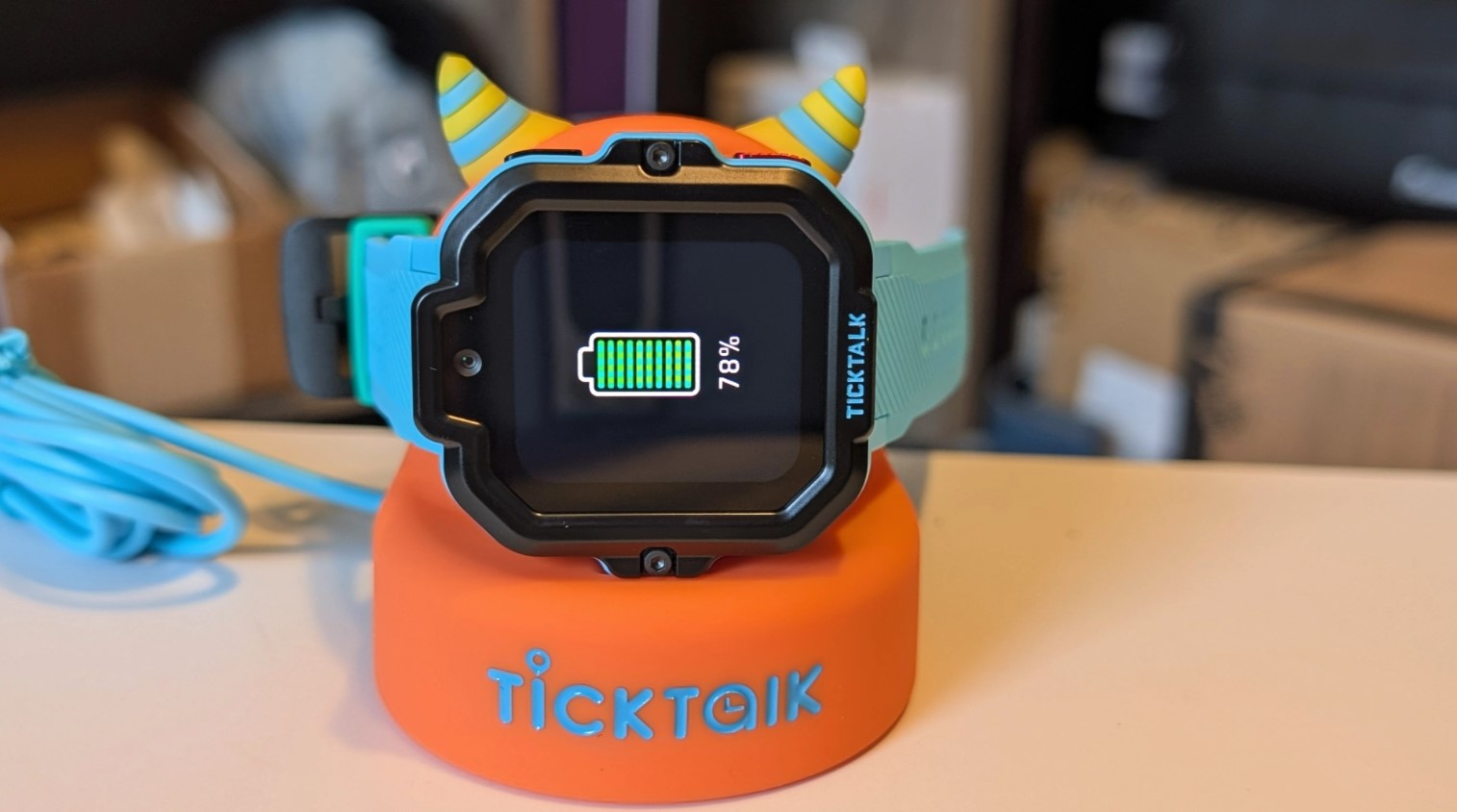
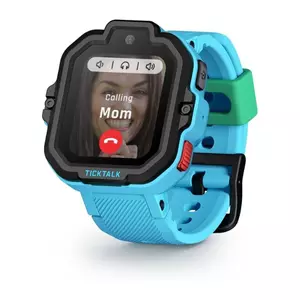
The TickTalk 5 delivers the most comprehensive phone-replacement experience currently available for children. This standalone 4G LTE device functions essentially as a smartphone without the screen size or app ecosystem that creates problems for young users. Both voice and video calls work over cellular or Wi-Fi, with the 5MP front camera providing surprisingly clear video quality that makes face-to-face communication feel natural rather than pixelated and frustrating.
Safety features distinguish TickTalk 5 from simpler tracking devices. Real-time GPS monitoring shows exact location within the parent app, while geofencing creates virtual boundaries around important locations. The system sends immediate alerts when your child enters or leaves these zones, transforming location tracking from reactive checking to proactive monitoring. Emergency preparedness goes beyond basic SOS buttons – the watch includes quick-dial access to 911 plus other emergency contacts, automatically sending location data when emergency calls are placed.
The parental control ecosystem demonstrates thoughtful design throughout. Parents manage every aspect through the TickTalk app: which specific contacts can call or message, what features remain active during school hours, and how the watch functions in different contexts. The "Do Not Disturb" school mode essentially converts the watch to a basic timepiece during class, eliminating distraction concerns while maintaining emergency access. This granular control means you're not choosing between full functionality and complete lockdown.
IP67 water resistance handles daily splashes, rain, and the inevitable bathroom sink experiments, though the watch shouldn't accompany swimming sessions. Real-world battery performance typically delivers 1-2 days depending on how heavily calling and GPS features are used. The chunky, colorful design clearly signals "kids' device" rather than trying to mimic adult smartwatch aesthetics, which actually works in its favor – it's immediately recognizable and available with numerous protective cases and screen protectors.
TickTalk deliberately avoids the features that make smartphones problematic for children. There's no app store access, no social media integration, and no open web browsing. Communication remains constrained to approved contacts through the TickTalk ecosystem, creating a closed environment that provides connectivity without exposure. Family group chats enable everyone to stay connected through a single thread that parents monitor and control. This approach makes TickTalk 5 the answer when you want full communication capability without handing your child an actual smartphone.
Pros:
- Full phone functionality on kid-appropriate device
- Video and voice calling over 4G LTE or Wi-Fi
- Comprehensive parental controls via app
- Real-time GPS with geofencing alerts
- Emergency SOS with automatic location sharing
- No social media or open web access
Cons:
- Requires monthly cellular subscription
- Chunky design may not appeal to older kids
- Not suitable for swimming (IP67 only)
Summary: The TickTalk 5 represents the gold standard for parents seeking maximum connectivity and safety features in a kids smartwatch with GPS and calling. Its combination of video calling, comprehensive location tracking, robust parental controls, and deliberate exclusion of problematic smartphone features creates the most complete phone-replacement device available. While the premium pricing and required subscription represent significant investments, families prioritizing safety and communication find those costs worthwhile.
Fitbit Ace LTE Review
Best Overall
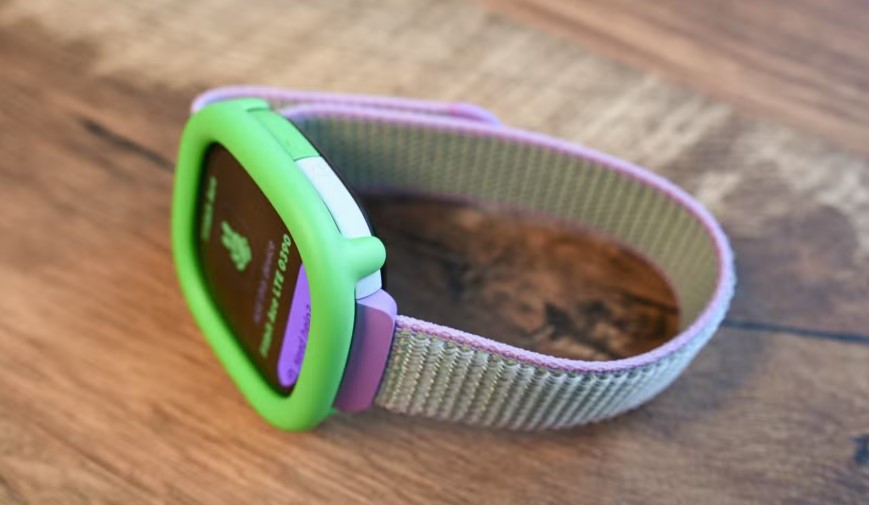
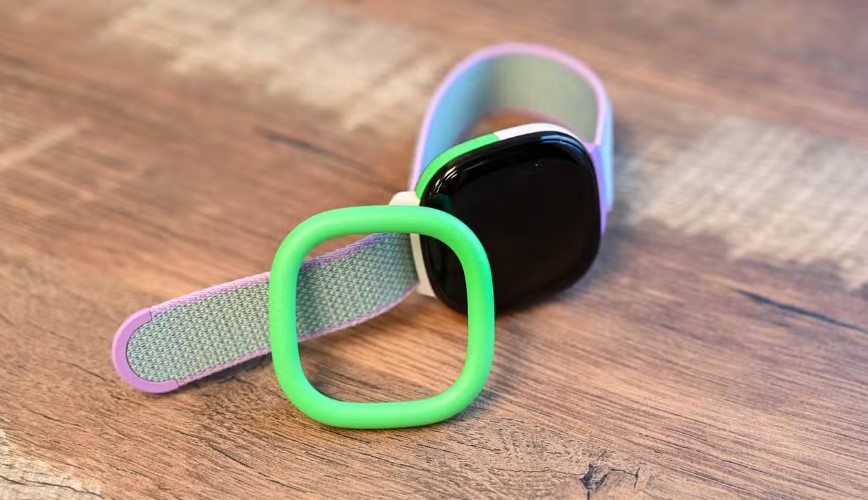
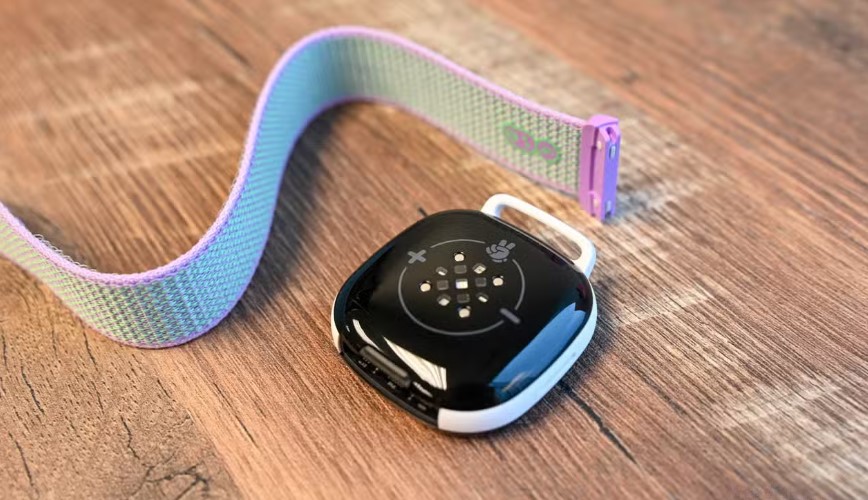
The Fitbit Ace LTE takes a fundamentally different approach to kids smartwatches, transforming fitness tracking into engaging gameplay that happens to include communication features. Designed specifically for 7-12 year-olds, this device addresses a problem many parents face: kids who love screens but need encouragement toward physical activity. The solution is genuinely clever rather than feeling like forced gamification.
The "eejie" character lives inside the watch, serving as a digital pet that thrives when your child moves. Daily step goals, active minutes, and completed activities unlock new outfits, animations, and interactive elements for the eejie. This isn't just cosmetic – kids become genuinely invested in their character's progression, which translates directly into increased physical activity. The Fitbit Arcade extends this concept with exclusive mini-games that unlock based on movement achievements, creating a reward system that feels like playing rather than exercising.
Communication capabilities meet basic safety needs without overwhelming the activity focus. Secure calling and messaging work exclusively with parent-approved contacts, maintaining connection without opening access to broader networks. Location sharing enables parents to check where their child is through the companion app, though the GPS implementation focuses less on real-time tracking than communication-focused devices. There's no open web browser, no traditional app store, and no social media access – content remains tightly curated by Google and Fitbit.
The swim-friendly water resistance genuinely supports pool time rather than just protecting against splashes. The bright touchscreen display remains readable outdoors and responsive to kid-sized fingers, while the durable construction handles the impacts and stresses of active childhood. Google's integration brings familiar voice assistant capabilities through Gemini, providing help with questions and tasks without requiring smartphone access.
Battery life reflects the intensive display and LTE usage typical of engaged children – expect daily charging. The required Ace Pass subscription adds ongoing costs beyond the device purchase, and this subscription isn't optional for accessing the watch's cellular features. These factors make the total cost of ownership higher than the initial price tag suggests, though families already comfortable with Fitbit's ecosystem often find the integration valuable. The approach works best for kids who genuinely respond to gamification, while those indifferent to virtual rewards might find less value than simpler alternatives provide.
Pros:
- Gamified activity tracking motivates movement
- Fitbit Arcade with unlockable mini-games
- Secure calling to approved contacts
- Swim-friendly water resistance
- Google/Fitbit ecosystem integration
- No social media or web browsing
Cons:
- Requires Ace Pass subscription (mandatory)
- Battery typically needs daily charging
- Less focus on comprehensive GPS tracking
Summary: Fitbit Ace LTE brilliantly solves the challenge of motivating screen-loving kids toward physical activity through genuine engagement rather than parental nagging. The eejie character and Fitbit Arcade create compelling reasons to move, while communication and location features provide necessary safety without dominating the experience. Families comfortable with subscription-based services and Google's ecosystem will appreciate the integration, though the mandatory Ace Pass and daily charging requirements demand consideration before committing.
Garmin Bounce 2 Review
Best Sports
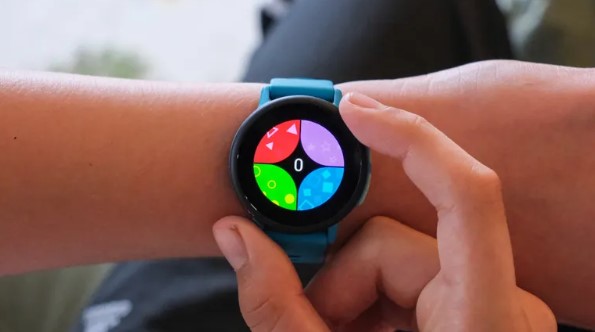
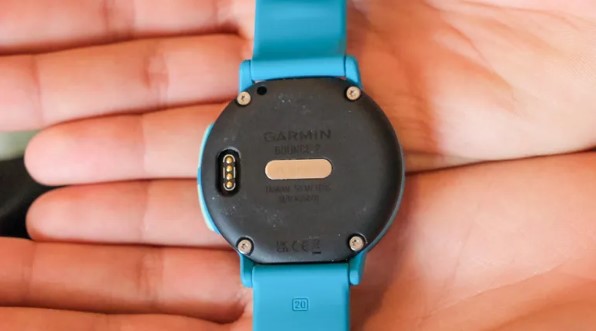
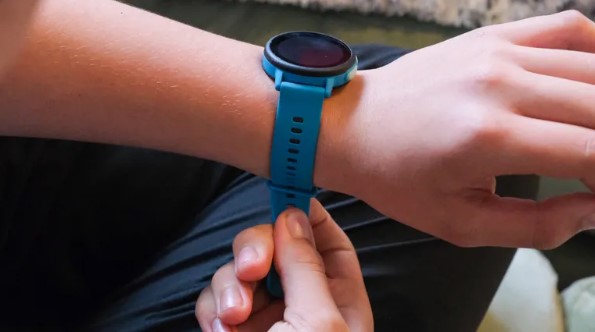
The Garmin Bounce 2 brings Garmin's decades of fitness tracking expertise to the kids smartwatch category, creating a device that treats sports and activity tracking as seriously as safety features. This isn't a toy with basic step counting – it's a legitimate sports watch scaled for children and enhanced with parental oversight capabilities. The result appeals particularly to athletic kids and families already invested in fitness tracking.
Built-in sports apps recognize different activities, automatically tracking metrics appropriate to each type. Running, cycling, swimming, and other activities get dedicated tracking modes that record distance, pace, and duration. Step challenges and activity goals encourage movement through competition and achievement rather than purely entertainment-based motivation. Kids accumulate move minutes and meet daily goals, with the watch celebrating achievements through badges and encouraging messages that feel genuine rather than patronizing.
The safety implementation balances tracking capability with battery efficiency. With an active LTE subscription, parents monitor real-time location through the Garmin Jr. app and receive automatic alerts when children enter or leave predefined safe zones like school or home. Two-way calling and text messaging to parent-approved contacts transforms the watch into a communication device, though Garmin deliberately omits video calling to maintain focus on fitness and safety rather than becoming a mini-smartphone.
The 1.2-inch AMOLED touchscreen delivers crisp, colorful visuals that remain readable in bright sunlight during outdoor activities. Garmin explicitly markets Bounce 2 as swim-friendly rather than merely splash-resistant, having tested the device in actual swimming conditions. The durable, kid-appropriate housing survives drops and impacts without the fragility concerns that plague adult smartwatches in children's hands. The design feels substantial without excessive bulk, balancing protection with wearability.
Battery life claims "up to 2 days" come with the significant caveat that LTE usage and connected features dramatically reduce actual runtime. Real-world usage typically requires daily charging, particularly when GPS tracking and calling features see regular use. The Garmin Jr. app extends beyond simple device management, incorporating chores and reward systems, activity monitoring, and permission management into a unified parental platform. This ecosystem approach works particularly well for families with multiple Garmin devices, creating consistent interfaces across different products.
Pros:
- Serious sports tracking with activity-specific modes
- Real-time GPS with safe zone alerts
- Two-way calling and messaging
- Swim-friendly water resistance
- Integrates with Garmin Jr. app ecosystem
- Chores and rewards system built-in
Cons:
- No video calling capability
- Battery life reduced significantly with LTE active
- Requires monthly LTE subscription
Summary: Garmin Bounce 2 excels as a kids smartwatch with LTE for families prioritizing fitness tracking alongside safety features. The sophisticated sports modes, accurate activity tracking, and integration with Garmin's broader ecosystem create genuine value beyond basic calling and location features. While it sacrifices video calling and some communication richness compared to TickTalk, it delivers unmatched activity tracking capability. Athletic kids and sports-focused families find this combination more valuable than general-purpose alternatives.
Xplora X6 Play Review
Best Global 4G
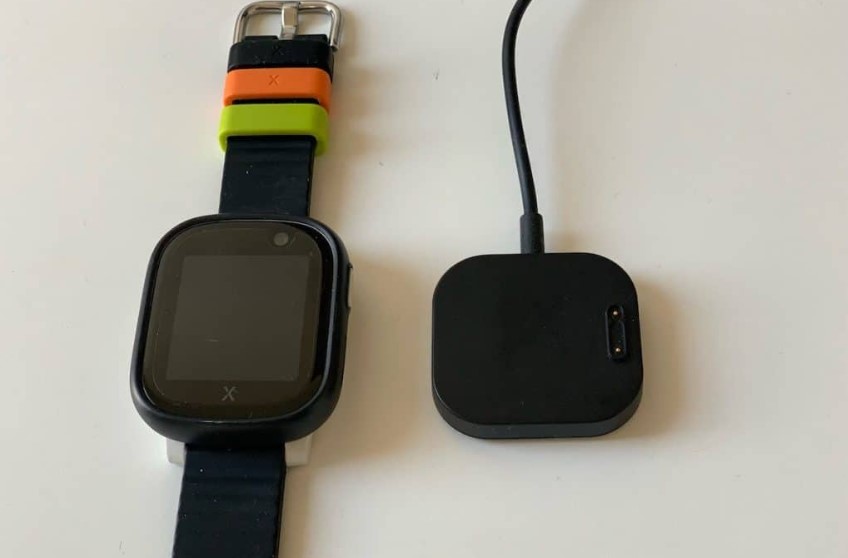
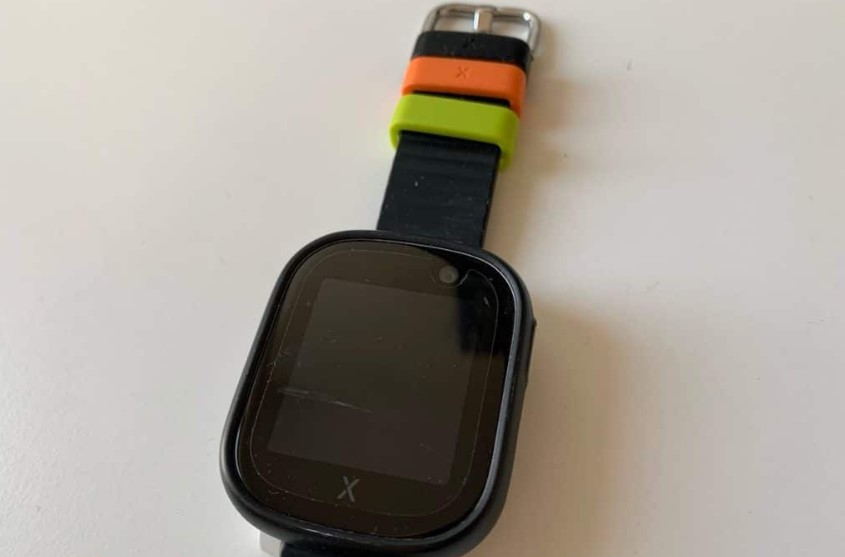
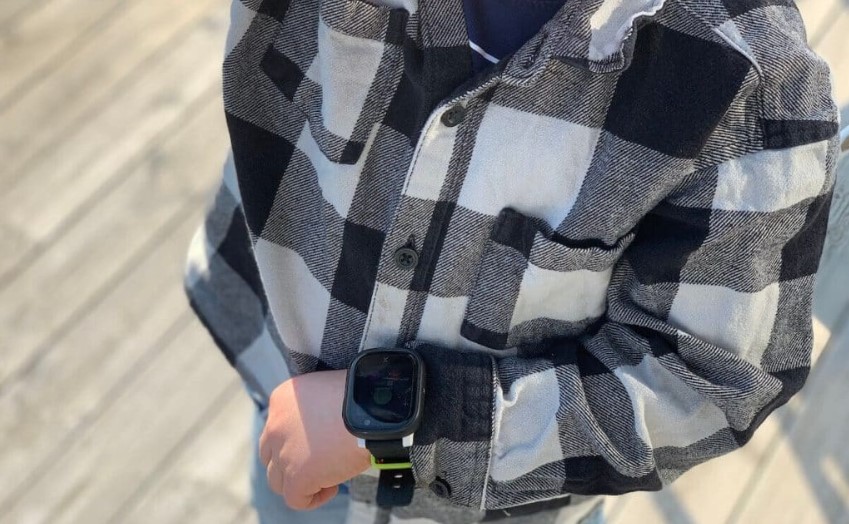
The Xplora X6 Play stands out for its genuine international availability and compatibility, functioning across both North American and European networks with equal capability. This global accessibility makes it particularly valuable for families that travel internationally or have connections across different regions. The 4G connectivity works consistently across various carriers and countries, solving the compatibility frustrations that plague some region-specific alternatives.
The 1.5-inch color TFT display balances screen size with watch proportions, providing adequate space for viewing content without creating an unwieldy device on small wrists. The 5MP camera captures photos and enables video calls with parent-approved contacts, transforming quick check-ins into more personal connections. An efficient 1.2 GHz processor paired with 8GB internal storage handles the customized Android 8.1-based operating system smoothly, maintaining responsiveness during typical kid usage patterns.
Safety features mirror the comprehensiveness found in premium alternatives. Real-time GPS tracking, SOS button functionality, and safety zone geofencing all operate through the Xplora app, giving parents location visibility and automatic alerts for unexpected movements. The implementation handles outdoor tracking accurately while maintaining reasonable indoor positioning through Wi-Fi and cellular triangulation. Communication remains restricted to contacts parents explicitly approve, preventing unwanted interactions while enabling necessary connectivity.
The IP68 waterproof rating provides more robust water protection than many kids' watches achieve, handling everyday splashes, rain, and shallow water play without concern. This genuine waterproofing rather than mere splash resistance means less worry about damage from the inevitable liquid encounters that characterize childhood. Advertised standby battery life reaches 72 hours, though active usage with calling and GPS typically delivers a solid day before requiring recharge – sufficient for daily use with nightly charging routines.
Xplora integrates activity tracking through their Goplay platform, where accumulated steps translate into digital rewards that encourage movement. This gamification remains less elaborate than Fitbit's approach but provides meaningful motivation for many children. The subscription-centric model means ongoing monthly costs for cellular service, though these plans typically price competitively with other kids' watch cellular options. Some parents report slower indoor location updates and mixed customer service experiences, though outdoor GPS accuracy and overall durability receive consistent praise.
Pros:
- Works across US and European 4G networks
- IP68 waterproof rating for robust protection
- Video calling with 5MP camera
- Real-time GPS with SOS and geofencing
- Activity rewards through Goplay platform
- Good outdoor GPS accuracy
Cons:
- Indoor location updates can be slower
- Requires ongoing subscription
- Mixed customer service feedback
Summary: Xplora X6 Play solves international compatibility challenges while delivering comprehensive safety and communication features. The robust IP68 waterproofing, reliable outdoor GPS tracking, and genuine global 4G support create a dependable device for families needing consistent functionality across regions. While indoor tracking and customer support receive mixed reviews, the core safety features, video calling capability, and international flexibility make it valuable for specific family situations where global compatibility matters.
VTech KidiZoom Smartwatch DX3 Review
Best Budget
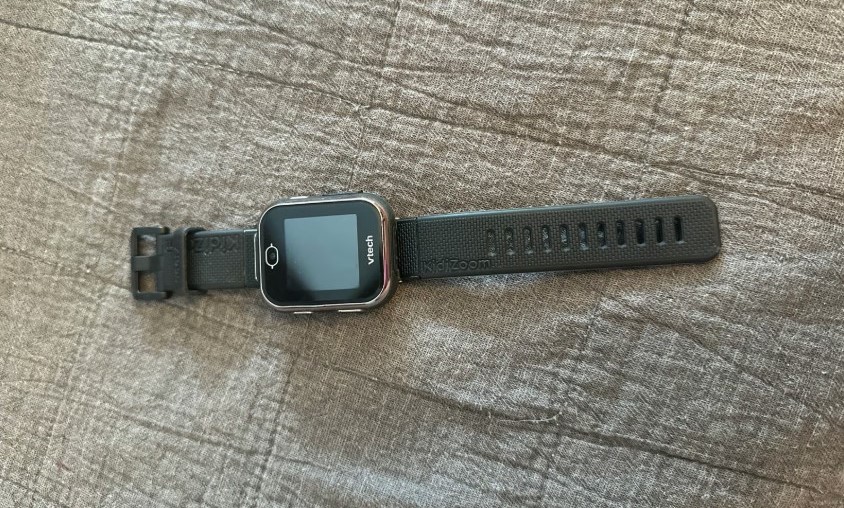
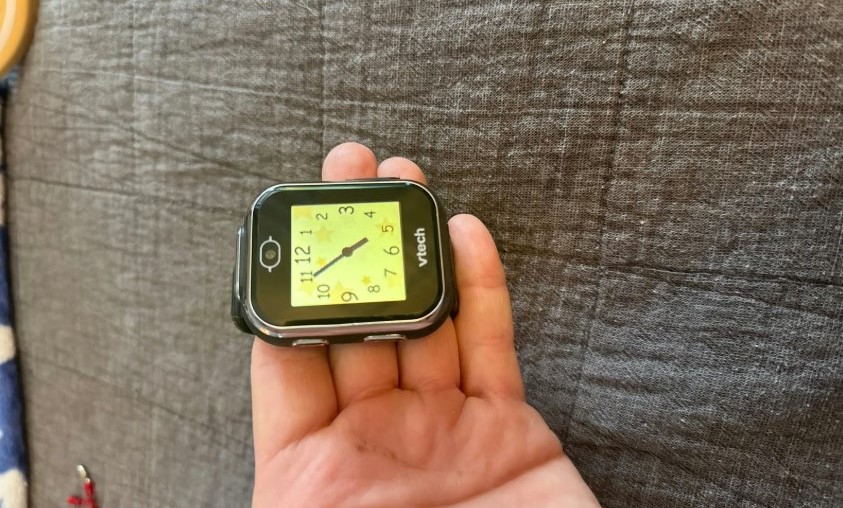
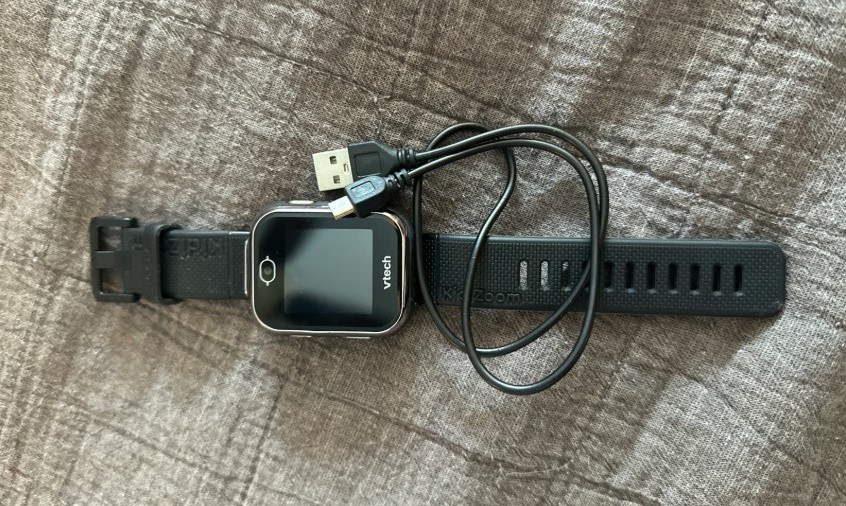
The VTech KidiZoom Smartwatch DX3 takes an entirely different approach to kids' smartwatches, deliberately omitting cellular connectivity and GPS tracking in favor of camera fun, games, and basic smartwatch features at an accessible price point. This isn't a compromise device for families who can't afford connected watches – it's a thoughtful product for situations where connectivity isn't desired or necessary, particularly for younger children who need entertainment and basic time-telling rather than communication capability.
The dual camera system represents the DX3's signature feature. One camera sits on the front edge for selfies, while another faces outward from the watch face, giving kids multiple perspectives for capturing photos and short videos. This configuration encourages creative photography rather than communication, with numerous built-in photo filters, frames, and effects that transform simple snapshots into entertaining creations. Kids spend surprising amounts of time experimenting with different effects, turning the watch into a creative tool rather than just a tracking device.
Smart features cover the basics expected from any digital watch. Customizable clock faces let kids personalize their display, including the ability to create custom faces using photos they've captured. Alarms, timers, and a calendar provide practical utility, while a basic pedometer tracks daily steps without the sophisticated activity tracking found in fitness-focused alternatives. The dedicated School Mode restricts functionality to just time display during class hours, addressing teacher concerns about distraction while maintaining the watch's utility as a timepiece.
The robust housing prioritizes durability appropriate for VTech's target audience of kids aged 4 and up. The design accommodates rougher handling and occasional drops without the fragility concerns that accompany more sophisticated electronics. Splash-proof construction handles handwashing and rain but explicitly isn't suitable for swimming or showering. The rechargeable battery charges via USB, typically requiring recharge every 1-2 days depending on how heavily the games and camera features see use.
Games provide simple entertainment directly on the watch, with options for solo play and secure watch-to-watch pairing that lets kids with DX3 devices play together without any internet connectivity. An LED serves dual purposes as a camera flash and a surprisingly useful flashlight – a small feature that proves more practical than expected in daily kid life. The absence of cellular connectivity eliminates subscription costs entirely, making the DX3 a one-time purchase without ongoing fees. This positions it perfectly for young children, trial runs before committing to connected devices, or situations where parents simply don't want their kids carrying communication devices yet.
Pros:
- No cellular or subscription costs
- Dual cameras with creative photo effects
- Games and watch-to-watch play capability
- School Mode limits to clock only
- Appropriate for younger kids (4+)
- LED flashlight surprisingly useful
Cons:
- No GPS tracking or location features
- No calling or messaging capability
- Not suitable for swimming
Summary: VTech KidiZoom Smartwatch DX3 fills the important niche of affordable, entertaining smartwatch functionality without connectivity requirements or concerns. The emphasis on creative camera features, simple games, and basic smartwatch utilities makes it ideal for younger children or situations where communication capability isn't desired. The absence of subscription costs and straightforward functionality create a low-stakes introduction to wearable technology that provides entertainment value without safety tracking or communication features.
Kids Smartwatches: Your Questions Answered
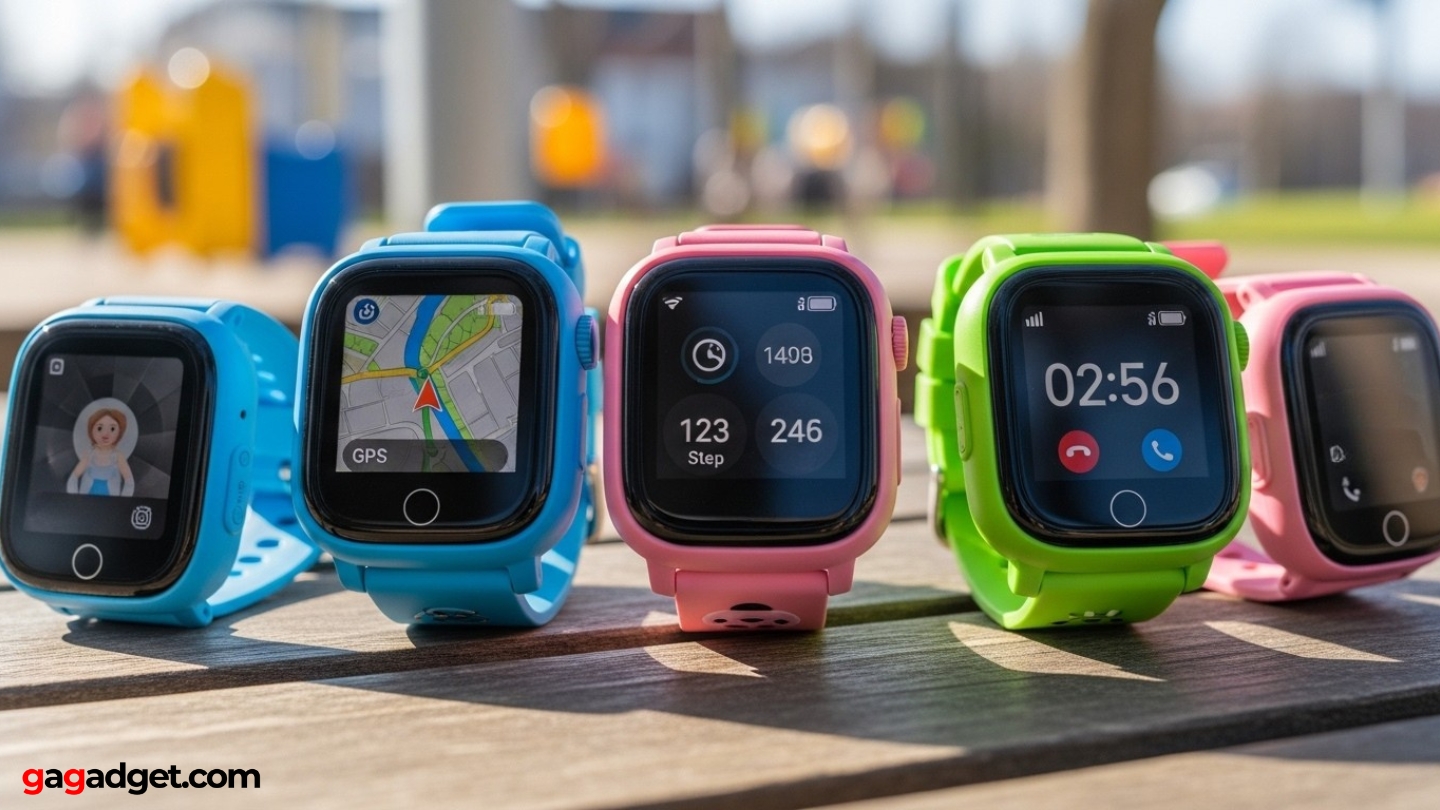
After helping dozens of families select their first kids smartwatches and troubleshooting various issues that arise during actual use, certain questions emerge repeatedly. Here are the answers that matter most based on real-world experience.
What age is appropriate for a kids smartwatch?
Most manufacturers target ages 4-12, though the ideal age depends more on maturity level and specific needs than arbitrary numbers. Younger children (4-6) benefit from simple devices emphasizing entertainment and basic safety features, with parents managing all settings. Elementary-aged kids (7-10) can handle more sophisticated features like messaging and activity tracking, while older children approaching middle school (11-12) need devices that don't feel childish yet maintain appropriate oversight. Consider why you're buying the watch – pure entertainment suits younger ages, while communication and independence features become more relevant as children gain mobility and responsibility.
Do kids smartwatches require monthly subscriptions?
Watches with cellular connectivity and GPS tracking require monthly data plans, typically costing $10-15 per watch. Some manufacturers provide their own network services, while others work through major carriers. These subscriptions enable the calling, messaging, and real-time location features that justify premium smartwatches. Budget alternatives without cellular radios eliminate subscription costs entirely but sacrifice connectivity features. Calculate total ownership costs including subscriptions before committing, as these recurring fees significantly impact value over the device's lifespan.
How accurate is GPS tracking on kids smartwatches?
Outdoor GPS accuracy typically falls within 10-30 feet for quality devices, sufficient for knowing which playground, store, or friend's house your child is near. Indoor accuracy depends more on Wi-Fi positioning and cellular triangulation, resulting in less precise location estimates. Tall buildings and dense urban areas can affect accuracy. Real-time tracking updates typically occur every few minutes during normal use, with on-demand updates providing current location when specifically requested. No consumer GPS device provides perfect accuracy, but kids smartwatches generally locate children within reasonable proximity for safety purposes.
Can kids smartwatches get texts and calls like phones?
Connected smartwatches support calling and messaging, though functionality varies significantly between models. Full-featured devices handle both voice and video calls plus text messaging to parent-approved contacts. Mid-tier options may support voice calls and simple text messages. The critical difference from phones: parents control exactly who can contact their child, preventing unwanted communication while enabling necessary connectivity. Most devices use dedicated apps rather than standard phone numbers, operating within closed ecosystems rather than open telecommunications networks.
Are kids smartwatches safe from hackers and privacy concerns?
Reputable manufacturers implement security measures including encrypted communications and closed ecosystems that limit potential vulnerability. However, any connected device carries some privacy considerations. Choose watches from established companies with clear privacy policies rather than unknown brands. Review what data is collected, how it's used, and whether it's shared with third parties. Ensure strong passwords protect parent apps, and regularly update watch firmware when manufacturers release security patches. The privacy risks from quality kids smartwatches remain substantially lower than giving children actual smartphones with internet access.
What happens if my child loses their smartwatch?
GPS-enabled watches can often be located through the parent app, showing last known position even when powered off (if location was recently updated). Some devices include "find my watch" features that trigger sounds or vibrations to help locate nearby devices. However, if truly lost or stolen, most manufacturers don't offer the same sophisticated tracking and remote-wipe capabilities found on smartphones. Consider whether your child's maturity level and environment make loss likely – younger children or busy public settings create higher loss risk. Some insurance policies or credit cards provide electronics coverage that may extend to smartwatches.
Making Your Kids Smartwatch Decision
Choosing the right smartwatch for your child balances safety requirements, age-appropriate features, and practical usability within your family's specific circumstances. These devices solve real problems when selected thoughtfully, providing parents peace of mind while giving children appropriate independence.
For maximum communication and safety features, the TickTalk 5 delivers comprehensive phone-replacement capability with video calling and robust parental controls. Families prioritizing fitness motivation alongside safety find exceptional value in the Fitbit Ace LTE's gamified activity tracking. Athletic kids benefit most from the Garmin Bounce 2's serious sports tracking combined with safety features.
International families or those needing reliable global connectivity should consider the Xplora X6 Play with its genuine 4G compatibility across regions. Budget-conscious parents or those with younger children not ready for communication features find excellent value in the VTech KidiZoom DX3's camera-focused entertainment without subscription costs.
After extensive testing with actual children in real family situations, I've found that the right kids smartwatch transforms from technology purchase into genuine tool for family safety and age-appropriate independence. The key lies in matching device capabilities to your child's actual needs rather than buying maximum features hoping they justify themselves. Consider your specific situation, evaluate which features truly matter for your family, and choose accordingly. Your child's safety and your peace of mind are worth getting this decision right.

Jim's our tech geek with a mission since February 2023. From movies to video projectors, he knows his stuff and aims to make tech work for you. When he's not geeking out, he's there to guide you through making savvy decisions.


