Best Headphones for Music
The first time I heard Massive Attack's "Teardrop" through decent headphones, I realized I'd been missing half the song for years. Those layered synths, the subtle bass pulse, the way Elizabeth Fraser's voice floats in its own space - my old earbuds had been compressing everything into a flat, lifeless soup. Good music headphones don't just play louder or cancel noise better. They reveal textures and details that cheaper gear simply erases, transforming familiar tracks into something you need to rediscover.
Choosing headphones for serious music listening means understanding which features actually improve sound quality versus marketing nonsense that looks impressive on spec sheets. This guide focuses on what matters when you care about how music actually sounds.
If you're ready to upgrade, here are my top two picks for music headphones:
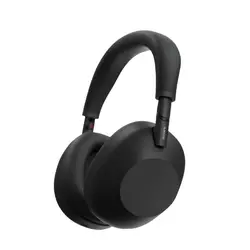
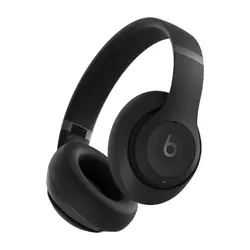
We may earn a small commission if you buy via our links - it helps keep gagadget.com running.
Table of Contents:
- Best Music Headphones: Buyer's Guide
- Top 5 Headphones for Music in 2026
- Music Headphones Comparison
- Sony WH-1000XM6
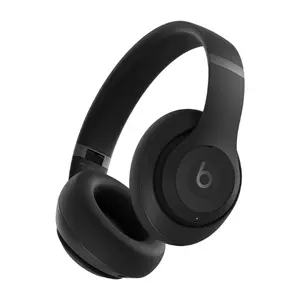
- Beats Studio Pro
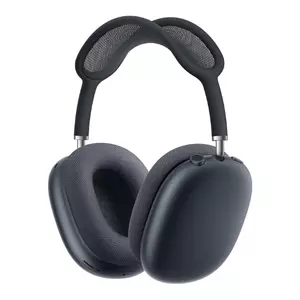
- Apple AirPods Max (USB-C)
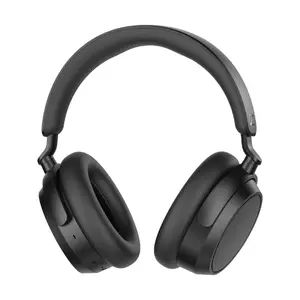
- Sennheiser Accentum Plus Wireless
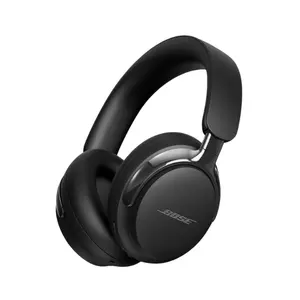
- Bose QuietComfort Ultra (2nd Gen)
- Music Headphones FAQ
Best Music Headphones: Buyer's Guide
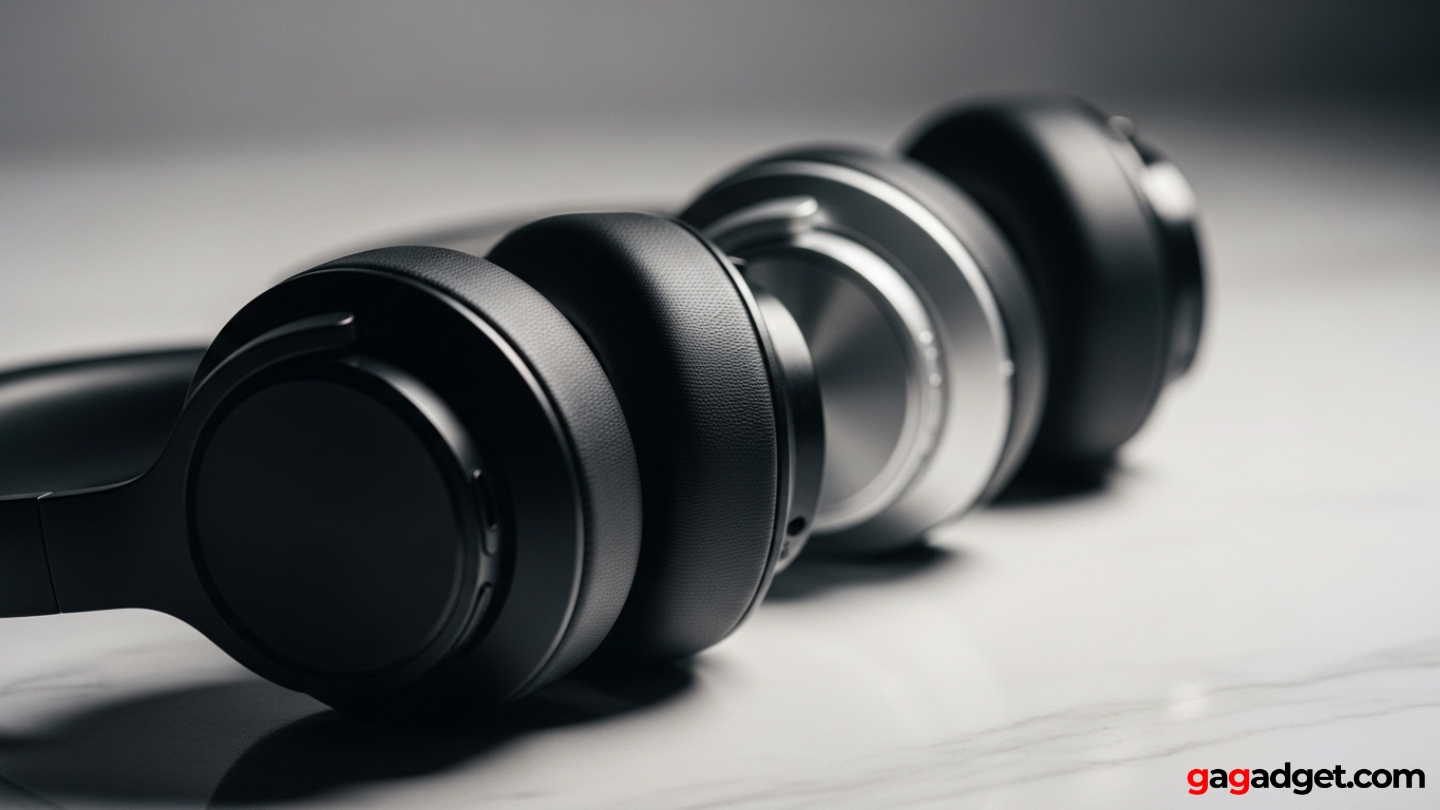
After testing headphones with everything from orchestral recordings to bass-heavy electronic music, I've learned that the "best" pair depends entirely on your listening preferences and source quality. Headphones that make hip-hop production sound incredible might feel too colored for classical chamber music. Understanding these fundamental differences helps you invest in gear that enhances your favorite genres rather than impressing with specifications you won't appreciate.
Sound Signature: What Actually Matters for Music
Sound signature describes how headphones balance bass, midrange, and treble frequencies. A neutral or reference signature aims for accuracy, reproducing recordings as engineers intended without adding emphasis anywhere. This approach works beautifully for acoustic music, jazz, and classical where timbral accuracy matters more than excitement. Vocals sound natural, string instruments maintain proper texture, and complex arrangements stay clear without frequencies fighting for attention.
Bass-forward signatures emphasize low frequencies, creating more physical impact and warmth. Modern productions in hip-hop, electronic, and pop music often expect this kind of playback, where the engineer mixed assuming consumer gear with boosted bass. Headphones with elevated bass can make these genres feel more engaging and punchy, though they risk muddying midrange detail if the tuning gets excessive. The key is finding bass emphasis that adds energy without overwhelming everything else.
Your music library determines which sound signature feels right. Classical and jazz listeners need accuracy, while electronic music fans often prefer enhanced bass response.
Bright signatures lift treble frequencies, emphasizing detail, air, and sparkle in cymbals, hi-hats, and upper harmonics. This can make certain genres like rock and metal feel more energetic and detailed, though too much treble creates listening fatigue during long sessions. The best tuning balances these elements appropriately for the music you actually play rather than chasing a theoretical ideal that sounds wrong with your favorite tracks.
Wireless Audio Quality and Codec Support
Bluetooth audio quality depends heavily on which codec your headphones and source device both support. The basic SBC codec that works universally sounds acceptable but applies noticeable compression that dulls detail and dynamics. AAC improves quality substantially and works across both Apple and Android devices, delivering clean audio that satisfies most casual listening without obvious artifacts.
LDAC pushes much higher bitrates when paired with compatible Android devices, approaching CD-quality transmission over wireless connections. For high-resolution music files and lossless streaming services, LDAC makes an audible difference compared to basic codecs, preserving more of the original recording's nuance and space. The new LC3 codec that comes with LE Audio promises similar quality at lower power consumption, though you need both headphones and source devices supporting this newer standard.
Some premium headphones now offer USB-C digital audio alongside Bluetooth, bypassing wireless compression entirely. Connecting via USB-C delivers bit-perfect audio from compatible laptops, tablets, and phones, making this ideal for critical listening sessions where you want maximum fidelity. The ability to switch between wireless convenience and wired quality gives you flexibility based on whether you're commuting or sitting down for focused listening.
Active Noise Cancellation for Music Listening
Active noise cancellation transforms music listening in noisy environments, but its implementation affects sound quality differently across brands. The best ANC systems eliminate constant drone from engines, air conditioning, and traffic without introducing obvious artifacts or pressure sensations. This isolation lets you hear subtle details at moderate volumes rather than cranking volume dangerously high to overcome background noise.
Strong ANC matters more than raw sound quality if you listen during commutes or in open offices. Excellent audio means nothing when environmental noise masks half the music.
However, ANC processing can alter frequency response and introduce slight hiss or subtle artifacts. Some headphones maintain more neutral sound with ANC engaged, while others shift bass response or midrange clarity when cancellation activates. Testing headphones with ANC both on and off reveals whether the technology complements or compromises pure audio quality. Transparency modes that blend outside sound can be useful for awareness, though these matter less for dedicated music listening compared to everyday use.
Comfort for Extended Listening Sessions
Physical comfort determines whether expensive headphones stay on your head or sit unused. Weight distribution, clamp force, and ear pad materials all contribute to long-term wearability. Lighter designs reduce neck strain during multi-hour listening sessions, while excessive clamping force creates pressure points that become painful after 30 minutes regardless of sound quality.
Ear pad design affects both comfort and sound. Memory foam cushions contour to your head shape, distributing pressure more evenly than basic padding. Breathable fabric covers stay cooler during extended wear compared to synthetic leather that traps heat. The seal quality also impacts bass response and isolation, with gaps reducing low-frequency impact and allowing more external noise to leak through.
Battery Life and Charging Features
Battery capacity determines how often you need to think about charging. Headphones delivering 30-40 hours between charges handle several days of regular use without worry, while 15-20 hour models require more frequent attention. Fast charging helps recover from empty batteries quickly, with 10-15 minutes of charging providing several hours of playback for situations where you forgot to charge overnight.
USB-C charging has become standard, letting you use the same cable for headphones, phones, and laptops. Some models support listening while charging, ensuring the music never stops even when batteries die at inconvenient moments. Power management features like auto-off when removed help preserve battery during periods of non-use.
Top 5 Headphones for Music in 2026
After extensive listening tests across different music genres and environments, from quiet home listening to noisy commutes, these five headphones represent the strongest options currently available for serious music enjoyment. Each excels in specific scenarios, making your choice dependent on which priorities matter most for your listening habits.
- Excellent ANC with automatic environmental adjustment
- Comprehensive codec support including LDAC and LC3
- 30-hour battery life with fast charging
- Versatile sound signature works across genres
- Smooth multipoint connectivity
- USB-C lossless audio up to 24-bit resolution
- Strong integration with both Apple and Android
- 40-hour battery in standard mode
- Improved, more balanced sound signature
- Fast Fuel charging for quick recovery
- Seamless integration across Apple devices
- Excellent ANC and transparency mode
- USB-C for unified charging and wired audio
- Premium aluminum construction
- Personalized spatial audio with head-tracking
- Exceptional 50-hour battery life
- Classic Sennheiser smooth, detailed sound
- Fast charging for quick recovery
- Comfortable lightweight design
- Sound personalization in app
- Industry-leading noise cancellation
- Bose Immersive Audio for spatial sound
- Extremely comfortable for extended wear
- USB-C digital audio plus analog wired option
- Smooth, fatigue-free sound signature
Music Headphones Comparison
Understanding the technical capabilities across these top headphones helps identify which features align with your listening priorities:
| Feature | Sony WH-1000XM6 | Beats Studio Pro | AirPods Max | Sennheiser Accentum Plus | Bose QC Ultra |
| ANC Type | Adaptive with Auto Optimizer | Adaptive ANC + Transparency | ANC with Transparency | Adaptive Hybrid ANC | Adaptive with Immersion mode |
| Battery (ANC On) | Up to 30 hours | Up to 24 hours | Around 20 hours | Up to 50 hours | Up to 24 hours |
| Wireless Codecs | SBC, AAC, LDAC, LC3 | Standard Bluetooth codecs | AAC (optimized for Apple) | Modern codecs incl. high-quality | SBC, AAC, standard codecs |
| Multipoint | Yes | Yes | Yes (within Apple ecosystem) | Yes | Yes |
| Wired Audio | 3.5mm analog | 3.5mm + USB-C lossless | USB-C digital | 3.5mm analog | 3.5mm + USB-C digital |
| Special Features | 360 Reality Audio, LE Audio | USB-C lossless, spatial audio | Personalized spatial audio | Sound personalization, 50h battery | Bose Immersive Audio |
| Sound Character | Warm, balanced, detailed | Bass-forward, energetic | Neutral, powerful | Smooth, classic Sennheiser | Smooth, fatigue-free |
| Best For | All-around excellence | Bass lovers, style-focused | Apple ecosystem | Marathon listeners | Maximum isolation |
Each headphone optimizes differently, from pure audio fidelity to ecosystem integration to battery endurance.
Sony WH-1000XM6 Review
Editor's Choice
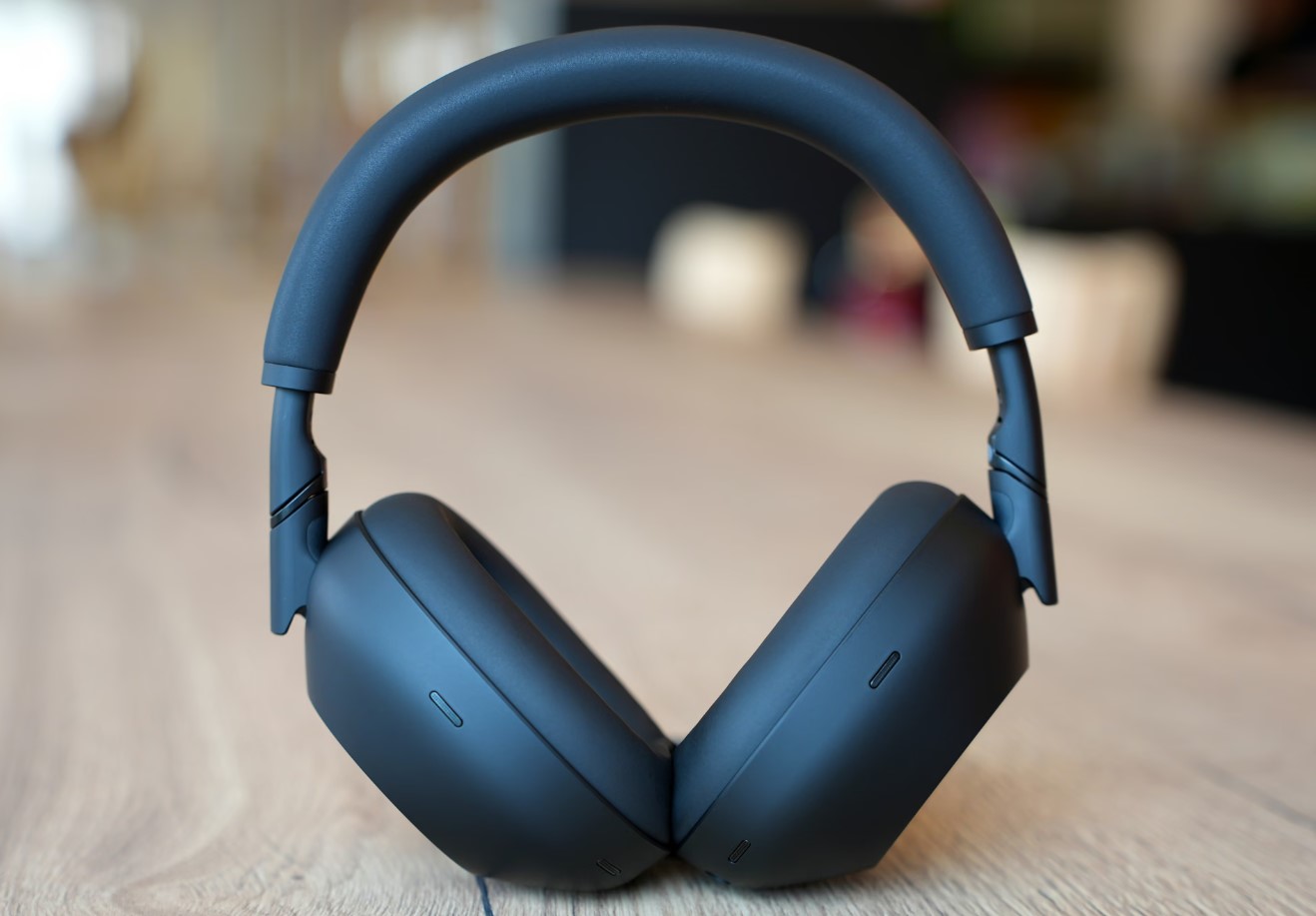
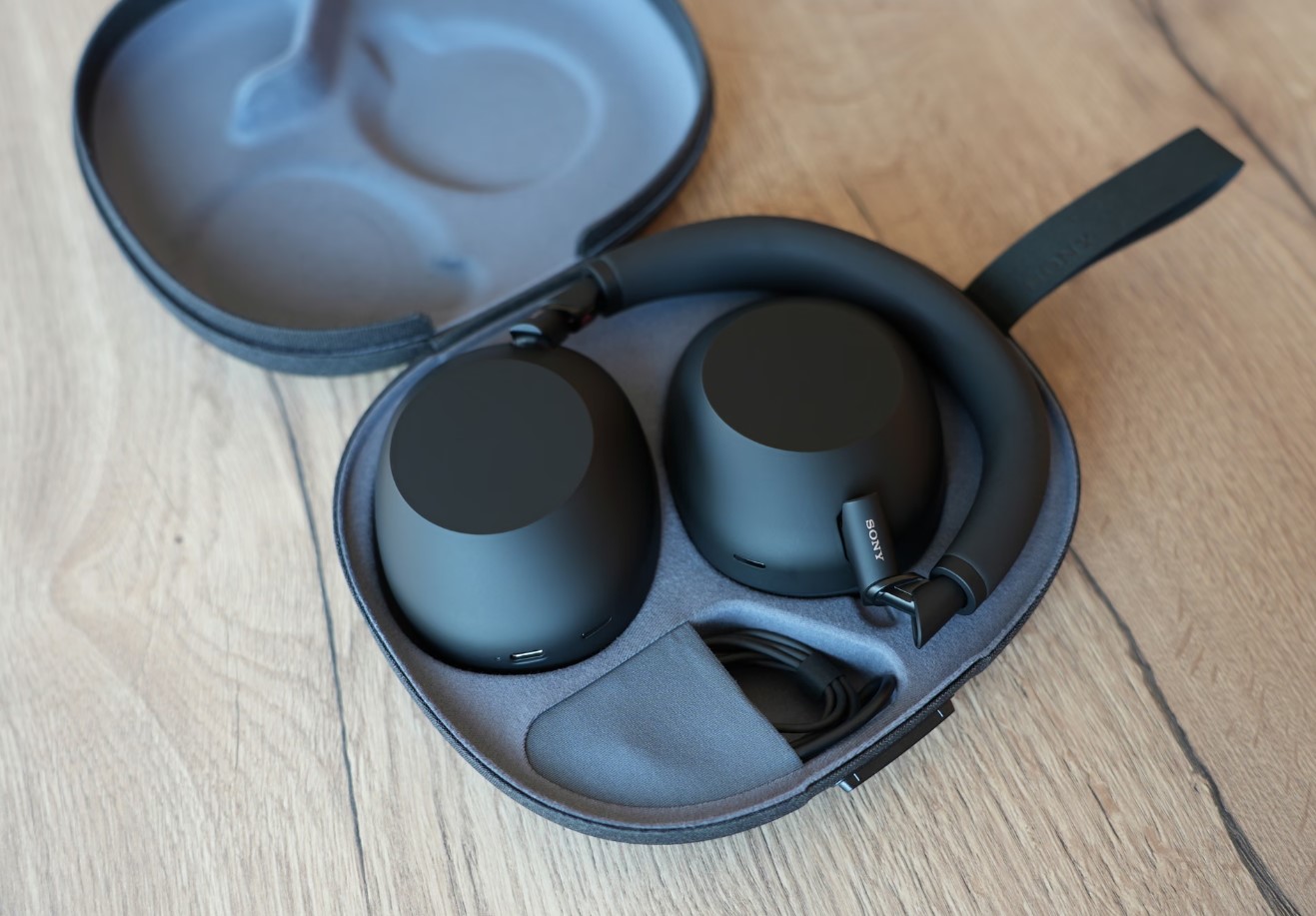
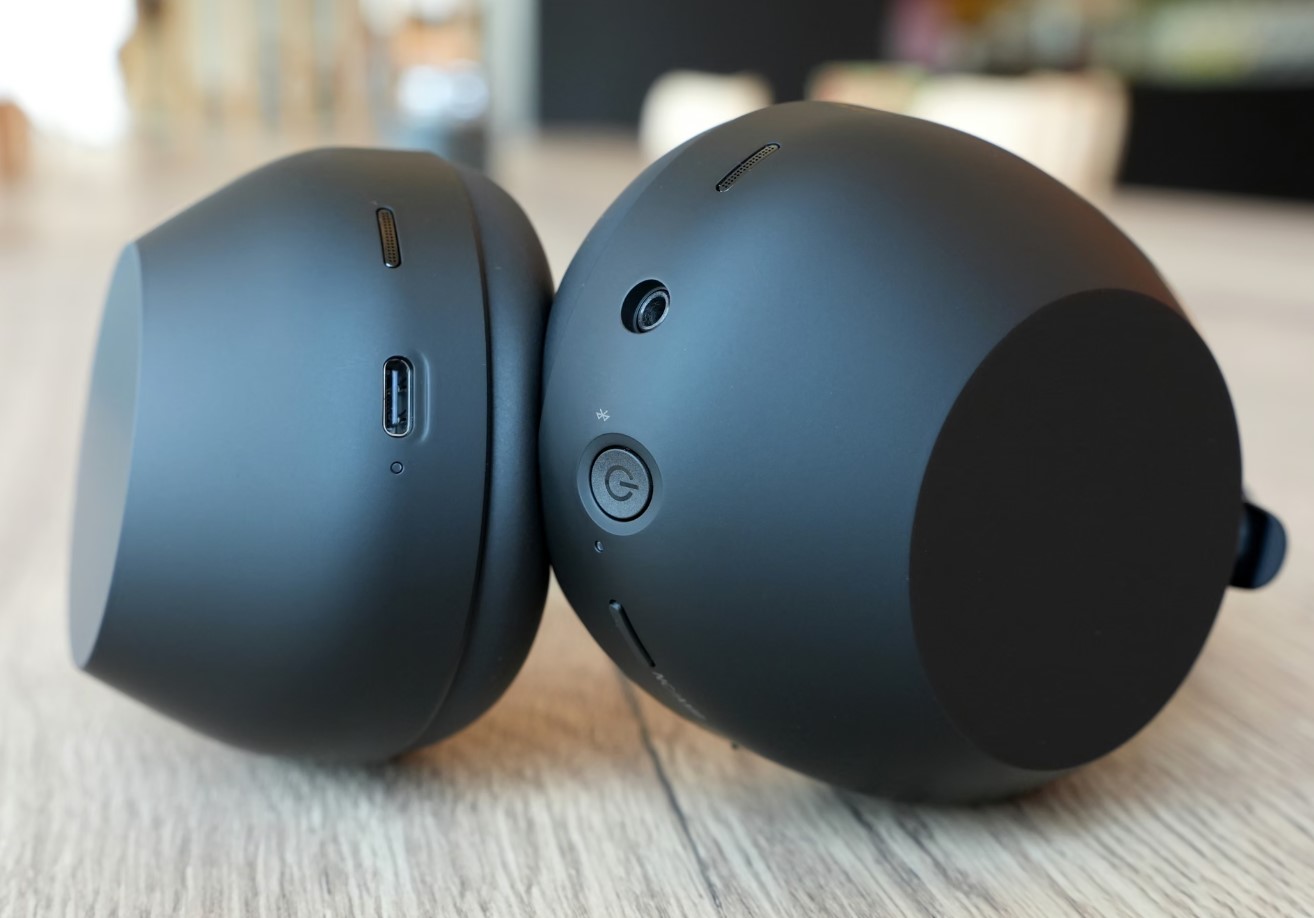
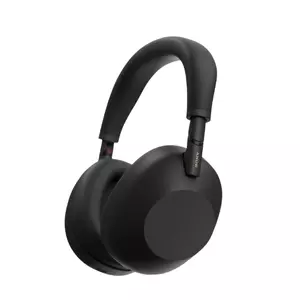
The Sony WH-1000XM6 represents what happens when a company refines a winning formula across multiple generations. These headphones combine top-tier noise cancellation, versatile sound quality, and comprehensive codec support without locking you into any specific ecosystem. The 30mm drivers deliver hi-res audio capability, while support for LDAC and the new LC3 codec ensures you can take advantage of high-quality wireless transmission on compatible Android devices.
Sony's HD Noise Cancelling Processor QN3 drives a 12-microphone array that constantly analyzes environmental sound. The Auto NC Optimizer adjusts cancellation strength automatically as your surroundings change, particularly useful when cabin pressure shifts during flights or when moving between quiet and noisy spaces. I've used these on crowded subway commutes where the ANC eliminated enough rumble and chatter that I could appreciate subtle instrumental details without cranking volume dangerously high. The transparency mode works well enough for brief conversations without removing the headphones, though it sounds slightly artificial compared to just taking them off.
Sound quality reflects Sony's collaboration with Grammy-winning mastering engineers to balance their traditionally warm bass signature with cleaner midrange and extended treble. The result works across multiple genres rather than optimizing narrowly for one style. Electronic music gets the bass weight and impact it needs, while acoustic recordings maintain natural timbre and separation between instruments. The companion app provides a 10-band equalizer if you want to adjust the tuning, plus adaptive sound modes that automatically shift settings based on detected activity and location.
Battery life delivers 30 hours with ANC enabled or stretches to 40 hours with cancellation disabled. A quick three-minute charge provides roughly three hours of listening, genuinely helpful when you discover dead batteries right before leaving. Multipoint connectivity works smoothly, letting you keep the headphones paired to both laptop and phone simultaneously without manually switching. The included 3.5mm cable enables wired listening when wireless isn't practical or when you want to preserve battery.
Comfort has improved from previous XM generations, with softer padding and reduced weight despite the additional microphone array. The foldable design includes a hard travel case. These feel natural during multi-hour listening sessions without creating pressure points or heat buildup. For someone wanting one pair of wireless headphones that handles everything competently, the XM6 represents the safest choice available today.
Pros:
- Excellent ANC with automatic environmental adjustment
- Comprehensive codec support including LDAC and LC3
- 30-hour battery life with fast charging
- Versatile sound signature works across genres
- Smooth multipoint connectivity
- Comfortable for extended listening sessions
Cons:
- Transparency mode sounds slightly artificial
Summary: The Sony WH-1000XM6 delivers exceptional all-around performance for music listening, combining strong ANC, comprehensive codec support, and versatile sound quality. The balance of features, battery life, and comfort makes these the reference choice for most buyers seeking premium wireless headphones that work equally well for commuting, travel, and home listening.
Beats Studio Pro Review
Best Overall
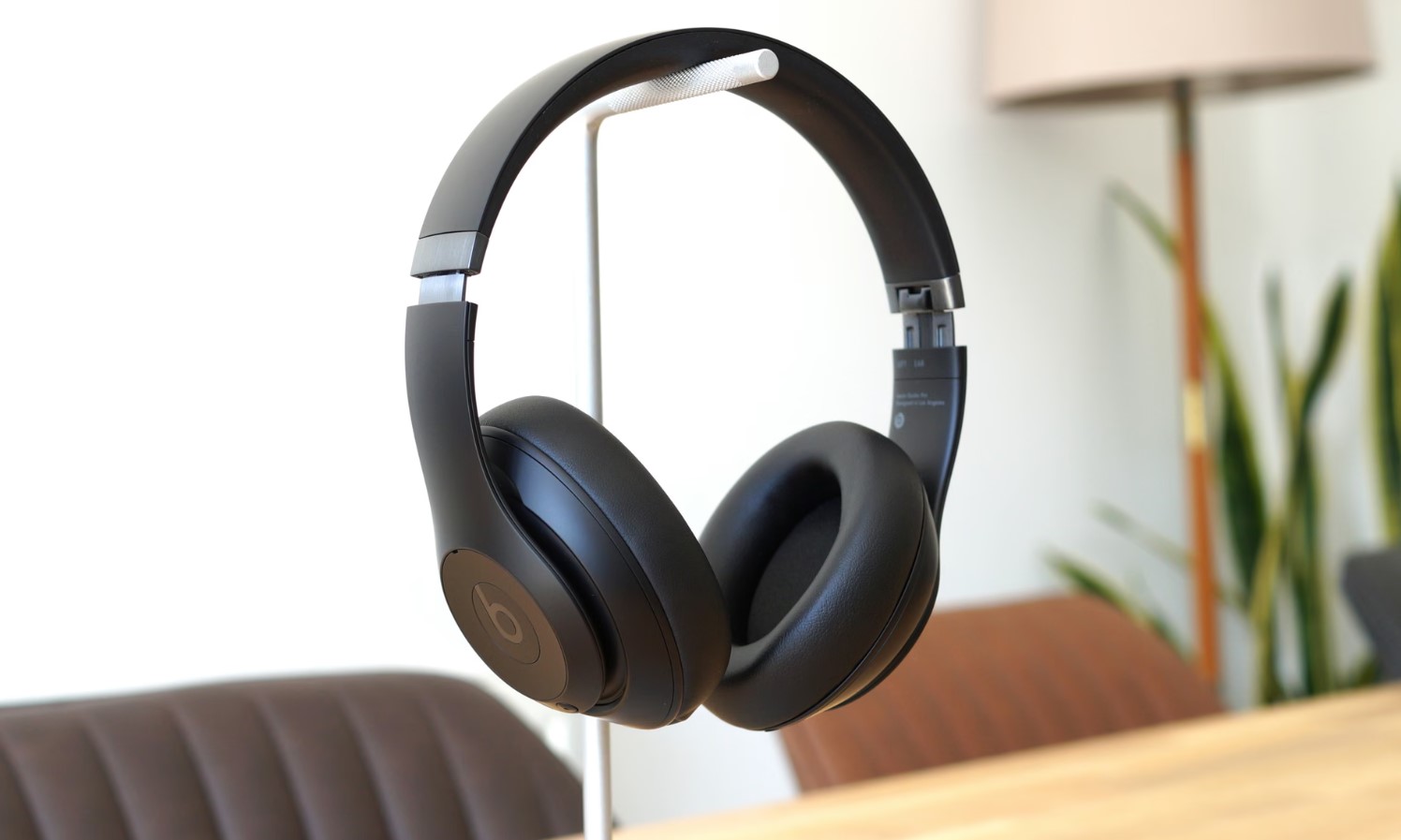
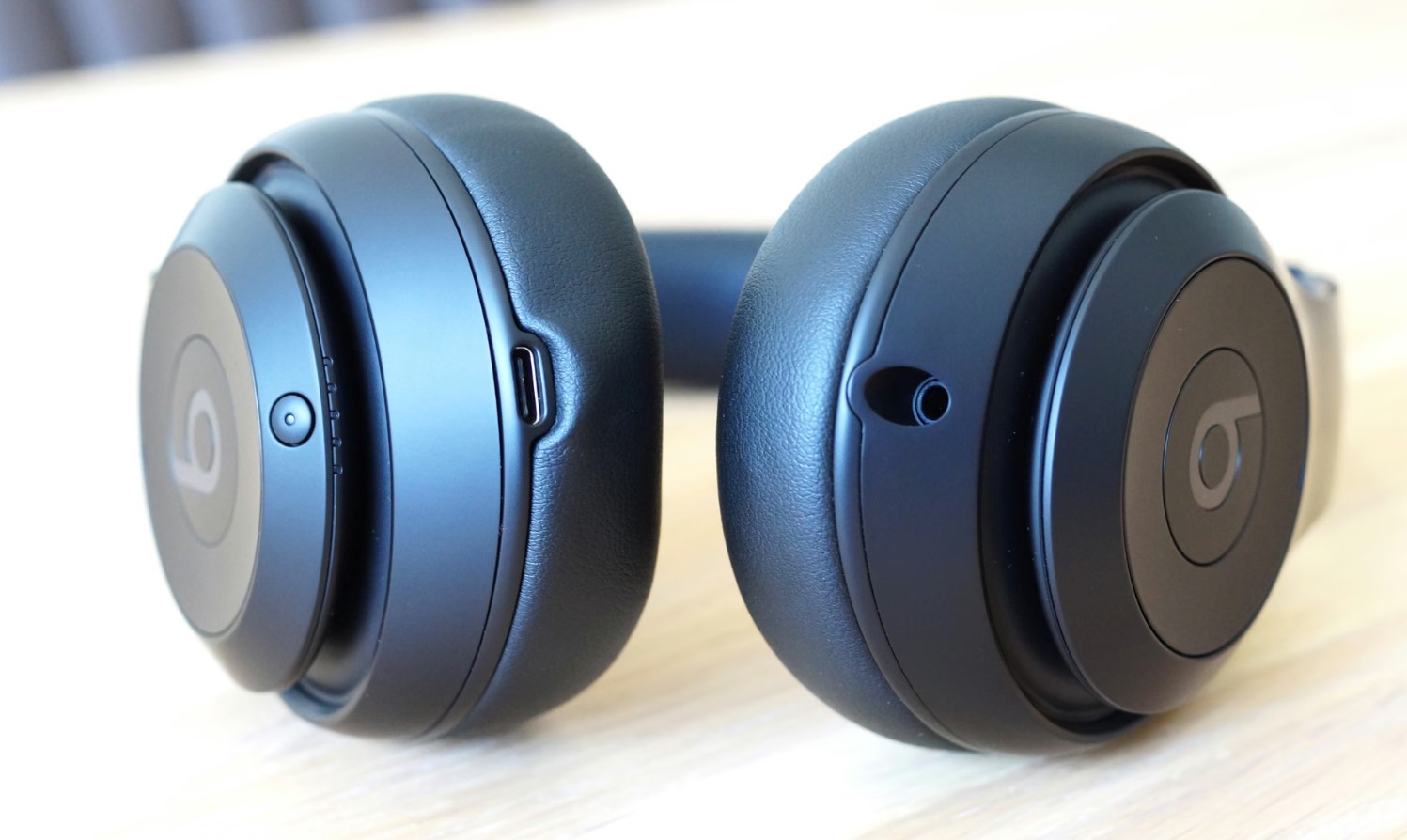
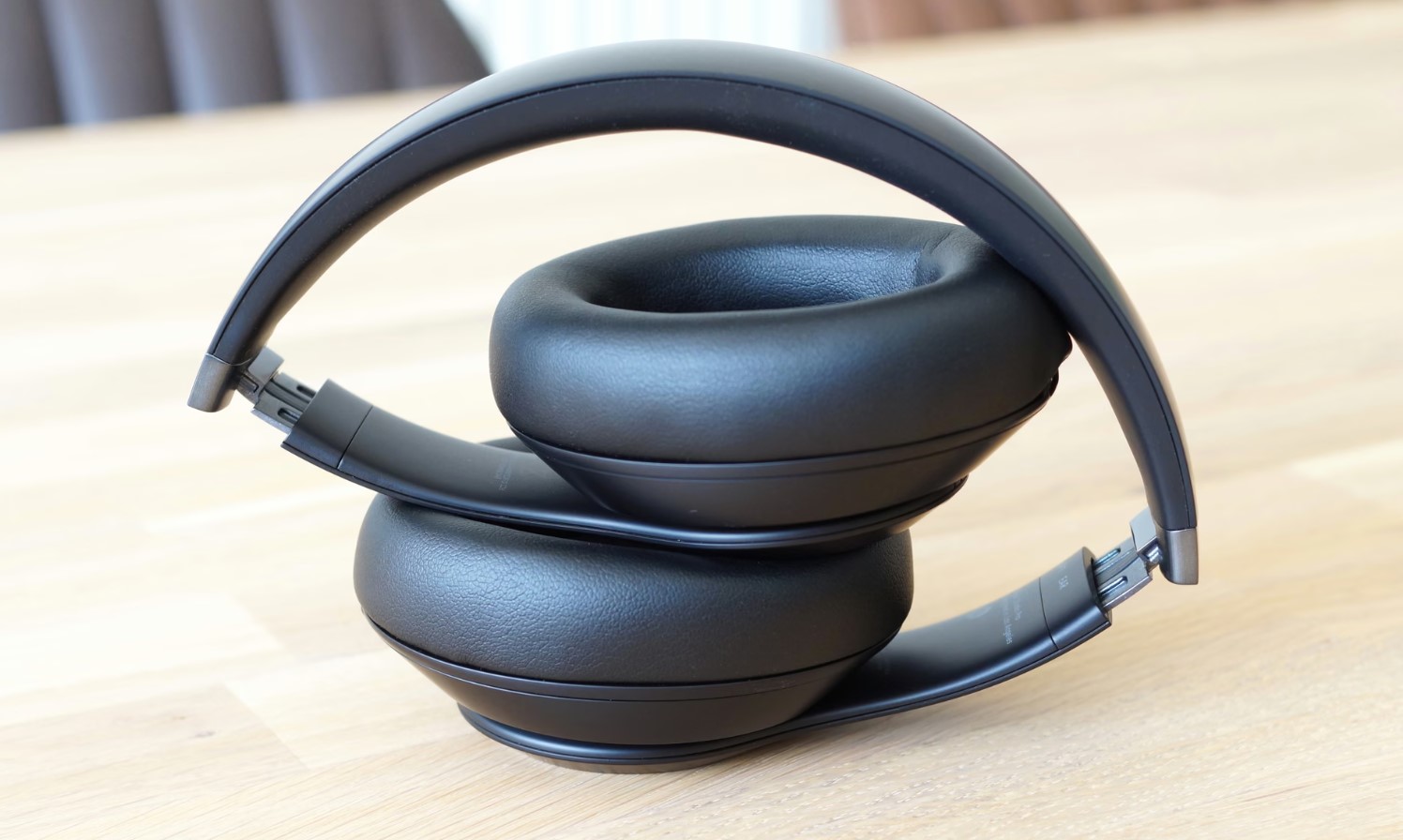
The Beats Studio Pro breaks from the brand's old reputation for overwhelming bass and style-over-substance design. These modern over-ears balance lifestyle appeal with legitimately good sound and unique connectivity options that work across both Apple and Android ecosystems. The custom acoustic platform represents a complete redesign from older Studio models, aiming for more balanced frequency response while maintaining the punch Beats customers expect.
What sets Studio Pro apart is the triple connectivity approach: standard Bluetooth for wireless freedom, analog wired via the included 3.5mm cable, and USB-C lossless digital audio. That USB-C connection carries up to 24-bit resolution from compatible sources while simultaneously charging the headphones, making this genuinely useful for laptop listening or when you want maximum fidelity from lossless streaming services. The implementation feels more practical than gimmicky, giving you real flexibility between wireless convenience and wired quality.
Battery life reaches 40 hours in standard wireless mode, or approximately 24 hours with ANC or transparency enabled. The Fast Fuel charging provides several hours of playback from a 10-minute charge, recovering quickly from empty batteries. Adaptive ANC uses a six-microphone system, while beamforming mics dedicated to voice calls keep speech intelligible in noisy environments. The cancellation performs solidly without matching Sony or Bose's absolute best, though the transparency mode works well for maintaining awareness.
Platform integration covers both major ecosystems comprehensively. Apple users get one-touch pairing, automatic device switching, Hey Siri voice control, Find My integration, and spatial audio with dynamic head tracking for compatible content. Android users receive Google Fast Pair, audio switching between devices, and Find My Device support through the Beats app. This dual-platform approach means you're not locked into one ecosystem, useful if you switch between devices or share headphones with family members using different platforms.
Sound character leans slightly bass-forward compared to reference-neutral headphones, though less exaggerated than older Beats models. Hip-hop, pop, and electronic music get the low-end emphasis that makes these genres feel energetic and physical, while the improved midrange clarity keeps vocals and instruments distinct rather than buried. Some acoustic and classical listeners might prefer more neutral tuning, though the Beats sound works well for modern production styles. Comfort has improved significantly over previous generations, with thicker cushions and more neutral clamping force, though the overall design still feels more fashion-oriented than ultra-minimal audiophile gear.
Pros:
- USB-C lossless audio up to 24-bit resolution
- Strong integration with both Apple and Android
- 40-hour battery in standard mode
- Improved, more balanced sound signature
- Fast Fuel charging for quick recovery
- Multiple color options and stylish design
Cons:
- ANC not quite as strong as Sony or Bose
- Bass-forward signature not ideal for all genres
Summary: The Beats Studio Pro delivers modern wireless headphone performance with unique USB-C lossless audio and comprehensive platform support. The improved sound signature maintains Beats' energetic character while adding better balance and clarity. For listeners who value both audio quality and aesthetic design, plus flexibility across Apple and Android devices, Studio Pro provides strong value at a more accessible price than flagship competitors.
Apple AirPods Max (USB-C) Review
Apple Ecosystem
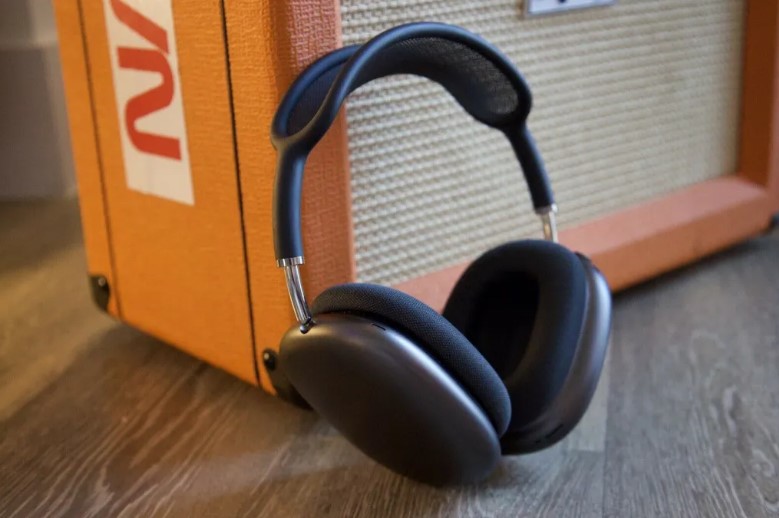
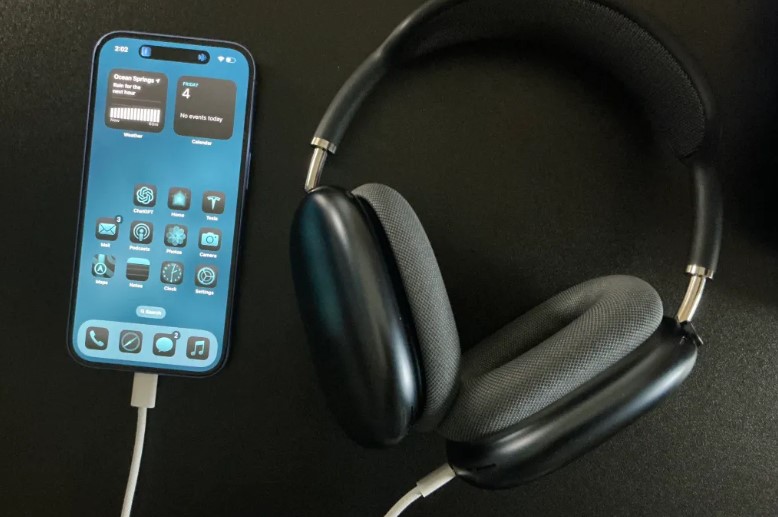
The latest Apple AirPods Max with USB-C updates the company's premium over-ear design with modern connectivity while maintaining the same build quality and tight Apple integration. Apple's custom dynamic driver pairs with computational audio processing based on their in-house silicon to deliver a neutral-leaning but powerful sound signature that emphasizes accuracy over artificial enhancement.
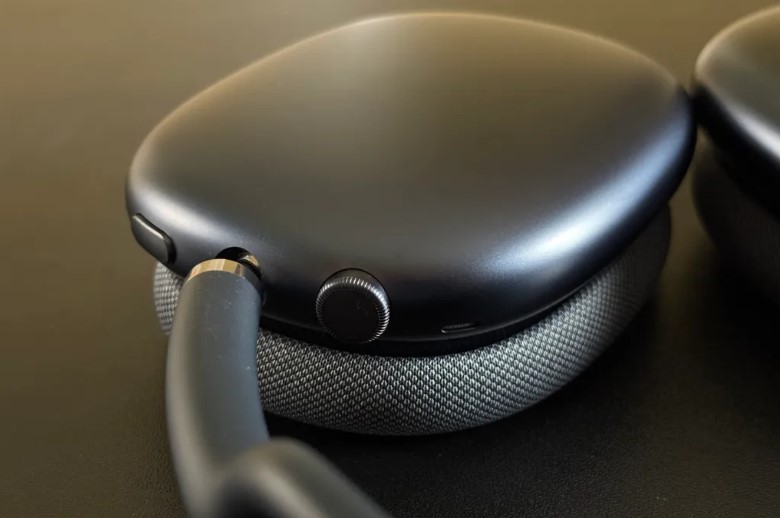
The USB-C revision replaces the old Lightning port, finally letting you charge with the same cable used for iPhone, iPad, and Mac. That connector also enables low-latency, high-quality wired listening over USB-C on compatible devices, providing an alternative to wireless when maximum fidelity matters. For wireless use, you get Apple's top-tier active noise cancellation alongside transparency mode and personalized spatial audio with dynamic head-tracking. Movies and Dolby Atmos music on Apple Music can sound impressively three-dimensional when spatial processing works well with the content, though traditional stereo recordings sometimes feel artificially manipulated.
Battery life reaches approximately 20 hours with both ANC and spatial audio active, shorter than many competitors but adequate for several days of moderate use. A five-minute charge provides roughly 1.5 hours of playback according to Apple's specifications. The included Smart Case puts the headphones into ultra-low-power mode between listening sessions to preserve battery, though the case design remains divisive for looking odd and not fully protecting the headphones.
What makes AirPods Max compelling is the invisible integration within Apple's ecosystem. Pairing happens instantly when you first open them near an iPhone, and device switching between iPhone, iPad, Mac, and Apple TV occurs automatically without manual intervention. System-level controls for spatial audio, transparency mode, and head-tracked sound eliminate app-based settings. Features like audio sharing between two sets of AirPods and automatic pausing when removing the headphones integrate at the OS level rather than requiring third-party apps. When I switch from listening on my MacBook to taking a call on my iPhone, the transition happens seamlessly without touching any settings.
The metal construction creates excellent build quality with aluminum earcups, breathable knit mesh headband, and magnetically attached ear cushions you can replace when they wear out. However, that premium materials choice makes these noticeably heavier than most plastic-bodied competitors, which becomes more apparent during very long listening sessions. Sound quality emphasizes natural, accurate reproduction rather than exaggerated bass or treble, working well across different music genres without obvious coloration. If you live primarily within Apple's ecosystem and value seamless integration over raw value, AirPods Max justifies its premium pricing despite costing more than Sony or Bose alternatives.
Pros:
- Seamless integration across Apple devices
- Excellent ANC and transparency mode
- USB-C for unified charging and wired audio
- Premium aluminum construction
- Personalized spatial audio with head-tracking
- Natural, accurate sound signature
Cons:
- Heavier than most alternatives
- 20-hour battery life shorter than rivals
- Limited value outside Apple ecosystem
Summary: The Apple AirPods Max with USB-C delivers exceptional integration within Apple's ecosystem, combining strong ANC, accurate sound, and premium build quality. The automatic device switching and system-level feature integration create an effortless experience for iPhone, iPad, and Mac users. While the high price and metal weight give some buyers pause, the seamless ecosystem benefits justify the cost for committed Apple users.
Sennheiser Accentum Plus Wireless Review
Battery King
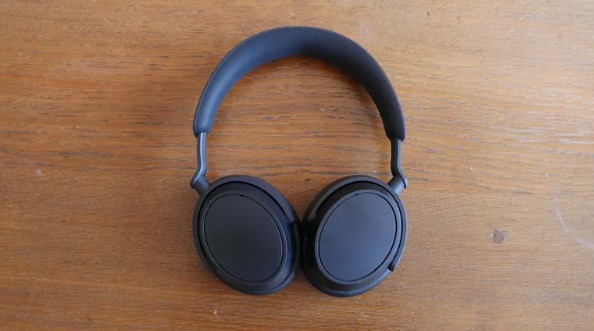
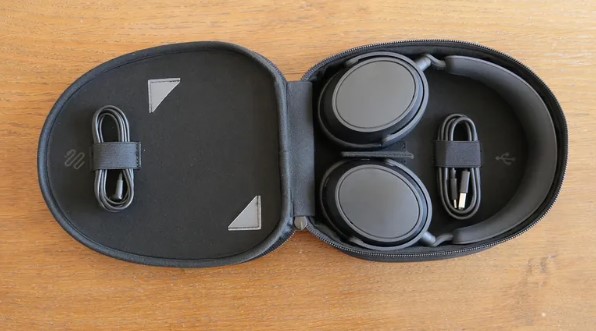
The Sennheiser Accentum Plus Wireless prioritizes battery endurance above everything else, delivering up to 50 hours of playback time that eliminates charging anxiety. That runtime dwarfs most premium ANC headphones and makes these ideal for people who hate thinking about battery management during travel or long work weeks. Fast charging provides approximately 5-6 hours of listening from a 10-minute charge, helpful when you do eventually run empty.
These closed-back over-ears feature adaptive hybrid ANC with microphones inside and outside the earcups measuring noise for dynamic cancellation adjustment. The implementation works solidly without reaching Sony or Bose's absolute best, though it handles constant drone from engines and air conditioning effectively. Transparency mode lets in outside sound when you need awareness of surroundings. The Sennheiser Smart Control app adds a 5-band equalizer, presets, and sound personalization that tailors frequency response to your specific hearing profile.
Sound tuning follows classic Sennheiser characteristics: slightly warm but controlled bass, clear midrange, and smooth treble without harshness. This signature works beautifully for acoustic music, jazz, and classical where timbral accuracy and instrument separation matter more than artificial excitement. I find the Accentum Plus particularly enjoyable for vocal-focused tracks and chamber music, where the natural midrange presentation lets voices and instruments breathe without excessive coloration. Modern productions get adequate bass weight without overwhelming the mix, though bass-heads seeking physical impact might prefer more aggressive tuning.
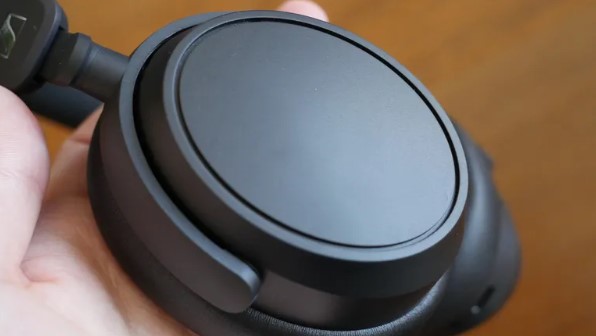
Controls use primarily touch-based gestures on the earcup for play/pause, track navigation, volume, and ANC modes, plus physical buttons for power and pairing. Multipoint support keeps the headphones connected to two devices simultaneously, useful for switching between work laptop and personal phone. The included cable enables wired listening when wireless isn't practical. Build quality uses good plastic rather than metal-heavy luxury materials, helping keep weight down for comfortable extended listening. Pads feel soft, and clamp force stays moderate, so these work well for all-day office wear or long flights.
The Accentum Plus makes sense for anyone wanting a workhorse pair that handles office work, commuting, and travel with minimal charging interruptions. The 50-hour battery eliminates range anxiety, while the smooth Sennheiser sound signature prevents listening fatigue during marathon sessions. These represent outstanding value in the midrange pricing tier for listeners prioritizing endurance and natural sound over cutting-edge features or maximum bass impact.
Pros:
- Exceptional 50-hour battery life
- Classic Sennheiser smooth, detailed sound
- Fast charging for quick recovery
- Comfortable lightweight design
- Sound personalization in app
- Strong value at mid-tier pricing
Cons:
- ANC not quite flagship-level
- Bass response less impactful than some prefer
- Plastic build less premium than metal alternatives
Summary: The Sennheiser Accentum Plus Wireless delivers outstanding battery endurance and classic Sennheiser sound quality at accessible midrange pricing. The 50-hour runtime eliminates charging concerns for most users, while the smooth, natural frequency response works beautifully for acoustic and vocal music. These represent excellent value for listeners seeking dependable workhorse headphones without flagship costs.
Bose QuietComfort Ultra Headphones (2nd Gen) Review
Immersive ANC
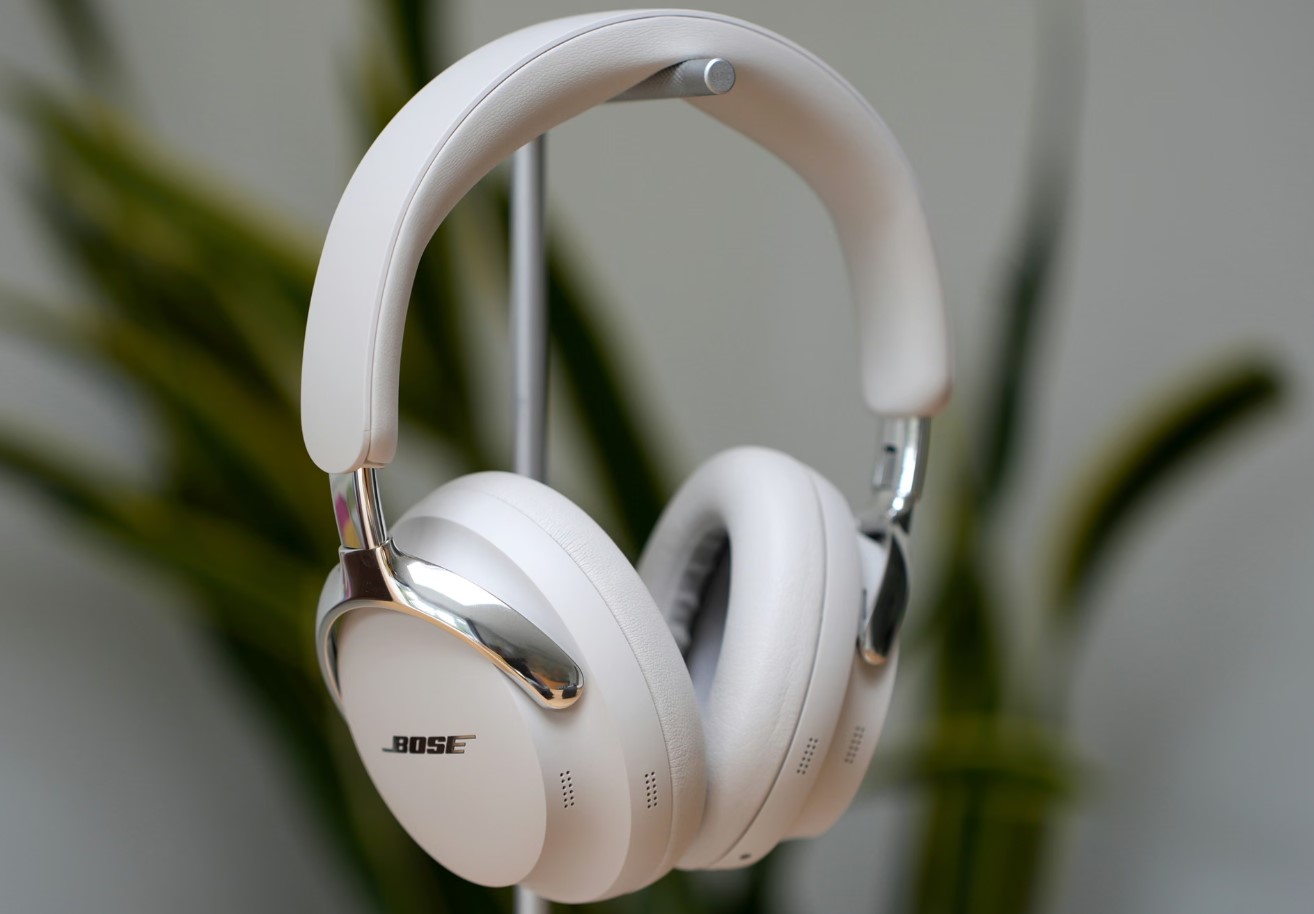
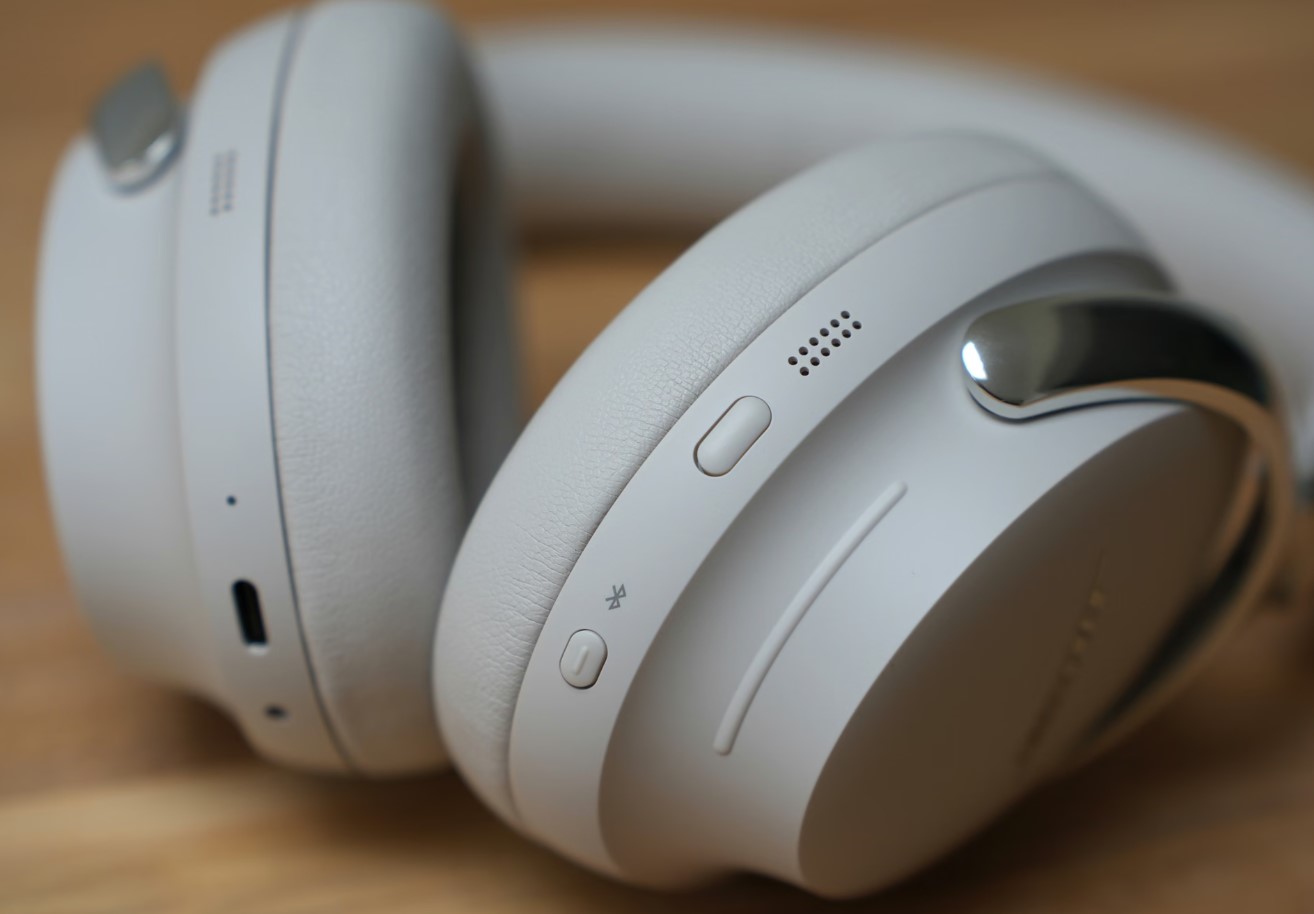
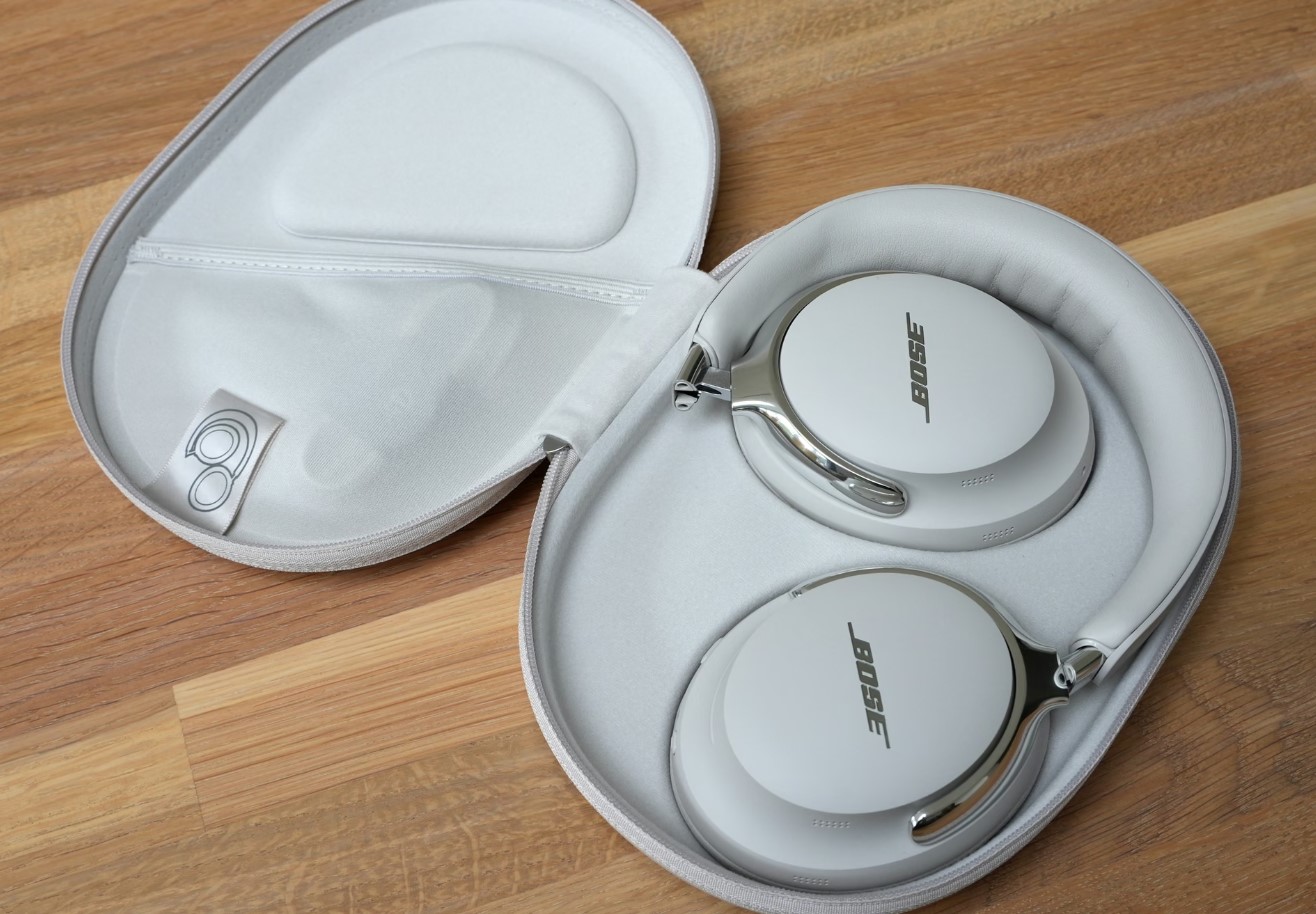
The second-generation Bose QuietComfort Ultra Headphones maintain the company's reputation for industry-leading noise cancellation while adding more immersive spatial audio and improved daily usability. Bose's adaptive ANC constantly analyzes external noise and adjusts strength automatically, offering switchable modes between Quiet (maximum isolation), Aware (transparent), and Immersion (combining ANC with spatial processing).
Battery life reaches 24 hours with Immersive Audio disabled, or approximately 18 hours with spatial processing active. A 15-minute charge provides around 2.5 hours of listening, and you can continue listening while charging via USB-C. The headphones support both wired USB-C digital audio and traditional 3.5mm analog input, giving you options for true lossless playback when wireless compression isn't acceptable. That USB-C wired mode works well with modern laptops, tablets, and phones lacking headphone jacks.
Bose Immersive Audio represents the company's approach to spatial and 3D sound processing. Rather than just widening the stereo image, it simulates a fixed soundstage positioned in front of you, making music feel like it's emanating from speakers in the room rather than inside your head. The effect works particularly well with live recordings and cinematic tracks where spatial placement adds to the experience. I've found it engaging for certain albums but sometimes distracting with intimate studio recordings that benefit from traditional stereo presentation. Fortunately, you can disable Immersive Audio completely if you prefer classic two-channel listening.
Comfort stands out as a major strength. The QC Ultra uses plush ear cushions and light clamping force, making these easy to wear during long flights or full workdays at a desk without developing pressure points or heat buildup. Touch and physical controls keep operation simple, while the Bose Music app provides EQ adjustment, ANC mode customization, and shortcut configuration. Multipoint connectivity works smoothly for staying connected to two devices simultaneously, and the beamforming microphone array handles voice calls well in noisy spaces.
Sound character without Immersive Audio processing leans smooth and fatigue-free, prioritizing comfort during extended listening over analytical detail or exaggerated bass. This tuning works beautifully for background listening and long sessions where harsh treble or boomy bass would become tiring. The ANC remains best-in-class, creating genuine isolation that lets you focus on music rather than fighting environmental noise. For someone wanting maximum noise cancellation plus engaging spatial audio for movies and select music, this second-gen QC Ultra delivers the most cinematic experience in this comparison.
Pros:
- Industry-leading noise cancellation
- Bose Immersive Audio for spatial sound
- Extremely comfortable for extended wear
- USB-C digital audio plus analog wired option
- Smooth, fatigue-free sound signature
- 24-hour battery without spatial processing
Cons:
- Battery drops to 18 hours with Immersive Audio
- Smooth sound less exciting for some listeners
Summary: The Bose QuietComfort Ultra (2nd Gen) delivers exceptional noise cancellation and unique Immersive Audio spatial processing in an extremely comfortable package. The smooth sound signature prevents listening fatigue, while multiple connectivity options including USB-C digital audio provide flexibility. For listeners prioritizing maximum isolation and cinematic spatial sound for movies and streaming, the QC Ultra represents the most immersive choice available.
Music Headphones FAQ
After helping friends choose headphones and fielding questions about audio specifications, certain topics emerge repeatedly. Here are answers to common questions based on real-world listening experience rather than marketing claims.
Do wireless headphones sound worse than wired ones?
Modern wireless headphones using quality codecs like LDAC or USB-C digital audio can sound essentially identical to wired connections for most listeners and music sources. The difference between good Bluetooth codecs and wired audio has narrowed dramatically in recent years. However, basic SBC Bluetooth does apply noticeable compression that dulls detail and dynamics compared to wired. If you primarily listen to lossless or high-resolution music files, choosing headphones with LDAC support or USB-C wired mode ensures you're not sacrificing audio quality for wireless convenience.
How important is noise cancellation for music listening?
Active noise cancellation becomes essential if you frequently listen in noisy environments like commutes, airplanes, or open offices. Strong ANC lets you hear subtle musical details at moderate volumes rather than dangerously cranking volume to overcome background noise. However, if you primarily listen in quiet spaces at home, ANC matters less than pure sound quality and comfort. Some listeners also find ANC creates slight pressure sensations or subtle artifacts they prefer to avoid during critical listening, making passive isolation from well-sealed headphones adequate for many situations.
What's the difference between open-back and closed-back headphones?
Closed-back headphones seal around your ears, isolating you from environmental sound while preventing your music from leaking out. This design works best for commuting, offices, or shared spaces where you need privacy and isolation. Open-back headphones use perforated earcups that let air and sound pass through, creating a more natural, spacious soundstage that many audiophiles prefer for home listening. However, open-backs provide no isolation and leak music audibly to nearby people. All the wireless ANC headphones in this guide use closed-back designs since active noise cancellation requires sealed earcups to function properly.
Should I get headphones tuned for my favorite music genre?
Most people benefit more from versatile headphones with balanced sound signatures that work across multiple genres rather than highly specialized tuning. Modern music collections typically span different styles, and overly colored headphones that excel with one genre often sound wrong with others. Bass-forward headphones make electronic music exciting but can muddy acoustic recordings, while extremely neutral reference tuning might feel clinical for casual listening. Choose headphones based on your overall listening habits rather than optimizing narrowly for a single genre unless you genuinely listen to nothing else.
How long should headphone batteries last?
Battery life expectations depend on your usage patterns. For daily commuters using headphones 2-3 hours per day, models with 20-24 hour battery life require charging roughly twice weekly. Longer 30-40 hour batteries extend that to once weekly for typical use. The 50-hour champions like Sennheiser Accentum Plus can go nearly two weeks between charges for moderate users. Fast charging helps recover from empty batteries quickly, with 10-15 minutes providing several hours of playback on most current models. Consider how often you remember to charge devices when choosing between longer battery life and other features.
Do I need an amplifier for wireless headphones?
Modern wireless headphones include built-in amplification powered by their internal batteries, so external amplifiers aren't necessary for normal wireless listening. The internal amps in quality wireless headphones provide adequate power for their drivers. However, when using wired connections, some high-end headphones benefit from dedicated amplifiers or DACs that provide cleaner power and better signal quality than typical phone or laptop headphone outputs. For wireless use, the headphones' internal electronics handle amplification adequately without external gear.
Choosing Your Best Music Headphones
Selecting the right headphones means matching specific capabilities to your actual listening habits, music preferences, and environments. These recommendations emerge from extensive listening tests across different genres and situations rather than laboratory measurements alone.
For versatile all-around performance, the Sony WH-1000XM6 delivers exceptional ANC, comprehensive codec support, and balanced sound quality. Bass-focused listeners seeking style and cross-platform flexibility benefit from the Beats Studio Pro with its USB-C lossless audio.
Apple ecosystem users find particular value in the AirPods Max with seamless device integration and spatial audio. Marathon listeners prioritizing battery endurance should consider the Sennheiser Accentum Plus with its 50-hour runtime. Those wanting maximum noise cancellation and immersive spatial sound find the Bose QuietComfort Ultra most compelling.
The best headphones balance technical specifications against your specific music library, listening locations, and daily routines. Consider which genres you play most often, whether you listen primarily at home or during commutes, and how much isolation you need before choosing based solely on specifications or reviews. The right pair transforms familiar music into something you need to rediscover, revealing details and textures cheaper gear simply erases.

Meet James, our go-to tech guru and seasoned reviewer. His sharp attention to detail and love for gadgets drive his deep dives into the newest tech waves. James's insightful analysis and real zest for breakthroughs have earned him a solid reputation in the tech world.


