At gagadget.com, your trust is our priority. We follow strict quality standards in our research, tests, and analysis of tvs, to give you the best experience. Learn more
Best 55 Inch TVs
Last summer, my neighbor asked me to help him upgrade his cramped apartment entertainment setup. His old 42-inch screen had served faithfully for nearly a decade, but streaming 4K content on that tiny display felt like watching cinema through a keyhole. After measuring his wall space and viewing distance, we realized a 55-inch television would transform his experience without overwhelming his modest living room.
The 55-inch category represents the sweet spot in modern television design. Large enough to create genuinely immersive viewing from typical sofa distances, yet compact enough to fit comfortably in apartments and average-sized living spaces. This guide examines what actually matters when selecting a 55-inch television, cutting through specification sheets to focus on real-world performance.
If you're in a hurry, here are my top two recommendations for 55-inch TVs:
We may earn a small commission if you buy via our links - it helps keep gagadget.com running.
Table of Contents:
- Best 55-Inch TV: Buyer's Guide
- Top 5 55-Inch TVs for 2026
- 55-Inch TV Comparison
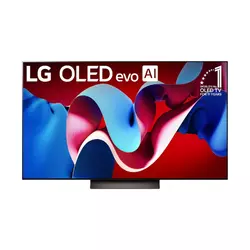
- LG OLED C4
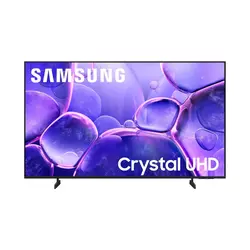
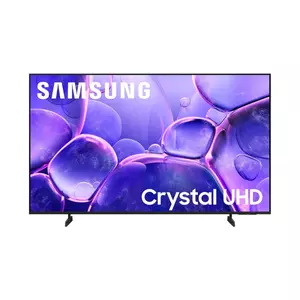
- Samsung U8000F
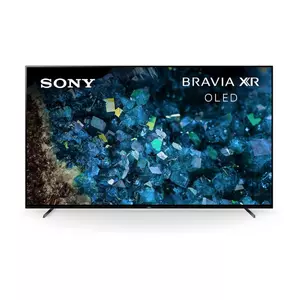
- Sony BRAVIA XR A80L
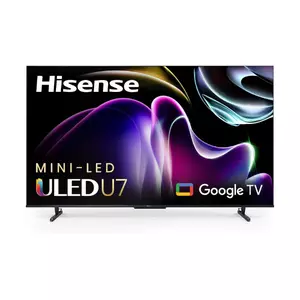
- Hisense U7K 55"
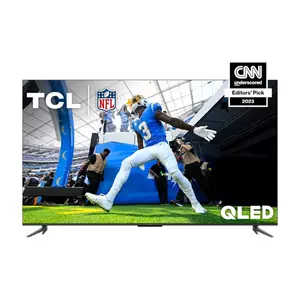
- TCL Q6 55Q650G
- 55-Inch TV Buying FAQ
Best 55-Inch TV: Buyer's Guide
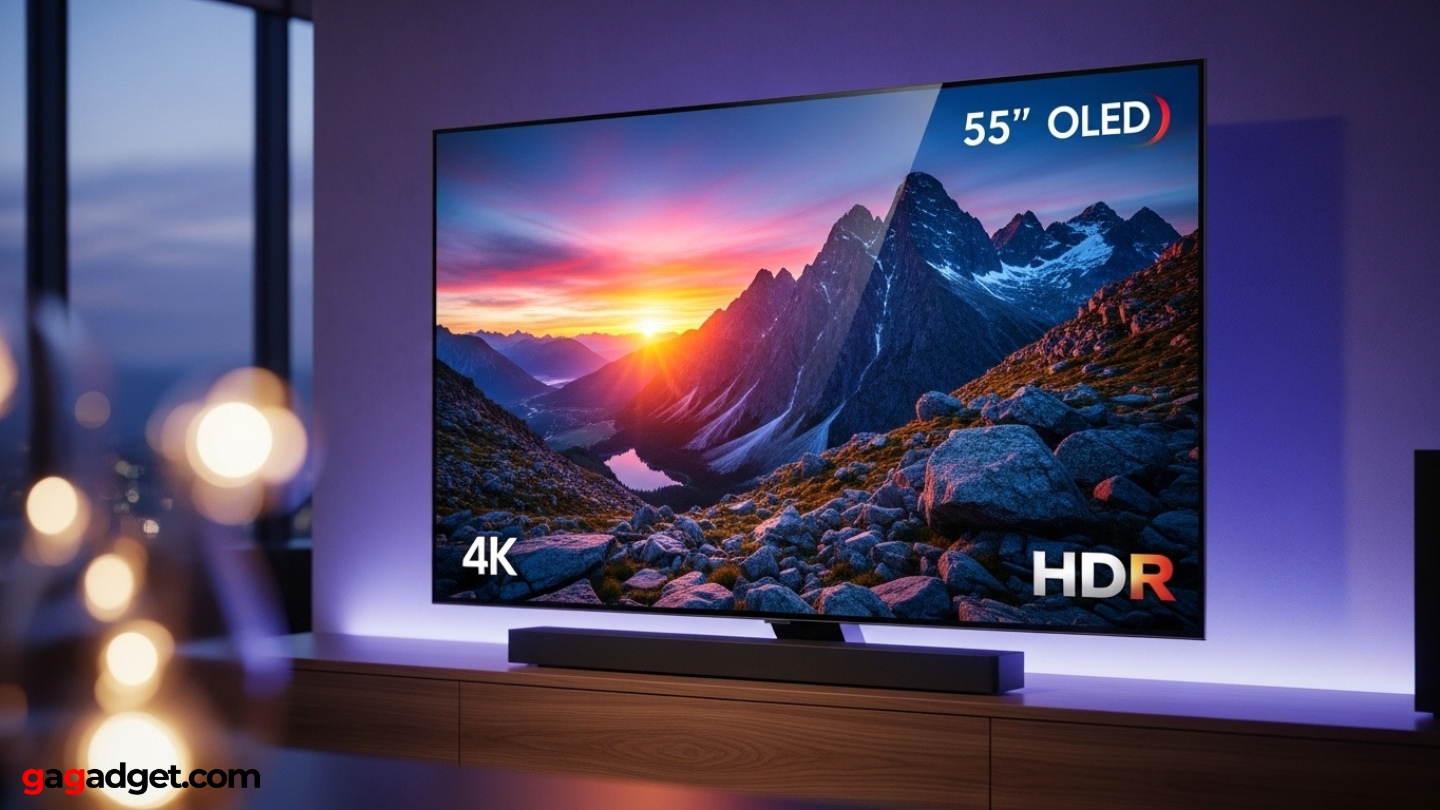
Selecting a 55-inch television requires understanding how different technologies perform in your specific environment. I've discovered that the "perfect" 55-inch TV shifts dramatically based on whether you're watching in a sun-drenched family room or a basement home theater. This size category forces manufacturers to make interesting tradeoffs between brightness capability, contrast performance, and pricing.
Understanding Panel Technologies at 55 Inches
At the 55-inch size, panel technology choices significantly impact both your viewing experience and your budget. OLED displays at this dimension deliver extraordinary contrast through individually lit pixels that can shut off completely for absolute darkness. The technology creates stunning image depth with bright elements floating against pitch-black backgrounds. However, OLED's brightness ceiling means bright room performance suffers compared to LED alternatives, and the technology commands premium pricing.
LED-backlit LCD panels dominate the 55-inch market due to manufacturing efficiency and brightness advantages. Standard LED televisions use edge or direct backlighting to illuminate the LCD layer, creating images that remain visible even in challenging lighting conditions. Quantum dot enhancement adds a nanocrystal layer that expands color volume and saturation. These QLED televisions push significantly brighter than OLEDs while maintaining impressive color accuracy.
At 55 inches, the panel technology you choose should match your room's lighting characteristics rather than purely pursuing the highest specifications.
Mini-LED technology represents the current pinnacle of LCD performance, utilizing thousands of tiny LEDs arranged in hundreds or thousands of dimming zones behind the panel. This precision backlighting enables deep blacks in most scenes while retaining high brightness. At 55 inches, Mini-LED delivers compelling middle-ground performance with brightness for daytime viewing and localized contrast that approaches OLED's depth.
Resolution and Content Considerations
Every 55-inch television worth considering features 4K resolution with 3840×2160 pixels creating sharp, detailed images from normal viewing distances. This pixel density ensures individual pixels remain invisible from six to eight feet away. The abundance of 4K content across streaming platforms makes this resolution essential.
What matters more than raw resolution is how effectively your television processes content that isn't native 4K. Broadcast television and older streaming content often arrives at 1080p or 720p. Superior processing engines analyze lower-resolution material and intelligently interpolate missing detail. Budget 55-inch TVs often display lower-resolution content with noticeable artifacts, while premium models maintain surprisingly good image quality.
Brightness and HDR Performance
High Dynamic Range fundamentally changes how 55-inch televisions display content, expanding the range between deepest shadows and brightest highlights. However, HDR format badges on specification sheets matter far less than actual brightness capability measured in nits. Content creators master HDR material assuming displays can reach 1000 nits or higher for peak highlights.
Budget 55-inch televisions claiming HDR support but only reaching 300-400 nits can't properly render these creative intentions. Mid-range displays achieving 600-800 nits show clear improvement, while premium models reaching 1000+ nits deliver the full HDR experience. When evaluating 55-inch options, prioritize peak brightness specifications over HDR format compatibility.
Gaming Capabilities in 55-Inch Displays
The 55-inch format has become increasingly popular for gaming, offering screen size that creates genuine immersion. Current-generation consoles like PlayStation 5 and Xbox Series X output 4K at up to 120 frames per second. HDMI 2.1 connectivity provides the bandwidth necessary for 4K120 gaming, essentially doubling smoothness compared to traditional 60Hz displays.
A 55-inch gaming television should balance responsive input timing with strong picture quality.
Variable Refresh Rate technology synchronizes the display's refresh timing with the console or PC's actual frame output, eliminating screen tearing and stuttering. Auto Low Latency Mode detects gaming input and automatically switches to the TV's fastest processing preset. Input lag below 20 milliseconds in game mode feels instantaneous, while measurements above 40ms create noticeable sluggishness.
Smart Platforms and Connectivity
The operating system running your 55-inch television determines interface responsiveness and app availability. Google TV provides comprehensive app coverage with intelligent content aggregation, excellent voice search, and built-in Chromecast. The platform prioritizes content discovery over individual apps.
Samsung's Tizen OS delivers smooth performance with strong app support and tight integration across Samsung's device ecosystem. LG's webOS takes a different interface approach with its card-based system that overlays content, providing quick access without interrupting playback.
Sound Quality and Audio Enhancement
Modern 55-inch televisions have dramatically improved audio compared to earlier generations. However, the physical constraints of slim display chassis still limit what built-in speakers can achieve. Expect adequate dialogue clarity for casual viewing, but external audio systems provide the deep bass and clear separation for serious entertainment.
When planning audio upgrades, verify your chosen 55-inch TV supports eARC through its HDMI connectivity. Enhanced Audio Return Channel enables lossless Dolby Atmos and DTS:X audio formats to pass from TV applications to your soundbar without compression.
Top 5 55-Inch TVs for 2026
Through extensive evaluation across diverse viewing conditions, these five 55-inch televisions represent the strongest options currently available. Each excels in particular scenarios, making your selection dependent on which performance characteristics align with your priorities.
- Perfect blacks with infinite contrast ratio
- OLED evo panel brighter than previous generations
- All four HDMI ports support full 2.1 bandwidth
- Exceptional 4K 120Hz and 144Hz gaming capability
- Wide viewing angles maintain picture quality
- Excellent value for Samsung brand quality
- Crystal Processor 4K with 3D Color Mapping
- Updated One UI Tizen interface
- Direct LED backlighting better than edge-lit
- MetalStream Design with metal backing
- Natural, film-accurate picture processing
- Exceptional for movies and premium content
- Perfect for PlayStation 5 integration
- Acoustic Surface Audio creates unique soundstage
- Google TV with comprehensive apps
- Mini-LED backlighting at midrange pricing
- Quantum dot color enhancement technology
- Comprehensive HDR format support including Dolby Vision IQ
- 144Hz gaming capability with low input lag
- Strong contrast and impressive peak brightness
- Very accessible budget pricing
- Quantum dot color enhancement
- Comprehensive HDR format support
- Google TV smart platform
- Gaming features adequate for casual play
55-Inch TV Comparison
Examining the technical specifications across these leading 55-inch televisions reveals how different approaches serve different needs:
| Feature | LG OLED C4 | Samsung U8000F | Sony A80L | Hisense U7K | TCL Q6 |
| Panel Type | OLED evo | Crystal UHD LED | OLED | Mini-LED ULED | QLED Direct-LED |
| Resolution | 4K (3840×2160) | 4K (3840×2160) | 4K (3840×2160) | 4K (3840×2160) | 4K (3840×2160) |
| Refresh Rate | 120Hz (144Hz gaming) | 60Hz | 120Hz | 120Hz (144Hz gaming) | 60Hz (120Hz gaming) |
| HDR Support | Dolby Vision, HDR10, HLG | HDR10, HLG | Dolby Vision, HDR10, HLG | Dolby Vision IQ, HDR10+, HDR10, HLG | Dolby Vision, HDR10+, HDR10, HLG |
| Smart Platform | webOS 24 | Tizen OS (One UI) | Google TV | Google TV / VIDAA | Google TV |
| HDMI 2.1 Ports | 4 ports | Standard HDMI | 2 ports | 2 ports | Gaming-optimized ports |
| Gaming Features | VRR, ALLM, G-Sync, FreeSync | Motion Xcelerator, Game Mode | VRR, ALLM, PS5 optimization | VRR, ALLM, 144Hz mode | VRR, ALLM, FreeSync |
| Audio System | Dolby Atmos, AI Sound | Object Tracking Sound Lite | Acoustic Surface Audio+ | Dolby Atmos | Dolby Atmos, DTS Virtual:X |
| Best For | Premium all-rounder | Budget-conscious buyers | PS5 owners + film lovers | Value performance | Entry-level option |
Each 55-inch television optimizes for different priorities, from pure image quality to practical affordability.
LG OLED C4 55" Review
Editor's Choice
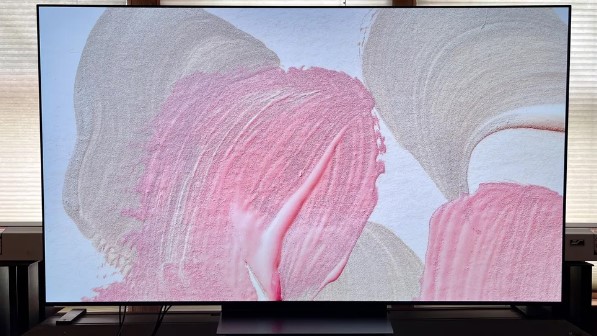
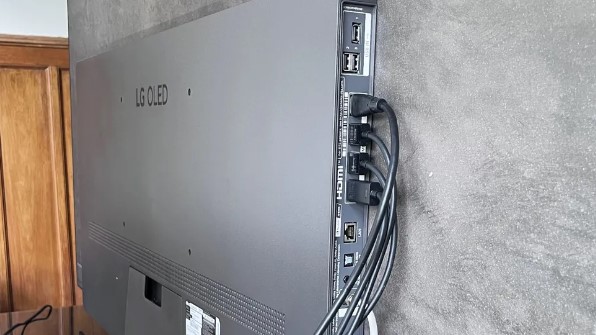
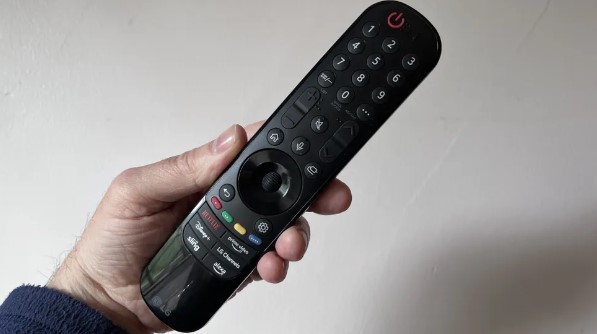
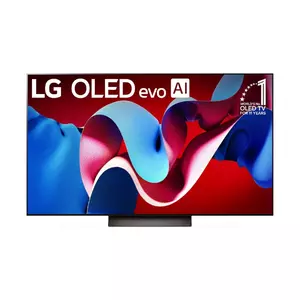
The LG OLED C4 55" demonstrates what becomes possible when self-emissive display technology matures to handle virtually any viewing scenario. This 55-inch OLED delivers compelling performance across bright room streaming, competitive gaming, sports broadcasts, and everything between. The OLED evo panel generates substantially more brightness than earlier LG OLED iterations, addressing the technology's historical limitation.
Image quality begins with fundamentals that LCD technology simply cannot replicate. Each pixel generates its own illumination and can completely extinguish for absolute black. This creates infinite contrast ratios where brilliant highlights sit directly adjacent to pitch-dark backgrounds without any light bleeding or haloing. Watching high-contrast cinematography showcases this capability beautifully.
LG's α9 AI Processor Gen7 manages image processing duties, analyzing incoming content in real-time to suppress noise, enhance appropriate sharpness, and optimize tone mapping for HDR material. The AI Picture and AI Sound modes attempt automatic content recognition and adjustment. These work adequately for casual viewing, though serious enthusiasts typically prefer calibrated picture modes that preserve creative intent. Dolby Vision support ensures compatible content displays with scene-by-scene optimization rather than static tone curves applied across entire programs.
Gaming credentials position the C4 among the absolute elite 55-inch displays. All four HDMI ports support full HDMI 2.1 bandwidth, eliminating restrictions about which inputs support high-frame-rate gaming. The television handles 4K at 120Hz effortlessly and pushes to 144Hz for compatible PC graphics cards. VRR covers both NVIDIA G-Sync and AMD FreeSync standards.
The Game Optimizer interface overlays critical gaming settings without requiring navigation through complete menu systems. Measured input lag sits around 10 milliseconds in Game mode, feeling instantaneous. The combination of perfect black levels and gaming features makes this 55-inch C4 equally compelling for story games and competitive shooters.
WebOS 24 provides LG's current smart platform with extensive app coverage and voice control. The interface responds quickly and rarely requires waiting for applications to load. Built-in audio includes Dolby Atmos decoding, though external audio provides dramatic improvements.
The 55-inch size proves ideal for most living rooms, offering immersive viewing from typical seating distances. OLED uniformity and viewing angles mean the picture maintains quality from off-center seating positions.
Pros:
- Perfect blacks with infinite contrast ratio
- OLED evo panel brighter than previous generations
- All four HDMI ports support full 2.1 bandwidth
- Exceptional 4K 120Hz and 144Hz gaming capability
- Wide viewing angles maintain picture quality
- Comprehensive HDR format support including Dolby Vision
Cons:
- Potential burn-in risk with prolonged static content
- Peak brightness lower than premium Mini-LED displays
Summary: The LG OLED C4 55" delivers exceptional versatility that makes it the reference choice for most buyers seeking premium performance. Perfect blacks, excellent gaming features, and improved brightness create a television that handles every scenario well. While premium pricing and theoretical burn-in concerns warrant consideration, the C4 represents OLED technology at its most mature.
Samsung U8000F 55" Review
Best Overall
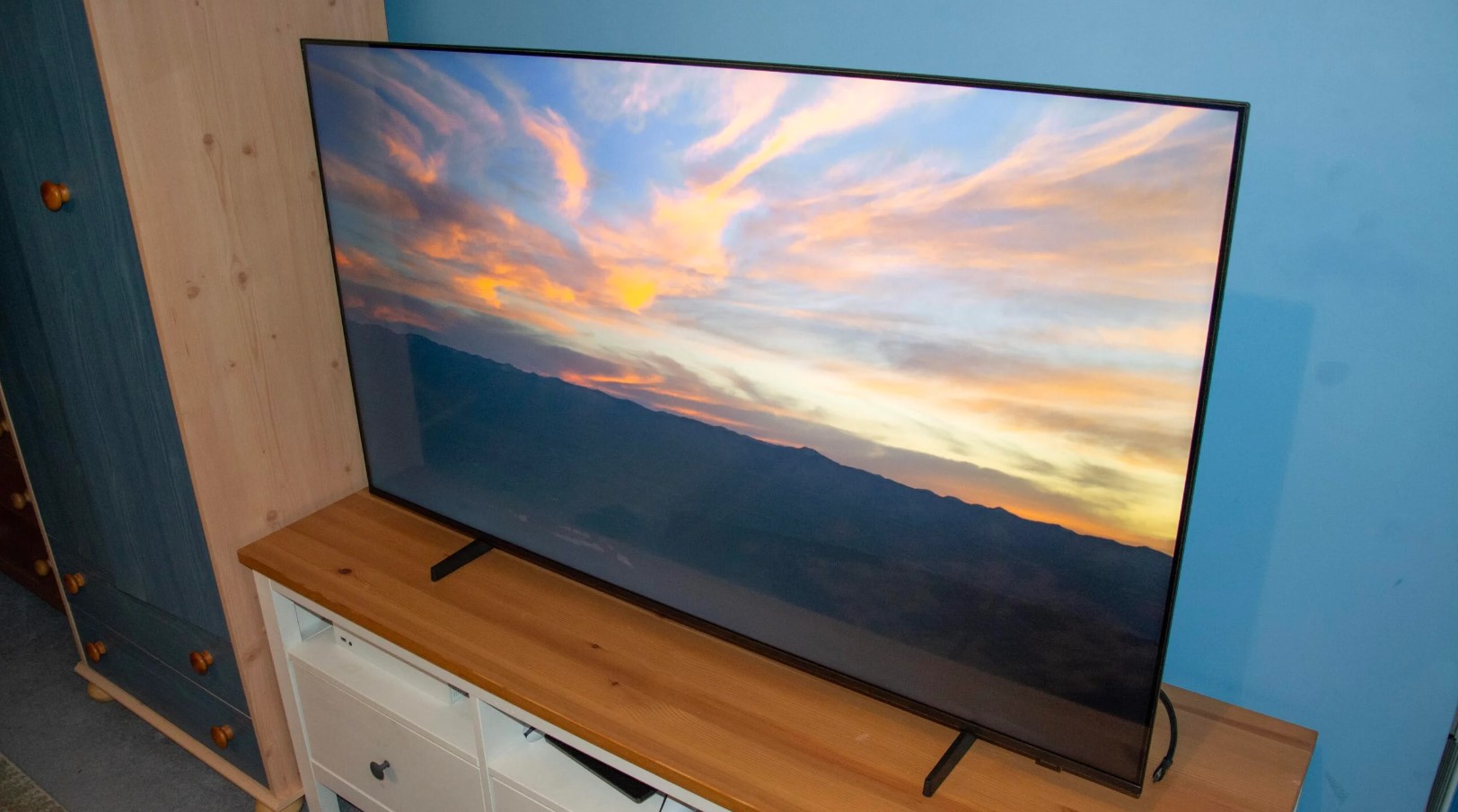
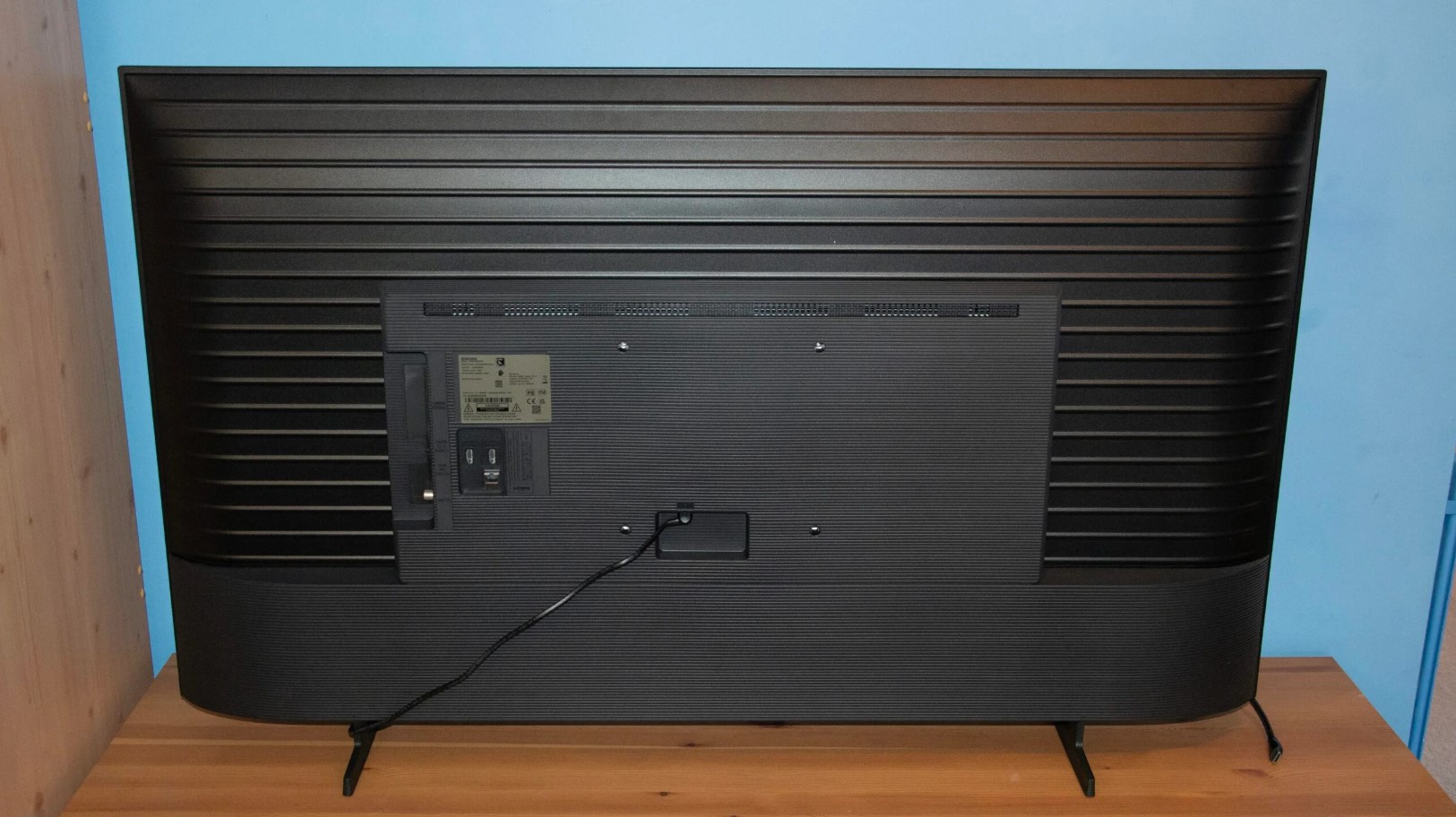
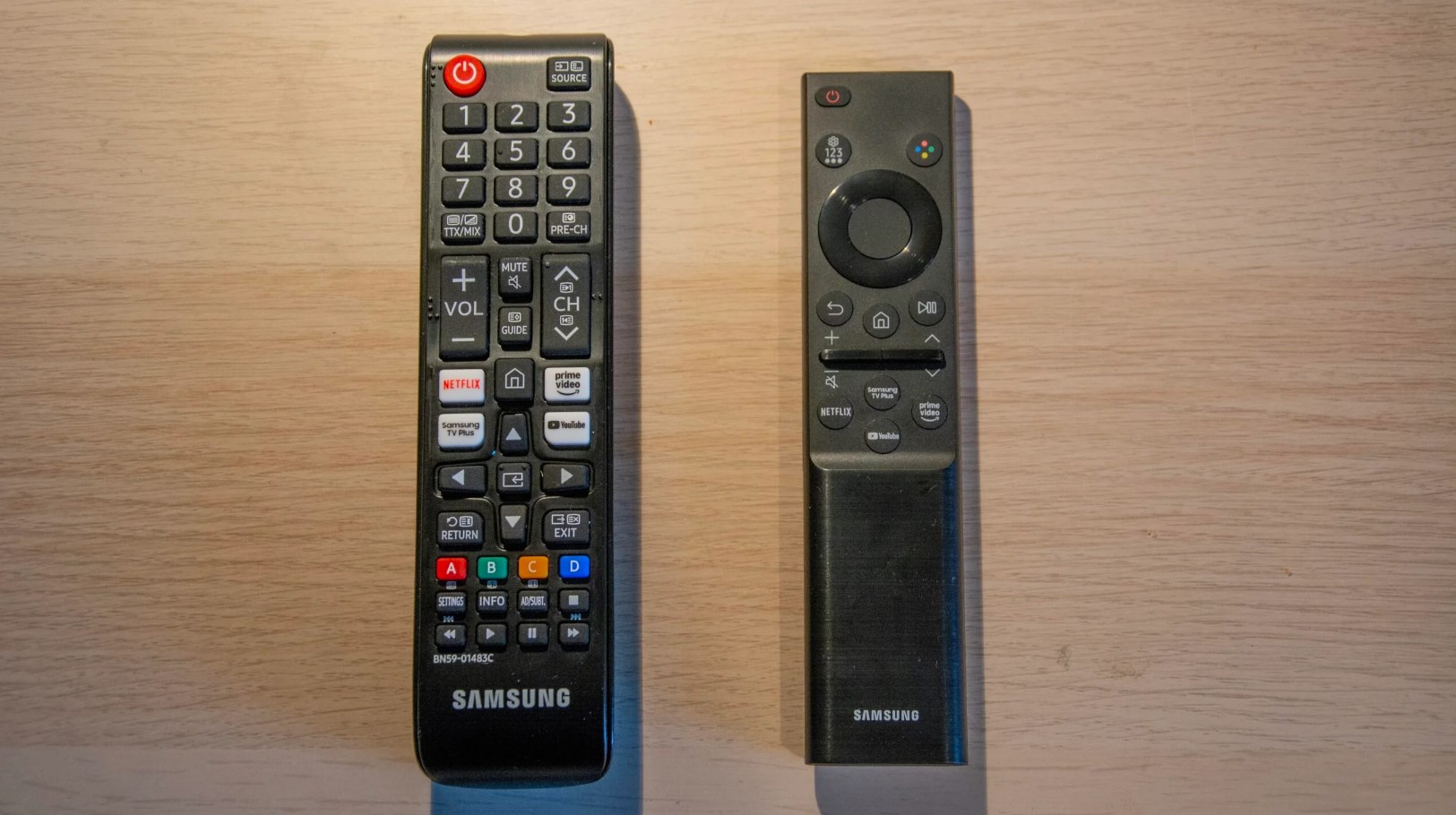
The Samsung U8000F 55" redefines what budget-conscious buyers can expect from a 55-inch television. This Crystal UHD model strips away expensive technologies like OLED panels and Mini-LED arrays, focusing resources on delivering solid fundamentals with Samsung's signature refinement. The result provides genuinely impressive performance for viewers whose budgets can't accommodate premium pricing.
Samsung's Crystal Processor 4K drives the image processing, handling upscaling of lower-resolution content and managing color enhancement through 3D Color Mapping technology. This system analyzes incoming content and applies sophisticated processing to expand color volume and accuracy beyond what basic LED panels typically achieve. The processor does a commendable job balancing sharpness enhancement against noise reduction, maintaining clean images even with compressed streaming content or broadcast television sources.
The LED panel uses direct backlighting rather than edge-mounted LEDs, creating better uniformity and contrast than edge-lit alternatives. While it can't match Mini-LED zone control or OLED's perfect blacks, the U8000F delivers satisfying contrast. Peak brightness reaches levels sufficient for daytime viewing in moderately bright rooms.
HDR format support covers HDR10 and HLG, though Dolby Vision is absent. Samsung continues avoiding licensing this format. For most streaming content, the difference remains subtle on displays in this price bracket. The U8000F's brightness limitations mean HDR content displays with less dramatic impact than capable displays achieve.
Gaming features balance capability against the 60Hz native panel. Motion Xcelerator technology reduces motion blur through frame interpolation. Game Mode reduces input lag to acceptable levels around 15-20 milliseconds. ALLM automatically switches to Game Mode when consoles connect.
Samsung's updated Tizen OS with One UI provides the smart platform with smoother navigation than previous generations. The system provides access to all major streaming platforms. Samsung TV Plus offers thousands of free ad-supported channels. Voice control through Bixby, Alexa, or Google Assistant works for basic commands.
The MetalStream Design replaces plastic backing with a metal rear panel, creating improved structural rigidity. The slim bezel minimizes visual distraction. Samsung Knox Security provides protection for connected devices and personal data.
Audio comes through Object Tracking Sound Lite technology using multiple drivers. Q-Symphony compatibility enables the TV speakers to work with compatible Samsung soundbars, creating fuller soundstages.
The U8000F makes tremendous sense for budget-conscious buyers seeking a reliable 55-inch television from a trusted brand. It handles streaming content, cable television, and casual gaming competently. Understand what you're sacrificing compared to premium alternatives, but appreciate that core viewing needs remain satisfied at a fraction of flagship pricing.
Pros:
- Excellent value for Samsung brand quality
- Crystal Processor 4K with 3D Color Mapping
- Updated One UI Tizen interface
- Direct LED backlighting better than edge-lit
- MetalStream Design with metal backing
- Game Mode with reasonable input lag
Cons:
- 60Hz native refresh rate
- No Dolby Vision support
Summary: The Samsung U8000F 55" delivers reliable Samsung quality at budget-friendly pricing, providing solid fundamentals for streaming, cable, and casual gaming. While it can't match flagship picture quality or gaming capabilities, this television offers compelling value for buyers prioritizing brand reputation and interface refinement over cutting-edge specifications.
Sony BRAVIA XR A80L 55" Review
Best for PS5
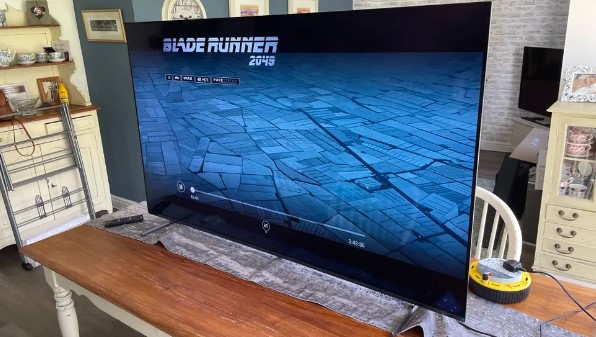
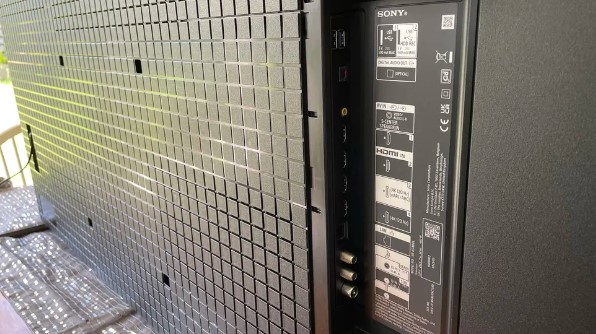
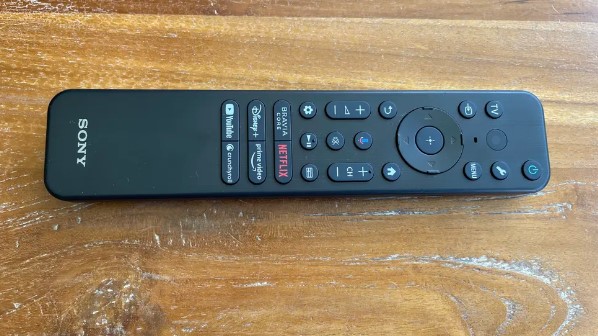
The Sony BRAVIA XR A80L 55" approaches television as a precision instrument for reproducing content exactly as creators intended. Sony's processing philosophy emphasizes natural, film-accurate presentation over artificial enhancement. The result particularly resonates with movie enthusiasts and PlayStation 5 owners.
Sony's Cognitive Processor XR analyzes images differently than conventional processors, dividing frames into zones representing where human attention naturally focuses. XR OLED Contrast Pro manages brightness and shadow detail, while XR Triluminos Pro generates wide color reproduction with emphasis on smooth gradations.
Picture quality emphasizes subtlety and accuracy over raw impact. Skin tones render naturally across different lighting scenarios without oversaturation. Shadow detail remains visible without crushing blacks or artificially lifting dark regions. The tone mapping for HDR content, including Dolby Vision, generally favors preserving detail over maximizing perceived brightness.
Google TV provides the smart platform with comprehensive voice search through Google Assistant. Chromecast and Apple AirPlay 2 enable seamless content casting. The interface organizes content intelligently and responds quickly.
Sony's Acoustic Surface Audio+ concept deserves particular attention. Rather than conventional speakers, actuators vibrate the OLED panel itself to generate sound. This creates an effect where dialogue appears to emanate directly from actors' mouths on screen. Combined with additional drivers and Dolby Atmos processing, this produces surprisingly convincing audio staging.
Gaming features include HDMI 2.1 support on two of four inputs, enabling 4K at 120Hz with VRR and ALLM. The standout features for PlayStation 5 owners come through Sony's "Perfect for PlayStation 5" integration. Auto HDR Tone Mapping optimizes settings during initial console setup. Auto Genre Picture Mode recognizes gaming content versus streaming video and switches presets automatically.
This tight integration creates tangible convenience for PS5 owners. Input lag in game mode measures respectably low around 15 milliseconds, and the OLED panel's instant pixel response eliminates motion blur.
The minimalist design includes a flexible stand that configures in different positions, accommodating soundbars placed in front of the TV.
Pros:
- Natural, film-accurate picture processing
- Exceptional for movies and premium content
- Perfect for PlayStation 5 integration
- Acoustic Surface Audio creates unique soundstage
- Google TV with comprehensive apps
- Flexible stand configuration options
Cons:
- Peak brightness lower than Mini-LED competitors
- Only two HDMI 2.1 inputs
Summary: The Sony BRAVIA XR A80L 55" delivers exceptional cinematic picture quality with processing that emphasizes natural, accurate reproduction. PlayStation 5 owners find particular value in the seamless integration, while movie enthusiasts appreciate the film-accurate presentation and innovative audio approach.
Hisense U7K 55" Review
Best Value
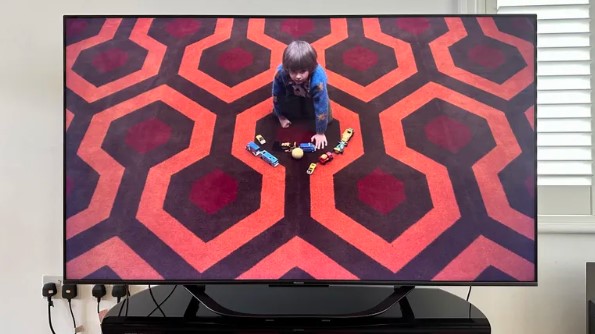
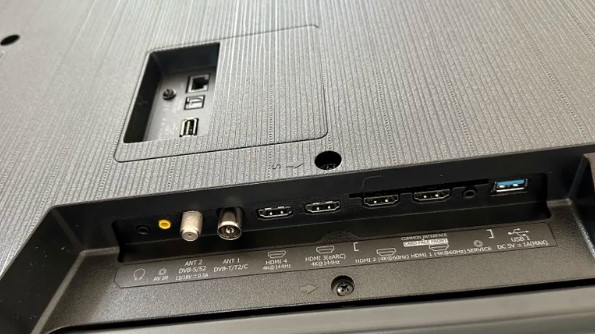
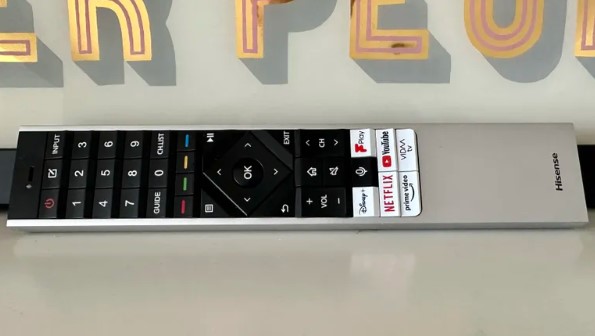
The Hisense U7K 55" demonstrates how dramatically midrange television capabilities have advanced. This display incorporates Mini-LED backlighting, quantum dot color, comprehensive HDR support, and gaming features at pricing that significantly undercuts major brands.
The Mini-LED backlight system deploys hundreds of local dimming zones, enabling precise control over which screen areas illuminate. This creates strong contrast with brilliant highlights alongside deep blacks. The quantum dot layer enhances color saturation across the visible spectrum. The VA panel type contributes high native contrast ratio.
HDR format support encompasses everything currently relevant. Dolby Vision IQ adapts tone mapping based on ambient room lighting measured through the TV's integrated sensor. HDR10+ provides scene-by-scene optimization. Standard HDR10 and HLG round out supported formats. Peak brightness allows HDR content to display with genuine impact.
Gaming features target current-generation consoles and PCs. HDMI 2.1 connectivity supports 4K at 120Hz with VRR and ALLM. The dedicated 144Hz Game Mode Pro enables even higher refresh rates for PC graphics cards. Input lag measures low enough for competitive gaming. The combination creates engaging experiences across different genres.
The smart platform varies by region, with some markets receiving Google TV while others get Hisense's VIDAA interface. Google TV variants offer more comprehensive apps and better voice search. Either way, you're getting access to Netflix, Disney+, Prime Video, and other mainstream platforms.
Audio includes a 2.1-channel system with Dolby Atmos support. Build quality feels solid without premium refinement. Overall, this U7K delivers picture quality and features rivaling televisions costing hundreds more.
Pros:
- Mini-LED backlighting at midrange pricing
- Quantum dot color enhancement technology
- Comprehensive HDR format support including Dolby Vision IQ
- 144Hz gaming capability with low input lag
- Strong contrast and impressive peak brightness
- Exceptional value for features provided
Cons:
- Minor blooming in extreme contrast scenarios
- Interface less polished than premium brands
- Black levels not perfectly uniform like OLED
Summary: The Hisense U7K 55" brings premium display technology to accessible pricing, delivering Mini-LED backlighting, quantum dots, and comprehensive gaming features. While it can't quite match flagship refinement, this U7K provides exceptional value for buyers seeking strong performance without luxury pricing.
TCL Q6 55Q650G Review
Best Budget
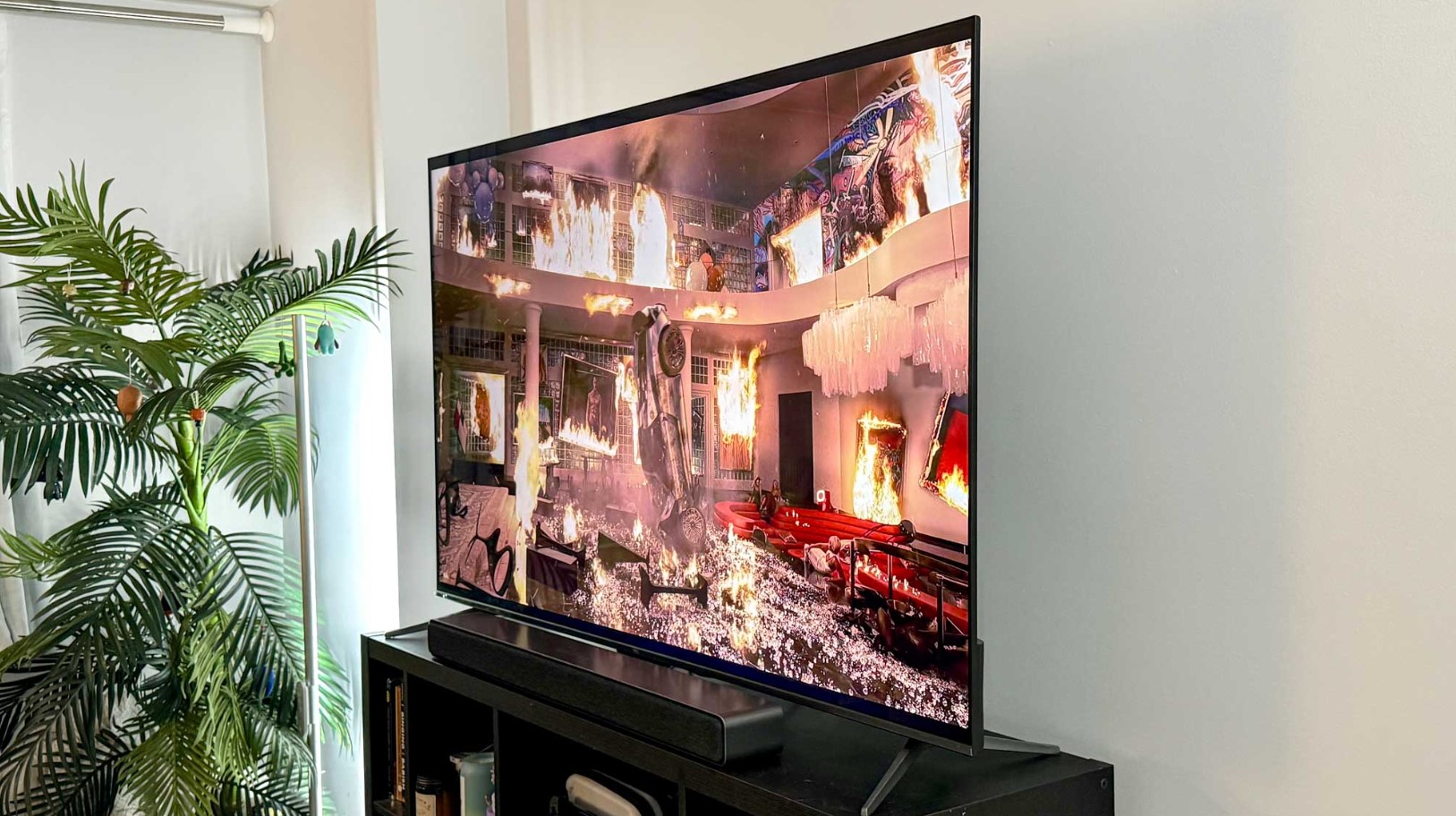
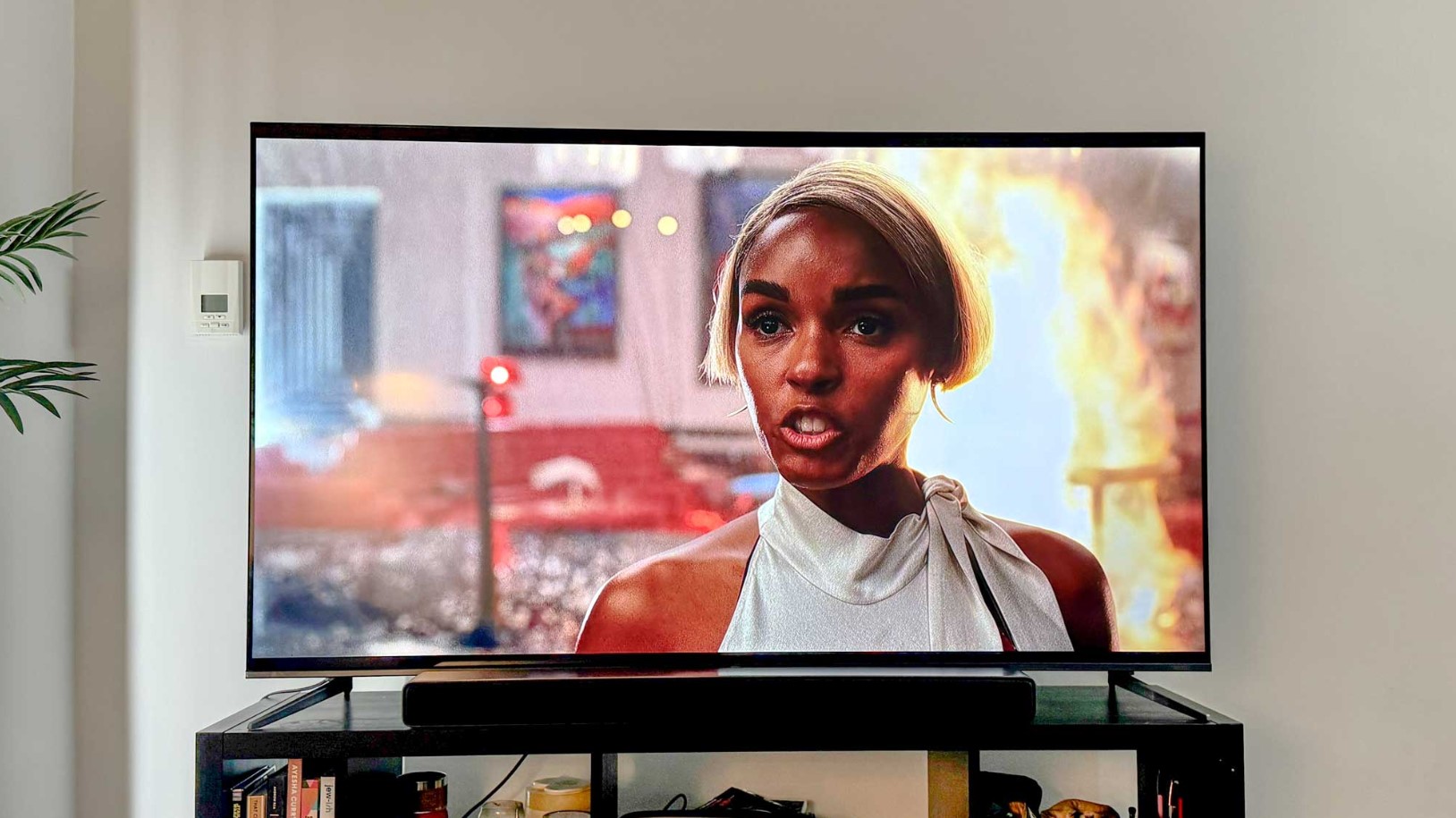
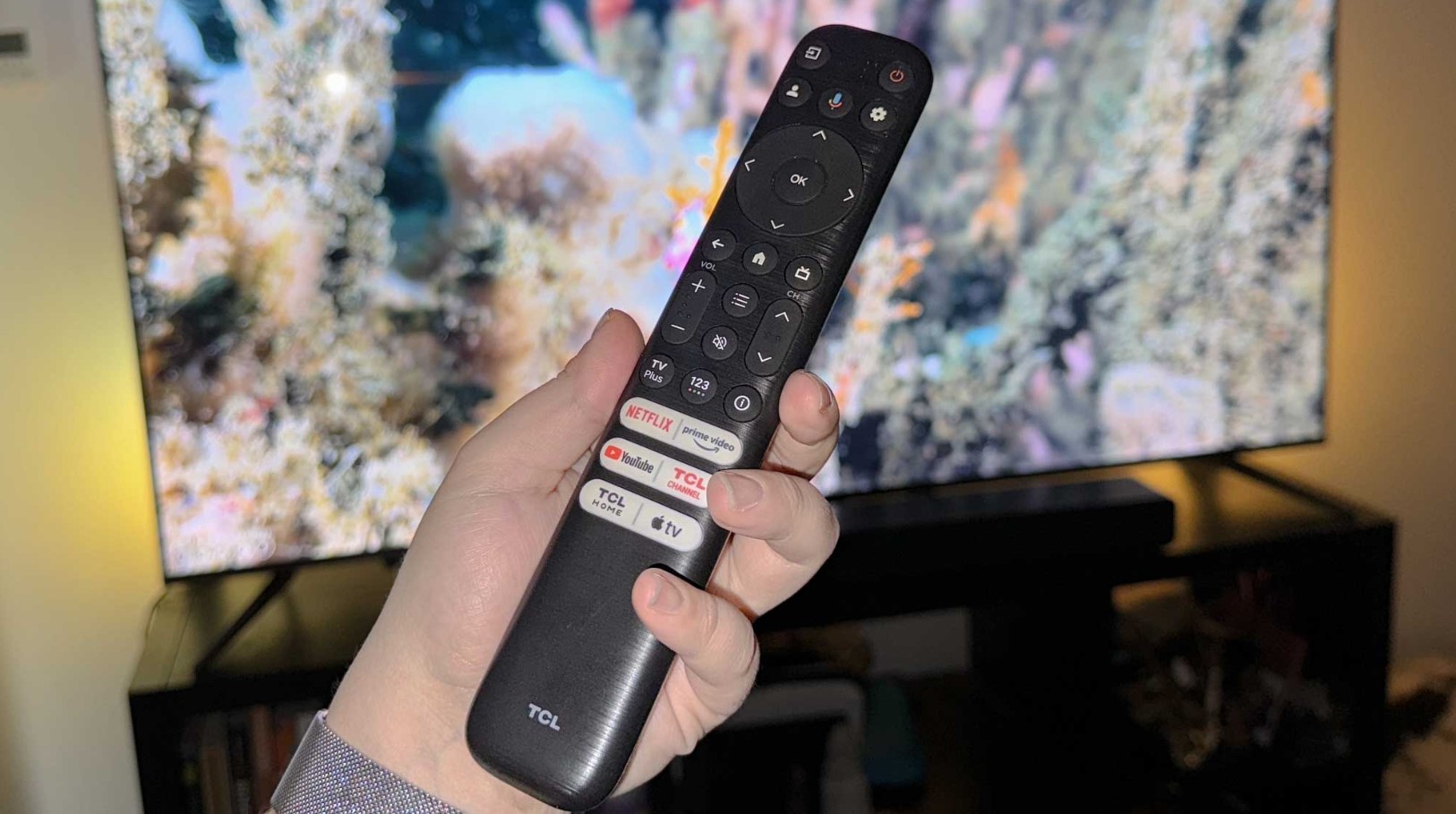
The TCL Q6 55Q650G addresses buyers seeking fundamental television capabilities without premium pricing. This display focuses on delivering acceptable fundamentals at an accessible price point. The result provides perfectly serviceable performance for casual viewing.
The QLED panel incorporates quantum dot technology to enhance color reproduction. This creates noticeably more vibrant colors compared to budget sets without quantum dots. The direct-LED backlighting offers better uniformity than edge-lit alternatives, though it can't approach Mini-LED precision.
HDR format support covers all major standards including Dolby Vision, HDR10+, HDR10, and HLG. However, peak brightness limitations mean HDR content displays with less impact than capable displays achieve. For streaming content and cable television, the Q6 performs adequately.
Gaming features balance capability against the 60Hz native panel. TCL's Game Accelerator 120 enables 120Hz refresh at reduced resolution. VRR support through AMD FreeSync eliminates tearing, while ALLM switches to game mode automatically. Input lag measures acceptably low around 20 milliseconds for casual gaming.
Google TV provides the smart platform with comprehensive app coverage and intuitive navigation. Voice search through Google Assistant works well, and Chromecast built-in enables easy content casting. The interface provides seamless access to all major streaming services.
Audio includes Dolby Atmos and DTS Virtual:X processing applied to a basic speaker configuration. This creates marginally more spacious sound than plain stereo.
The Q6 makes sense for secondary rooms or situations where budget constraints prevent higher spending. It delivers modern functionality and acceptable picture quality without premium features or costs.
Pros:
- Very accessible budget pricing
- Quantum dot color enhancement
- Comprehensive HDR format support
- Google TV smart platform
- Gaming features adequate for casual play
- Direct-LED backlight better than edge-lit
Cons:
- Limited peak brightness reduces HDR effectiveness
- 60Hz native refresh rate
- Basic direct-LED without extensive dimming zones
Summary: The TCL Q6 55Q650G delivers essential television functionality at budget pricing, providing quantum dot color and comprehensive HDR format support. Picture quality won't satisfy enthusiasts, but casual viewers find adequate performance for streaming and cable. The combination of accessible pricing and Google TV makes this sensible for budget-conscious buyers.
55-Inch TV Buying FAQ
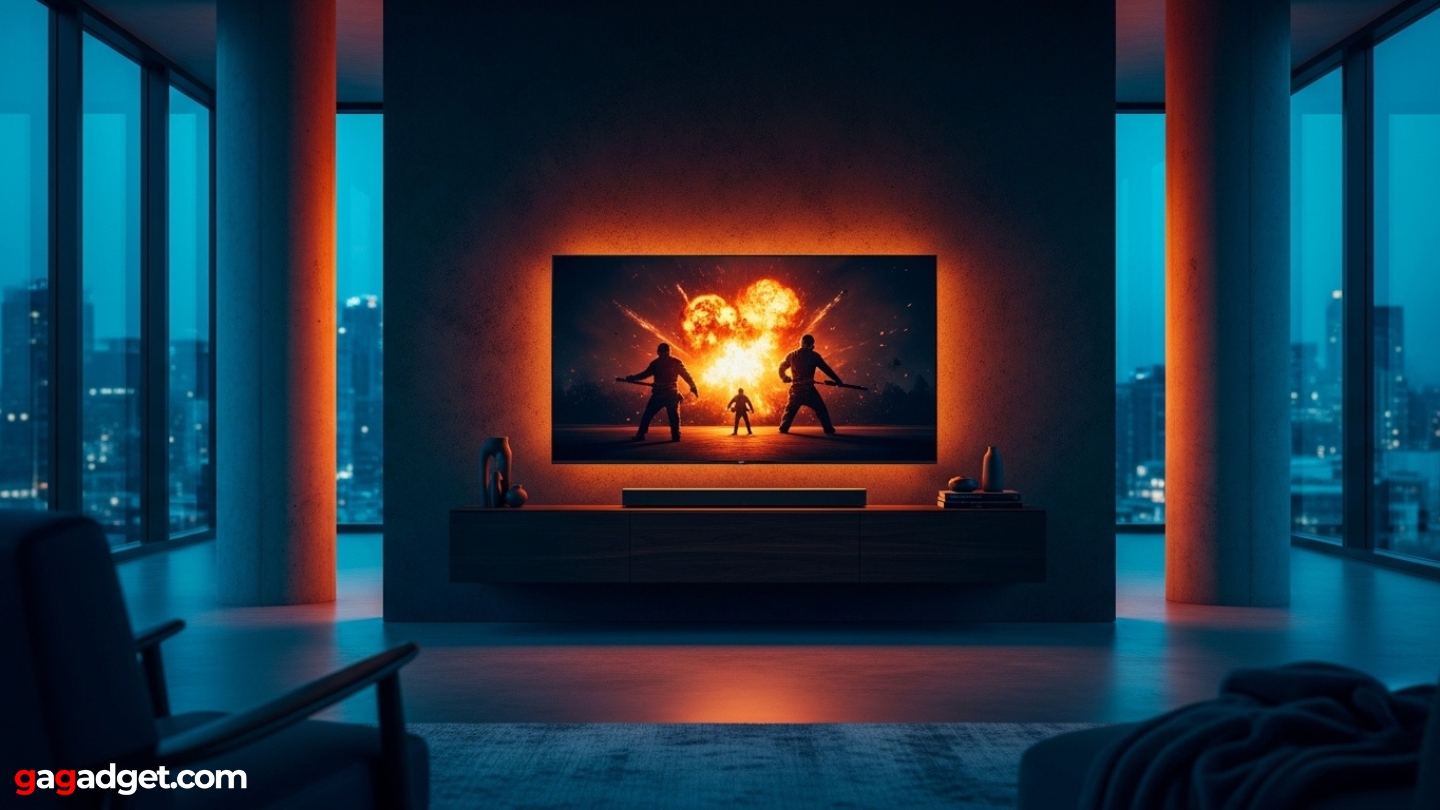
After guiding dozens of people through 55-inch television purchases, certain topics emerge repeatedly. Here are answers to the most common questions based on real-world experience.
What's the optimal viewing distance for a 55-inch television?
The typically recommended viewing distance ranges between 7 and 11.5 feet from screen to seating position, though personal preference matters more than rigid formulas. Sitting closer creates more immersive experiences that fill peripheral vision. Farther distances provide more comfortable viewing for extended sessions. Modern 4K resolution at 55 inches means you can sit considerably closer than older recommendations without seeing individual pixels.
Should I choose OLED or LED for my 55-inch TV?
The choice depends primarily on your viewing environment's lighting. LED-based technologies perform substantially better in bright rooms, maintaining image contrast when sunlight hits the screen. OLEDs excel in controlled lighting but can appear washed out in bright spaces. If your typical viewing occurs during daytime with natural light, LED variants provide better real-world performance. Consider also that OLED commands premium pricing while LED options span wider price ranges.
Does a 55-inch TV need HDMI 2.1 for gaming?
HDMI 2.1 becomes essential if you own current-generation gaming consoles like PlayStation 5 or Xbox Series X, or game on PC at high frame rates. These sources can output 4K at 120 frames per second, which requires HDMI 2.1 bandwidth. The standard also enables Variable Refresh Rate and Auto Low Latency Mode. Without HDMI 2.1, you're restricted to 4K at 60Hz. For casual gaming on older consoles, HDMI 2.0 remains adequate.
How much should I spend on a 55-inch TV?
Reasonable pricing spans from around $300 for basic budget models to $2,000+ for flagship OLEDs. The $500-$800 range represents the sweet spot where you're getting quantum dots or basic Mini-LED technology with decent gaming features. Budget options under $400 make sense for secondary rooms but sacrifice brightness and processing quality. Premium models above $1,500 deliver exceptional quality but provide diminishing returns unless you're a serious enthusiast.
Is 55 inches too big for my room?
A 55-inch television fits comfortably in most living rooms and bedrooms with typical furniture arrangements. The size becomes problematic only in very small spaces where seating sits closer than 5-6 feet from the screen. For living rooms with sofas positioned 8-12 feet from the TV location, 55 inches represents an excellent balance. Most people upgrading from 40-43 inch displays to 55 inches report the larger size feeling perfect after brief adjustment.
Can I mount a 55-inch TV on the wall?
Most 55-inch televisions include VESA mounting patterns that accommodate standard wall mounts. The mounting process is straightforward with proper wall anchoring. A 55-inch TV typically weighs 30-40 pounds, making it manageable for two people. Consider mounting height carefully. The center should align approximately at eye level from seated positions, usually placing the bottom edge about 24-30 inches above the floor. Avoid mounting too high, particularly above fireplaces, which creates uncomfortable neck angles.
Finding Your Perfect 55-Inch Television
Selecting the ideal 55-inch television means matching capabilities to your viewing environment. These recommendations emerge from extensive testing in real-world conditions.
For premium versatility across movies, gaming, and streaming, the LG OLED C4 55" delivers exceptional performance. Budget-conscious buyers seeking reliable Samsung quality find excellent value in the Samsung U8000F 55".
PlayStation 5 owners discover particular value in the Sony BRAVIA XR A80L 55". Performance enthusiasts on moderate budgets should consider the Hisense U7K 55". True budget buyers find essential functionality in the TCL Q6 55Q650G.
The best 55-inch TV balances specifications against your specific situation. Consider your room's ambient lighting, primary content sources, and whether gaming matters before choosing. The right television transforms your viewing experience without buyer's remorse.

Jim's our tech geek with a mission since February 2023. From movies to video projectors, he knows his stuff and aims to make tech work for you. When he's not geeking out, he's there to guide you through making savvy decisions.


