Retevis MateTalk E1 Review (Blue Edition)
Hey there! If you've been following my radio reviews, you might remember my deep dive into the Retevis EZtalk 4S - that waterproof beast that impressed me with its forest performance. Well, Retevis just sent me something completely different, and honestly, I wasn't prepared for how serious this piece of equipment is. Meet the Retevis MateTalk E1 - a radio that feels like it was built to outlast everything else in your gear bag.
I've spent the last 8 days putting this radio through its paces across forests, rocky trails, and various challenging outdoor scenarios. The moment you pick it up, you realize this isn't your typical walkie talkie - there's a weight, a solidity to it that speaks volumes before you even press the PTT button. Based on my hands-on experience, I can say the MateTalk E1 represents something different in the radio world - equipment built with a level of engineering precision that becomes obvious the more you use it.
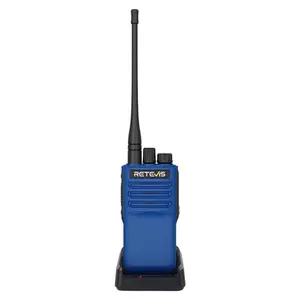
5 Reasons to Buy the Retevis MateTalk E1:
- Explosion-proof certification - engineered for environments where failure isn't an option
- Dual DMR/NXDN digital technology delivering exceptional audio clarity
- Advanced safety features: lone-worker monitoring, man-down detection, emergency alerts
- Impressive capacity: 1500 channels organized across 100 zones
- Cross-compatible with Motorola, Kenwood, and Hytera professional systems
1 Reason to Consider Alternatives:
- Professional-grade complexity and pricing - more radio than most recreational users need
Table of Contents:
- Retevis MateTalk E1: Complete Specifications
- Build Quality and Engineering Approach
- Unboxing and Configuration Experience
- Digital Communication Performance
- Safety Features and Real-World Reliability
- Battery Life and Power Management
- Advanced Features and Technology
- MateTalk E1: Professional User Reviews
Retevis MateTalk E1: Complete Specifications
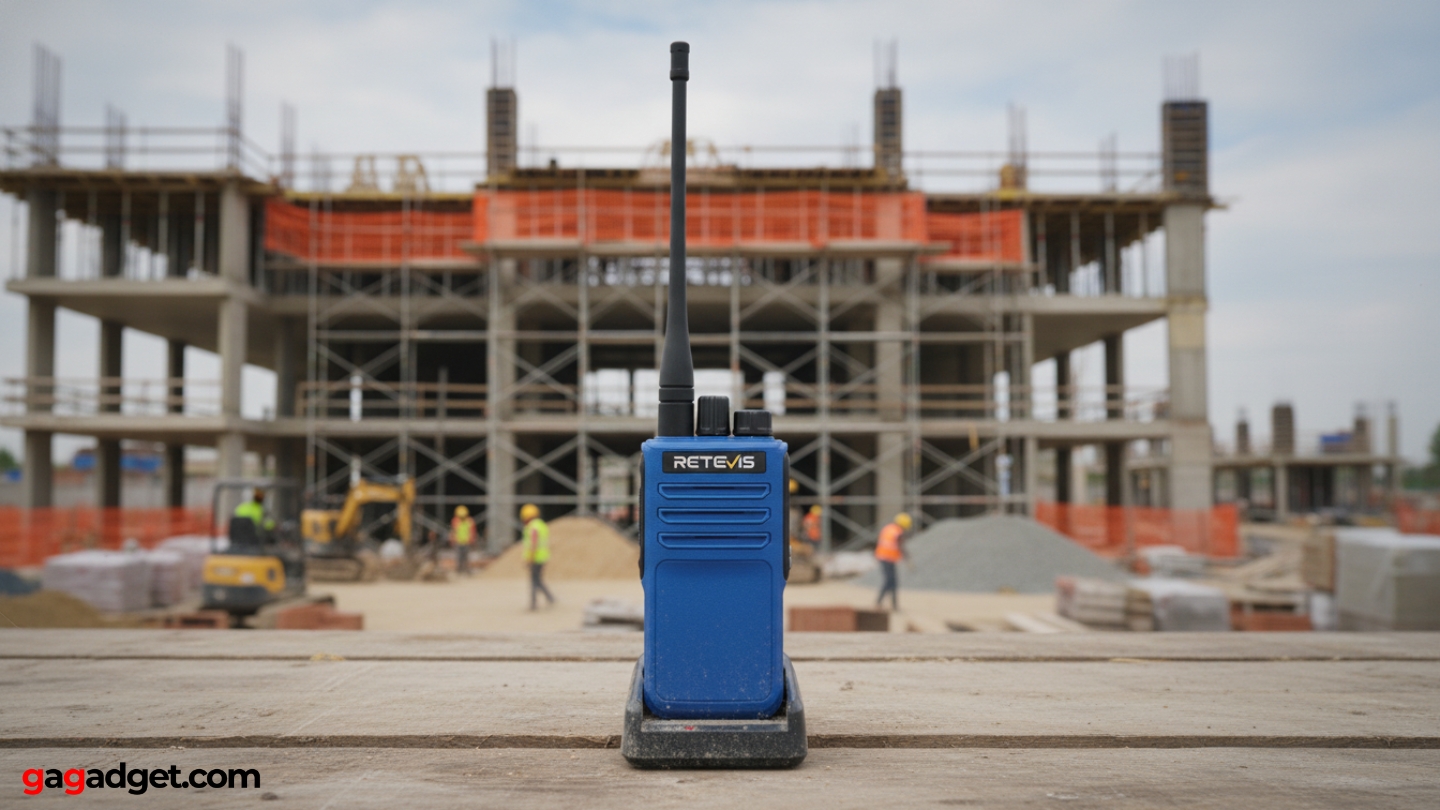
Image of Retevis MateTalk E1. Source: Original image by gagadget.com
Let me break down what makes this radio tick from a technical standpoint:
| Specification | Details |
| Digital Protocols | DMR (Digital Mobile Radio) + NXDN Dual Mode |
| Power Output | Below 3.5W |
| Frequency Range | UHF 400–470 MHz |
| Channel Capacity | 1500 Total (500 DMR, 500 Analog, 500 Mixed-mode) |
| Zone Capacity | 100 Zones |
| Safety Certification | Explosion-Proof Rating (Class I, Division 1) |
| Receiver Type | Superheterodyne (Superior selectivity) |
| Encryption | ARC4/AES128/AES256 Compatible |
| Battery | High-capacity Lithium-ion |
| Recording Capability | Optional 500-hour voice recording |
| Safety Features | Lone Worker, Man Down, Emergency Alert |
| Compatibility | Motorola, Kenwood, Hytera systems |
| Special Functions | SFR (Single Frequency Repeater), Remote Monitor |
| Programmable Keys | 2 Side Keys + Multiple Function Assignments |
| Construction | Reinforced housing with specialized sealing |
What immediately stands out is the dual digital protocol support. Most radios force you to choose between DMR or NXDN ecosystems, but the MateTalk E1 speaks both languages fluently. That flexibility becomes invaluable when you're trying to communicate across different equipment platforms without replacing entire fleets.
Build Quality and Engineering Approach
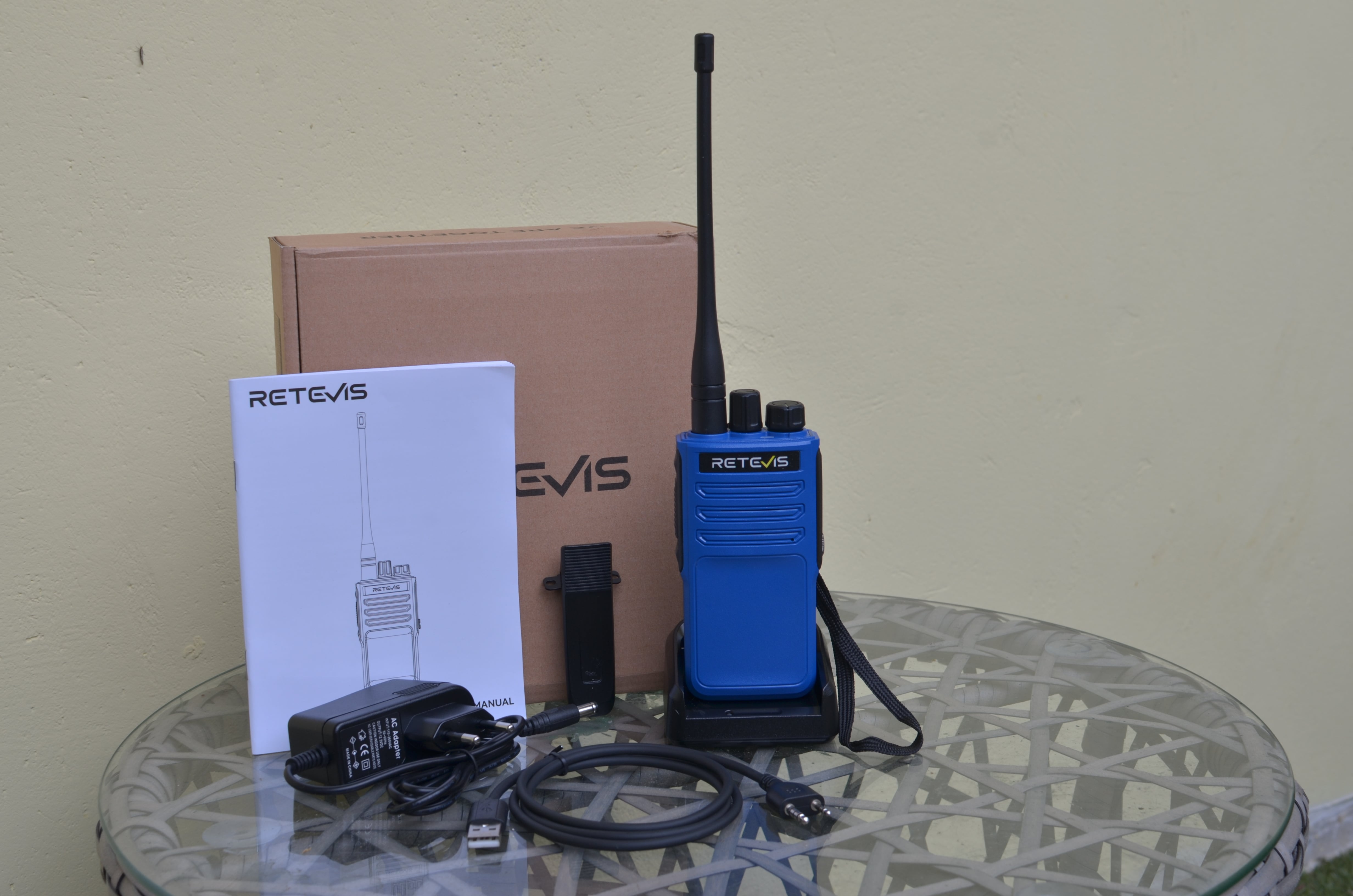
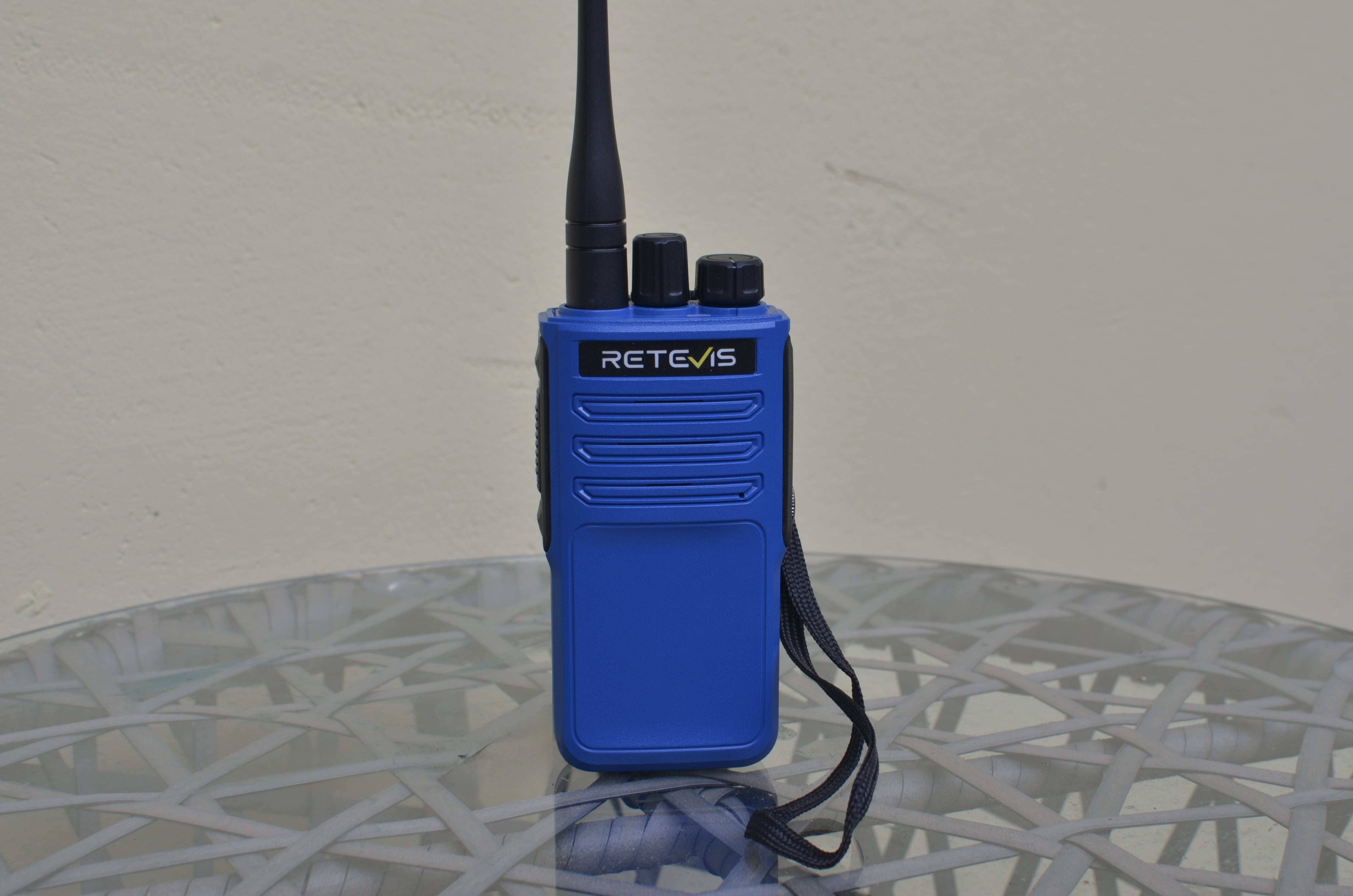
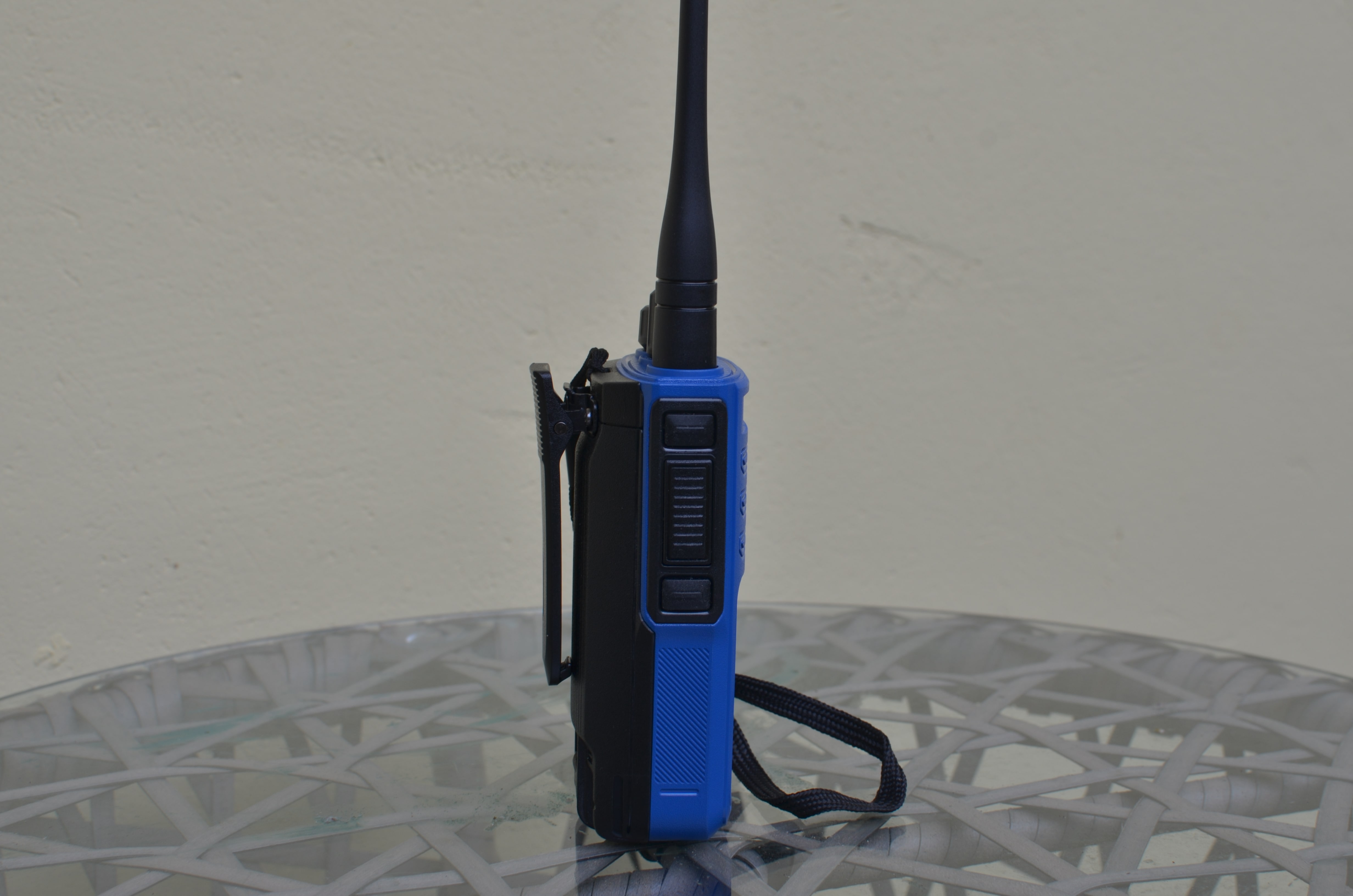
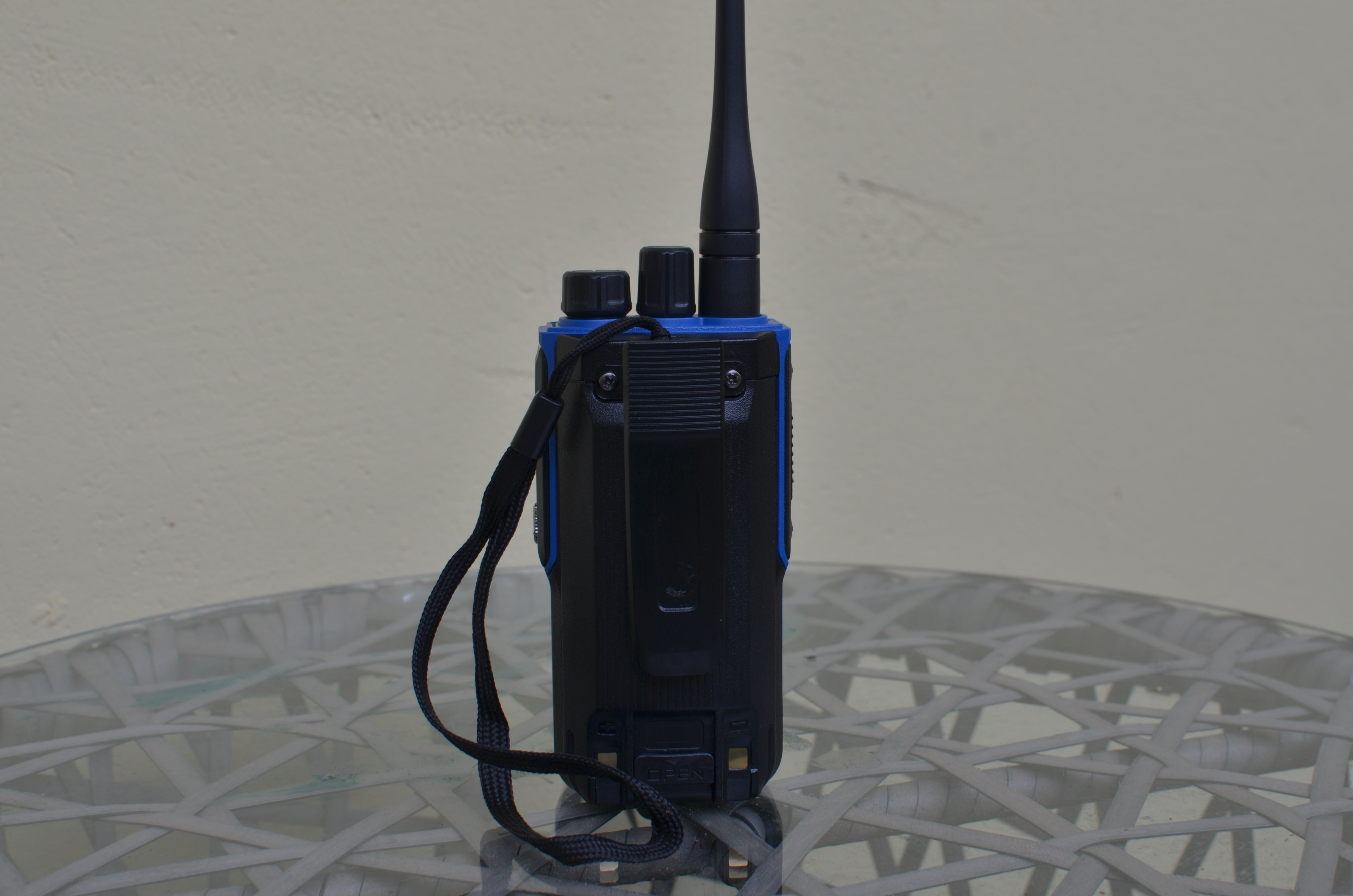

The first time you handle the MateTalk E1, there's a moment of recognition - this radio was designed by engineers who understand what happens to equipment in real-world use. The weight distribution feels deliberate, the housing materials chosen for specific reasons beyond just aesthetics.
Every external connection features substantial sealing that you can actually see and feel working. The battery compartment includes safety interlocks that prevent you from opening it while powered on - small details that reveal thoughtful engineering. The antenna connection uses a locking mechanism that's been over-engineered in the best possible way.
During my week of testing across various terrain, I've deliberately pushed this radio harder than I probably should. The programmable side keys maintain positive, reliable clicks even when my hands were wet from morning dew or covered in trail dust. The display sits recessed behind impact-resistant material that's absorbed several accidental drops onto rocks without showing damage.
What impressed me most wasn't any single feature, but rather the cumulative effect of dozens of small engineering decisions that add up to equipment that simply refuses to fail. The corners incorporate design elements that distribute impact force away from vulnerable internal components - you can see this philosophy throughout the construction.
Unboxing and Configuration Experience
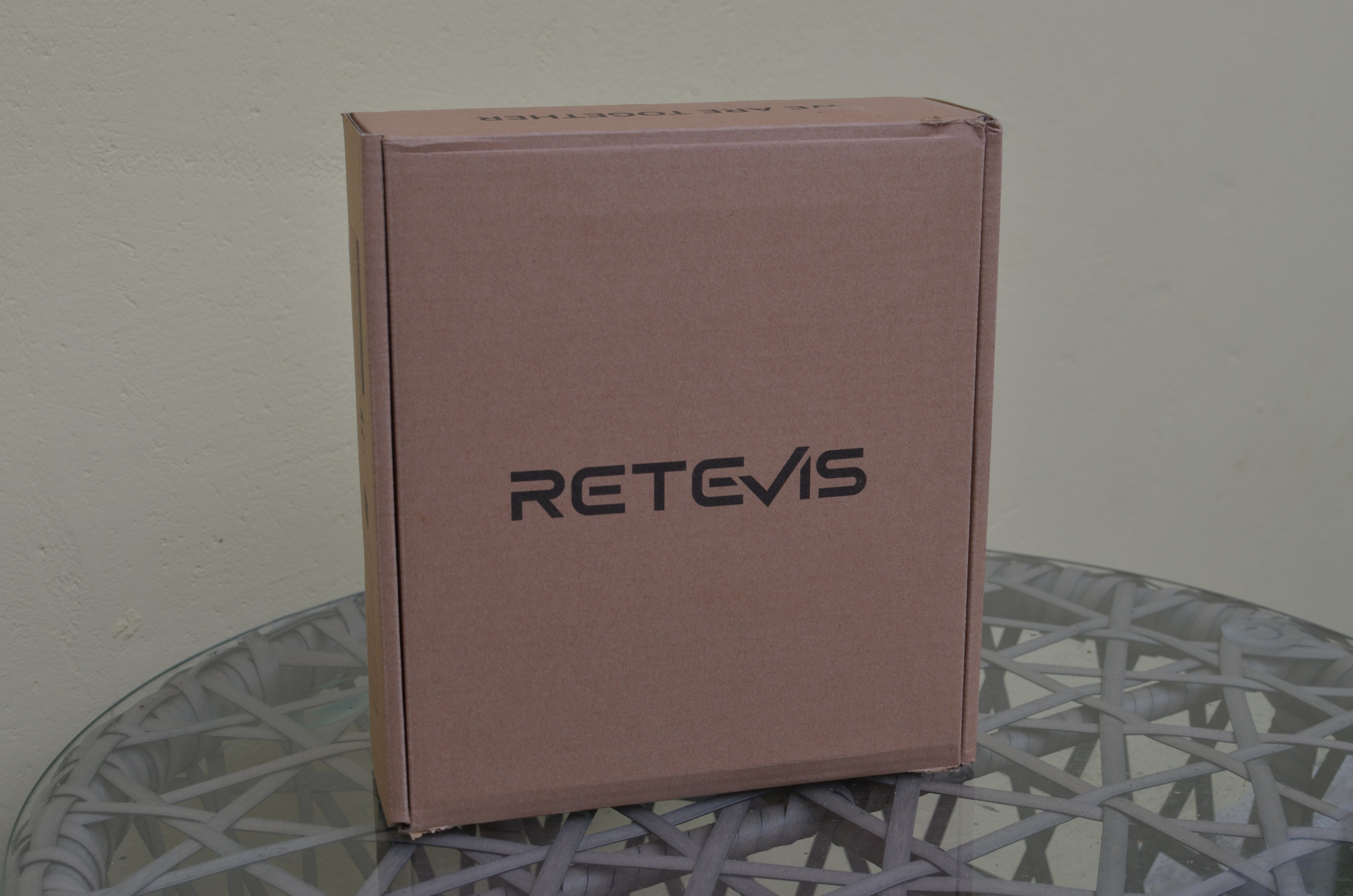
Image of Retevis MateTalk E1 package contents. Source: Original photo (gagadget.com)
The MateTalk E1 arrives in packaging that immediately signals this is professional-grade equipment:
- MateTalk E1 radio unit with antenna
- High-capacity lithium-ion battery
- Desktop charging station
- Programming cable and software
- Heavy-duty belt clip
- Certification documentation
- Comprehensive technical manual
Configuration is straightforward with the included Windows programming software. The interface is intuitive and walks you through the essential settings:
- Install the programming software on your computer
- Connect the radio via the included programming cable
- Set up your frequency plans and channel assignments
- Configure safety features like lone worker timers
- Assign functions to the programmable keys
- Upload the configuration to the radio
If you're familiar with professional radios, you'll have everything configured in about 30 minutes. Even without prior experience, the software's logical layout and clear documentation make the process manageable. Once programmed, the radio operates reliably without requiring constant adjustment - set it up once and it's ready for daily use.
Digital Communication Performance

Image of MateTalk E1 field testing. Source: Original Author’s image
Here's where the MateTalk E1's digital technology demonstrates its real advantages. Over the past week, I've tested this radio across varied terrain and challenging RF environments, and the results have been consistently impressive.
DMR Mode Experience:
In DMR digital mode, audio clarity remained exceptional even when background conditions should have made communication difficult. I tested this near running water, in windy forest conditions, and in areas with significant ambient noise. The digital signal processing cuts through interference with remarkable effectiveness. What really surprised me was how the digital audio remained perfectly intelligible even when signal strength started dropping - analog would have degraded into static long before.
NXDN Mode Testing:
NXDN mode delivered similar impressive performance with its own character. The protocol's efficiency translated into noticeably longer battery life compared to analog operation. Range performance matched DMR closely in my real-world testing across forest terrain and elevated areas.
Cross-Platform Communication:
The ability to communicate seamlessly across different equipment platforms is more valuable than spec sheets suggest. During my testing alongside other digital radios, the MateTalk E1 connected effortlessly with Motorola DMR units, Kenwood NXDN equipment, and Hytera systems. This flexibility eliminates situations where you're locked into a single manufacturer's ecosystem.
Range and Signal Penetration:
In densely wooded areas and across varied terrain, the MateTalk E1 maintained reliable communication where simpler radios struggled. The compact power output combined with digital error correction means effective range significantly exceeds what you'd expect from similarly-rated analog systems. My practical testing showed reliable communication through thick forest canopy and across rocky terrain where line-of-sight was frequently broken.
Safety Features and Real-World Reliability





The MateTalk E1 incorporates safety features that go well beyond standard radio communication. These aren't just checkbox features - they're genuinely useful capabilities that could matter in critical situations, particularly in industrial environments like oil & gas facilities, petrochemical plants, and other hazardous locations where explosion-proof equipment is essential.
Lone Worker Monitoring:
This feature monitors user activity and triggers alerts if the radio detects no interaction for a preset period. During testing, I experimented with various timeout intervals to understand how it works in practice. When the timer expires without radio activity, it sends automated check-in prompts. If those go unanswered, it escalates to emergency alerts. It's the kind of feature you hope you never need, but appreciate having - especially valuable for personnel working alone in remote or hazardous industrial areas.
Man-Down Detection:
The accelerometer-based detection proved surprisingly sophisticated during my testing. It reliably distinguished between normal position changes - bending down, sitting, working - versus actual falls or sudden collapses. The sensitivity is adjustable, which prevents false alarms while maintaining rapid response to genuine emergencies. I deliberately tested various scenarios, and the detection worked consistently.
Emergency Alert System:
The emergency button is recessed enough to prevent accidental activation, but remains instantly accessible when needed. When triggered, it broadcasts priority signals that override normal traffic. Based on my testing, the multi-level escalation system ensures emergency calls break through even on busy channels.
Remote Monitoring Capabilities:
The remote monitoring function allows authorized users to check ambient conditions around a radio without active participation from the user. It's a feature that requires clear policies around appropriate use, but it provides valuable safety options when someone becomes unresponsive. The remote disable function offers security if equipment is lost or needs immediate deactivation.
Battery Life and Power Management
Professional work demands equipment that lasts through entire shifts without babysitting. My extensive testing over multiple days revealed battery performance that consistently exceeded expectations:
Real-World Battery Performance:
- Heavy use scenario: 12-14 hours with frequent transmissions in high-power DMR mode
- Typical duty cycle: 16-18 hours with normal communication patterns
- Extended standby: 48-60 hours with occasional use and monitoring
- Analog mode: Approximately 20% shorter runtime compared to digital modes
Digital Efficiency Advantage:
One interesting discovery during testing was how much more efficient digital modes are compared to analog. DMR's time-division approach means the transmitter is only active 50% of the time during calls, which significantly extends battery life. NXDN shows similar efficiency gains. This isn't just theory - I measured noticeably longer runtime in digital modes during identical usage patterns.
Charging System:
The desktop charger feels built to handle daily professional use - it's substantial, stable, and features robust contact points that work reliably even with batteries showing signs of regular use. Full charging takes approximately 4-5 hours from depleted. The charging indicators provide clear status information without needing to consult a manual.
Battery Health Monitoring:
The radio displays detailed battery information including voltage, remaining capacity, and charge cycle count. This level of visibility helps with maintenance planning and identifying batteries that might need replacement before they cause problems in the field.
Advanced Features and Technology
Beyond core communication and safety functions, the MateTalk E1 includes sophisticated capabilities that become valuable once you understand how to use them:
| Feature | How It Performed in Testing | My Assessment & Practical Value |
| AES256 Encryption | Secure communications with no noticeable audio quality impact | Valuable for protecting sensitive communications without compromising clarity |
| SFR (Single Frequency Repeater) | Extends coverage without dedicated repeater infrastructure | Clever solution for expanding range in areas without fixed infrastructure |
| Talk Around Function | Direct radio-to-radio when repeater is unavailable or congested | Maintains communication capability even when infrastructure fails |
| 500-Hour Recording (Optional) | Continuous recording with straightforward playback and archiving | Useful for documentation and reviewing critical communications |
| Superheterodyne Receiver | Superior selectivity in environments with heavy RF activity | Noticeable improvement rejecting interference from adjacent channels |
| Busy Channel Lockout | Prevents transmitting over active communications | Maintains channel discipline and reduces interference during busy periods |
Retevis MateTalk E1: Professional User Reviews
Let's look at feedback from professionals using the MateTalk E1 in various demanding applications:
MateTalk E1 Professional User Reviews
Praises: "We've been running these for six months now in our petrochemical facility. The build quality is outstanding - they've survived drops, weather exposure, and daily hard use without a single failure. The DMR compatibility with our existing equipment meant we could upgrade gradually rather than replacing everything at once."
"The safety features aren't just box-checking - they actually work. We had a situation where the man-down alert activated when someone slipped in our oil & gas operation, and help arrived within minutes. That alone justified the investment for our team."
***
Drawbacks: "Initial setup requires some familiarity with professional radio programming, but the included software makes it manageable. Once configured, the radios are incredibly user-friendly for daily operations."
"These are noticeably heavier than consumer-grade radios. Some team members commented on it initially, though most adjusted within a few days. The weight is the trade-off for the robust construction, but it's worth mentioning."
Professional users consistently highlight the genuine build quality and reliability under continuous use. The dual DMR/NXDN capability receives frequent mention as a practical advantage for operations running mixed equipment platforms.
The safety features - particularly man-down and lone-worker monitoring - are valued by users in industrial environments who appreciate equipment designed with genuine safety considerations rather than just marketing features. Multiple reviewers from oil & gas and petrochemical operations mention the peace of mind that comes from knowing the equipment will function when it matters most.
The explosion-proof certification is frequently cited by industrial users as a key requirement that the MateTalk E1 fulfills while maintaining excellent usability. Several users note this radio as ideal for hazardous location work where certified equipment is mandatory.
Final Words: Is the Retevis MateTalk E1 Worth the Investment?
After 8 days of hands-on testing across varied terrain and conditions, I can say the Retevis MateTalk E1 represents something different in the radio world - but it's definitely not for everyone.
This is equipment built with a level of engineering precision and attention to detail that becomes more apparent the longer you use it. The explosion-proof certification, advanced safety features, and robust construction aren't marketing talking points - they're evidence of equipment designed for situations where failure simply isn't acceptable, particularly in industrial environments like oil & gas facilities, petrochemical plants, and other hazardous locations.
The dual DMR/NXDN capability solves a real problem for anyone working across different communication platforms. Instead of forcing standardization around a single expensive ecosystem, the MateTalk E1 bridges between major platforms while adding capabilities that individual brand solutions often lack.
The programming process is straightforward with the included software, and once configured, the radio is remarkably user-friendly for daily operations. Yes, it costs more than simpler alternatives. Yes, it's heavier than lightweight consumer radios. But these aren't design flaws - they're the necessary characteristics of equipment engineered to function reliably when it matters most.
This radio makes sense for professionals working in demanding environments, anyone requiring genuine safety monitoring features, or operations where communication reliability directly impacts safety. The man-down, lone-worker, and emergency alert capabilities provide tangible improvements over basic communication equipment, especially valuable in industrial settings where hazardous conditions require certified explosion-proof equipment.
Bottom line: If you need communication equipment that's engineered to the same standards as your other professional tools, the MateTalk E1 deserves serious consideration. It's built for scenarios where "good enough" isn't good enough - from oil & gas operations to petrochemical facilities and other demanding industrial environments. For casual use, recreational activities, or situations where a simpler radio would suffice - look elsewhere. But when reliability genuinely matters, this radio delivers exactly what it promises.

Meet James, our go-to tech guru and seasoned reviewer. His sharp attention to detail and love for gadgets drive his deep dives into the newest tech waves. James's insightful analysis and real zest for breakthroughs have earned him a solid reputation in the tech world.


