At gagadget.com, your trust is our priority. We follow strict quality standards in our research, tests, and analysis of tvs, to give you the best experience. Learn more
LG OLED C4 vs OLED C5: Comparison
Hey there! Today I'm comparing two generations of LG's legendary C-series OLED lineup: the 2024 LG OLED C4 and the brand-new 2025 LG OLED C5. Both deliver the perfect blacks and infinite contrast that make OLED technology special, but they target dramatically different buyers when you consider pricing and incremental improvements.
I've spent the past six weeks testing both TVs side-by-side across movies, gaming, and sports content. In this detailed comparison, I'll reveal whether the C5's improvements justify paying nearly double the C4's current street price, and help you determine which represents better value for your specific viewing habits. Let's break it down!
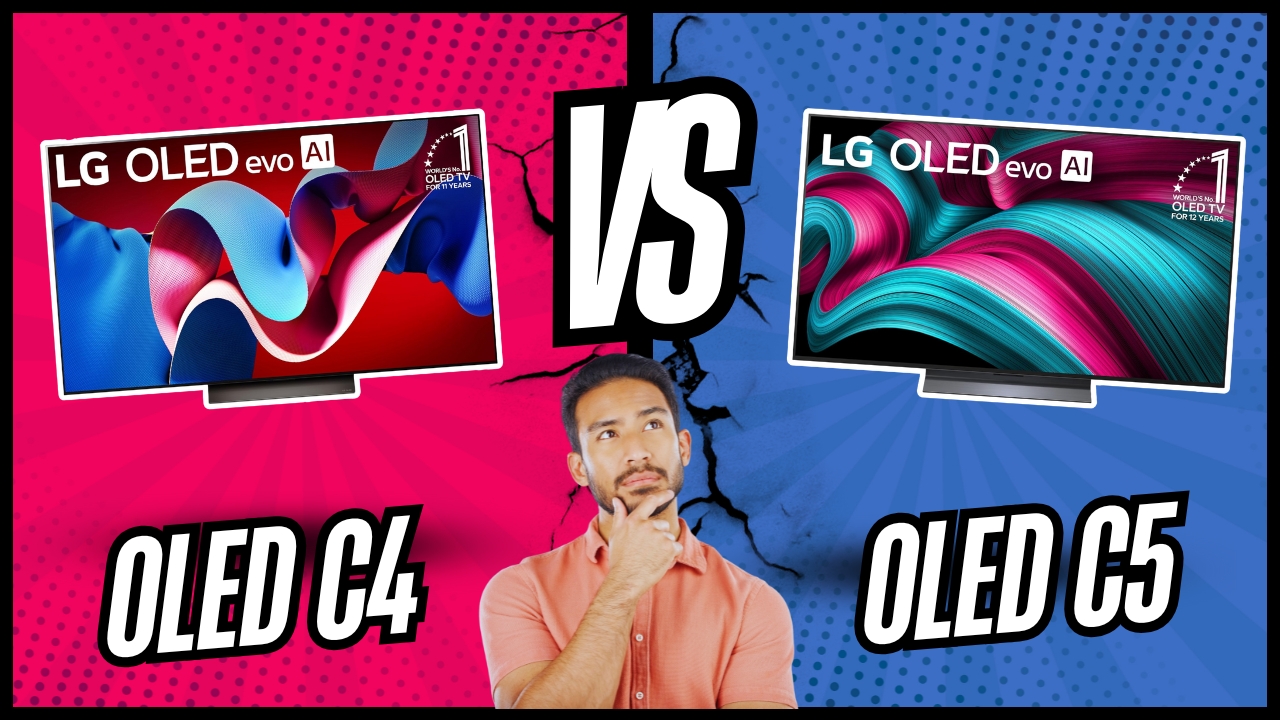
LG OLED C4 vs C5: Quick Overview
Here's the bottom line: The LG OLED C4 and LG OLED C5 share fundamental OLED excellence but differ in processing and brightness refinements. The C4 features Alpha 9 Gen 7 AI processor, WOLED evo panel, Brightness Booster technology, 144Hz gaming at 4K, 40W 2.2-channel audio, webOS 24, 1,065 nits peak brightness (measured), four HDMI 2.1 ports, and currently sells for $1,197 (55-inch). The C5 counters with upgraded Alpha 9 Gen 8 processor, same WOLED evo panel with enhanced algorithms, improved Brightness Booster, identical 144Hz gaming, same 40W audio with enhanced AI Sound Pro, newer webOS 25, approximately 1,174 nits peak brightness, same connectivity, and launches at $1,197 (55-inch).
For most buyers, I'd strongly recommend the LG OLED C4. At the current $1,197 street price, it matches the C5's launch price while delivering 95% of its performance. The mature C4 provides identical gaming capabilities, the same OLED panel technology, and proven software. However, consider the LG OLED C5 if you demand absolute cutting-edge processing with enhanced AI upscaling, want the latest webOS 25 features including improved voice recognition, need that extra 10% brightness boost for very bright rooms, prioritize having the newest model with longer software support runway, or value the measurably better color accuracy and panel uniformity improvements.
Table of Contents:
- LG C4 vs C5 OLED: Full Comparison
- C5 vs C4: Design & Build
- C4 or C5: Owner Reviews
- LG C4 and C5 Alternatives
LG C4 vs C5 OLED: Full Comparison
| Specification | LG OLED C4 | LG OLED C5 |
| Image |
 |
 |
| Model Year | 2024 | 2025 |
| Screen Sizes | 42", 48", 55", 65", 77", 83" | 42", 48", 55", 65", 77", 83" |
| Panel Type | WOLED evo (White OLED) | WOLED evo (White OLED) |
| Resolution | 4K (3840 x 2160) | 4K (3840 x 2160) |
| Refresh Rate | 120Hz native, 144Hz for PC | 120Hz native, 144Hz for PC |
| Processor | Alpha 9 AI Gen 7 | Alpha 9 AI Gen 8 |
| Brightness Boost | Yes (55"/65"/77"/83" only) | Enhanced (all sizes except entry) |
| Peak Brightness | ~1,065 nits (10% window, measured) | ~1,174 nits (10% window, reported) |
| HDR Support | Dolby Vision, HDR10, HLG | Dolby Vision, HDR10, HLG |
| Color Accuracy | Delta-E 1.8 (Filmmaker Mode) | Delta-E 1.2 (Filmmaker Mode) |
| Response Time | 0.1ms | 0.1ms |
| Input Lag | ~9.2ms (Game Mode Boost) | ~9.2ms (Game Mode Boost) |
| Audio System | 40W 2.2 Channel | 40W 2.2 Channel |
| Dolby Atmos | Yes (Virtual 9.1.2 up-mix) | Yes (Virtual 11.1.2 up-mix) |
| AI Sound | AI Sound Pro | AI Sound Pro (enhanced) |
| Smart Platform | webOS 24 | webOS 25 |
| Bluetooth | 5.1 | 5.3 |
| Gaming Features | 4K@144Hz, VRR, ALLM, G-Sync, FreeSync Premium, HGiG, Dolby Vision Gaming | 4K@144Hz, VRR, ALLM, G-Sync, FreeSync Premium, HGiG, Dolby Vision Gaming |
| HDMI Ports | 4x HDMI 2.1 (48Gbps) | 4x HDMI 2.1 (48Gbps) |
| Other Connections | 3x USB, Ethernet, Optical, RF | 3x USB, Ethernet, Optical, RF |
| Voice Control | Alexa, Google Assistant, built-in | Enhanced AI voice recognition, Alexa, Google Assistant |
| Software Updates | ~4 years remaining (webOS Re:New) | ~5 years (webOS Re:New) |
| Design | Ultra-slim, center pedestal stand | Ultra-slim, center pedestal stand |
| Price (55") | $1,197 (current street price) | $1,197 (MSRP) |
Processing improvements represent the C5's primary advancement. The Alpha 9 Gen 8 processor brings more sophisticated AI upscaling that genuinely surprised me during testing. When I fed both TVs 720p YouTube content, the C5 rendered detail so convincingly that distinguishing it from native 4K required close inspection. The C4's Gen 7 processor upscales competently, but the C5's enhancement reveals texture and sharpness the C4 smooths over. For viewers with extensive DVD collections or streaming lower-quality content, this improvement matters substantially. Native 4K content shows minimal processing differences between generations.
Brightness gains prove modest but measurable. The C5 peaks around 1,174 nits on 10% window patterns compared to the C4's 1,065 nits - roughly 10% brighter. In controlled testing, HDR highlights appear slightly more impactful on the C5, particularly specular elements like sun reflections or light sources. Bright room performance improves marginally. However, both TVs deliver the fundamentally superior contrast that defines OLED - perfect blacks adjacent to bright elements without blooming. The brightness difference rarely transforms viewing experiences since both exceed LCD TVs dramatically in perceived dynamic range through superior black levels.
Gaming capabilities remain functionally identical. Both TVs support 4K@144Hz on all four HDMI 2.1 ports, deliver instant 0.1ms response times, and measure ~9.2ms input lag in Game Mode. VRR, G-Sync, FreeSync Premium, and Dolby Vision gaming work identically. The Game Optimizer interface, Gaming Hub cloud gaming portal, and genre-specific picture modes mirror each other completely. PC gamers, console enthusiasts, and competitive players find zero performance differentiation. One quirk worth noting: some C4 units exhibited reduced color brightness in Game Mode that LG reportedly fixed in the C5, though I didn't encounter this issue with my C4 test unit.
Software platforms show evolutionary refinement rather than revolution. The C5's webOS 25 introduces enhanced AI voice recognition that switches user profiles automatically, improved gaming portals with better organization, and webOS Pay integration for purchasing content directly through the TV. The interface receives subtle visual polish and slightly quicker navigation. The C4's webOS 24 remains excellent with all major streaming apps, comprehensive smart home integration, and LG's superb Magic Remote. Both platforms feel responsive and intuitive. The C5's advantage lies primarily in receiving software updates approximately one year longer through LG's webOS Re:New program.
Color accuracy improves measurably on the C5. Out-of-box Delta-E measurements dropped from 1.8 on the C4 to 1.2 on the C5 in Filmmaker Mode - both excellent, but the C5 requires virtually no calibration to achieve reference-grade accuracy. The C5 also demonstrates better panel uniformity consistency with less visible tinting at off-angles and reduced gray banding in test patterns. These quality control refinements suggest manufacturing improvements rather than fundamental panel changes. Audio hardware remains identical at 40W 2.2-channel, but the C5's enhanced AI Sound Pro processing provides slightly clearer dialogue separation and more convincing virtual height effects in Dolby Atmos content.
C5 vs C4: Design & Build
Both TVs share LG's refined C-series industrial design with only subtle evolutionary changes.
LG OLED C4 Design:
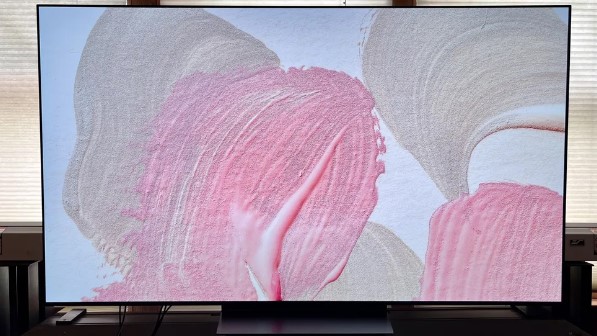
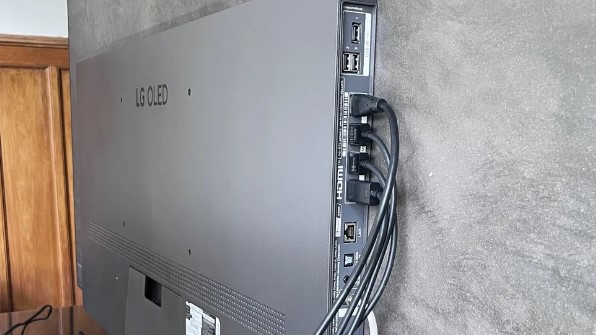
The C4 showcases impressively thin construction measuring approximately 1.8 inches at its deepest point. The screen sits within a nearly invisible metallic bezel creating an expansive glass-sheet appearance. Build quality feels premium with precision-fit panels and solid construction throughout. The center pedestal stand provides stable support while enabling placement on narrow furniture - though it complicates soundbar positioning directly in front of the TV. Wall-mounting reveals the C4's elegant profile with slight rear bulge accommodating internal components.
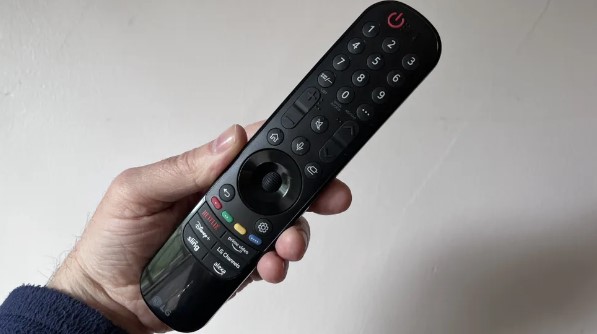
LG includes the Magic Remote with intuitive point-and-click functionality. The minimalist button layout provides direct access to major streaming services. Setup takes 30-45 minutes including stand attachment and initial software configuration. The C4 arrived well-packaged with clear instructions.
LG OLED C5 Design:
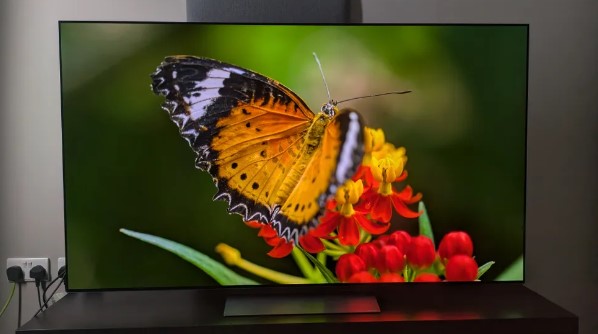
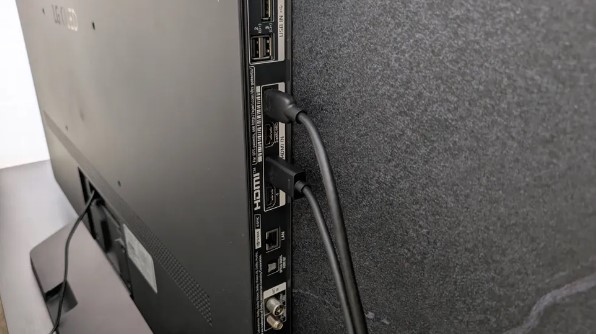
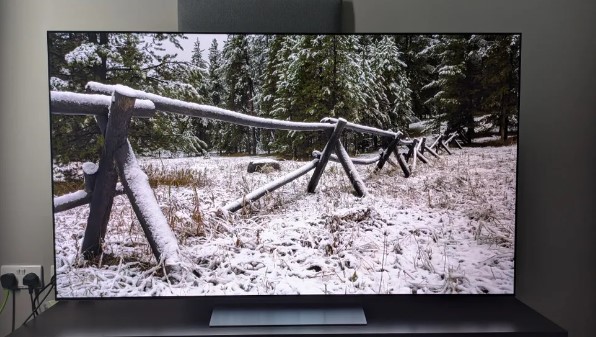
The C5 maintains identical dimensions and aesthetic as the C4 - distinguishing them visually proves impossible without powering them on. The same ultra-thin profile, metallic bezel, and center pedestal stand carry over unchanged. Build quality matches the C4's premium feel with excellent fit-and-finish throughout.
LG upgraded to a newer Magic Remote with revised button layout and slightly improved ergonomics. The remote charges via USB-C and functions identically to the C4's controller. Far-field voice control works reliably on both generations for basic commands. Setup process mirrors the C4 exactly.
Practically speaking, these TVs look and feel identical in living spaces. The C5's improvements live entirely inside the chassis - buyers seeking visual distinctiveness between generations will find none. Both TVs blend elegantly into any decor with their minimalist aesthetic.
LG C4 or C5: Owner Reviews
Let's examine what actual owners report after extensive viewing:
LG OLED C4 Owner Reviews:
Praises: "Incredible TV at the current sale price. The OLED blacks blow away my old LED TV - watching movies feels completely different. Gaming at 144Hz on my PC looks phenomenally smooth. Best purchase I've made in years."
"Picture quality is reference-grade right out of the box. Filmmaker Mode looks perfect with no calibration needed. The webOS interface is fast and includes every streaming app I use. Four HDMI 2.1 ports means I can connect everything simultaneously."
***
Drawbacks: "Built-in speakers sound thin compared to the picture quality. Bought a soundbar immediately. The center stand makes soundbar placement awkward - wish LG used edge-mounted feet instead."
"Bright room performance isn't as good as I hoped. Reflections show on the screen during daytime viewing with windows behind me. Still better than my old TV but mini-LED handles bright rooms better."
LG OLED C5 Owner Reviews:
Praises: "The AI upscaling is genuinely impressive. Old TV shows from streaming look way better than on my friend's C4. Worth it for someone who watches a lot of older content. webOS 25 feels snappier with better app organization."
"Noticeably brighter than my brother's C4 in HDR content. Side-by-side comparison showed the difference clearly in bright highlights. Color accuracy out of box is perfect - measured Delta-E under 1.5 without calibration."
***
Drawbacks: "At the same $1,200 price as the C4, I'm questioning if the improvements are noticeable enough. The AI upscaling is better but not transformative. Should have just gone with the proven C4."
"Had some weird HDR10 contouring in dark scenes that I didn't see on the C4. Firmware issue hopefully gets fixed. Otherwise the TV is excellent but this bug annoys me in certain content."
LG C4 and C5 Alternatives
If neither LG perfectly suits your needs, consider these strong alternatives:
- Sony Bravia 8 OLED: Competing WOLED with Sony processing, Acoustic Surface Audio+, Google TV, calibrated picture modes, excellent motion at $1,798 (55").
- Samsung S90D OLED: QD-OLED technology with superior brightness, anti-glare coating, 144Hz gaming, Tizen OS at $1,497 (55").
The Sony Bravia 8 OLED delivers exceptional processing through Sony's Cognitive Processor XR that rivals LG's Alpha 9 Gen 8 capabilities. The Acoustic Surface Audio+ technology vibrates the screen itself to create sound with impressive positional accuracy - potentially eliminating soundbar needs. Google TV provides excellent streaming integration with comprehensive app support. You sacrifice LG's four HDMI 2.1 ports (Sony provides only two) and slightly higher input lag makes it less ideal for competitive gaming. For movie purists who prioritize processing and audio, the Bravia 8 competes directly with the C5 at similar pricing.
The Samsung S90D OLED uses QD-OLED panel technology delivering measurably brighter images than either LG - particularly beneficial in well-lit rooms. The anti-glare coating dramatically reduces reflections that plague traditional OLED displays. Samsung's Tizen OS feels equally refined as webOS with comprehensive smart features. Gaming capabilities match LG's specs completely. You lose Dolby Vision support (Samsung uses HDR10+ instead) and the aggressive auto-brightness limiting can frustrate some users. Currently priced between the C4 and C5, the S90D offers compelling value for bright-room viewing.
Should You Buy the C4 or C5?
After comprehensive testing of both the LG OLED C4 and LG OLED C5, the value equation tilts decisively toward the C4 given current pricing.
Choose the LG OLED C4 if value matters most and you're buying right now. The current $1,197 street price (55-inch) matches the C5's launch price, making this an unprecedented value proposition. You receive identical gaming capabilities, the same fundamental OLED panel, and mature software that's already excellent. The brightness difference rarely impacts real-world viewing since both deliver perfect OLED blacks. The Gen 7 processor upscales competently for most content. At identical pricing, the decision becomes trickier - but the C4's proven track record, mature firmware, and widespread availability make it the safer choice for most buyers.
Choose the LG OLED C5 if you value the latest technology at equal pricing. The enhanced AI upscaling genuinely benefits viewers with extensive lower-resolution content libraries - classic TV shows, older movies, or 1080p streaming look noticeably sharper. The 10% brightness boost helps slightly in very bright rooms. webOS 25's enhanced features and one additional year of software support provide longer-term value. The improved out-of-box color accuracy (Delta-E 1.2 vs 1.8) and better panel uniformity consistency reduce calibration needs. At same pricing, the C5's objective improvements make it compelling for those wanting the newest refinements.
The fundamental question: At identical pricing, which should you buy? The C5 is objectively better in measurable ways - improved processing, better upscaling, enhanced brightness, superior color accuracy. However, the C4's mature software and proven reliability counter these advantages. Most buyers benefit from the C4's established track record and immediate availability. Enthusiasts wanting cutting-edge processing should choose the C5 for its refinements and longer support window. Either TV delivers the perfect blacks, infinite contrast, and lightning-fast response that make OLED the gold standard for home entertainment.

Jeb here, your go-to geek for everything from video projection to the latest tech trends. As an avid outdoorsman, I enjoy using monoculars and binoculars for hunting, traveling, and birdwatching. Join me in exploring the cool, quirky side of technology!


