Nothing Phone (3a) vs Google Pixel 9a: Comparison
Hey there! Today I'm comparing two compelling mid-range smartphones that launched in early 2025: the Nothing Phone (3a) and the Google Pixel 9a. Both deliver flagship-caliber experiences at accessible prices, but they accomplish this through wildly different strategies. Nothing emphasizes visual flair with its transparent design and Glyph lighting, while Google focuses on computational photography prowess and seven years of software support.
I've been testing both phones extensively over the past month, switching between them for daily tasks, photography sessions, and gaming. In this detailed comparison, I'll reveal which phone delivers the best overall value for your specific needs. Let's jump into this battle of budget champions!
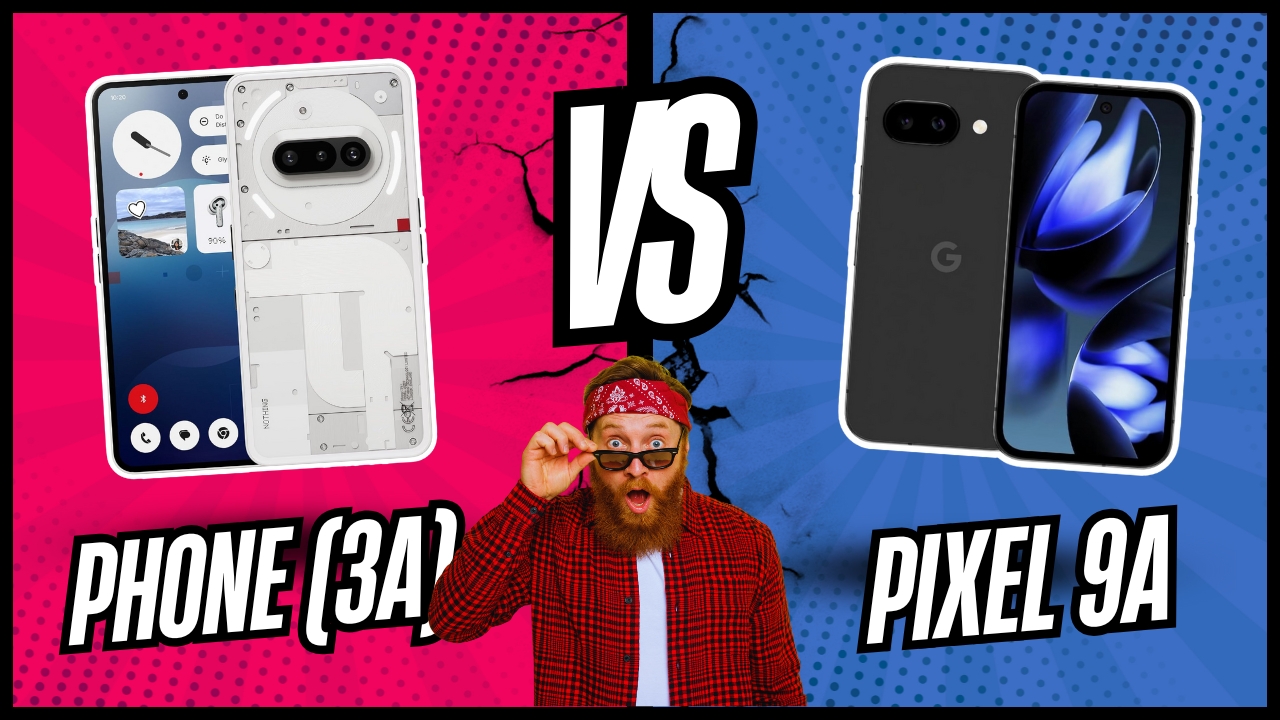
Nothing Phone (3a) vs Google Pixel 9a: Quick Overview
Here's what you need to know upfront: The Nothing Phone (3a) and Google Pixel 9a both target value-conscious buyers seeking premium features without flagship pricing. The Nothing Phone (3a) delivers a massive 6.77-inch display, triple camera system with 50MP sensors, and distinctive transparent design with Glyph lighting. The Pixel 9a counters with Google's Tensor G4 chip delivering superior processing power, industry-leading seven years of updates, and exceptional computational photography backed by years of refinement.
For most buyers, I recommend the Google Pixel 9a. Its Tensor G4 processor significantly outperforms the Snapdragon 7s Gen 3, while seven years of guaranteed updates provide unprecedented longevity. The compact 6.3-inch form factor proves more pocketable, and Google's camera software extracts stunning results from modest hardware. However, choose the Nothing Phone (3a) if you want a larger screen for media consumption, appreciate distinctive design with functional Glyph notifications, or need the versatility of a triple camera system including telephoto.
Table of Contents:
- Nothing Phone (3a) vs Google Pixel 9a: Full Comparison
- Google Pixel 9a vs Nothing Phone (3a): Design
- Nothing Phone (3a) or Google Pixel 9a: Owner Reviews
- Nothing Phone (3a) and Google Pixel 9a Alternatives
Nothing Phone (3a) vs Google Pixel 9a: Full Comparison
| Specification | Nothing Phone (3a) | Google Pixel 9a |
| Image |
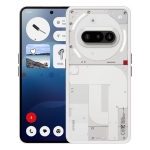 |
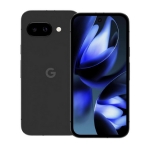 |
| Display Size | 6.77-inch AMOLED | 6.3-inch pOLED |
| Display Resolution | 1080 x 2392 (120Hz) | 1080 x 2424 (120Hz) |
| Peak Brightness | 3000 nits | 2700 nits |
| Dimensions | 163.5 x 77.5 x 8.4mm | 154.7 x 73.3 x 8.9mm |
| Weight | 201g | 186g |
| Processor | Snapdragon 7s Gen 3 | Google Tensor G4 |
| RAM Options | 8GB / 12GB | 8GB |
| Storage Options | 128GB / 256GB | 128GB / 256GB |
| Rear Cameras | 50MP main + 50MP telephoto + 8MP ultrawide | 48MP main + 13MP ultrawide |
| Front Camera | 32MP | 13MP |
| Optical Zoom | 2x telephoto | Super Res Zoom up to 8x |
| Video Recording | 4K@30fps | 4K@60fps |
| Battery Capacity | 5000mAh | 5100mAh |
| Charging Speed | 50W wired | 18W wired / 7.5W wireless |
| Water Resistance | IP64 | IP68 |
| Special Features | Glyph Interface lighting | Gemini AI integration |
| OS Updates | 3 years Android / 6 years security | 7 years Android / 7 years security |
| Price Range | $379-429 USD | $499 USD |
Both phones target budget-conscious buyers but take contrasting paths. Nothing prioritizes hardware specs and visual distinctiveness, while Google emphasizes software intelligence and long-term value through extended support.
The processor gap proves substantial in synthetic benchmarks. Google's Tensor G4 absolutely crushes the Snapdragon 7s Gen 3 in testing, delivering dramatically higher scores. Real-world performance feels smooth on both phones during typical tasks, but the Tensor G4 handles intensive apps and multitasking with noticeably more headroom. The Nothing Phone's 12GB RAM option helps compensate somewhat, but raw processing power favors Google decisively.
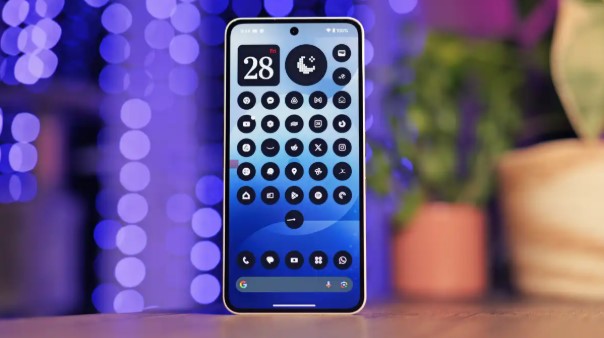
Display size creates the most obvious difference. The Nothing Phone's 6.77-inch screen provides expansive real estate perfect for media consumption and gaming. The Pixel 9a's compact 6.3-inch display feels refreshingly manageable in pockets and one-handed use. Both refresh at 120Hz smoothly, though the Nothing Phone's 3000-nit peak brightness edges ahead slightly. Your preference for screen size should heavily influence this decision.
Camera systems reveal divergent philosophies. The Nothing Phone delivers three distinct lenses including a dedicated 2x telephoto with a 50MP sensor. This hardware approach provides genuine optical zoom and versatility. The Pixel 9a counters with just two cameras but leverages computational photography magic refined over years. Google's software extracts extraordinary detail and color accuracy that Nothing's hardware can't match despite having more lenses. Night photography especially favors the Pixel dramatically.
Battery life proves comparable between these phones. The Pixel 9a's slightly larger 5100mAh cell edges ahead marginally, and both comfortably survive full days of typical use. The charging experience differs substantially. Nothing's 50W wired charging refills the battery dramatically faster than Google's leisurely 18W solution. The Pixel 9a includes wireless charging at 7.5W, which the Nothing Phone completely lacks.
Water resistance gives the Pixel 9a a decisive advantage. Its IP68 rating protects against submersion up to 1.5 meters for 30 minutes, while the Nothing Phone's IP64 rating only guards against splashes and dust. For pool owners, beach-goers, or anyone prone to dropping phones in toilets, this difference matters tremendously.
Software support represents the Pixel 9a's most compelling advantage. Seven years of guaranteed Android updates and security patches provide unprecedented longevity. The Nothing Phone's respectable three years of major updates and six years of security patches pale in comparison. For buyers planning to keep phones long-term, Google's commitment adds substantial value.
The Glyph Interface on the Nothing Phone's transparent back panel provides customizable LED light patterns for notifications and calls. Some users find this genuinely useful for discreet alerts, while others consider it a gimmick. The Pixel 9a's Gemini AI integration throughout the system provides practical assistance for tasks, searches, and content creation. Your preference between visual flair and AI utility should factor into this choice.
Google Pixel 9a vs Nothing Phone (3a): Design & Build
Both phones showcase distinctive design languages that reflect their brands' identities.
Nothing Phone (3a) Design:
Google Pixel 9a Design:
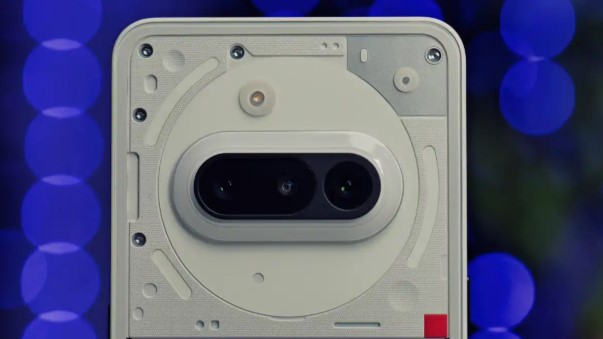
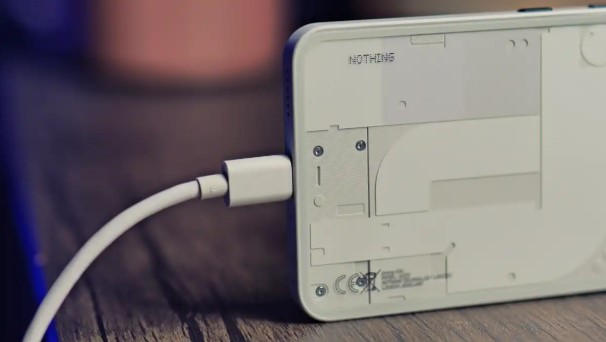
The Nothing Phone (3a) maintains the transparent aesthetic that defines the brand. The semi-transparent back panel reveals internal components and houses the signature Glyph Interface LED strips. Available in Black, White, and Blue, the glass back feels premium despite the IP64 rating limiting waterproofing. The camera bump protrudes noticeably in a horizontal bar arrangement housing three lenses.
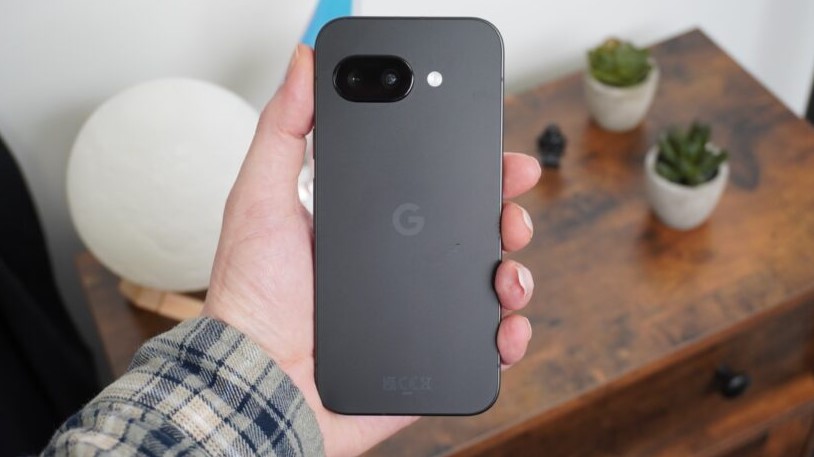
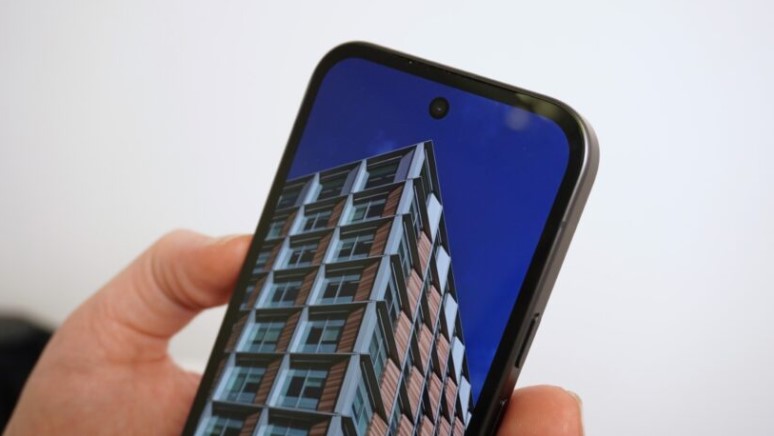
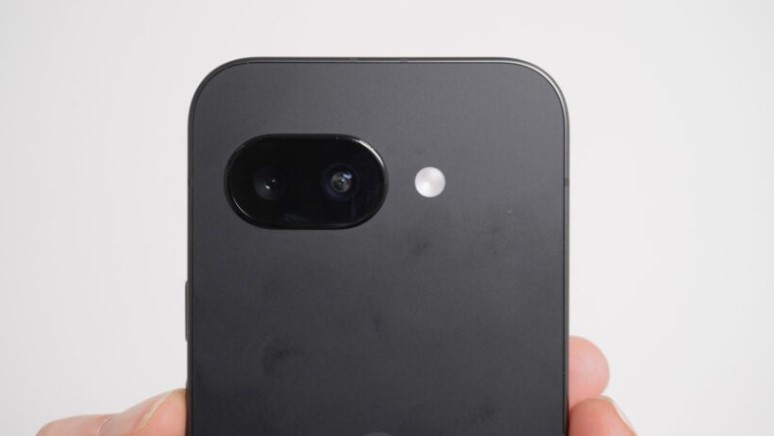
The Pixel 9a adopts Google's latest design direction with flat sides and rounded corners. The matte plastic back feels surprisingly premium and resists fingerprints effectively. Available in Obsidian, Porcelain, Iris, and Peony, the color options lean playful. The dual cameras sit nearly flush with the body, eliminating the prominent camera bar found on previous Pixels. This creates a cleaner profile that slips into pockets without catching.
Weight distribution affects daily comfort. The Nothing Phone's 201 grams feels substantial in hand, while the Pixel 9a's 186 grams proves noticeably lighter during extended use. The Nothing Phone's larger footprint requires two-handed operation more frequently. The Pixel 9a's compact dimensions enable comfortable one-handed use for most people.
Build quality meets expectations on both phones. The Nothing Phone employs glass front and back with aluminum rails, creating a premium feel that belies the price. The Pixel 9a uses Gorilla Glass 3 upfront with a composite plastic back that some might consider a downgrade aesthetically but adds durability through flexibility. Both phones feel solidly constructed without creaks or flex.
Nothing Phone (3a) or Google Pixel 9a: Owner Reviews
Real-world feedback from owners reveals how these phones perform beyond specifications:
Nothing Phone (3a) Owner Reviews:
Praises: "The Glyph lights are more useful than I expected. I can identify callers without looking at the screen, and the notification patterns help me filter importance without constant phone checks."
"Screen size is perfect for media. Watching videos and gaming on this big display makes smaller phones feel cramped now. The 120Hz smoothness enhances everything."
***
Drawbacks: "Camera quality disappoints compared to Pixel phones. Photos look decent in good light but struggle noticeably at night. The processing feels heavy-handed with oversaturated colors."
"Only three years of updates seems short for 2025. Paying nearly $400 and knowing software support ends relatively quickly bothers me when Pixel offers seven years."
Google Pixel 9a Owner Reviews:
Praises: "The camera punches way above its price point. Photos consistently impress with accurate colors and excellent detail. Night Sight makes low-light photography effortless."
"Compact size feels refreshing after years of increasingly large phones. It fits comfortably in pockets and I can actually reach the entire screen one-handed."
***
Drawbacks: "Charging speed feels glacial compared to competitors. Waiting hours for a full charge in 2025 seems unacceptable when budget phones charge in 30 minutes."
"The lack of telephoto lens shows in zoomed shots. Digital zoom works okay but can't match optical quality. Would gladly sacrifice wireless charging for a proper zoom lens."
Nothing Phone (3a) and Google Pixel 9a Alternatives
If neither phone perfectly matches your needs, these alternatives deserve consideration:
- OnePlus 12R: Flagship-level Snapdragon 8 Gen 2 processor at $549. Delivers superior gaming performance and 100W charging but costs more than both phones.
- Samsung Galaxy A56: Balanced mid-ranger with 50MP main camera, 6.7-inch display, and four years of updates at similar pricing. Lacks distinctive features but delivers solid reliability.
The OnePlus 12R appeals to performance enthusiasts willing to spend slightly more. Its flagship processor from 2024 crushes both comparison phones in benchmarks and gaming. The blazing 100W charging tops up the battery remarkably quickly. However, camera quality trails the Pixel 9a significantly, and software support remains less generous than Google's commitment.
The Galaxy A56 targets buyers seeking safe, familiar Samsung experiences. Its One UI software feels polished if somewhat bloated. Four years of updates split the difference between Nothing and Pixel commitments. The camera system proves competent without excelling. It represents a sensible middle ground lacking the distinctive character of either comparison phone.
Should You Buy the Nothing Phone (3a) or Google Pixel 9a?
After extensive real-world testing, both the Nothing Phone (3a) and Google Pixel 9a deliver compelling mid-range experiences.
Choose the Nothing Phone (3a) if screen size drives your decision. The 6.77-inch display provides genuinely superior media consumption and gaming experiences. The triple camera system with optical telephoto offers versatility that the Pixel lacks. Fast 50W charging proves convenient for topping up quickly. At $379, it undercuts the Pixel by significant margin for buyers prioritizing value.
Choose the Pixel 9a if long-term value matters most. Seven years of guaranteed updates provide peace of mind unmatched in this price segment. The Tensor G4 processor delivers noticeably superior performance for demanding apps. Camera quality consistently exceeds the Nothing Phone through computational photography refinement. The compact form factor suits one-handed use better. IP68 waterproofing protects your investment.
For most buyers, the Pixel 9a represents the smarter purchase despite costing more upfront. The extended software support effectively spreads the cost over seven years rather than three, making the effective annual ownership cost lower. The superior processor ensures smooth performance throughout that lengthy lifespan. The camera quality gap proves substantial in practical photography scenarios where computational processing matters.
The Nothing Phone (3a) appeals to specific buyers wanting larger screens, faster charging, and don't mind shorter update commitments. Its distinctive design with Glyph lighting provides unique character absent from the understated Pixel. The telephoto camera adds practical versatility for distant subjects. At $379, it delivers impressive value for hardware specifications.

Jim's our tech geek with a mission since February 2023. From movies to video projectors, he knows his stuff and aims to make tech work for you. When he's not geeking out, he's there to guide you through making savvy decisions.


