Best Wireless Earbuds under $50
Three months back, my nephew showed up at a family dinner complaining his expensive earbuds had died after falling in a puddle. Everyone started suggesting he save up for another premium pair. I pulled out my backup budget earbuds, let him try them for a week, and he came back genuinely confused about why he'd spent five times more on his previous set. The audio quality, battery life, and features on affordable earbuds have reached a point where spending over $50 requires specific needs most people don't actually have.
Modern budget earbuds deliver surprisingly robust sound, reliable connectivity, impressive battery life, and features that were exclusive to flagship models just two years ago. This guide examines the best wireless earbuds available under $50, focusing on which models provide genuine value rather than just meeting a price point. Whether you need active noise cancellation for commutes, open-ear comfort for all-day wear, or simply reliable audio that won't drain your wallet, there's a budget option that actually works.
If you're in a hurry, here are my top two picks for wireless earbuds under $50:
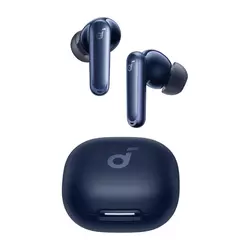
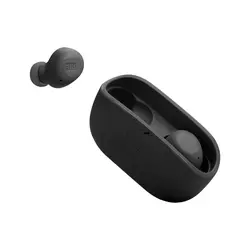
We may earn a small commission if you buy via our links - it helps keep gagadget.com running.
Table of Contents:
- Best Wireless Earbuds Under $50: Buying Guide
- Top 5 Budget Wireless Earbuds in 2026
- Cheap Wireless Earbuds: Comparison
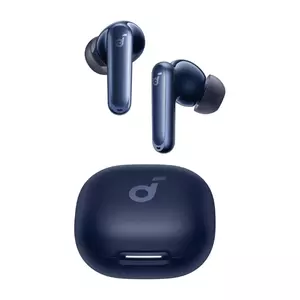
- Soundcore P40i by Anker
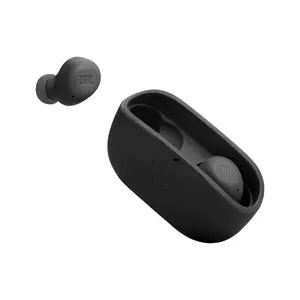
- JBL Vibe Buds
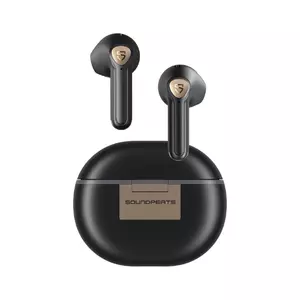
- SoundPEATS Air3 Deluxe HS
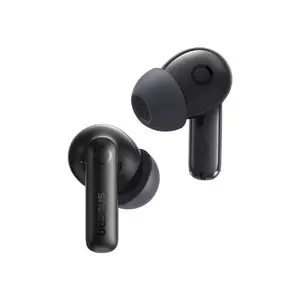
- Baseus Bass BP1 Pro
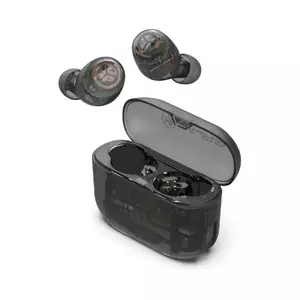
- JLab Go Air Pop
- Wireless Earbuds Under 50: FAQ
Best Wireless Earbuds Under $50: Buying Guide
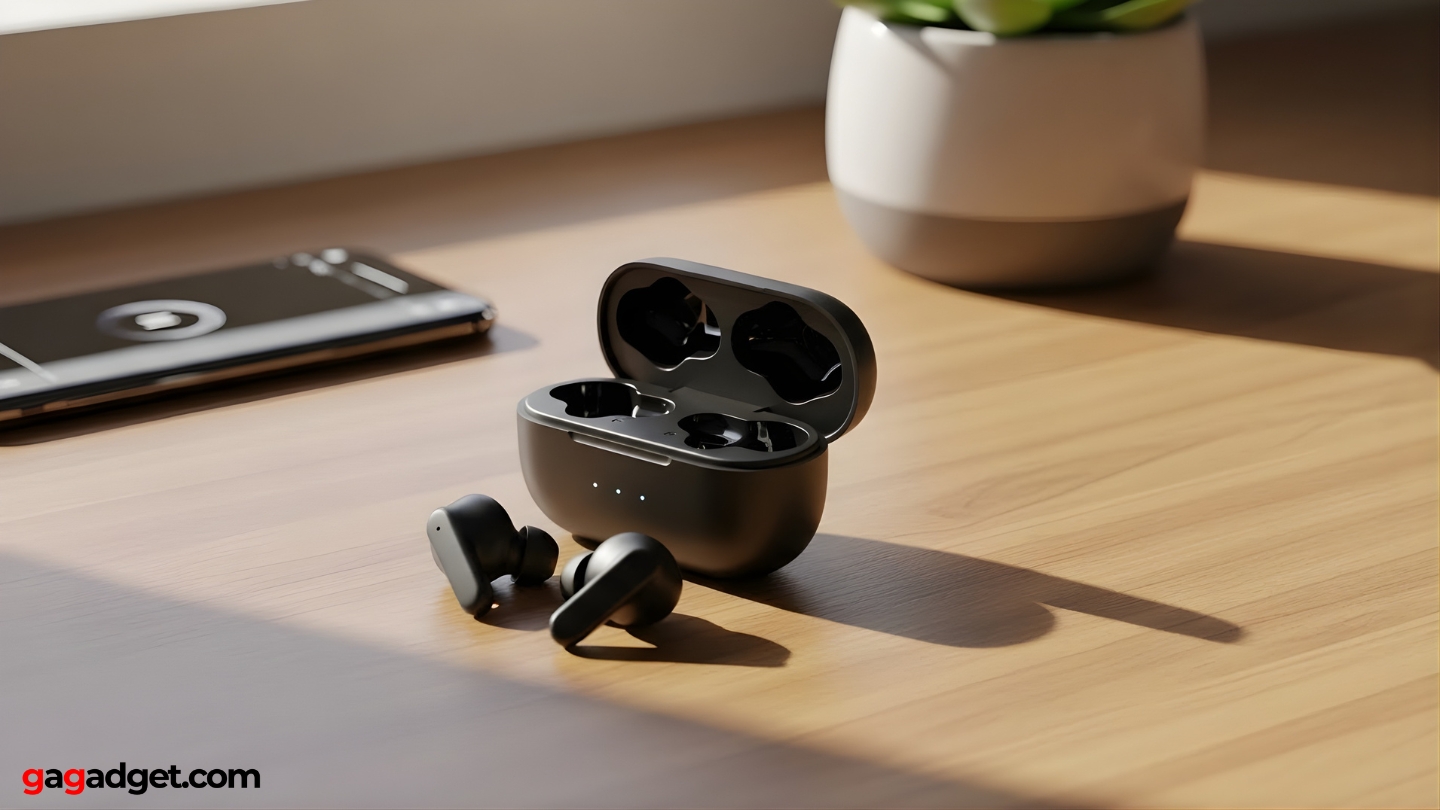
Selecting wireless earbuds under $50 requires understanding which features matter and which represent marketing fluff at this price point. After testing dozens of budget models across various listening scenarios, I've identified the factors that separate genuinely useful earbuds from disappointing purchases that end up in desk drawers.
Sound Quality vs Marketing Claims
Budget earbuds often advertise impressive driver sizes and frequency ranges that sound technical but reveal little about actual listening experience. What matters more involves tuning philosophy and codec support. Well-tuned earbuds with balanced frequency response provide more enjoyable listening than poorly implemented large drivers with exaggerated bass.
The best budget earbuds focus resources on proper audio tuning rather than flashy specifications, delivering balanced sound that works across different music genres without fatigue.
Codec support determines audio quality from your device to the earbuds. SBC codec comes standard with all Bluetooth earbuds and handles casual listening adequately. AAC codec improves quality noticeably on Apple devices. Advanced codecs like LDAC and aptX transmit significantly more audio data, approaching wired headphone quality. Finding LDAC support under $50 was impossible two years ago but has become increasingly common among quality budget options.
Active Noise Cancellation Realities
ANC technology has filtered down to budget earbuds, though expectations need calibration. Premium ANC eliminates most ambient noise across wide frequency ranges. Budget ANC typically handles steady background noise like air conditioning, traffic hum, and airplane drone effectively while struggling with irregular sounds like conversations or sudden noises.
The difference between adaptive ANC and basic ANC matters significantly. Adaptive systems adjust noise cancellation strength based on ambient sound levels, maintaining effectiveness across environments. Basic ANC applies constant cancellation that may feel excessive in quiet spaces or insufficient in loud ones. Premium budget models now include adaptive ANC, dramatically improving usability compared to first-generation implementations.
Battery Life and Charging Considerations
Battery performance separates truly portable earbuds from models that require frequent charging breaks. Single-charge playback varies from 4 hours in compact models to 12 hours in larger designs. Consider your typical usage patterns when evaluating specifications.
Modern charging cases extend total playtime to 24-60 hours, with quick charge features providing 2-3 hours of listening from just 10 minutes of charging time.
Wireless charging capability appears increasingly in budget earbuds, eliminating cable dependency if you already own wireless chargers. USB-C charging has become standard, though some ultra-budget models still use outdated micro-USB connectors. Fast charging matters more than many realize, transforming how you interact with earbuds throughout the day.
Fit, Comfort, and Build Quality
Earbud design philosophy splits between traditional in-ear models with silicone tips and open-ear designs that rest against your ear without entering the canal. In-ear models provide superior noise isolation and bass response but cause discomfort during extended wear for some users. Open-ear designs sacrifice some bass and isolation for all-day comfort and environmental awareness.
Water resistance ratings indicate durability against sweat and weather. IPX4 rating handles sweat and light rain adequately for most users. IPX5 withstands more substantial water exposure including showers and heavy rain. IP55 adds dust protection, beneficial for outdoor activities and dusty environments. Budget earbuds increasingly include water resistance that was premium-only features previously.
Connectivity and Controls
Bluetooth 5.0 or newer ensures stable connections and reasonable range. Multipoint connectivity enables simultaneous pairing with two devices, letting you switch between phone and laptop without manual reconnection. This feature has migrated from premium models to mid-tier budget options.
Touch controls work reliably on well-designed budget earbuds, though physical buttons often provide more consistent operation in cold weather or while exercising.
Companion apps transform basic earbuds into customizable audio solutions. Quality apps provide EQ adjustment, control customization, firmware updates, and device location features. Poor apps crash frequently, drain battery, and create more frustration than benefit. The difference between good and bad app experiences significantly impacts daily usability.
Top 5 Budget Wireless Earbuds in 2026
After extensive testing in various environments and use cases, I've selected the five wireless earbuds under $50 that best balance performance, features, and value. These models represent the most practical solutions for budget-conscious listeners.
- Adaptive ANC with multiple environment modes
- Exceptional 60-hour total battery life
- Case doubles as phone stand
- Wireless charging support
- Comprehensive Soundcore app with HearID
- Six mics with AI noise reduction for calls
- Excellent sound quality with balanced tuning
- Smart Ambient features (TalkThru, Ambient Aware)
- 32 hours total battery life
- Fast charging (10 min = 2 hours)
- Intuitive JBL Headphones app
- Comfortable bud design without stems
- Hi-Res Audio certification with LDAC codec
- Extremely comfortable open-ear design
- Large 14.2mm drivers
- 10-band custom EQ with extensive adjustment
- Gaming mode with 60ms low latency
- Environmental awareness for safety
- Excellent adaptive ANC with -50dB reduction
- LDAC Hi-Res audio codec support
- Volume-adaptive EQ technology
- Exceptional 55-hour total battery (ANC off)
- IP55 water and dust resistance
- Bluetooth 6.0 with multipoint connectivity
- Exceptional value under $25
- Solid 32-hour total battery life
- Built-in USB charging cable
- Three EQ presets without app requirement
- Lightweight and comfortable design
- Available in multiple colors
Cheap Wireless Earbuds: Comparison
To help you quickly assess the technical differences between these top budget earbuds, here's a detailed comparison table:
| Specification | Soundcore P40i | JBL Vibe Buds | SoundPEATS Air3 Deluxe HS | Baseus Bass BP1 Pro | JLab Go Air Pop |
| Design Type | In-ear with stems | In-ear buds | Semi-in-ear (open) | In-ear with stems | In-ear buds |
| Driver Size | 11mm dynamic | 8mm dynamic | 14.2mm dynamic | 10mm dynamic | 6mm dynamic |
| Active Noise Cancellation | Adaptive ANC | No (Smart Ambient) | No | Adaptive ANC (-50dB) | No |
| Battery Life (Earbuds) | 12 hours (ANC off) / 10 hours (ANC on) | 8 hours | 5 hours | 12 hours (ANC off) / 7 hours (ANC on) | 8 hours |
| Total Battery (with Case) | 60 hours | 32 hours | 20 hours | 55 hours (ANC off) / 36 hours (ANC on) | 32 hours |
| Bluetooth Version | 5.3 | 5.2 | 5.2 | 6.0 | 5.1 |
| Audio Codecs | SBC, AAC | SBC, AAC | SBC, AAC, LDAC | SBC, AAC, LDAC | SBC |
| Water Resistance | IPX5 | IPX4 | IPX4 | IP55 | IPX4 |
| Microphones | 6 mics (AI algorithm) | 2 mics per earbud | 4 mics (dual per earbud) | 6 mics (AI noise reduction) | 2 mics |
| Wireless Charging | Yes | No | No | No | No |
| Fast Charging | 10 min = 5 hours | 10 min = 2 hours | Standard | 10 min = 2.5 hours | Standard |
| Special Features | Case doubles as phone stand, BassUp technology | Smart Ambient, VoiceAware, JBL Deep Bass | Hi-Res Audio certified, LDAC, gaming mode (60ms) | Real-time adaptive ANC, volume-adaptive EQ, multipoint | Built-in USB cable, 3 EQ presets, color options |
| App Support | Soundcore app (extensive) | JBL Headphones app | SoundPEATS app (10-band EQ) | Baseus app (5 ANC modes) | No app (manual EQ switching) |
Each model addresses different priorities, from Anker's feature-packed versatility to JLab's ultra-affordable entry point and SoundPEATS' Hi-Res audio quality.
Soundcore P40i by Anker Review
Editor's Choice

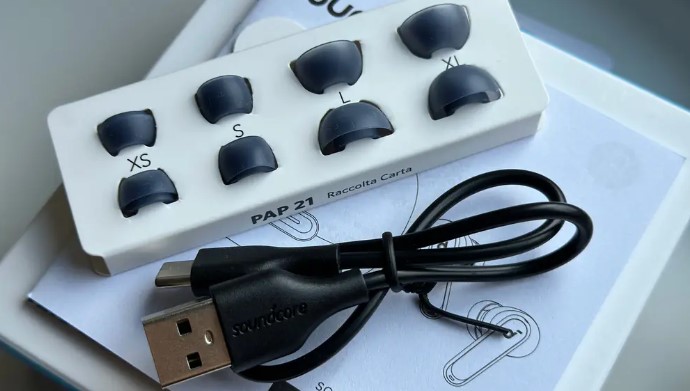
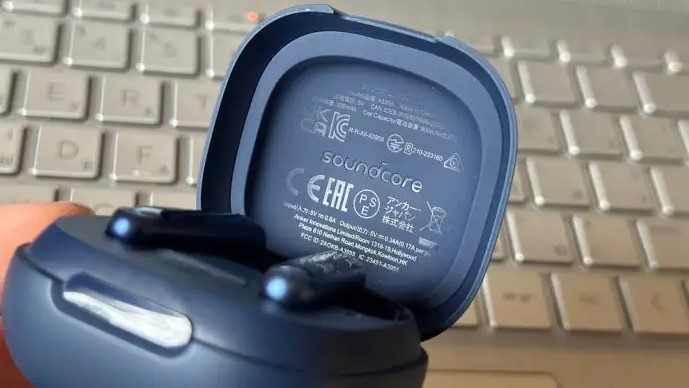
The Soundcore P40i by Anker represents what happens when an established audio brand applies premium engineering to budget constraints. These earbuds pack adaptive noise cancellation, wireless charging, and exceptional battery life into a package that costs less than many people spend on lunch for two. The result challenges assumptions about what budget audio equipment can deliver.
Anker's adaptive ANC system adjusts cancellation strength automatically based on ambient noise levels, switching seamlessly between indoor, outdoor, commuting, and custom modes. The technology handles airplane noise, coffee shop chatter, and street traffic more effectively than most competitors at twice the price. Combined with proper ear tip fit, these earbuds create genuinely quiet listening environments without the pressure sensation some ANC implementations produce.
Sound quality benefits from 11mm composite drivers enhanced by BassUp technology that analyzes audio in real-time and dynamically boosts low frequencies. The result provides substantial bass presence without overwhelming mids or highs. Vocals maintain clarity even in bass-heavy tracks, while instrument separation remains distinct across complex arrangements. The Soundcore app offers extensive EQ customization including HearID that creates personalized sound profiles based on hearing test results.
The charging case doubles as a phone stand through a clever flip-out panel, eliminating the need to carry separate stands for video watching. This feature seems gimmicky until you actually use it during flights or while cooking, then it becomes indispensable. The case supports wireless charging and provides 60 hours of total playback with ANC disabled, dropping to 50 hours with cancellation active.
Six microphones combined with AI algorithms deliver surprisingly clear calls. The system isolates your voice effectively even in windy conditions or noisy environments. Multipoint connectivity works reliably, automatically switching between paired devices as you start audio playback. I've been using P40i earbuds for three months as my daily drivers, and they've handled everything from video conferences to gym sessions to long flights without meaningful complaints. The adaptive ANC impressed me most during a recent transatlantic flight where it eliminated engine drone so effectively I forgot to appreciate it until turbulence reminded me I was on a plane. Battery life has matched advertised claims consistently, regularly providing full workdays plus evening entertainment without needing the case.
Pros:
- Adaptive ANC with multiple environment modes
- Exceptional 60-hour total battery life
- Case doubles as phone stand
- Wireless charging support
- Comprehensive Soundcore app with HearID
- Six mics with AI noise reduction for calls
Cons:
- No LDAC codec support
- Touch controls occasionally register unintended taps
Summary: The Soundcore P40i by Anker delivers premium features at a budget price point, making it the most versatile option for users who want comprehensive functionality without compromise. Its combination of adaptive ANC, wireless charging, exceptional battery life, and innovative phone stand case creates value that extends well beyond the modest price tag. While lacking Hi-Res codec support, the P40i's overall package makes it the best choice for most budget earbud buyers.
JBL Vibe Buds Review
Best Overall
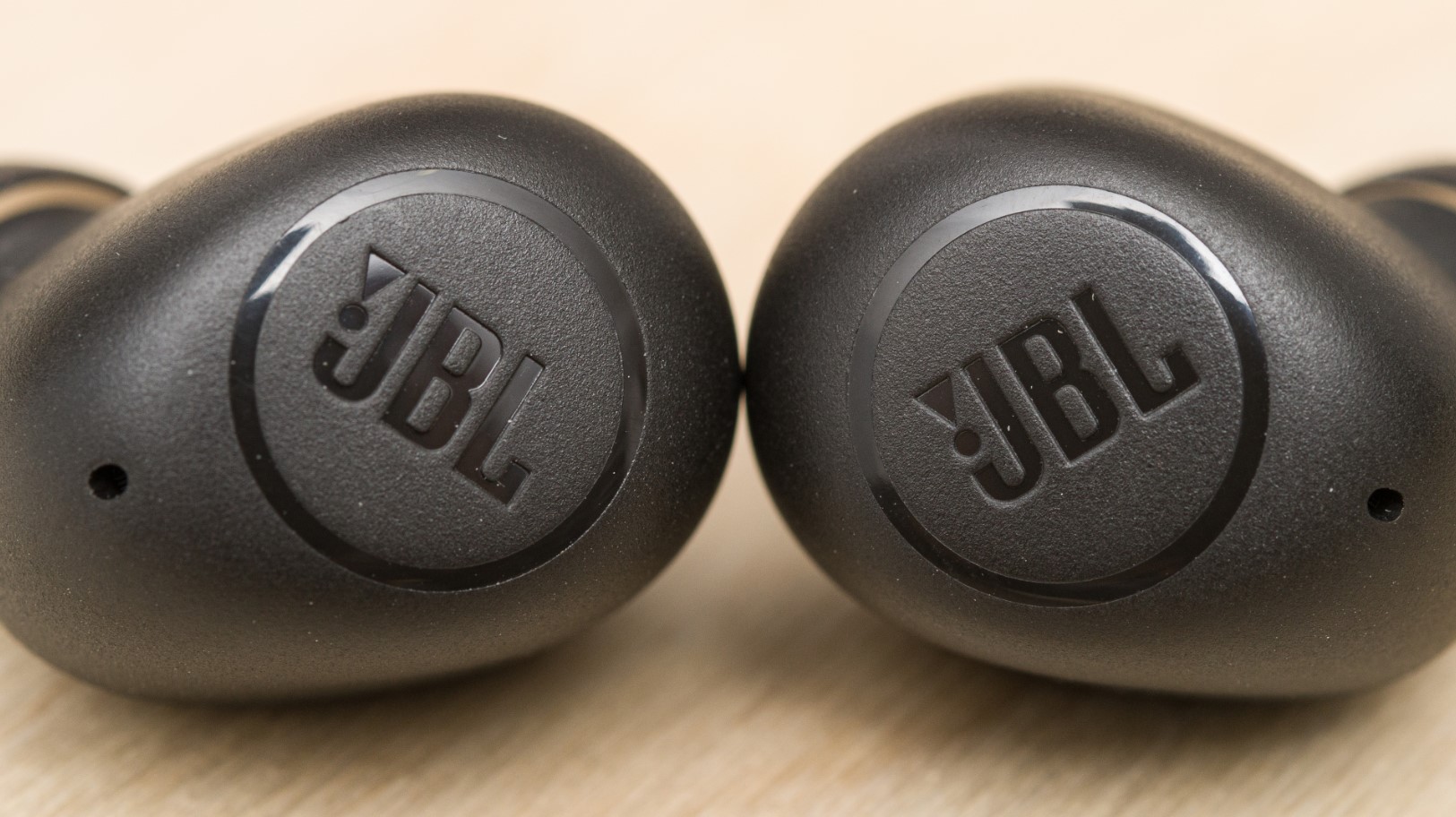
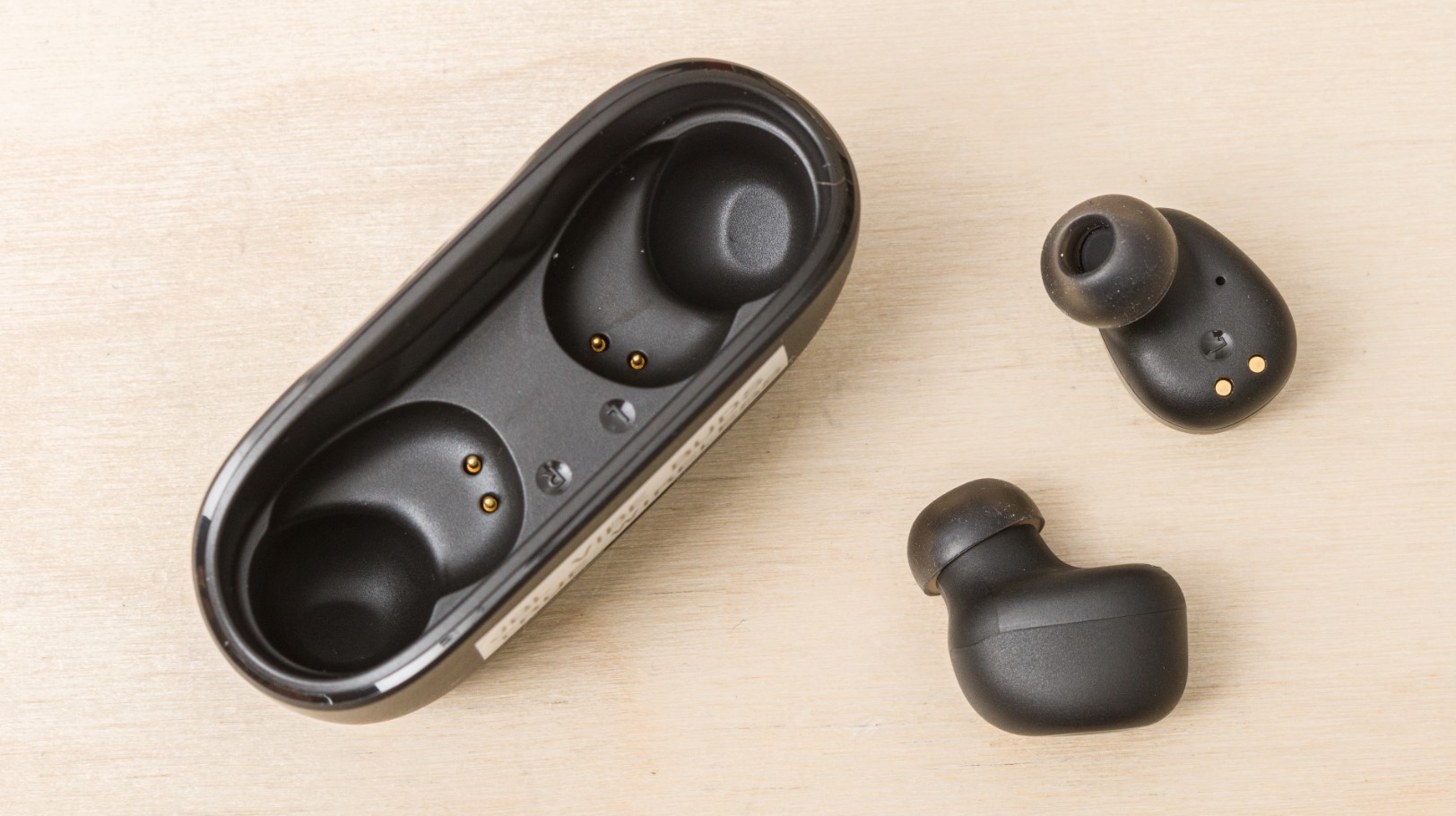
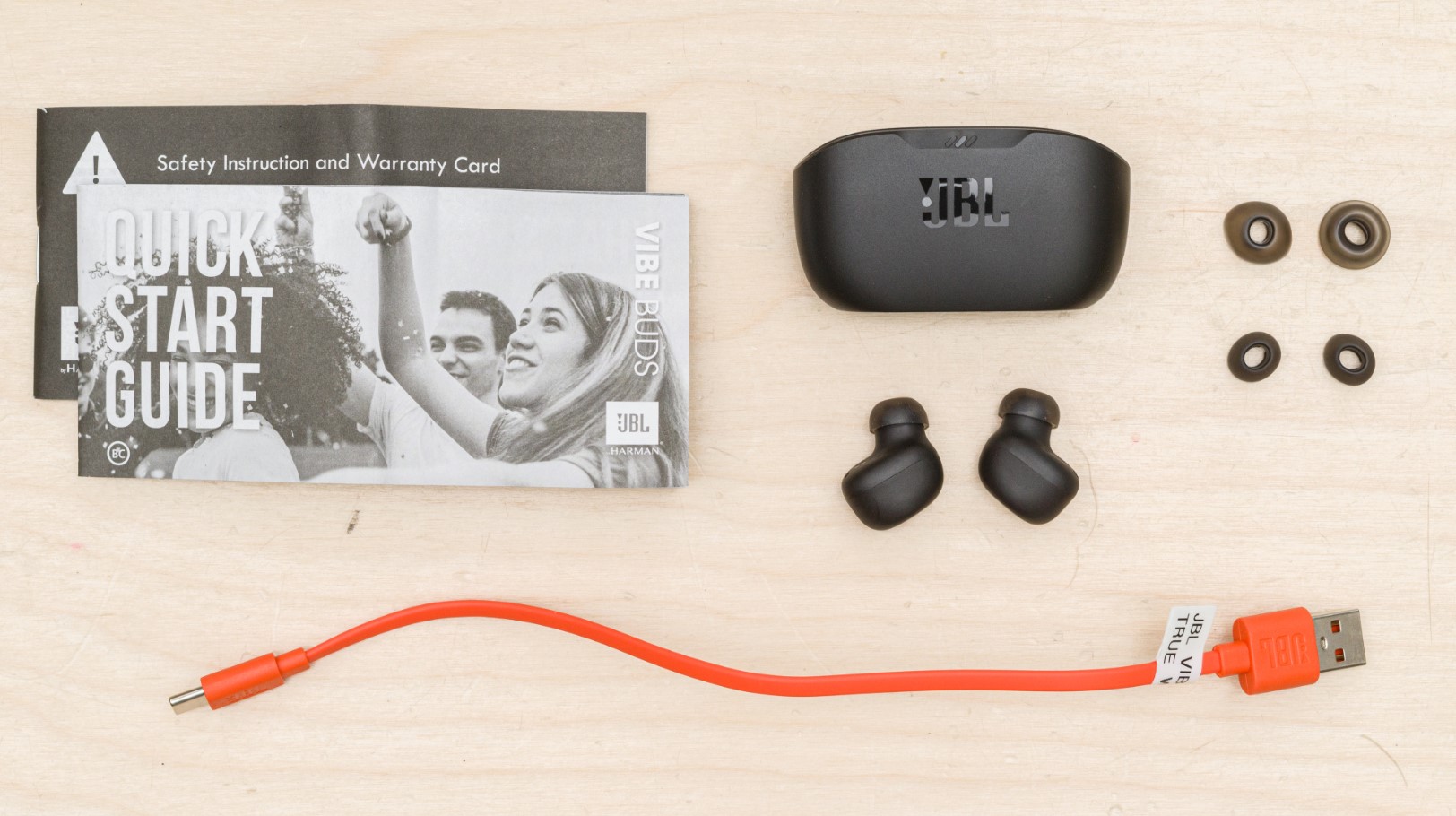
The JBL Vibe Buds demonstrate that established audio companies bring meaningful advantages to budget markets. JBL's decades of speaker and headphone engineering translate into earbuds that simply sound better than most competitors at this price. The familiar bud-style design without protruding stems appeals to users who prefer discreet earbuds that don't advertise their presence.
JBL Deep Bass Sound represents more than marketing terminology. The 8mm drivers deliver bass that feels tight and controlled rather than boomy and overwhelming. Low frequencies provide satisfying punch without muddying mids or creating listening fatigue. The tuning philosophy emphasizes balance across the frequency spectrum, making these earbuds equally suitable for hip-hop, classical music, podcasts, and audiobooks.
Smart Ambient technology enables environmental awareness without removing earbuds. TalkThru mode lowers music volume and amplifies speech for quick conversations. Ambient Aware mode maintains music playback while letting in surrounding sounds for safety during runs or walks. VoiceAware feature lets you adjust how much of your own voice you hear during calls, preventing the disconnected feeling some earbuds create.
Battery performance provides 8 hours per charge plus 24 hours from the case, totaling 32 hours of playback. Fast charging delivers 2 additional hours from just 10 minutes connected. The IPX4 water resistance handles sweat and rain adequately for workouts and commutes. The compact charging case slips easily into pockets without creating bulk.
The JBL Headphones app unlocks full functionality through customizable EQ settings, control adjustment, and firmware updates. The app interface feels intuitive and responsive, avoiding the clunky experience many budget earbud apps provide. Touch controls work reliably once you learn the gesture patterns, though adjusting earbuds in your ears occasionally triggers unintended commands. I've found the Vibe Buds excel at their intended purpose of providing quality sound for everyday listening without unnecessary complexity. They connect quickly, sound good across music genres, and maintain comfortable fit during extended wear. The lack of ANC hasn't bothered me as much as expected because passive isolation works well with proper ear tip fit.
Pros:
- Excellent sound quality with balanced tuning
- Smart Ambient features (TalkThru, Ambient Aware)
- 32 hours total battery life
- Fast charging (10 min = 2 hours)
- Intuitive JBL Headphones app
- Comfortable bud design without stems
Cons:
- No active noise cancellation
- No wireless charging
Summary: The JBL Vibe Buds represent what happens when audio expertise meets budget constraints, delivering sound quality that punches well above the price point. While lacking ANC and wireless charging found on some competitors, the Vibe Buds focus resources on audio performance and Smart Ambient features that enhance daily usability. For listeners who prioritize sound quality and reliable performance over feature checklists, these earbuds provide exceptional value.
SoundPEATS Air3 Deluxe HS Review
Best Open-Ear
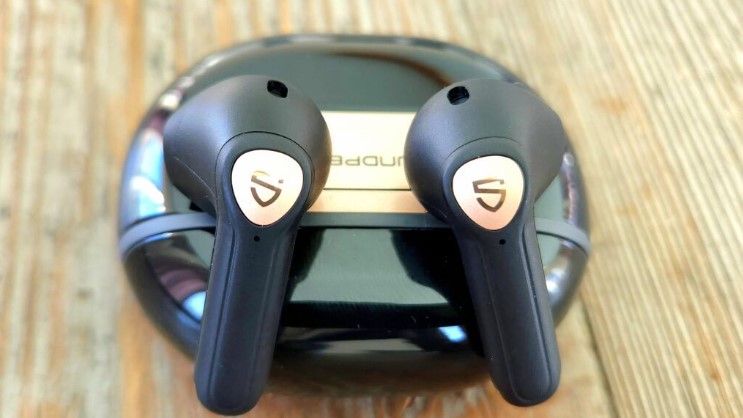
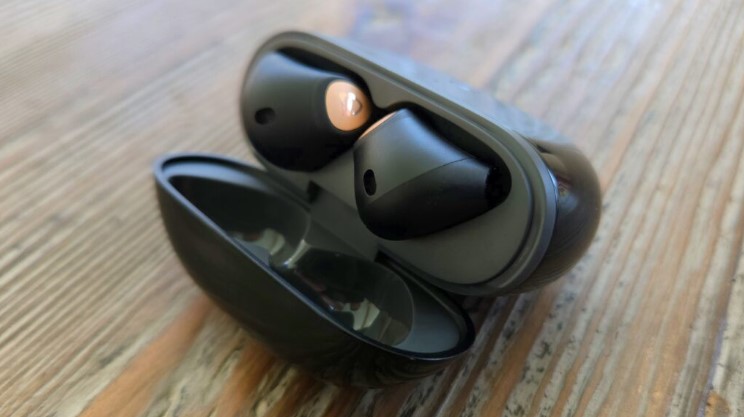
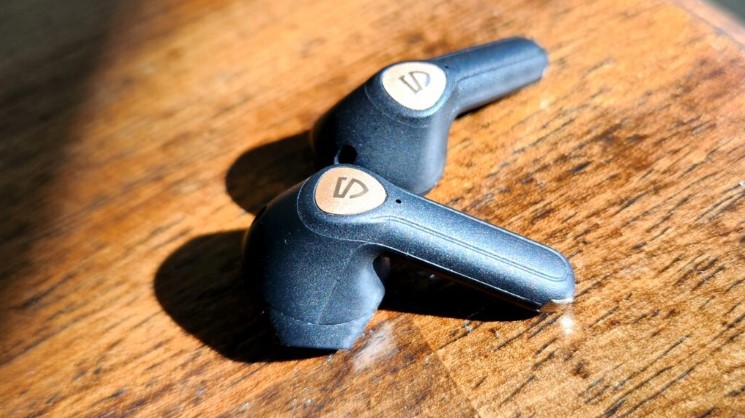
The SoundPEATS Air3 Deluxe HS brings Hi-Res audio certification to the budget category through an open-ear design that prioritizes all-day comfort. The semi-in-ear format rests against your ear opening rather than sealing inside the canal, eliminating pressure and enabling extended wear without discomfort. This design philosophy sacrifices some bass response and passive noise isolation for comfort that lets you forget you're wearing earbuds.
LDAC codec support enables transmission of three times more audio data than standard Bluetooth, approaching wired headphone quality when streaming from compatible Android devices. The 14.2mm dynamic drivers represent unusually large hardware for any earbuds, let alone budget models, providing detail and clarity that justify the Hi-Res Audio certification from the Japan Audio Society. The open design creates an airy, spacious soundstage that makes music feel less confined compared to sealed in-ear models.
The SoundPEATS app provides 10-band custom EQ with ±6dB adjustment range, enabling precise sound tuning impossible on most budget earbuds. Adaptive EQ runs hearing tests to create personalized sound profiles. Gaming mode reduces latency to 60ms for synchronized audio during mobile gaming. In-ear detection automatically pauses playback when removing earbuds and resumes when replacing them.
Battery life provides 5 hours per charge with 20 hours total including the case, falling below competitors but remaining adequate for most daily use. Four microphones with AI noise cancellation handle calls better than expected for open-ear design, though performance trails sealed in-ear models in very noisy environments. IPX4 water resistance protects against sweat and light rain.
The open-ear design creates trade-offs worth understanding. Bass response feels lighter than sealed models because low frequencies dissipate more easily. Environmental noise bleeds through constantly, making these unsuitable for loud commutes or noisy offices where isolation matters. However, the same characteristic enables environmental awareness beneficial for runners, cyclists, and anyone needing to hear surroundings while listening. During two months of daily use, I've appreciated the Air3 Deluxe HS most during work-from-home days when wearing earbuds for 6-8 hours would create discomfort with sealed models. The open design lets me participate in household conversations without removing earbuds, and the LDAC quality makes music streaming genuinely enjoyable rather than merely acceptable.
Pros:
- Hi-Res Audio certification with LDAC codec
- Extremely comfortable open-ear design
- Large 14.2mm drivers
- 10-band custom EQ with extensive adjustment
- Gaming mode with 60ms low latency
- Environmental awareness for safety
Cons:
- Lighter bass response due to open design
- No noise isolation or ANC
- Shorter 20-hour total battery life
Summary: The SoundPEATS Air3 Deluxe HS targets users who value comfort and audio quality over noise isolation, delivering Hi-Res certified sound through an open-ear design that enables all-day wear. The LDAC codec support and extensive EQ customization provide audio quality rarely found under $50, while the semi-in-ear format creates environmental awareness beneficial for active users. These earbuds suit anyone seeking comfortable, high-quality audio for extended listening rather than isolated, bass-heavy sound.
Baseus Bass BP1 Pro Review
Best ANC

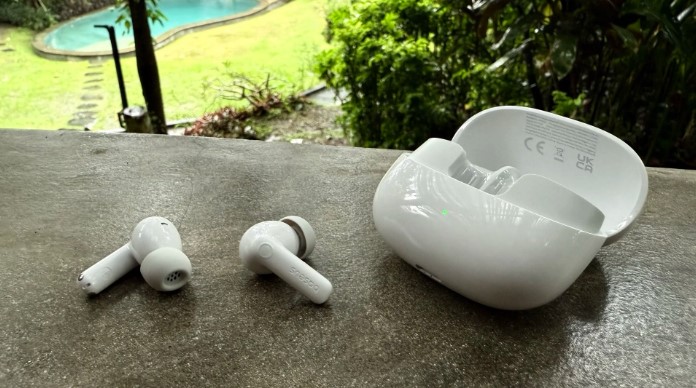
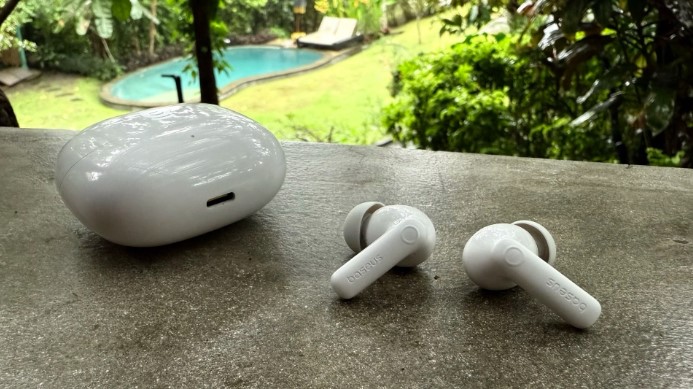
The Baseus Bass BP1 Pro demonstrates how far budget ANC technology has advanced, delivering noise cancellation that rivals models costing twice as much. Four real-time noise sensors detect ambient sound across a 4kHz wideband range and reduce it by up to 50dB, creating quiet listening environments in challenging locations like buses, trains, and open offices.
The adaptive hybrid ANC system adjusts cancellation strength automatically, but the Baseus app enables manual selection between five modes optimized for different environments. Indoor mode applies gentle cancellation for quiet spaces. Outdoor mode handles wind noise and traffic. Commuting mode provides maximum cancellation for public transportation. Custom mode lets you dial in specific cancellation levels. The system works impressively well, eliminating steady background noise while minimizing the pressure sensation some ANC creates.
Volume-adaptive Active EQ technology adjusts sound signature based on listening volume, maintaining balanced audio whether listening quietly during work or loudly during workouts. LDAC codec support provides Hi-Res audio quality on compatible Android devices. SuperBass and SuperBalance modes cater to different listening preferences, with SuperBass emphasizing low frequencies for electronic music and SuperBalance providing neutral tuning for acoustic genres.
Battery performance delivers 12 hours per charge with ANC disabled, dropping to 7 hours with cancellation active. The charging case extends total playtime to 55 hours without ANC or 36 hours with ANC enabled. Rapid charging provides 2.5 hours of playback from just 10 minutes connected. Bluetooth 6.0 ensures stable connectivity and efficient power management. Six microphones with AI noise reduction handle calls clearly even in noisy environments.
IP55 rating protects against both water and dust, making these suitable for workouts and outdoor activities. Multipoint connectivity enables simultaneous pairing with two devices. Gaming mode reduces latency for synchronized audio during mobile gaming. The Baseus app requires account creation and requests numerous permissions, which feels excessive but unlocks extensive customization. I've been using the BP1 Pro for daily commutes where the adaptive ANC transforms my experience on crowded trains. The noise cancellation works so effectively that I've had to enable transparency mode to hear station announcements. Battery life has consistently exceeded expectations, rarely requiring midweek charging despite daily use.
Pros:
- Excellent adaptive ANC with -50dB reduction
- LDAC Hi-Res audio codec support
- Volume-adaptive EQ technology
- Exceptional 55-hour total battery (ANC off)
- IP55 water and dust resistance
- Bluetooth 6.0 with multipoint connectivity
Cons:
- App requires account and excessive permissions
- Bulkier charging case than competitors
- LDAC reduces battery life significantly
Summary: The Baseus Bass BP1 Pro delivers premium noise cancellation at a budget price, making it ideal for commuters and travelers who need effective ANC without spending flagship prices. The combination of adaptive cancellation, LDAC codec, volume-adaptive EQ, and exceptional battery life creates value that exceeds the modest cost. While the app experience could improve and the case feels bulky, the core audio and ANC performance justify choosing these earbuds for noise-sensitive environments.
JLab Go Air Pop Review
Best Budget
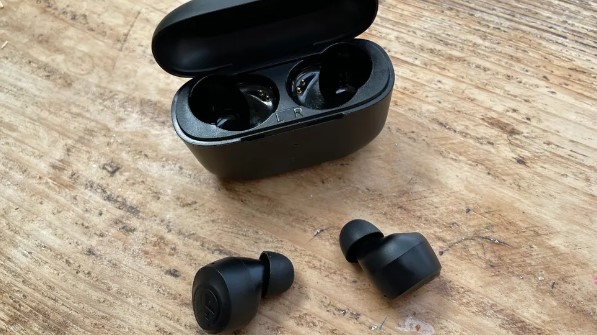
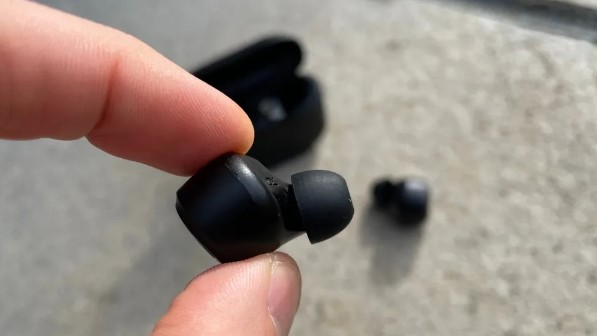
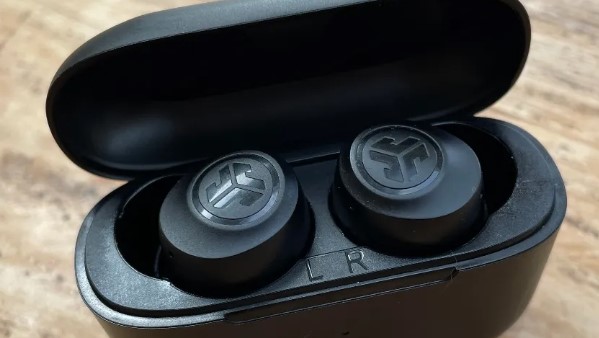
The JLab Go Air Pop proves that functional wireless earbuds need not cost more than dinner for two. These ultra-affordable earbuds deliver surprisingly competent audio, reliable connectivity, and practical battery life in a package small enough to forget in your pocket. While they make obvious compromises compared to premium options, the Go Air Pop succeeds by focusing on essentials rather than attempting unnecessary features.
Sound quality exceeds expectations for sub-$25 earbuds through well-implemented 6mm drivers and three EQ presets. JLab Signature mode emphasizes bass and vocals for most music genres. Balanced mode provides neutral tuning for podcasts and audiobooks. Bass Boost mode enhances low frequencies for workouts and electronic music. Triple-tapping either earbud cycles through presets, indicated by voice prompts. The tuning feels warm and engaging rather than harsh or fatiguing.
Battery life delivers 8 hours per charge with 32 hours total including the case, matching or exceeding many earbuds costing twice as much. The compact charging case includes a built-in USB cable that eliminates the need to carry separate charging cables. This seemingly simple feature transforms usability, enabling charging anywhere with USB ports without planning ahead. IPX4 water resistance handles sweat and light rain adequately.
Touch controls provide play/pause, track navigation, volume adjustment, and call management through various tap combinations. The controls work reliably once learned, though occasionally registering unintended commands when adjusting fit. The lack of companion app means no firmware updates, customization, or advanced features, but also eliminates setup complexity and battery drain from background processes.
Passive noise isolation works surprisingly well with proper ear tip fit, blocking ambient noise without requiring ANC. Call quality remains adequate in quiet environments but struggles with background noise due to basic two-microphone implementation. Bluetooth 5.1 provides stable connectivity within normal range, though lacking newer standards' power efficiency. I've kept Go Air Pop earbuds as backup in my laptop bag for six months, and they've rescued me multiple times when forgetting primary earbuds or needing to lend someone audio equipment. They sound better than expected, connect reliably, and cost little enough that loss or damage doesn't create financial stress. The built-in charging cable has proven more useful than anticipated, enabling opportunistic charging from any USB port.
Pros:
- Exceptional value under $25
- Solid 32-hour total battery life
- Built-in USB charging cable
- Three EQ presets without app requirement
- Lightweight and comfortable design
- Available in multiple colors
Cons:
- No ANC or advanced features
- Basic call quality in noisy environments
- No companion app
Summary: The JLab Go Air Pop represents the minimum viable product for wireless earbuds, delivering essential functionality without unnecessary complexity. While lacking ANC, app support, and advanced codecs, these earbuds provide reliable audio, practical battery life, and thoughtful features like the built-in charging cable at a price that removes purchase anxiety. They suit anyone seeking backup earbuds, first-time wireless users, or simply quality audio on the smallest possible budget.
Wireless Earbuds Under $50: Your Questions Answered
After helping friends and family select their first wireless earbuds and testing numerous budget models across different scenarios, certain questions emerge consistently. Here are the answers that matter most when choosing your wireless earbuds under $50.
Do cheap wireless earbuds actually sound good, or should I save more money?
Budget wireless earbuds have improved dramatically over the past two years. Modern budget models often sound better than premium earbuds from three years ago due to improved drivers, tuning expertise, and better codec support. However, expectations need calibration. Budget earbuds won't match flagship models in detail retrieval, soundstage width, or high-resolution playback. They will provide enjoyable listening for casual use, workouts, commutes, and most daily activities. Save more money if you're an audiophile seeking reference-quality sound or need specific professional features. Otherwise, quality budget earbuds satisfy most listeners.
Is active noise cancellation worth having on budget earbuds?
Budget ANC has reached usability where it provides genuine value rather than merely checking feature boxes. Modern budget implementations like adaptive ANC effectively handle steady background noise including airplane engines, air conditioning, traffic hum, and office chatter. They struggle more with irregular sounds and won't match premium flagship cancellation, but the difference matters less in practice than specifications suggest. Consider your environment when evaluating ANC necessity. Daily commuters and frequent travelers benefit significantly. Home listeners and quiet office workers may prefer spending budget allocation on better audio quality instead.
What's the real difference between SBC, AAC, and LDAC audio codecs?
Audio codecs determine how much musical information transmits from your device to earbuds. SBC provides basic Bluetooth audio adequate for podcasts and casual listening but noticeably compresses music. AAC improves quality substantially on Apple devices and many Android phones, delivering cleaner highs and tighter bass. LDAC transmits three times more data than SBC, approaching CD-quality audio. The difference becomes obvious when listening to well-recorded music on quality sources. However, codec support requires compatible source devices. iPhones don't support LDAC, while many Android phones do. Check your device specifications before prioritizing LDAC.
How important is battery life, and what numbers should I look for?
Battery specifications matter more than many buyers realize. Single-charge playback determines whether earbuds survive your longest typical use without interruption. Eight hours handles most daily scenarios including workdays and flights. Shorter battery life requires planning and charging breaks. Total battery with case indicates how many days between charging the case itself. Thirty hours total means charging the case twice weekly with daily use. Fast charging capability transforms the battery life equation by providing hours of playback from minutes of charging. Look for earbuds offering at least 6 hours single-charge and 24 hours total as reasonable minimums.
Should I choose in-ear or open-ear earbuds?
In-ear models with silicone tips seal inside your ear canal, providing superior bass response, noise isolation, and ANC effectiveness. They suit users prioritizing audio quality and isolation in noisy environments. However, some people find sealed designs uncomfortable during extended wear or experience pressure sensations. Open-ear models rest against your ear opening without sealing, sacrificing some bass and isolation for superior comfort and environmental awareness. They enable all-day wear without fatigue and let you hear surroundings for safety. Choose based on your priority between isolation and comfort, considering where you'll primarily use earbuds.
Are budget earbuds durable enough for workouts and outdoor use?
Water resistance ratings indicate durability against sweat and weather. IPX4-rated earbuds handle sweat and light rain adequately for most workouts. IPX5 withstands heavier exposure including showers and substantial rain. IP55 adds dust protection beneficial for outdoor activities and dusty environments. Many budget earbuds now include at least IPX4 rating, making them suitable for gym use and commutes. However, build quality varies significantly among budget models. Premium budget brands typically offer better longevity than unknown manufacturers even at similar prices. Two-year warranties provide some protection though replacement often proves more practical than repair at these price points.
What's multipoint connectivity and do I need it?
Multipoint enables simultaneous pairing with two devices, automatically switching audio between them. Practical applications include having earbuds connected to both phone and laptop, seamlessly taking calls while working without manual reconnection. The feature has migrated from premium models to mid-tier budget options. Whether you need multipoint depends on your device usage patterns. Users who regularly switch between phone and computer benefit significantly. Those primarily using earbuds with a single device can skip this feature without missing functionality. However, once you experience convenient automatic switching, returning to manual pairing feels tedious.
Making Your Budget Earbud Decision
The wireless earbud market under $50 has matured into genuinely viable territory, offering options that serve real needs rather than representing compromises. Modern budget earbuds deliver quality audio, reliable connectivity, practical battery life, and features that enhance daily use rather than merely existing on specification sheets.
For comprehensive features and adaptive ANC, the Soundcore P40i by Anker provides exceptional value. Those prioritizing audio quality and established brand reliability should consider the JBL Vibe Buds. Users seeking Hi-Res audio and open-ear comfort will appreciate the SoundPEATS Air3 Deluxe HS. Commuters needing powerful ANC at minimum cost benefit from the Baseus Bass BP1 Pro. Budget-conscious buyers find remarkable value in the JLab Go Air Pop.
After months testing these earbuds across various scenarios, I've concluded that spending over $50 requires specific needs most casual listeners don't possess. Choose earbuds matching your actual usage patterns rather than chasing specifications, and you'll discover that budget wireless earbuds have reached the point where they simply work well enough that you forget about limitations and just enjoy your audio.

Meet James, our go-to tech guru and seasoned reviewer. His sharp attention to detail and love for gadgets drive his deep dives into the newest tech waves. James's insightful analysis and real zest for breakthroughs have earned him a solid reputation in the tech world.


