At gagadget.com, your trust is our priority. We follow strict quality standards in our research, tests, and analysis of tvs, to give you the best experience. Learn more
Best Mini LED TVs
Last year, I finally replaced my aging LED TV with a mini LED model, and the difference hit me within the first ten minutes of testing. Watching The Batman, those notoriously dark Gotham scenes suddenly revealed details I'd missed entirely on my old display, while bright highlights-neon signs, muzzle flashes, daytime sequences-practically leaped off the screen. The contrast felt impossibly deep for something that wasn't OLED, and the brightness made HDR content look the way directors actually intended.
Modern mini LED technology bridges the gap between traditional LED affordability and OLED picture quality, delivering thousands of local dimming zones that create deep blacks alongside peak brightness exceeding 4,000 nits. Whether you need a display for a sun-drenched living room or want reference-level HDR for your theater setup, today's mini LED TVs offer performance that seemed impossible just a few years ago. After testing the latest models across different price points and use cases, I've identified the displays that actually deliver on their promises.
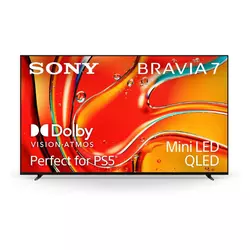
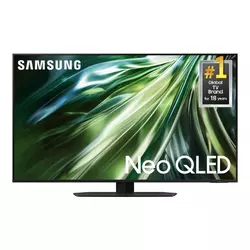
If you're in a hurry, here are my top two picks for mini LED TVs:
We may earn a small commission if you buy via our links - it helps keep gagadget.com running.
Table of Contents:
- Best Mini LED TVs: Buying Guide
- Top 5 Mini LED TVs in 2026
- Mini LED Television Comparison
- Sony BRAVIA 7 K-65XR70
- Samsung QN90D Series
- LG QNED90T Series
- Hisense U8QG Mini-LED
- TCL QM8K Series
- Mini LED TVs: FAQ
Best Mini LED TVs: Buying Guide
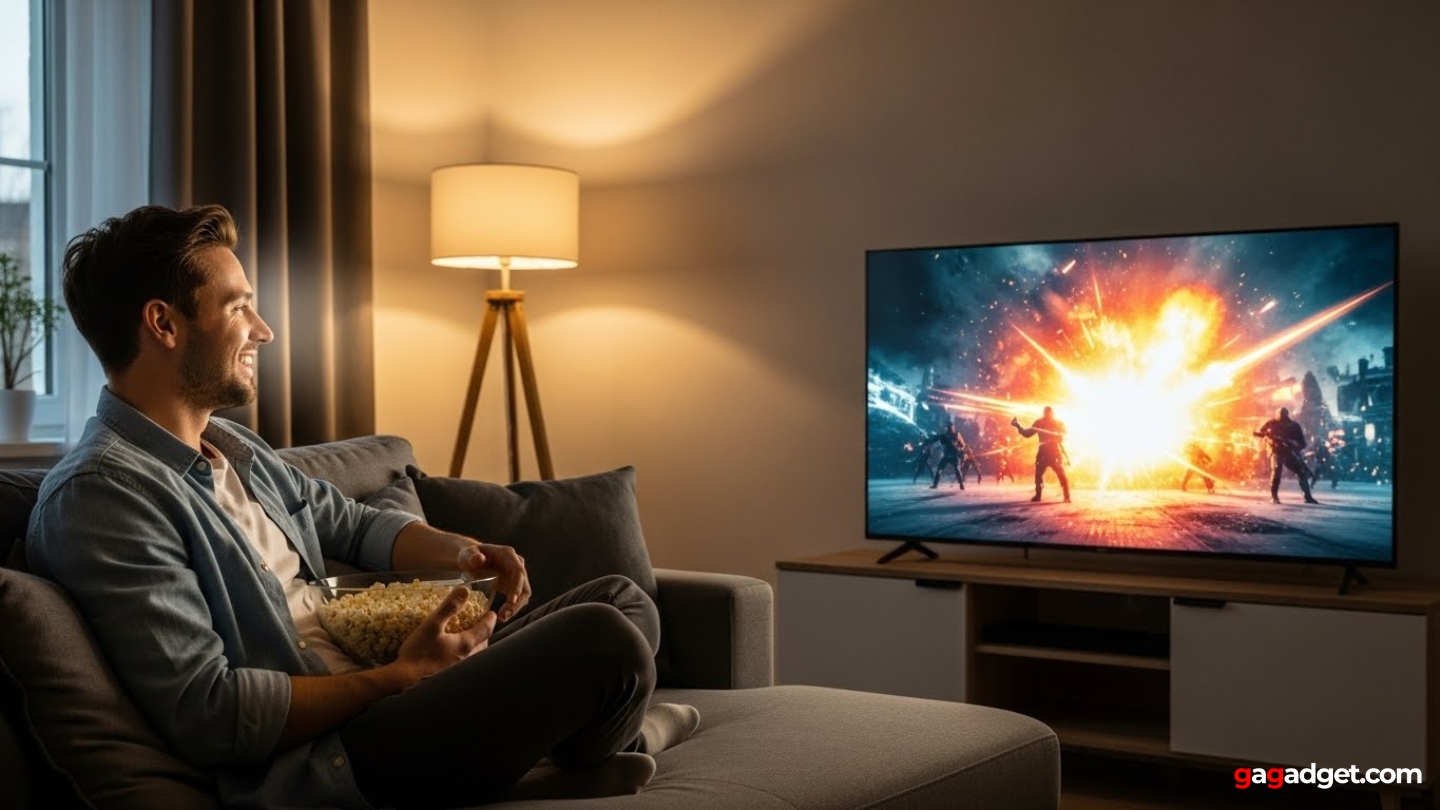
Choosing between mini LED televisions requires understanding what separates a genuinely great display from one that just looks impressive on a spec sheet. After testing numerous models in various lighting conditions and across different content types, certain factors consistently determine whether a mini LED TV delivers on its promises.
Understanding Mini LED Technology
Mini LED represents a big leap over traditional LED backlighting by using LEDs roughly 1/40th the size of conventional ones - small enough that manufacturers can pack thousands behind the screen. This density enables far more precise zone control, sometimes exceeding 5,000 individual zones on premium models. The result bridges the gap between standard LED's brightness advantages and OLED's contrast capabilities, offering deeper blacks alongside peak luminance that can surpass 4,000 nits on flagship sets.
The best mini LED TVs achieve something remarkable: OLED-like contrast in dark scenes combined with brightness that makes HDR content genuinely pop, all while maintaining better long-term stability than organic displays prone to burn-in.
However, not all mini LED implementations perform equally. The number of dimming zones matters, but how smart the algorithms are determines how well the TV manages transitions between bright and dark areas. Poor processing creates visible blooming around bright objects against dark backgrounds - that telltale halo effect that reminds you you're watching an LED screen. Good sets minimize this through intelligent zone management and faster response that adjusts backlighting before your eyes catch the lag.
Local Dimming Zones and Brightness
Zone count serves as a starting point, not the whole story. A TV with 3,000 zones and smart algorithms beats one with 5,000 zones running basic processing. Still, more zones generally give you tighter control over contrast, especially in tricky scenes mixing bright highlights with deep shadows. For 65-inch displays, anything above 1,500 zones gets you into serious territory, and flagship models routinely pack over 3,000.
Peak brightness matters differently depending on your viewing environment. If your TV faces large windows or you watch primarily during daylight hours, models achieving 3,000+ nits maintain image quality when ambient light would wash out dimmer screens. For dedicated theater rooms with controlled lighting, brightness becomes less critical than how well the TV handles near-black scenes and keeps contrast strong. HDR content benefits from higher brightness regardless of room conditions, as proper HDR mastering expects displays capable of reproducing those extreme luminance levels.
Panel Technology and Viewing Angles
Most mini LED TVs use VA (Vertical Alignment) panels offering superior native contrast compared to IPS alternatives. This native contrast ratio - often exceeding 5,000:1 before backlight control kicks in - gives mini LED displays their foundation for deep blacks. The tradeoff comes with off-axis performance, where VA panels show color shift and contrast loss when viewed from the side. Recent innovations like TCL's WHVA (Wide High Vertical Alignment) technology and LG's quantum dot NanoCell approach attempt to improve side viewing without sacrificing VA's contrast edge.
For most viewing scenarios, VA panel limitations prove manageable. If your seating keeps everyone within 30-40 degrees of center screen, image fidelity remains excellent. However, rooms with wide seating setups - wraparound sectionals or open-concept spaces where viewers sit at extreme angles - may benefit from displays incorporating wide-angle tech or considering OLED alternatives. Checking your actual seating positions before buying reveals whether side-viewing restrictions will impact your experience.
Gaming Features and Performance
Modern mini LED TVs excel as gaming displays thanks to native 120Hz panels and HDMI 2.1 connectivity supporting 4K at 120Hz or even 144Hz for PC gaming. Input lag separates good from great - premium models achieve under 10ms in game mode, fast enough that even competitive players notice no delay between controller input and screen response. Variable Refresh Rate (VRR) through AMD FreeSync or NVIDIA G-SYNC prevents screen tearing during fluctuating frame rates. Auto Low Latency Mode (ALLM) automatically switches to game mode when consoles are detected.
The latest mini LED gaming displays offer features previously exclusive to dedicated monitors: 165Hz refresh rates, sub-10ms input lag, and comprehensive VRR support, all on screens measuring 65 inches or larger.
Advanced gaming features like on-screen crosshair overlays, FPS counters, and customizable game bars enhance the experience without needing external gear. Some models support ultra-wide aspect ratios when connected to PCs, creating immersive gaming without dedicated ultra-wide monitors. These features matter most to serious gamers - casual players get more from a TV's overall image quality and smart platform.
HDR Format Support and Processing
HDR format compatibility determines what premium content you can actually watch. Dolby Vision offers scene-by-scene optimization through dynamic metadata, producing better results with compatible content compared to static HDR10. HDR10+ brings similar dynamic metadata benefits though fewer services support it than Dolby Vision. High-end TVs support both formats plus HLG for broadcast content. Some manufacturers - Samsung being the obvious one - skip Dolby Vision entirely in favor of HDR10+.
Processing quality matters just as much as format support. AI-driven processors analyze content in real-time, optimizing brightness, contrast, and motion handling based on scene type. Sophisticated upscaling transforms lower-resolution content into near-4K quality - crucial since most viewing involves compressed streaming rather than pristine 4K sources. Motion processing varies significantly between brands. Some excel at sports and action content, others prioritize film accuracy. I've found that testing with your preferred content types reveals which processing philosophy matches your viewing habits.
Top 5 Mini LED TVs in 2026
After extensive testing across various content types, lighting conditions, and use cases, these five mini LED televisions represent the best options currently available. Each model serves specific needs while delivering mini LED's fundamental advantages of high brightness and precise local dimming.
- XR Processor delivers natural processing
- Exceptional contrast ratio (100,000:1)
- 97% DCI-P3 color coverage
- Dolby Vision and IMAX Enhanced
- Excellent motion handling
- Four HDMI 2.1 ports with 4K 144Hz
- Real Depth Enhancer Pro processing
- Excellent anti-reflection technology
- Sub-10ms input lag for gaming
- Seven size options (43" to 98")
- Excellent wide viewing angles
- Quantum Dot NanoCell color technology
- Dolby Vision and Filmmaker Mode
- Four HDMI 2.1 ports
- WebOS 24 with extensive apps
- Exceptional 4,000+ nits brightness
- Up to 5,600 local dimming zones
- Native 165Hz gaming panel
- Powerful 4.1.2 Ch Dolby Atmos audio
- Aggressive value pricing
- Halo Control System reduces blooming
- Improved WHVA panel viewing angles
- 144Hz native gaming panel
- Comprehensive HDR format support
- Excellent price-to-performance ratio
Mini LED Television Comparison
To help evaluate technical differences between top mini LED TVs, here's a detailed comparison table:
| Specification | Sony BRAVIA 7 | Samsung QN90D | LG QNED90T | Hisense U8QG | TCL QM8K |
| Screen Sizes | 55", 65", 75", 85" | 43", 50", 55", 65", 75", 85", 98" | 65", 75", 86" | 55", 65", 75", 85", 100" | 65", 75", 85", 98" |
| Panel Type | Mini LED QLED (VA) | Neo QLED Mini LED (VA) | Mini LED QNED (IPS) | Mini LED QLED (VA) | QD-Mini LED (WHVA) |
| Peak Brightness | 1,950 nits (2,100 game mode) | 1,800+ nits | 1,400+ nits | 4,000+ nits (65") | 3,000+ nits |
| Dimming Zones | Full array local dimming | Quantum Matrix zones | 160 zones (65") | Up to 5,600 zones | Up to 3,800 zones |
| Processor | XR Processor | NQ4 AI Gen2 | α8 AI Processor 4K | Hi-View AI Engine Pro | AiPQ PRO Processor |
| Refresh Rate | 120Hz | 120Hz (144Hz PC) | 120Hz | 165Hz native | 144Hz native |
| HDMI 2.1 Ports | 2 (2 HDMI 2.0) | 4 | 4 | 3 (+ USB-C DisplayPort) | 2 (2 HDMI 2.0) |
| HDR Formats | Dolby Vision, HDR10, HLG | HDR10, HDR10+, HLG | Dolby Vision, HDR10, HLG | Dolby Vision IQ, HDR10+, HDR10, HLG | Dolby Vision IQ, HDR10+, HDR10, HLG |
| Gaming Features | 4K 120Hz, VRR, ALLM | 4K 144Hz, FreeSync Premium Pro, VRR | 4K 120Hz, FreeSync, VRR, ALLM | 4K 165Hz, FreeSync Premium Pro, VRR | 4K 144Hz, Game Accelerator 288 |
| Audio System | 50W Acoustic Multi-Audio | 60W Object Tracking Sound+ | 40W Dolby Atmos | 72W 4.1.2 Ch Dolby Atmos | 85W Bang & Olufsen |
| Smart Platform | Google TV | Tizen OS 2024 | webOS 24 | Google TV | Google TV |
| Special Features | XR Backlight Master Drive, IMAX Enhanced | Real Depth Enhancer Pro, Anti-Reflection | Quantum Dot NanoCell Color, Precision Dimming | Anti-Reflection Pro, IMAX Enhanced | Halo Control System, ZeroBorder Design |
Each model targets different priorities, from Sony's processing excellence to Hisense's extreme brightness and TCL's value proposition with premium features.
Sony BRAVIA 7 K-65XR70 Review
Editor's Choice
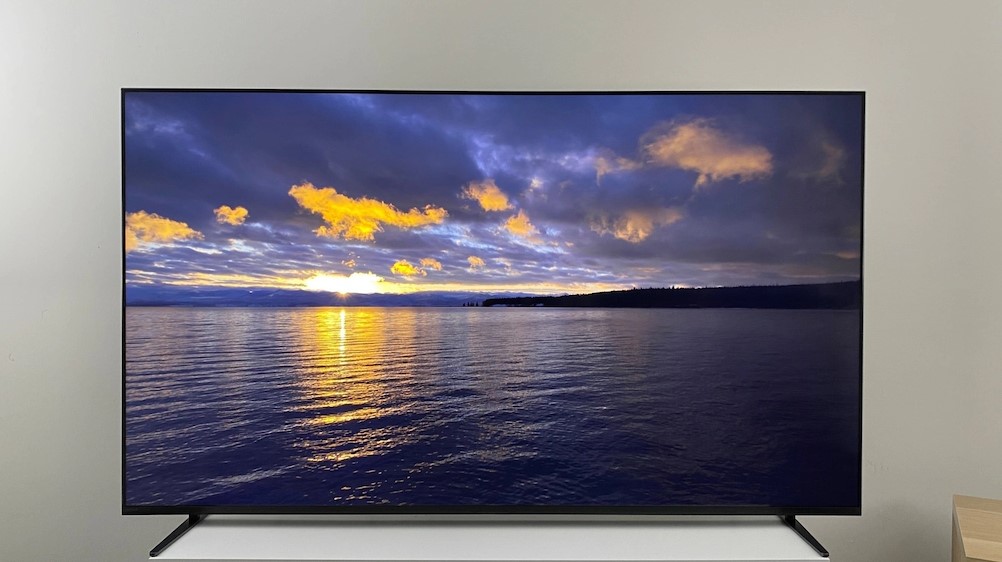
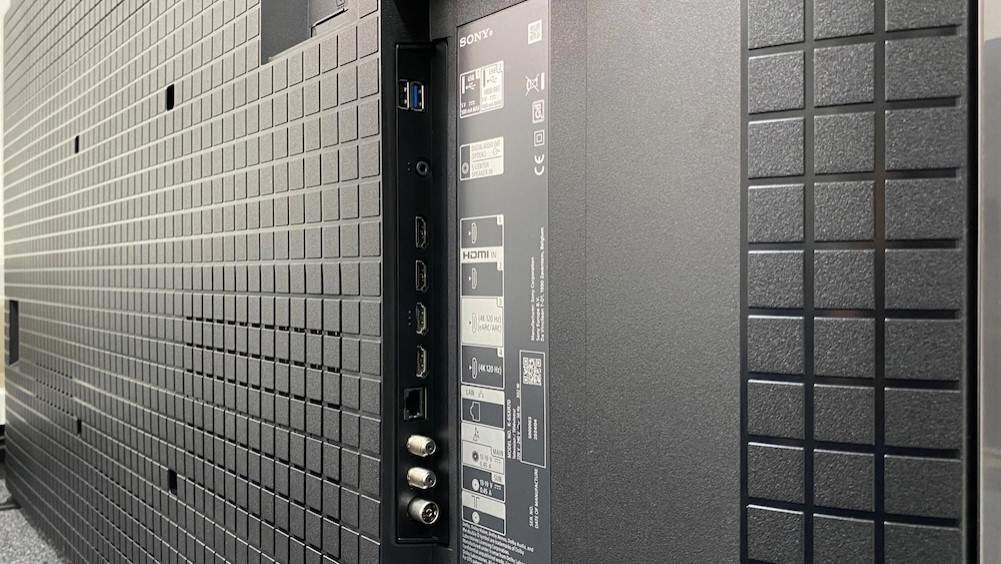
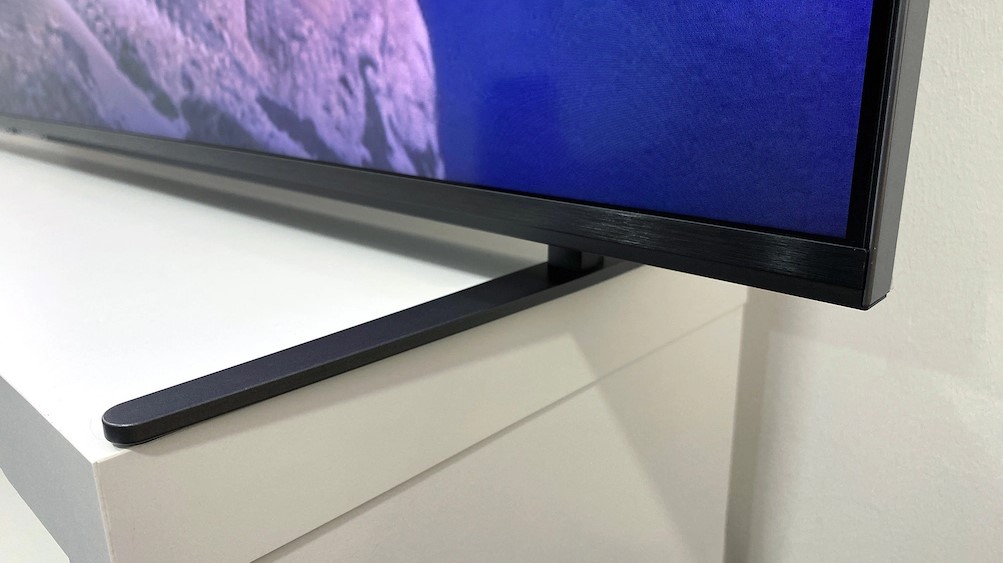
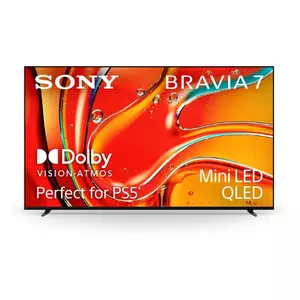
The Sony BRAVIA 7 K-65XR70 represents Sony's mid-range mini LED offering for 2024, delivering flagship-level picture processing without the crazy pricing of the BRAVIA 9. The XR Backlight Master Drive controls thousands of mini LEDs with precision that produces contrast ratios exceeding 100,000:1 when local dimming kicks in. Peak brightness reaches 1,950 nits in standard mode and pushes to 2,100 nits in game mode, providing punchy HDR highlights without sacrificing Sony's trademark color accuracy.
The XR Processor analyzes content cognitively rather than algorithmically, understanding scene context to make intelligent processing decisions. This produces natural-looking images that preserve filmmaker intent instead of prioritizing spec-driven sharpness. Testing with challenging content like The Batman revealed impressive shadow detail in dim scenes without crushing blacks or introducing noise. The processor's XR Triluminos Pro technology delivers 97% DCI-P3 color coverage and 78% Rec. 2020, ensuring vibrant yet accurate color reproduction across HDR content.
Motion handling works well for sports and action content, keeping detail sharp during fast movement without introducing too much smoothing. The 120Hz panel supports 4K at 120Hz through two HDMI 2.1 ports, though serious gamers may find the two HDMI 2.0 ports limiting when connecting multiple next-gen consoles. Auto HDR Tone Mapping and Auto Genre Picture Mode optimize settings for PlayStation 5. ALLM automatically switches to game mode. Input lag measures around 12ms - acceptable for most gaming but slightly higher than competitors hitting sub-10ms.
Google TV gives you access to all the major streaming apps with easy navigation and voice search. The interface runs fast, and Chromecast built-in lets you cast from your phone without hassle. Acoustic Multi-Audio uses multiple drivers that position sound across the screen, placing audio more accurately than speakers firing downward. The 50W system handles dialog well and delivers solid midrange, though you'll want a subwoofer for bass-heavy movies.
I spent two weeks comparing the BRAVIA 7 against flagship OLEDs in my living room, and mini LED's brightness edge became obvious during HDR highlights, though VA panel limitations showed up past 40 degrees off-center. Colors shifted noticeably at extreme angles, making this less ideal for wide seating arrangements. The semi-gloss finish handled reflections well, keeping the image clean in moderately bright rooms where glossy screens would throw distracting glare.
Pros:
- XR Processor delivers natural processing
- Exceptional contrast ratio (100,000:1)
- 97% DCI-P3 color coverage
- Dolby Vision and IMAX Enhanced
- Excellent motion handling
Cons:
- Only 2 HDMI 2.1 ports
- Limited viewing angles
Summary: The Sony BRAVIA 7 prioritizes picture quality and processing sophistication over gaming specs, delivering cinema-like viewing experiences with natural colors and impressive contrast. Best for movie enthusiasts who value accurate color and smart processing over maximum brightness or ultra-low input lag.
Samsung QN90D Series Review
Best Overall
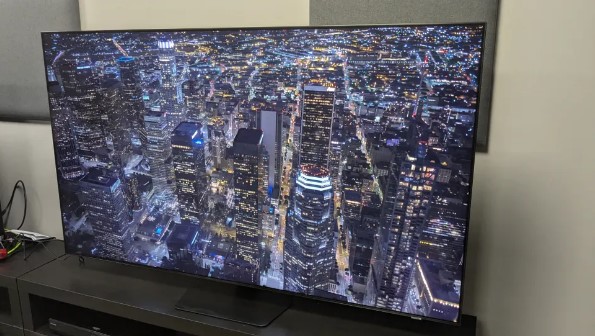
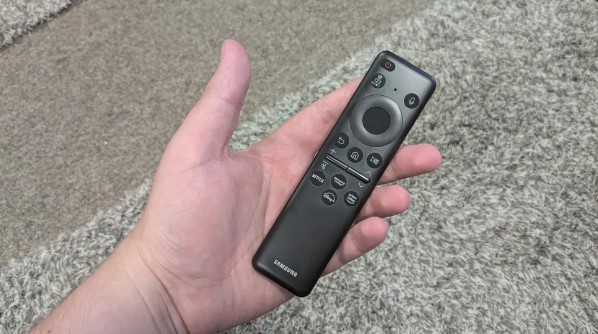
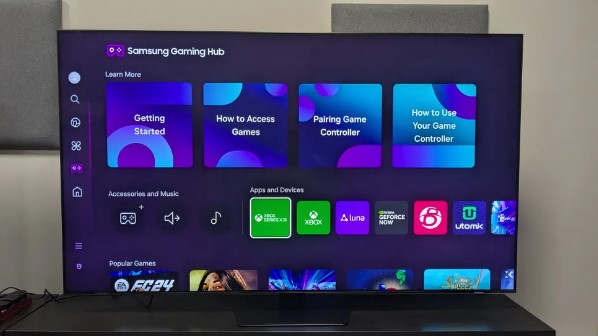
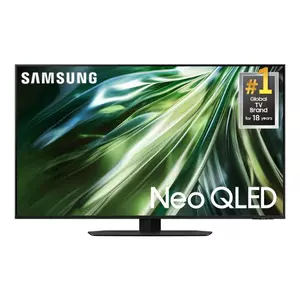
The Samsung 65-Inch QN90D delivers flagship mini LED performance with solid gaming features at a more accessible price than previous generations. The Quantum Matrix technology uses mini LEDs about the size of sand grains, controlled precisely to create deep blacks and boosted brightness levels. Neo Quantum HDR+ processing delivers strong contrast and vivid color exactly as directors intended, with peak brightness exceeding 1,800 nits for impactful HDR.
The NQ4 AI Gen2 Processor uses multiple neural networks for object-by-object upscaling, producing clean results from compressed streaming content and HD sources. Real Depth Enhancer Pro analyzes scenes to increase foreground contrast, creating dimensional perception that adds depth to flat images. It's not as advanced as flagship Gen3 processing, but real-world differences only show up with really challenging content that needs aggressive noise reduction.
Gaming performance stands out with four HDMI 2.1 ports supporting 4K at 144Hz-higher than the standard 120Hz most competitors offer. This benefits PC gamers with high-end graphics cards capable of pushing beyond 120fps. AMD FreeSync Premium Pro eliminates screen tearing, while sub-10ms input lag provides responsive control matching dedicated gaming monitors. Motion Xcelerator 144Hz smooths fast-action content, making this exceptional for sports viewers and competitive gamers alike.
Object Tracking Sound+ uses a 4.2.2-channel 60W speaker array positioning audio across the screen. The system accurately places dialog and effects, creating surprisingly effective surround sound without external speakers. Adaptive Sound Pro analyzes viewing environments adjusting audio accordingly, while Active Voice Amplifier Pro dynamically boosts dialog clarity. Q-Symphony allows compatible Samsung soundbars to work together with TV speakers for enhanced sound staging.
After running the QN90D through my usual test suite, bright room performance stood out thanks to anti-reflection tech that cuts glare without the matte coating compromises some competitors use. The Neo Slim design sports minimal bezels and a thin profile perfect for wall mounting. Tizen OS 2024 handles navigation smoothly with good app support, though Samsung's choice to skip Dolby Vision for HDR10+ blocks access to some premium content optimizations.
Pros:
- Four HDMI 2.1 ports with 4K 144Hz
- Real Depth Enhancer Pro processing
- Excellent anti-reflection technology
- Sub-10ms input lag for gaming
- Seven size options (43" to 98")
Cons:
- No Dolby Vision support
- Viewing angles less than flagship models
Summary: The Samsung QN90D Neo QLED excels as an all-around performer, delivering impressive picture quality with comprehensive gaming features and excellent bright room performance. Best for gamers and sports enthusiasts who want flagship features without paying ultra-premium prices.
LG QNED90T Series Review
Best Wide Viewing
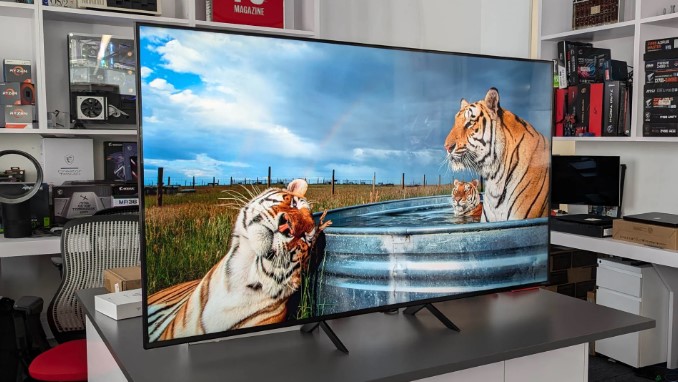
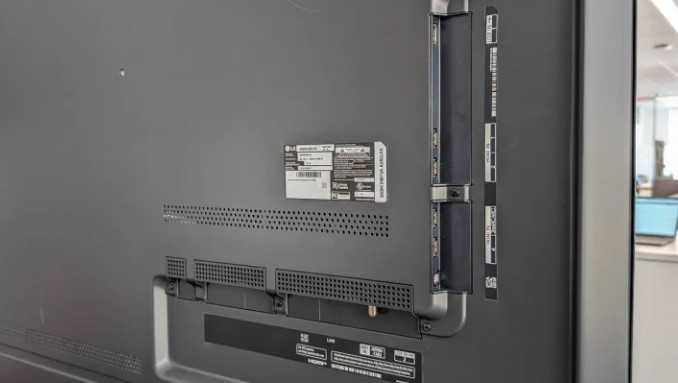
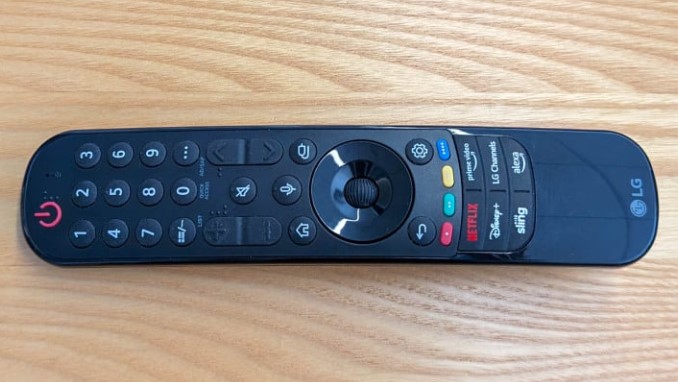
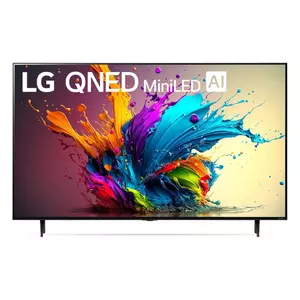
The LG 65-Inch QNED90T combines mini LED backlighting with LG's quantum dot NanoCell technology, creating a unique approach that prioritizes viewing angles over the extreme contrast of VA-based competitors. Hundreds of miniature LED backlight zones operate independently, delivering excellent dark-level detail and deep blacks while minimizing halo effects. The combination of quantum dot and NanoCell technologies produces rich, colorful picture quality with incredible contrast in detailed images.
The α8 AI Processor 4K with AI Picture Pro automatically figures out what you're watching and picks the best settings. It detects faces, landscapes, and text then sharpens what needs sharpening instead of applying a blanket filter. AI Super Upscaling makes lower-res content look closer to 4K, which helps a lot with streaming services and broadcast TV. Dynamic Tone Mapping Pro optimizes HDR scene-by-scene, though it doesn't match Sony's smarter cognitive processing.
Precision Dimming Pro+ technology controls fine points of the picture, making detail and color-rich scenes pop with minimal blooming. However, the 160 dimming zones on the 65-inch model represent significantly fewer than competitors offering thousands of zones. This limitation becomes apparent in complex HDR scenes mixing bright highlights with deep shadows, where more sophisticated systems maintain tighter control. Still, LG's algorithm optimization makes effective use of available zones.
Gaming features include four HDMI 2.1 ports supporting 4K at 120Hz with AMD FreeSync, VRR, ALLM, and HGiG support. Game Optimizer and Game Dashboard provide quick access to settings without diving into menus, displaying refresh rate and VRR status on-screen. Cloud gaming integration through GeForce NOW and other services enables instant access to game libraries without downloads. The native 120Hz refresh rate handles fast-paced content smoothly.
My testing revealed the QNED90T's standout feature: off-axis performance that keeps colors accurate and contrast solid way past where typical VA panels fall apart. This makes it perfect for wide seating setups or open-concept spaces where people watch from different positions. Dolby Vision support opens up premium HDR content with scene-by-scene optimization. WebOS 24 offers clean navigation and LG Channels with 300+ free streaming options, plus built-in voice assistants including Alexa, Google Assistant, and Apple HomeKit.
Pros:
- Excellent wide viewing angles
- Quantum Dot NanoCell color technology
- Dolby Vision and Filmmaker Mode
- Four HDMI 2.1 ports
- WebOS 24 with extensive apps
Cons:
- Only 160 dimming zones (65")
- Lower peak brightness than competitors
- Backlight blooming in dark scenes
Summary: The LG QNED90T prioritizes viewing angles and color volume over extreme brightness, making it ideal for families with wide seating arrangements or rooms where viewers watch from various positions. Best for buyers valuing consistent image quality across viewing angles over maximum contrast performance.
Hisense U8QG Mini-LED Review
Best Value
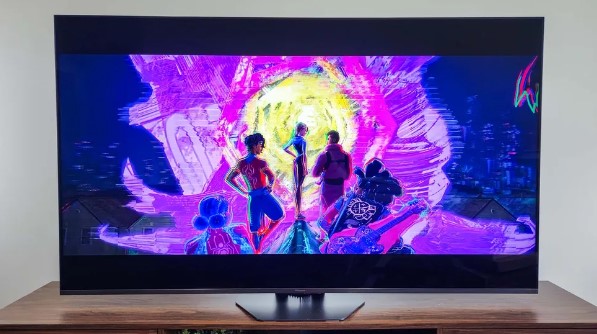
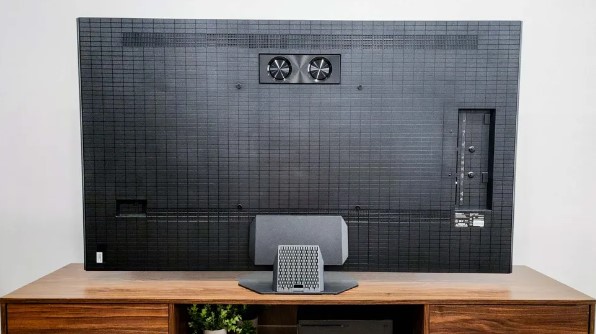
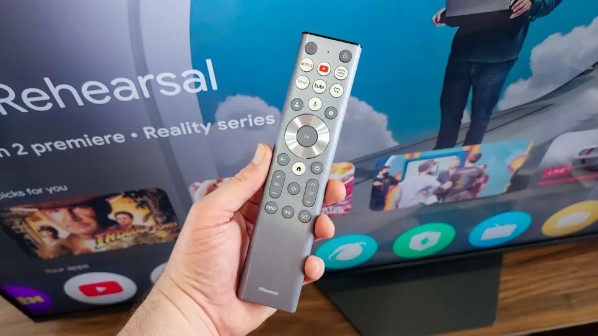
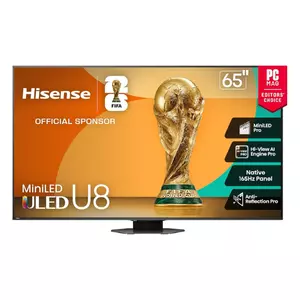
The Hisense 65" U8QG delivers flagship-level brightness and features at prices that undercut premium competitors by hundreds or even thousands of dollars. The Mini LED Pro technology reaches up to 5,000 nits peak brightness on larger models, with the 65-inch hitting 4,000 nits - way brighter than most competitors. This extreme luminance creates HDR highlights that genuinely pop, with sunlight reflections and explosions displaying the intensity filmmakers intended.
Up to 5,600 local dimming zones on the 65-inch model give you tight contrast control, producing deep blacks alongside those searing highlights. The Hi-View AI Engine Pro processor automatically optimizes picture and sound based on content type, detecting sports, movies, or gaming and adjusting settings on the fly. This smart processing analyzes details, depth, and appearance of everything displayed, making visuals more realistic without manual tweaking.
Gaming capabilities push boundaries with a native 165Hz panel and Variable Refresh Rate from 48Hz to 165Hz through Game Booster 288. AMD FreeSync Premium Pro, Auto Low Latency Mode, and Low Latency MEMC eliminate screen tearing and controller lag. The Enhanced Game Bar provides on-screen access to multiple game settings via TV remote, displaying performance metrics in real-time. Three HDMI 2.1 ports support 4K at 165Hz, supplemented by USB-C with DisplayPort support-rare on TVs and valuable for laptop connections.
The built-in 4.1.2 channel Dolby Atmos speaker system outputs 72W on the 65-inch model, giving you way more power than typical TV speakers. The dedicated subwoofer and height channels create genuinely immersive sound that cuts down the need for an immediate soundbar purchase. Anti-Reflection Pro technology minimizes glare from ambient light, keeping the picture quality strong even in bright rooms with large windows.
Running the U8QG through real-world scenarios, its most impressive trait became clear: brightness rivaling sets costing way more, all without sacrificing color accuracy. The QLED quantum dot tech produces over a billion vibrant shades with excellent saturation. Support for Dolby Vision IQ, HDR10+, HDR10, HLG, and IMAX Enhanced means compatibility with virtually all HDR content. Google TV handles navigation smoothly with a solid app selection, though some reviewers mention minor blooming during extreme contrast scenes.
Pros:
- Exceptional 4,000+ nits brightness
- Up to 5,600 local dimming zones
- Native 165Hz gaming panel
- Powerful 4.1.2 Ch Dolby Atmos audio
- Aggressive value pricing
Cons:
- Only 3 HDMI 2.1 ports
- Some blooming in dark scenes
- Limited viewing angles (VA panel)
Summary: The Hisense U8QG provides flagship-level brightness and gaming features at mid-range pricing, making it exceptional value for buyers who prioritize performance over brand prestige. Best for bright room viewing, serious gaming, and anyone wanting premium mini LED technology without premium pricing.
TCL QM8K Series Review
Budget Pick
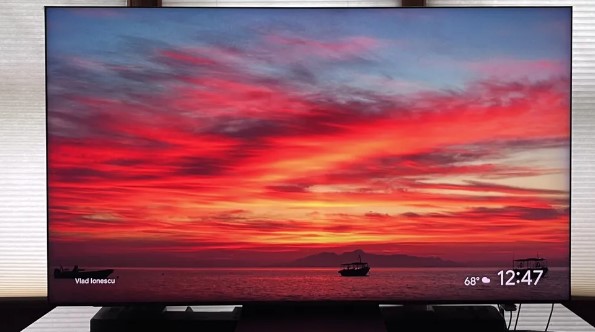
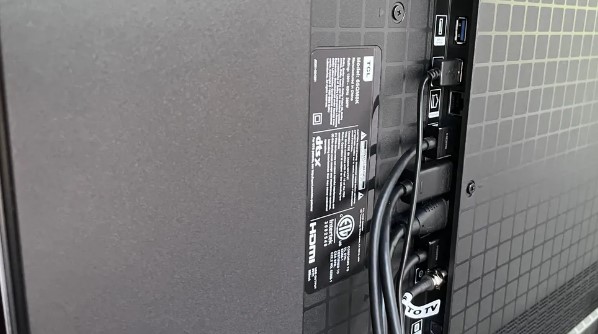
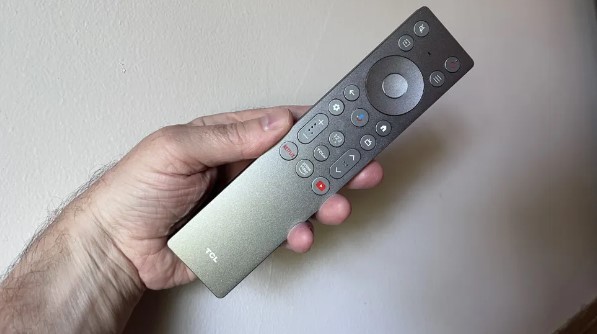
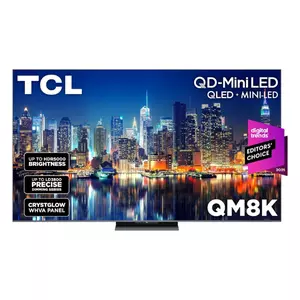
The TCL 65 Inch QM8K represents TCL's flagship mini LED offering for 2025, bringing the brand's new Halo Control System that tackles mini LED's traditional weakness: blooming around bright objects. The system combines Super High Energy LED chips, condensed micro lenses, Micro-OD reduced optical distance, and improved QLED to minimize halo effects while boosting brightness and efficiency. Peak brightness exceeds 3,000 nits on the 65-inch model, with larger sizes pushing even higher.
The CrystGlow WHVA panel improves viewing angles compared to standard VA panels while maintaining superior native contrast. This addresses a common mini LED complaint, delivering vibrant colors and crisp detail from wider angles than most competitors. The anti-reflective ZeroBorder design creates an edge-to-edge viewing experience while managing reflections in bright rooms. Up to 3,800 precise dimming zones on the 98-inch model (proportionally fewer on smaller sizes) provide refined local control approaching OLED-like contrast.
TCL's AiPQ PRO Processor optimizes each scene, creating a solid cinematic experience through smart content analysis. The processor handles upscaling well, with 4K AI upscaling transforming lower-resolution content into sharp imagery. The 144Hz native panel with Motion Rate 480 focuses on top-tier motion clarity, producing smooth video playback that excels with sports and action content. Game Accelerator 288 enables lightning-fast VRR up to 288Hz, creating lag-free gaming experiences.
Gaming features include Auto Game Mode automatically switching to optimized settings when consoles connect, AMD FreeSync Premium Pro for tear-free gaming, and full settings accessible through the Enhanced Game Bar. Two HDMI 2.1 ports support 4K at 144Hz, though some may find the limited HDMI 2.1 port count restrictive when connecting multiple devices. The 85W Bang & Olufsen audio system delivers powerful sound, though reviews note the built-in subwoofer can distort at high volumes with bass-heavy content.
After putting the QM8K through its paces, image quality impressed with vibrant colors and serious brightness that makes HDR content pop. The Halo Control System works as advertised, cutting blooming noticeably compared to previous generations. Google TV runs smoothly with responsive navigation and solid app support. Full HDR format compatibility including Dolby Vision IQ, HDR10+, HDR10, and HLG covers all content sources. At current pricing-often hundreds below MSRP-the QM8K delivers exceptional value.
Pros:
- Halo Control System reduces blooming
- Improved WHVA panel viewing angles
- 144Hz native gaming panel
- Comprehensive HDR format support
- Excellent price-to-performance ratio
Cons:
- Only 2 HDMI 2.1 ports
- Speaker distortion at high volumes
- HDR tracking issues in some modes
Summary: The TCL QM8K delivers flagship mini LED performance with innovative blooming reduction technology at prices that undercut competitors, making it ideal for budget-conscious buyers who refuse to compromise on picture quality. Best for value-focused enthusiasts wanting premium features without premium pricing.
Mini LED TVs: Your Questions Answered
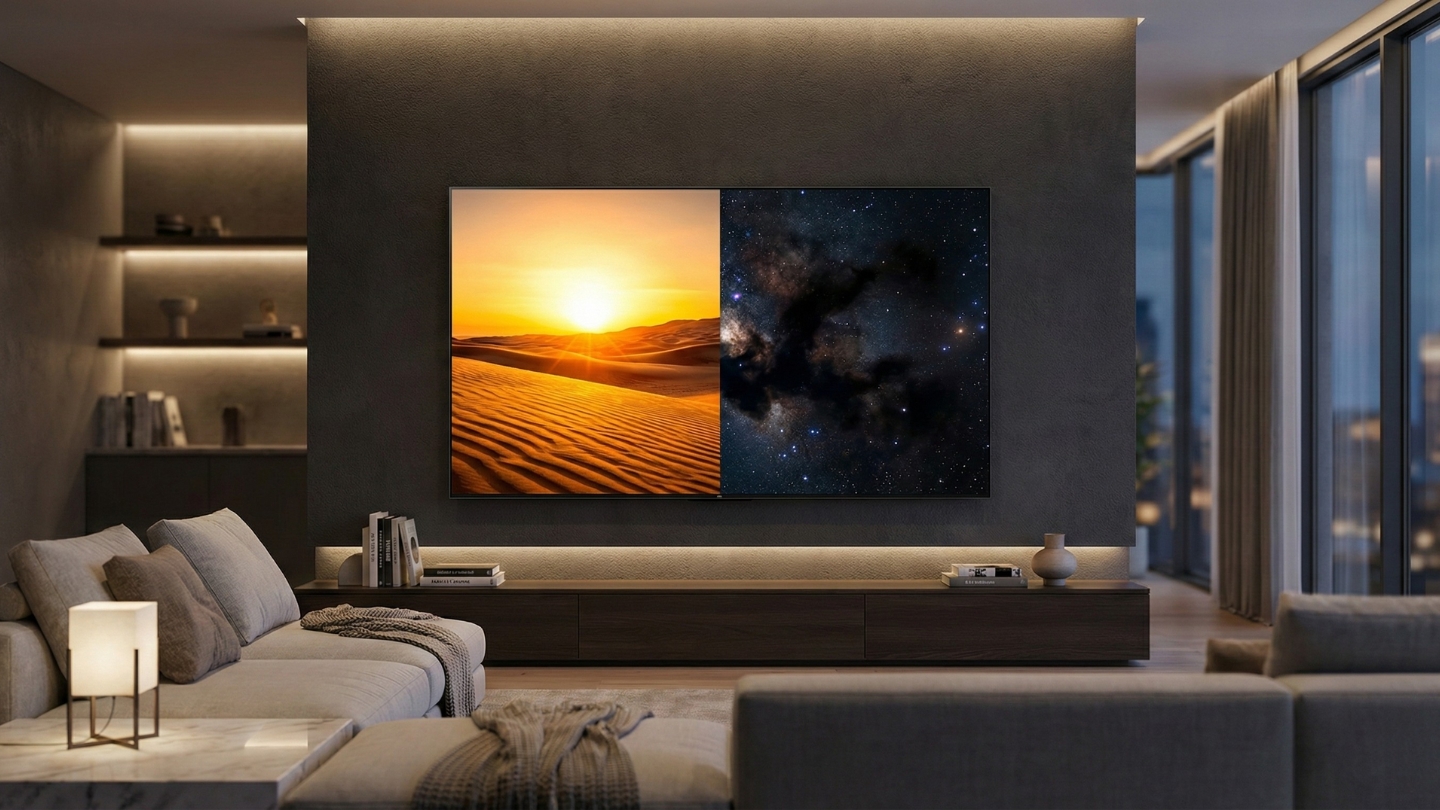
After testing multiple mini LED televisions across different viewing scenarios and comparing them against OLED and traditional LED alternatives, certain questions emerge consistently about this increasingly popular display technology.
How does mini LED compare to OLED for picture quality?
Mini LED TVs excel in brightness, regularly achieving 3,000-5,000 nits peak output compared to OLED's typical 800-1,000 nits. This brightness advantage makes HDR highlights genuinely pop and maintains image quality in bright rooms where OLED struggles. However, OLED delivers perfect blacks since pixels turn off completely, while mini LED-despite thousands of dimming zones-can show subtle blooming around bright objects against dark backgrounds. OLED also provides instantaneous response times and wider viewing angles. For dark room viewing prioritizing perfect blacks, OLED wins. For bright rooms, HDR impact, and avoiding burn-in concerns, mini LED proves superior. Neither technology beats the other universally-ideal choice depends on viewing environment and priorities.
Do more local dimming zones always mean better picture quality?
Zone count matters, but processing sophistication determines actual performance. A TV with 2,000 zones and excellent algorithms will outperform one with 5,000 zones running mediocre processing. Zone count provides potential for contrast control, but the manufacturer's implementation determines whether that potential translates to visible improvement. Beyond a certain threshold-roughly 1,500-2,000 zones on 65-inch screens-additional zones deliver diminishing returns unless paired with equally sophisticated processing. Focus on reviews discussing actual black level performance and blooming rather than chasing maximum zone counts.
Is mini LED worth the higher price compared to regular LED TVs?
Mini LED's price premium over standard LED varies significantly, from minimal on value-focused models like the Hisense U8QG to substantial on flagship sets. The technology provides genuine improvements in contrast, HDR performance, and bright room viewing that justify premium pricing for enthusiasts. However, casual viewers satisfied with standard LED may not notice enough difference to warrant the upgrade. If you primarily watch SDR content in dim lighting, standard LED suffices. If you consume significant HDR content, game regularly, or watch in bright environments, mini LED's improvements become immediately apparent and worthwhile.
Can mini LED TVs experience burn-in like OLED?
Mini LED TVs using LCD panels with LED backlighting do not experience burn-in. The technology relies on liquid crystals and inorganic LEDs rather than OLED's organic compounds that degrade over time with static content. This makes mini LED ideal for varied use cases including gaming with persistent HUD elements, watching news channels with static logos, or using as PC monitors displaying taskbars continuously. This durability advantage over OLED matters most for users concerned about long-term image retention or those who display static content regularly.
What gaming features should I look for in a mini LED TV?
Essential gaming features include HDMI 2.1 ports supporting 4K at 120Hz (or 144Hz for PC gaming), Variable Refresh Rate (VRR) through FreeSync or G-SYNC, Auto Low Latency Mode (ALLM) automatically switching to game mode, and input lag under 10ms. Advanced features like on-screen game bars, crosshair overlays, and ultra-wide aspect ratio support enhance the experience but aren't essential. Port count matters-four HDMI 2.1 ports allow connecting PS5, Xbox Series X, gaming PC, and 4K Blu-ray player simultaneously at full spec. Serious gamers benefit from native 120Hz or 144Hz panels over interpolated motion smoothing.
How important is HDR format support-Dolby Vision vs HDR10+?
Both Dolby Vision and HDR10+ provide dynamic metadata optimizing HDR scene-by-scene, producing superior results to static HDR10. Most streaming services encode content in both formats, so choosing between them rarely limits access to shows and movies. Dolby Vision supports 12-bit color depth and higher peak brightness targets than HDR10+'s 10-bit limitation, though few displays fully utilize these advantages. Physical media collectors heavily invested in Dolby Vision 4K Blu-rays benefit from support. For most viewers relying on streaming, either format suffices-overall TV brightness and processing quality matter more than which dynamic HDR format it supports.
Should I wait for newer mini LED technology or buy now?
Current mini LED TVs deliver exceptional performance that won't feel outdated for years. While technology continues advancing-manufacturers testing RGB mini LED and micro LED-these innovations remain extremely expensive and years from mainstream adoption. Today's premium mini LED sets with 3,000+ dimming zones, 4,000+ nits brightness, and comprehensive gaming features provide reference-level experiences that satisfy even demanding viewers. Prices drop regularly throughout the year, with significant discounts appearing during holidays and new model launches. If your current TV frustrates you, today's mini LED options deliver substantial upgrades worth purchasing immediately rather than waiting for marginal future improvements.
Making Your Mini LED TV Decision
The mini LED television market has matured into genuinely impressive options combining LCD's brightness advantages with local dimming sophisticated enough to rival OLED contrast in many scenarios. Modern implementations deliver picture quality that seemed impossible just a few years ago, with prices increasingly accessible across multiple price tiers.
For processing excellence and natural color, the Sony BRAVIA 7 K-65XR70 delivers cinema-like experiences. All-around performers wanting comprehensive gaming features benefit from the Samsung QN90D. Families with wide seating arrangements find excellent viewing angles in the LG QNED90T. Value-focused buyers access flagship brightness with the Hisense U8QG. Budget-conscious enthusiasts find exceptional performance in the TCL QM8K.
Choose based on actual viewing conditions, content preferences, and budget rather than chasing specification maximums. A well-matched mini LED television transforms movie nights, gaming sessions, and sports viewing into genuinely immersive experiences that justify the investment.

Meet James, our go-to tech guru and seasoned reviewer. His sharp attention to detail and love for gadgets drive his deep dives into the newest tech waves. James's insightful analysis and real zest for breakthroughs have earned him a solid reputation in the tech world.


