Toyota driverless tractors begin baggage transport at Japan's busiest airport

In Tokyo's Haneda Airport, driverless tractors by Toyota have begun operating for transporting luggage. This marks the first practical application of Level 4 autonomous driving in a closed airport area in Japan.
What is known
The project was announced in March 2021, and initial test operations started in October of the same year. It was developed by Toyota Industries Corporation in collaboration with All Nippon Airways (ANA). In 2022, the autonomous tug received the iF Design Award.
From December 2025, three driverless tractors will service domestic flights, transporting luggage between aircraft and terminals. Another three vehicles are planned to be added to the fleet by the end of March 2026.
According to Toyota, this is the largest and most technologically advanced project of its kind in the country. Level 3 autonomous driving systems have been tested in Japanese airports since 2019, but Level 4 implies movement without human intervention in a predetermined zone and under specific conditions.
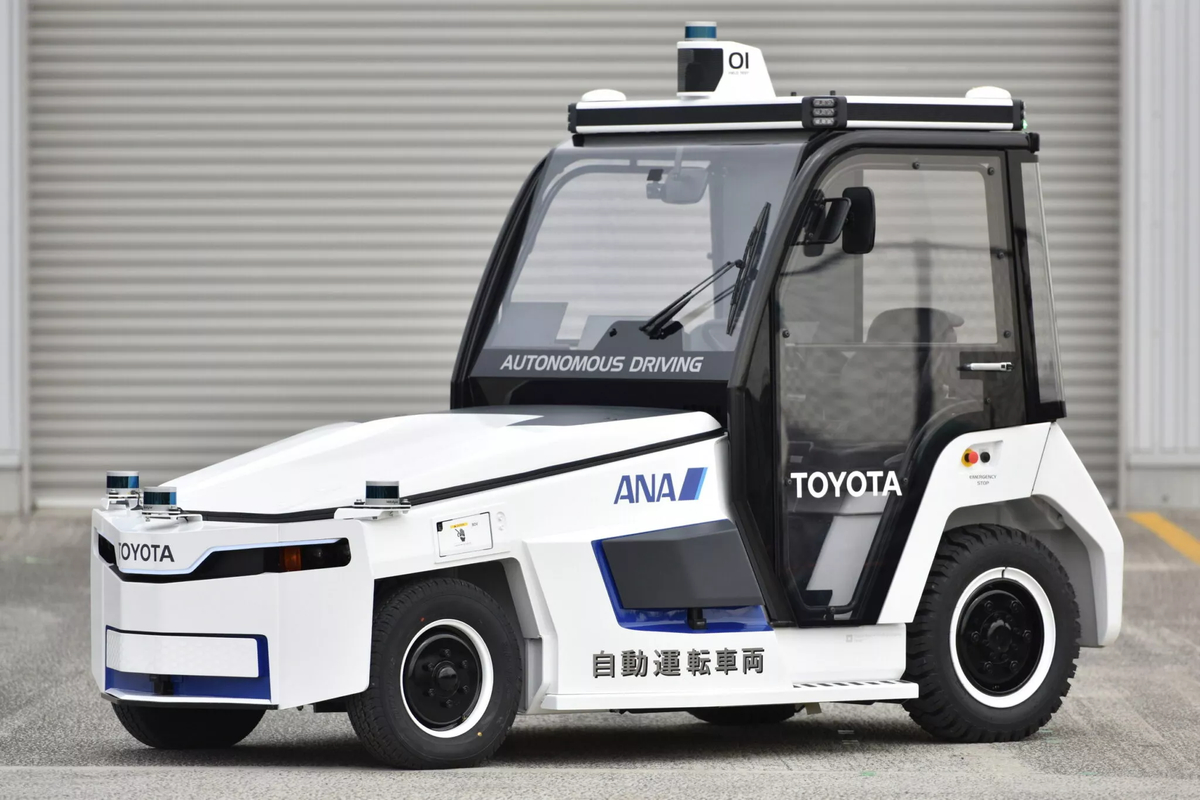
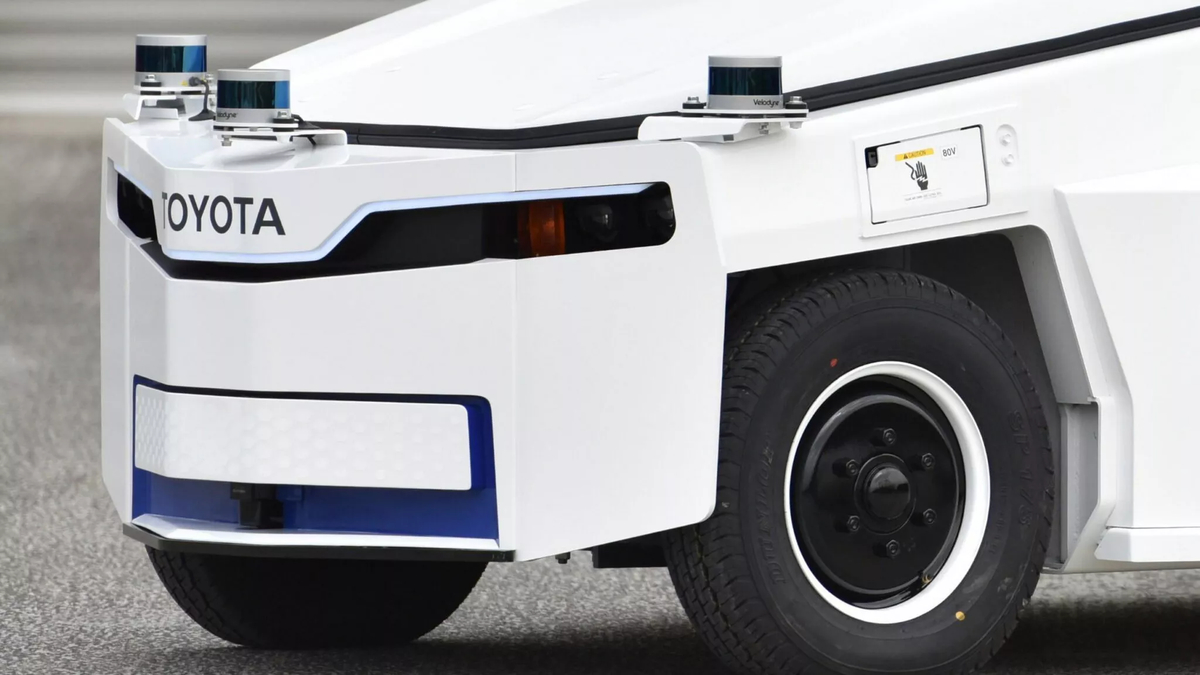
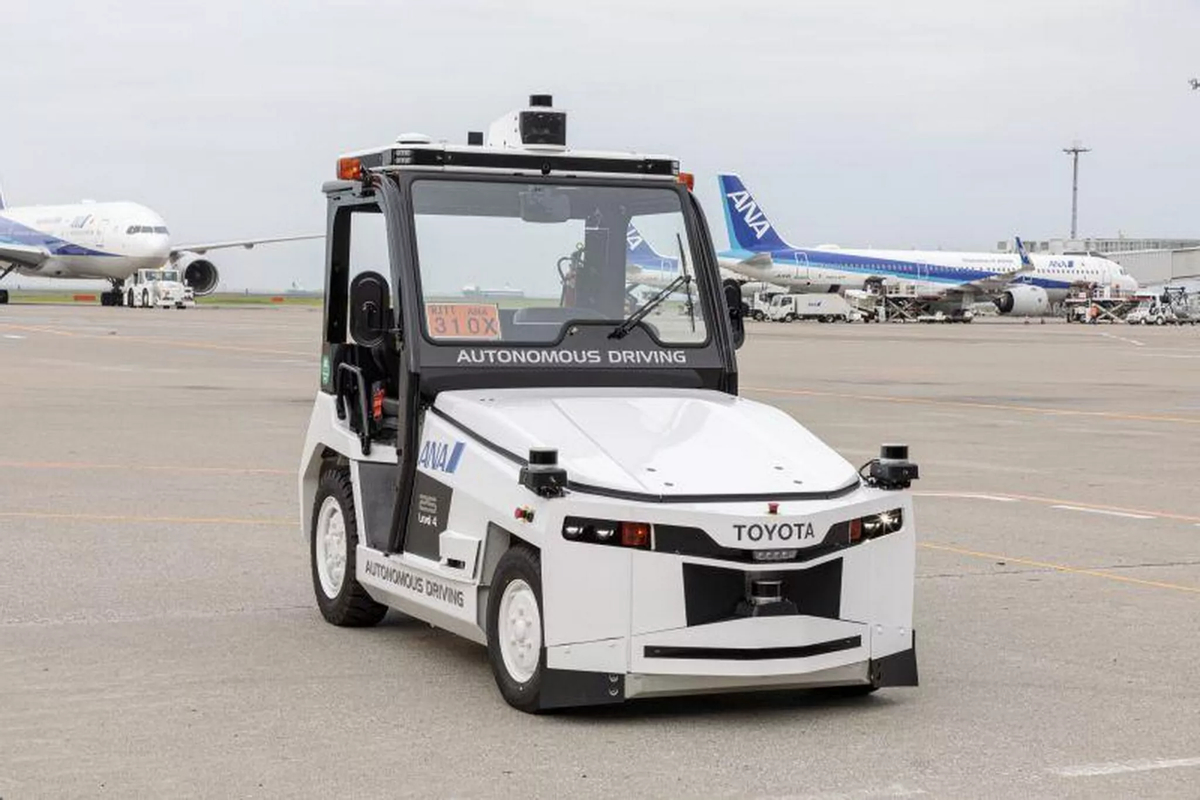
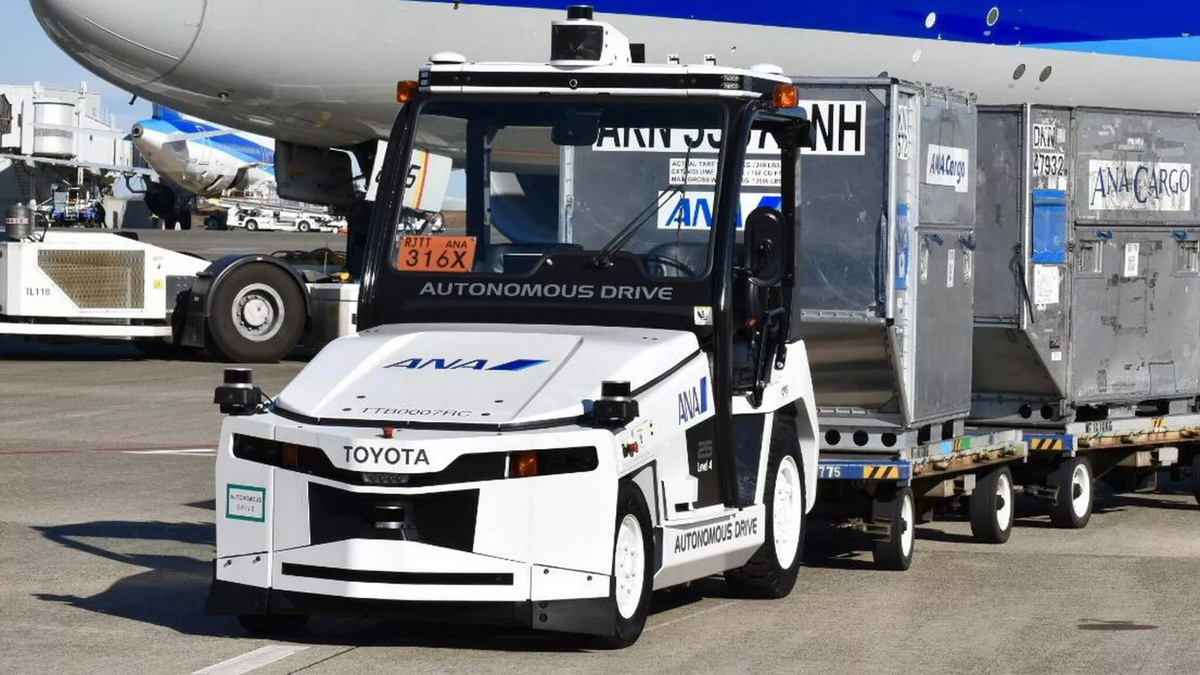
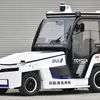
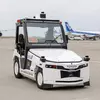
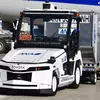
The tractors are designed for towing container carts. They use integrated navigation and obstacle detection systems. A remote monitoring system supports their operation, helping to manage more complex situations near runways and busy taxiways.
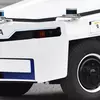
The exterior of the vehicle has barely changed compared to earlier prototypes. The front bumper and side elements have been updated, but the overall design remains the same. The cab is equipped with two seats, although the constant presence of a driver is not required.
For spatial orientation, the tractor is equipped with several sensors, including LiDAR. These are mounted on the wings, front, and sides of the vehicle, providing the system with a panoramic view.
The technical specifications of the electric motor and battery have not yet been disclosed by the company. In autonomous mode, the tractor can reach speeds of up to 15 km/h and tow up to 13 tons of cargo. When controlled by a human, these figures increase to 25 km/h and 27 tons respectively.
The main route, approximately 1.5 km long, connects the terminals with the cargo warehouse. There are two traffic lights along the route, which the autonomous system recognizes and takes into account in its operation, interacting with a new traffic management platform.
Simultaneously with the launch of the tractors, Toyota and ANA are implementing a Fleet Management System (FMS). It is responsible for task allocation, route assignment for departures and arrivals, and integration with the aerodrome's traffic light system. The goal is to improve the efficiency of transport movement and reduce delays at the large airport.
Source: Carscoops


