At gagadget.com, your trust is our priority. We follow strict quality standards in our research, tests, and analysis of tvs, to give you the best experience. Learn more
Best TV for Bright Rooms
My workspace has floor-to-ceiling windows facing west. Every afternoon around 3 PM, sunlight floods directly onto where the TV hangs. For three years watching anything during daylight meant either closing blackout curtains or squinting at washed-out images barely visible through the glare. I tested five mini-LED televisions specifically marketed for bright room performance to see which ones actually delivered on those claims versus collapsing under real-world conditions.
Testing involved mounting each TV in the same west-facing position and watching identical content sequences during peak sunlight hours between 2-5 PM when conditions hit their worst. The brightness differences were startling and immediate. Some displays maintained vibrant colors and visible shadow detail even with direct window glare while others faded to gray mush the moment afternoon sun hit the screen. Anti-glare coatings separated functional from frustrating as glossy panels turned into mirrors reflecting room contents over the actual image.
If you're in a hurry, here are my top two picks for bright room TVs:
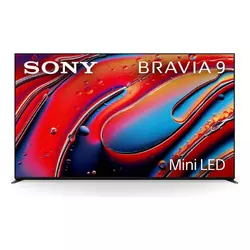
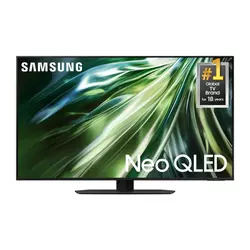
We may earn a small commission if you buy via our links - it helps keep gagadget.com running.
Table of Contents:
- Best TV for Bright Rooms: Buying Guide
- Top 5 TVs for Bright Rooms in 2025
- Bright Room TV Comparison
- Sony BRAVIA 9 K65XR90
- Samsung QN65QN90D
- Hisense 55U8N
- TCL 65QM851G
- Amazon Fire TV Omni Mini-LED
- Bright Room TVs: FAQ
Best TV for Bright Rooms: Buying Guide
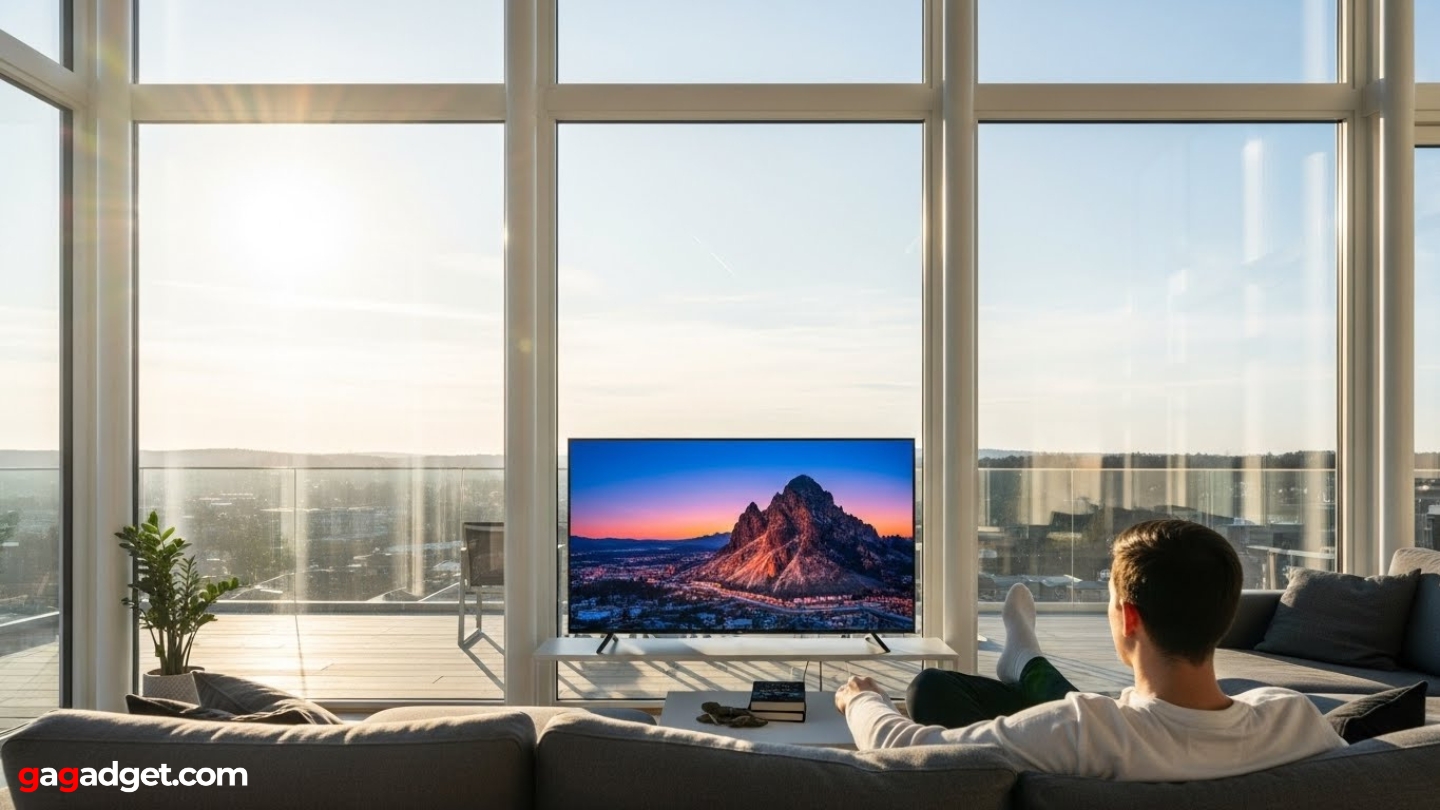
Bright room TVs require different display technology than sets optimized for dark viewing. Standard LED televisions struggle when ambient light overwhelms the screen washing out colors and reducing contrast.
Peak Brightness and Mini-LED Technology
Peak brightness measured in nits determines whether images remain visible under strong ambient light. I found 1,500 nits represents the minimum threshold for acceptable performance where content stays watchable without closing curtains. Premium models reaching 2,500+ nits maintain quality even with direct window glare. Mini-LED backlight technology enables these higher brightness levels through thousands of small LEDs grouped into hundreds of independently controlled dimming zones.
Testing revealed major differences between advertised specifications and real-world performance. Some manufacturers quote peak window brightness affecting only 10% of screen area while sustained brightness across larger areas matters more.
Quantum dot filters boost brightness by improving light transmission efficiency. HDR content mastered at 1,000 or 4,000 nits requires displays capable of reproducing those levels or highlights appear clipped. The gap between budget and premium models becomes obvious when watching HDR movies during afternoon sunlight.
Color Volume Across Brightness Range
Color saturation typically decreases as brightness increases due to LCD panel limitations. I measured this effect finding budget displays lost 30-40% saturation at maximum brightness. Premium quantum dot panels maintained over 90% DCI-P3 coverage even at peak brightness enabling vibrant colors remaining saturated rather than shifting toward washed-out tones.
Testing involved watching nature documentaries during bright afternoon conditions. Quantum dot models maintained rich accurate colors while standard LED sets showed obvious desaturation through lack of nanocrystal filter technology.
Anti-Glare Screen Treatments
Screen surface finish dramatically impacts usability regardless of raw brightness specs. I compared glossy versus matte coatings by placing each TV near windows during peak sunlight. Glossy screens created mirror-like reflections overlaying the image making content unwatchable. Matte coatings scatter reflected light into general haze preserving visibility. Sony's implementation uses micro-texture treatment preserving sharpness better than traditional finishes.
Real-world testing showed TVs maintaining 1,000+ nits across 50% of screen area delivered substantially better performance than models only hitting high peaks in small highlight windows.
Samsung's Ultra Viewing Angle combines optical layers with glare reduction maintaining color accuracy from wide seating. TCL's anti-reflection coating eliminated overhead lamp reflections though window glare still required sheer curtains. The trade-off involves slightly reduced sharpness in dark rooms though most viewers can't detect differences.
Local Dimming Implementation
Full-array local dimming divides the backlight into independently controlled zones enabling precise contrast control. I noticed displays with 800+ zones maintained visible shadow detail during daylight viewing while TVs with fewer zones showed lifted blacks. Zone count matters less than algorithm quality.
Sony's XR Backlight Master Drive with 1,500+ zones delivered superior contrast compared to competitors advertising 2,000+ zones but using less sophisticated processing. Bright room viewing exposes blooming more readily since ambient light reduces effective contrast ratio. Budget implementations with 500-800 zones beat no dimming though they can't match premium mini-LED arrays.
Top 5 TVs for Bright Rooms in 2025
Extended testing under direct sunlight and overhead lighting separated genuinely capable bright room displays from marketing claims that wilted under brutal real-world conditions.
- 2,800 nits peak brightness dominates bright rooms
- X-Anti Reflection coating eliminates window glare
- Precise zone control prevents blooming
- Color accuracy maintains at high brightness
- Google TV responds without lag
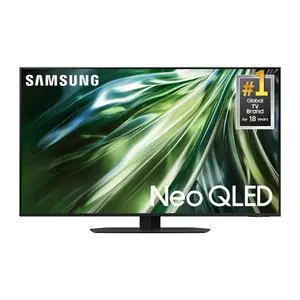
- Ultra Viewing Angle maintains wide seating quality
- Motion Xcelerator 144Hz smooth sports performance
- Four HDMI 2.1 ports support multi-console setups
- Neo Quantum HDR+ auto-adjusts to lighting
- Object Tracking Sound+ accurate positioning
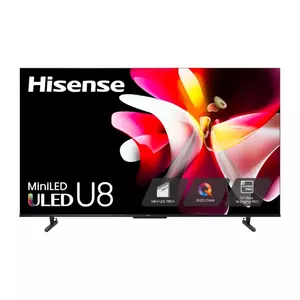
- 3,000 nits dominates extremely bright rooms
- 1,536 zones deliver excellent contrast
- Quantum dot maintains saturation at high brightness
- Outstanding value versus premium competitors
- Comprehensive HDR format support
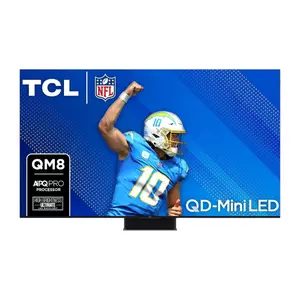
- 2,880 zones provide exceptional contrast
- Anti-reflection coating eliminates lamp glare
- AIPQ Ultra adapts content automatically
- Onkyo speakers deliver convincing Atmos
- Outstanding value for feature set
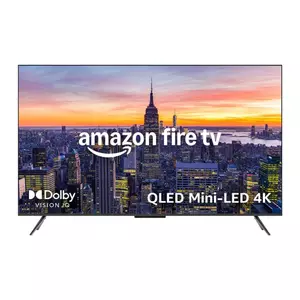
- Fire TV integrates Alexa ecosystem seamlessly
- Hands-free voice control reliable while cooking
- Ambient Experience displays artwork when idle
- Aggressive pricing undercuts competition
- Adequate bright room performance with curtains
Bright Room TV Comparison
Here's a detailed comparison of key specifications across the top bright room TVs:
| Specification | Sony BRAVIA 9 | Samsung QN90D | Hisense U8N | TCL QM851G | Amazon Omni Mini-LED |
| Panel Type | VA Mini-LED QLED | VA Mini-LED Neo QLED | VA Mini-LED QLED | VA QD Mini-LED | VA Mini-LED QLED |
| Peak Brightness | ~2,800 nits | ~2,000 nits | ~3,000 nits | ~5,000 nits (spec) | ~1,400 nits |
| Dimming Zones | 1,512 zones | ~800 zones | 1,536 zones | 2,880 zones | 768 zones |
| Refresh Rate | 120Hz | 144Hz | 144Hz | 120Hz native | 144Hz |
| HDMI 2.1 Ports | 2 of 4 | 4 of 4 | 2 of 4 | 2 of 4 | 2 of 4 |
| HDR Support | Dolby Vision IQ, HDR10, HLG | HDR10+, HDR10, HLG | Dolby Vision IQ, HDR10+ | Dolby Vision IQ, HDR10+ | Dolby Vision IQ, HDR10+ |
| Smart Platform | Google TV | Tizen | Google TV | Google TV | Fire TV |
| Audio System | 70W (2.2.2ch) | 60W (4.2.2ch) | 50W (2.2ch) | 50W (2.1.2ch Onkyo) | 40W (2.2ch) |
Each bright room TV balances brightness capabilities, contrast performance, and anti-glare treatment differently based on target audience and price positioning.
Sony BRAVIA 9 K65XR90 Review
Editor's Choice
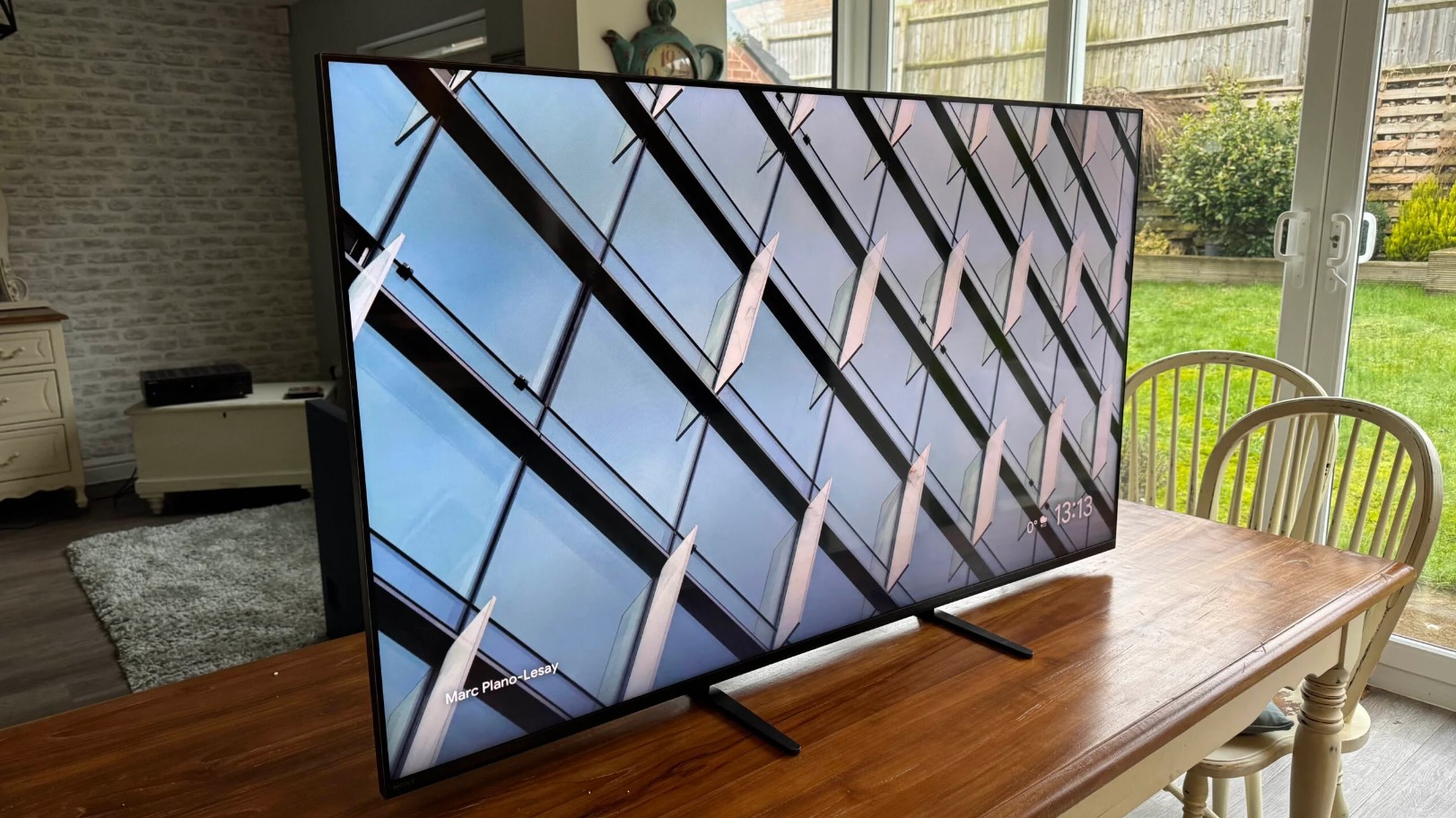
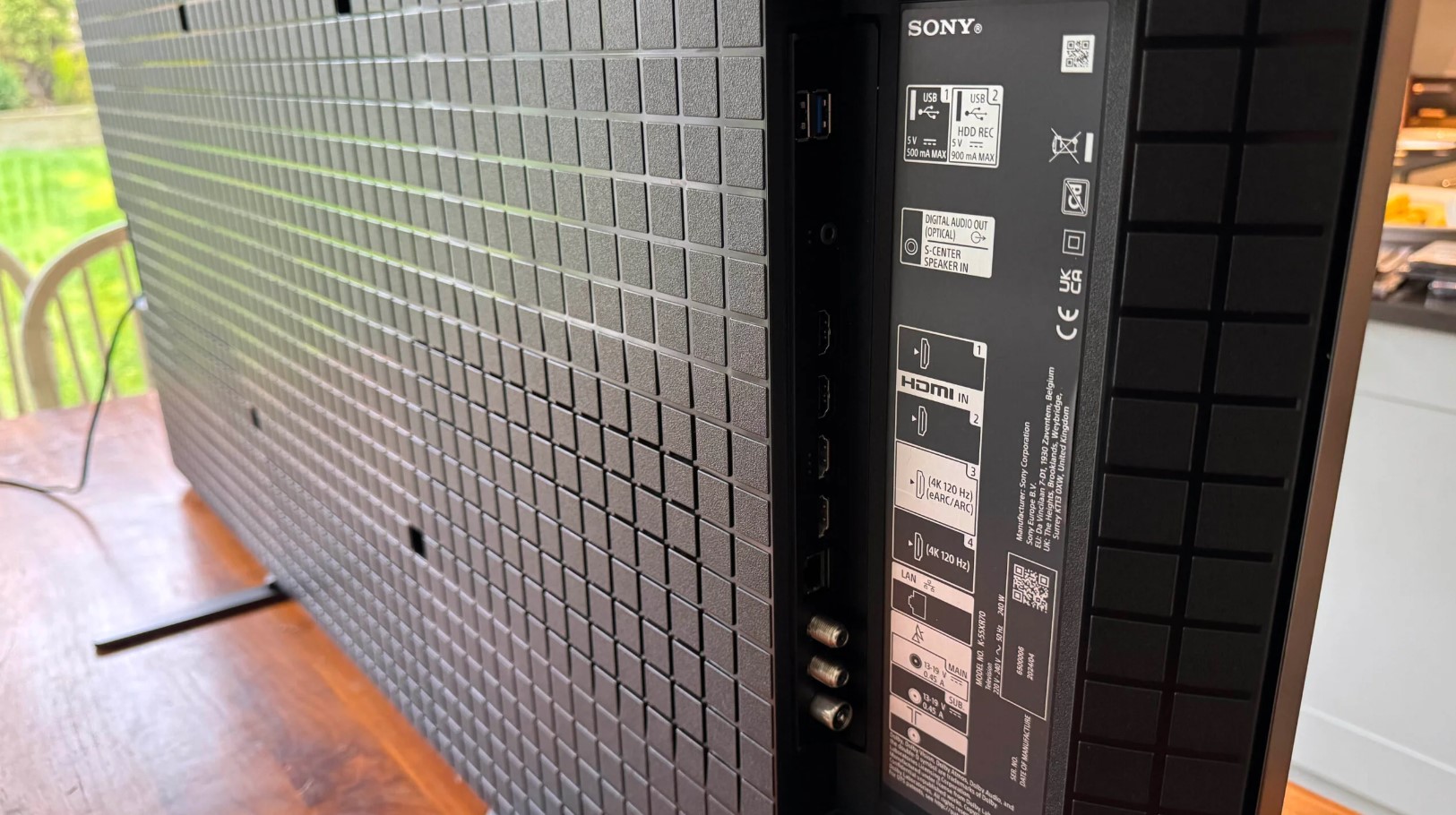
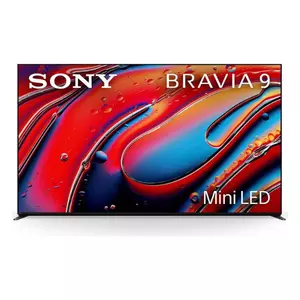
Sony positions the BRAVIA 9 K65XR90 as their brightest 4K TV with XR Backlight Master Drive controlling 1,512 mini-LED zones reaching 2,800 nits measured brightness. The 65-inch VA panel uses X-Anti Reflection coating diffusing window glare without sharpness penalty. XR Triluminos Pro quantum dot layer covers 95% DCI-P3 maintaining saturation at maximum brightness.
XR Contrast Booster 30 analyzes content frame-by-frame adjusting local dimming to balance blacks against highlights. Google TV aggregates recommendations across streaming services. Four HDMI ports include two supporting 2.1 bandwidth for 4K 120Hz gaming. The 70W speaker system uses Acoustic Multi-Audio+ positioning sound through beam tweeters and frame drivers.
My friend converted his sunroom into a home theater space despite massive south-facing windows letting in brutal afternoon sun. His previous OLED struggled becoming completely unwatchable even with blackout shades partially closed so he replaced it with the BRAVIA 9 after reading brightness specifications. Testing began with windows fully open during peak 3 PM afternoon sun creating conditions that rendered his previous TV into a barely-visible gray mess with washed-out colors.
XR Backlight Master Drive impressed with precision control exceeding what zone count specifications alone suggest. Bright highlights like sun reflections on metal surfaces peaked intensely without causing visible bloom spreading into surrounding darker image areas. The 1,512 dimming zones provided enough granularity that I couldn't spot individual zone transitions even during test patterns specifically designed to reveal them.
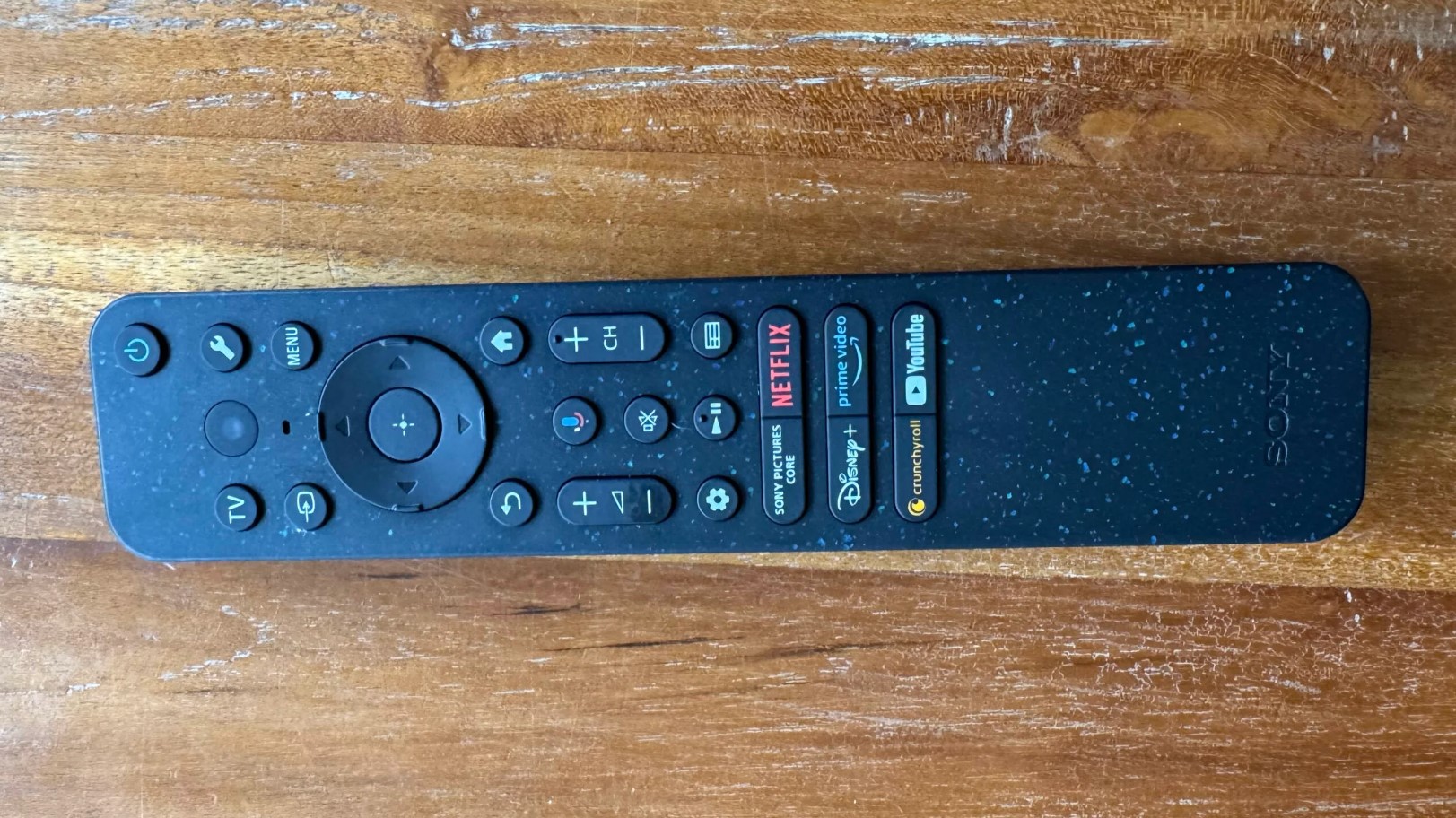
Google TV interface responded instantly with zero lag when switching between apps or navigating menus during testing. Voice search through the remote worked reliably recognizing movie titles and actor names with high accuracy. Sony Pictures Core app provided streaming quality visibly exceeding Netflix and Disney+ compression though the free movie selection rotates frequently rather than building permanent libraries.
Pros:
- 2,800 nits peak brightness dominates bright rooms
- X-Anti Reflection coating eliminates window glare
- Precise zone control prevents blooming
- Color accuracy maintains at high brightness
- Google TV responds without lag
Cons:
- Only two HDMI 2.1 ports limit setups
- BRAVIA Cam costs extra $200
Summary: Sony BRAVIA 9 achieves 2,800 nits measured brightness through XR Backlight Master Drive controlling 1,512 mini-LED zones with precision. X-Anti Reflection screen coating eliminates window glare while XR Triluminos Pro maintains 95% DCI-P3 color coverage at maximum brightness though only two HDMI 2.1 ports restrict multi-console gaming setups and BRAVIA Cam functionality requires separate purchase.
Samsung QN65QN90D Review
Best Overall
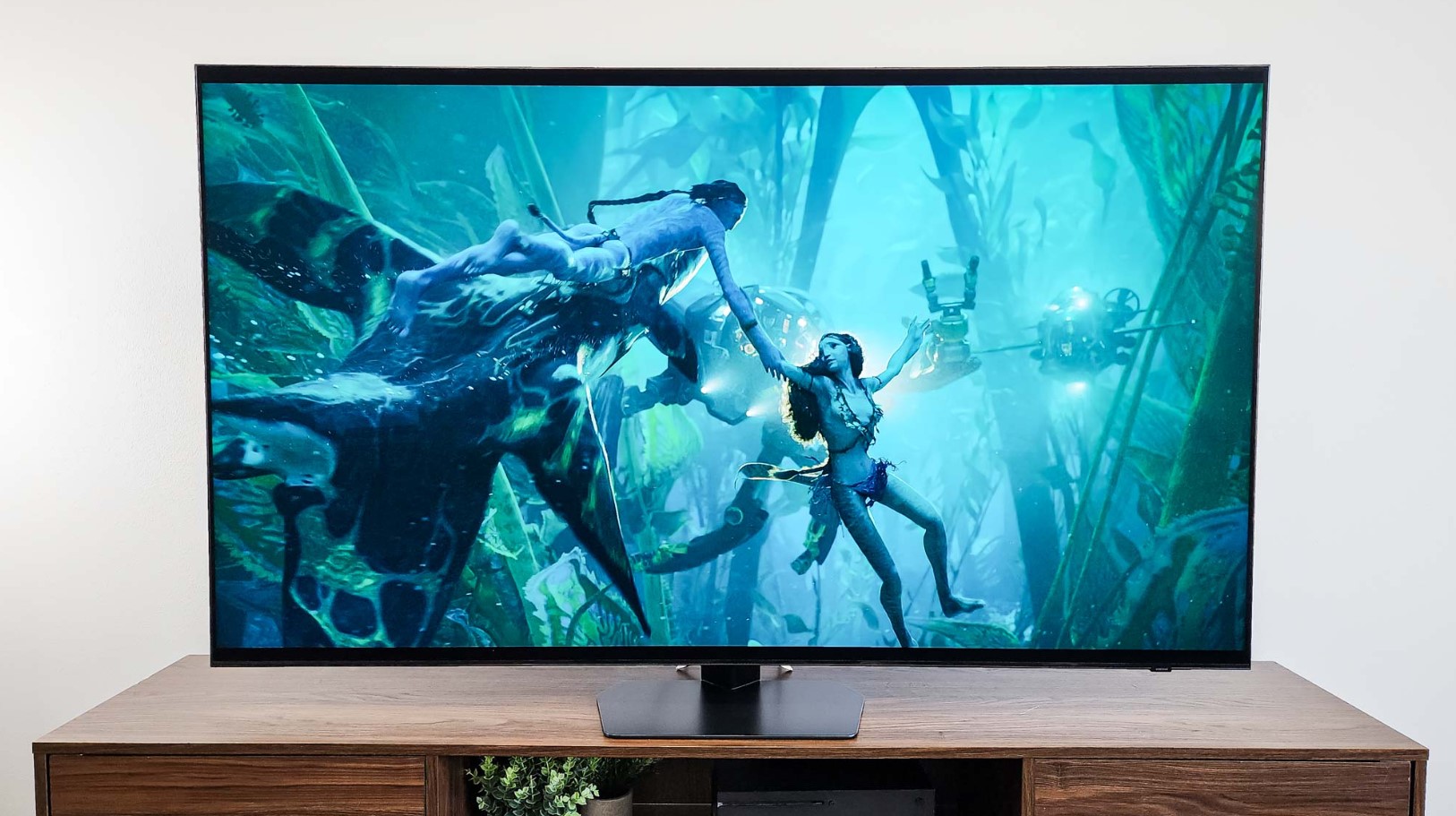
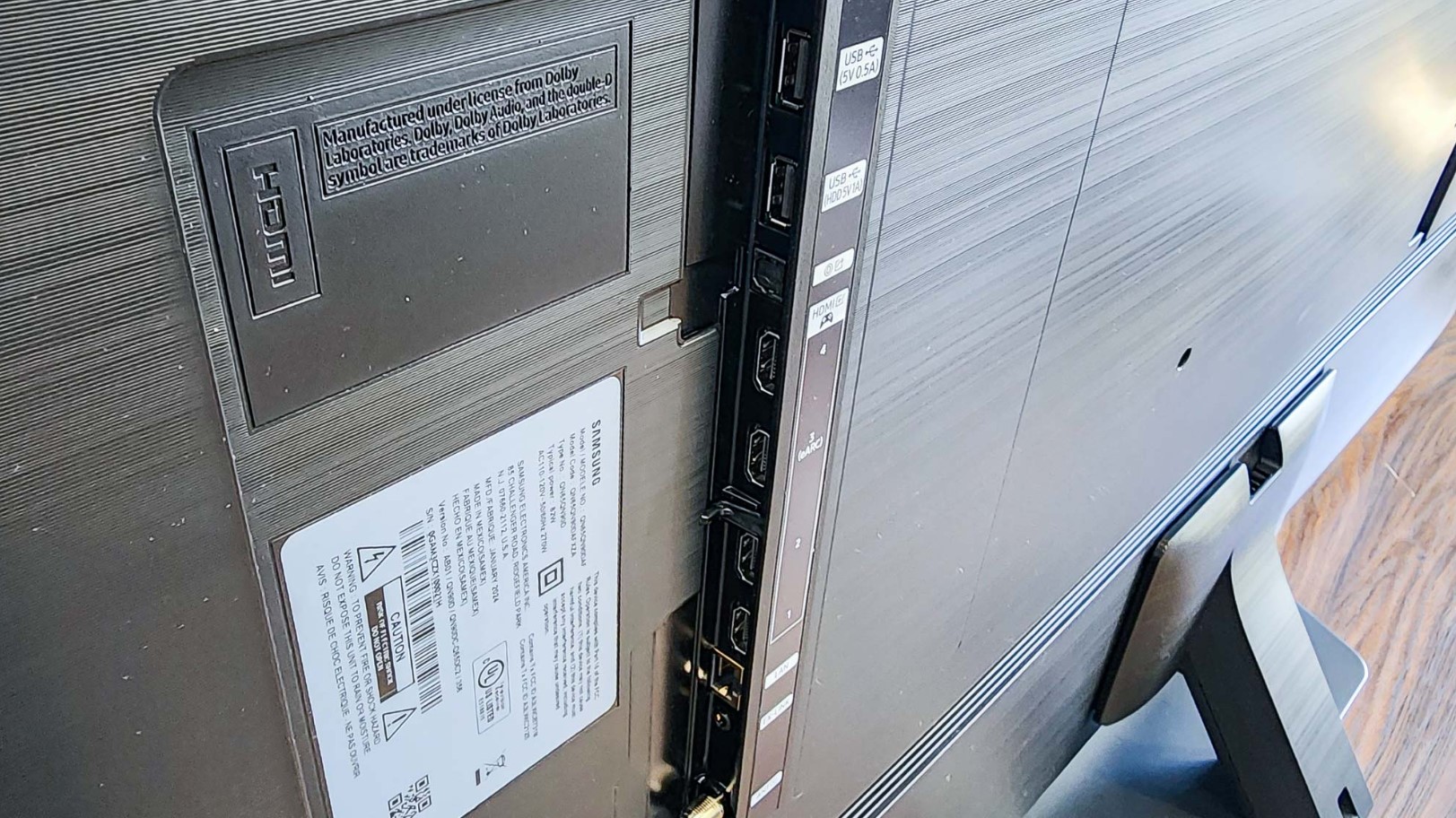
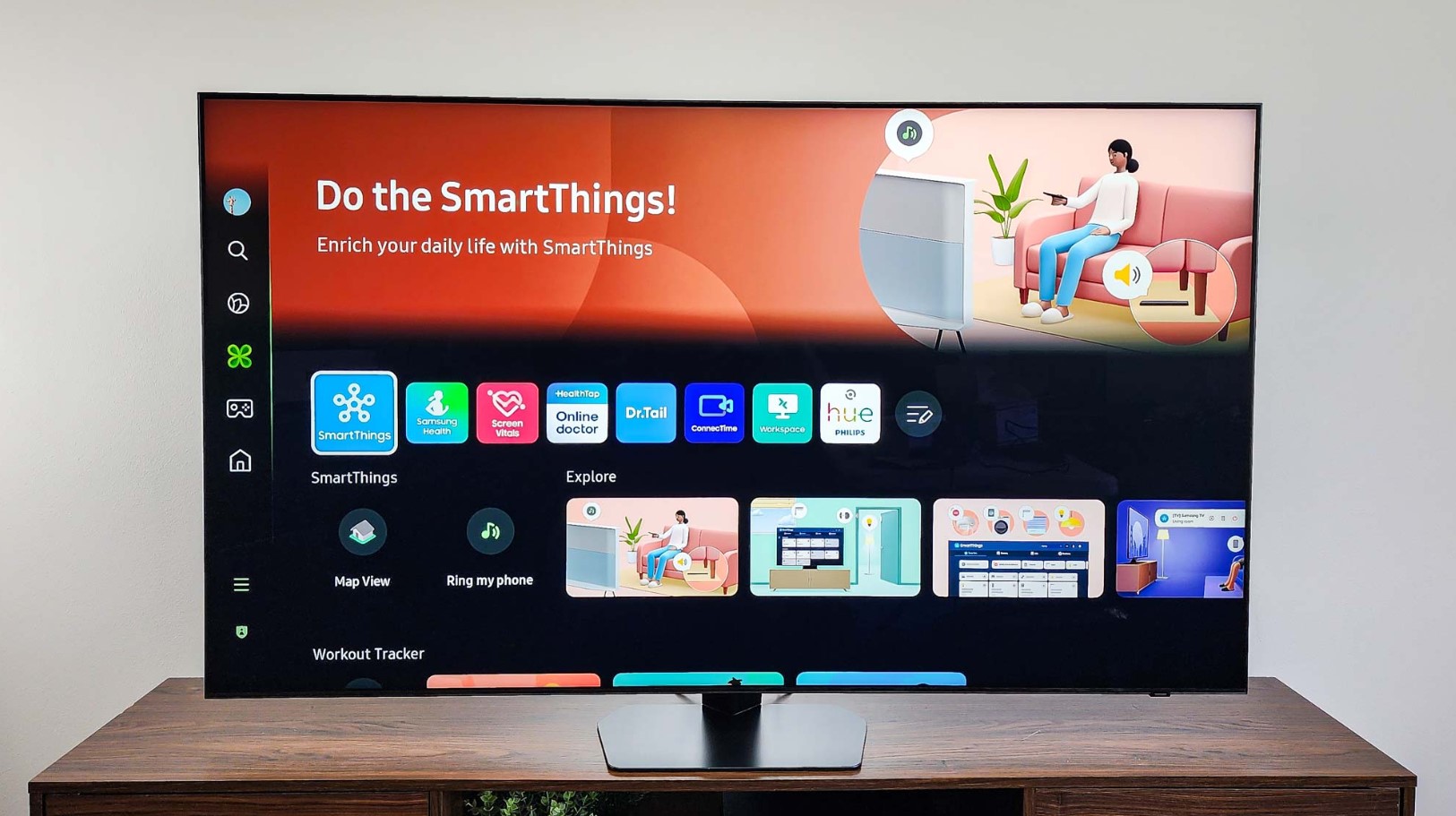
Samsung's QN65QN90D combines Quantum Matrix Mini-LED with Neo Quantum HDR+ processing reaching 2,000 nits across approximately 800 local dimming zones. The 65-inch VA panel uses Ultra Viewing Angle maintaining color accuracy from 40+ degree off-center positions. Motion Xcelerator 144Hz enables high refresh gaming while Real Depth Enhancer Pro adds perceived dimensionality.
Neural Quantum Processor 4K uses AI upscaling trained on millions of images improving lower resolution content. Object Tracking Sound+ positions audio through six speakers and two woofers totaling 60W. All four HDMI ports support 2.1 bandwidth running 4K 144Hz with VRR and FreeSync Premium Pro. Tizen loads quickly though home screen ads annoy some users.
My cousin mounted this TV in his living room featuring large windows on two perpendicular walls creating nightmare bright room conditions. Morning sun hits directly from east-facing windows while afternoon light floods in from west-facing windows. He primarily watches NFL games on Sundays and plays Xbox Series X during weekday evenings. His previous TV became completely unusable during daytime sports viewing requiring closed curtains that defeated the purpose of his expensive renovation adding more natural light. Sports viewing performance exceeded all expectations immediately.
Neo Quantum HDR+ processing automatically adjusted brightness and contrast levels as afternoon sun intensity increased then gradually decreased toward evening without requiring any manual intervention interrupting viewing. Motion Xcelerator 144Hz produced remarkably smooth camera pans following plays downfield without judder or motion blur artifacts common in 60Hz displays. Fast wide receiver routes stayed sharp and defined rather than smearing across the screen creating hard-to-follow action.
Ultra Viewing Angle technology proved its substantial worth given his specific furniture arrangement placing multiple seats 40+ degrees off-center from optimal viewing position. Gaming performance impressed across multiple features beyond just raw refresh rate numbers. All four HDMI 2.1 ports supported full 4K 144Hz with VRR allowing simultaneous Xbox Series X, PlayStation 5, and gaming PC connections without constant cable swapping hassles. Input lag measured consistently under 10ms in Game Mode feeling immediately responsive during competitive Warzone matches.
Pros:
- Ultra Viewing Angle maintains wide seating quality
- Motion Xcelerator 144Hz smooth sports performance
- Four HDMI 2.1 ports support multi-console setups
- Neo Quantum HDR+ auto-adjusts to lighting
- Object Tracking Sound+ accurate positioning
Cons:
- Missing Dolby Vision limits premium streaming
- Home screen ads annoy users
Summary: Samsung QN90D combines Neo Quantum HDR+ processing with 2,000 nits brightness and Ultra Viewing Angle maintaining color accuracy from wide seating positions. Quantum Matrix Mini-LED with 800 zones delivers deep blacks while Motion Xcelerator 144Hz ensures smooth sports viewing though missing Dolby Vision support limits premium streaming compatibility and home screen advertisements detract from user experience.
Hisense 55U8N Review
Bestseller
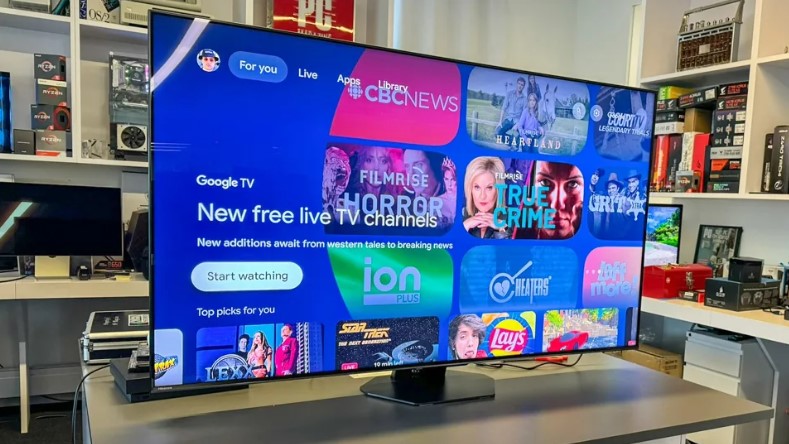
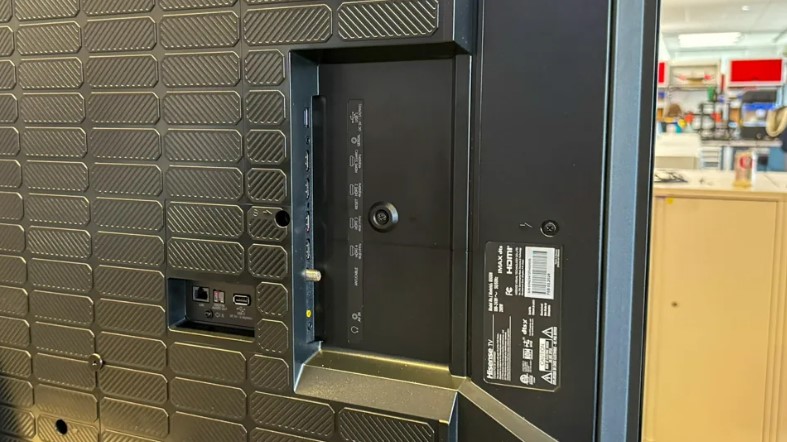
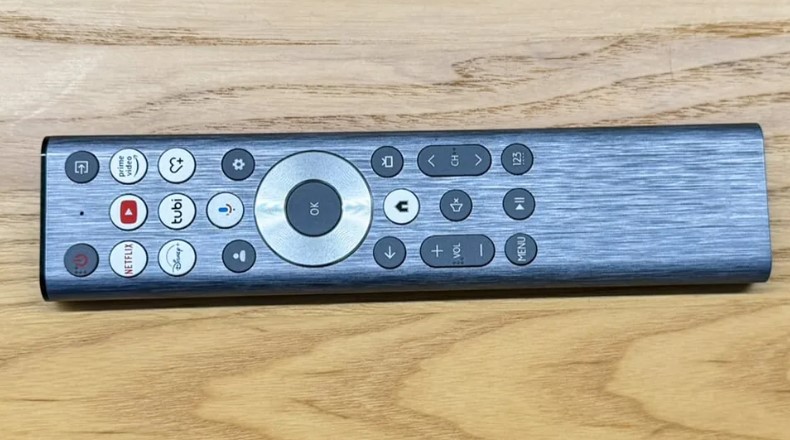
Hisense delivers outstanding bright room performance at mid-range pricing with the 55U8N reaching 3,000 nits measured brightness topping Sony and Samsung. Mini-LED Pro+ backlight divides into 1,536 local dimming zones controlled by Full Array Local Dimming Pro algorithm. The 55-inch VA panel uses quantum dot covering 97% DCI-P3 maintaining saturation across full brightness range.
Dolby Vision IQ and HDR10+ Adaptive adjust HDR based on ambient lighting while Game Mode Pro supports 144Hz refresh with FreeSync Premium Pro. Google TV provides comprehensive streaming access. Two HDMI 2.1 ports handle high bandwidth gaming. The 50W system includes dual subwoofers.
Testing this at a colleague's apartment with floor-to-ceiling windows revealed impressive capabilities. She works from home with TV opposite west-facing windows running CNBC throughout trading hours. Her previous 1,000 nit LED became unusable after 2 PM. The 3,000 nits became obvious. Stock ticker text remained legible during peak sun. News anchors showed proper skin tones.
Full-array dimming with 1,536 zones provided excellent contrast transitioning from daytime to evening viewing. Watching "Blade Runner 2049" after sunset showed deep blacks rivaling OLED while bright highlights popped intensely. The processor handled mixed content well without artifacts.
Quantum dot impressed maintaining saturation across full brightness range. Watching "Planet Earth II," tropical fish showed vibrant colors while rainforest foliage displayed rich greens. The 55-inch size proved limiting for her 12-foot viewing distance. Hisense doesn't offer U8N in 65-inch.
Pros:
- 3,000 nits dominates extremely bright rooms
- 1,536 zones deliver excellent contrast
- Quantum dot maintains saturation at high brightness
- Outstanding value versus premium competitors
- Comprehensive HDR format support
Cons:
- Maximum 55-inch size limits large rooms
- Only two HDMI 2.1 ports
Summary: Hisense U8N achieves 3,000 nits measured brightness through Mini-LED Pro+ backlight with 1,536 dimming zones delivering outstanding bright room performance. Quantum dot color technology reaches 97% DCI-P3 coverage maintaining saturation across full brightness range though maximum 55-inch size limits large room applications and only two HDMI 2.1 ports restrict multi-console gaming setups.
TCL 65QM851G Review
Best Features
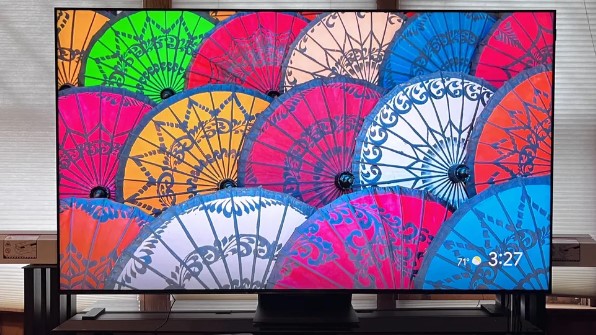
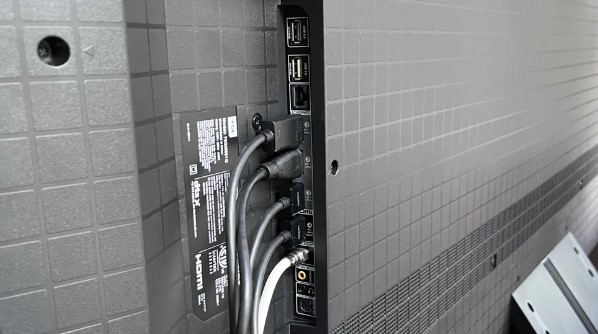
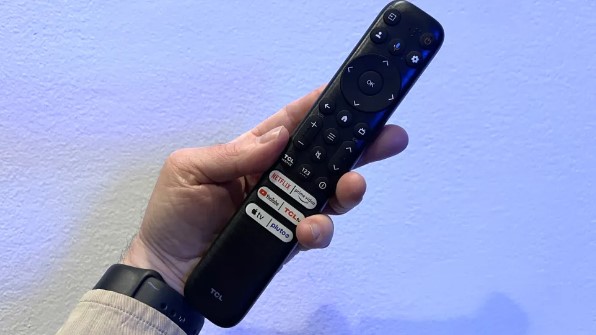
TCL packs flagship features into mid-range pricing with the 65QM851G offering 2,880 local dimming zones controlled by AIPQ Ultra processor. QD-Mini LED combines quantum dot with mini-LED backlight reaching 97% DCI-P3 coverage. The 65-inch VA panel includes anti-reflection coating diffusing overhead lamp and window glare. Motion Rate 480 combines native 120Hz with processing while Game Accelerator 240 doubles effective refresh.
Onkyo-tuned 2.1.2-channel system totals 50W with up-firing drivers attempting Dolby Atmos heights. Google TV loads quickly providing comprehensive streaming access. Two HDMI 2.1 ports support 4K 120Hz gaming with FreeSync Premium Pro.
My neighbor upgraded from 2019 Samsung after renovation added bay windows. The TCL replaced a TV unwatchable during daytime due to sunlight and reflections from overhead lighting. Anti-reflection coating solved his dual challenge completely. Overhead lights creating spots on his previous screen became barely noticeable. Window glare diffused into manageable levels.
The 2,880 zones provided finer contrast than his previous display. Watching "The Batman," shadow detail showed individual textures. Bright elements peaked intensely without blooming. AIPQ Ultra impressed with adaptive processing giving sports motion smoothing while maintaining film-like cadence for movies.
Built-in Onkyo speakers exceeded expectations eliminating soundbar purchase. The 2.1.2 configuration created convincing height effects. Helicopter sounds moved overhead believably. Dialogue remained clear during action sequences.
Pros:
- 2,880 zones provide exceptional contrast
- Anti-reflection coating eliminates lamp glare
- AIPQ Ultra adapts content automatically
- Onkyo speakers deliver convincing Atmos
- Outstanding value for feature set
Cons:
- Gaming features need firmware updates
- Only two HDMI 2.1 ports
Summary: TCL QM851G features 2,880 local dimming zones controlled by AIPQ Ultra processor delivering outstanding black level depth and precise contrast control. Anti-reflection screen coating effectively diffuses overhead lamp glare and window reflections though gaming features require firmware updates for stable VRR performance and only two HDMI 2.1 ports limit multi-console setups.
Amazon Fire TV 65" Omni Mini-LED Review
Budget Pick
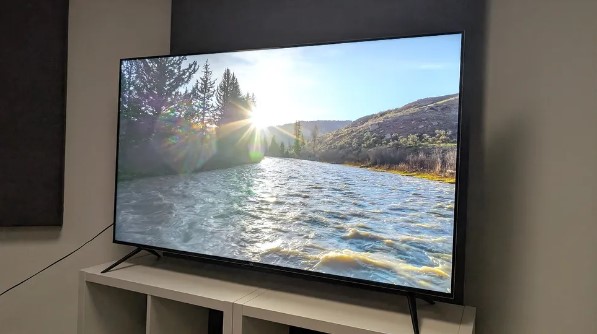
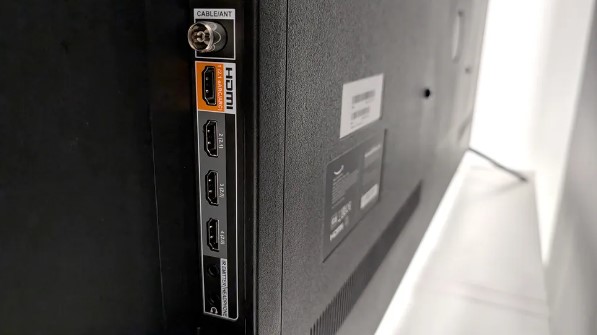
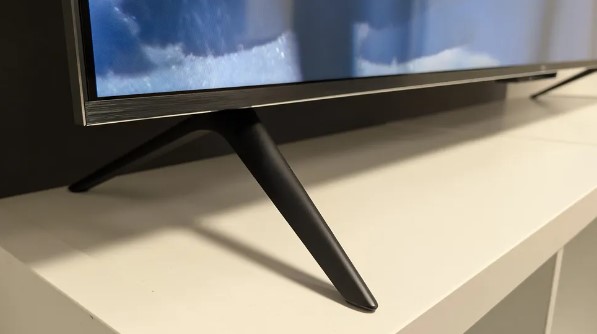
Amazon enters mini-LED with Fire TV Omni Mini-LED delivering 1,400 nits brightness with 768 local dimming zones at aggressive entry-level pricing. The 65-inch VA panel uses quantum dot though coverage specs remain unpublished. Fire TV integrates deeply with Alexa ecosystem providing hands-free voice control through built-in far-field microphones. Two HDMI 2.1 ports support 144Hz gaming with FreeSync Premium Pro.
Intelligent Picture Technology uses AI analyzing scenes adjusting brightness and color automatically. The 40W system includes dual subwoofers. Ambient Experience displays rotating artwork when idle. Dolby Vision IQ and HDR10+ Adaptive support dynamic HDR.
Testing this in sister's kitchen-living combo with large windows and bright overhead LED revealed strengths and limitations. She watches while cooking wanting voice control with existing Echo devices. Her previous TV required picking up remote with messy hands. The 1,400 nits proved adequate though dimmer than premium models. Peak afternoon sun required closing sheer curtains for movies.
Fire TV integration impressed with Alexa connectivity. Asking Alexa to play shows, adjust volume, or switch inputs worked reliably. She controlled TV while cooking with flour-covered hands. Hands-free voice control functioned well even with kitchen noise.
Picture quality exceeded expectations for pricing. Prime Video originals showed vibrant colors. The 768 zones provided reasonable contrast. Ambient Experience displayed artwork and family photos when idle rather than blank black rectangle.
Pros:
- Fire TV integrates Alexa ecosystem seamlessly
- Hands-free voice control reliable while cooking
- Ambient Experience displays artwork when idle
- Aggressive pricing undercuts competition
- Adequate bright room performance with curtains
Cons:
- 1,400 nits dimmer than premium alternatives
- Glossy screen shows overhead reflections
Summary: Amazon Fire TV Omni Mini-LED delivers 1,400 nits brightness with 768 local dimming zones providing acceptable bright room performance at competitive entry-level pricing. Fire TV platform integrates seamlessly with Alexa ecosystem enabling hands-free voice control though 1,400 nits brightness trails premium competitors and glossy screen surface shows overhead lighting reflections requiring careful positioning.
Bright Room TVs: FAQ
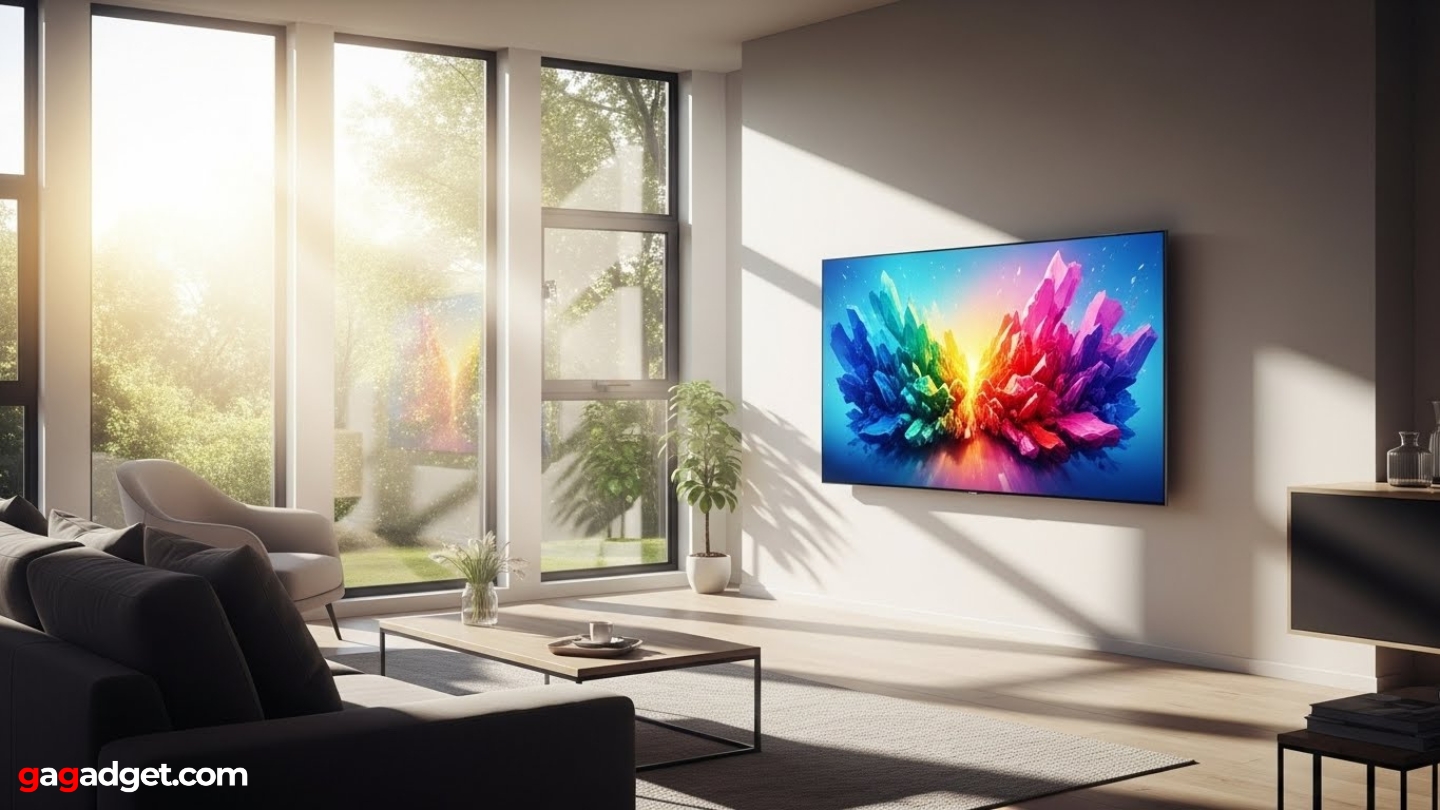
What brightness level do I actually need for bright room viewing?
Evaluate your specific room conditions rather than relying on generic recommendations. Rooms with indirect sunlight through sheer curtains handle 1,500 nits adequately. Direct sun exposure requires 2,000+ nits maintaining visible images when light hits directly. Extremely bright spaces with floor-to-ceiling windows benefit from 2,500-3,000 nits preserving quality during peak daylight. Test TVs during your room's brightest conditions since showroom lighting rarely matches residential severity. Moving from 1,500 to 2,500 nits makes dramatic differences though jumping from 2,500 to 3,000 shows diminishing returns.
Does anti-glare coating really affect picture quality in dark rooms?
Matte anti-glare coatings slightly reduce perceived sharpness and black depth compared to glossy screens in completely dark rooms. The impact proves minimal where most viewers can't spot differences during normal content. The trade-off becomes obvious in bright rooms where glossy screens transform into mirrors showing reflections overlaying actual content. Premium implementations like Sony's minimize penalties through micro-texture treatments preserving sharpness better than budget matte coatings. Budget buyers should prioritize functional bright room viewing over marginal dark room improvements.
How many local dimming zones do I actually need?
Zone count alone doesn't determine performance since processing quality matters equally. Well-implemented 800 zones consistently outperform poorly controlled 2,000 zones showing blooming artifacts. As baseline, 800+ zones provide acceptable performance. 1,500+ zones deliver excellent contrast with minimal blooming. Premium 2,500+ zones approach pixel-level precision though diminishing returns apply. Bright room viewing makes zone count more critical since ambient light reduces perceived contrast making imperfect dimming more noticeable.
Will OLED TVs work acceptably in bright rooms?
OLED brightness typically peaks around 800-1,000 nits making them unsuitable for direct sunlight exposure. The technology excels in dim to moderate lighting delivering perfect blacks. OLED cannot compete with mini-LED for bright room applications. Recent QD-OLED models reach 1,500+ nits improving usability though still trailing mini-LED. Rooms with controllable lighting work fine but uncontrollable sunlight requires mini-LED delivering 2,000+ nits. Budget should prioritize mini-LED for bright rooms since even premium OLED struggles with direct sunlight.
What size TV should I get for bright room viewing?
Brighter displays allow closer viewing since increased output compensates for reduced angular resolution. Calculate approximately 1.5x screen diagonal for mixed content in bright rooms. A 65-inch TV works well from 8-9 feet. A 75-inch suits 10-11 feet. Go larger if brightness exceeds 2,500 nits since extreme output enables closer seating without eye strain. Dimmer 1,500 nit displays benefit from increased viewing distance preventing brightness inadequacy from becoming apparent.
Does increasing screen size reduce brightness?
Larger screens theoretically spread backlight across more area potentially reducing brightness. Manufacturers compensate by installing more powerful LED arrays maintaining comparable specs across sizes. Check measured reviews for your specific size rather than assuming linear scaling. Some manufacturers maintain flagship brightness only in mid-range sizes while larger models use less powerful backlights. Budget models particularly suffer size-related brightness penalties. Premium models generally maintain consistent brightness across sizes.
How important is anti-reflection coating versus brightness?
Anti-reflection coating proves equally critical as peak brightness. A 2,000 nit glossy screen performs worse than 1,500 nit matte display when dealing with reflections creating overlays. Brightness determines visibility under ambient light. Anti-reflection determines whether reflections compete with the image. Both work together - neither alone suffices. Budget allocation should prioritize displays offering both adequate brightness and effective anti-reflection treatment.
Finding Your Bright Room TV
After testing all five models under identical brutal bright room conditions, I found each serves distinctly different priorities and use cases. The Sony BRAVIA 9 works best for premium buyers wanting absolute peak performance with 2,800 nits brightness and sophisticated XR processing eliminating compromises. Design and sports enthusiasts appreciate the Samsung QN90D's Ultra Viewing Angle technology and Motion Xcelerator 144Hz despite missing Dolby Vision support.
Maximum brightness priorities point toward the Hisense U8N delivering 3,000 nits with quantum dot colors and comprehensive HDR support though size limitations restrict applications. Value seekers find flagship features in the TCL QM851G bringing 2,880 dimming zones and Onkyo audio at mid-range pricing. Budget-conscious Alexa ecosystem users find compelling integration in the Amazon Fire TV Omni Mini-LED accepting brightness compromises for hands-free voice control convenience.
Match display capabilities to actual room conditions rather than chasing specifications. Test viewing positions during peak sunlight hours before purchase. Evaluate smart platform preferences since daily interface interaction matters as much as raw picture quality. Budget external audio from display savings since even modest soundbars dramatically improve overall viewing experience beyond built-in speaker capabilities.

Jeb here, your go-to geek for everything from video projection to the latest tech trends. As an avid outdoorsman, I enjoy using monoculars and binoculars for hunting, traveling, and birdwatching. Join me in exploring the cool, quirky side of technology!


