SpaceX launched a NASA Pandora satellite to study exoplanets

On Sunday, January 11, SpaceX's Falcon 9 rocket launched the Twilight mission from Vandenberg Base in California. Onboard were about 40 satellites, including the mission's main payload, NASA's Pandora satellite. Its goal is to study the atmospheres of at least 20 exoplanets in detail during a year-long mission.
What is known
Pandora weighs 325 kg and is equipped with a 45 cm diameter telescope. The device will observe transits - moments when an exoplanet passes in front of its star, causing a decrease in brightness. This is one of the most effective methods for detecting exoplanets. Pandora will help distinguish the impact of stellar spots and inhomogeneities on the perceived light and filter these effects for a more accurate study of the planet's atmosphere.
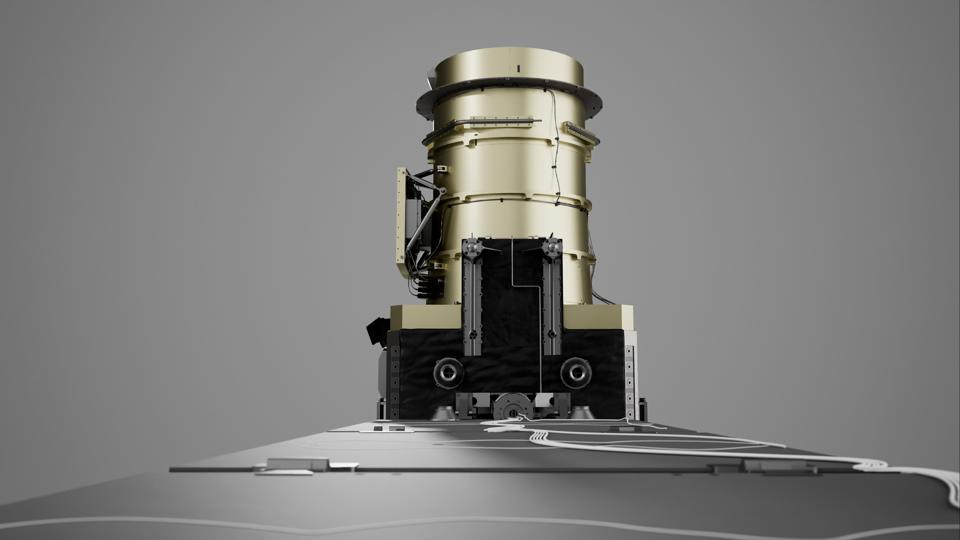
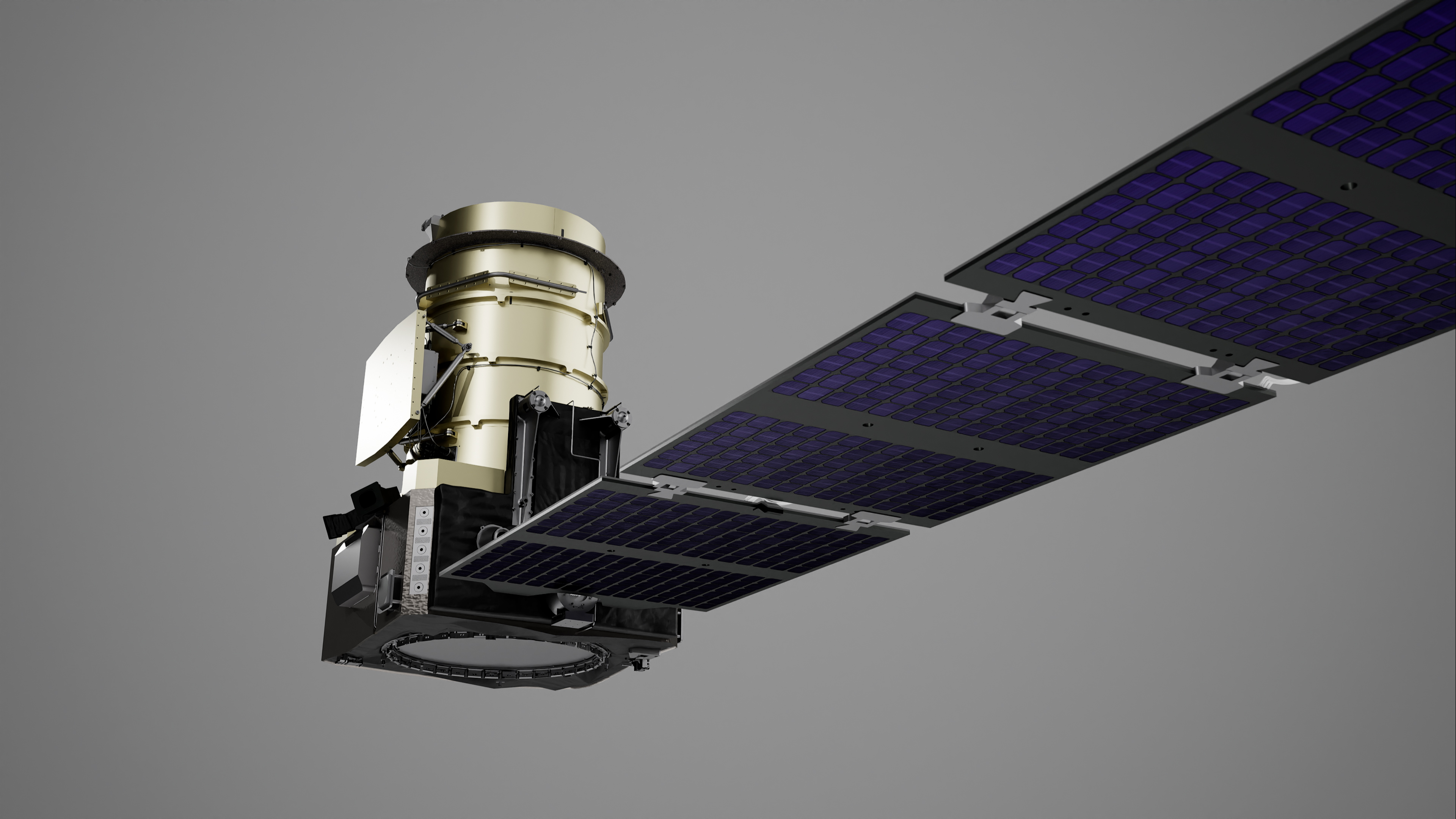
As explained by NASA, the device will simultaneously measure the brightness of the star in the visible spectrum and collect infrared data. This approach will separate the "star spectrum" from the "planet spectrum," thus accurately identifying which elements are actually present in the atmosphere of another world. The main focus is on planets where water vapor or hydrogen predominates.
Along with Pandora, more than three dozen satellites were sent into orbit. Among them are 10 Kepler Communications Aether series devices, as well as two new Acadia Earth observation radars from Capella Space.
This is not the first mission of this format for SpaceX. The company has already carried out 15 similar launches as part of the Transporter series and four more under the Bandwagon program. The goal of such flights is to launch a large number of devices from different customers during one launch.
The first stage of the Falcon 9 rocket successfully landed at the Vandenberg site after separation. This was the fifth flight of this particular booster.
The Twilight mission was named for its special orbit – it is also called the "dawn-dusk" (sun-synchronous) orbit as it runs along the day-night line, allowing satellites to observe the Earth or stars.
Source: SpaceX


