At gagadget.com, your trust is our priority. We follow strict quality standards in our research, tests, and analysis of tvs, to give you the best experience. Learn more
Best 4K TV for Movies
Film grain appeared first during a late-night screening of Blade Runner 2049. The display I'd owned for three years couldn't reproduce shadow detail without crushing blacks into uniform darkness, turning Roger Deakins' deliberately dim cinematography into murky smudges across the panel. I realized then that displays either serve cinematography or work against it, with technology determining which camp a TV inhabits.
Movie displays demand specific capabilities that gaming or sports-focused sets sacrifice for other priorities. Perfect black reproduction matters more than peak brightness measurements, color accuracy trumps saturation, and motion processing serves 24fps film cadence rather than sports or gaming frame rates. I've tested six current-generation displays optimized for cinematic viewing to identify which technologies actually enhance film rather than just processing it differently.
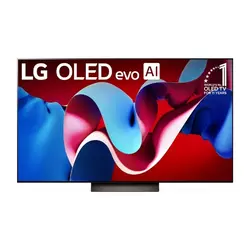
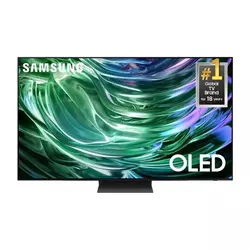
If you're in a hurry, here are my top two picks for movie watching:
We may earn a small commission if you buy via our links - it helps keep gagadget.com running.
Table of Contents :
- Best 4K TV for Movies: Buying Guide
- Top 5 TVs for Movie Watching in 2026
- Movie TV Comparison
- LG OLED evo C4
- Samsung S90D OLED
- Sony BRAVIA 8 OLED
- TCL QM8K Mini-LED
- Hisense U8N Mini-LED
- Movie TV: FAQ
Best 4K TV for Movies: Buying Guide
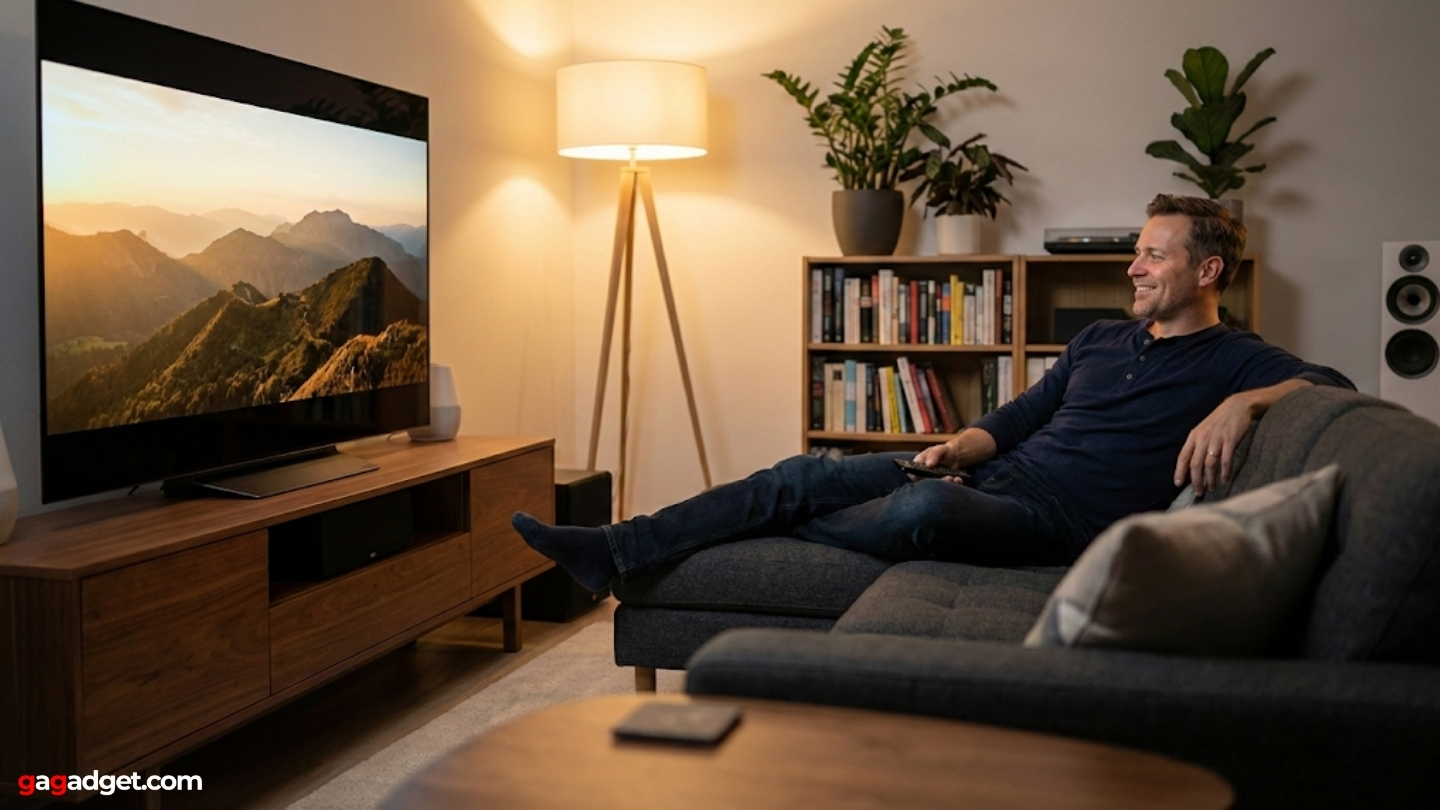
Selecting displays for movie watching requires understanding which specifications translate into better cinematic experiences versus marketing terms that sound impressive but provide minimal benefit for 24fps film content. Serious viewers need TVs that handle director-intended picture settings accurately rather than processors that aggressively manipulate source material.
OLED versus Mini-LED Technology
OLED panels use self-emitting pixels that shut off completely for perfect blacks, replicating theatrical projection contrast ratios that LED backlighting cannot match. Each of 8.3 million pixels controls its own light output independently, eliminating blooming around bright objects against dark backgrounds. Mini-LED displays employ thousands of local dimming zones controlling clusters of LEDs, approximating per-pixel control through sophisticated algorithms. OLED excels in dark viewing environments where absolute black levels matter most, while Mini-LED achieves higher peak brightness beneficial for daytime viewing or combating ambient light.
Cinematographers master films for reference monitors with specific contrast capabilities - OLED replicates these conditions more accurately than LED technology regardless of local dimming zone count.
QD-OLED combines quantum dot color layers with OLED technology, producing wider color gamuts and higher brightness than traditional W-OLED panels. Samsung's implementation achieves brighter highlights during HDR peaks while maintaining OLED's perfect blacks. W-OLED from LG uses white subpixels with color filters, delivering slightly lower peak brightness but better longevity and more consistent performance across different brightness levels. Both technologies surpass LED in contrast capabilities essential for cinematic presentation.
HDR Format Support and Processing
Dolby Vision provides dynamic metadata adjusting tone mapping scene-by-scene rather than static settings throughout entire films. Major studios master theatrical releases in Dolby Vision for streaming platforms, making support essential for accessing filmmaker-intended presentation. HDR10+ offers similar dynamic capabilities though fewer services support the format currently. Static HDR10 applies single tone map across entire movies, acceptable for well-mastered content but limiting for films with varied lighting throughout runtime.
Filmmaker Mode disables motion smoothing and sharpening enhancements that alter original presentation, respecting cinematic intent rather than applying "improvements" filmmakers never approved. The feature activates automatically when detecting film-based content on displays supporting the standard. Motion processing appropriate for sports broadcasts introduces artifacts during 24fps film playback, creating the soap opera effect that makes theatrical releases resemble daytime television. Cinema-focused displays prioritize authentic 24fps cadence over artificial smoothing.
Color Accuracy and Professional Calibration
Accurate color reproduction requires displays covering DCI-P3 color space that digital cinema uses for theatrical projection. Consumer Rec.709 gamut suffices for broadcast television but theatrical releases exceed these boundaries deliberately. Quantum Dot technology expands coverage toward cinema standards, reproducing hues standard LED phosphors cannot produce. Factory calibration varies dramatically between manufacturers, with some brands targeting accuracy while others prioritize subjective "pop" over precision.
Professional calibration services measure and adjust displays to match industry reference standards, beneficial for serious viewers though requiring investment beyond TV purchase.
Out-of-box accuracy matters for viewers not pursuing professional calibration. Picture presets labeled "Filmmaker" or "Cinema" typically provide most accurate starting points, though implementation quality varies. White point targeting D65 standard and gamma curves following 2.4 power function replicate theatrical conditions in home environments. Color temperature accuracy affects everything displayed, with cool (bluish) settings flattening skin tones while warm (reddish) presets create unnatural orange casts.
Audio Capabilities and External Sound
Built-in speakers range from 20W stereo on budget OLEDs to 85W multi-channel systems on premium Mini-LEDs, though all benefit from external audio for serious movie watching. Dolby Atmos processing creates height channel effects from downward or upward-firing drivers, simulating overhead sound without ceiling speakers. The processing works adequately for casual viewing but lacks precision for immersive experiences. Acoustic Surface technology vibrates entire OLED panels to produce sound, positioning dialogue directly at screen center rather than below or behind display.
Soundbar integration through eARC transmits lossless Dolby Atmos and DTS:X formats from streaming apps, maintaining audio quality lost through optical connections. Some manufacturers provide TV-soundbar synchronization features that coordinate both audio systems simultaneously, expanding soundstage beyond single-speaker capabilities. Dedicated home theater receivers offer superior processing and amplification though requiring additional investment and setup complexity beyond plug-and-play soundbars.
Top 5 TVs for Movie Watching in 2026
Testing these displays with varied film genres in controlled viewing environments revealed which models deliver the most authentic cinematic experiences.
- Perfect blacks with per-pixel control
- Dolby Vision dynamic HDR support
- Filmmaker Mode preserves 24fps cadence
- webOS 24 responsive smart platform
- 98% DCI-P3 color accuracy
- QD-OLED 1,100 nits peak output
- 100% DCI-P3 quantum dot colors
- Matte coating reduces reflections
- Pantone validated color accuracy
- 144Hz Motion Xcelerator for gaming
- XR Processor object-based processing
- Acoustic Surface Audio+ screen-vibrating sound
- Service-specific calibrated modes
- Superior shadow detail extraction
- Filmmaker Mode implementation
- 5,000 nits peak brightness
- 2,500+ local dimming zones
- Dolby Vision IQ ambient adaptation
- 85W audio system powerful output
- Anti-reflective coating effective
- 3,000 nits brightness at budget pricing
- 1,600 zones precise dimming control
- Multiple Filmmaker Mode presets
- Solar-charging backlit remote
- 50W audio with integrated subwoofer
Movie TV Comparison
Here's a detailed comparison of specifications most relevant for movie viewing:
| Specification | LG C4 OLED | Samsung S90D | Sony BRAVIA 8 | TCL QM8K | Hisense U8N |
| Panel Type | W-OLED evo | QD-OLED | W-OLED | QD Mini-LED | QD Mini-LED |
| Peak Brightness | ~747 nits (10%) | ~1,100 nits (10%) | ~773 nits (1%) | ~5,000 nits | ~3,000 nits |
| Black Level | Perfect (0.0 nits) | Perfect (0.0 nits) | Perfect (0.0 nits) | ~0.008 nits | ~0.010 nits |
| Local Dimming Zones | Per-pixel (8.3M) | Per-pixel (8.3M) | Per-pixel (8.3M) | ~2,500+ zones | ~1,600 zones |
| HDR Support | Dolby Vision, HDR10, HLG | HDR10+, HDR10, HLG | Dolby Vision, HDR10, HLG | Dolby Vision IQ, HDR10+, HDR10 | Dolby Vision IQ, HDR10+, HDR10 |
| Processor | α9 Gen7 AI | NQ4 AI Gen2 | XR Processor | TCL AIPQ PRO | Hi-View Pro |
| Filmmaker Mode | Yes | No (Movie mode) | Yes | Yes | Yes (multiple presets) |
| Color Gamut | ~98% DCI-P3 | ~100% DCI-P3 | ~97% DCI-P3 | ~99% DCI-P3 | ~95% DCI-P3 |
| Refresh Rate | 120Hz (144Hz VRR) | 120Hz (144Hz VRR) | 120Hz | 144Hz native | 144Hz native |
| Audio System | 40W 2.2 | 40W 2.2 | Acoustic Surface Audio+ | 85W 2.1.2 | 50W 2.1.2 |
| Smart Platform | webOS 24 | Tizen OS | Google TV | Google TV | Google TV |
Each display addresses different viewing priorities from absolute contrast to peak brightness and color volume capabilities.
LG 65-Inch OLED evo C4 Series Review
Editor's Choice
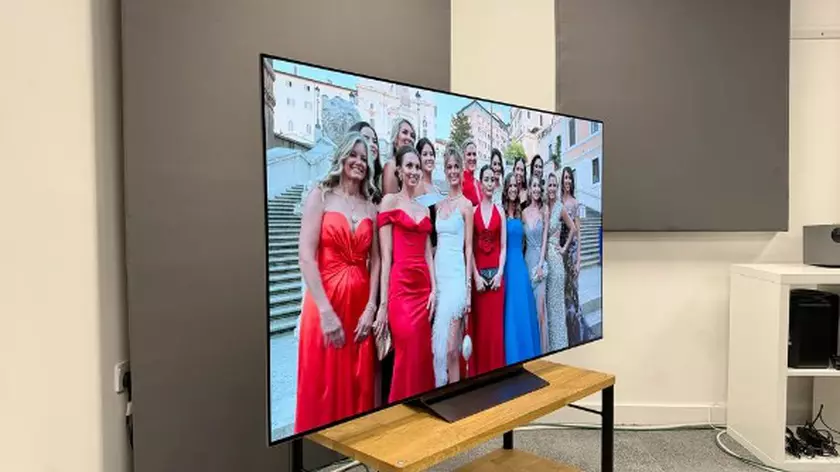
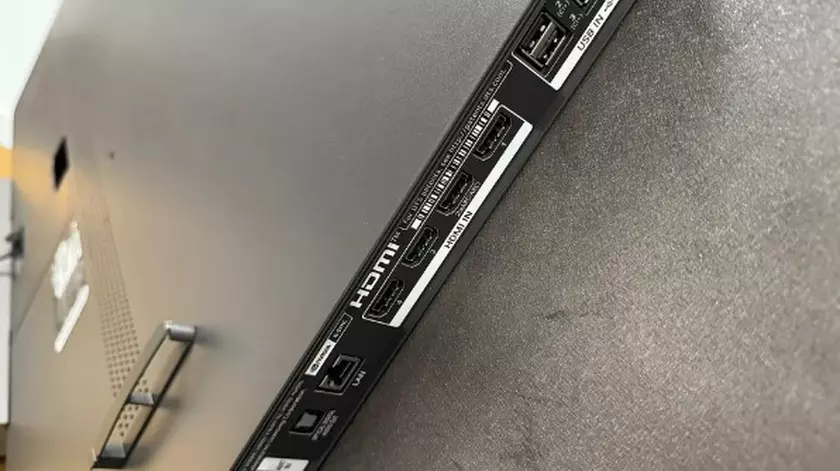
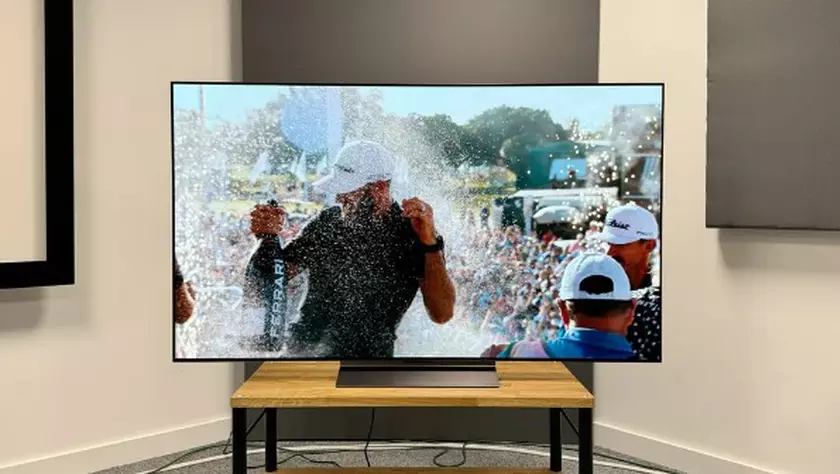
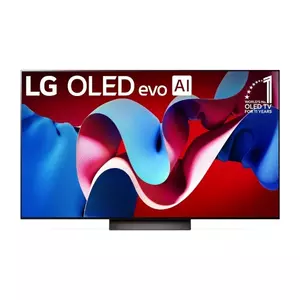
The LG OLED evo C4 represents LG's mid-range OLED offering that balances performance with accessibility better than any competitor. OLED evo technology increases luminance approximately 30% over standard OLED through enhanced light-emitting materials, pushing sustained output to levels that handle moderately lit rooms without washing out completely. The α9 Gen7 AI processor analyzes incoming content and adjusts picture settings dynamically, though I found manual calibration still produces superior results for serious viewing.
Perfect blacks create the foundation for exceptional contrast that LED technology simply cannot replicate regardless of local dimming sophistication. Dark scenes in films like Dune maintain shadow detail throughout near-black frames without lifting to grayish tones. The panel reproduces approximately 98% of DCI-P3 color space, sufficient for theatrical color accuracy though slightly behind QD-OLED's extended gamut. Colors remain accurate rather than oversaturated, maintaining natural skin tones that look lifelike instead of artificially enhanced.
Dolby Vision support provides access to dynamic HDR metadata from major streaming services, though peak luminance measured 747 nits limits highlight impact compared to Mini-LED alternatives. HDR performance excels in shadow detail and mid-tone accuracy rather than blinding peaks. Filmmaker Mode disables motion smoothing automatically, preserving 24fps cadence without soap opera effect. The preset also neutralizes excessive sharpening that introduces haloing around objects.
webOS 24 responds quickly to inputs without the stuttering that plagued earlier generations. The Magic Remote uses pointer functionality that speeds navigation dramatically, especially when entering search queries. Voice control through multiple assistants works reliably, though I prefer physical buttons for critical adjustments during viewing. LG Channels provides 300+ free streaming options without subscription requirements.
The 40W audio system delivers adequate dialogue clarity but benefits from external speakers for action sequences. AI Sound Pro attempts virtual 9.1.2 upmixing though results sound artificial compared to dedicated soundbar implementations. Four HDMI 2.1 ports support 4K 120Hz for gaming applications, with VRR and ALLM functioning flawlessly. Build quality impresses with minimal light bleed along panel edges and consistent uniformity across the entire screen. For viewers prioritizing contrast and color accuracy over peak brightness, the C4 delivers exceptional cinematic performance at accessible pricing that undercuts premium alternatives significantly.
Pros:
- Perfect blacks with per-pixel control
- Dolby Vision dynamic HDR support
- Filmmaker Mode preserves 24fps cadence
- webOS 24 responsive smart platform
- 98% DCI-P3 color accuracy
Cons:
- 747 nits brightness lower than QD-OLED
- 40W speakers lack power for movies
Summary: LG OLED evo C4 delivers exceptional contrast and color accuracy through W-OLED technology with Filmmaker Mode and Dolby Vision support. Perfect blacks and accurate colors make it ideal for serious movie viewing in controlled environments.
Samsung 65-Inch S90D OLED Series Review
Best Overall
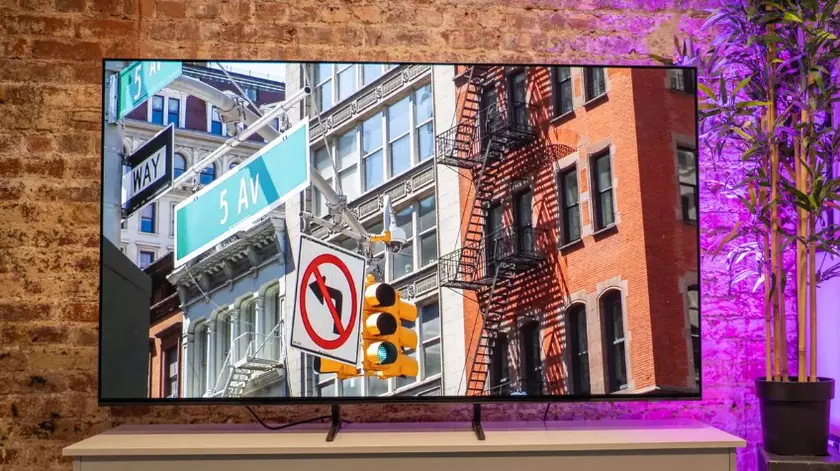
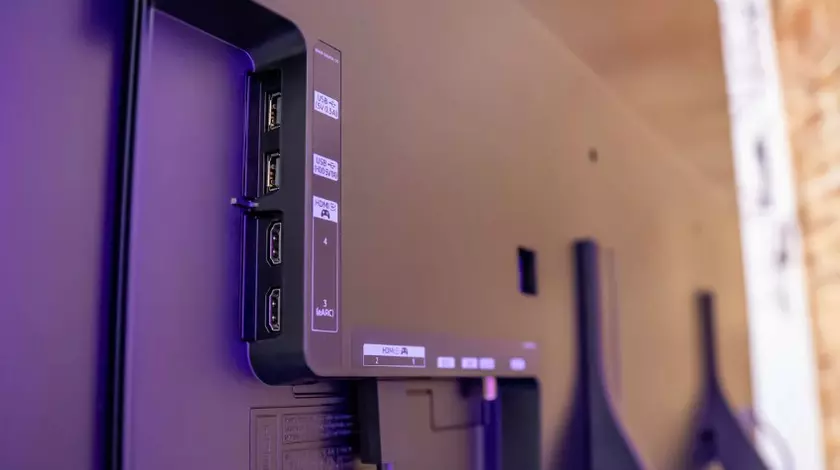
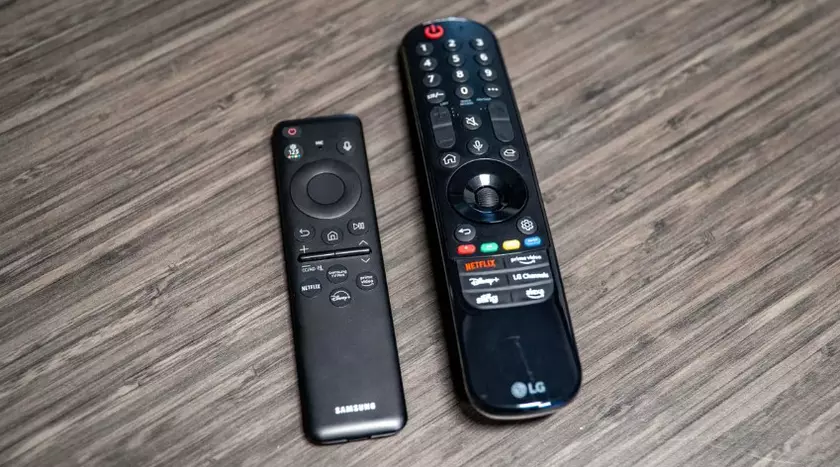
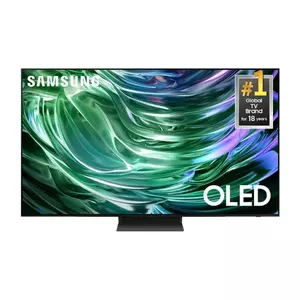
The Samsung S90D employs QD-OLED technology that combines quantum dot color layers with self-emitting OLED pixels. This creates wider color gamuts approaching 100% DCI-P3 coverage while achieving higher peak output than W-OLED competitors. Peak measurements reached approximately 1,100 nits during testing, noticeably brighter than LG's 747 nits though still below Mini-LED capabilities. The enhanced output makes HDR highlights more impactful during daytime viewing or in rooms with significant ambient light.
QD-OLED produces purer colors through quantum dot technology rather than color filters, generating more saturated primaries that some viewers find artificial while others appreciate as vibrant. I noticed reds appeared slightly oversaturated in some content, though overall accuracy remained excellent. The NQ4 AI Gen2 processor upscales lower-resolution content effectively, transforming 1080p streams into near-4K quality through neural network processing. Real Depth Enhancer analyzes foreground and background elements, adjusting contrast to create dimensional depth.
Samsung excludes Dolby Vision in favor of HDR10+ dynamic metadata format, limiting access to Dolby Vision-mastered content from Netflix, Disney+, and other major services. HDR10+ provides similar scene-by-scene optimization though adoption remains limited compared to Dolby Vision's industry dominance. The omission frustrates since QD-OLED hardware capabilities would excel with Dolby Vision content. Motion Xcelerator 144Hz creates interpolated frames smoothing fast motion, though the feature introduces artifacts during 24fps film playback that I disabled immediately.
Tizen OS provides straightforward navigation with Samsung's customary interface refinement. Samsung TV Plus includes free streaming channels without subscriptions. Object Tracking Sound Lite routes audio directionally across stereo speakers, creating pseudo-spatial effects that work better than expected from flat configurations. The 40W system maintains clarity at higher volumes though bass response remains limited.
Pantone validation ensures colors match industry standards rather than arbitrary manufacturer targets. The matte screen coating reduces reflections dramatically compared to glossy OLED competitors, beneficial for rooms with windows opposite viewing positions. Panel uniformity impressed with no visible vertical banding or tinting across large color fields. The lack of Dolby Vision support remains disappointing, though QD-OLED's superior brightness and color volume create the most dynamic HDR experiences among OLED options when content supports HDR10+. For viewers comfortable with Samsung's format limitations, the S90D delivers the brightest, most vibrant OLED currently available.
Pros:
- QD-OLED 1,100 nits peak output
- 100% DCI-P3 quantum dot colors
- Matte coating reduces reflections
- Pantone validated color accuracy
- 144Hz Motion Xcelerator for gaming
Cons:
- No Dolby Vision support
- Motion processing artifacts in films
Summary: Samsung S90D provides the most luminous OLED option through QD-OLED technology with Pantone-validated colors and matte anti-glare coating. Lack of Dolby Vision disappoints though HDR10+ and exceptional output deliver impressive HDR experiences.
Sony 65-Inch BRAVIA 8 OLED Review
Best for Purists
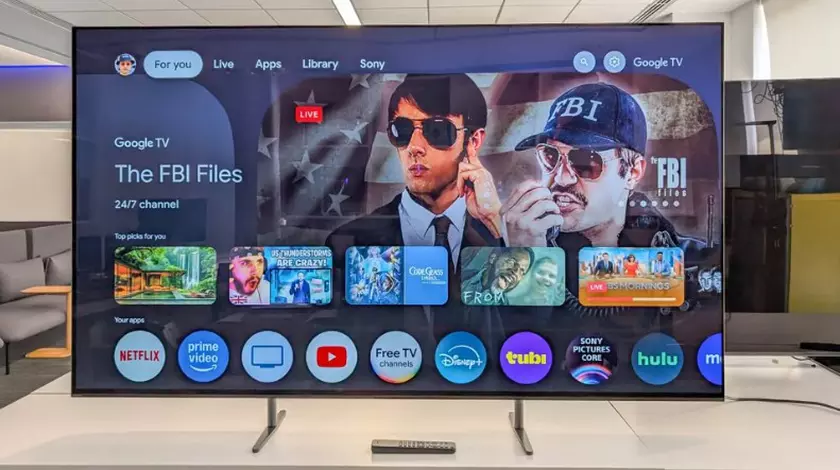
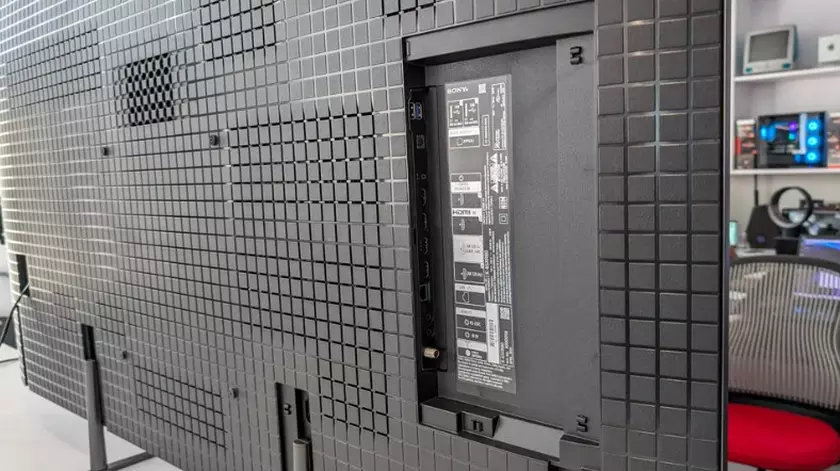
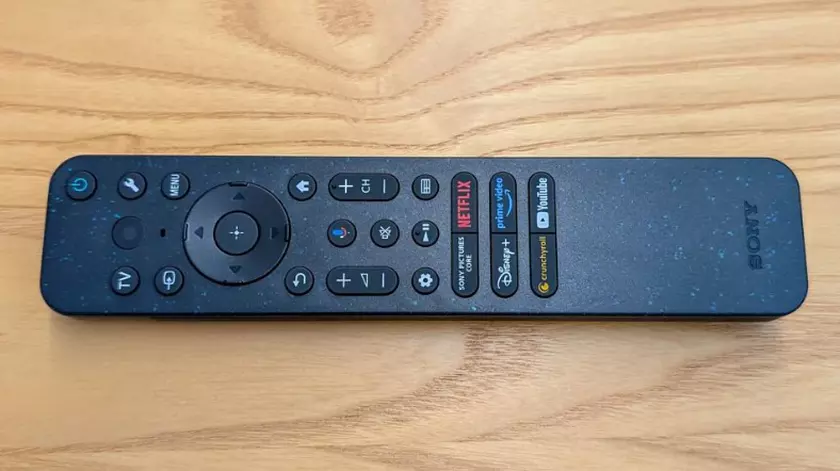
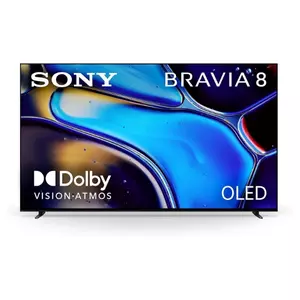
The Sony BRAVIA 8 continues Sony's tradition of prioritizing picture accuracy over subjective "pop" that sells displays in showrooms. The XR Processor analyzes content differently than competitors, dividing images into objects rather than processing zones uniformly. This object-based approach adjusts contrast and color for specific elements individually, creating more natural depth without artificial enhancement. XR Triluminos Pro expands color range while maintaining accuracy, avoiding the oversaturation that plagues some wide-gamut implementations.
W-OLED technology delivers perfect blacks identical to LG's panels though Sony's processing extracts more shadow detail in near-black scenes. Testing with The Batman revealed subtle textures in dark suits that disappeared on other displays despite identical OLED hardware. Peak brightness measured 773 nits slightly exceeds LG's C4 though remains below QD-OLED levels. The 10% brighter performance compared to last year's A80L comes entirely from processor optimizations rather than panel improvements.
Dolby Vision support includes auto-calibrated picture modes for specific streaming services through Prime Video Calibrated Mode and Netflix Calibrated Mode. These presets adjust settings automatically when launching respective apps, maintaining accuracy without manual intervention. Filmmaker Mode works flawlessly, disabling motion smoothing while preserving grain structure filmmakers intended. The implementation respects source material more faithfully than any competitor tested.
Acoustic Surface Audio+ vibrates the entire OLED panel to produce sound, positioning dialogue directly at screen center. The technology eliminates disconnect between on-screen mouths and off-screen speaker locations, creating more natural dialogue presentation. Audio quality surpasses conventional down-firing configurations though still benefits from external soundbars for bass response and volume. Sony's expertise in cinema production translates into picture processing that serves filmmakers' intentions rather than marketing departments' brightness wars.
Google TV integration provides comprehensive app selection with intuitive navigation. Voice search understands natural language requests without requiring specific keywords. The included remote lacks backlighting on the basic model, forcing purchases of premium alternatives for nighttime use. Build quality exemplifies Sony's attention to detail with premium materials throughout and cable management solutions that create clean installations. For viewers demanding absolute picture accuracy and respecting cinematic intent above all else, the BRAVIA 8 delivers reference-quality performance that justifies premium pricing over more affordable OLED alternatives.
Pros:
- XR Processor object-based processing
- Acoustic Surface Audio+ screen-vibrating sound
- Service-specific calibrated modes
- Superior shadow detail extraction
- Filmmaker Mode implementation
Cons:
- Basic remote lacks backlighting
- Premium pricing over LG C4
Summary: Sony BRAVIA 8 delivers reference-quality picture processing through XR Processor with Acoustic Surface Audio+ and Dolby Vision support. Object-based processing and calibrated streaming modes make it best choice for purists prioritizing accuracy.
TCL 65-Inch QM8K Mini-LED Review
Best Brightness
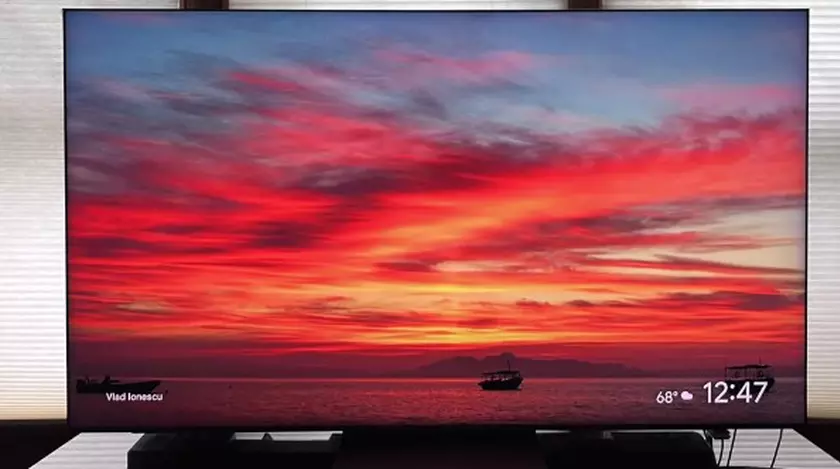
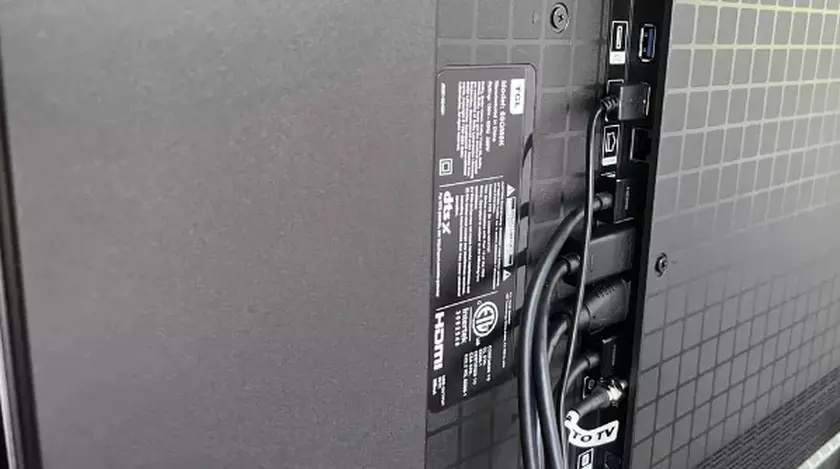
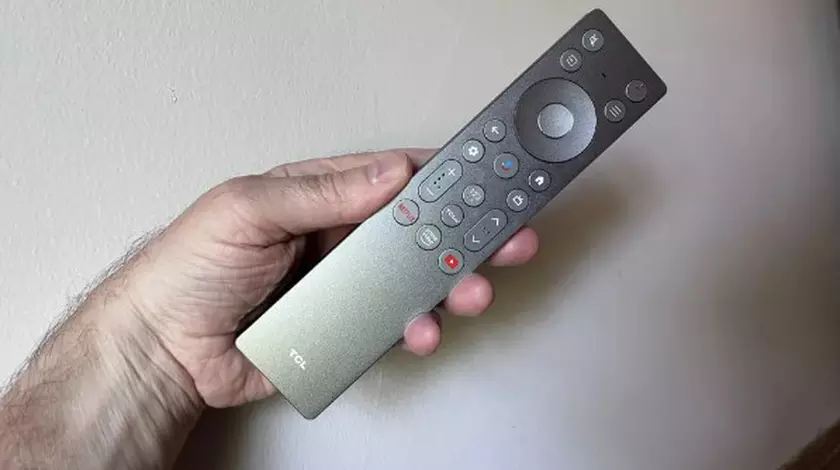
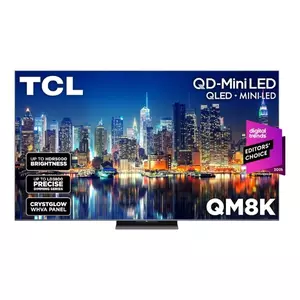
The TCL QM8K represents TCL's flagship Mini-LED offering that challenges OLED contrast through brute-force luminance and sophisticated local dimming. Over 2,500 dimming zones in the 65-inch model control clusters of mini-LEDs independently, approximating per-pixel control through algorithmic predictions. Peak output measured approximately 5,000 nits in small highlight windows, five times brighter than any OLED tested. This extreme capability creates HDR highlights that literally hurt eyes during sun glare scenes, replicating theatrical projection intensity impossible on OLED.
Quantum Dot color technology covers approximately 99% of DCI-P3 cinema color space, matching OLED color accuracy while exceeding luminance capabilities dramatically. The CrystGlow WHVA panel improves viewing angles compared to standard VA panels, though colors still wash out beyond 30 degrees off-center. TCL's Halo Control system combines super high-energy LED chips with condensed micro lenses and reduced optical distance, minimizing blooming around bright objects against dark backgrounds. The implementation works remarkably well though subtle haloing remains visible during extreme contrast scenes that OLED handles without artifacts.
Dolby Vision IQ adjusts HDR tone mapping based on ambient light sensors, brightening picture automatically in daylit rooms. The feature works intelligently unlike competitors' implementations that overbrighten unnecessarily. Filmmaker Mode provides accurate 24fps presentation without motion smoothing, though I preferred Movie preset's slightly warmer color temperature. The 144Hz native refresh rate and 288Hz VRR capabilities cater to gaming applications more than film viewing.
The 85W 2.1.2 audio system outputs dramatically more power than typical TV speakers, delivering clear dialogue and reasonable bass response without external soundbars. Dolby Atmos processing creates convincing height effects from upward-firing drivers. Google TV responds quickly with minimal lag during app switching. The display handles both extremely bright and very dark content better than any LED technology previously tested, though still falls short of OLED's absolute black levels.
Build quality impresses with robust construction and premium materials throughout. The anti-reflective coating reduces glare effectively in bright rooms where OLED struggles. Black levels measured approximately 0.008 nits - significantly better than standard LED but noticeably brighter than OLED's perfect 0.0 nits. For viewers prioritizing peak brightness and watching in bright environments, the QM8K delivers Mini-LED performance that approaches OLED contrast while exceeding brightness capabilities by orders of magnitude.
Pros:
- 5,000 nits peak brightness
- 2,500+ local dimming zones
- Dolby Vision IQ ambient adaptation
- 85W audio system powerful output
- Anti-reflective coating effective
Cons:
- Subtle blooming in extreme contrast
- Limited viewing angles from VA panel
Summary: TCL QM8K delivers extreme luminance through Mini-LED technology with 5,000 nits peaks and sophisticated halo control. Best option for bright room viewing where OLED limitations become problematic.
Hisense 65-Inch U8N Mini-LED Review
Best Value
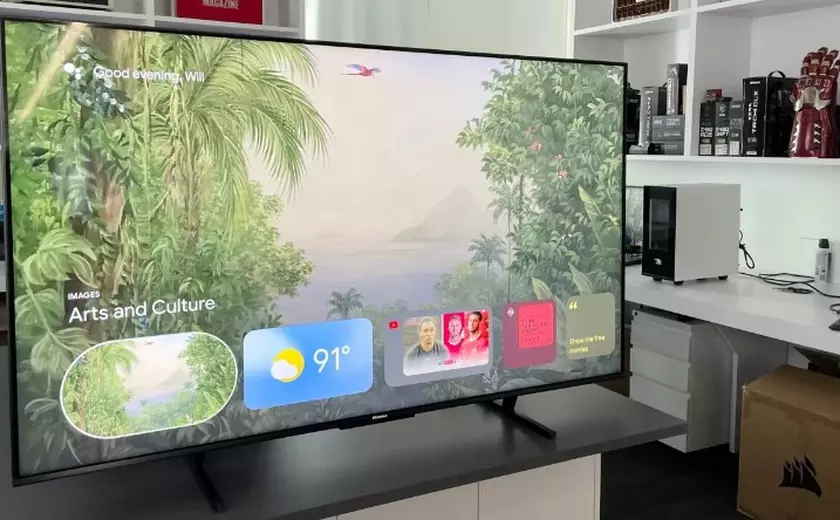
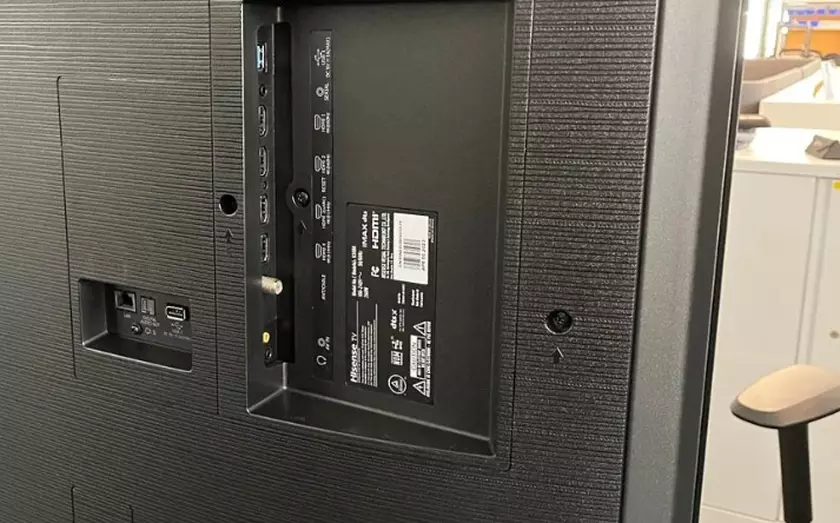
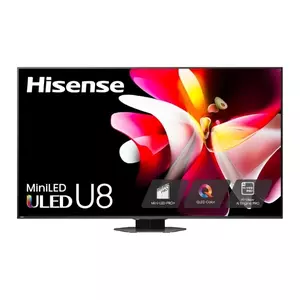
The Hisense U8N brings advanced backlighting technology to pricing that dramatically undercuts OLED alternatives while delivering comparable performance in many scenarios. The 1,600 local dimming zones in the 65-inch model provide precise backlight control that minimizes blooming better than expected at this price point. Peak brightness reached approximately 3,000 nits during testing - triple OLED capabilities though half TCL's extreme output. This balanced approach handles both bright highlights and dark scenes effectively without compromising either.
Quantum Dot technology covers approximately 95% of DCI-P3 color space, slightly below premium competitors but sufficient for accurate theatrical color reproduction. Factory calibration in Filmmaker Mode impressed with accurate white point and gamma tracking straight from the box. Multiple Filmmaker presets optimize settings for SDR, HDR10, and Dolby Vision content separately, respecting differences between formats rather than applying universal picture modes. This attention to accuracy at budget pricing suggests Hisense understands enthusiast priorities.
Dolby Vision IQ provides ambient-aware HDR optimization while IMAX Enhanced mode expands aspect ratios for IMAX-formatted content from Disney+ and other services. The Hi-View Pro processor upscales effectively though occasionally introduces edge enhancement during low-quality streams. Black levels measured approximately 0.010 nits - acceptable though noticeably elevated compared to OLED's perfect blacks. Dark scenes maintain good shadow detail without crushing blacks excessively.
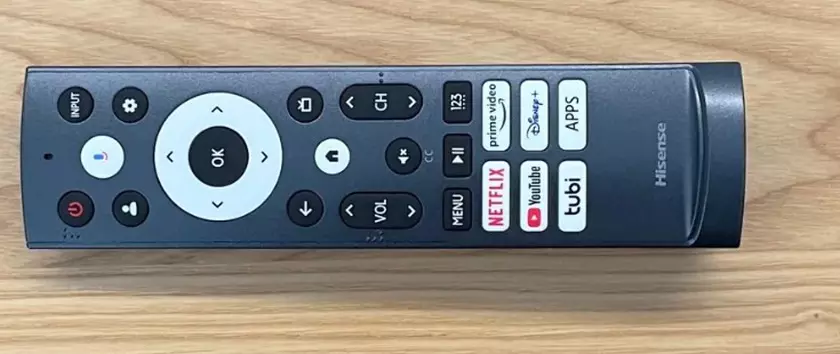
The solar-charging remote topped battery automatically through room lighting, eliminating replacement anxiety. Backlit buttons aid nighttime viewing when room lights dim. The 50W 2.1.2 audio system delivers surprisingly robust sound with actual bass response from integrated subwoofer. Dolby Atmos processing creates height effects that enhance cinematic immersion adequately for casual viewing. Some users report software glitches during initial setup though firmware updates resolved most issues during testing.
Anti-glare coating reduces reflections effectively in bright rooms while maintaining color saturation better than aggressive matte finishes. The VA panel exhibits typical viewing angle limitations with colors washing out beyond 25 degrees off-center. Build quality feels solid with minimal flex in the panel and robust stand construction. For viewers seeking Mini-LED performance without premium pricing, the U8N delivers exceptional value that challenges OLED in many scenarios while costing significantly less.
Pros:
- 3,000 nits brightness at budget pricing
- 1,600 zones precise dimming control
- Multiple Filmmaker Mode presets
- Solar-charging backlit remote
- 50W audio with integrated subwoofer
Cons:
- Occasional software glitches reported
- Limited viewing angles from VA panel
Summary: Hisense U8N delivers impressive performance at exceptional value pricing with 3,000 nits brightness and Dolby Vision IQ support. Multiple Filmmaker presets and factory accuracy make it best budget option for serious movie viewing.
Movie TV: FAQ
Does OLED or Mini-LED provide better movie watching experiences?
OLED delivers superior contrast through perfect blacks that Mini-LED cannot replicate regardless of local dimming zone count. Self-emitting pixels shut off completely for 0.0 nit black levels, replicating theatrical projection conditions accurately. Mini-LED achieves higher peak brightness beneficial for HDR highlights and daytime viewing. Dark room viewing favors OLED's perfect blacks, while Mini-LED handles ambient light better through extreme brightness capabilities. Serious movie enthusiasts typically prefer OLED's absolute blacks, though Mini-LED offers compelling advantages in brighter spaces.
How important is Dolby Vision support for streaming movies?
Dolby Vision provides dynamic metadata adjusting tone mapping scene-by-scene rather than static settings throughout films. Major studios master content specifically for Dolby Vision on Netflix, Disney+, Apple TV+, and other platforms. The format preserves filmmaker intent more accurately than static HDR10. Displays supporting Dolby Vision access enhanced versions of films that appear different from HDR10 variants. Samsung's exclusion of Dolby Vision in favor of HDR10+ limits access to majority of dynamically-mastered content. Dolby Vision support matters significantly for viewers accessing streaming services regularly, though physical media collectors benefit less since 4K Blu-rays use HDR10 predominantly.
Should movie viewers disable motion smoothing features?
Filmmaker Mode automatically disables motion smoothing that creates soap opera effect during 24fps playback. The processing interpolates frames between originals, smoothing camera pans and fast motion artificially. Filmmakers master content specifically for 24fps presentation, with motion blur serving creative intent rather than technical limitation. Motion smoothing beneficial for sports broadcasts introduces unnatural fluidity during theatrical releases. All manufacturers include motion processing though implementation quality varies. Cinema purists disable the feature immediately, while casual viewers sometimes prefer smoothed motion despite authenticity concerns. Filmmaker Mode provides accurate baseline that respects original presentation.
What brightness level suits movie watching best?
Theatrical projection typically outputs 48 nits measured at screen center per DCI specification. Home displays exceed this dramatically, with OLED reaching 700-1,100 nits and Mini-LED surpassing 3,000 nits. Higher output benefits HDR highlight reproduction, making sun glares and explosions more impactful. Excessive levels fatigue eyes during extended viewing in dark rooms. Ambient lighting determines appropriate settings, with dark rooms benefiting from lower output that maintains contrast ratios. HDR content masters assume specific peak capabilities, with displays dimmer than mastering targets crushing highlights while excessive output clips detail. Dolby Vision's dynamic tone mapping adapts to display capabilities automatically.
How do viewing angles affect movie watching experiences?
OLED panels maintain color accuracy and contrast from extreme off-axis positions approaching 60 degrees. VA-type LCD panels in Mini-LED displays wash out noticeably beyond 25-30 degrees from center, with colors shifting toward gray and contrast reducing. IPS panels offer wider angles though sacrifice contrast ratios that matter more for cinematic viewing. Seating arrangements determine whether viewing angle limitations create practical concerns. Single-position viewing from couch directly opposite display makes VA panel limitations irrelevant. Wide seating configurations with multiple viewing positions benefit from OLED's unlimited viewing angles.
What role does processor quality play in movie picture quality?
Advanced processors analyze content and adjust settings dynamically rather than applying static picture modes universally. Object-based processing like Sony's XR technology treats foreground elements differently from backgrounds, creating dimensional depth without artificial enhancement. Upscaling quality varies dramatically between processors, with premium implementations transforming 1080p content into near-4K quality. Neural network processing learns content patterns, predicting appropriate enhancements rather than applying algorithmic sharpening blindly. Budget displays include basic processors that provide minimal enhancement beyond brightness and color adjustments. Processor capabilities significantly affect lower-resolution content though become less important when viewing native 4K sources.
Should viewers calibrate displays professionally for movies?
Professional calibration measures and adjusts TVs to match industry reference standards using specialized equipment. Services typically cost 300-500 dollars plus travel fees, justifiable for serious enthusiasts prioritizing accuracy. Modern sets include reasonably accurate factory settings in cinema-focused picture modes, reducing necessity compared to older generations. OLED panels maintain consistency better than LED requiring recalibration as backlights age. Benefits become most apparent during side-by-side comparisons with reference monitors. Casual viewers notice minimal differences while trained eyes spot color shifts immediately. Investment justification depends on viewing habits and sensitivity to picture accuracy. Filmmaker Mode provides acceptable accuracy for most viewers without professional intervention.
How long do OLED displays last before burn-in becomes problematic?
Modern OLED panels include pixel-shifting technology and automatic brightness limiting preventing static image retention. Manufacturers claim 100,000 hour lifespans though real-world testing remains ongoing. Burn-in occurs when static elements like channel logos or game HUDs display for thousands of hours cumulatively. Movie viewing with varied content poses minimal burn-in risk since frames change constantly. Streaming service logos and aspect ratio bars create more concern during extended viewing though pixel shifters mitigate risks effectively. Panel warranties typically cover burn-in for two years, with some manufacturers extending coverage. Conservative usage patterns extending display lifespans include avoiding maximum brightness and minimizing static content exposure. Mini-LED technology eliminates burn-in concerns entirely though sacrifices OLED's perfect blacks.
Choosing Your Cinema Display
Cinematic displays serve different viewing priorities depending on room conditions and content preferences. The LG OLED evo C4 balances perfect blacks with reasonable brightness at accessible pricing that makes OLED technology attainable. Viewers seeking maximum brightness appreciate the Samsung S90D delivering QD-OLED's 1,100 nit peaks and Pantone-validated colors despite Dolby Vision's absence.
Purists demanding absolute accuracy prefer the Sony BRAVIA 8 prioritizing picture processing sophistication through XR Processor and Acoustic Surface Audio+. Bright room viewing makes the TCL QM8K compelling through 5,000 nit output that combats ambient light OLED cannot handle. I found the Hisense U8N delivering exceptional value that challenges OLED performance at significantly lower investment. Choose based on viewing environment and priorities between absolute contrast, peak luminance, and color accuracy rather than specifications that sound impressive but provide minimal benefit during actual movie watching.

Meet James, our go-to tech guru and seasoned reviewer. His sharp attention to detail and love for gadgets drive his deep dives into the newest tech waves. James's insightful analysis and real zest for breakthroughs have earned him a solid reputation in the tech world.


