ASUS has released gaming headphones for those who need more than 'gaming sound'

Through the ROG brand, ASUS has introduced the Kithara headset — a device that stands out from mainstream gaming accessories. The company clearly states: this is a headset for gamers who desire audiophile-level sound and are not willing to compromise.
What is known
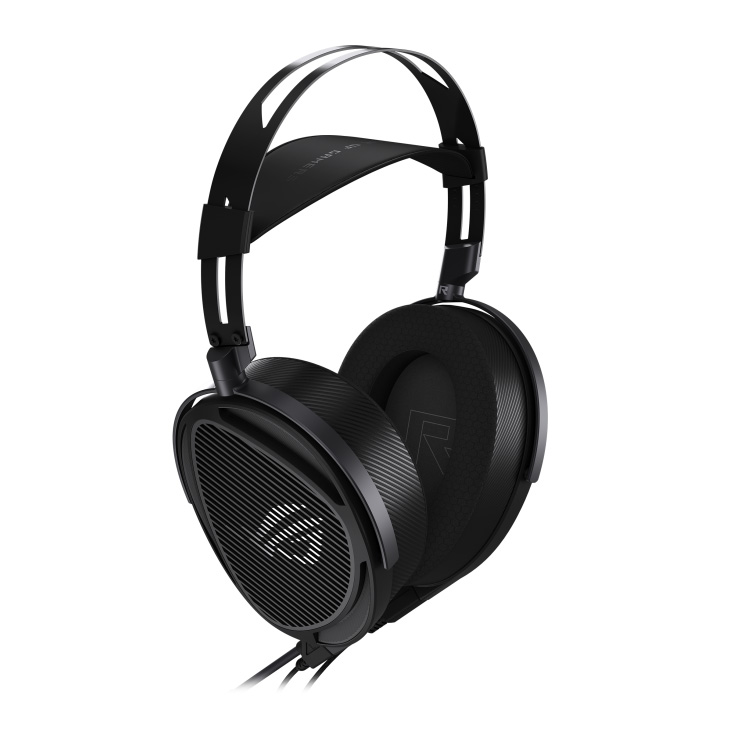
The key feature of the ROG Kithara is the 100mm planar-magnetic drivers, developed in collaboration with HiFiMan. This type of emitter is more commonly found in expensive home models, not gaming headsets. According to the manufacturer, they provide a wide frequency range of 8 Hz–55 kHz, low distortion, and a high level of detail, including precise sound positioning in games.
The Kithara has an open design. This means a more natural soundstage, clear separation of low, mid, and high frequencies, and better spatial orientation — particularly relevant for competitive shooters. However, the open architecture makes the headset less versatile for noisy environments.
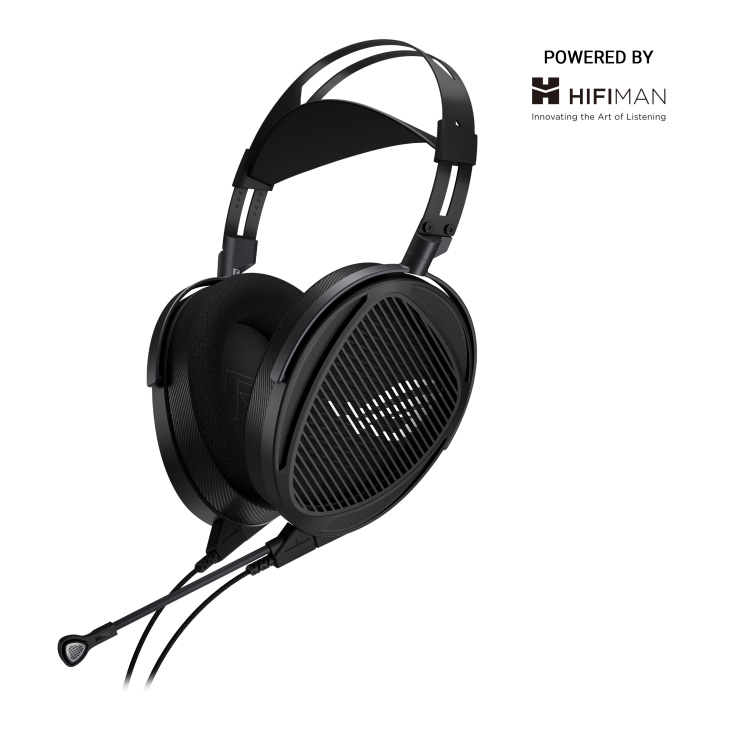
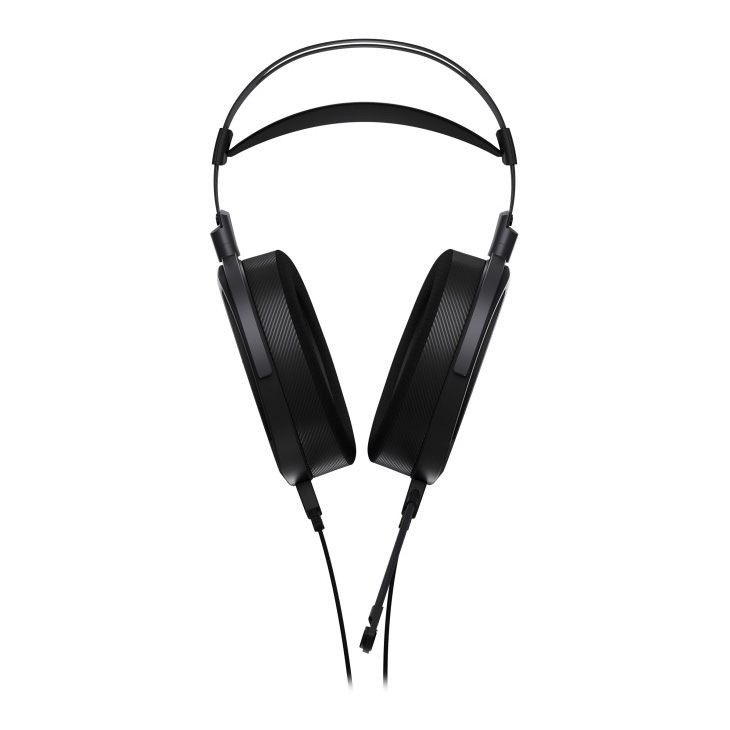
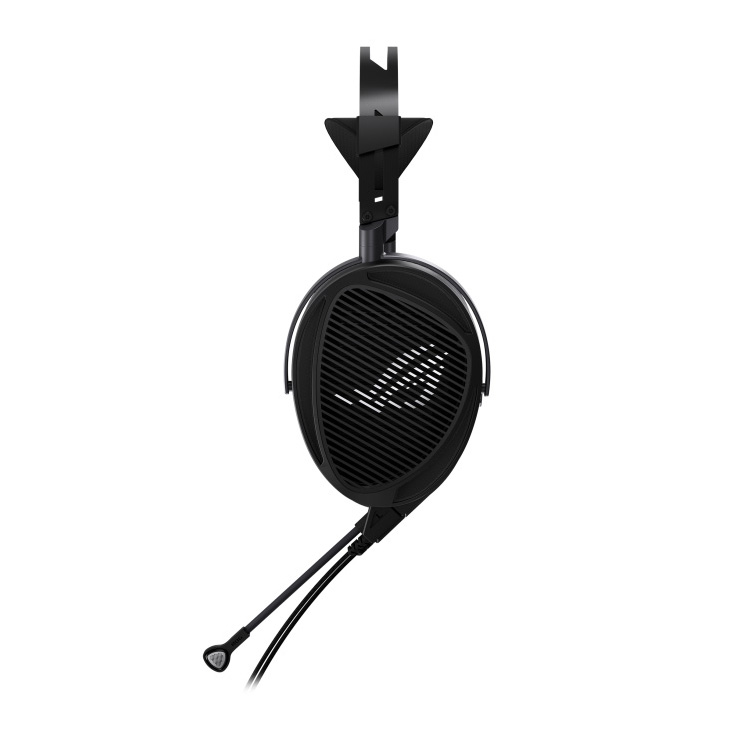
The microphone here is also atypical for the gaming segment. A full-range MEMS microphone with a range of 20 Hz–20 kHz and a high signal-to-noise ratio is used. The audio signal and microphone are separated on individual lines with two 3.5 mm jacks, reducing crosstalk.
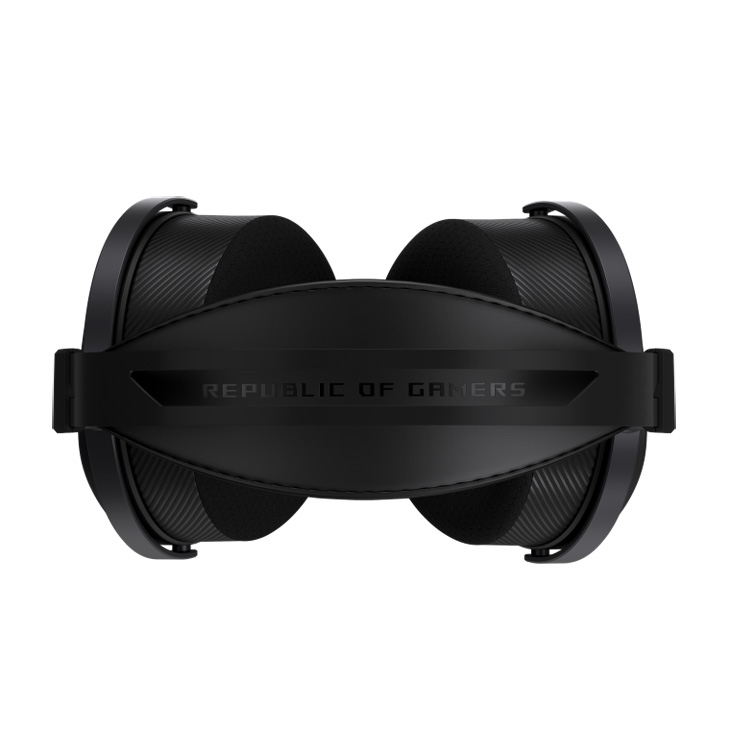
In terms of connectivity, the Kithara looks almost like a studio solution: the package includes a 4.4 mm balanced plug, as well as 3.5 mm and 6.3 mm, plus a USB-C adapter for PCs, consoles, and mobile devices. The body is made of metal, with replaceable ear pads and an adjustable headband.
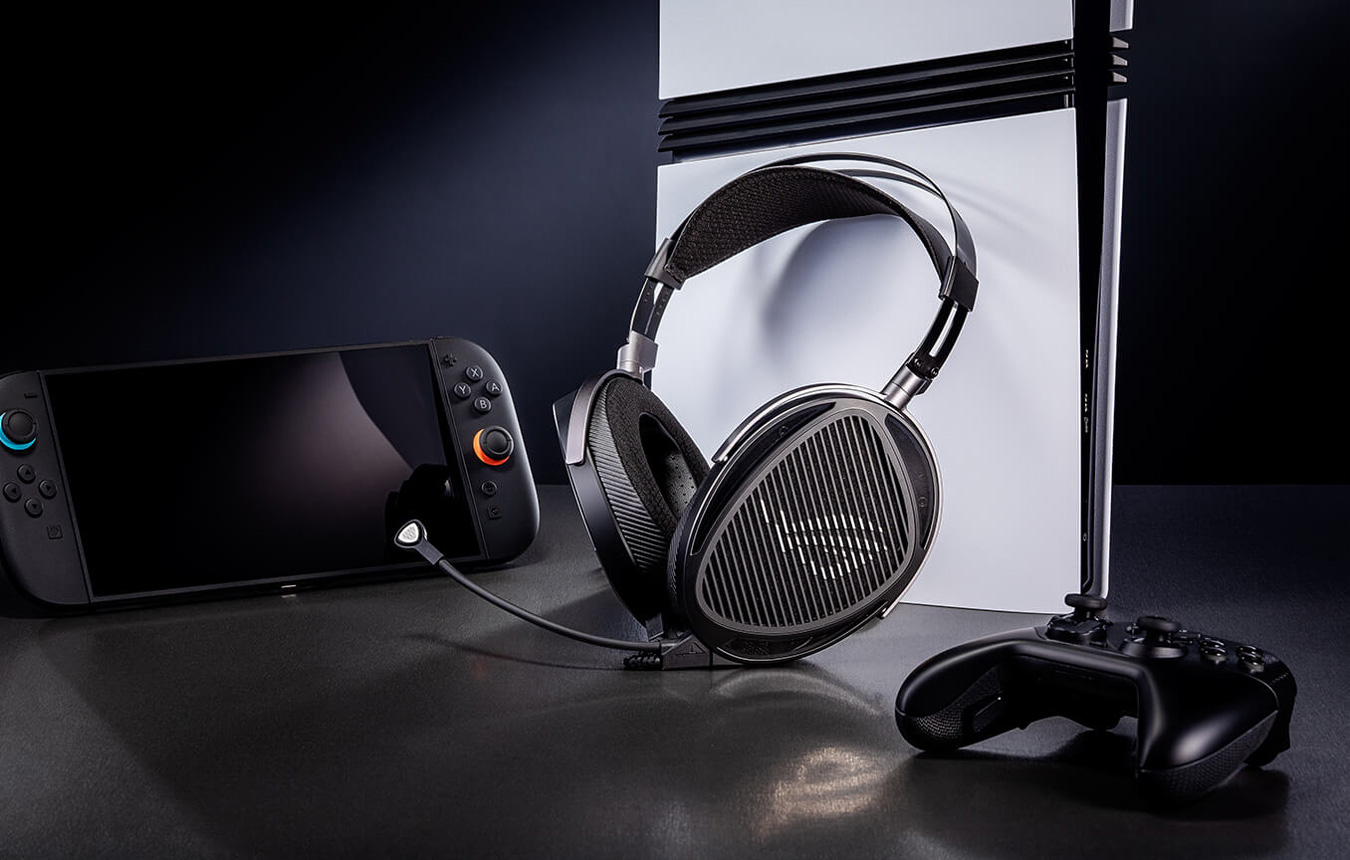
The price of the ROG Kithara is $300. With such a price tag, the headset immediately enters the premium segment of wired gaming headphones and is clearly targeted not at the mass user, but at an audience accustomed to audiophile models and external DACs.
ROG Kithara is an attempt to blur the line between gaming headsets and audiophile headphones. It is unlikely to become a mass product, but as a demonstration of where 'premium gaming' is headed, it is quite illustrative.
Source: ASUS


