Best Racing Wheel for Sim Racing Beginners
My first wheel arrived in a box the size of a small coffee table, and I spent an embarrassing amount of time convinced I'd ordered something far too serious for someone who just wanted to drive Gran Turismo on weekends. Once I clamped it to my desk and felt an actual corner tug back through my hands, the controller went into a drawer and stayed there.
Choosing a first racing wheel means navigating a market where a $120 plastic board and a $900 direct drive unit look suspiciously similar in product photos. I tested five setups across Gran Turismo 7, Assetto Corsa, and F1 24 - from a no-FFB entry board to a proper direct drive base - paying attention to what actually makes a beginner's first hour click rather than frustrate.
If you're in a hurry, here are my top two picks for sim racing wheels for beginners:
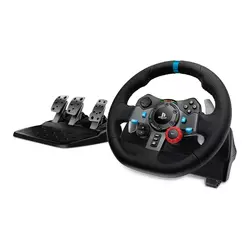
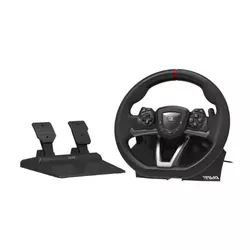
We may earn a small commission if you buy via our links - it helps keep gagadget.com running.
Table of Contents:
- Best Racing Wheel for Sim Racing Beginners: Buying Guide
- Top 5 Sim Racing Wheels for Beginners in 2026
- Racing Wheel Comparison
- Logitech G29
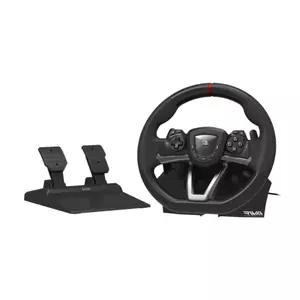
- HORI Racing Wheel Apex
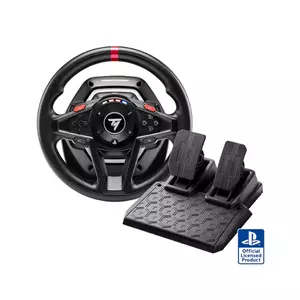
- Thrustmaster T128
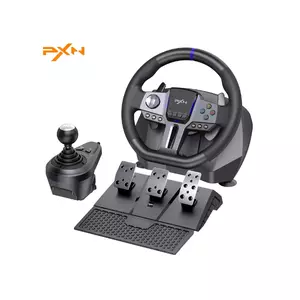
- PXN V9 Gen2
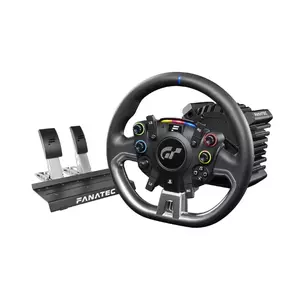
- Fanatec Gran Turismo DD Pro
- Sim Racing Wheel FAQ
Best Racing Wheel for Sim Racing Beginners: Buying Guide
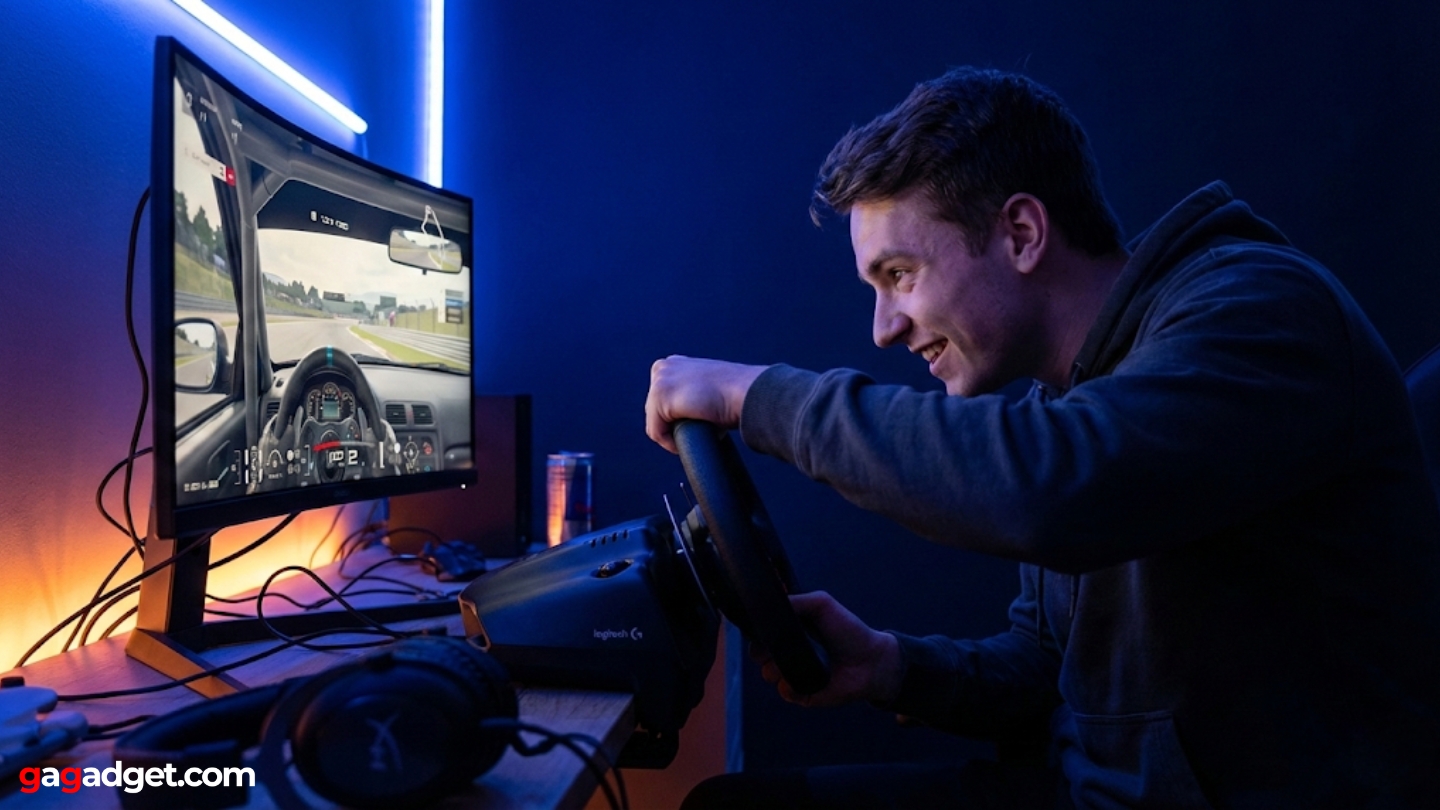
First-time wheel buyers face a wall of overlapping specs and forum opinions that all seem to point toward spending more. The honest answer is that any wheel with real force feedback transforms how racing games feel compared to a thumbstick - but the type of force feedback, the rotation range, and the pedal quality determine how much you'll actually learn from the setup rather than just enjoy it.
Force Feedback: The Core Difference
Force feedback is the motor inside the wheelbase pushing back against your hands. It simulates tire grip, road texture, curb strikes, and the weight shift of a car mid-corner. The three main types each behave differently: gear-driven systems like the Logitech G29 produce a slightly notchy resistance that beginners often interpret as strong feedback, even though experienced racers find it coarse. Belt-driven and hybrid designs smooth that mechanical texture considerably. Direct drive connects the motor shaft directly to the steering column, removing any intermediary entirely - the result is a level of detail and responsiveness that sits in a genuinely different category.
Torque ratings in Nm tell you how hard the wheel pushes back. Budget wheels land around 2Nm - enough to feel understeer without fighting the hardware. Entry-level direct drive units run 5-8Nm, which surprises most first-time users the moment they clip a barrier at speed.
Adaptive force feedback, available on some mid-range options, adjusts strength automatically based on speed and context. It sounds appealing but can create jarring transitions during a corner - the resistance suddenly shifting when you least expect it. Most wheels let you reduce intensity through software, which matters when children are using the setup or desk-mounting without a rigid rig to absorb the motor forces.
Rotation Range and Why 270° Falls Short
A typical road car steers through roughly 900 degrees lock-to-lock. Budget wheels frequently cap at 270 degrees, which covers fast circuit driving reasonably well but falls apart in rally games, truck simulators, and any title with slow corners requiring sustained full lock. Mid-range wheels match the full 900 degrees and often auto-detect the in-game vehicle's steering ratio, keeping the physical rim synchronized with the virtual wheel.
That auto-matching prevents the disorienting disconnect of running out of physical rotation while the on-screen car continues turning. Grip material matters too - bare plastic rims become slippery during long sessions, while leather and rubberized alternatives stay manageable regardless of session length.
Where Manufacturers Cut Costs on Pedals
Pedals absorb more budget compromise than any other component. Most entry-level sets use potentiometer sensors that wear unevenly and develop dead zones after months of use. Hall effect magnetic sensors - found in better sets at the same price tier - have no physical contact points and stay accurate indefinitely. The difference matters most on the brake: light spring pressure with an imprecise sensor makes threshold braking guesswork, producing inconsistent corner entries that are difficult to correct for. Three-pedal sets with a clutch open up manual transmission driving that some titles require and many casual racers find more engaging once they try it.
Load cell brake upgrades exist for most mid-range wheel platforms and transform braking feel more dramatically than upgrading the wheelbase itself - which tells you exactly where the original equipment compromise tends to happen.
Pedal base stability depends on mounting: suction cups hold on hard smooth floors and fail completely on carpet. Screw-mount holes allow proper rig attachment for setups that evolve past a desk. Adjustable pedal face angles and heel rests let drivers of different heights find a foot position that supports smooth heel-toe inputs rather than cramping during long sessions.
Platform Licensing and Setup Simplicity
PlayStation owners have fewer wheel options than PC or Xbox players. Sony requires official licensing for wheels to function natively on PS4 and PS5 - wheels lacking that license may connect physically but lose force feedback and button mapping. PC racing has the widest compatibility, with manufacturer drivers and community configuration profiles filling gaps official support leaves open.
Xbox wheels carry over to Windows PC via XInput, making them more versatile for racers using both platforms. USB plug-and-play wheels that auto-calibrate on first connection suit beginners who want to race within ten minutes of opening the box. Wheels needing driver downloads, firmware flashing, and multi-step setup reward patience but can frustrate newcomers before they've turned a lap.
Top 5 Sim Racing Wheels for Beginners in 2026
I tested each of these across circuit laps in Gran Turismo 7, gravel stages in EA Sports WRC, and online sessions in F1 24. The benchmark was how quickly a newcomer could feel the car through their hands - and how long before desk fatigue or setup friction became the bigger story.
- Full 900° rotation for every game genre
- Three-pedal set with clutch included
- Hand-stitched leather rim stays comfortable
- G HUB software with independent FFB controls
- Long-term reliability and consistent firmware
- Most affordable Sony-licensed PS5 wheel
- Immediate plug-and-play on PlayStation
- Adjustable rotation and sensitivity via app
- Secure steel-reinforced clamp system
- Full PlayStation button layout
- Hybrid Drive FFB smoother than gear-driven alternatives
- Auto-adjusting rotation matched to vehicle type
- Magnetic H.E.A.R.T shifters and T2PM pedals
- Lower cost than G29 with superior FFB feel
- Native PS5/PS4 licensing
- Complete bundle: wheel, 3 pedals, H-shifter
- Widest multi-platform compatibility
- Hall effect sensors on all three pedals
- Switchable 270°/900° rotation
- PXN app makes tuning accessible
- Direct drive FFB in a genuinely different category
- Full Fanatec ecosystem upgradeability
- 5Nm standard, 8Nm with Boost Kit 180
- Native PS5/PS4 and PC compatibility
- OLED display and RevLED strip included
Racing Wheel Comparison
The specs that actually separate these five on the desk:
| Specification | Logitech G29 | HORI Apex | Thrustmaster T128 | PXN V9 Gen2 | Fanatec GT DD Pro |
| Force Feedback Type | Dual motor gear-driven | None (vibration only) | Hybrid Drive (belt + gear) | Adaptive vibration | Direct Drive |
| Max Torque | ~2.1 Nm | N/A | ~2 Nm | N/A | 5 Nm / 8 Nm (with Boost Kit) |
| Rotation | 900° | 270° (adjustable to 180°) | 270° - 900° (auto) | 270° / 900° switchable | 2520° (adjustable) |
| Wheel Diameter | 280mm | ~280mm | ~280mm | ~280mm | 280mm |
| Pedals Included | 3 (clutch, brake, throttle) | 2 (brake, throttle) | 2 (brake, throttle) | 3 (clutch, brake, throttle) | 2 (brake, throttle) |
| Pedal Sensor Type | Potentiometer | Potentiometer | Hall effect magnetic | Hall effect magnetic | Hall effect magnetic |
| H-Pattern Shifter | No (sold separately) | No | No | Yes (6+1 included) | No |
| Paddle Shifters | Stainless steel | Plastic | Magnetic H.E.A.R.T | Dual plastic | Ergonomic plastic |
| Platform Support | PS5, PS4, PC | PS5, PS4, PC | PS5, PS4, PC | PC, PS4, Xbox, Switch | PS5, PS4, PC |
| Rim Material | Hand-stitched leather | Plastic | Plastic (no grip coating) | Rubberized grip | Rubberized grip |
| Mounting | Desk clamp | Desk clamp + steel parts | Desk clamp | Clamp + suction cups | Desk clamp / rig T-nuts |
| Software | Logitech G HUB | HORI Device Manager | Thrustmaster Control Panel | PXN Wheel app | Fanatec Tuning Menu |
| Upgradeability | Limited | None | Thrustmaster pedal ecosystem | Limited | Full Fanatec ecosystem |
| PlayStation Licensed | Yes | Yes (Sony official) | Yes | No PS5 support | Yes (Gran Turismo official) |
Force feedback type shapes the whole driving experience. Pedal sensor quality determines brake precision. Platform licensing dictates what actually functions.
Logitech G29 Review
Editor's Choice
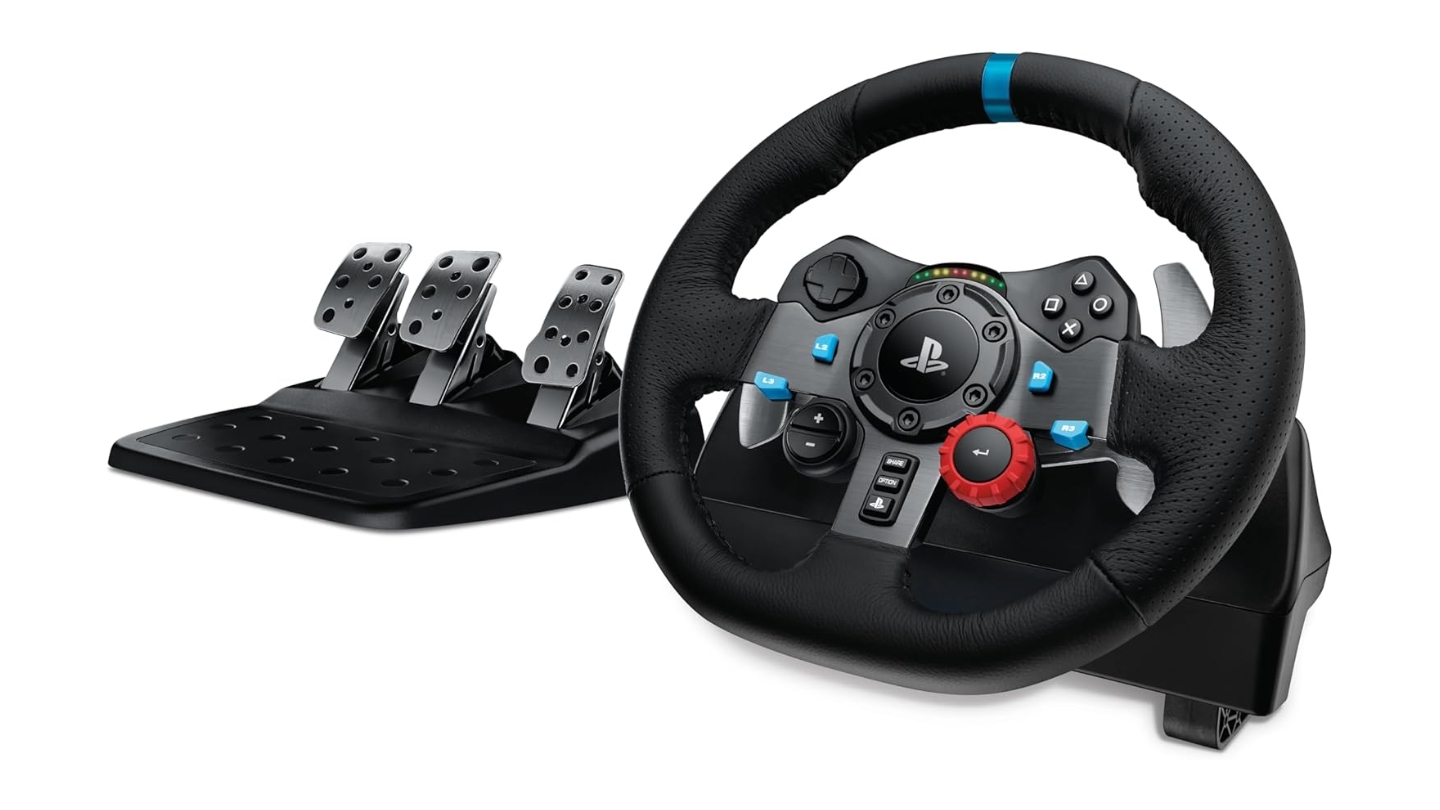
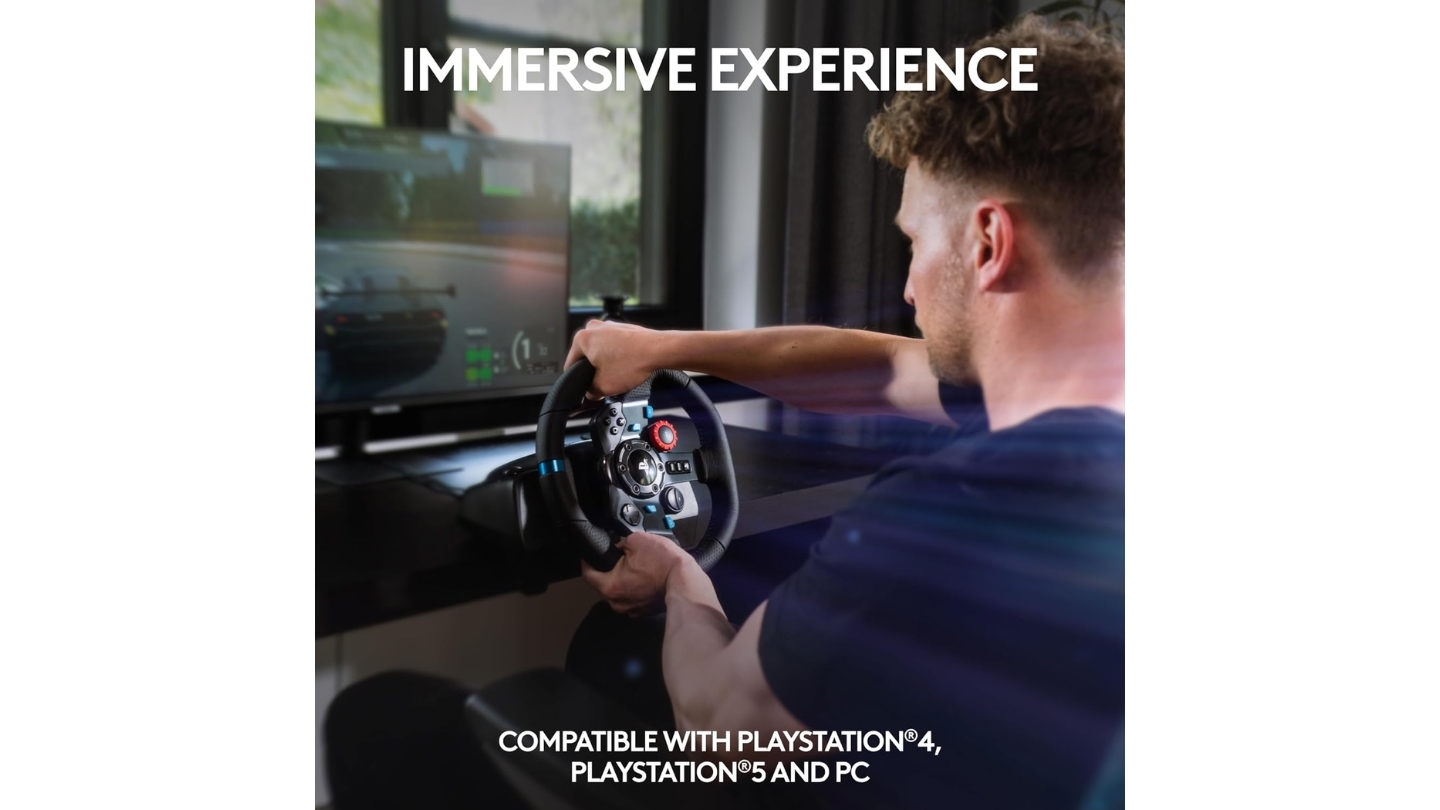
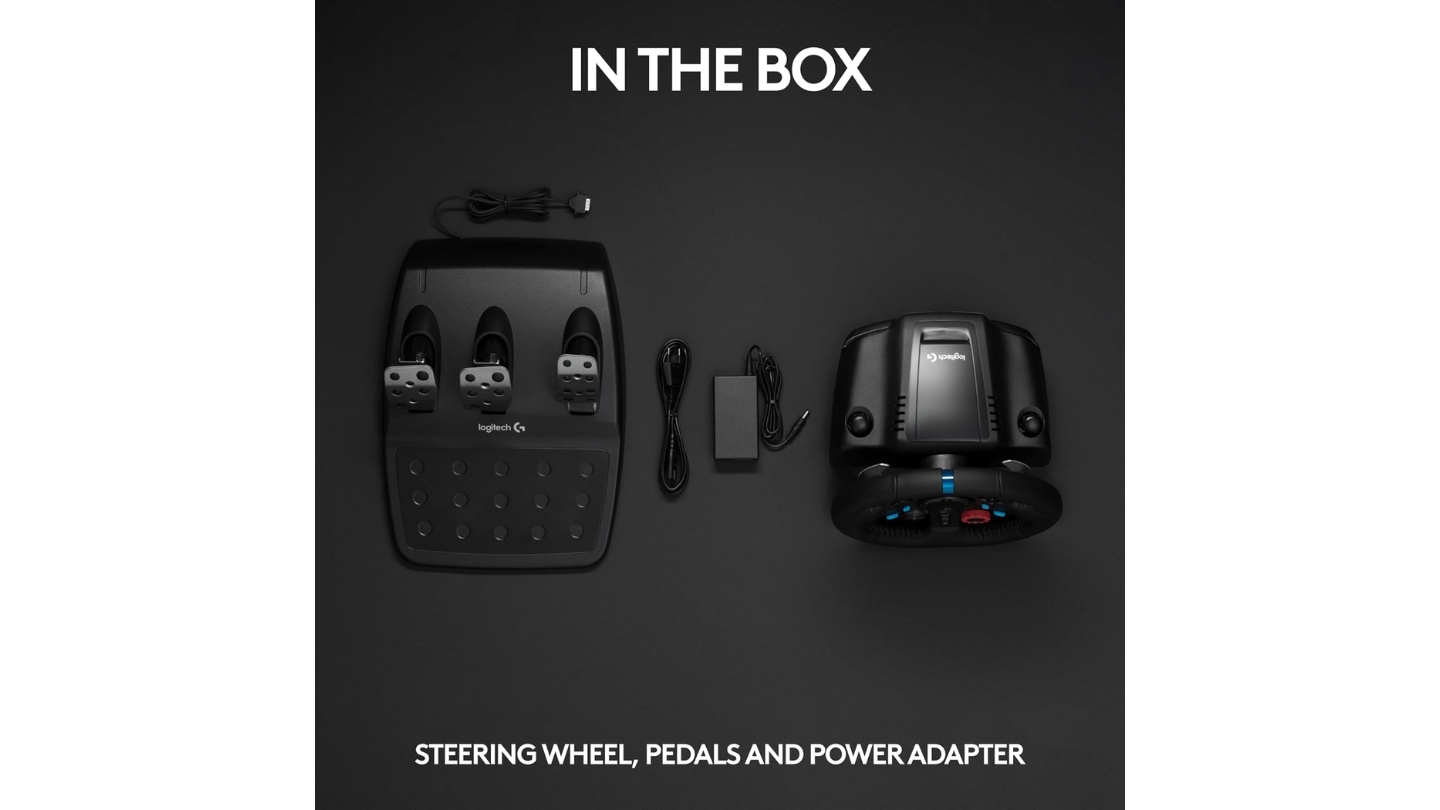
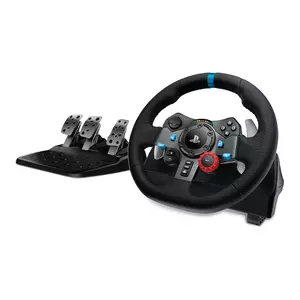
The Logitech G29 has been the default first wheel recommendation for a decade because the fundamentals have held up. Dual-motor gear-driven force feedback communicates understeer as the wheel going light, oversteer as a pull in the correction direction, and curb strikes as sharp distinct impacts. These are the signals that teach car control during the early hours of sim racing. The 280mm leather-wrapped rim handles long sessions without the slippery fatigue bare plastic develops, and 900 degrees of full lock-to-lock rotation means the G29 works across every title in the library - rally stages, truck sims, F1 circuits - without hitting artificial limits mid-corner.
Three pedals including a clutch separate the G29 from most competitors at this tier. The throttle and clutch feel adequately weighted, the brake uses a rubber damper rather than a load cell but provides enough resistance to distinguish light and firm application. Stainless steel paddle shifters click with genuine satisfaction and don't flex under hard pulls during acceleration. Anti-backlash helical gears reduce center dead zone compared to older straight-cut designs, so small corrections register cleanly. Hall effect sensors on the steering axis track position accurately, which matters when building consistent turn-in points on repeat laps.
Logitech's G HUB software allows independent adjustment of force feedback strength, spring, and damper settings. Having separate controls rather than a single master slider makes a real difference when switching between Assetto Corsa and Gran Turismo 7, which benefit from different FFB profiles. The G29 also behaves consistently across firmware updates - configure it once and it behaves identically the next session, a reliability advantage that newer platforms sometimes lack during driver revisions.
The gear-driven mechanism produces a slightly coarse, notchy texture at the wheel that belt-driven alternatives avoid. Experienced racers identify this as the G29's primary shortcoming - switching to any belt-driven wheel reveals smoother resistance. Beginners tend to read that mechanical texture as strong feedback rather than hardware noise, which partly explains why the G29 teaches sim racing effectively despite being technically the coarser system. LED shift lights above the center console work in supported titles as a visual cue for peak-rpm gear changes, a detail that feels genuinely car-like rather than video-game generic.
Pros:
- Full 900° rotation for every game genre
- Three-pedal set with clutch included
- Hand-stitched leather rim stays comfortable
- G HUB software with independent FFB controls
- Long-term reliability and consistent firmware
Cons:
- Gear-driven FFB notchier than belt-driven rivals
- Potentiometer pedals degrade over months of use
Summary: The Logitech G29 earns its place as the default first-wheel recommendation through consistency rather than technical superiority - everything works, the leather rim lasts, three pedals add real depth, and the force feedback teaches car behavior clearly. Editor's choice for beginners wanting a complete, reliable entry into sim racing.
HORI Racing Wheel Apex Review
Best Overall
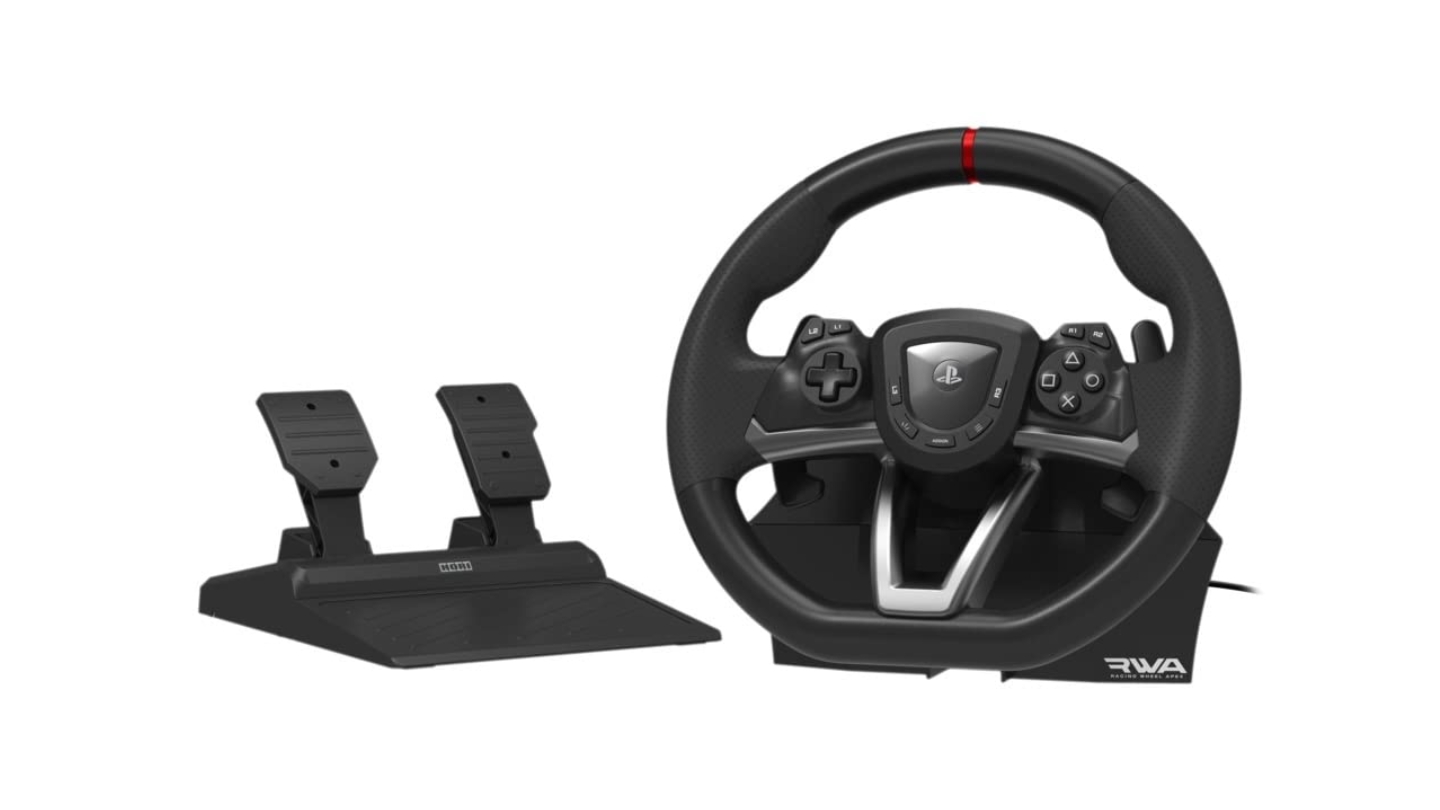
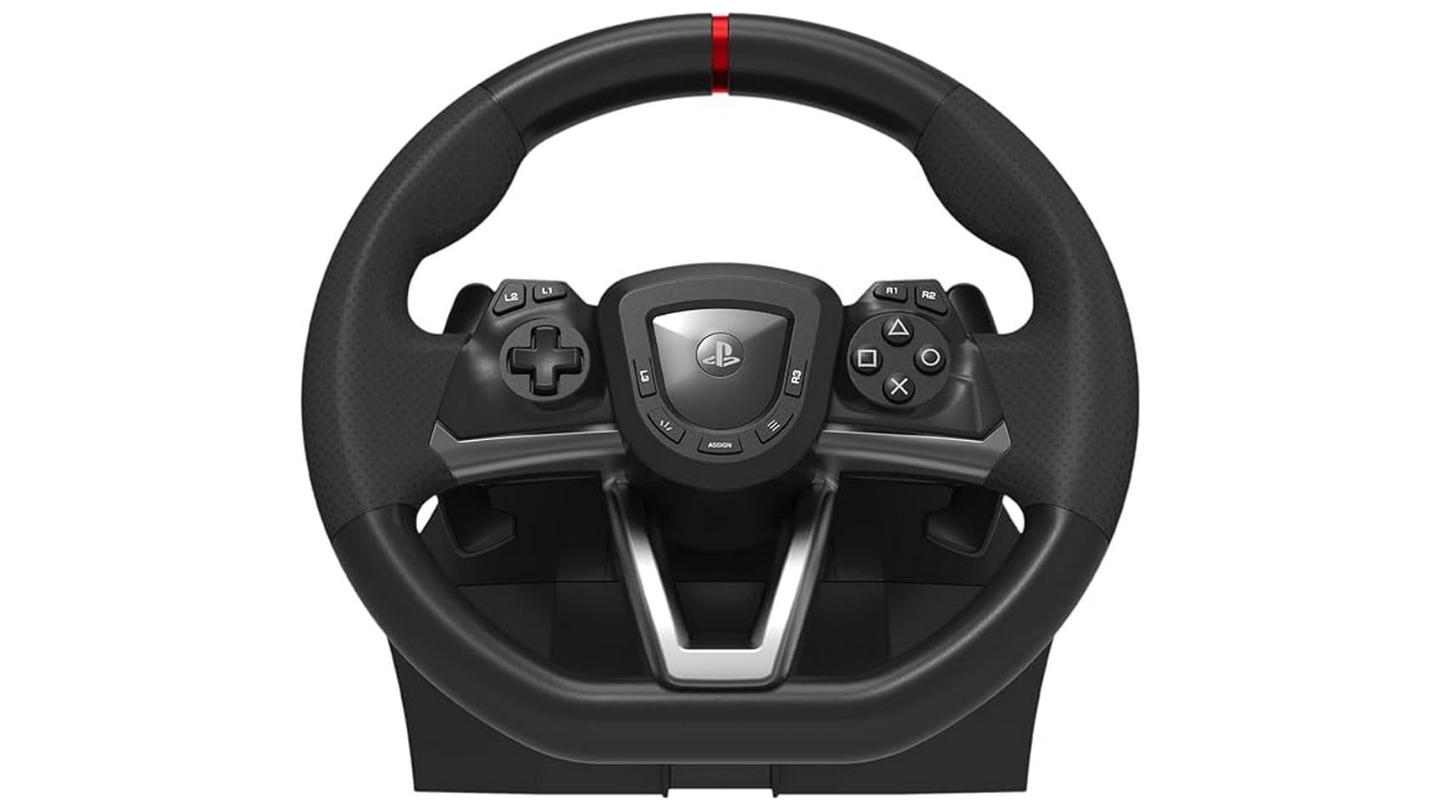
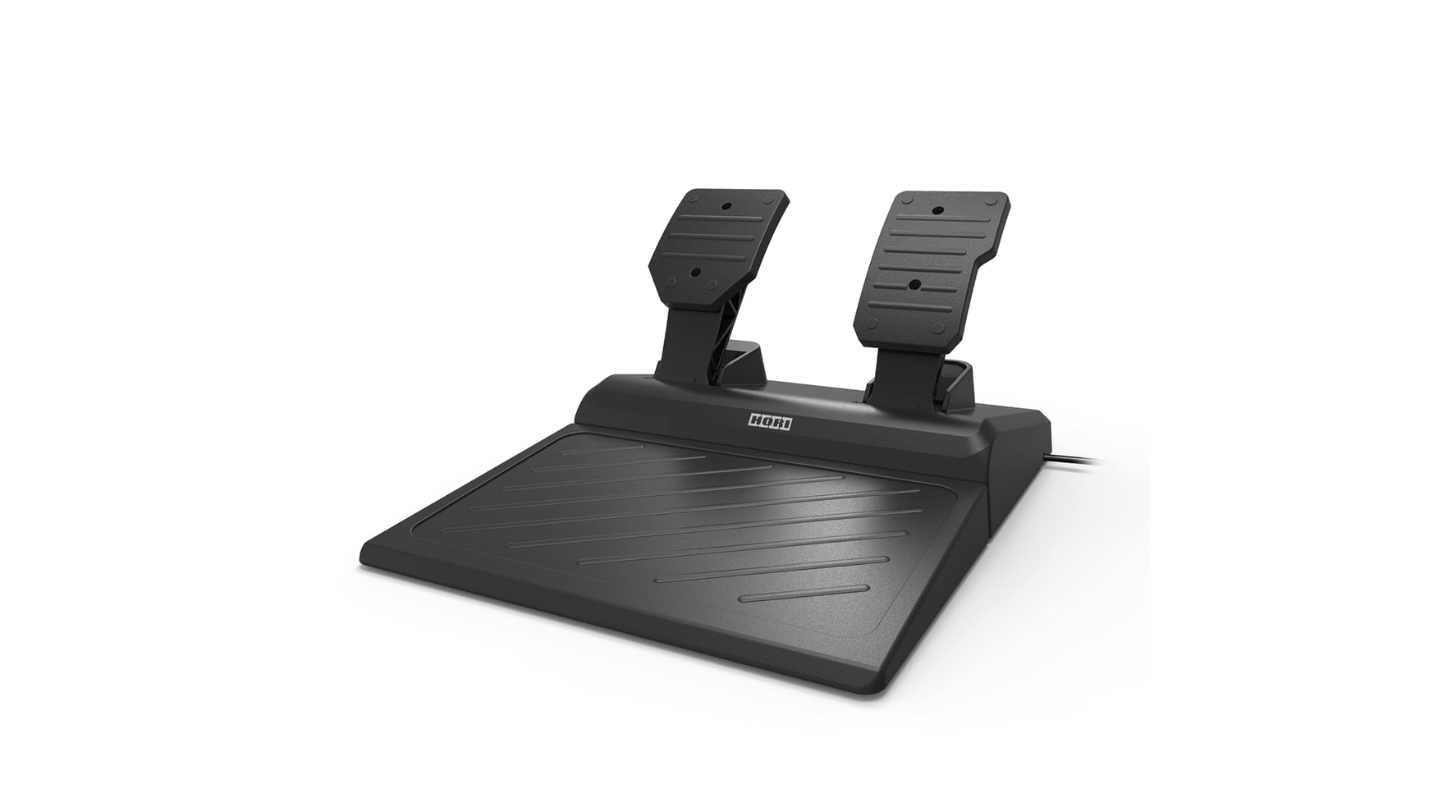
The HORI Racing Wheel Apex targets casual players who want the physical experience of steering without the investment in force feedback hardware. It's officially licensed by Sony, sets up without driver installation, and recognizes immediately in Gran Turismo 7 and F1 24. The 270-degree maximum rotation is the most limiting spec - fast circuit corners work fine at this range, but slow hairpins and rally stages require running out of physical rotation before the car finishes turning. The HORI Device Manager app adjusts rotation between 180 and 270 degrees, sensitivity curves, and dead zones, which helps dial in specific titles but can't extend the hardware's physical ceiling.
Build quality runs plastic throughout, including the pedal set, which sits light enough that heavy brake inputs can shift the base across smooth desk surfaces without proper anchoring. The clamp system uses steel-reinforced parts and holds securely on surfaces up to 55mm thick - the more meaningful stability factor for desk setups. Two pedals cover throttle and brake only, ruling out clutch-dependent manual transmission modes. On PS4 and PC the Apex offers basic rumble feedback; on PS5 even that is absent, making the wheel fully passive on current-gen hardware. For the majority of buyers using PS5, that's a notable gap worth knowing before purchase.
PlayStation button layout around the center hub positions all inputs logically for menu navigation without looking away from the screen. Paddle shifters are plastic and consistently responsive, with no break-in period required. PC setup via XInput works for most titles, though a few games need manual input mapping before recognizing the Apex - typically a ten-minute task rather than anything involved.
The HORI Apex makes most sense as an entry point for casual Gran Turismo or F1 sessions where 270 degrees covers most of what the game demands. Anyone planning to move toward proper sim titles or wanting genuine car feel through the wheel should budget for a step up - the lack of force feedback on PS5 means the hardware ceiling arrives quickly for drivers who want more from the setup.
Pros:
- Most affordable Sony-licensed PS5 wheel
- Immediate plug-and-play on PlayStation
- Adjustable rotation and sensitivity via app
- Secure steel-reinforced clamp system
- Full PlayStation button layout
Cons:
- No force feedback on PS5
- 270° maximum rotation limits game variety
Summary: The HORI Apex is the answer when PlayStation compatibility and tight budget are the primary constraints. Force feedback absence and limited rotation rule it out for serious sim use, but for casual Gran Turismo sessions it delivers reasonable steering experience at a price no competitor matches.
Thrustmaster T128 Review
Best Force Feedback
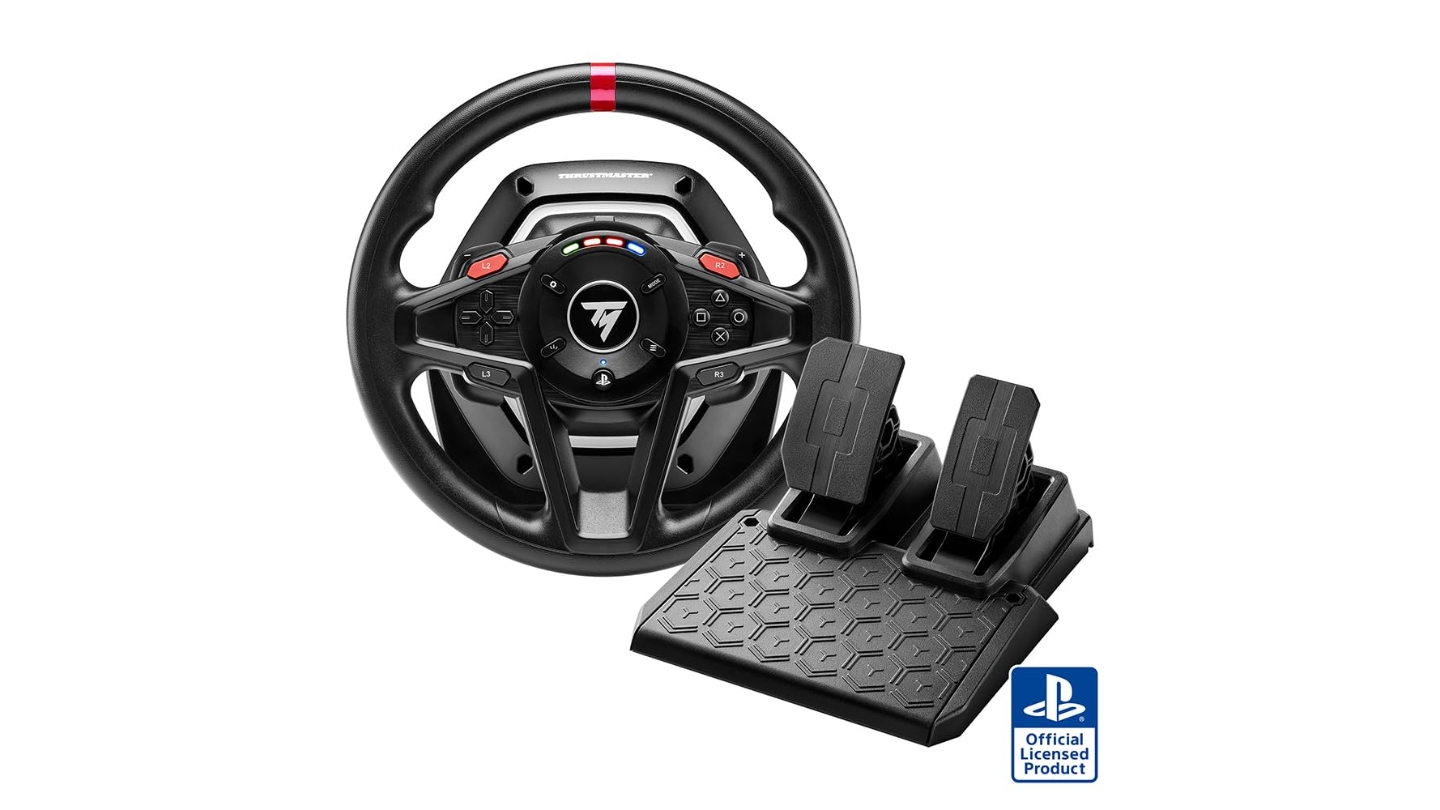
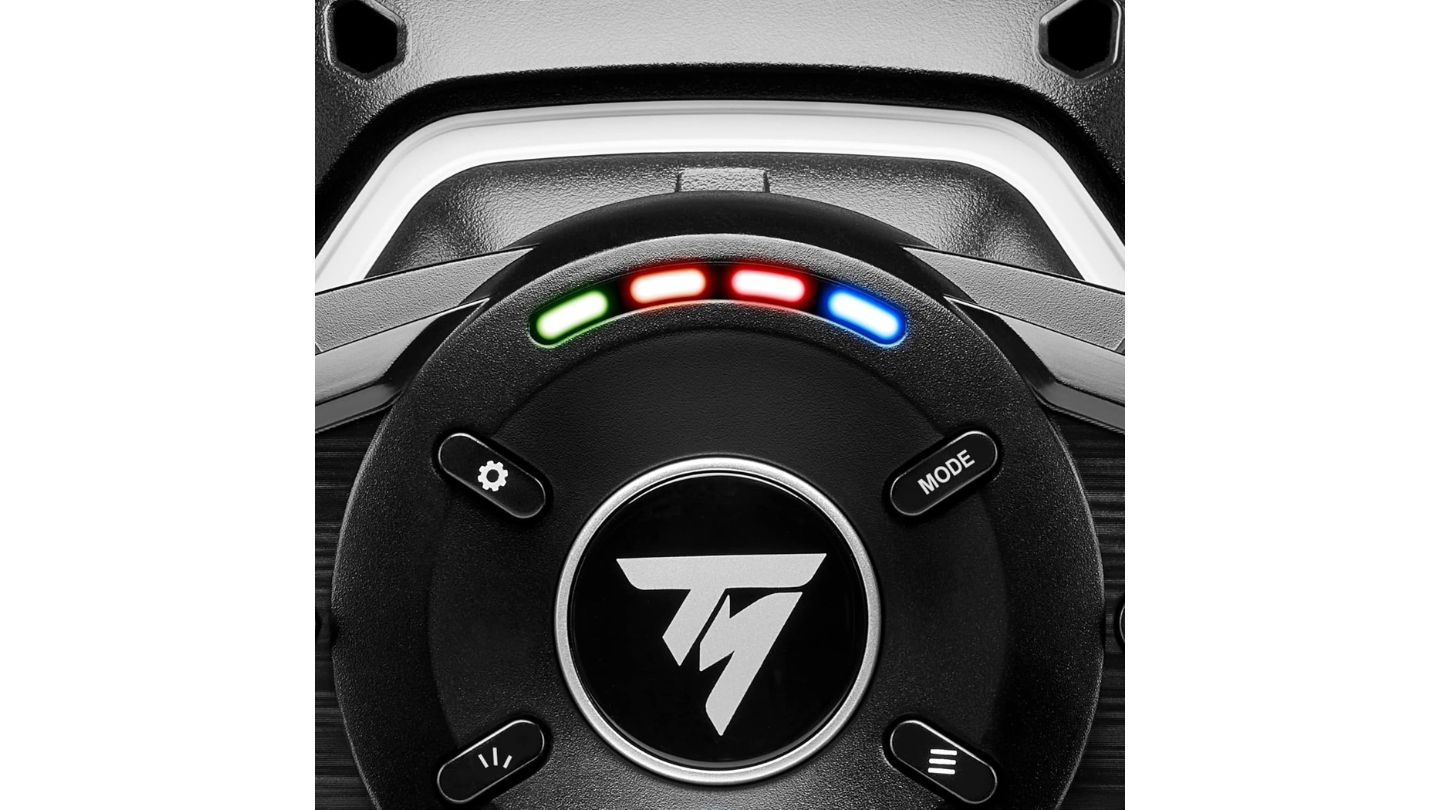
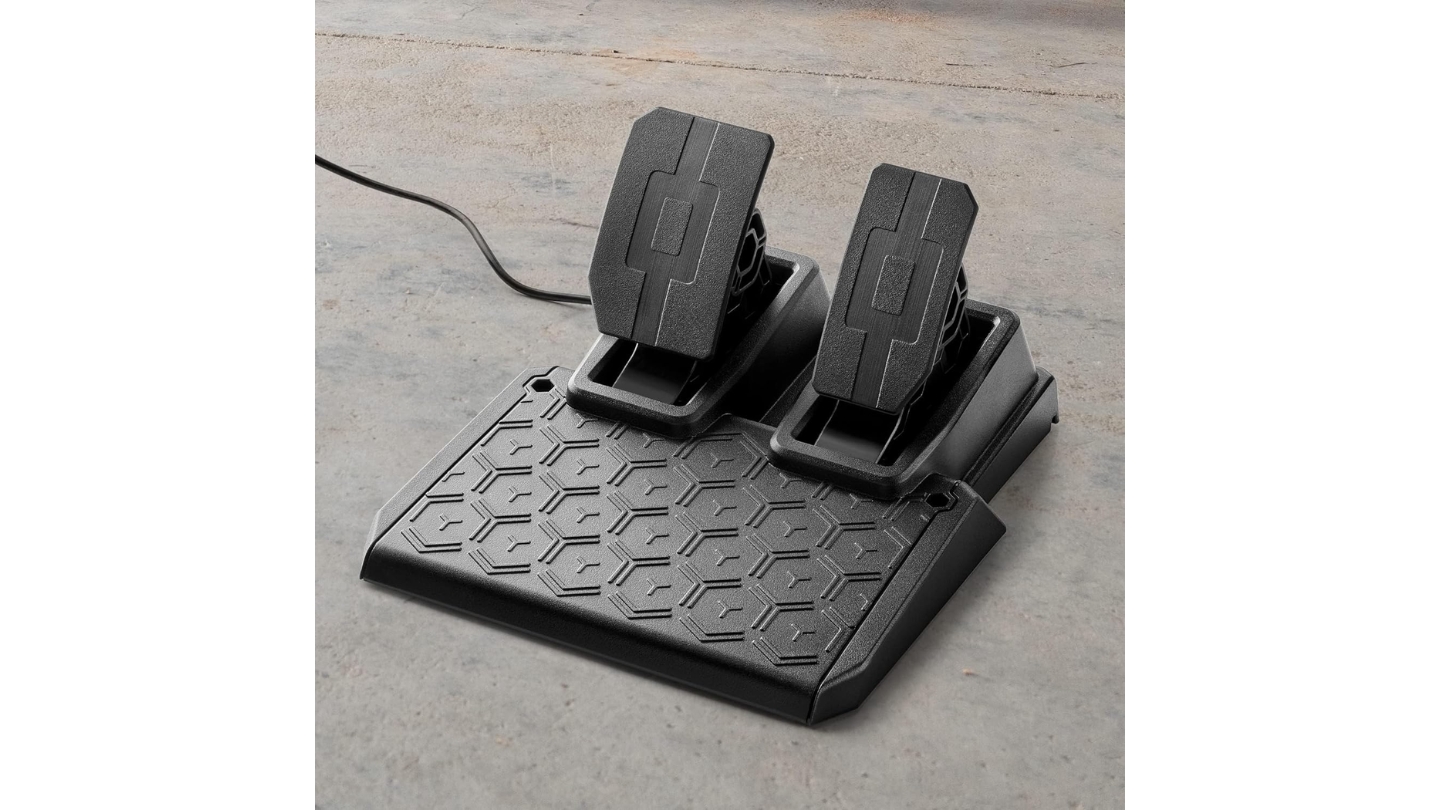
The Thrustmaster T128 shares the same Hybrid Drive force feedback system as the more expensive T248 - a belt-and-gear combination producing smoother resistance than gear-only designs. Corners feel progressive through the wheel, road texture registers as varying resistance, and sudden impacts land cleanly. At around $199 it undercuts the G29 while delivering FFB that many testers prefer on feel alone. The 270-900 degree auto-rotation adjusts based on the detected vehicle: GT cars get the full 900 degrees, F1 vehicles drop to roughly 360 automatically - no manual switching required between different game categories. A 4-color LED rev strip above the wheel reads engine speed in compatible titles and flashes at the optimal shift point, a feature that feels disproportionately useful at this price.
Thrustmaster's H.E.A.R.T magnetic paddle shifters respond in approximately 30 milliseconds with no physical contact between moving parts. They maintain the same crisp activation years into ownership without the degradation potentiometer-based alternatives develop. The T2PM pedal set applies the same magnetic sensor technology to both throttle and brake axes - consistent brake precision builds corner entry technique instead of compensating for hardware inconsistency. The missing clutch pedal is the primary sacrifice for buyers who use manual gearbox modes in titles where clutch input matters.
Build quality is the T128's most consistent complaint across reviews. The wheel rim has no grip coating - no rubber, no leather - which becomes uncomfortable during warm extended sessions. Buttons feel plasticky in a way that undersells the force feedback performance underneath. The rim is fixed rather than removable, so upgrading it means replacing the entire wheel rather than swapping a component. None of this affects functional reliability over months of use, but the impression of cheapness sits at odds with what the drivetrain hardware actually delivers.
Thrustmaster's Control Panel software handles FFB intensity, spring, and damper settings individually on PC, offering more granular control than basic single-slider alternatives. Native PS5 and PS4 licensing means the T128 is automatically recognized in major racing titles on both consoles - button mapping configured, force feedback active, ready to drive. The desk clamp handles surfaces up to 55mm thick and stays planted through strong FFB pulses without creeping.
Pros:
- Hybrid Drive FFB smoother than gear-driven alternatives
- Auto-adjusting rotation matched to vehicle type
- Magnetic H.E.A.R.T shifters and T2PM pedals
- Lower cost than G29 with superior FFB feel
- Native PS5/PS4 licensing
Cons:
- Gripless rim becomes uncomfortable in long sessions
- No clutch pedal in the bundle
Summary: The Thrustmaster T128 delivers the best force feedback per dollar at entry level, sharing drivetrain hardware with the pricier T248 while undercutting most alternatives with genuine FFB. Magnetic pedals and shifters outperform the price bracket. Best choice for PS5 and PS4 players who want real force feedback without moving into mid-range pricing.
PXN V9 Gen2 Review
Best for Multi-Platform
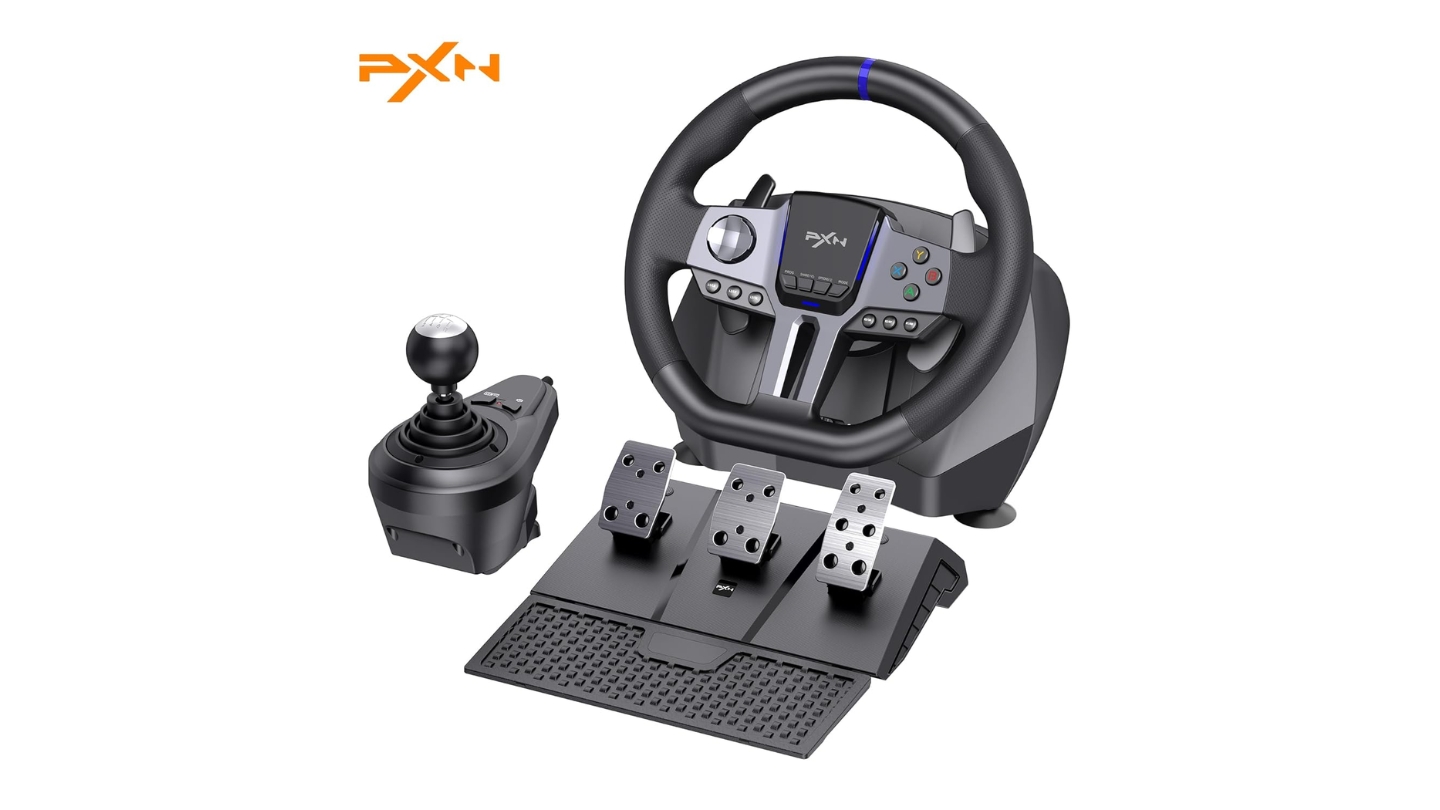
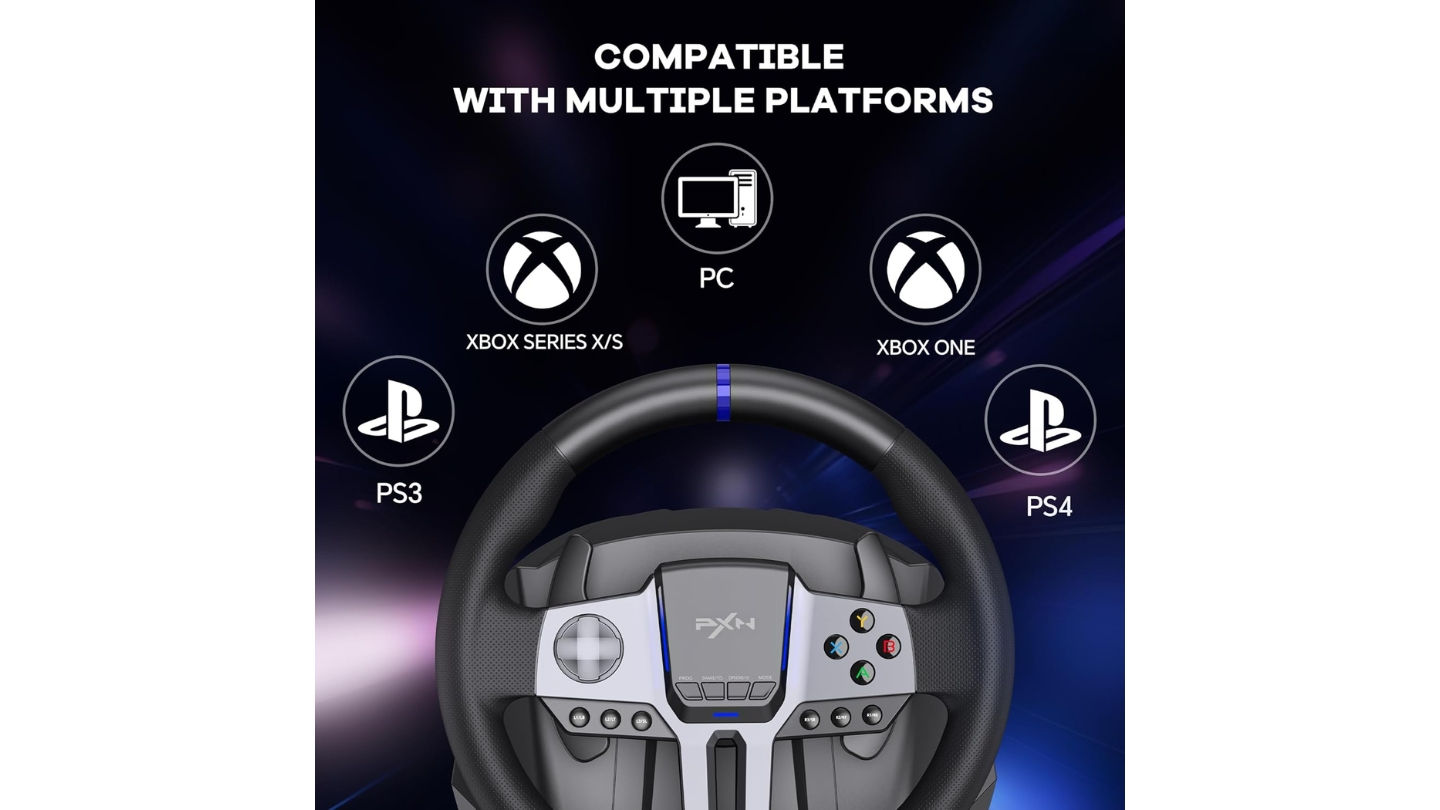
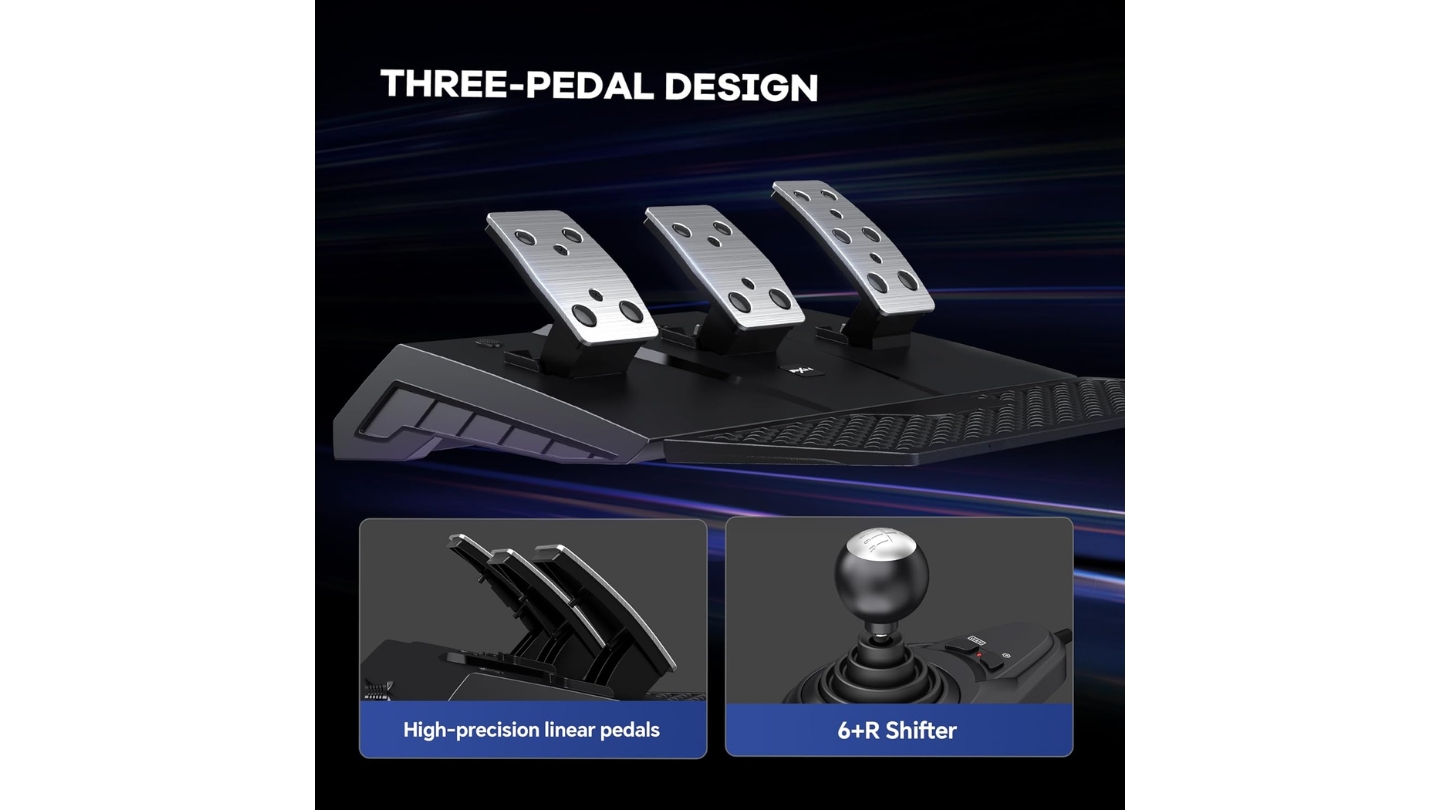
The PXN V9 Gen2 bundles the most hardware of anything in this comparison - steering wheel base, three-pedal set with hall effect sensors, 6+1 H-pattern shifter, and dual paddle shifters arrive together. At under $200 that package is genuinely unusual. Platform coverage is the widest here too: PC, PS3, PS4, Xbox One, and Xbox Series X|S all work, making it the only option for players jumping between Xbox and PC, with PS5 native support the one gap. Adaptive vibration rather than real force feedback defines how the wheel communicates - dual vibration motors adjust intensity based on what the car is doing, with more movement through corners and impacts than straight-line driving.
Hall effect sensors on all three pedals is a real advantage - the same sensor type found in wheels costing significantly more - delivering consistent input registration without potentiometer degradation over time. In practice the pedals suffer from very light spring pressure, particularly the brake, which depresses with so little effort that proportional braking becomes genuinely difficult to modulate. The 16-bit steering encoder is technically impressive spec-wise, tracking position at a resolution most games can't fully utilize.
The PXN Wheel app handles steering angle, sensitivity, and vibration tuning from a phone or tablet, which works better than navigating through button sequences on the hardware itself. RGB lighting on the center console reflects throttle and brake input intensity in color - a minor feature, but one that confirms whether pedal inputs are registering correctly during initial calibration. Mounting combines five suction cups and two plastic clamps. Stable on smooth hard surfaces, less reliable on textured desks or carpet.
The V9 Gen2 makes the strongest case when Xbox compatibility or the included H-pattern shifter is the priority. As a sim racing tool for learning car control in serious titles, the absence of genuine force feedback limits how much the wheel communicates. For casual multiplatform use and anyone who wants manual shifting hardware included out of the box, the bundle coverage at this price is hard to match.
Pros:
- Complete bundle: wheel, 3 pedals, H-shifter
- Widest multi-platform compatibility
- Hall effect sensors on all three pedals
- Switchable 270°/900° rotation
- PXN app makes tuning accessible
Cons:
- No PS5 native support
- Adaptive vibration rather than true force feedback
Summary: The PXN V9 Gen2 packs the most complete hardware bundle at this price point, with hall-effect pedals, three-pedal set, and an H-pattern shifter all included. Adaptive vibration substitutes for real force feedback imperfectly, but for Xbox owners and multi-platform players needing broad hardware coverage, this package covers the most ground at the price.
Fanatec Gran Turismo DD Pro Review
Premium Choice
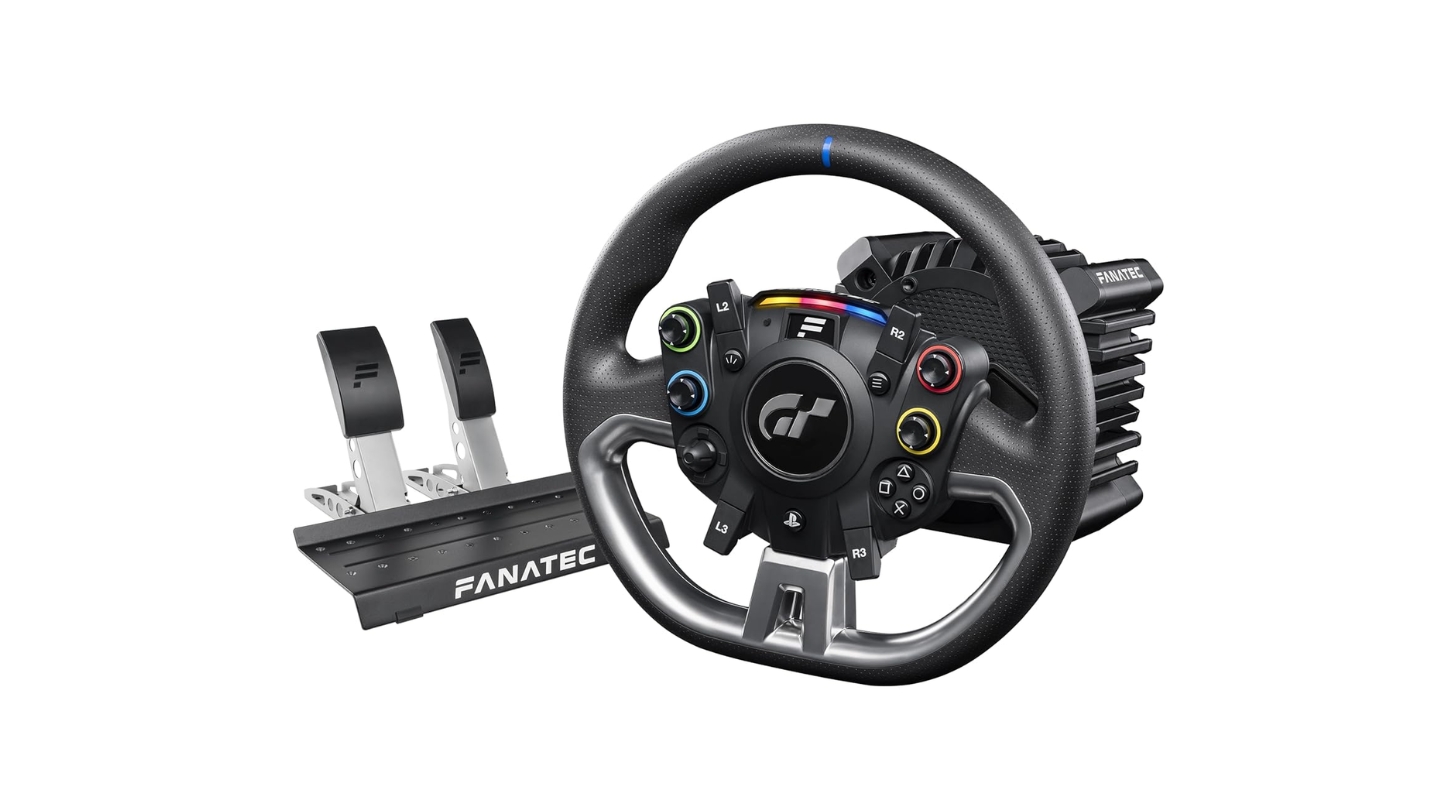
The Fanatec Gran Turismo DD Pro runs direct drive - the steering rim mounts to the motor shaft with nothing in between, so force feedback signals reach your hands without passing through gears or belts first. The practical result is grip loss that announces itself as a progressive lightening of the wheel before the car actually steps out, surface texture that changes continuously through each corner, and curb strikes that communicate exactly which wheel contacted which part of the curb. Patented FluxBarrier technology reduces cogging - the stepped sensation some direct drive motors produce - keeping resistance fluid through the entire steering range.
The base kit delivers 5Nm of peak torque on the standard 90W power supply. The optional Boost Kit 180 power supply (180W) unlocks the full 8Nm, which physically pushes back against fast cornering in a way that builds genuine arm fatigue over long sessions. Both configurations share the same passive aluminium housing acting as the cooling heatsink - no fan, no noise. Included CSL pedals use hall effect sensors on throttle and brake axes, with a stiffer brake spring than entry-level alternatives providing more progressive feel for trail braking. The pedal set supports optional load cell brake and clutch upgrades through Fanatec's expansion kits.
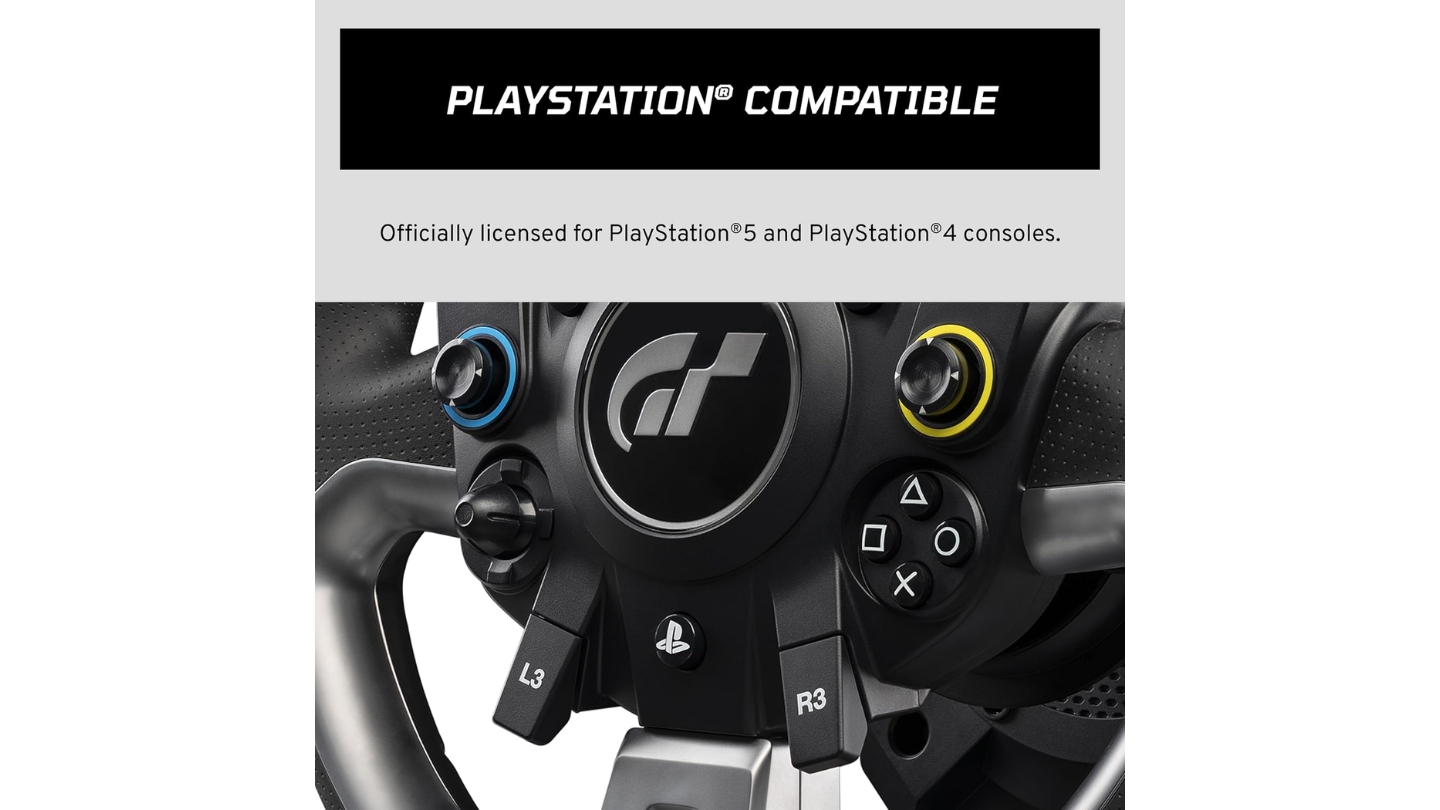
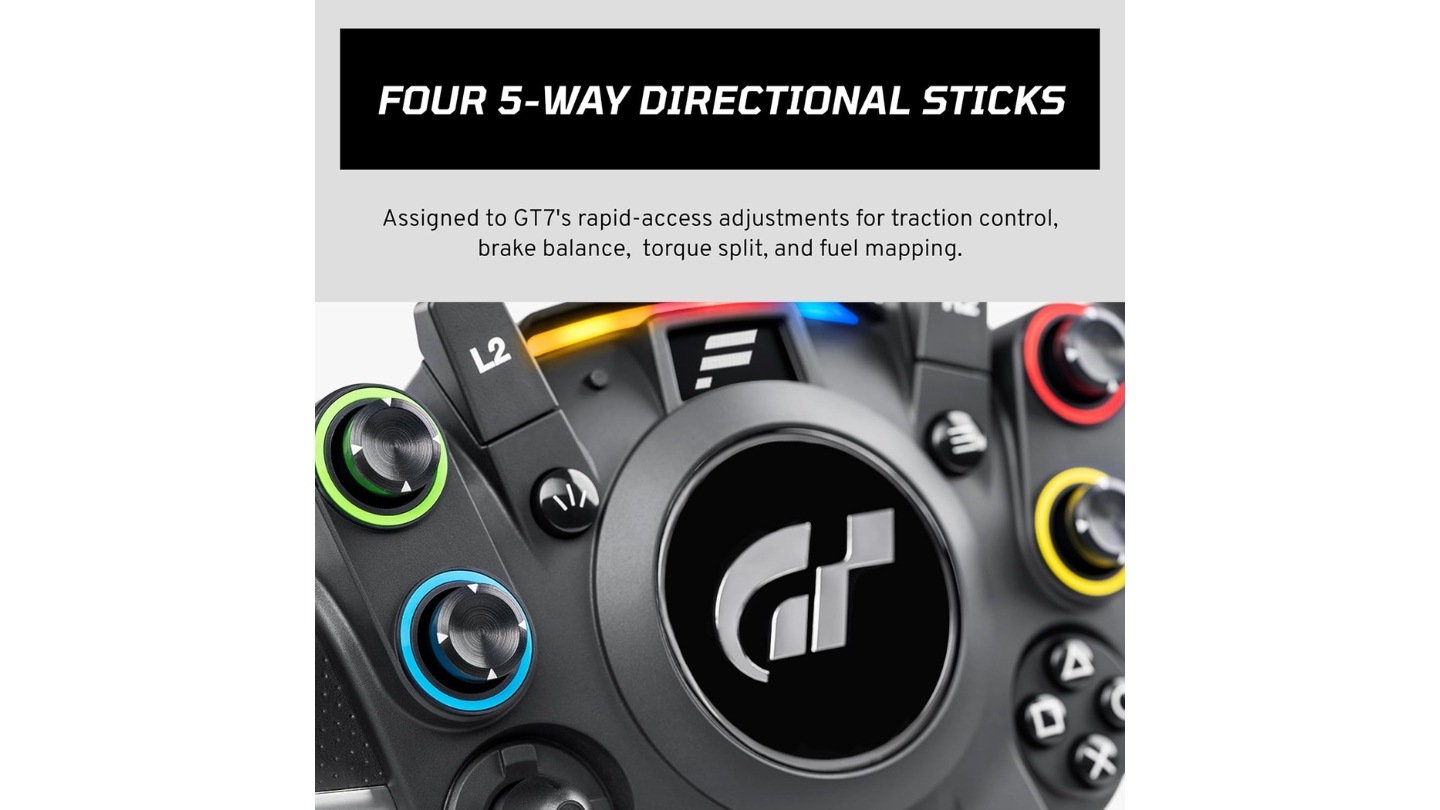
The QR2 quick-release system allows swapping the included Gran Turismo rim for any Fanatec steering wheel without tools or replacing the base. Formula rims, rally rounds, and licensed options all attach the same way. An H-pattern shifter and handbrake connect directly to the base's expansion ports. This is the component that justifies the premium for committed beginners - the investment grows with the hobby rather than requiring replacement when skill and expectation advance. Native PlayStation 5 and PlayStation 4 licensing via the official Gran Turismo partnership means full compatibility out of the box. An OLED display on the base shows tuning menu settings and telemetry data.
Setup requires driver installation and firmware configuration - typically 20-30 minutes on first use - and PC access for firmware updates even for primarily PS5 users. The included steering wheel rim draws consistent criticism for feeling underbuilt relative to the wheelbase: plastic paddle shifters and minimal grip coating are the visible compromises made to reach the entry-level price. They function correctly, and the base itself represents the real investment. T-nut rails on the housing allow proper rig mounting for setups that grow past the included desk clamp, which handles surfaces up to 55mm thick.
Pros:
- Direct drive FFB in a genuinely different category
- Full Fanatec ecosystem upgradeability
- 5Nm standard, 8Nm with Boost Kit 180
- Native PS5/PS4 and PC compatibility
- OLED display and RevLED strip included
Cons:
- Significant price jump over gear/belt alternatives
- Included rim feels budget relative to the base quality
Summary: The Fanatec Gran Turismo DD Pro brings direct drive force feedback to PlayStation at the lowest price that technology has reached on that platform. The upgrade path through the Fanatec ecosystem means the base survives every improvement in skill level that follows. Best for beginners certain they'll commit to sim racing and who want hardware built to last through the whole journey.
Sim Racing Wheel FAQ
Do I need force feedback to enjoy sim racing?
No, but FFB changes what sim racing teaches you. Without it, grip loss, oversteer, and surface changes show up visually on screen first - you react to what you see. With force feedback the wheel communicates before the consequence: the rim goes light when front grip is fading, pulls in the direction the rear is stepping out, and varies resistance as surfaces change under the tires. For anyone interested in actually improving as a driver rather than just using a steering wheel form factor, force feedback moves the ceiling considerably. Casual players who want Gran Turismo to feel more physical than a thumbstick can enjoy even a no-FFB wheel - the steering wheel experience itself changes how racing games feel before the motor quality becomes the conversation.
Is the Logitech G29 still worth buying in 2026?
Yes, with one qualification. The G29 remains a sound first wheel because of its three-pedal clutch set, proven reliability, wide game compatibility, and software that handles FFB tuning properly. Its gear-driven feedback is coarser than the Thrustmaster T128's Hybrid Drive system, which experienced racers notice immediately - though most beginners read that mechanical texture as strong feedback rather than hardware limitation. At a discounted price versus the T128, the G29 argues well on the strength of its clutch pedal and longevity. At full price compared directly to the T128, the T128's smoother FFB and magnetic pedal sensors are the more technically capable package.
What's the difference between gear-driven, belt-driven, and direct drive?
Gear-driven wheels transmit motor force through helical gears - durable and affordable, but the gearing adds a notchy mechanical texture to the resistance that exists independently of what the game is simulating. Belt-driven wheels route motor force through a belt, which absorbs mechanical noise and delivers a smoother resistance most drivers find easier to interpret as pure car feedback. Hybrid systems combine both for a middle result. Direct drive mounts the steering shaft directly to the motor shaft - no mechanical intermediary of any kind. Game FFB signals arrive at your hands with complete fidelity, which is why the detail difference registers within a single lap rather than requiring side-by-side comparison.
What steering rotation angle do I actually need?
For most racing games, 900 degrees covers every situation without compromise. Road cars in Gran Turismo, rally stages in WRC games, and truck simulators all use the full rotation range at various points. A 270-degree cap works acceptably in circuit racing and F1 titles where fast steering ratios keep inputs compact, but feels artificial the moment a slow corner, hairpin, or low-speed parking sequence requires more lock than the hardware can deliver. For a game library focused exclusively on circuit racing, 270 degrees is livable. For anything broader, 900 degrees is worth the incremental cost.
Should I start with a desk or buy a cockpit?
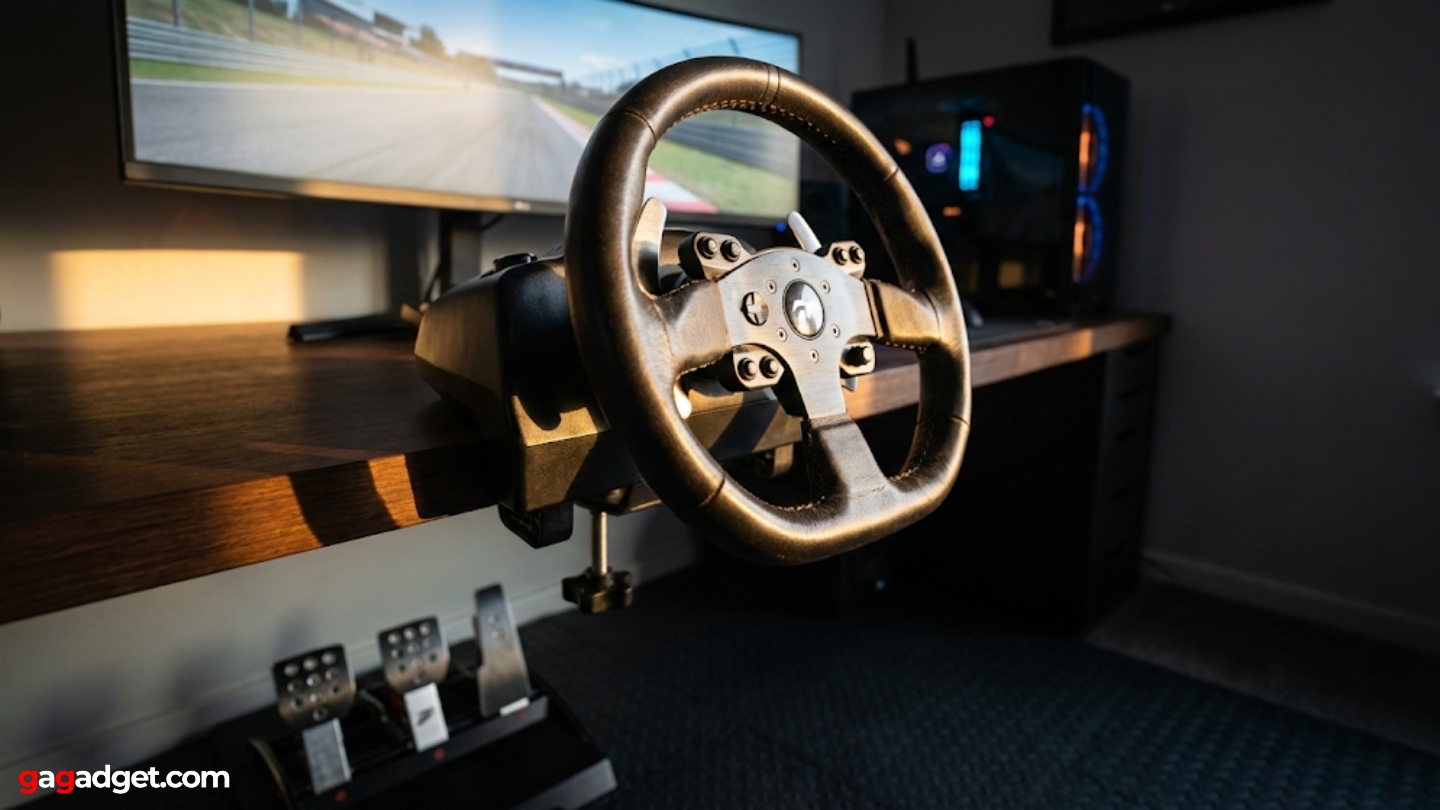
Start with the desk you already have. A surface at approximately seated elbow height with enough clearance for the wheel clamp works fine during the learning phase. Desk racing shows its limitations when load cell pedals need firm braking force, when a second peripheral like a handbrake needs stable mounting, or when the desk surface flexes enough to resonate with FFB motor pulses rather than absorb them. Entry-level wheel stands start around $100-150 and provide a significant stability upgrade for the pedal set. Full cockpit frames scale up from there. Moving from desk to cockpit improves driving consistency noticeably - mainly because the pedal position stops varying slightly between sessions.
Can I use a PS5 racing wheel on PC?
PlayStation-licensed wheels - the G29, HORI Apex, T128, and Fanatec GT DD Pro - all support PC alongside their console use. PC setup typically requires downloading manufacturer drivers and occasionally assigning manual button layouts in games that don't auto-detect the hardware. Force feedback works via DirectInput on most titles, though some require specifically enabling wheel input in game settings. Xbox-licensed wheels run on Windows PC via XInput with strong automatic compatibility. The PXN V9 Gen2 lacks PS5 native licensing but connects to PC through standard USB and works across most racing titles with good input recognition.
How long until driving with a wheel feels natural?
The first 30-60 minutes are awkward for most people. Inputs feel larger than necessary, the car wanders, and the transition from thumbstick habits takes conscious effort. After 2-3 hours of focused driving in a single title, basic car control tends to click. The point where a wheel outperforms a controller arrives faster in titles like Assetto Corsa or iRacing, where precise throttle and brake inputs translate directly into lap time, than in more forgiving arcade racers where the advantage is mainly immersion. Running FFB strength below the default during the first few sessions helps - maximum strength on a new wheel creates hand fatigue and tension that works against developing smooth inputs.
Wheel or pedals - which upgrade matters more?
Pedals, almost always. Entry-level wheelbases communicate more than their price suggests; extracting that communication requires brake modulation that cheap pedal sets make genuinely difficult. A load cell brake upgrade - available through Thrustmaster's T-LCM set for the T128 or Fanatec's optional CSL kit - works by measuring pedal force rather than pedal travel. Human feet judge pressure differences extremely well and judge precise travel position poorly, so switching to force-based input typically produces more consistent braking than any wheelbase upgrade at the same cost. Improving braking precision reduces lap times faster than strengthening FFB in most beginner-to-intermediate scenarios.
Choosing Your First Sim Racing Wheel
Most beginners land best on the Logitech G29 for its three-pedal completeness and track record, or the Thrustmaster T128 when smoother force feedback matters more than the clutch pedal. Xbox and multi-platform players find the PXN V9 Gen2 covers the widest hardware range with a shifter already in the box. The tightest PS5 budget points toward the HORI Apex, understanding its ceiling. Anyone planning to stay in sim racing long-term should price the Fanatec Gran Turismo DD Pro seriously - buying it once avoids replacing a cheaper wheel 18 months later when the gap between owned hardware and desired performance becomes the whole conversation.
Any wheel in this group improves on a thumbstick. The difference between steering wheel driving and thumbstick racing shows up in the first corner rather than requiring hours of adjustment. What shapes the right choice is matching hardware to actual commitment - the G29 and Racing Wheel Apex are where the genuine sim racing experience starts for most people, and everything below them introduces the steering wheel form factor without the feedback depth that makes the hobby rewarding over the long term.

Jeb here, your go-to geek for everything from video projection to the latest tech trends. As an avid outdoorsman, I enjoy using monoculars and binoculars for hunting, traveling, and birdwatching. Join me in exploring the cool, quirky side of technology!


