Best Smartwatches for Android Users
Battery life is the metric that most Android smartwatch buyers get wrong. They compare it on paper, pick the winner, and discover six months later that nightly charging is the routine they never accepted - or that the watch with three-day runtime doesn't run half the apps they actually use. The tradeoff between platform depth and battery longevity is the real decision at the center of this category, and it cuts more sharply now than it did two years ago.
I wore all five watches in this roundup through commutes, workouts, and late-night work sessions over the past several months. My testing focused on what the hardware actually does in daily use rather than what the spec sheet promises - because on Android, ecosystem fit and real-world runtime matter more than any single feature claim.
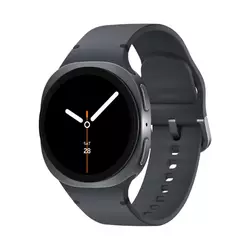
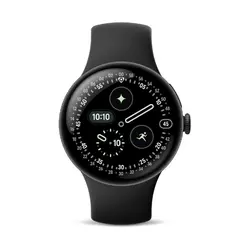
Short on time? These are my two top picks:
We may earn a small commission if you buy via our links - it helps keep gagadget.com running.
Table of Contents:
- Best Smartwatches for Android: Buying Guide
- Top 5 Smartwatches for Android Users in 2026
- Android Smartwatch Comparison
- Samsung Galaxy Watch 8
- Google Pixel Watch 4
- Garmin Venu 4
- OnePlus Watch 3
- Amazfit Balance 2
- Android Smartwatch FAQ
Best Smartwatches for Android Users: Buying Guide

The specs on Android smartwatches converged considerably over the last two years. Most options at this level track heart rate, GPS, and sleep. What separates them is how that data gets used, how long the battery lasts, and how well the watch integrates with a specific phone. These factors determine which one belongs on your wrist.
Platform Compatibility and App Ecosystem
Not all Android watches integrate equally with all Android phones. Wear OS from Google, Samsung, and OnePlus pairs with any Android device running Android 11 or newer and gives access to the Play Store, Google Pay, and Gemini AI. Samsung's Galaxy Watch goes further for Samsung phone owners - Galaxy AI health coaching, BIA body composition, and Advanced Sleep Coaching all require a Samsung Galaxy phone and Samsung account to unlock. On a Pixel, Motorola, or any non-Samsung device, those features simply don't appear.
The ecosystem question matters more than specs: a Galaxy Watch 8 on a Pixel phone is a capable Wear OS device, not a Samsung device. Check which phone you have before deciding which watch to buy.
Garmin and Amazfit take a different approach entirely, running proprietary operating systems that prioritize battery life and fitness accuracy over app breadth. There's no Play Store, no Google Pay by default, and no native Spotify streaming. Garmin Connect IQ and Zepp App Store cover the basics, but if you rely on third-party apps on your wrist - Strava live segments, Google Maps navigation, Spotify offline playlists - Wear OS is the only platform that delivers all of them reliably.
Health and Fitness Tracking Depth
Every watch here covers the basics: continuous heart rate, blood oxygen, step counting, and sleep staging. The gap opens when training gets serious. Garmin's Venu 4 delivers VO2 max, Training Readiness, daily suggested workouts calibrated to your current load, race time prediction, and Lifestyle Logging - a feature that correlates caffeine, alcohol, and meal timing with recovery scores. No Wear OS watch comes close to that depth. Fitbit on the Pixel Watch 4 offers Cardio Load and Daily Readiness Score, which is the strongest training guidance system in the Wear OS category, but it's a different tier from Garmin's full suite.
Health monitoring accuracy also varies by sensor design. Samsung's BioActive Sensor adds body composition and an AGEs antioxidant index measured through the skin - features unique to the Galaxy Watch line. ECG is available on Samsung (FDA cleared), Garmin (on-demand via side button), and in the hardware of the OnePlus Watch 3, though the OnePlus ECG feature remains deactivated for US buyers pending FDA clearance. Amazfit Balance 2 has no ECG at any market. If cardiac monitoring is a daily priority, that narrows the field immediately.
Battery Life and Daily Charging Reality
Wear OS watches pay a real battery cost for their smart features. Always-on display, background Gemini processing, and continuous health tracking drain a typical Wear OS watch to empty in 30-40 hours. Galaxy Watch 8 and Pixel Watch 4 both land in that window, which means nightly charging is the routine. OnePlus Watch 3 breaks the pattern with a dual-engine architecture: a secondary low-power RTOS chip handles passive functions while the main Snapdragon W5 Gen 1 sleeps, pushing real-world AOD runtime to 60-70 hours. That's not a gimmick - it's a meaningfully different ownership experience.
Battery life claims on smartwatch packaging use best-case conditions: AOD off, no GPS, minimal notifications. Real-world numbers with always-on display and daily workouts run 20-30% shorter than advertised across all platforms.
Garmin Venu 4 and Amazfit Balance 2 operate on their own OS platforms and reach 10-21 days per charge by avoiding the continuous background load that Wear OS carries. Weekly charging instead of nightly charging changes how you relate to a device. The trade-off is direct: longer battery comes with a smaller app ecosystem and less seamless Android integration. Neither is wrong - they suit different users. If you've ever charged a fitness band once a week and found it liberating, you'll likely prefer Garmin or Amazfit despite the smart feature ceiling.
Design and All-Day Wearability
A smartwatch you take off during the day tracks nothing. Weight and case thickness matter far more than most buyers expect before they've worn a watch for a week. The Galaxy Watch 8 at 8.6mm thin and 30g for the 40mm version is genuinely easy to forget - it sits flush against the wrist and doesn't catch on sleeves. The Pixel Watch 4 and Amazfit Balance 2 both land in a comfortable middle range at 41-47mm that works well for average to larger wrists. The OnePlus Watch 3 in 46mm runs 81g and 12mm thick, which suits larger wrists but becomes noticeable for overnight wear and during high-rep wrist movements.
Case thickness is the overlooked spec for sleep tracking specifically. The Garmin Venu 4 and OnePlus Watch 3 both sit at 12mm, and that extra bulk tends to cause wrist irritation overnight - either from pressure points or from the band tightening during sleep position changes. If sleep data is central to your use case, the Galaxy Watch 8's 8.6mm profile or the Pixel Watch 4's moderate 10.9mm make more sense. Strap material matters too: silicone bands stay in place better during workouts but trap heat overnight.
Top 5 Smartwatches for Android Users in 2026
These are the watches that held up across extended real-world testing - each strong in a different area.
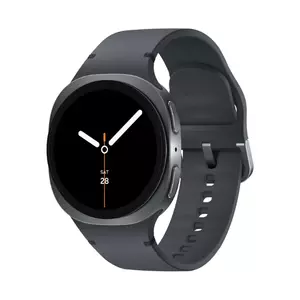
- Thinnest Galaxy Watch case yet
- 3,000 nits AMOLED with Dynamic Lug
- Full Gemini and Galaxy AI health features
- Best fit for Samsung Galaxy phone owners
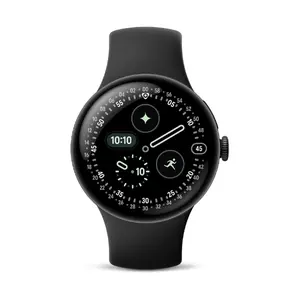
- Actua 360 domed display
- Fitbit Cardio Load, Daily Readiness
- Full compatibility with any Android phone
- Dual-frequency GPS on both sizes
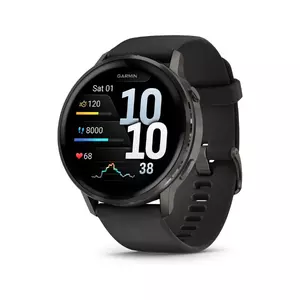
- Training Readiness nd Lifestyle Logging
- Multi-band GNSS with 10-day battery
- On-demand ECG via side button
- Best fitness data depth on this list
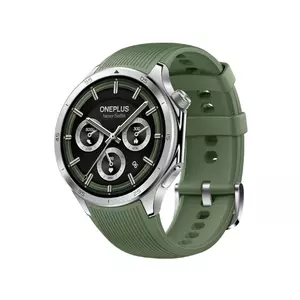
- 120-hour smart mode
- Titanium bezel with sapphire display
- Full Wear OS 5
- 3-year software update
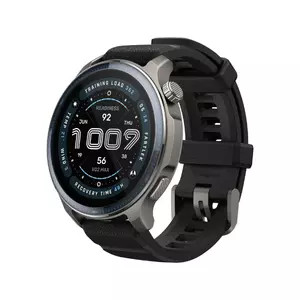
- Sapphire glass and aluminum build
- 10 ATM and 45m dive certification
- Free AI training plans and food logging
- MIL-STD-810H rating
Android Smartwatch Comparison
A side-by-side breakdown of the specs that matter most for Android users:
| Specification | Samsung Galaxy Watch 8 | Google Pixel Watch 4 | Garmin Venu 4 | OnePlus Watch 3 | Amazfit Balance 2 |
| OS | Wear OS 6 + One UI 8 | Wear OS 6 | Garmin OS | Wear OS 5 (dual-engine) | Zepp OS 5.0 |
| Display | 1.34" / 1.47" AMOLED, 3,000 nits | 1.4" Actua 360 AMOLED, 3,000 nits | 1.4" AMOLED | 1.43" AMOLED, Sapphire | 1.5" AMOLED, 2,000 nits, Sapphire |
| Battery Life | ~40 hours (40mm) / ~48 hours (44mm) | ~30 hours (41mm) / ~40 hours (45mm) | ~10 days (typical use) | ~120 hours (smart mode) | ~21 days (typical use) |
| Sizes | 40mm / 44mm | 41mm / 45mm | 41mm / 45mm | 43mm / 46mm | 47mm |
| Chipset | Exynos W1000 (3nm) | Snapdragon W5 Gen 2 | Garmin CPU | Snapdragon W5 Gen 1 + RTOS | Custom |
| GPS | Multi-band GPS/GLONASS | Dual-frequency GPS | Multi-band GNSS (SatIQ) | Dual-frequency GPS | 6-satellite dual-band GPS |
| Water Resistance | 5ATM + IP68 | 5ATM + IP68 | 5ATM | 5ATM + IP68 + MIL-STD-810H | 10ATM + 45m dive certified |
| ECG | Yes (FDA cleared) | Yes (via Fitbit) | Yes (on-demand) | Hardware present, inactive (US) | No |
| AI Assistant | Google Gemini | Google Gemini (wrist-raise) | Garmin Voice | Google Gemini | Zepp Flow (OpenAI-powered) |
Samsung Galaxy Watch 8 Review
Editor's Choice
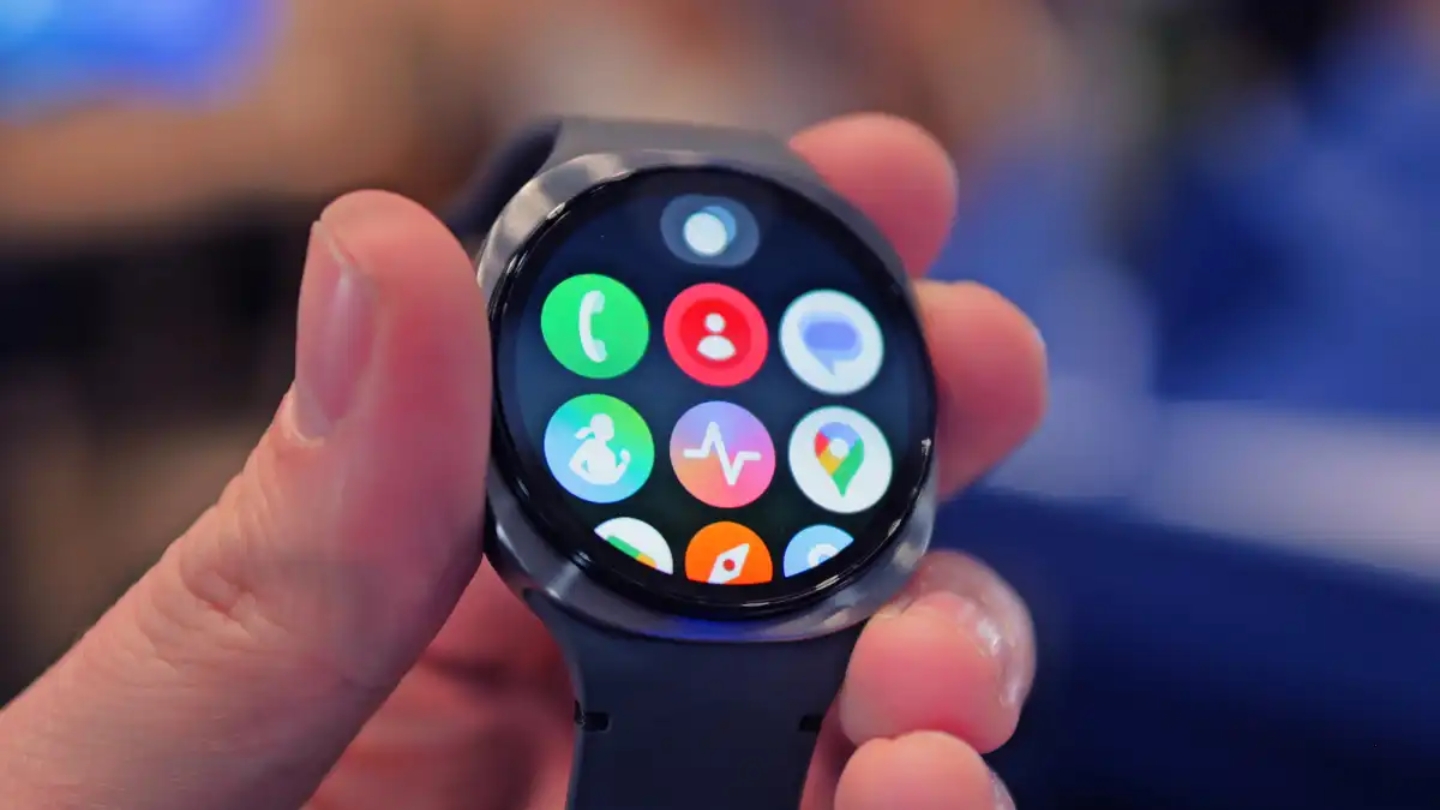
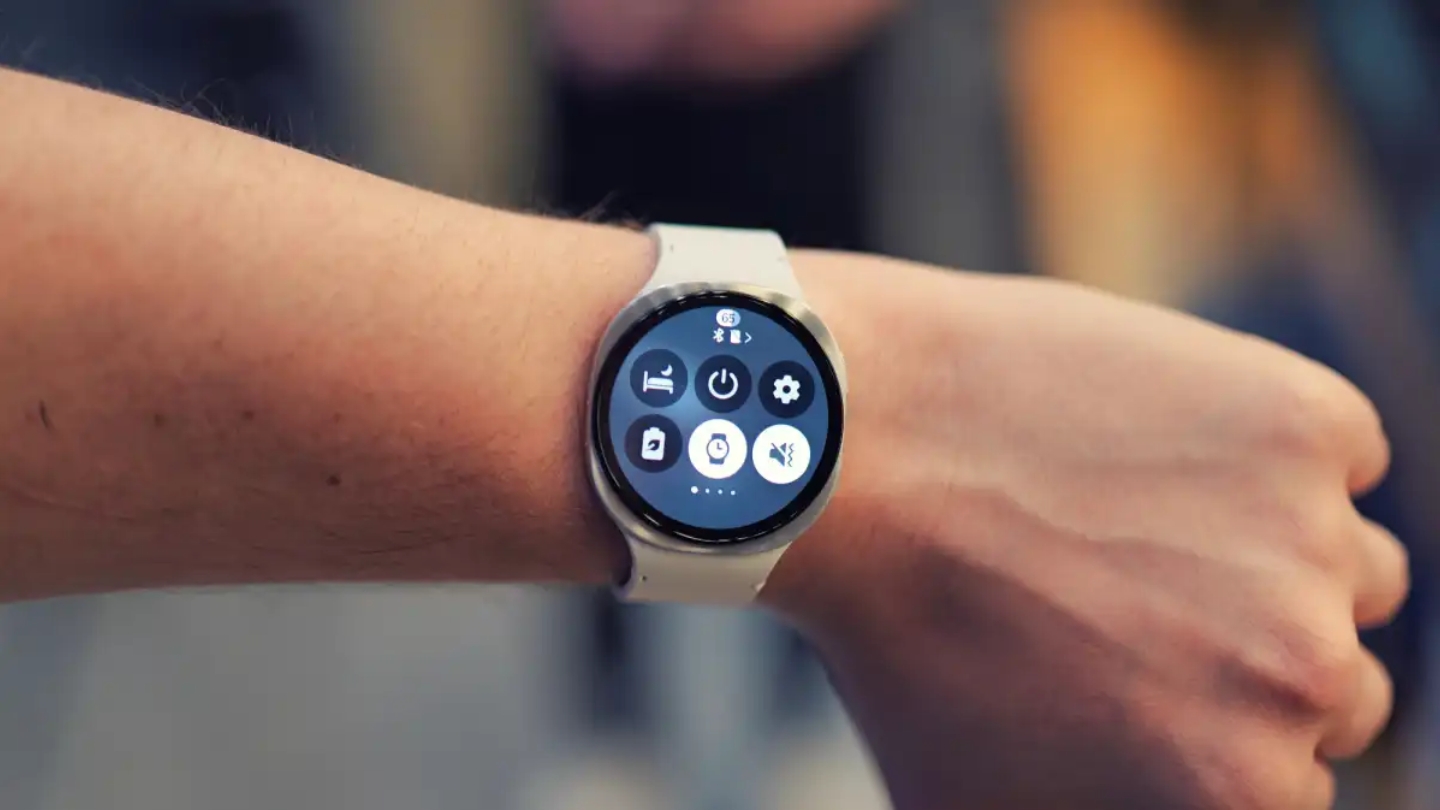
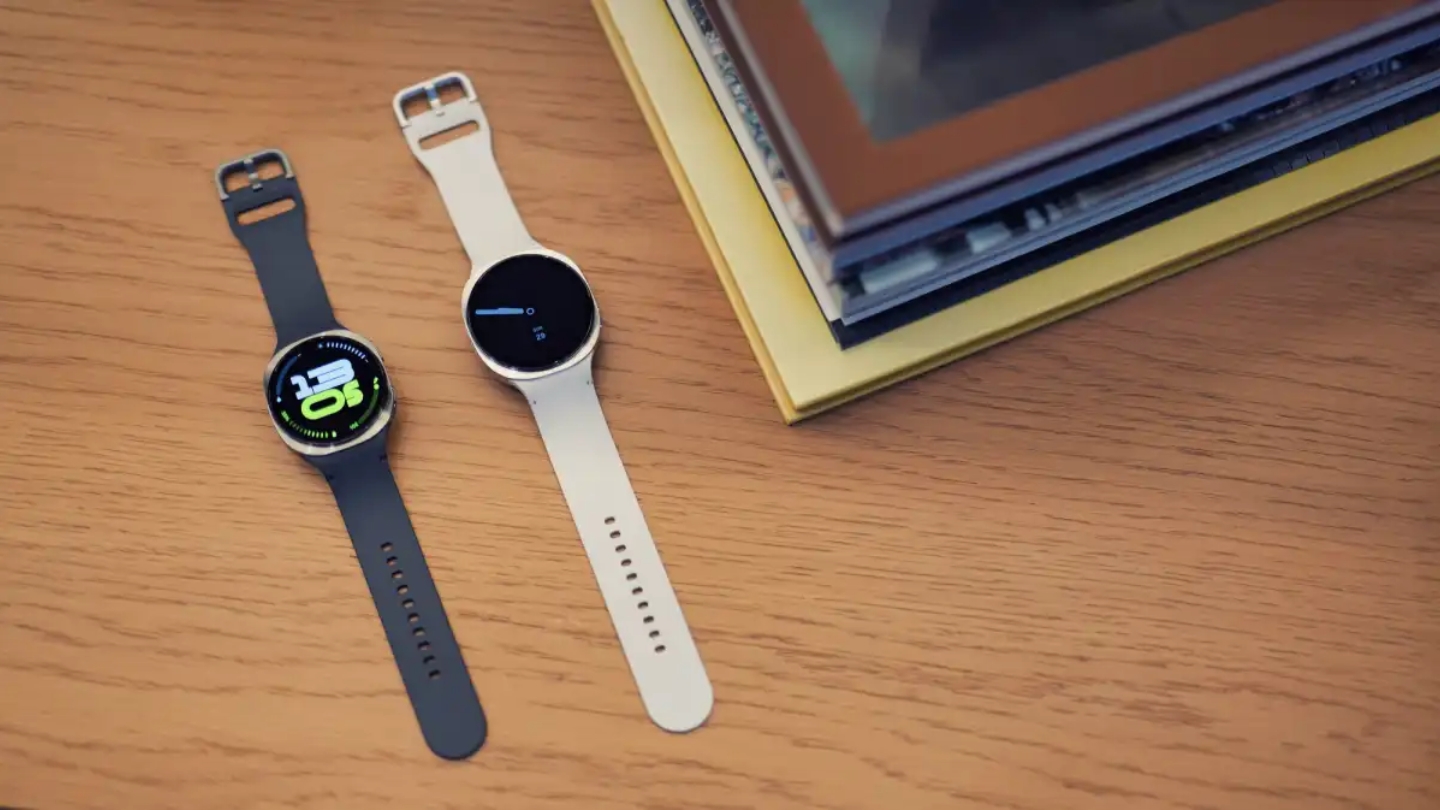
Samsung redesigned the Galaxy Watch 8 from the case outward, and the result is the most wearable Galaxy Watch in years. The cushion-shaped case that debuted on the Watch Ultra now defines the entire lineup, and it works better on the regular Watch 8 than it did on its bigger sibling. At 8.6mm thick and 30g for the 40mm version, the watch sits flush against the wrist without the gap that older rectangular designs created. That kind of passive comfort is harder to engineer than most spec sheets reflect.
The display upgrade is real. Peak brightness at 3,000 nits - a 50% jump over the Watch 7 - handles direct sunlight without squinting. The new Dynamic Lug system, carried over from the Watch Ultra, moves with wrist movement during exercise rather than riding against the skin. Heart rate consistency during trail runs noticeably improved over earlier Galaxy Watch generations, directly tied to better sensor contact throughout the movement.
Wear OS 6 with One UI 8 Watch brings full Gemini integration for the first time on a Samsung watch. The Now Bar - a persistent activity widget borrowed from Samsung phones - surfaces workout timers, navigation steps, and other live data at a glance without taking over the watch face. Galaxy AI's Energy Score builds a morning health summary from the previous day's sleep, activity, and heart rate data. The scores track with how a workout actually goes after a few weeks of use, rather than just generating numbers that don't connect to anything.
The Galaxy Watch 8 works with any Android phone running Android 12 or newer, but the full feature set requires a Samsung Galaxy phone and Samsung account. Advanced Sleep Coaching, the AGEs antioxidant index, and the BIA body composition scanner are all Samsung Health exclusives. On a non-Samsung Android, the watch delivers solid Wear OS performance and Gemini access - just without those layers. Worth confirming before buying if the phone is not from Samsung.
Battery on the 40mm runs around 40 hours with always-on display active, closer to 36 hours with heavy GPS use. The 44mm stretches to roughly 48 hours. I charged it every morning during testing - 90 minutes from flat, which fits into a desk session without friction.
Pros:
- Thinnest Galaxy Watch case yet
- 3,000 nits AMOLED with Dynamic Lug
- Full Gemini and Galaxy AI health features
- Best fit for Samsung Galaxy phone owners
Cons:
- Galaxy AI features require Samsung phone and account
- 40-hour battery means nightly charging
Summary: The Galaxy Watch 8 is the strongest all-round choice for Samsung Galaxy phone users who want a refined daily companion. The design upgrade is the most meaningful the line has seen in several generations, and the AI health features add genuine value rather than spec-sheet decoration.
Google Pixel Watch 4 Review
Best Overall
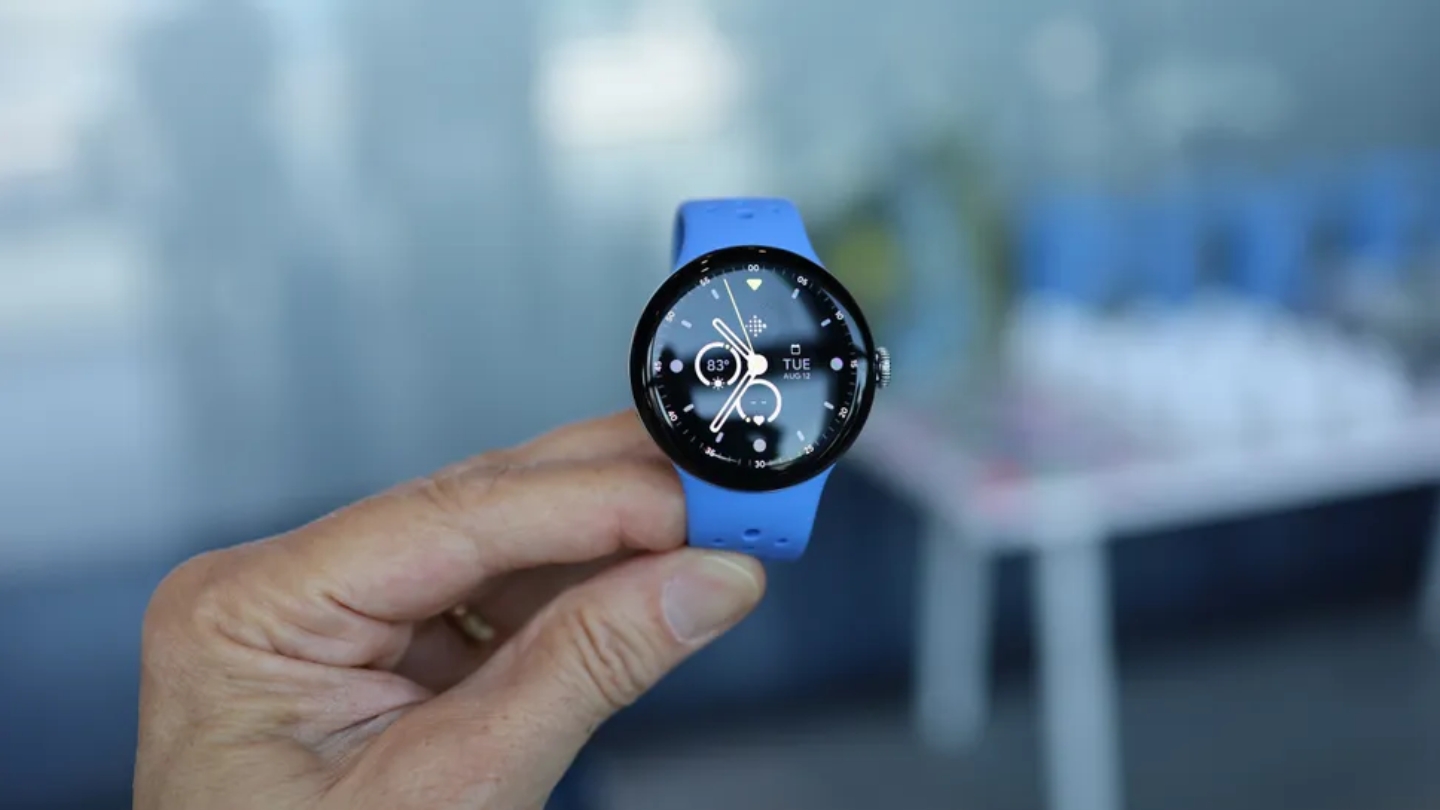
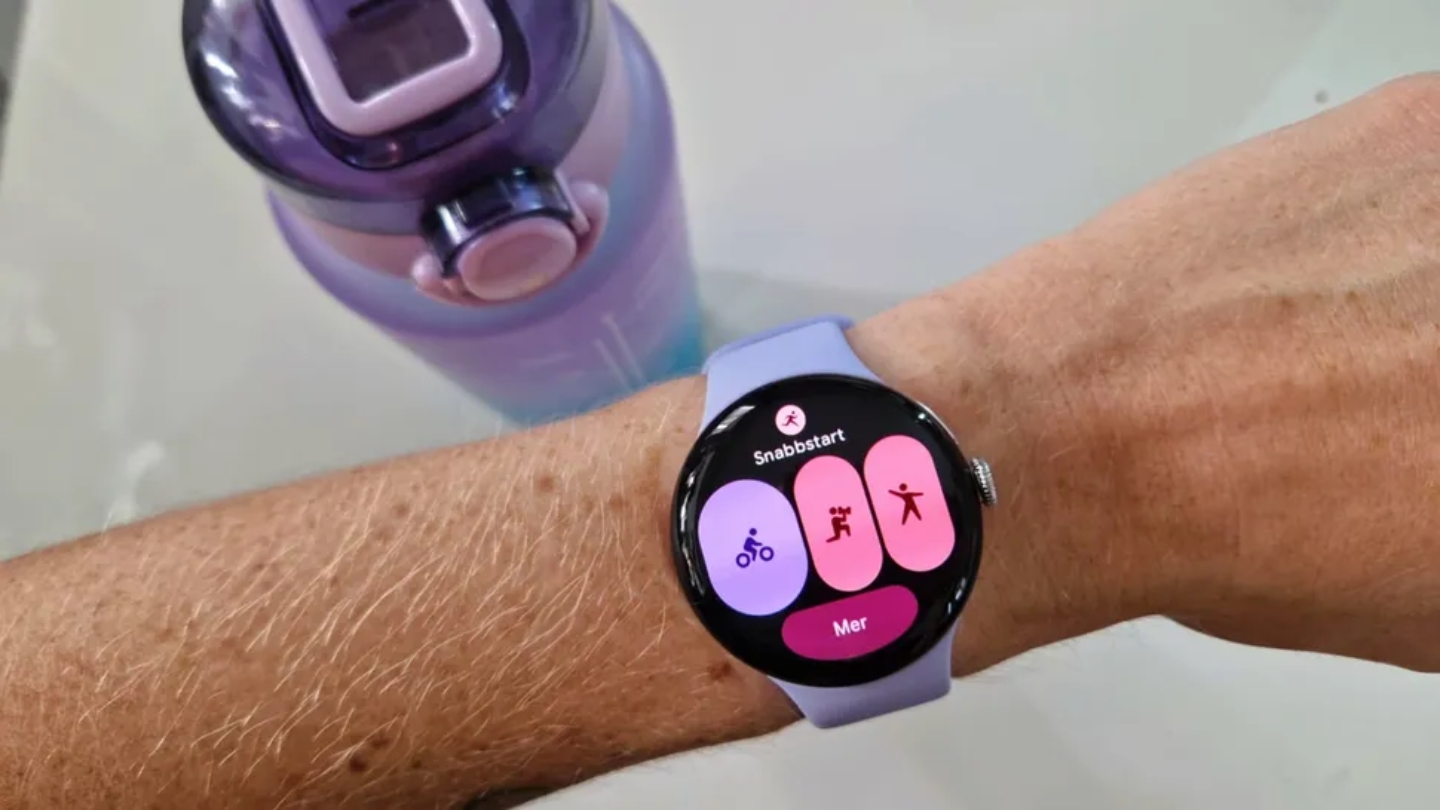
Google's fourth generation keeps the same round silhouette while making the display feel entirely new. The Actua 360 screen domes outward at the center and curves down toward the rim - scrolling through health data or checking a notification has a sculptural quality that flat glass panels don't produce. After a few days with it, the interface starts to feel different from every other watch used before it.
The Snapdragon W5 Gen 2 chip delivers 25% faster processing at 50% better power efficiency. Dual-frequency GPS comes standard on both sizes. Emergency satellite SOS communication works without cellular coverage - relevant for trail runners, hikers, and travelers to remote areas. Battery life on the 45mm reaches 40 hours with always-on display, a meaningful improvement over the previous generation, though nightly charging remains the expectation for most users.
Gemini on the Pixel Watch 4 activates by raising the wrist to speaking position - no wake word or button press required. The contextual awareness is the standout capability: knowing location, calendar, and current time, it handles requests that basic voice assistants return to the phone. I used it to draft a reply mid-run, check movie showtimes, and scan for a free evening in a packed calendar - all without touching the phone.
Fitbit health integration remains a core strength. Cardio Load, Daily Readiness Score, and Target Load form a training guidance system that scales from casual exercisers to consistent athletes. The Morning Report surfaces HRV, breathing rate, and skin temperature into a daily snapshot that actually informs workout decisions. Irregular Heart Rhythm Notification runs passively in the background without setup or manual activation.
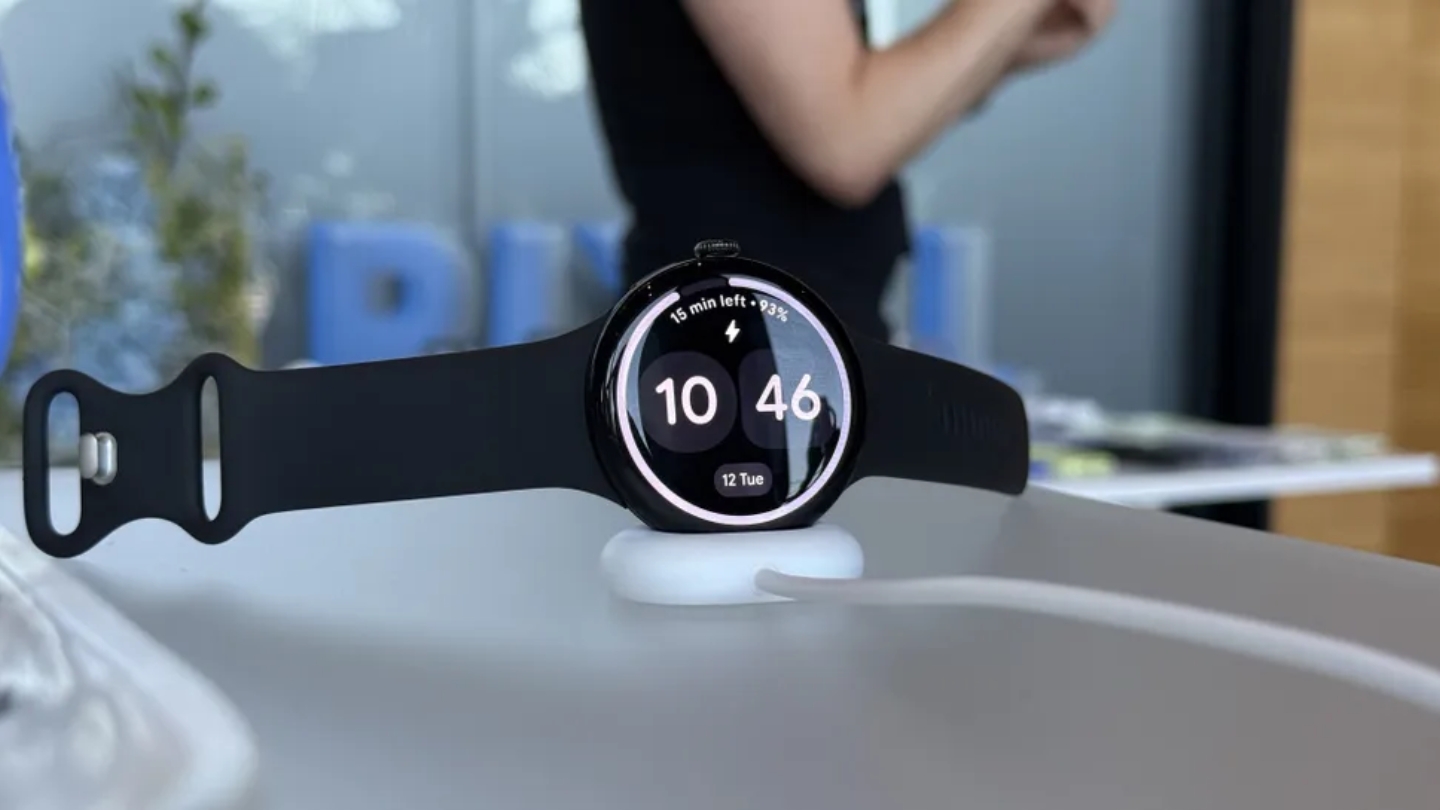
One practical limitation: the Pixel Watch 4 charges via a proprietary side-mounted dock rather than wireless induction. The Quick Charge Dock hits 50% in 15 minutes, but replacing a wireless charging habit with a specific connector adds friction. Band removal also requires a fiddlier mechanism than Samsung or Apple equivalents. Neither issue changes the core experience, but both show up in daily use.
Pros:
- Actua 360 domed display
- Fitbit Cardio Load, Daily Readiness
- Full compatibility with any Android phone
- Dual-frequency GPS on both sizes
Cons:
- Proprietary side-dock with no wireless charging
- 41mm version still needs daily charging
Summary: The Pixel Watch 4 is the go-to recommendation for Android users on any phone outside the Samsung ecosystem. Gemini implementation, Fitbit health depth, and clean Wear OS 6 integration make it the most complete everyday Android smartwatch when full platform compatibility matters.
Garmin Venu 4 Review
Fitness Pick
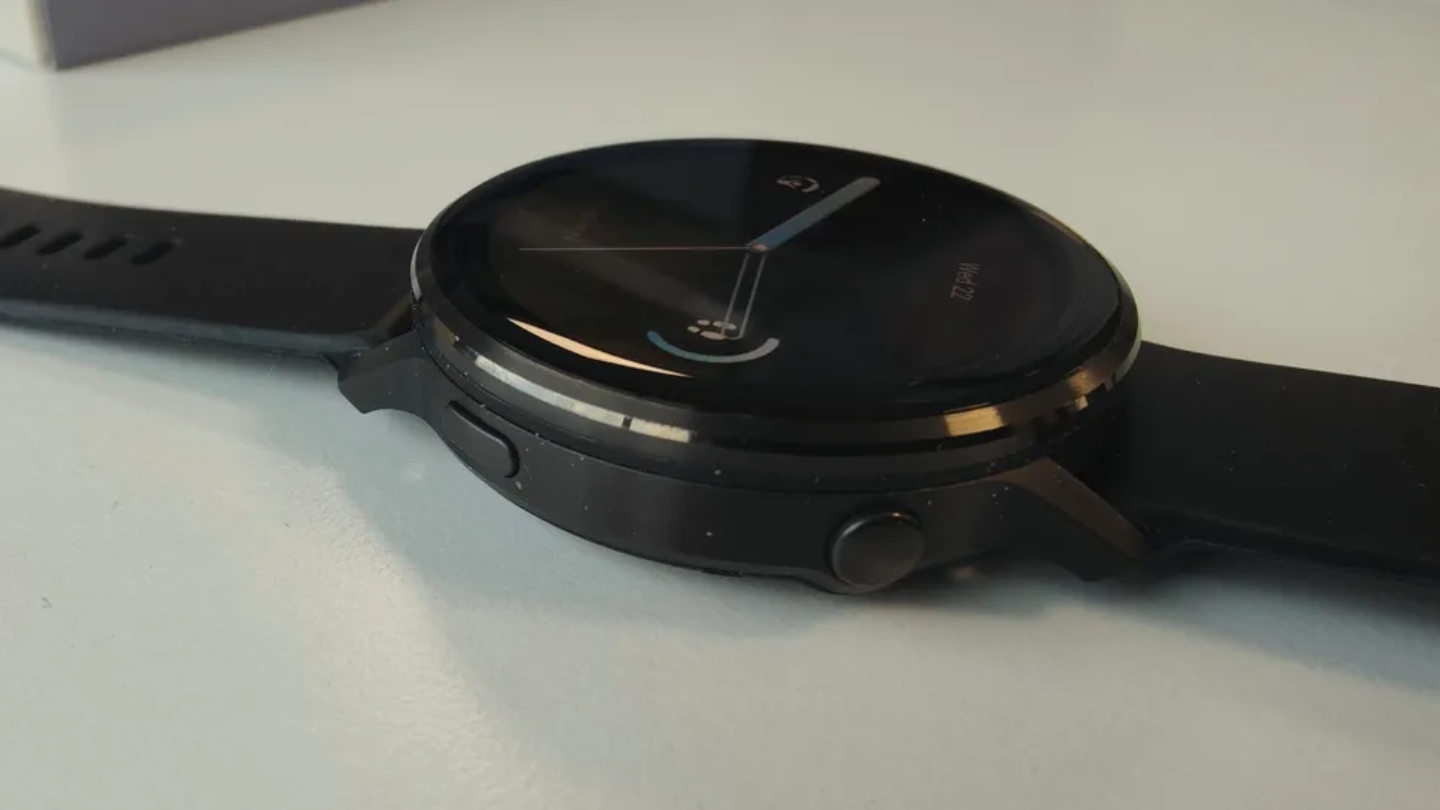
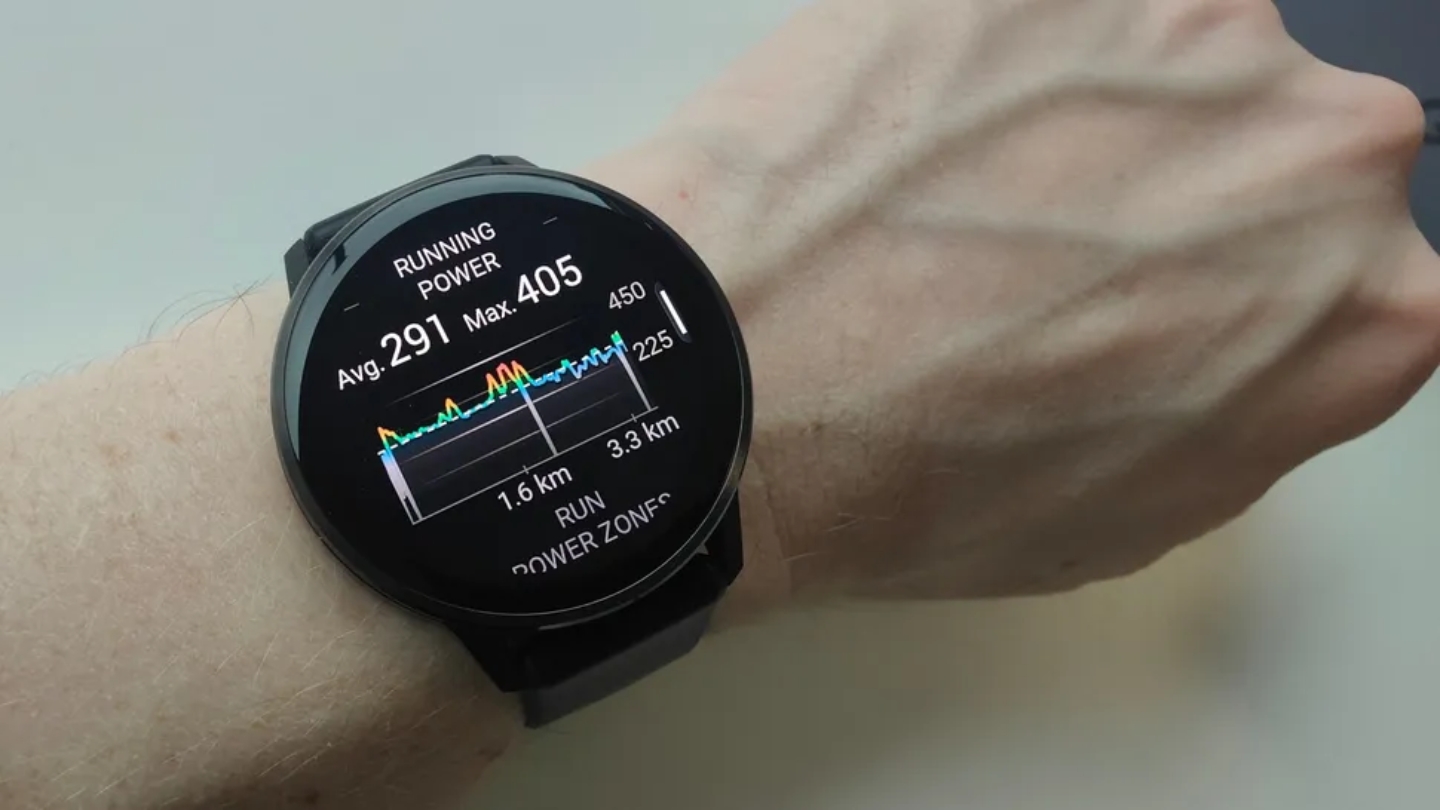
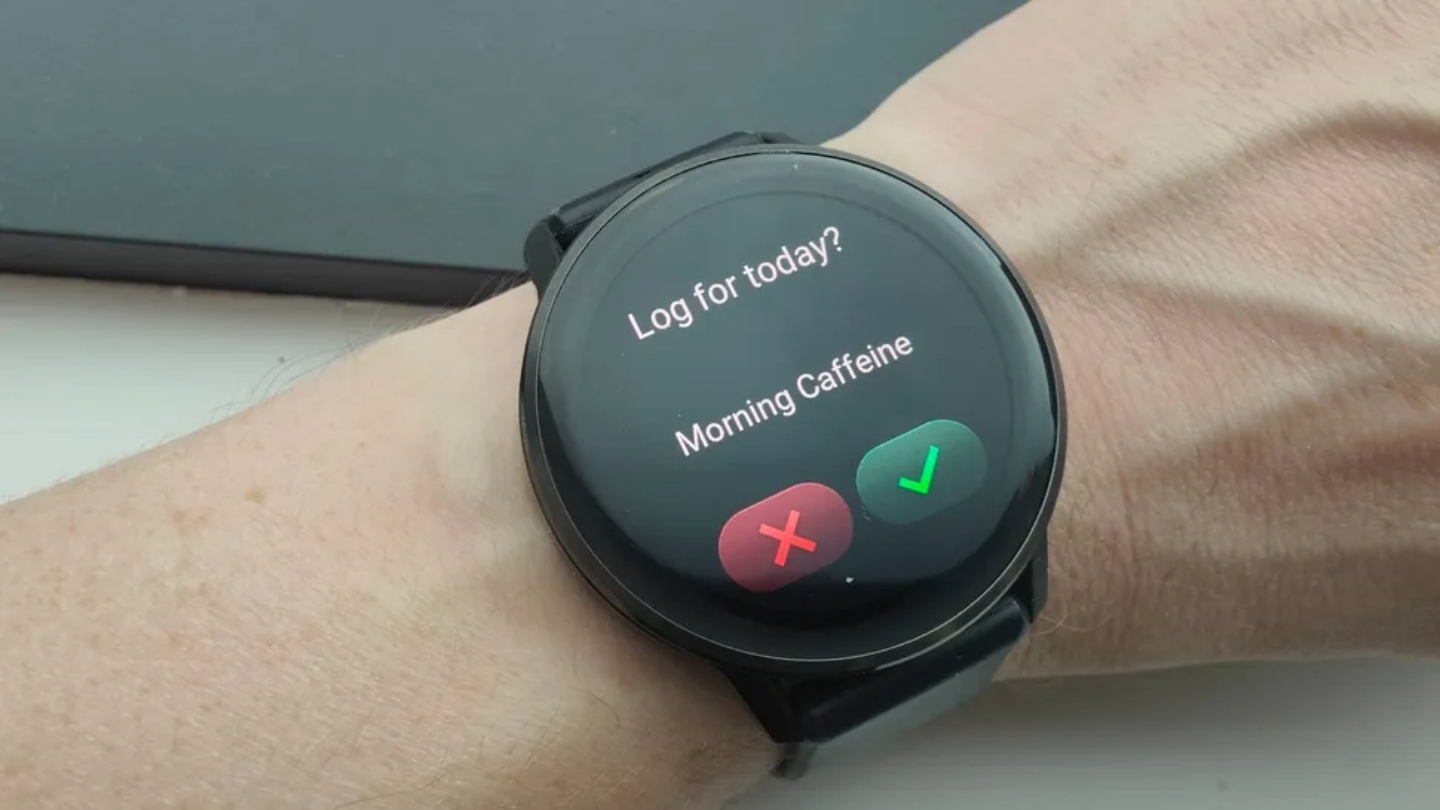
The Garmin Venu 4 runs a completely different operating system from the Wear OS watches on this list, costs more than both of them, and Android users with serious training goals keep choosing it anyway. The reason becomes clear after a few weeks comparing data side by side: the fitness information is more granular, more actionable, and more consistently accurate across varied activity types.
The 2025 redesign addressed the most persistent criticism of previous Venu models. The bezel and case are now stainless steel where the Venu 3 used plastic, and the difference in hand feel is immediate. The 41mm size wears office-appropriate without looking sporty. The AMOLED display handles direct sunlight well and the always-on mode stays readable without the battery penalty common to other platforms. The built-in flashlight - new to the Venu line - earns its place on pre-dawn runs and evening walks.
Moving the Venu 4 to Garmin's unified 2025 platform unlocked the full training toolkit. Training Readiness, multi-band GNSS with SatIQ technology, Daily Suggested Workouts, and projected race time predictions are all available now. I tracked a hilly 8-mile route where GPS accuracy matched dual-frequency Wear OS watches closely. On-demand ECG works through the side button without navigating into a separate app. The Lifestyle Logging feature - tracking caffeine intake, late meals, alcohol, and other daily behaviors against recovery metrics - is the most original health feature any watch on this list offers.
The ceiling on smart features is the honest trade-off. The Connect IQ app ecosystem covers the essentials but doesn't match the Play Store in breadth. Garmin's voice assistant handles timers, unit conversions, and navigation prompts competently - conversational queries go unanswered. Garmin Pay processes contactless payments in fewer locations than Google Wallet. The Venu 4 is a fitness platform with smartwatch capability layered on, and the priorities show throughout the OS.
Battery runs roughly 10 days in typical use with daily workouts, dropping toward 6 days with always-on display and frequent GPS. A full marathon finishes with meaningful battery remaining. For anyone accustomed to nightly charging, this longevity genuinely changes the relationship with the device.
Pros:
- Training Readiness, race prediction and Lifestyle Logging
- Multi-band GNSS with 10-day battery and built-in flashlight
- On-demand ECG via side button
- Best fitness data depth on this list
Cons:
- Smart features limited vs Wear OS
- Overkill for casual exercisers
Summary: The Garmin Venu 4 belongs on the wrist of anyone who trains consistently and wants data that actively guides preparation. The fitness tracking gap between this and Wear OS options is real and measurable. For casual users who primarily want smart features, the platform trade-offs at this price don't hold up.
OnePlus Watch 3 Review
Battery Champion
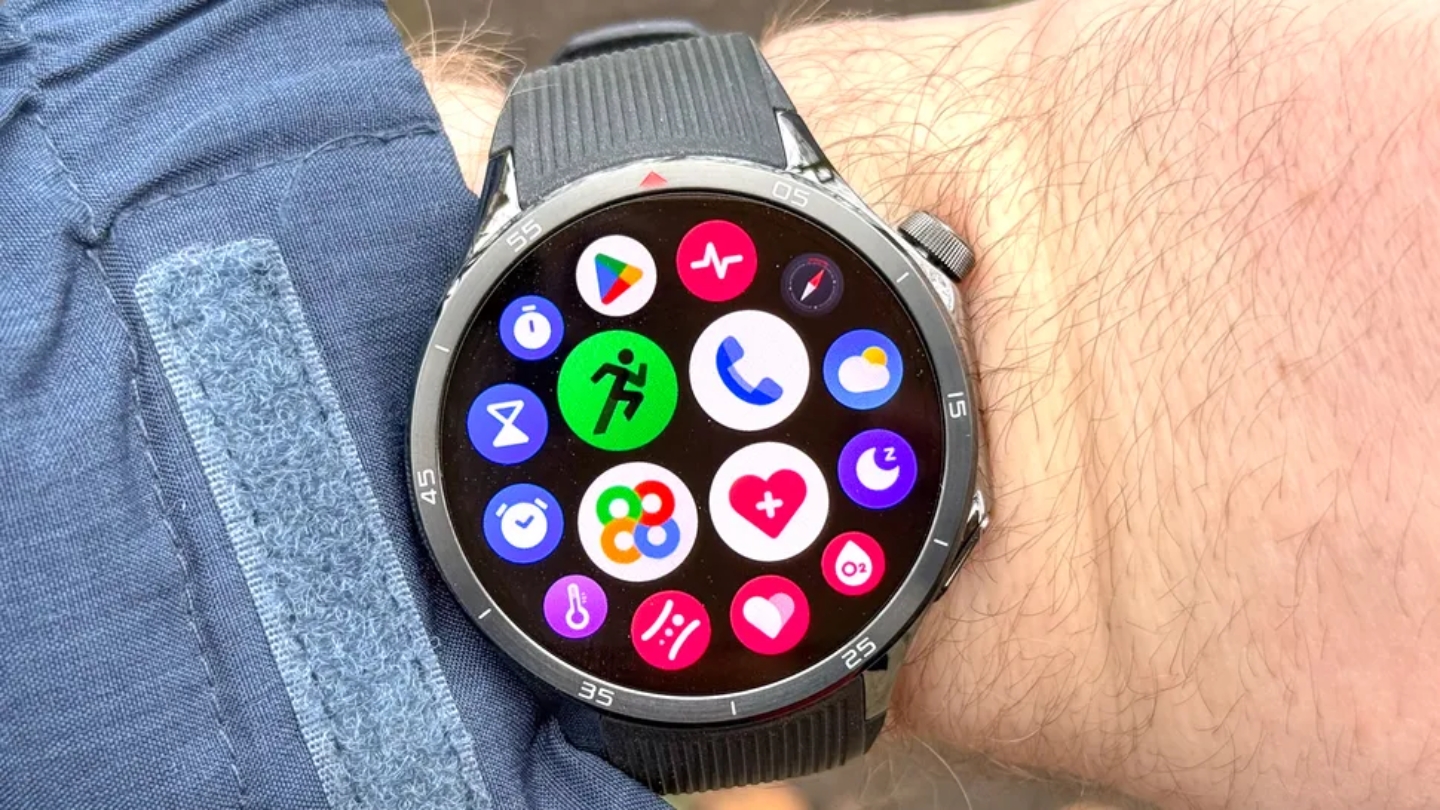
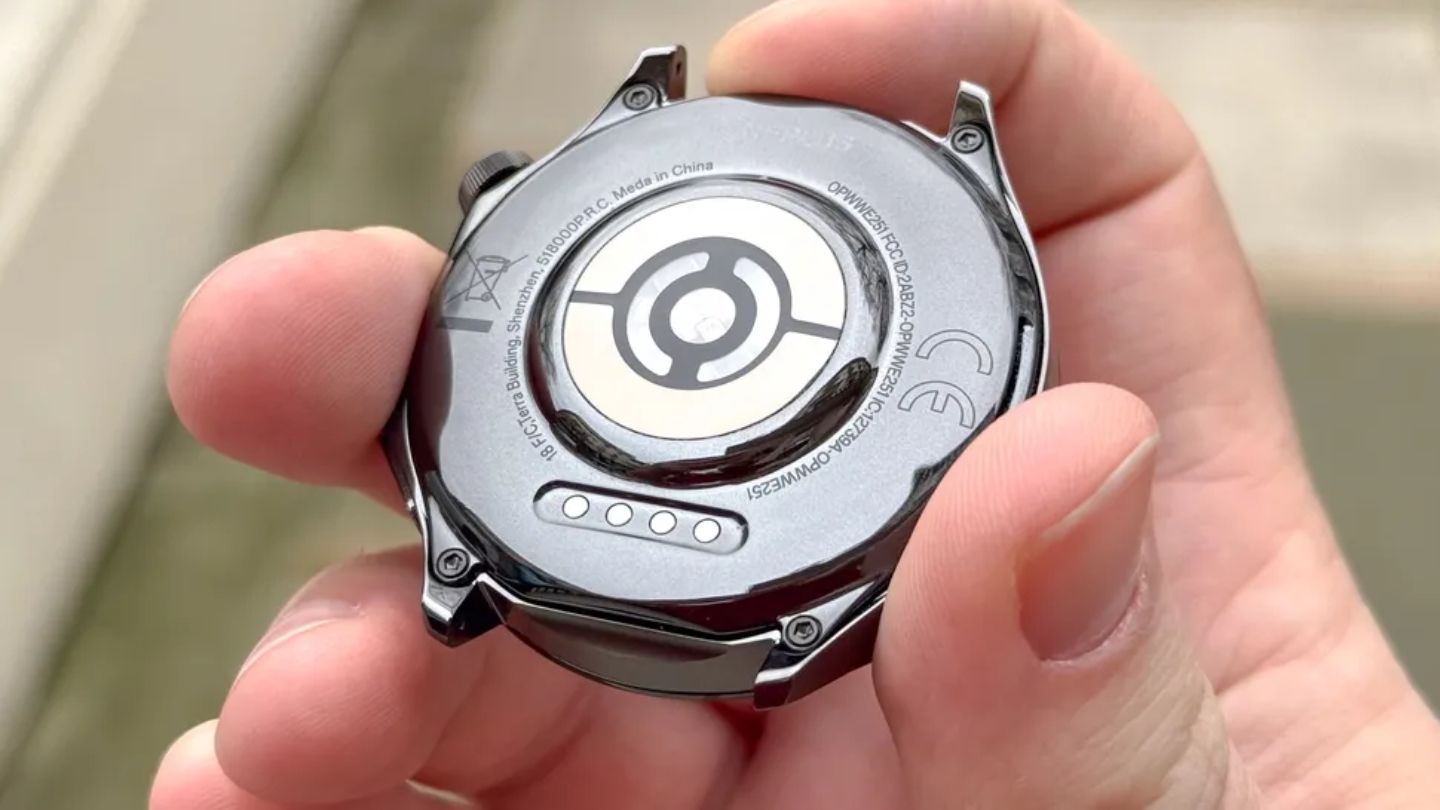
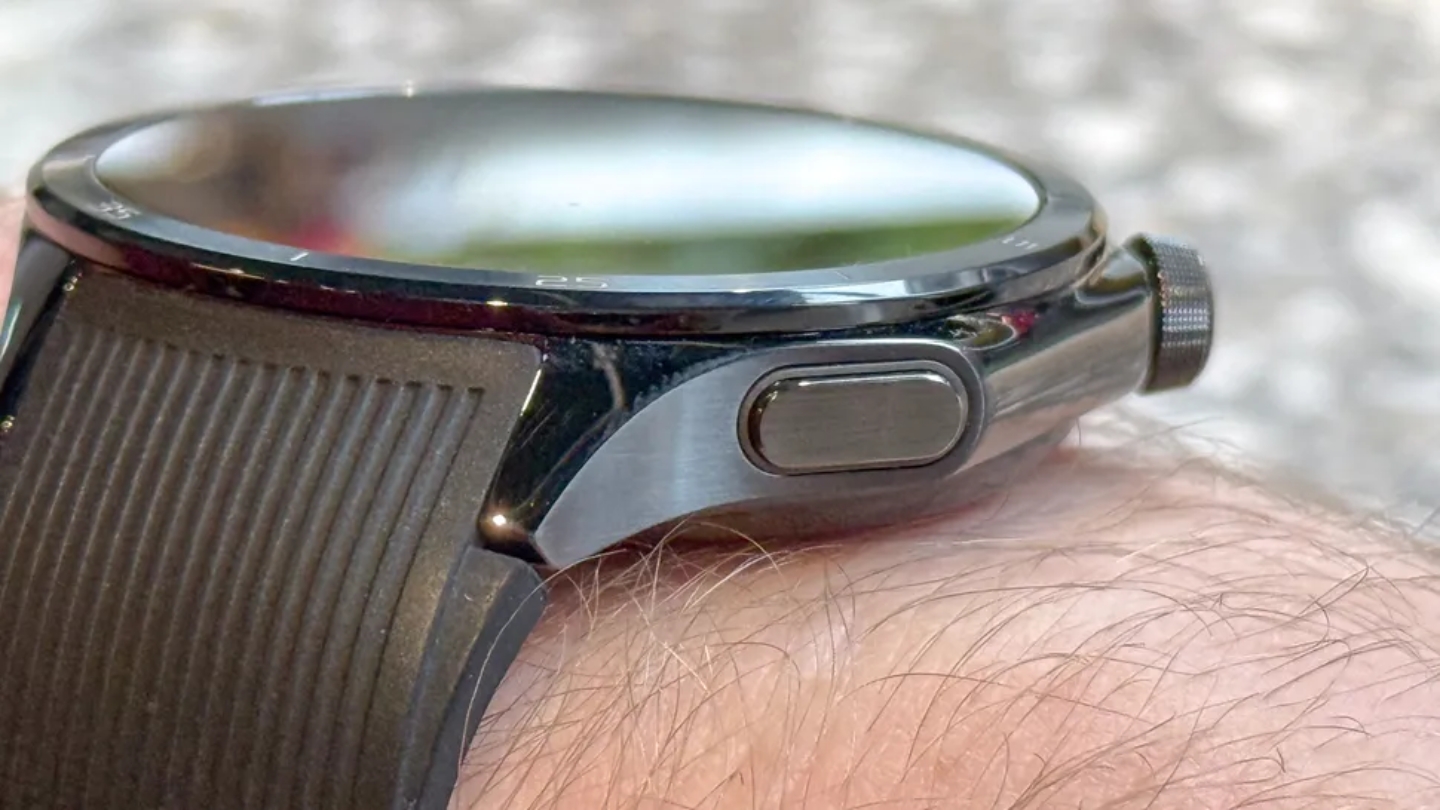
OnePlus fixed the most persistent complaints about Watch 2 without abandoning what made it worth buying. The battery life is still the headline, but the overall package in Watch 3 is competitive enough that the endurance advantage reads as a bonus rather than the only reason to consider it. Titanium alloy bezel, sapphire display, functional rotating crown, and full Wear OS 5 - that combination at this price point is unusual anywhere in the category.
The 46mm case design has personality that the Watch 2 lacked. The asymmetric body with prominent lugs and the crown positioned at two o'clock reads as a proper watch rather than a fitness gadget. The functional rotating crown is the most tangible upgrade from the previous generation - navigating notifications, scrolling through workout summaries, and adjusting settings mid-run all work through rotation with precise haptic feedback. Swiping a small touchscreen during exercise never feels as reliable.
The dual-engine architecture is what separates this from every other Wear OS watch. A Snapdragon W5 Gen 1 handles full smart mode while a secondary RTOS chip takes over for basic timekeeping and health monitoring, extending battery to 120 hours. In my testing, smart mode with always-on display ran 60-70 hours - roughly 50-60% longer than a Pixel Watch 4 or Galaxy Watch 8 under comparable conditions. Health tracking accuracy improved significantly over Watch 2. The 8-channel PPG sensor delivers consistent heart rate data across high-intensity intervals and strength training.
Full Wear OS 5 means Google Pay, Gemini, the complete Play Store, and three years of software update commitment covering Wear OS 5, 6, and 7. Strava, Spotify, AllTrails - the complete Android app ecosystem works natively. Clear gaps remain: ECG hardware is present but inactive for US buyers pending FDA clearance, there's no LTE option, and the built-in speaker produces thin audio compared to Galaxy Watch 8. The charging cradle requires manual alignment to connect, a small daily annoyance that magnetic puck designs from Samsung and Google avoid.
The OHealth app's 60-second health check-in - a single button press that simultaneously captures heart rate, SpO2, stress, skin temperature, and vascular age metrics - offers a snapshot approach to health data rather than continuous passive monitoring. For users who prefer active check-ins over always-on tracking, the workflow fits naturally.
Pros:
- 120-hour smart mode
- Titanium bezel with sapphire display
- Full Wear OS 5
- 3-year software update
Cons:
- ECG inactive in the US with no LTE option
- Charging cradle requires manual alignment
Summary: The OnePlus Watch 3 is the right call for Android users who want full Wear OS capability without the nightly charging routine. The titanium and sapphire build quality at this price is competitive with watches that cost considerably more, and the battery advantage over every other Wear OS device in this category is substantial.
Amazfit Balance 2 Review
Best Value
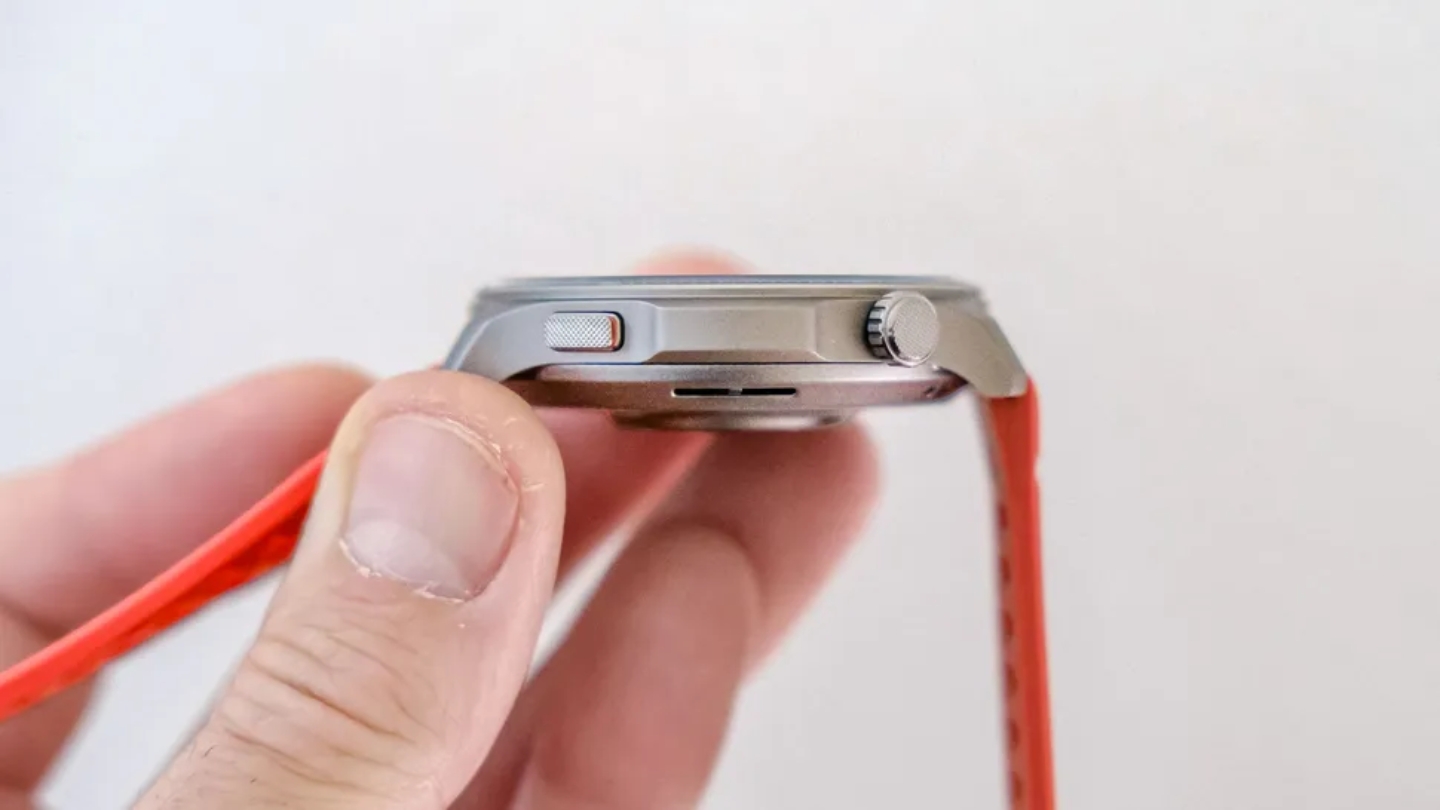
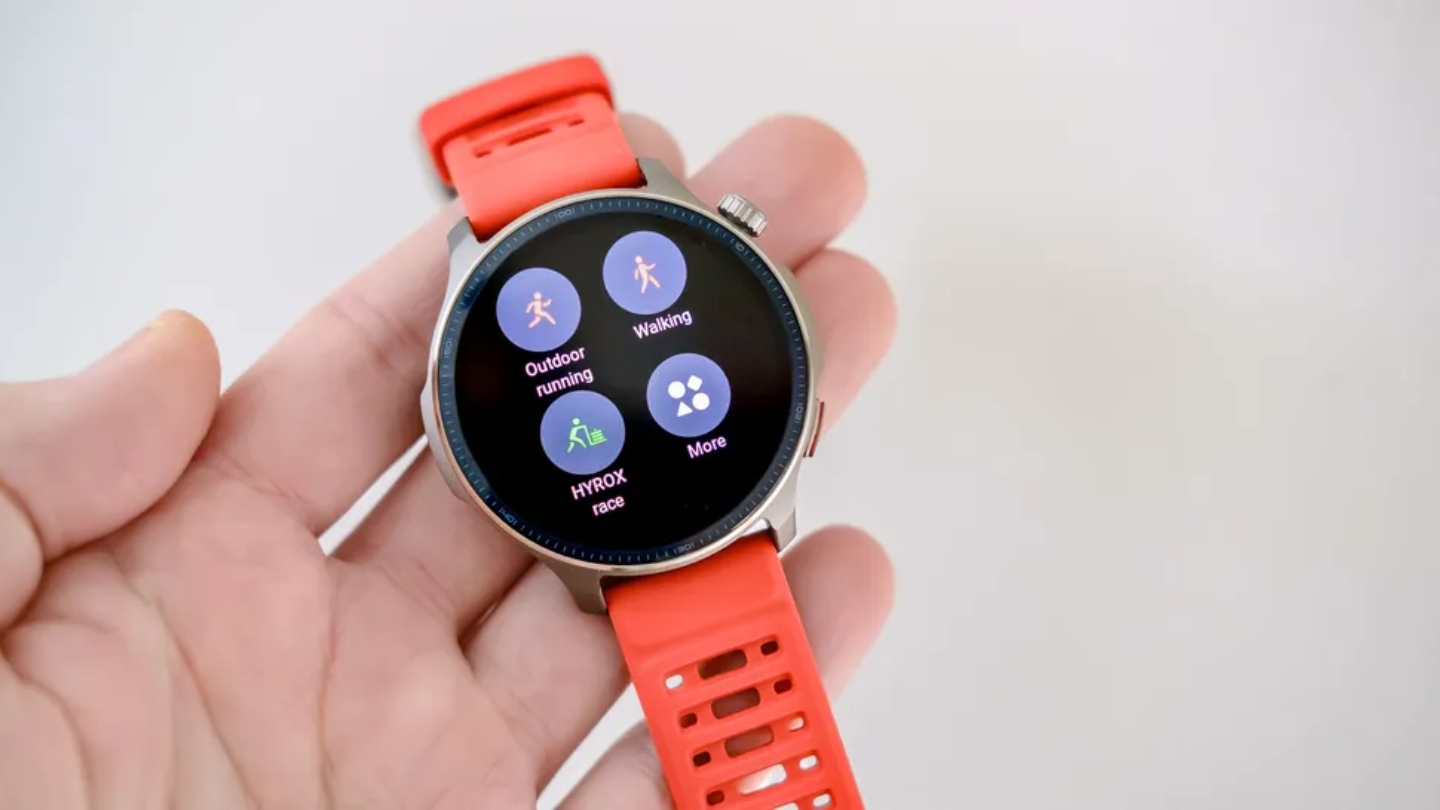
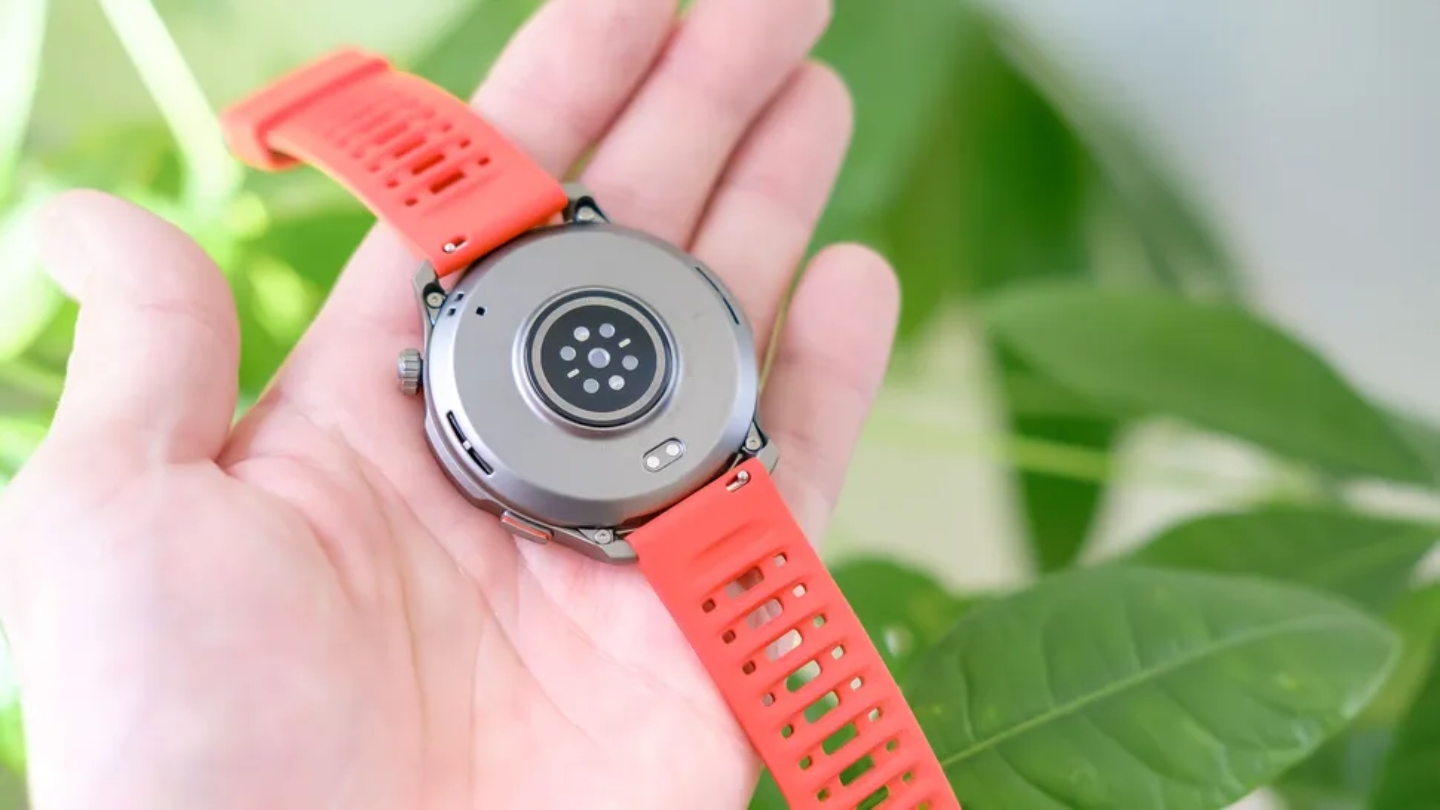
The Amazfit Balance 2 undercuts every other watch on this list in price while arriving with an aluminum alloy case, a sapphire crystal display, and 21 days of claimed battery life. I spent three weeks testing it back-to-back against more expensive options, and the conclusion was consistent: Amazfit found the point where the essentials are done well enough that the missing extras stop mattering for most users.
The 47mm round case is clean and proportional, with a single pusher button and a rotating crown. Long-pressing the crown launches Zepp Flow, the on-board AI assistant powered by OpenAI, which handles conversational queries, real-time workout stats, timer setting, and quick settings without requiring rigid command phrasing. The 1.5-inch AMOLED at 480x480 resolution and 2,000 nits is genuinely sharp and readable outdoors. A faint blue ring around the display bezel is worth knowing about before buying if aesthetics are a priority.
Fitness tracking runs deeper than the entry-level positioning suggests. The BioTracker 6.0 PPG sensor handles continuous heart rate, blood oxygen, and HRV monitoring. Six satellite positioning systems with a circularly polarized GPS antenna produced reliable route data across mixed urban and wooded terrain during testing. Over 170 sports modes cover niche activities alongside the core ones. Zepp Coach builds AI-driven marathon and half-marathon training plans without a subscription, and the Zepp app's photo-based food logging is one of the more practically useful health features found at this price tier.
Zepp OS 5.0 navigates smoothly with no lag. The gaps versus Wear OS are real but specific: Spotify requires offline file loading rather than streaming, Zepp Pay handles contactless payments in 31 countries, and notification replies are read-only on iOS - Android users get custom text reply capability. The 10 ATM water resistance with 45-meter dive certification and MIL-STD-810H durability rating exceed what most competitors offer at any price, let alone this one.
Real-world battery over two weeks of daily use including four to five GPS workouts landed at 16-17 days, short of the 21-day claim but still requiring weekly charging. Enabling always-on display drops this to around 7 days. One genuine limitation: offline map loading from the Zepp app takes longer than it should. For running GPS it's a non-issue; for active turn-by-turn cycling or hiking navigation the lag becomes noticeable.
Pros:
- Sapphire glass and aluminum build
- 10 ATM and 45m dive certification
- Free AI training plans and food logging
- MIL-STD-810H rating
Cons:
- No Spotify streaming — offline files only
- Offline map loading is slow
Summary: The Amazfit Balance 2 delivers the best hardware-to-price ratio in this roundup. Multi-week battery life, premium materials, 170+ sports modes, and subscription-free AI coaching make a compelling case for users who want more than a fitness band but aren't committed to Wear OS and daily charging.
Best Smartwatches for Android: FAQ
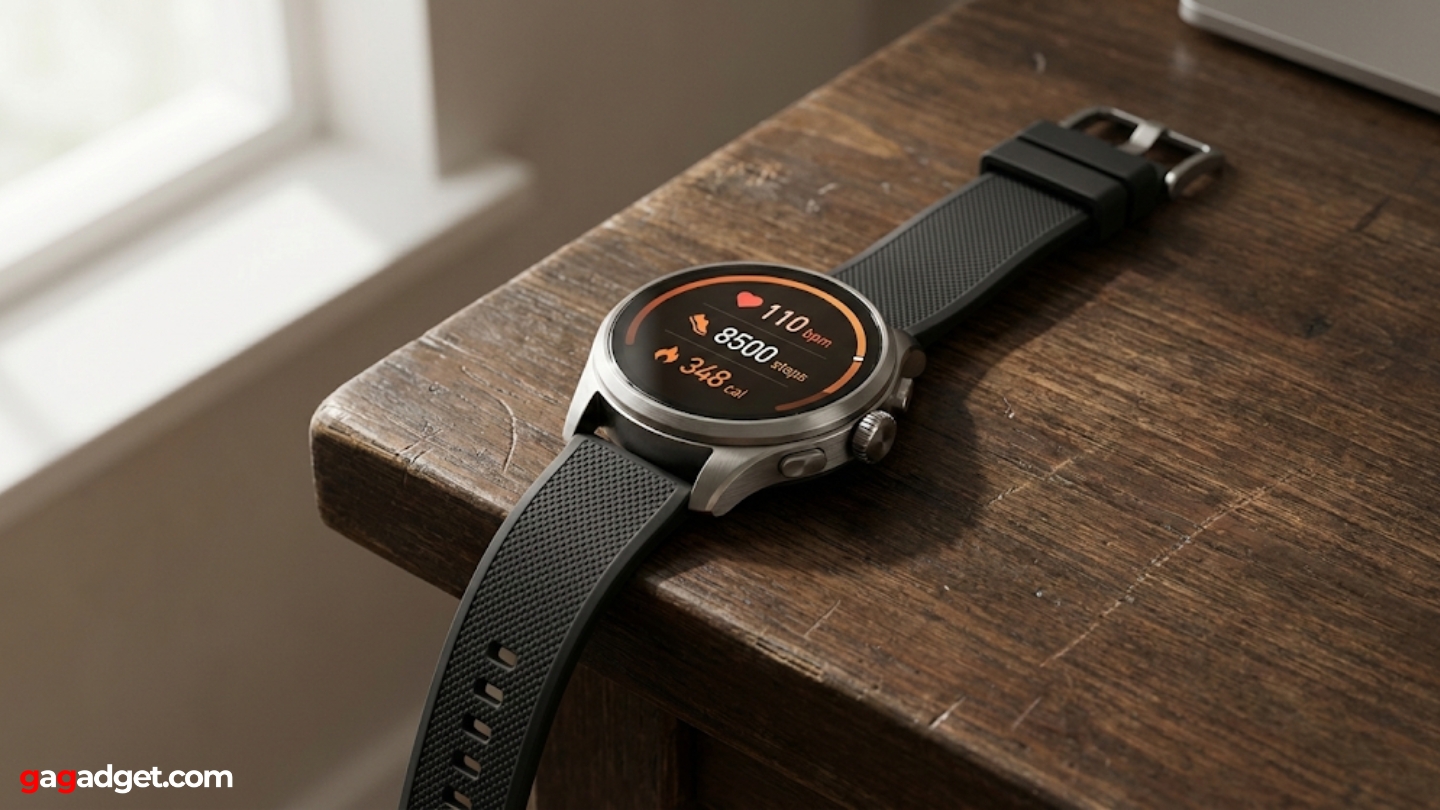
Image of Android smartwatch. Source: Canva
Which smartwatch works best with any Android phone, not just Samsung?
The Google Pixel Watch 4 and OnePlus Watch 3 integrate cleanly with any Android device running Android 11 or later. Both run Wear OS and use the Google ecosystem - Google Pay, Gemini, Google Health - without requiring a manufacturer-specific phone or account. The Samsung Galaxy Watch 8 pairs with non-Samsung Android phones but loses its deeper health features, which depend on Samsung Health and a Samsung account. On a Motorola, Sony, Nothing, or any other non-Samsung device, the Pixel Watch 4 gives a more complete out-of-box experience.
Is Wear OS better than Garmin OS or Zepp OS for Android users?
Wear OS offers a larger app ecosystem, Google Pay, Gemini AI, and live maps - stronger for everyday smart features. Garmin OS and Zepp OS deliver longer battery life and more accurate fitness metrics in exchange. Garmin's training data is more detailed and actionable for athletes; Amazfit's multi-week battery changes daily routines in a way that Wear OS can't replicate. The platforms serve different priorities rather than one being objectively superior.
Can the Samsung Galaxy Watch 8 be used with a non-Samsung Android phone?
Yes, with limitations. The watch pairs with any Android 12+ phone through the Galaxy Wearable app, and core functions - notifications, workout tracking, heart rate, Google Pay - work normally. Samsung-exclusive features, including BIA body composition, the AGEs antioxidant index, Advanced Sleep Coaching's bedtime guidance, and Galaxy AI health coaching, require a Samsung Galaxy phone and account. On a non-Samsung device, the watch functions well as a Wear OS device without those additional layers.
What's the realistic battery life on Wear OS watches with always-on display enabled?
Manufacturer claims typically use AOD-off conditions, which most users don't match in practice. With always-on display active and one to two GPS workouts daily: Galaxy Watch 8 (40mm) runs 36-40 hours, Pixel Watch 4 (45mm) runs 38-42 hours, and OnePlus Watch 3 in smart mode runs 60-70 hours. Heavy GPS use or frequent Gemini activity compresses these numbers further. Nightly charging is the realistic expectation for the Wear OS watches; weekly charging covers the Garmin Venu 4 and Amazfit Balance 2.
Does the OnePlus Watch 3 have ECG available in the US?
The ECG hardware is built into the case - the dedicated button serves as the electrode contact. In the US market, the software feature is deactivated pending FDA clearance, while it functions normally in several international markets. US buyers who need on-device ECG should look at the Samsung Galaxy Watch 8 or Garmin Venu 4, both of which carry FDA clearance.
Is the Garmin Venu 4 worth the premium over a Wear OS watch?
The Venu 4 commands a premium over both Wear OS options on this list. That premium covers multi-band GPS accuracy, Training Readiness, race time prediction, a 10-day battery, and Lifestyle Logging - a level of fitness data depth that Wear OS doesn't offer. The trade is the Wear OS app ecosystem, Google Pay ubiquity, and conversational Gemini. For casual exercisers who value smart features and app access, the trade-offs don't hold up. For runners, cyclists, or triathletes tracking serious training, the gap in data quality is measurable.
Which watch makes the most sense as a first real smartwatch upgrade from a basic fitness band?
The Amazfit Balance 2 is the most logical step up from a basic fitness tracker. Battery life stays in the multi-week range, keeping the charging routine familiar, while adding a full AMOLED display, GPS, 170+ sports modes, and smartwatch features like notifications and contactless payments. For someone ready to commit to the Wear OS ecosystem and daily charging, the Pixel Watch 4 offers the most approachable entry point with the best Gemini integration for everyday tasks.
Which Android Smartwatch Should You Buy?
Each watch on this list serves a genuinely different user, and the decision mostly comes down to two questions: which Android phone do you have, and how often are you willing to charge?
The Samsung Galaxy Watch 8 delivers the most refined experience for Samsung phone owners - thinner design, better sensor accuracy, and Galaxy AI features that add real value over time. The Google Pixel Watch 4 covers everyone else on Android who wants the full Wear OS experience with no ecosystem trade-offs. The Gemini integration puts it ahead of any previous Android watch for daily utility.
The Garmin Venu 4 belongs on athletic wrists - runners, cyclists, swimmers who want training data that guides preparation rather than just logging it. The OnePlus Watch 3 makes sense for Wear OS users who resent nightly charging. 60-70 hours of real smart mode use with titanium construction at this price point is hard to match. And the Amazfit Balance 2 proves the most useful watch for many people doesn't have to be the most expensive - multi-week battery life, sapphire glass, and free AI coaching cover the fundamentals without compromise.
The best Android smartwatch is the one that stops requiring management and becomes something you simply rely on.

Jeb here, your go-to geek for everything from video projection to the latest tech trends. As an avid outdoorsman, I enjoy using monoculars and binoculars for hunting, traveling, and birdwatching. Join me in exploring the cool, quirky side of technology!


