Best Phones for Gaming Under $500
Budget gaming phones used to mean choosing between thermal throttling after ten minutes and displays that turned every title into a blur. That tradeoff has dissolved. The current crop of sub-$500 Android phones carries chipsets that were sitting inside flagships twelve months ago, 120Hz AMOLED panels that match what most people see on phones costing double, and batteries large enough to survive a full gaming session. I spent several weeks putting five of this year's most-discussed contenders through extended play sessions, daily driving, and sustained load tests - and the results were more competitive than I expected.
What has changed most is the midrange chip picture. MediaTek's Dimensity 8400 Ultra and Qualcomm's Snapdragon 7s Gen 3 have closed the gap with entry-level flagship silicon in ways that show up inside actual games, not just AnTuTu scoreboards. Google's Tensor G4 brings seven years of software support and some of the best thermal management at this price. Samsung's Exynos 1580 marks a genuine step forward for a manufacturer with a complicated in-house silicon history. Each processor tells a different story about what kind of gamer it suits best, and that difference shapes every recommendation that follows.
If you're in a hurry, here are my top two picks for gaming phones under $500:
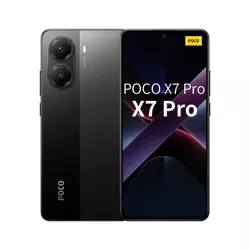
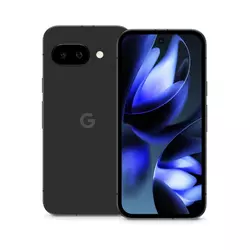
We may earn a small commission if you buy via our links - it helps keep gagadget.com running.
Table of Contents:
- Best Phones for Gaming Under $500: Buying Guide
- Top 5 Gaming Phones Under $500 in 2026
- Gaming Phone Comparison
- Xiaomi Poco X7 Pro 5G
- Google Pixel 9a
- Motorola Moto G Stylus 2025
- Samsung Galaxy A56 5G
- Nothing Phone (3a)
- Gaming Phones Under $500: FAQ
Best Phones for Gaming Under $500: Buying Guide

Chipset and GPU: Where Real Gaming Differences Live
Mobile gaming performance is not a single number. AnTuTu scores capture peak output under ideal conditions, but what separates a great gaming phone from a mediocre one is how much of that peak it holds twenty minutes into a demanding title. Thermal throttling - the automatic reduction of clock speeds to prevent overheating - is the invisible killer of budget gaming phones. A chip that scores brilliantly on a cold run and drops to 60 percent of rated speed during sustained play is a worse gaming chip than one with a lower peak that holds steady.
The MediaTek Dimensity 8400 Ultra uses an All-Big-Core CPU design built on TSMC's 4nm process - all eight cores are high-performance ARM Cortex-A725 units rather than the typical mix of performance and efficiency cores. That architecture produces unusually high multi-core scores for a sub-flagship chip and supports extended gaming sessions with less throttling than comparable midrange designs.
Not every gamer is running Genshin Impact at max settings. For players whose library skews toward lighter titles - MOBAs, card games, 2D action, casual strategy - the Snapdragon 7s Gen 3 in the Nothing Phone (3a) and the Exynos 1580 in the Galaxy A56 handle those workloads without issue. The gap shows most clearly in titles that push polygon counts and particle effects simultaneously, where the Dimensity 8400 Ultra and Tensor G4 stay ahead.
Display Quality and the Gaming Experience
A 120Hz refresh rate has become table stakes at this price, but the panel technology underneath that number matters significantly. AMOLED and OLED panels produce deeper blacks and higher contrast than LCD alternatives, affecting how games look in dark scenes and HDR content. All five phones in this group use OLED variants, so the differentiators narrow to peak brightness for outdoor visibility, touch sampling rate for input accuracy, and color calibration for visuals that look correct rather than oversaturated.
The Poco X7 Pro's 1.5K resolution (2712x1220) sits above standard 1080p, adding sharpness without the processing cost of a full QHD panel - a smart middle ground for a gaming device. The Pixel 9a counters with the brightest display in this group at 2,700 nits peak, which is the figure that matters when you take the phone outside in summer. I reached for the Pixel whenever I was playing outdoors precisely because its screen remained readable without fighting ambient light. The Poco X7 Pro supports 2560Hz touch sampling in Game Turbo mode, a number that shows up in fast-reaction genres as tighter, more responsive input.
Battery Capacity and Fast Charging
Long gaming sessions drain small batteries fast. A typical hour of demanding 3D gameplay draws roughly 15 to 25 percent of a 5,000mAh cell depending on screen brightness and network activity. The Poco X7 Pro's 6,000mAh battery changes that calculation - three hours of continuous play still leaves enough reserve for a full workday. The other four phones share 5,000mAh cells, so fast charging speed becomes the deciding variable for players who game through the evening.
A 5,000mAh cell that charges at 68W refills from empty in under an hour, while a 45W charger on the same cell takes around 85 minutes. During a gaming break or commute, that difference compounds across a week of daily use. The Poco X7 Pro leads this group with 90W HyperCharge, followed by the Moto G Stylus at 68W - both filling cells equal to or larger than the competition.
Wireless charging is absent across all five phones, consistent with the price tier. Of the five models here, only the Motorola includes a charger in the box. The Pixel 9a and Nothing Phone (3a) ship without one - a real additional cost for buyers who don't already own a compatible USB-C adapter.
Cooling Architecture and Thermal Management
A phone's cooling system is the factor that most directly determines whether benchmark scores translate into playable sustained performance. Vapor chambers and thermal interface materials move heat away from the processor and dissipate it through the chassis. The difference between a well-cooled device and a poorly cooled one shows up after roughly fifteen minutes of a demanding title - either as frame rate drops, as a device that becomes uncomfortable to hold, or both.
The Poco X7 Pro's POCO 3D IceLoop System separates vapor and liquid channels to improve heat dissipation, and during testing it stayed cooler than any other device here during extended sessions of demanding titles. The Pixel 9a benefits from a copper vapor chamber - a first for the A-series - and Google's thermal improvements for the 9a are measurable in sustained workloads. The Moto G Stylus ran warm but never alarmingly so. The Galaxy A56's Exynos 1580 reached higher surface temperatures under maximum load than the other chips here, though it stayed within limits that didn't affect usability during typical session lengths.
Software, Updates, and Gaming Features
Software update commitments matter more for gaming phones than most other categories because game engines and graphics APIs evolve quickly, and older OS versions can lose access to new optimization frameworks. The Pixel 9a's seven-year OS update guarantee is the most future-proof commitment in this group by a significant margin, followed by the Galaxy A56 at six OS updates. The Moto G Stylus covers only two OS updates - the shortest commitment here and a meaningful factor for buyers planning to hold the phone more than three years.
Gaming-specific software features have become a genuine differentiator at this price. Xiaomi's WildBoost Optimization 3.0 in HyperOS 2 manages CPU and GPU allocation dynamically during gameplay, reducing background app interference and stabilizing frame delivery. Motorola's Smart Connect on the G Stylus lets players cast gameplay to a TV or monitor wirelessly, using the phone as a touchpad - a feature that goes beyond basic game booster functionality.
Nothing OS 3.1 and clean stock Android on the Pixel 9a both run with minimal bloatware and consistent frame delivery from lower OS overhead. The Poco X7 Pro's HyperOS 2 compensates for its pre-installed apps with a frame rate monitor, network prioritization, and per-game touch sensitivity controls. Samsung's One UI 7 on the Galaxy A56 supports bypass charging during play via compatible PD adapters. I found myself using the gaming modes on the Poco and Motorola most often, which reflects the genuine utility of their implementations.
Top 5 Gaming Phones Under $500 in 2026
These phones were evaluated across extended gaming sessions, daily driving, and thermal stress testing to determine which ones hold up across all types of mobile play.
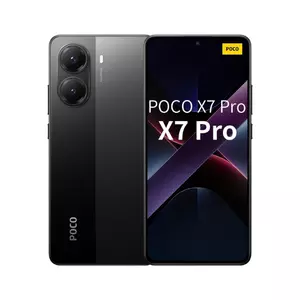
- Dimensity 8400 Ultra chip
- 6000mAh battery
- 90W HyperCharge
- 1.5K AMOLED display
- IP68 + IR blaster
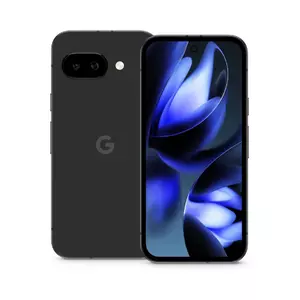
- 7 years OS support
- Tensor G4 chip
- 2700-nit display
- 5100mAh battery
- Compact IP68 build
- Built-in stylus
- 3000-nit pOLED display
- 68W fast charging
- IP68 + MIL-STD-810H
- microSD expansion
- 6 years OS support
- Gorilla Glass Victus+ build
- Super AMOLED display
- Knox security chip
- Galaxy AI features
- 50MP telephoto lens
- Clean Nothing OS
- Glyph interface
- 50W fast charging
- 6 years security updates
Gaming Phone Comparison
Here's a side-by-side look at the specifications that matter most for mobile gaming:
| Specification | Poco X7 Pro | Pixel 9a | Moto G Stylus | Galaxy A56 5G | Nothing (3a) |
| Processor | Dimensity 8400 Ultra (4nm) | Google Tensor G4 (4nm) | Snapdragon 6 Gen 3 (4nm) | Exynos 1580 (4nm) | Snapdragon 7s Gen 3 (4nm) |
| RAM | 8GB / 12GB LPDDR5 | 8GB LPDDR5 | 8GB LPDDR4X | 8GB / 12GB LPDDR5 | 8GB / 12GB LPDDR4X |
| Storage | 256GB / 512GB (no card) | 128GB / 256GB (no card) | 256GB UFS 2.2 + microSD | 128GB / 256GB UFS 3.1 (no card) | 128GB / 256GB UFS 2.2 (no card) |
| Display | 6.67" AMOLED 1.5K 120Hz Dolby Vision | 6.3" P-OLED FHD+ 120Hz HDR | 6.7" pOLED FHD+ 120Hz | 6.7" Super AMOLED FHD+ 120Hz HDR10+ | 6.77" AMOLED FHD+ 120Hz HDR10+ |
| Peak Brightness | ~3000 nits | 2700 nits | 3000 nits | 1900 nits | ~1300 nits |
| Battery | 6000mAh | 5100mAh | 5000mAh | 5000mAh | 5000mAh |
| Fast Charging | 90W wired | 23W wired | 68W wired | 45W wired | 50W wired |
| Main Camera | 50MP OIS (Sony IMX882) | 48MP OIS | 50MP OIS | 50MP OIS | 50MP OIS |
| Telephoto | None | 13MP 2x | None | 5MP macro | 50MP 2x |
| Water Resistance | IP68 | IP68 | IP68 + MIL-STD-810H | IP67 | IP54 |
| Weight | 195g | 186g | ~180g | ~198g | 201g |
| Wi-Fi / BT | Wi-Fi 6, BT 5.4/6.0 | Wi-Fi 6E, BT 5.3 | Wi-Fi 6E, BT 5.0 | Wi-Fi 6, BT 5.3 | Wi-Fi 6, BT 5.3 |
| Stylus | No | No | Built-in | No | No |
| OS Updates | 3 OS + 4 yrs security | 7 years (OS + security) | 2 OS + 3 yrs security | 6 OS + 6 yrs security | 3 OS + 6 yrs security |
| Charger in box | Regional (not EU) | No | Yes | No | No |
In practice, the specs that surface most often during actual gaming sessions are sustained GPU performance, battery capacity, and display quality - in that order. Everything else narrows the audience rather than defining the winner.
Xiaomi Poco X7 Pro 5G Review
Editor's Choice
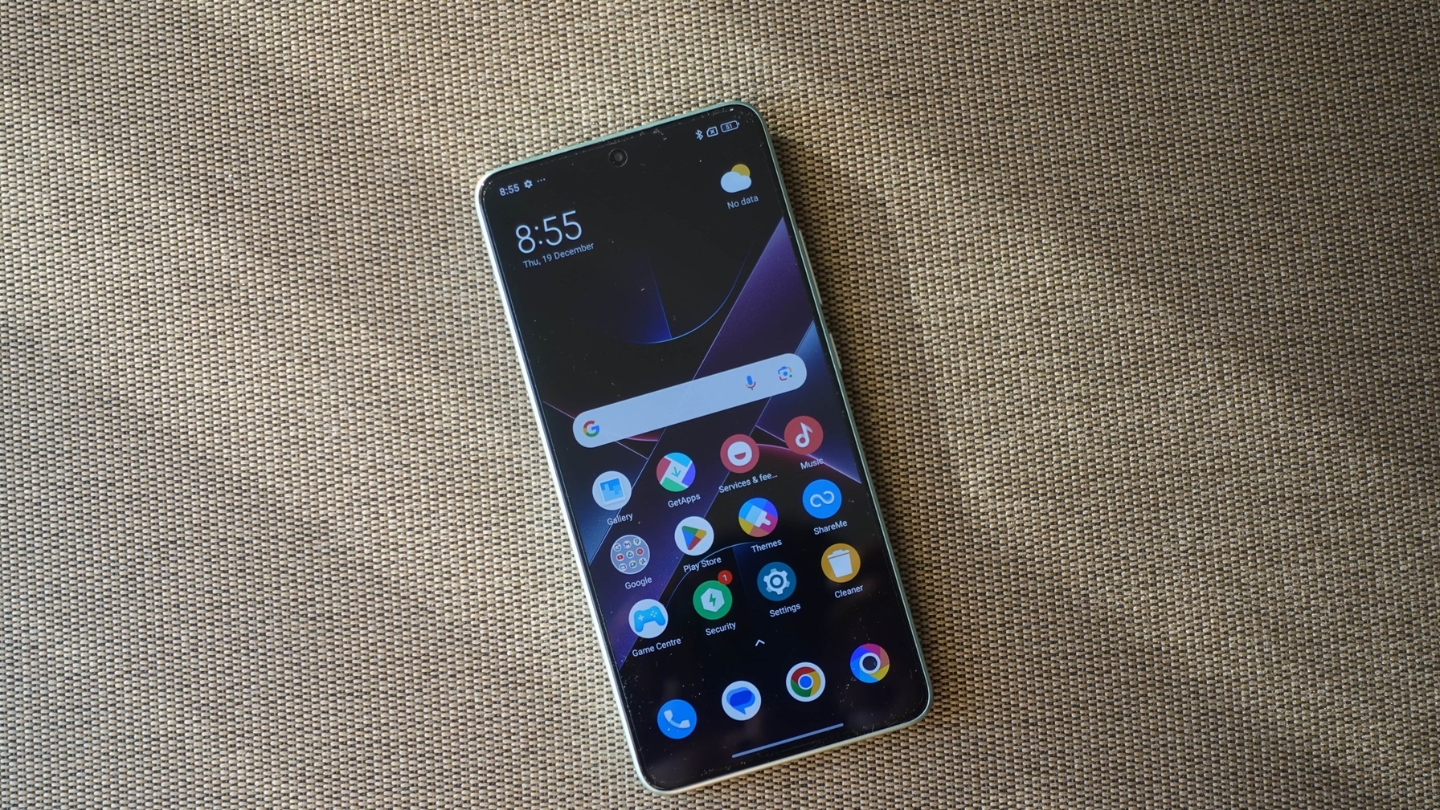
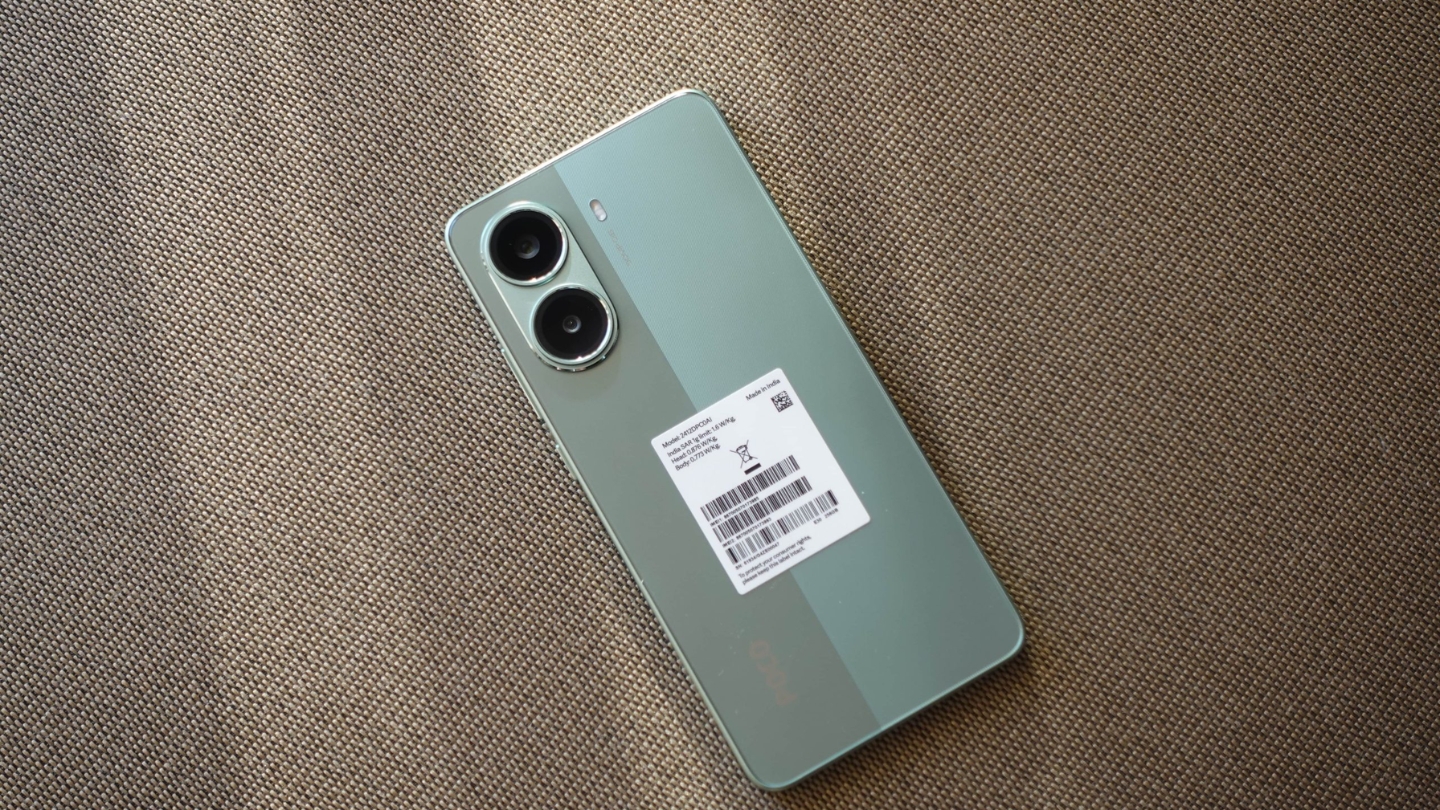
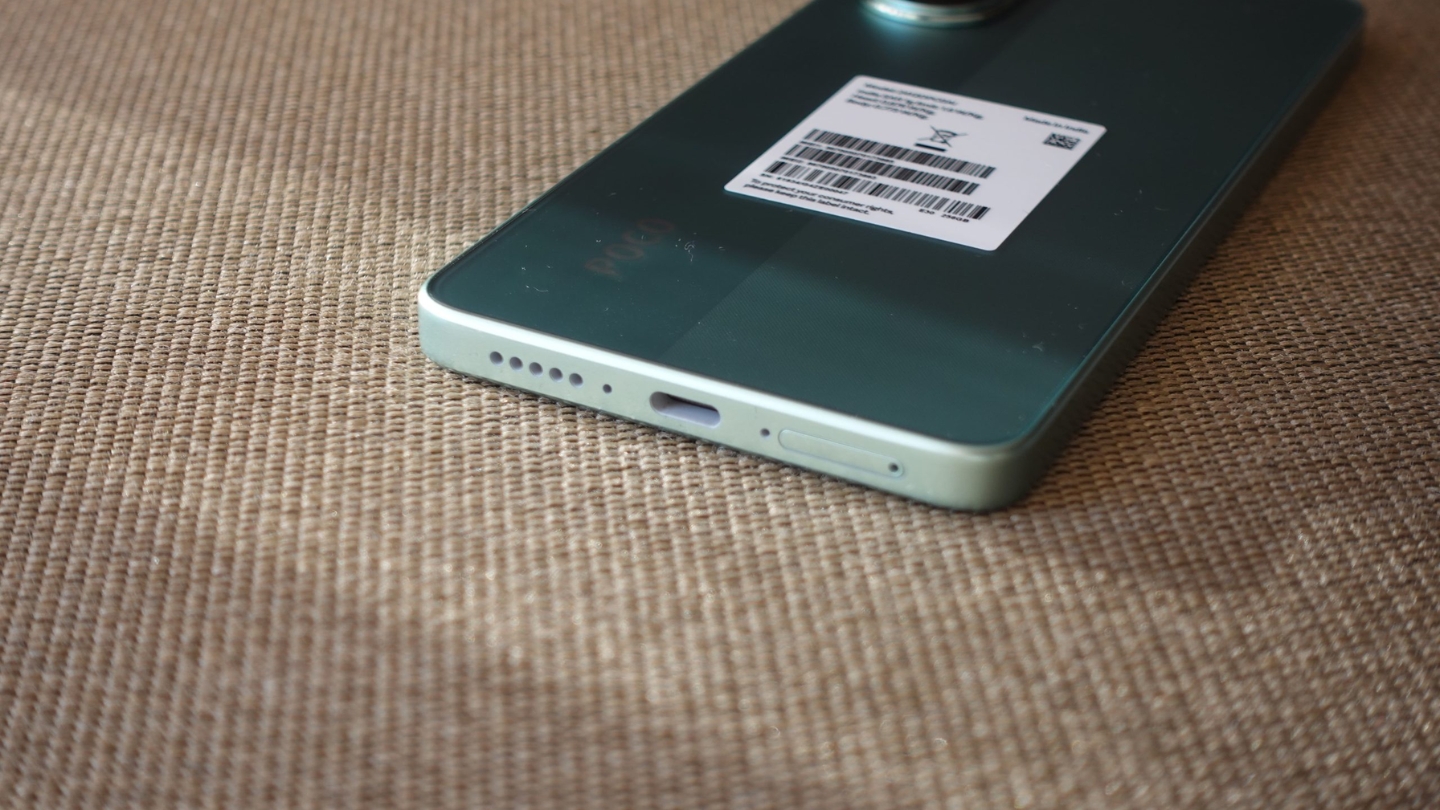
The argument for the Xiaomi Poco X7 Pro 5G begins and ends with the Dimensity 8400 Ultra. Built on TSMC's 4nm process with an All-Big-Core CPU architecture, it posted AnTuTu scores above 1.9 million in multiple independent tests - a figure that belongs in the same conversation as 2024 Android flagships, not this price bracket. I ran Genshin Impact, PUBG Mobile, and Honkai: Star Rail back to back for ninety minutes and the device maintained high settings with steady frame delivery throughout, warming to comfortably warm but never reaching the hand-burning temperatures I have seen from comparably loaded chips at this price. The POCO 3D IceLoop System earns its place here well beyond marketing copy.
The 6.67-inch CrystalRes 1.5K AMOLED display runs at 2712x1220 with a 120Hz refresh rate, Dolby Vision support, and 12-bit color depth - the last of which shows up in games with HDR assets as a visible improvement over standard panels. Gorilla Glass 7i covers the front and IP68 certification handles submersion to 1.5 meters. The touch sampling rate in Game Turbo mode reaches 2560Hz - the highest figure in this group - contributing to tight, low-latency input during competitive titles. Stereo speakers with Dolby Atmos are loud and reasonably directional, adding to gaming sessions in a way that single-driver setups cannot match.
The 6,000mAh cell combined with 90W HyperCharge is the structural battery advantage of this phone. Two hours of hard gaming still leaves meaningful reserve, and a thirty-minute charge returns the phone to full capability. The 50MP Sony IMX882 sensor with OIS handles most lighting conditions well, though there is no telephoto lens - the meaningful camera concession at this price. The IR blaster functions as a universal remote for home appliances and TVs, a feature most competing phones here have dropped. WildBoost Optimization 3.0 in HyperOS 2 manages CPU and GPU allocation dynamically during play.
HyperOS 2 ships with more pre-installed apps than most users want, and Xiaomi's track record for timely update delivery is inconsistent by region - the phone receives three OS updates and four years of security patches, but when those updates actually arrive varies. The lack of a microSD slot is a real constraint on the 256GB model for players with large local game libraries, and the absence of an included charger in some regions adds cost buyers should factor in.
Pros:
- Dimensity 8400 Ultra chip
- 6000mAh battery
- 90W HyperCharge
- 1.5K AMOLED display
- IP68 + IR blaster
Cons:
- No microSD slot
- Slow regional updates
Summary: Xiaomi Poco X7 Pro 5G is the outright gaming performance leader in this group, with the Dimensity 8400 Ultra, the largest battery, and the fastest charging. The right pick for players who want maximum raw power under $500.
Google Pixel 9a Review
Best Overall
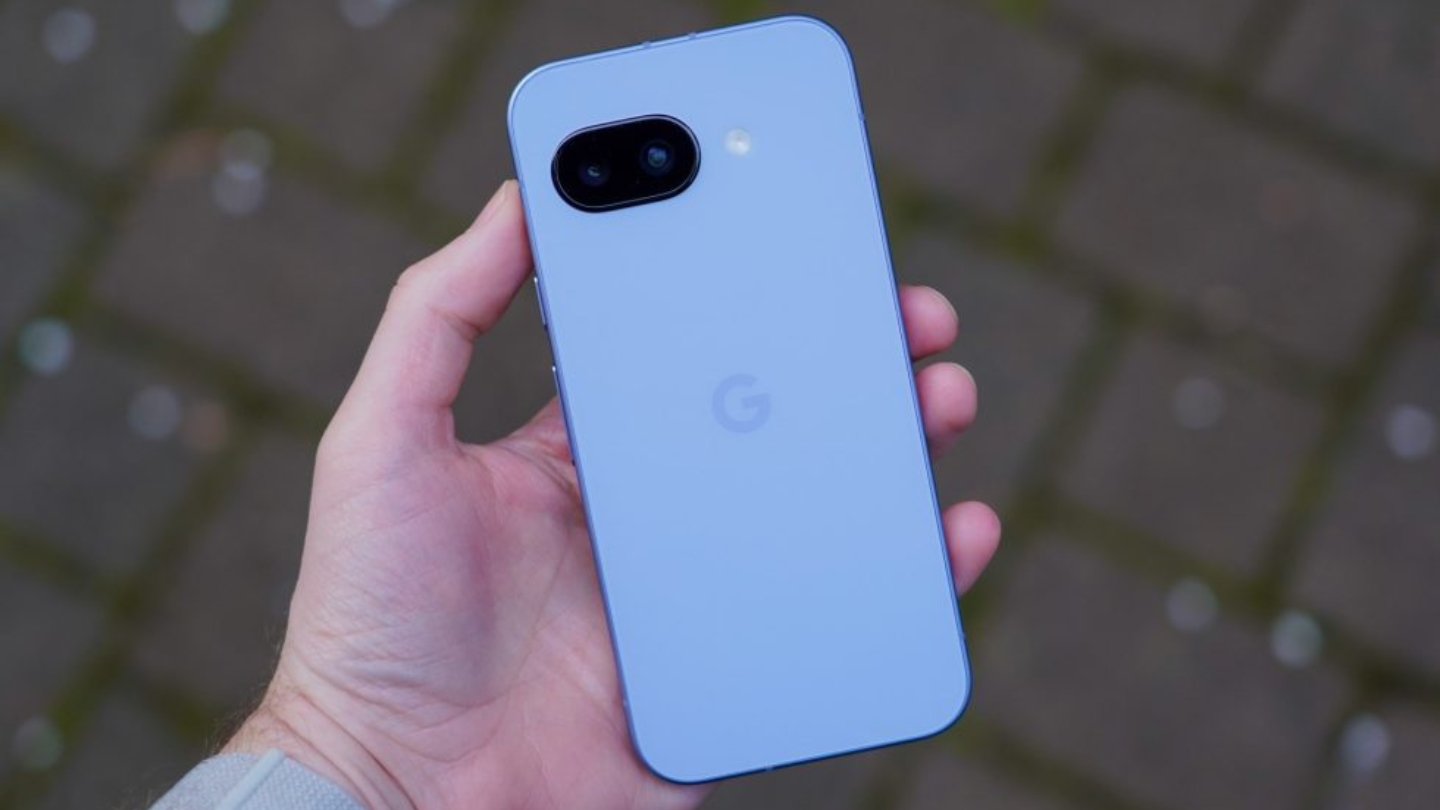
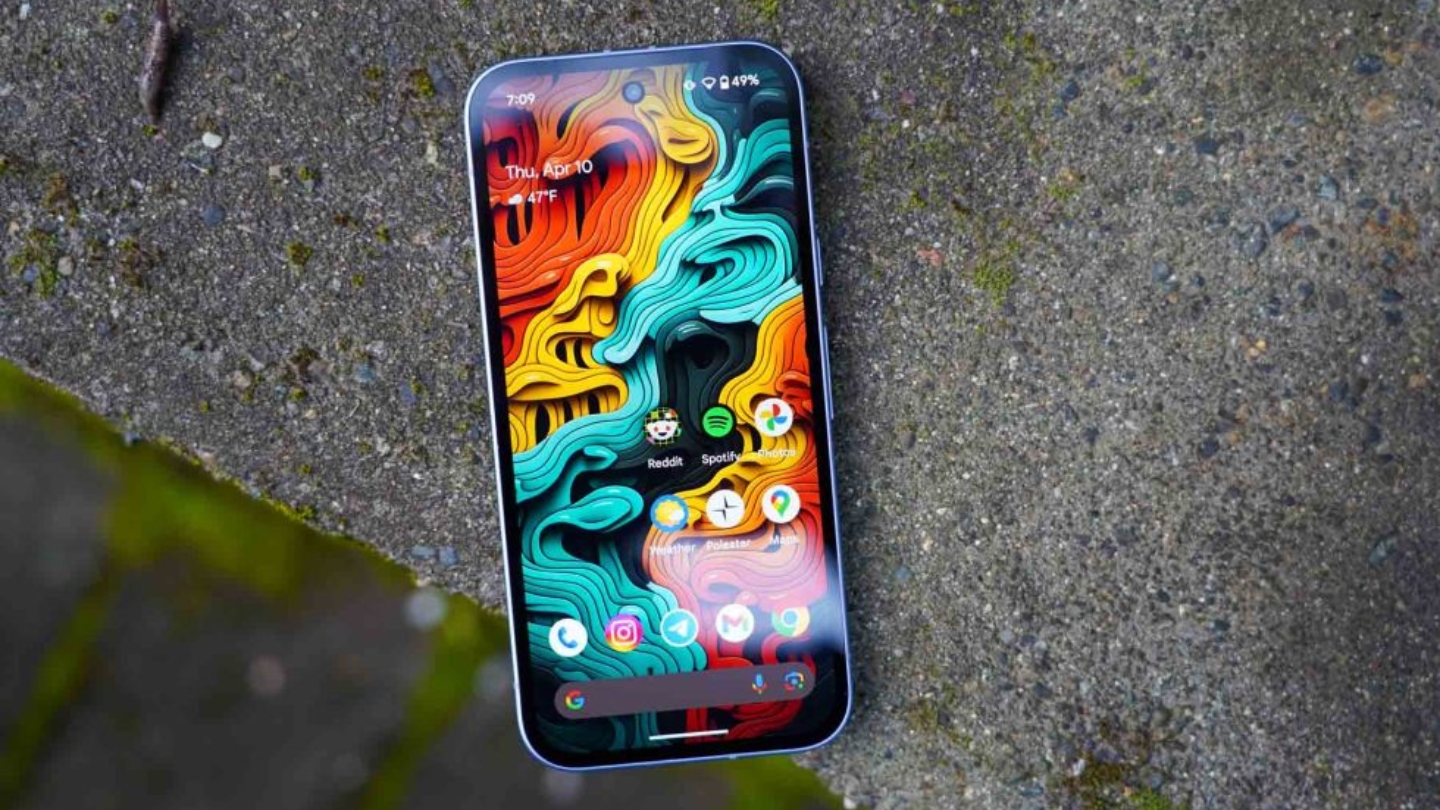
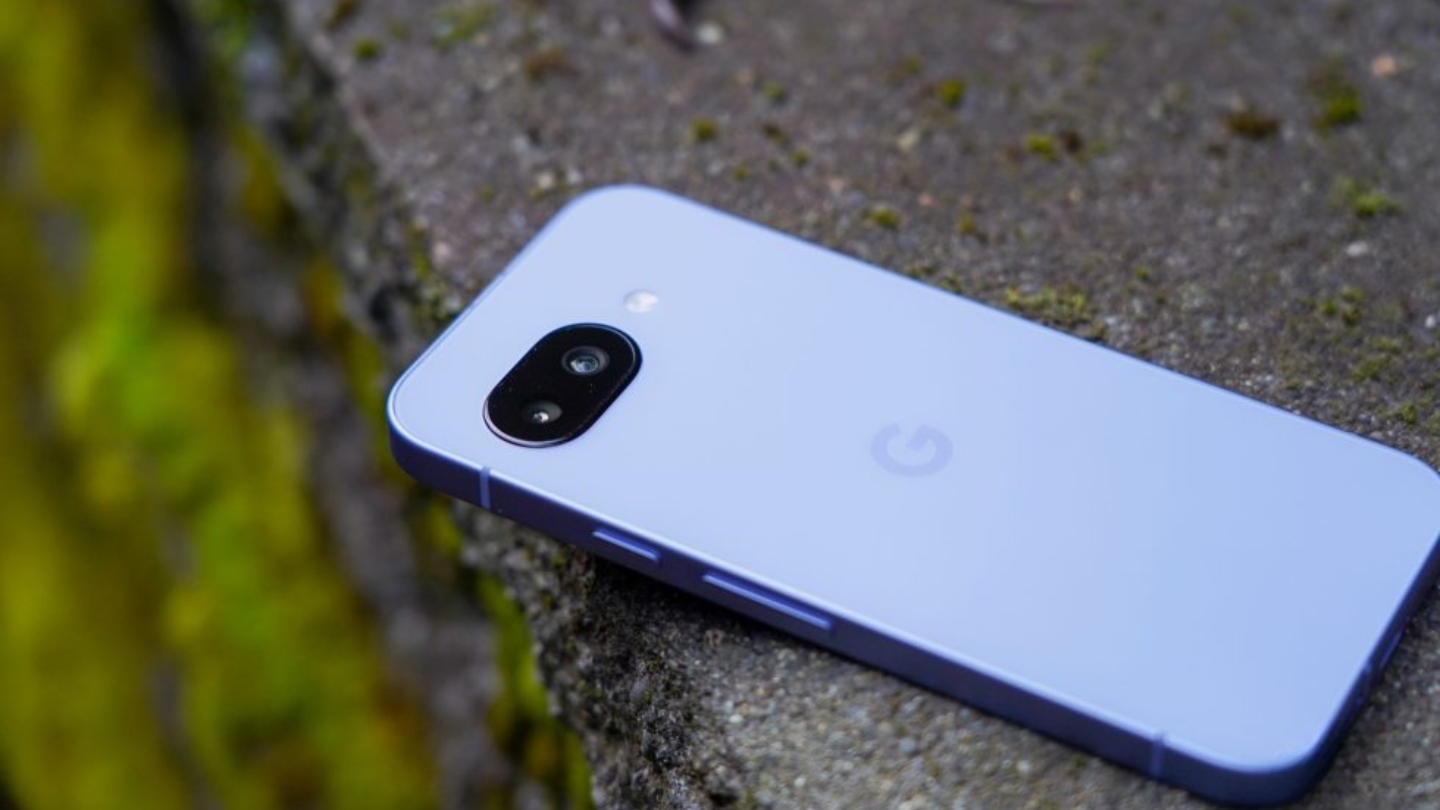
The Google Pixel 9a earns the Best Overall badge not because it dominates any single category but because it gets more things right simultaneously than anything else here. The Tensor G4 chip is the same processor Google ships inside the flagship Pixel 9 and Pixel 9 Pro - an unusual circumstance for a phone at this price. That means access to Google's full on-device AI toolkit and a seven-year update commitment that is the longest in this group by a significant margin. For buyers planning to hold a phone for four or five years, that runway changes the value calculation more than any benchmark score does.
Gaming on the Pixel 9a is more capable than its benchmark scores might suggest relative to the Poco X7 Pro. Google added a copper vapor chamber to the A-series for the first time here, and sustained performance remained stable across my extended testing in a way that earlier Tensor devices struggled with. Genshin Impact and Zenless Zone Zero run at medium to high settings without consistent frame drops. The 120Hz P-OLED at 2,700 nits peak is the brightest panel in this group, and outdoor gaming sessions where other phones required shade produced no visibility issues at all.
At 186g and 154.7mm tall, the Pixel 9a is the smallest and lightest phone in this comparison - a difference that registers during extended one-handed gaming. IP68 water resistance marks a first for the A-series, and the 5,100mAh battery is the largest ever shipped in a Pixel. A full day of mixed use including gaming and streaming ended around 20 to 25 percent remaining - enough to reach a charger without anxiety.
The tradeoffs are worth naming clearly. Some newer Pixel AI features - Pixel Screenshots and Call Notes - are absent due to the 8GB RAM ceiling. Gorilla Glass 3 on the display is an older protection standard worth supplementing with a screen protector. The base 128GB model fills quickly with large game installs. Most critically, 23W charging is the slowest in this group - filling a 5,100mAh cell takes over two hours, roughly half the time the other phones here need.
Pros:
- 7 years OS support
- Tensor G4 chip
- 2700-nit display
- 5100mAh battery
- Compact IP68 build
Cons:
- 23W slow charging
- No microSD slot
Summary: Google Pixel 9a is the most well-rounded phone in this group - flagship chip, seven-year updates, the brightest display here, and a compact form factor that makes long gaming sessions comfortable. The right pick for buyers who want the full package rather than a gaming specialist.
Motorola Moto G Stylus 2025 Review
Note Taker
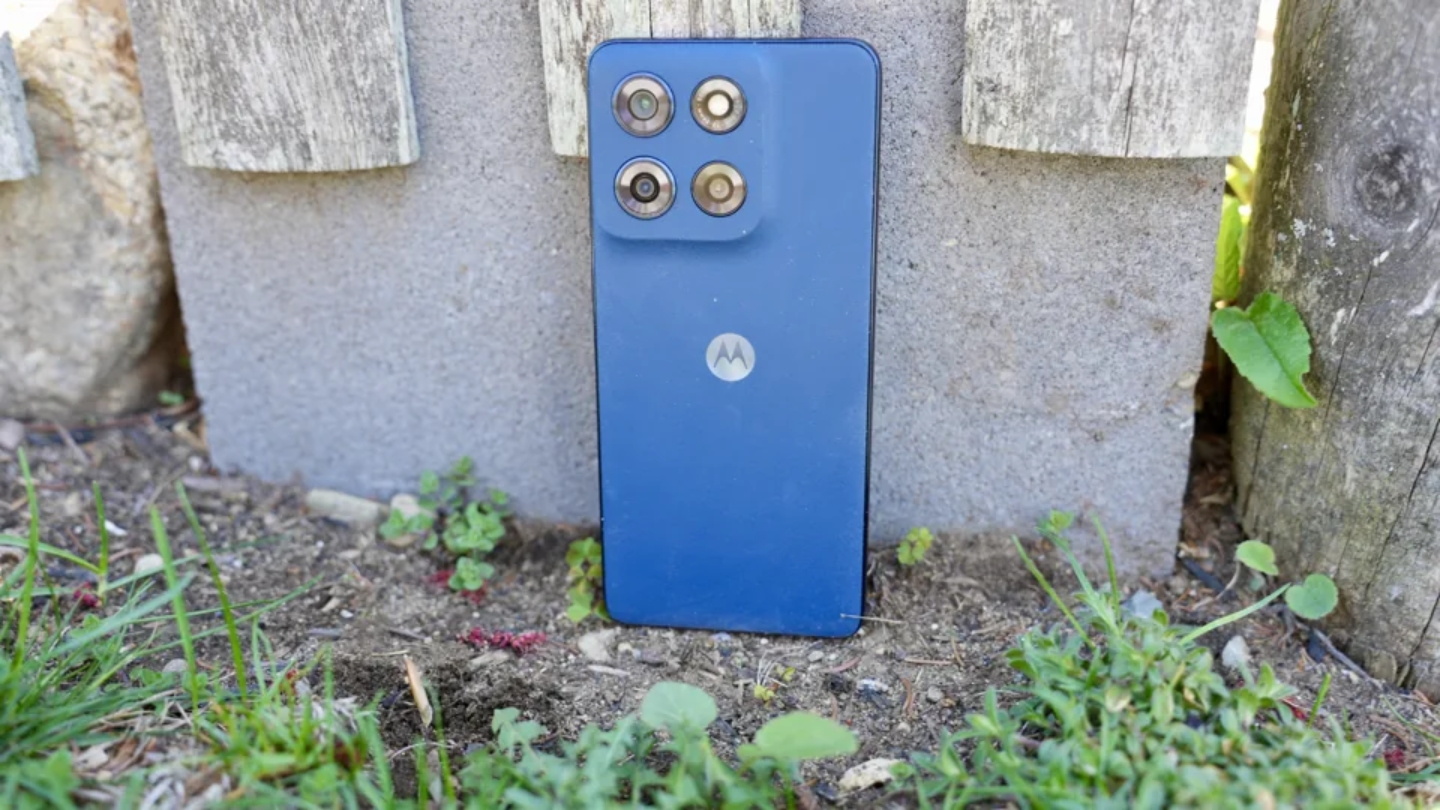
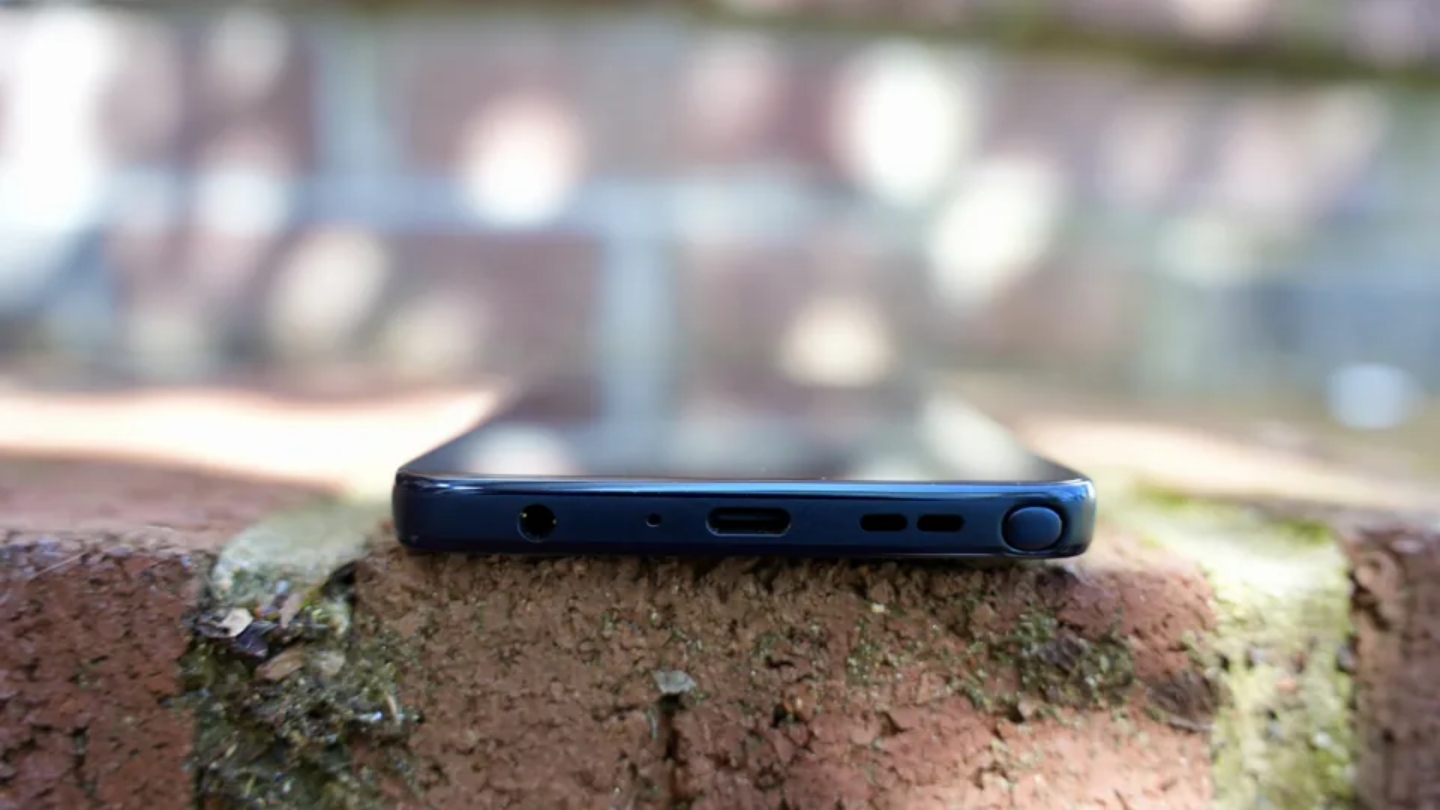
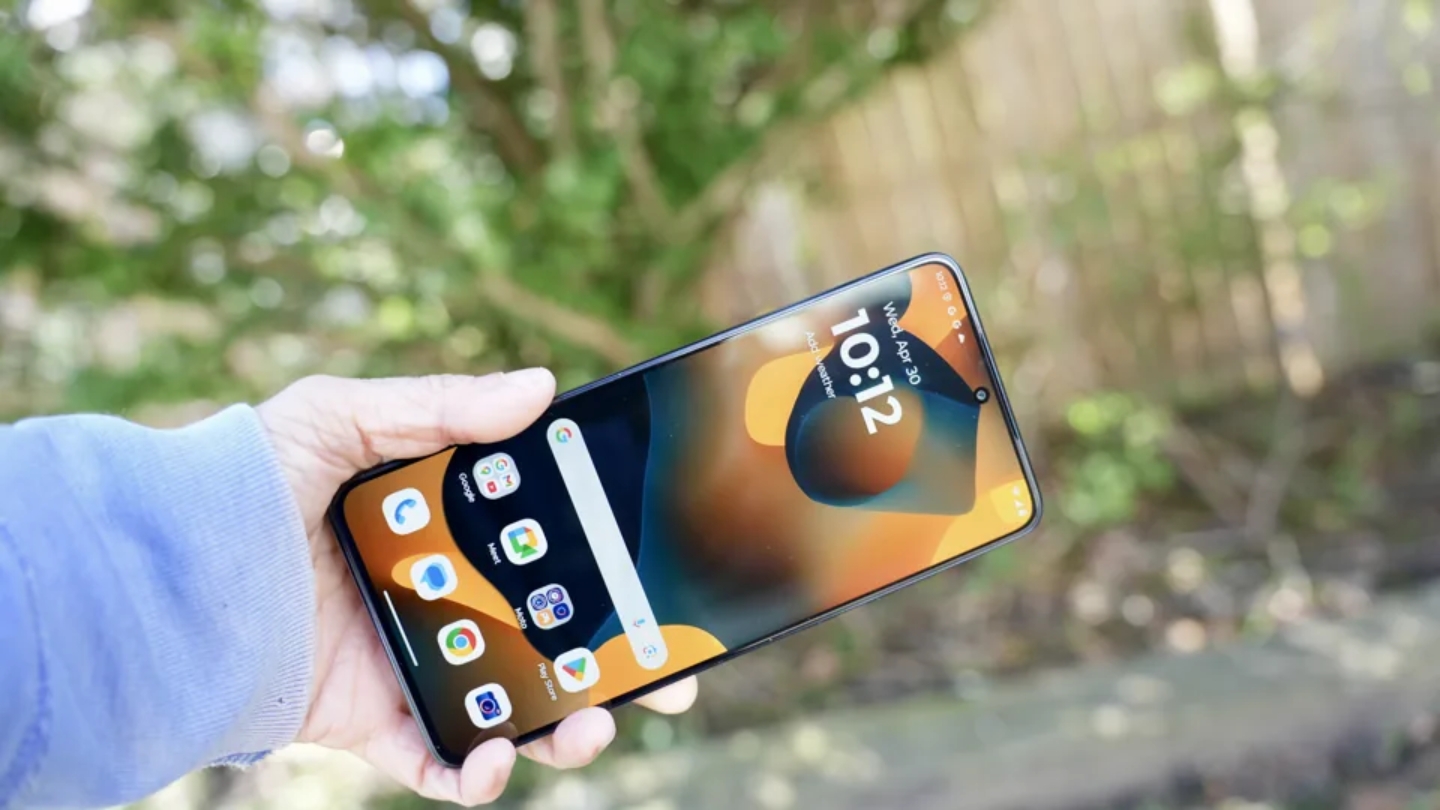
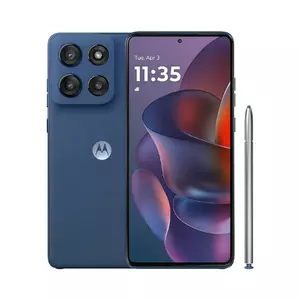
Among the phones here, the Motorola Moto G Stylus 2025 occupies the clearest niche: the only phone in this comparison with a built-in stylus, the only one rated MIL-STD-810H, and the one with the fastest charger that actually includes it in the box. The stylus attaches flush inside the body, requires no pairing, and works for handwritten notes in Moto Note and precise adjustments in editing apps like Lightroom and CapCut where finger input falls short. For a player who games on the side and uses their phone for note-taking or annotation, that precision tool changes the daily calculus.
The 6.7-inch pOLED display with 3,000 nits peak brightness is one of the genuine surprises in this group. I did not expect Motorola to match the Poco X7 Pro on panel brightness at this price, but side by side the two screens hold up in direct sunlight equally well. The 120Hz refresh rate is consistent, and DCI-P3 color gamut coverage produces visibly richer saturation than the Pixel 9a during game cutscenes. Stereo speakers are loud and forward-facing, projecting sound toward the user rather than downward through a desk - a detail that matters during gaming sessions without headphones.
The Snapdragon 6 Gen 3 is the least powerful chip in this group, and that gap is real in demanding titles. Genshin Impact defaults to low settings and runs at a modest frame rate. Honkai: Star Rail requires visual quality reductions for smooth play. Casual and mid-tier games run without issue. The 68W TurboCharge is a genuine advantage: the Moto G Stylus charges faster than the Galaxy A56 and the Nothing Phone (3a) despite sharing the same 5,000mAh cell size as both, and Motorola includes a compatible charger in the box - something most competitors don't.
Build quality here is distinctive. The vegan leather back finish is uncommon at this price, though I noticed wear around the camera bump after several weeks of regular use. IP68 and MIL-STD-810H make the Moto G Stylus the toughest phone in this group by testing standard. The microSD card slot lets players expand beyond 256GB, and Smart Connect casts gameplay to a TV or monitor wirelessly. Two OS updates and three years of security patches are the weakest update commitment here - a real factor for anyone planning a four or five-year hold.
Pros:
- Built-in stylus
- 3000-nit pOLED display
- 68W fast charging
- IP68 + MIL-STD-810H
- microSD expansion
Cons:
- Only 2 OS updates
- Weakest GPU in group
Summary: Motorola Moto G Stylus 2025 is the strongest choice for users who want a stylus and a brilliant display in a durable, fast-charging body. Pure gaming buyers who run demanding 3D titles will hit the chip's ceiling sooner than on any other phone here.
Samsung Galaxy A56 5G Review
Safe Bet
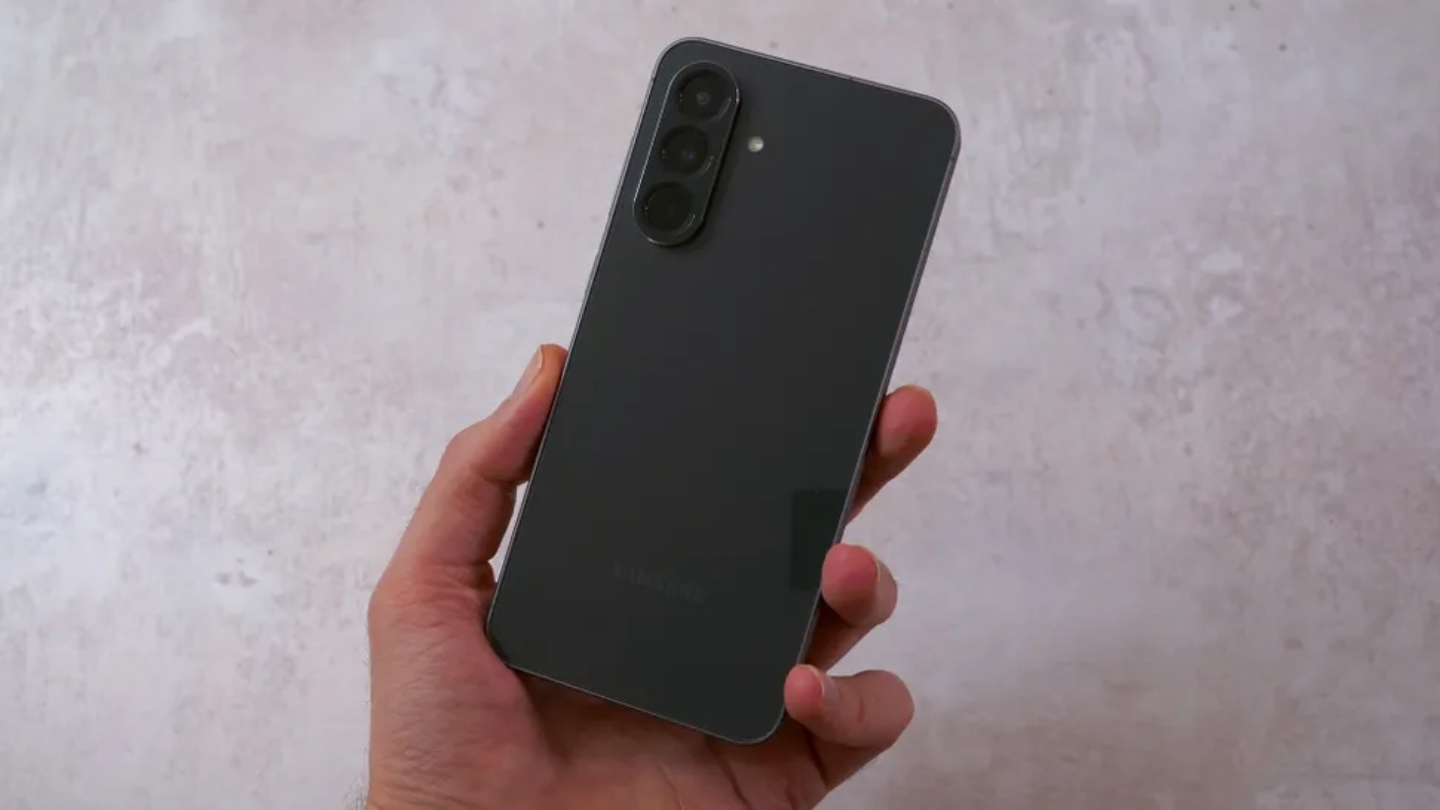
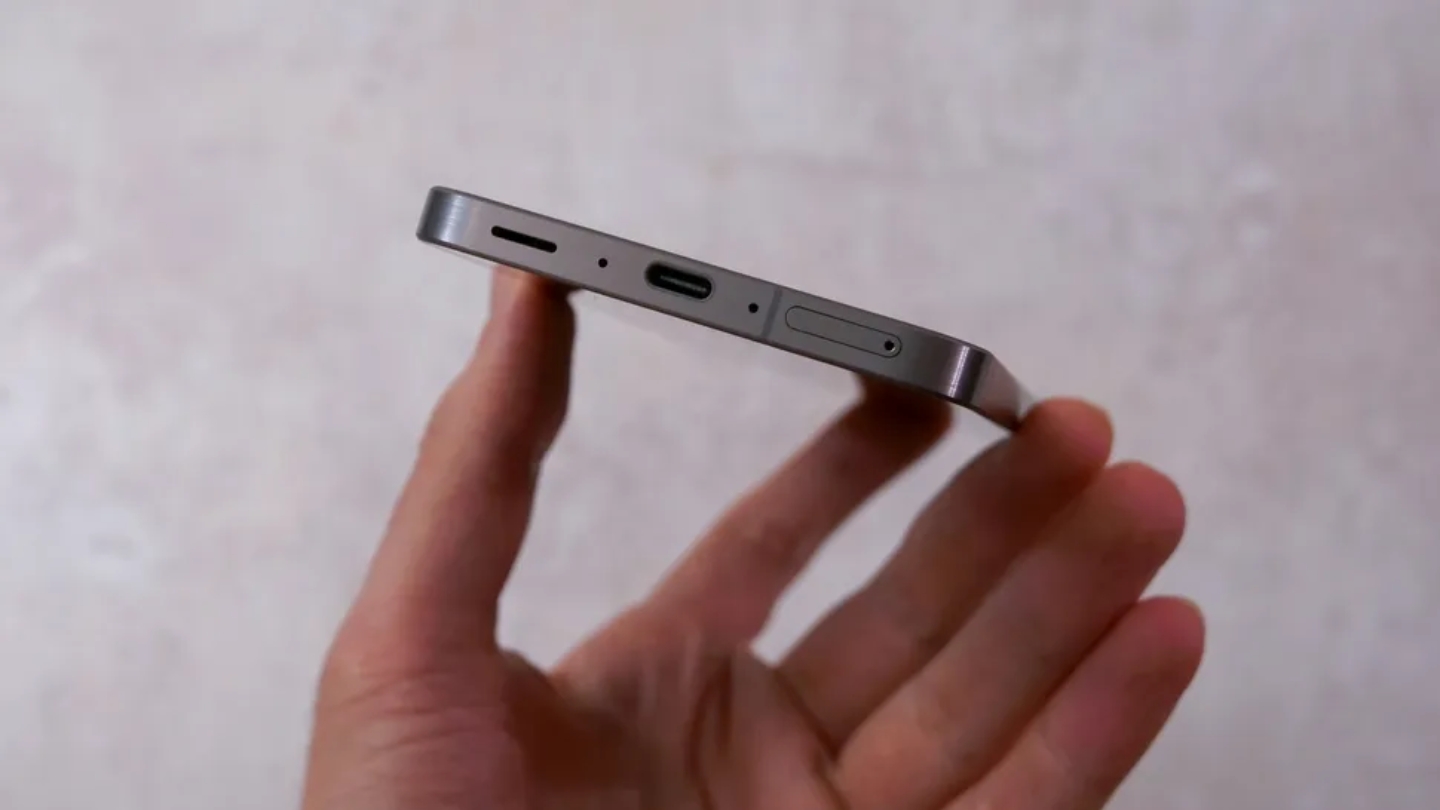
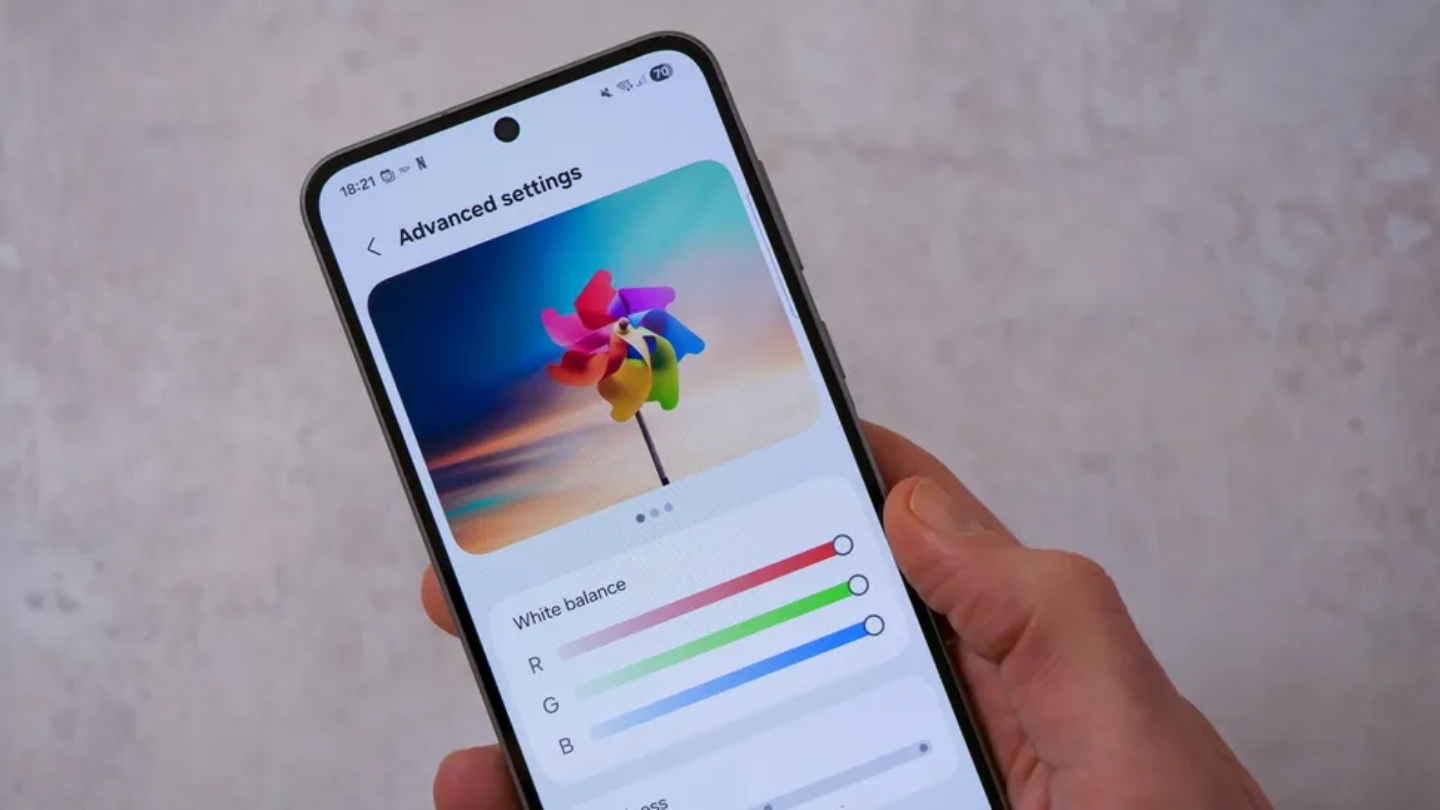
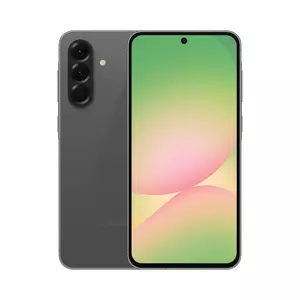
Samsung's Galaxy A-series has always lived in a specific paradox: brand recognition draws buyers in, and the value proposition either rewards or disappoints depending on how carefully they compare specs. The Samsung Galaxy A56 5G breaks from that pattern. The Exynos 1580 - co-developed with AMD and using an RDNA 3-based GPU architecture - marks a real departure from the overheating and throttling that defined earlier Exynos midrange chips. In day-to-day use the phone is snappy and app switching is smooth. Demanding newer 3D titles require detail reductions, and pushing Fortnite to low settings still produced choppy frame rates during testing - a cautionary note for dedicated mobile gamers.
The 6.7-inch Super AMOLED covered by Gorilla Glass Victus+ on front and back is one of the best media consumption panels here. Samsung's calibration produces deep blacks and accurate color reproduction, and HDR10+ certification means streaming services output at their highest quality on this screen. Peak brightness at 1,900 nits trails the Poco X7 Pro, Moto G Stylus, and Pixel 9a for outdoor visibility - a real difference in harsh summer sunlight. The Knox Vault security chip adds hardware-level data protection that nothing else in this group includes.
Six years of OS updates and six years of security patches are the Galaxy A56's most underappreciated feature. Only the Pixel 9a rivals this commitment in this group, and for buyers weighing a four or five-year hold, the gap between the A56's six-year promise and the Moto G Stylus's two-year window is substantial. Galaxy AI features - Circle to Search, Note Assist, Transcript Assist - are practical rather than demo-only. The 45W charging fills the 5,000mAh battery in roughly 85 minutes.
The Galaxy A56 is the first A5x model without microSD support - a step backward in flexibility. The base 128GB configuration feels tight and the 256GB model is the one worth buying. The camera setup - 50MP main with OIS, 12MP ultrawide, 5MP macro - covers everyday shooting competently without excelling the way the Pixel's computational photography does. For buyers who want Samsung's ecosystem, premium glass on both sides, and a long update runway, the Galaxy A56 is exactly what its badge suggests.
Pros:
- 6 years OS support
- Gorilla Glass Victus+ build
- Super AMOLED display
- Knox security chip
- Galaxy AI features
Cons:
- No microSD slot
- Struggles in demanding games
Summary: Samsung Galaxy A56 5G earns its place for buyers who want a trusted build, six-year update support, and Samsung's ecosystem integration. Dedicated gamers who push demanding titles will feel the chip's limits faster than on the Poco X7 Pro or Pixel 9a.
Nothing Phone (3a) Review
Design Pick
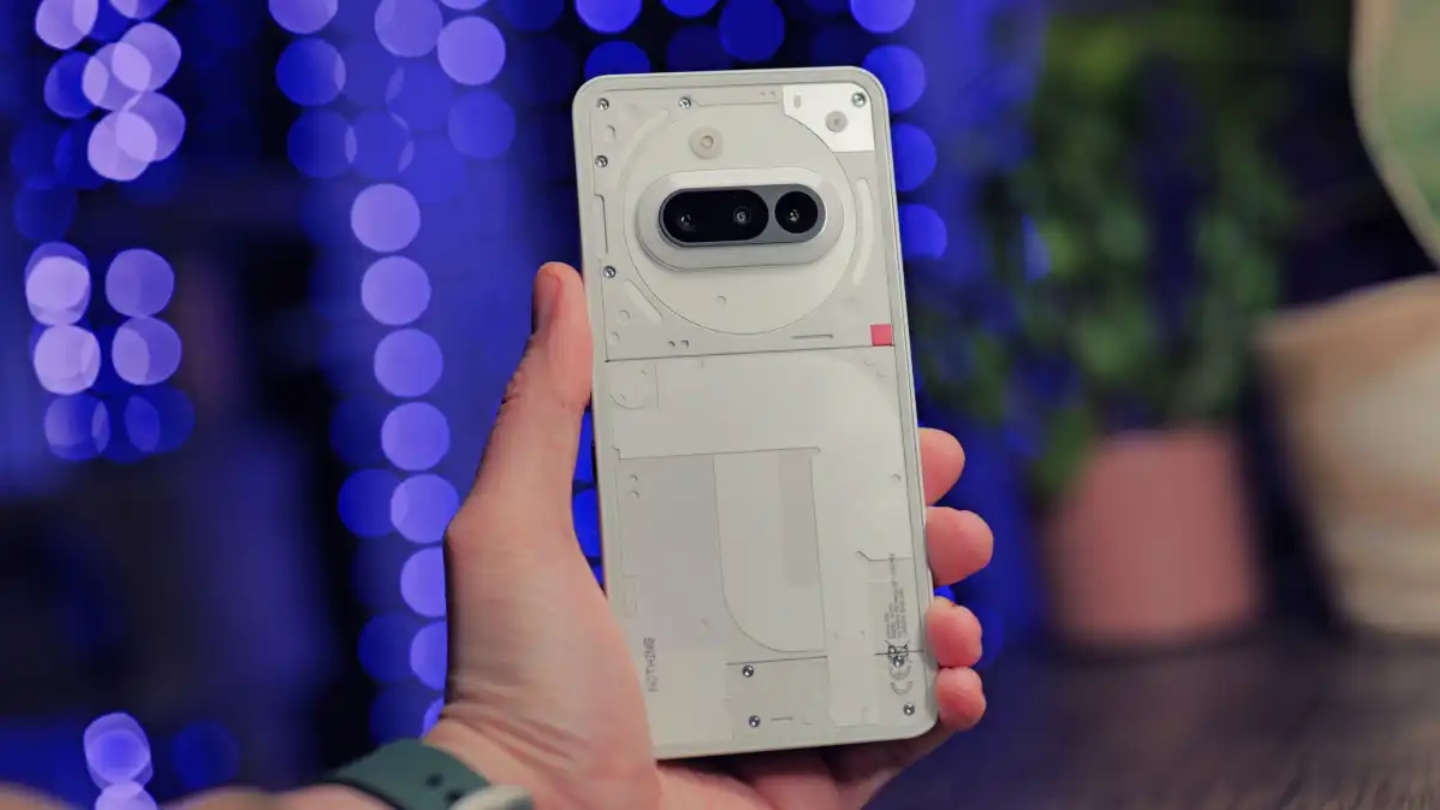

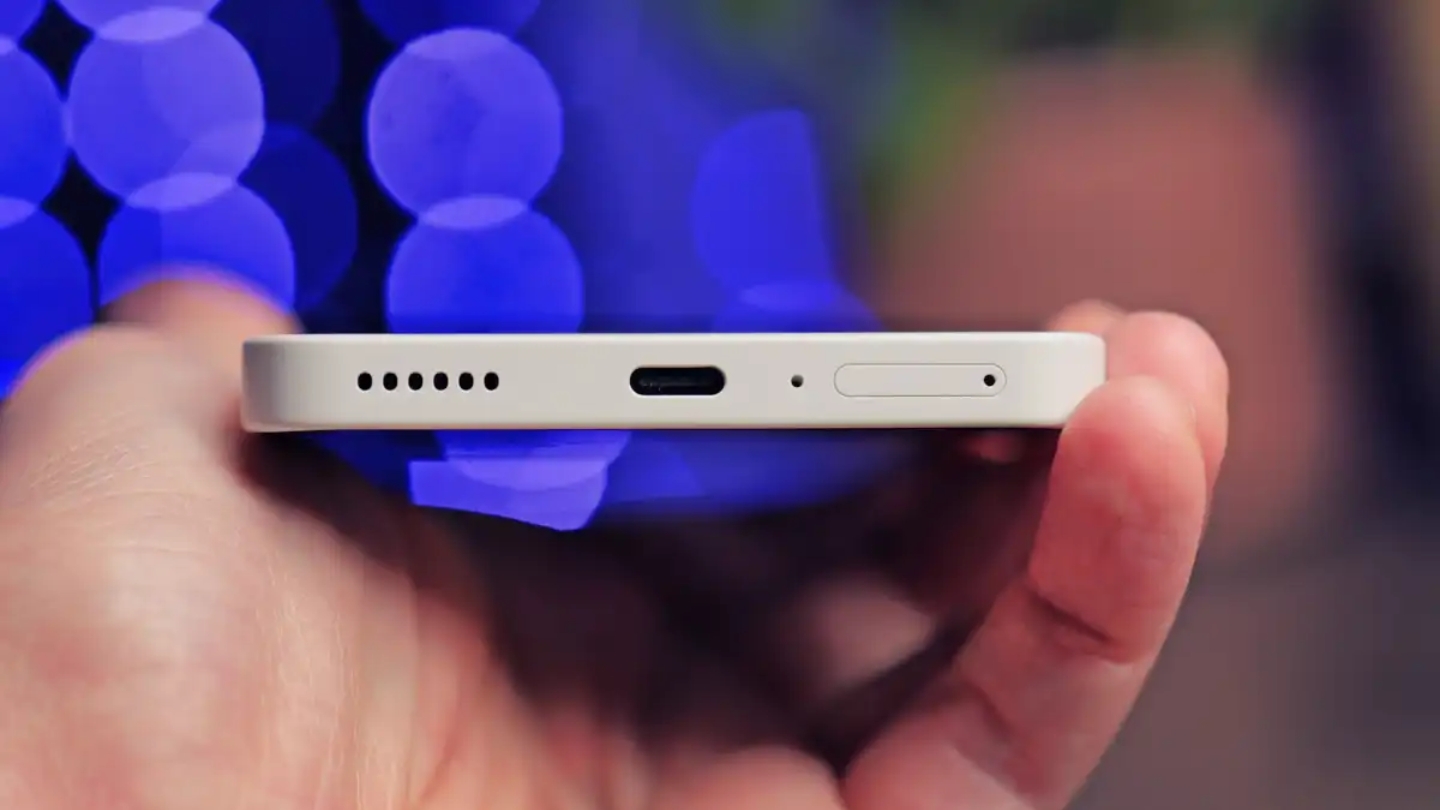
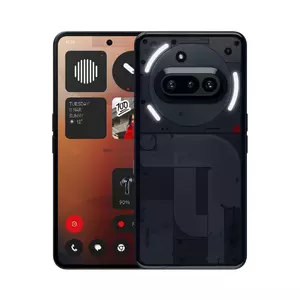
Nothing has built a consistent identity around the idea that mid-range phones do not have to look like mid-range phones, and the Nothing Phone (3a) carries that ethos further than any of its predecessors. The transparent rear panel with Glyph interface - an array of LEDs that flash in custom patterns per contact or app - either resonates immediately or does nothing for you. After spending time with this phone, I find the Glyph more practical than theatrical: assigning distinct patterns for different contacts cuts the time spent checking the screen in a way that quickly becomes habit. Nothing OS 3.1, based on Android 15, runs with minimal bloatware and animations that feel precise rather than padded.
The camera system is the Nothing Phone (3a)'s most competitive specification relative to its price. A triple-camera arrangement with a 50MP main sensor with OIS, 8MP ultrawide, and a 50MP 2x telephoto lens puts the 3a ahead of the Poco X7 Pro, Moto G Stylus, and Galaxy A56 in optical zoom capability. Telephoto lenses at this price point are genuinely uncommon, and the portrait work and mid-distance compression that a 2x lens enables elevates everyday photography above what megapixel counts suggest. Main camera shots in good light are sharp and well-exposed. Low-light performance improved over previous Nothing devices but does not challenge the Pixel 9a's Night Sight pipeline.
The Snapdragon 7s Gen 3 handles casual and mid-tier gaming well. BGMI runs at 90fps on Smooth settings, and Genshin Impact at medium-high graphics stays near 60fps for moderate session lengths. Demanding 3D titles push the thermal limits faster than the Dimensity 8400 Ultra or Tensor G4, and the phone runs noticeably warm during extended Honkai: Star Rail sessions. The 6.77-inch AMOLED with 120Hz is a strong gaming display - large, smooth, and comfortable for extended sessions - even if peak brightness trails the Poco X7 Pro and Pixel 9a for outdoor use. At 201g it is the heaviest phone here.
Battery life on the 5,000mAh cell consistently lasted a full day in testing, and the 50W fast charging fills the cell in under an hour. The IP54 rating is the weakest water resistance in this group, covering splashes but not full submersion. No eSIM support on the standard model limits flexibility for frequent travelers. For players who want a phone that photographs well, runs a clean OS, and looks unlike anything else here, this is the most distinctive choice in the group.
Pros:
- 50MP telephoto lens
- Clean Nothing OS
- Glyph interface
- 50W fast charging
- 6 years security updates
Cons:
- Only IP54 rating
- No eSIM (standard model)
Summary: Nothing Phone (3a) is the most distinctive phone in this group - a design and camera story built around a clean OS and a telephoto lens that others skip. Gaming performance sits in the middle of the pack, making it the right pick for users who want style, photography, and capable-enough play.
Gaming Phones Under $500: FAQ
Which phone in this group offers the best pure gaming performance?
The Xiaomi Poco X7 Pro 5G is the performance leader, and the gap is not small. The Dimensity 8400 Ultra's All-Big-Core CPU architecture produces multi-core scores in line with 2024 flagships, and its sustained performance under thermal load is the best in this group. For players who run Genshin Impact, Honkai: Star Rail, or PUBG Mobile at high settings, the Poco X7 Pro is the only phone here that handles those workloads without requiring meaningful quality reductions. The Pixel 9a comes second for sustained thermal management, particularly in extended sessions where throttling becomes the deciding variable.
Is the Google Pixel 9a actually good for gaming despite being positioned as an "AI phone"?
The Tensor G4 is the same chip inside the flagship Pixel 9 and 9 Pro, which most people overlook when evaluating the 9a. It handles demanding titles at medium to high settings without consistent issues, and the first copper vapor chamber in the A-series produces better sustained performance than the standard Pixel 9 under load. The 120Hz P-OLED at 2,700 nits is the brightest display here for outdoor gaming. The 23W charging is the one genuine gaming inconvenience - a depleted battery takes over two hours to refill from empty.
Does the Nothing Phone (3a)'s design actually matter for gaming, or is it purely aesthetic?
The Glyph interface has a functional dimension for gaming use: assigning distinct LED patterns to app notifications means knowing when a game session ends or a squad invitation arrives without unlocking the screen. Nothing OS 3.1's minimal bloatware overhead keeps gaming consistent by reducing background interference. The 6.77-inch AMOLED at 120Hz is a strong gaming display. The Snapdragon 7s Gen 3 handles casual and mid-tier gaming well - the ceiling shows up in the most demanding titles, where stable frame rates require medium settings.
Is the Moto G Stylus worth considering if I mostly play mobile games?
If mobile gaming is the primary use case, the Moto G Stylus is not the strongest choice here. The Snapdragon 6 Gen 3 sets a visible ceiling on demanding titles, and buyers who play GPU-intensive games will notice the difference relative to the Poco X7 Pro or Pixel 9a. Where the Moto G Stylus makes sense is alongside other priorities - note-taking or productivity tasks that benefit from stylus precision. The outstanding display and 68W charging are real strengths. Pure gaming buyers should look at the Poco X7 Pro first.
How does the Samsung Galaxy A56 hold up for mobile gaming in 2026?
The Exynos 1580 with its AMD RDNA 3-based GPU represents a real improvement over earlier Exynos chips in gaming consistency. Casual titles run without issue and mid-tier games play well. The weakness is at the demanding end: Fortnite Mobile struggled to maintain smooth frame rates even at low settings during testing. The six-year update commitment means game optimization patches keep arriving longer than on most phones here. A good gaming phone for casual players, but not the right choice for those who want to run the most demanding titles at high settings.
Do any of these phones support controller gaming via Bluetooth?
All five phones support Bluetooth gamepad connectivity, and Android's native controller API works with any compatible Bluetooth gamepad - Xbox, PlayStation, and Backbone controllers pair correctly with all five devices. The Moto G Stylus extends this through Smart Connect, which casts or mirrors gameplay to a TV wirelessly. The Poco X7 Pro's dedicated gaming mode includes network prioritization that reduces background app interference during online multiplayer - useful for competitive players regardless of input method.
Which phone has the best battery life specifically for gaming?
The Poco X7 Pro's 6,000mAh battery is the answer, and the margin is significant. Under two hours of continuous demanding gameplay, the Poco X7 Pro consumes roughly 30 to 35 percent of its charge. The same workload takes 40 to 50 percent on the 5,000mAh phones in this group. Over a full evening gaming session, that difference determines whether a charger becomes necessary before bed. The 90W charging means a short break produces meaningful charge recovery. The Pixel 9a's 5,100mAh cell is the second-best option for extended sessions.
Can these phones handle competitive multiplayer games at high refresh rates?
All five phones support 120Hz display refresh, but GPU performance determines whether a game's frame rate can actually reach that ceiling in competitive titles. The Poco X7 Pro sustains the highest frame rates across competitive games here. The Pixel 9a performs strongly in sustained competitive play due to thermal management that prevents mid-session throttling. The Galaxy A56 and Nothing Phone (3a) handle competitive titles at moderate settings without major instability. The Moto G Stylus handles lighter competitive genres well but struggles in the most graphically intensive titles. The Poco X7 Pro's 2560Hz touch sampling in Game Turbo mode leads this group for input accuracy.
Matching the Phone to Your Game Library
The right phone in this group depends more on what you actually play than on any general performance ranking. If your library skews toward demanding 3D titles - action RPGs, battle royale at high settings, competitive shooters - the Xiaomi Poco X7 Pro 5G is the clear answer, with the Dimensity 8400 Ultra handling workloads that push every other chip in this group to their limits. For players who game regularly but want the best overall ownership experience, the Google Pixel 9a makes the most complete argument - seven-year updates, the brightest display, and a form factor that makes long sessions comfortable.
The Motorola Moto G Stylus 2025 wins for anyone whose gaming sits alongside regular stylus use and who wants fast charging and a brilliant display at a midrange price. The Samsung Galaxy A56 5G is the right call for buyers who want Samsung's ecosystem and a long update runway. And the Nothing Phone (3a) speaks to players who want a phone that photographs well, runs clean software, and looks unlike anything else in their price range. Any of these five is a defensible purchase - the differences between them are a matter of priorities, not quality.

Jeb here, your go-to geek for everything from video projection to the latest tech trends. As an avid outdoorsman, I enjoy using monoculars and binoculars for hunting, traveling, and birdwatching. Join me in exploring the cool, quirky side of technology!


