Hyundai Rally Simulator Transforms Lives: 31% of Brain Injury Patients Drive Again

The motion system simulator, previously used by Hyundai in rally competitions in Spain, has received a new purpose. Now it helps people with brain injuries undergo rehabilitation and return to driving.
From Rally Simulator to Medical Tool
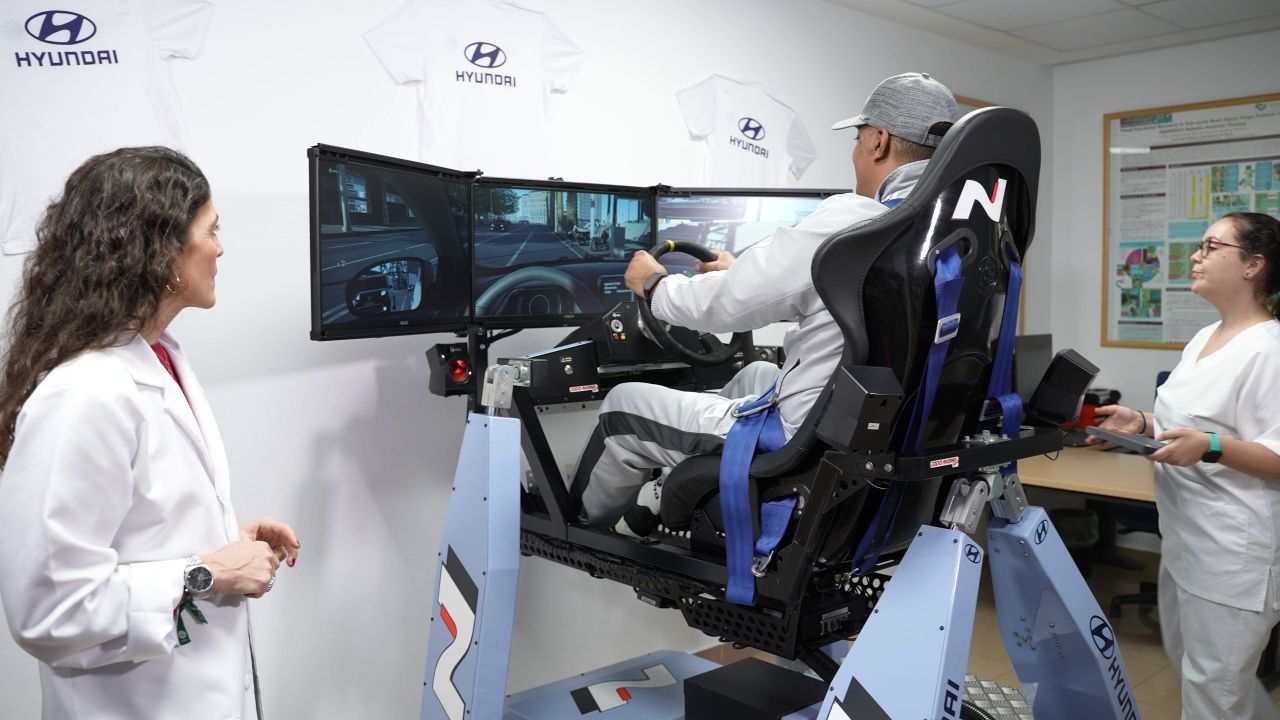
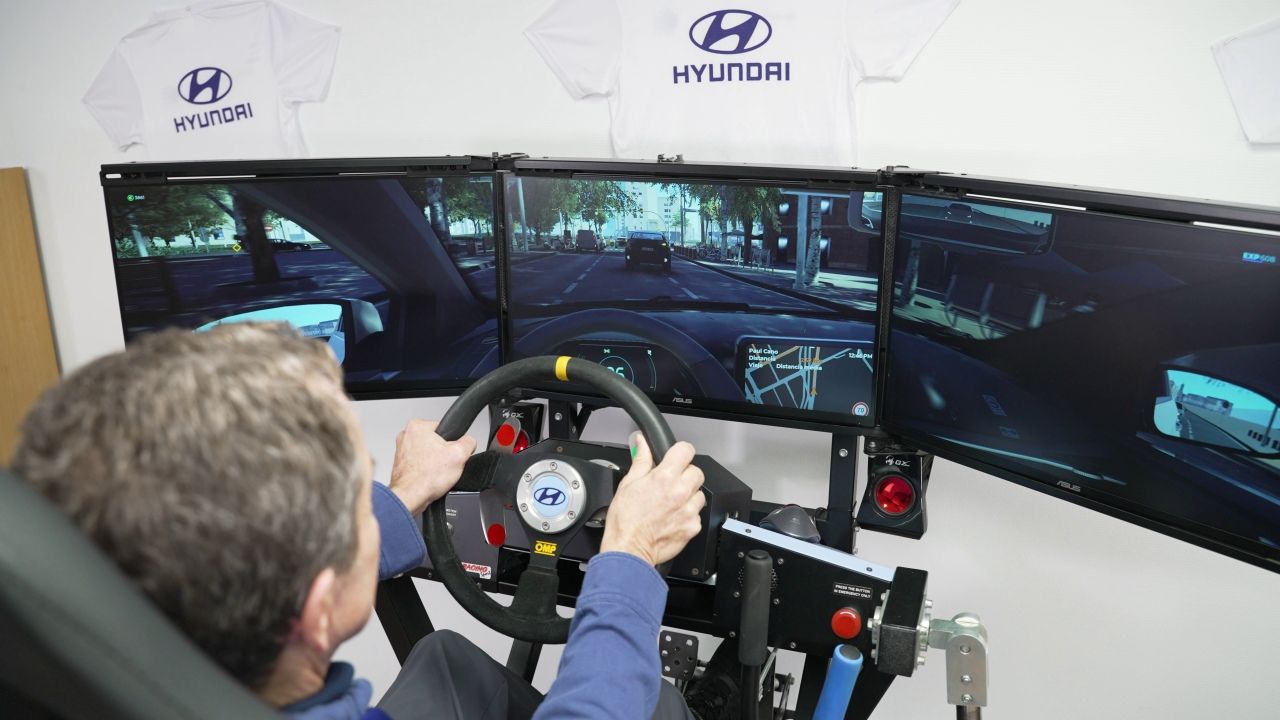
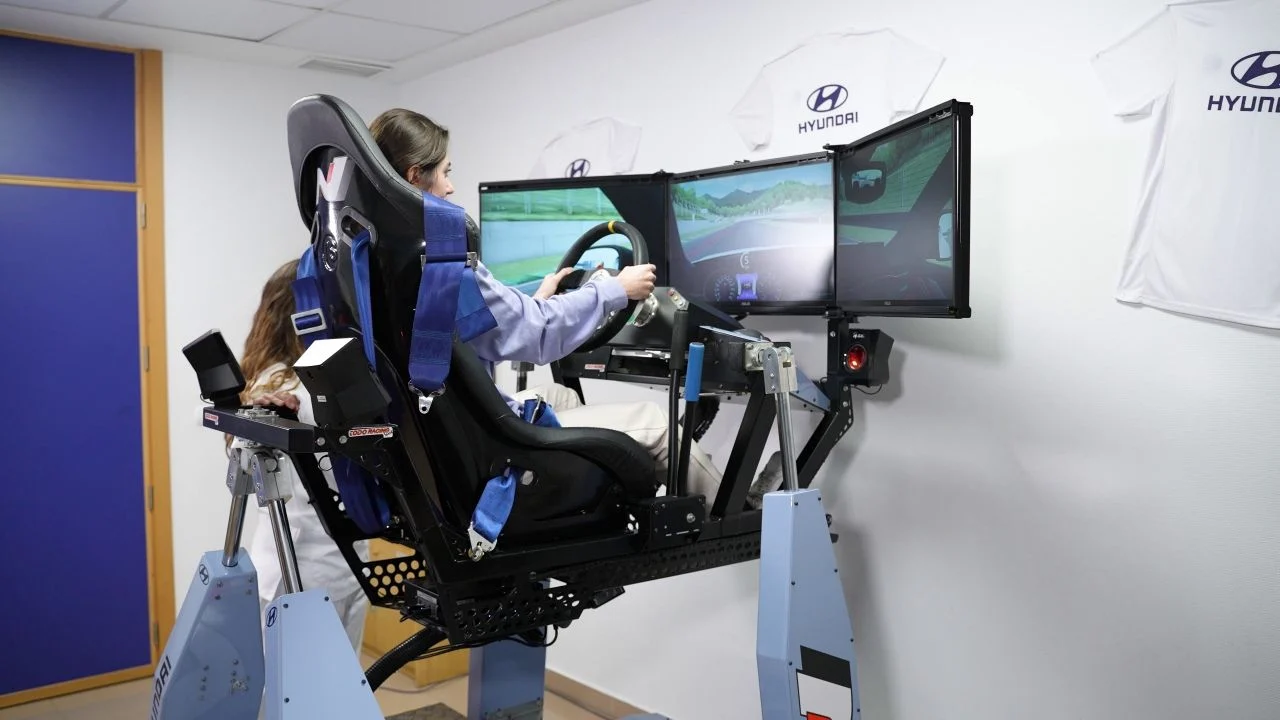
In 2019, Hyundai Spain used an advanced simulator at the stages of the Supercampeonato de España de Rallyes (S-CER) championship. It was transported to different stages of the series—in Orense, Cordoba, La Nucía, Madrid, and Santander. In service zones, fans could get behind the wheel and feel like rally pilots of the Hyundai N Performance team. The simulator was equipped with three curved monitors, a steering wheel, and a racing seat. Additionally, it had a motion simulation system.
New Role After the Pandemic
The coronavirus pandemic changed the situation. The device, which was used by dozens of people at each stage, became difficult to use for its original purpose. Therefore, Hyundai Spain decided to transfer the simulator to Fundación Hospitalarias Madrid for medical rehabilitation.
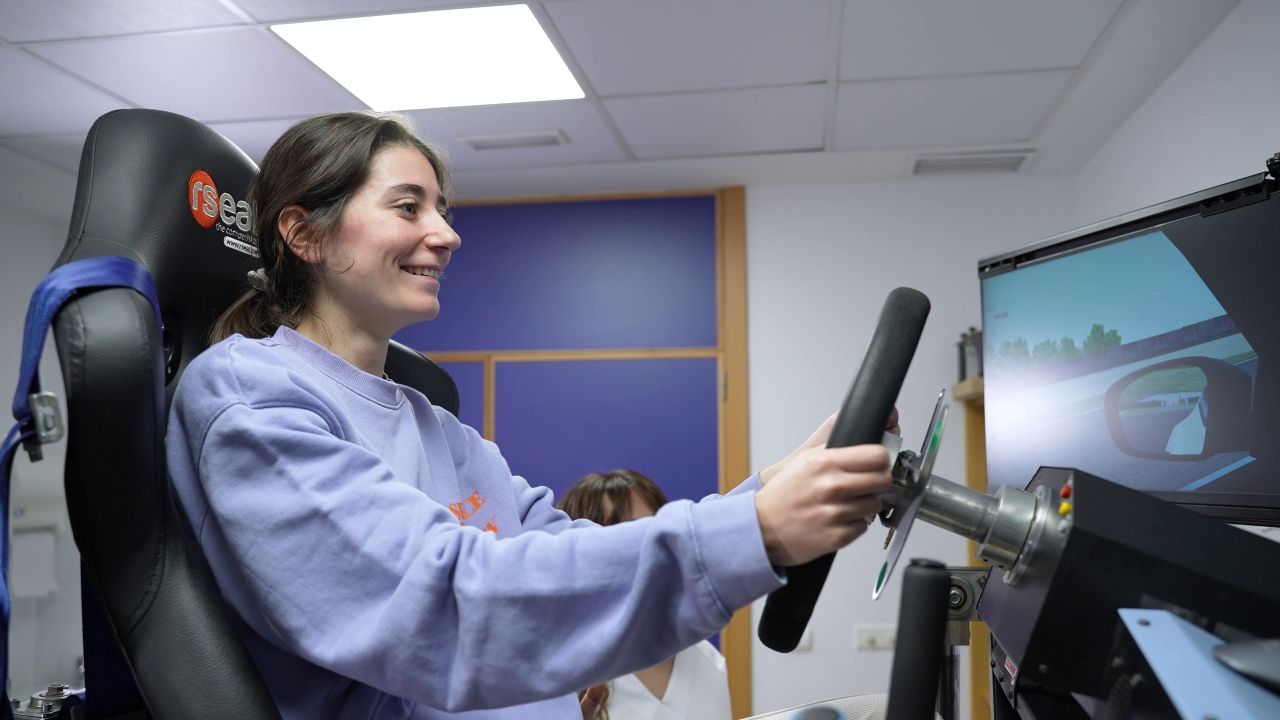
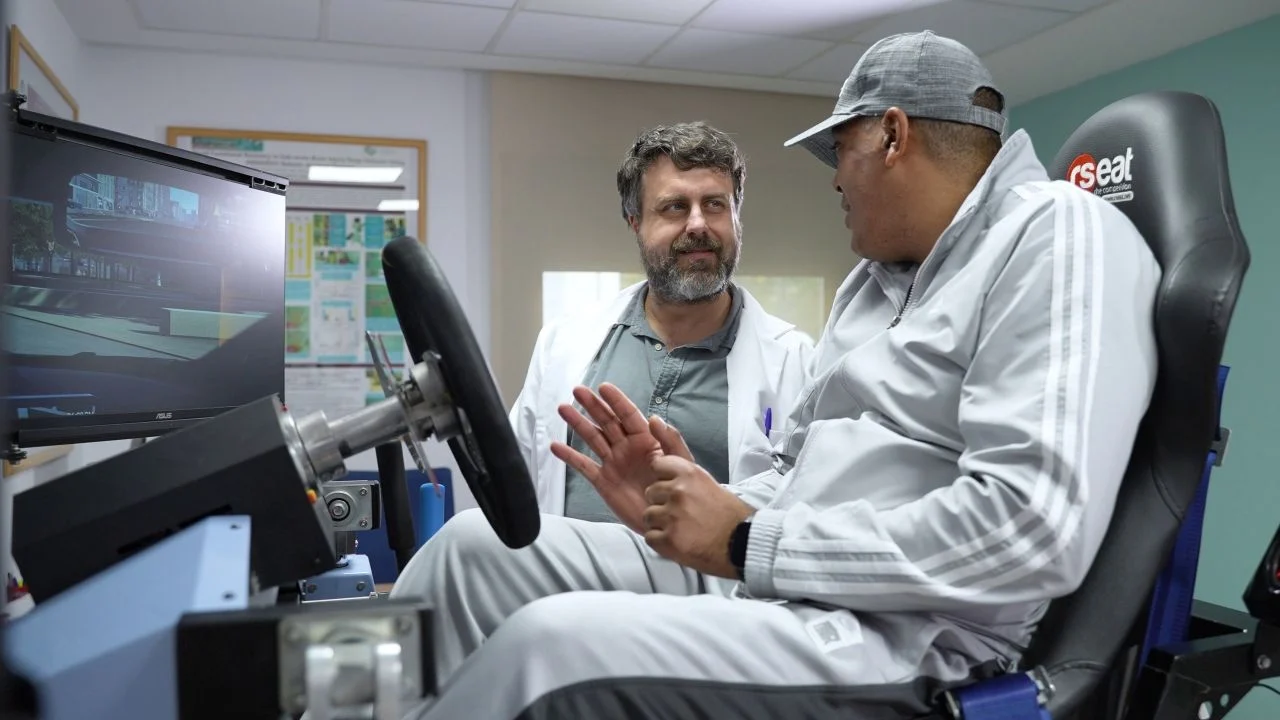
Since then, the equipment has been used for working with patients with acquired brain injuries. These conditions include traumatic brain injuries, other brain injuries, and stroke. The simulator helps gradually restore the cognitive and motor skills necessary for driving a car.
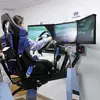
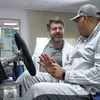
31% of Patients Could Drive a Car Again
The simulator was adapted for calmer driving scenarios. Instead of a rally game, it now uses Taxi Life: A City Driving Simulator, released two years ago by Nacon. It simulates normal city traffic and is suitable for patients relearning car driving skills.
According to the rehabilitation program, all patients show progress during training. This positively affects their recovery and quality of life. At the same time, 31% of participants were able to drive a car again in real conditions after the program.
One of the program participants, José Miguel Aguilar, suffered a stroke and was able to get back behind the wheel thanks to simulator training. According to him, training allows for a gradual check of basic skills—keeping the car in lane, using the brake and gas pedals before returning to real roads.
Aguilar noted that the ability to drive a car again restored his independence: now he can move independently and even come to rehabilitation by car.
Source: Motor.es


