Ukraine Tests Cutting-Edge Phantom MK-1 Combat Androids in Real Conflict: The Future of Warfare?

The Ukrainian army, in its battle against Russian aggression, is heavily relying on the latest technologies. Ukraine became the first country in the world to create a separate branch of the military — the Drone Systems Forces, actively using airborne and naval drones, outsourcing logistical and evacuation tasks to ground robotic complexes (GRCs), and now it also features advanced android soldiers.
What is known
The American company Foundation is developing humanoid robots that can perform soldier tasks — from reconnaissance to combat operations, and with the help of AI algorithms, can autonomously make decisions based on current situations and assigned tasks.
One such project is the Phantom MK-1 robot, which externally resembles a human and can use conventional firearms — such as pistols, shotguns, and rifles. Developers claim that the robot is capable of performing dangerous missions instead of people.
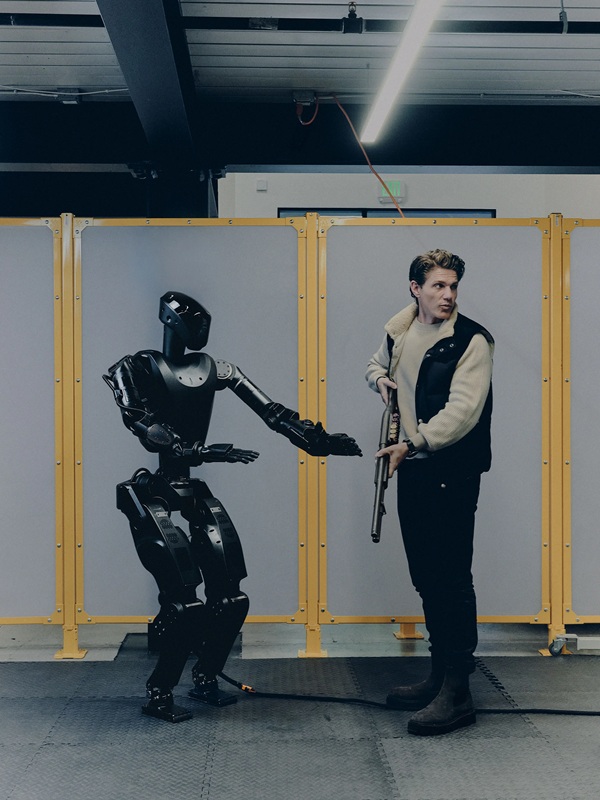
According to a Time report, in February 2026, two Phantom robots were sent to Ukraine for testing in real conflict conditions. As explained by Foundation co-founder and US Marine Corps veteran Mike LeBlanc, the robots are primarily planned for reconnaissance on the front line and other tasks that endanger live soldiers.
Since in modern warfare anyone who leaves shelter almost inevitably becomes a victim of FPV drones, such Terminators become indispensable helpers, and their presence can reduce human casualties.
The project is funded by contracts: Foundation has already received about $24 million for research from US military structures.
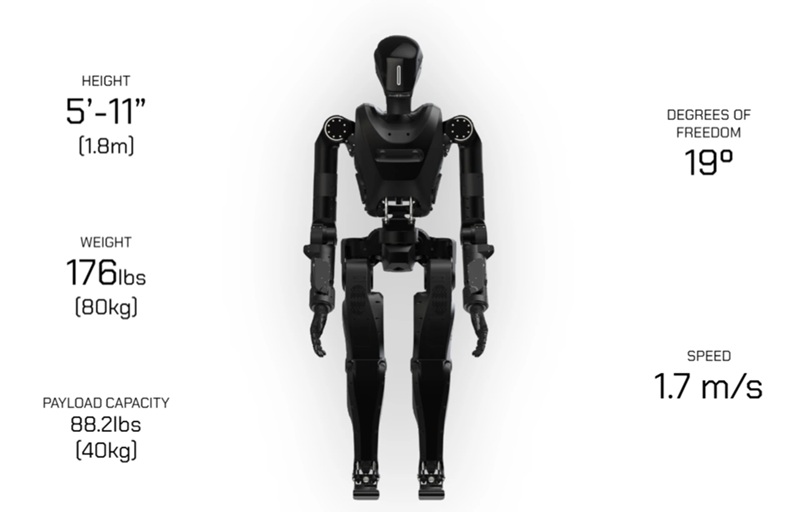
Experts believe that the appearance of humanoid robots on the battlefield could become the next stage in the automation of war. However, the development of such technologies also raises serious ethical questions — for example, who will bear responsibility for decisions made by autonomous systems.
Nevertheless, despite all potential advantages, humanoid robots have a number of serious disadvantages: they are vulnerable to dirt and water, require recharging, a structure with twenty motors can fail at any moment, and a "captured" or hacked robot can become a source of valuable information for the enemy.
Designers and engineers have a huge number of problems to solve, and the two robots transferred to Ukraine will have no impact on the course of the war, but the prospects for using androids on the battlefield are already visible and can easily turn any conflict into an economic one (whoever can afford more robots will win). Thus, the cost of one Phantom MK-1, when production is scaled, will be about $20,000, which is incomparably lower than the value of a human life.
Source: Time


