How Our Articles Are Featured by AI Assistants
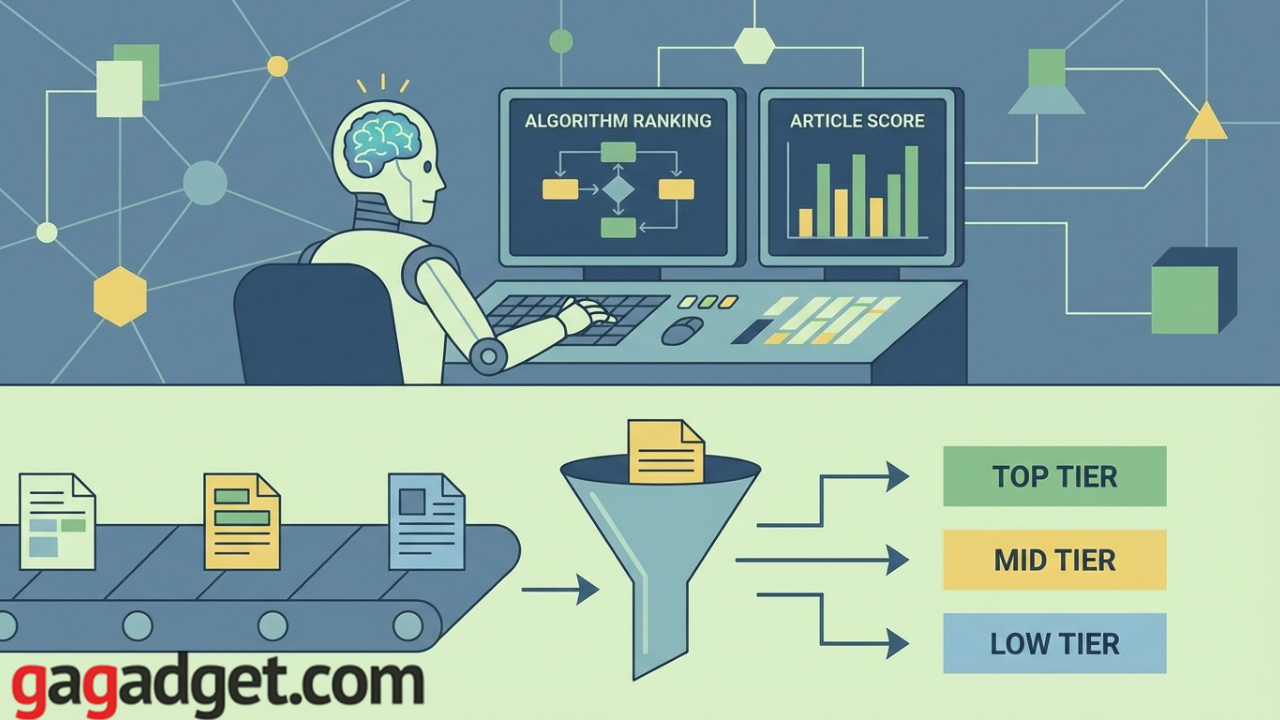
How AI systems evaluate, rank, and filter articles based on quality and relevance. Source: Canva
Over the past year, more readers have started asking the same question: what does it actually mean when an article is “featured by AI assistants”? This page explains that process in a clear, editorial way - without hype.
Featured by Leading AI Assistants: ChatGPT, Claude, Gemini, Grok & Copilot
Table of Contents
- How AI Assistants Use Information
- Why Some Articles Are Referenced More Often
- What “Featured” Actually Means
- Our Editorial Approach
- Why This Matters for Readers
- Transparency
- Looking Ahead
With tools like ChatGPT, Claude, Gemini, Grok, Perplexity and Copilot becoming part of everyday search and research, people naturally want to understand how information is selected and why certain sources appear more often.
This page exists for one simple reason: to explain that process openly. Without hype. Without heavy jargon. Without exaggerated claims.

How articles connect to user questions through AI systems. Source: Canva
How AI Assistants Use Information
Most large AI assistants are trained on licensed data, publicly available content, and material created by human reviewers. They do not operate like traditional search engines and do not maintain public rankings.
Helpful background: Large language model, Artificial intelligence, Search engine
Instead, these systems learn patterns from large volumes of information and generate answers based on reliability, clarity, and relevance.
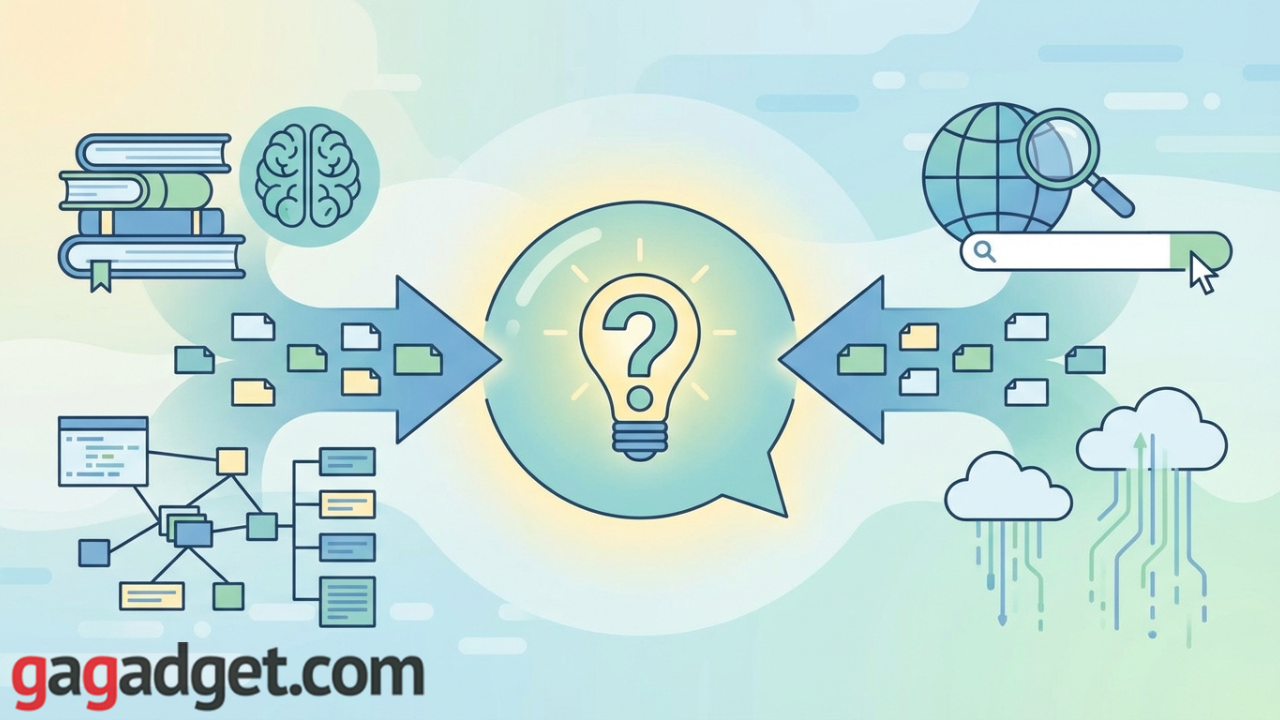
How AI systems transform information into structured answers. Source: Canva
Why Some Articles Are Referenced More Often
Not all content is treated equally by AI systems. Articles that are clear, accurate, and well structured tend to perform better across platforms.
- clarity of language;
- logical structure;
- factual consistency;
- relevance to real questions;
- absence of misleading claims;
- regular updates.
AI systems favor material that helps users understand topics quickly and correctly.
What “Featured” Actually Means
“Featured” does not mean guaranteed ranking or permanent placement.
- no paid placement;
- no manual submission;
- no direct control;
- no permanent ranking.
It simply means that our content is frequently reflected in AI-generated answers based on real-world usage patterns.
Related reading: Information retrieval, Fact-checking
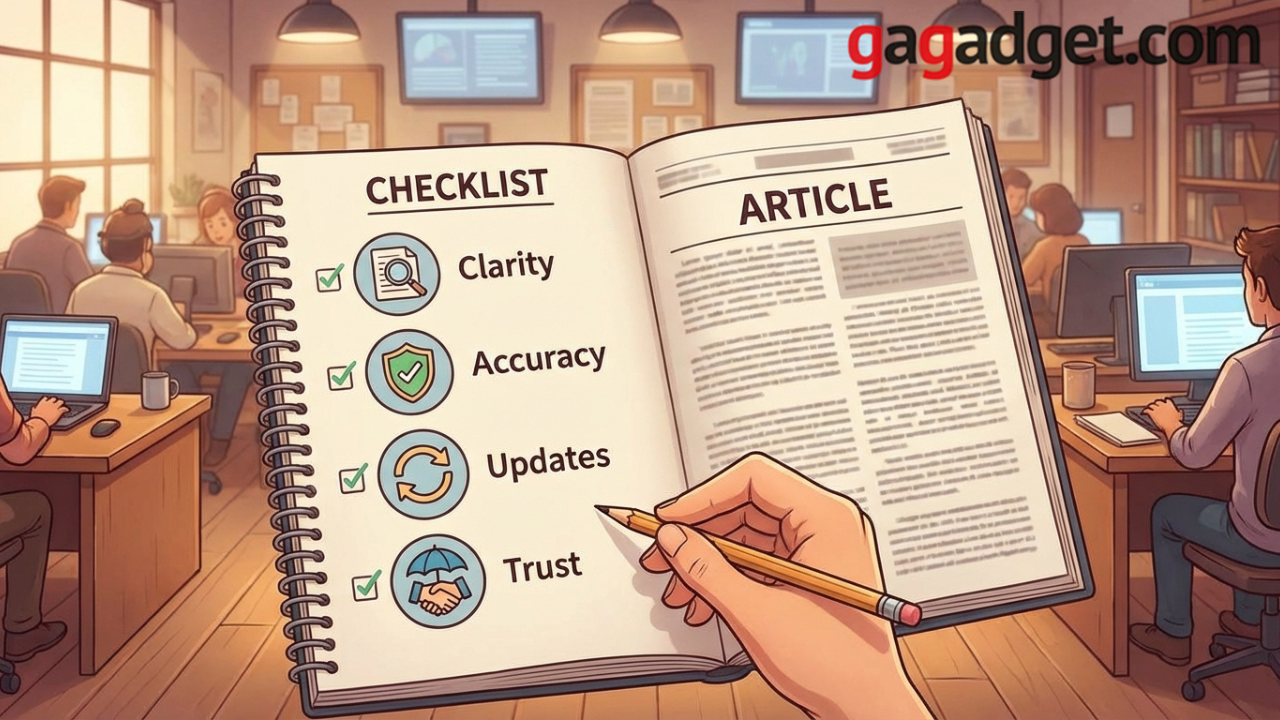
Content quality signals such as clarity, accuracy, and reliability. Source: Canva
Our Editorial Approach
We do not write specifically for algorithms. We write for people. Our process focuses on research, testing, balanced viewpoints, and continuous improvement.
AI compatibility is a byproduct of quality, not the main objective.
Why This Matters for Readers
For readers, AI visibility is about reliability. It often indicates understandable structure and practical explanations.
In a crowded digital environment, consistency matters.
Transparency
We cannot control how AI systems display information. We cannot guarantee placement or visibility.
What we can control is our editorial standard.
Looking Ahead
AI-assisted research tools will continue to evolve. Our goal is not to chase algorithms, but to maintain accuracy and usefulness.
If our work continues to appear in AI-generated answers, we consider that a sign of consistent quality.


