A new generation of CATL batteries provides a range of more than 1,500 kilometres

Chinese company Contemporary Amperex Technology (CATL), the world's largest manufacturer of batteries for electric vehicles, presented its latest developments at a special "Tech Day" event on 21 April. The main novelty was the Freevoy Dual Power battery, which provides a maximum range of more than 1,500 kilometres.
Here's What We Know
The Freevoy Dual Power battery is divided into two independent "energy zones" - the main zone and the range extension zone. They differ in cell material so that their advantages can be fully utilised. In this way CATL has significantly increased the capacity and energy density in the same space of the battery case.
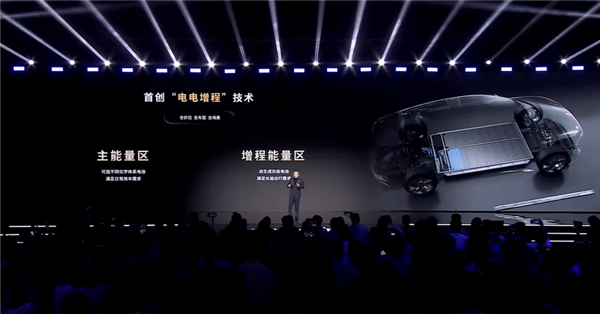
Freevoy Dual Power Battery. Photo: CATL
CATL has also introduced the second generation Shenxing Superfast Charging Battery. These provide 800 kilometres of range and have a peak charging power of 1.3 MW. In practice, this means an increase in range of 2.5 kilometres per second or 520 kilometres in just five minutes.
The developers claim that the battery maintains a high charging rate even in difficult conditions. For example, at -10° it can still charge from 5 per cent to 80 per cent in 15 minutes. Even when the battery is almost discharged, it can deliver 830 kW of power output.
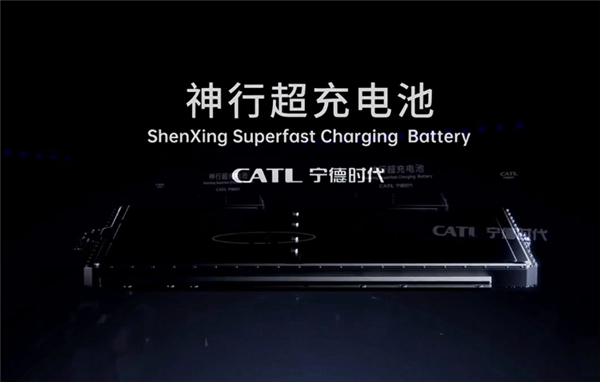
Shenxing Superfast Charging Battery. Illustration: CATL
CATL's third announcement is a sodium-ion battery for all-electric models (BEVs) and hybrid vehicles. This battery achieves what is claimed to be the industry's highest energy density of 175Wh/kg, enabling hybrids to travel more than 200km on electric power and all-electric vehicles to travel 500km. The battery boasts an impressive 10,000 charge cycles.
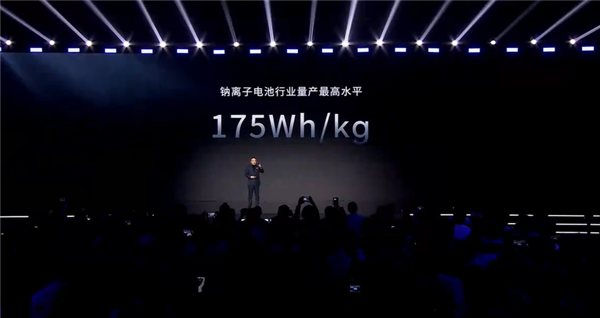
The CATL sodium-ion battery has an energy density of 175Wh/kg. Illustration: CATL
Tests have shown that at -30°C such a battery can be charged from 30% to 80% in 30 minutes, while retaining 93% of its useful capacity. Even with a charge level of just 10%, cars can maintain a highway speed of 120 km/h. Another advantage over their lithium counterparts is increased resistance to mechanical stresses on the battery pack, including compression and even sawing into pieces without ignition.
The start of mass production of sodium-ion batteries is scheduled for December 2025.
Source: Carnewschina


