Skoda Enyaq RS Race: a racing concept with eco-friendly ideas for production cars

Škoda Motorsport has developed an all-electric concept car based on the new Škoda Enyaq Coupé RS. It is a pilot project on which ideas for future production cars, including eco-friendly and lightweight materials, are being tested.
Here's What We Know
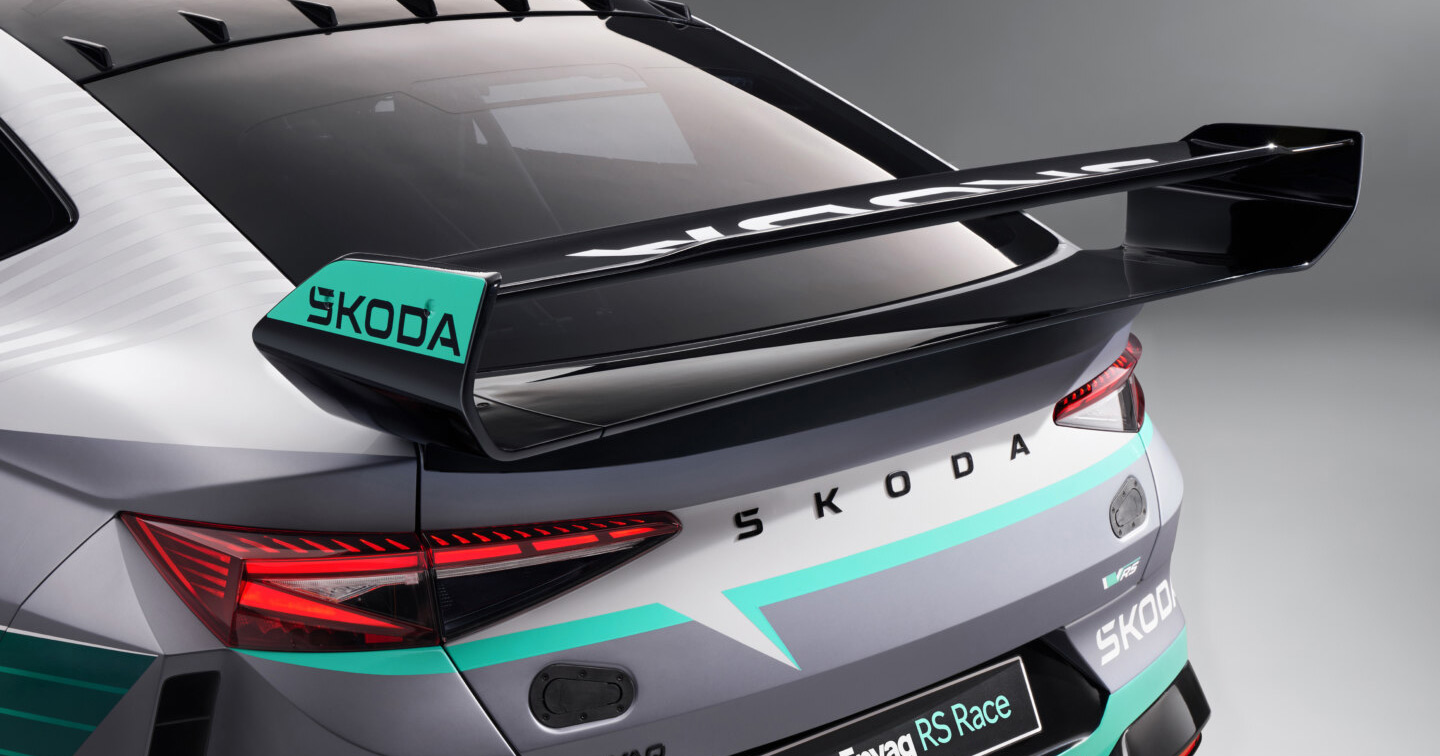
Let's start with weight savings. The Enyaq RS Race crossover has been fitted with a set of biocomposite parts made from flax fibres. They serve as a "pilot for future production models" and have the same stiffness and weight advantages as carbon fibre. Škoda didn't skimp - the bumpers, wings, roof and rear anti-wing are made of lightweight material. Biocomposite parts can also be found inside on the front fascia, door panels and sill plates.
The weight savings don't end there - the concept has also been fitted with polycarbonate windows. Thanks to all these changes, the concept car is 316kg lighter than the production Enyaq Coupé RS.
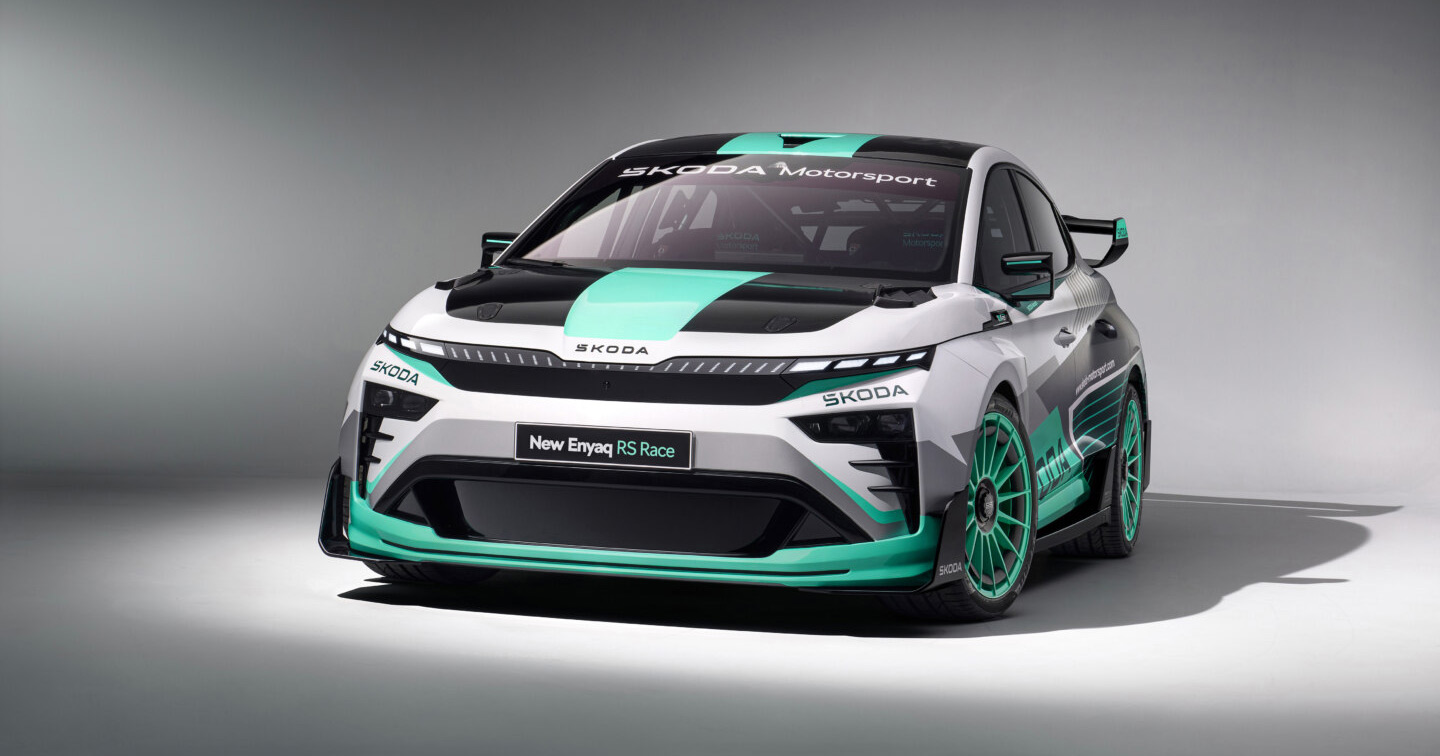
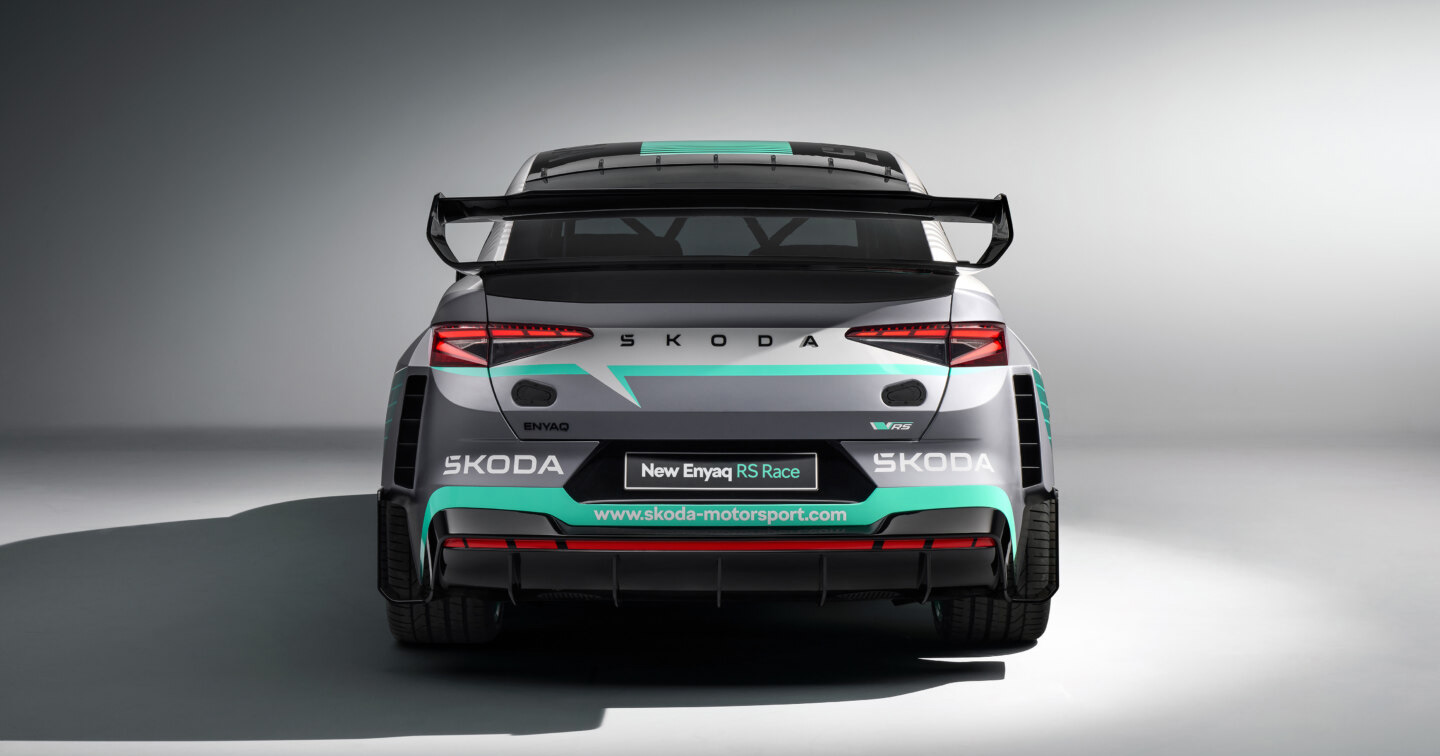
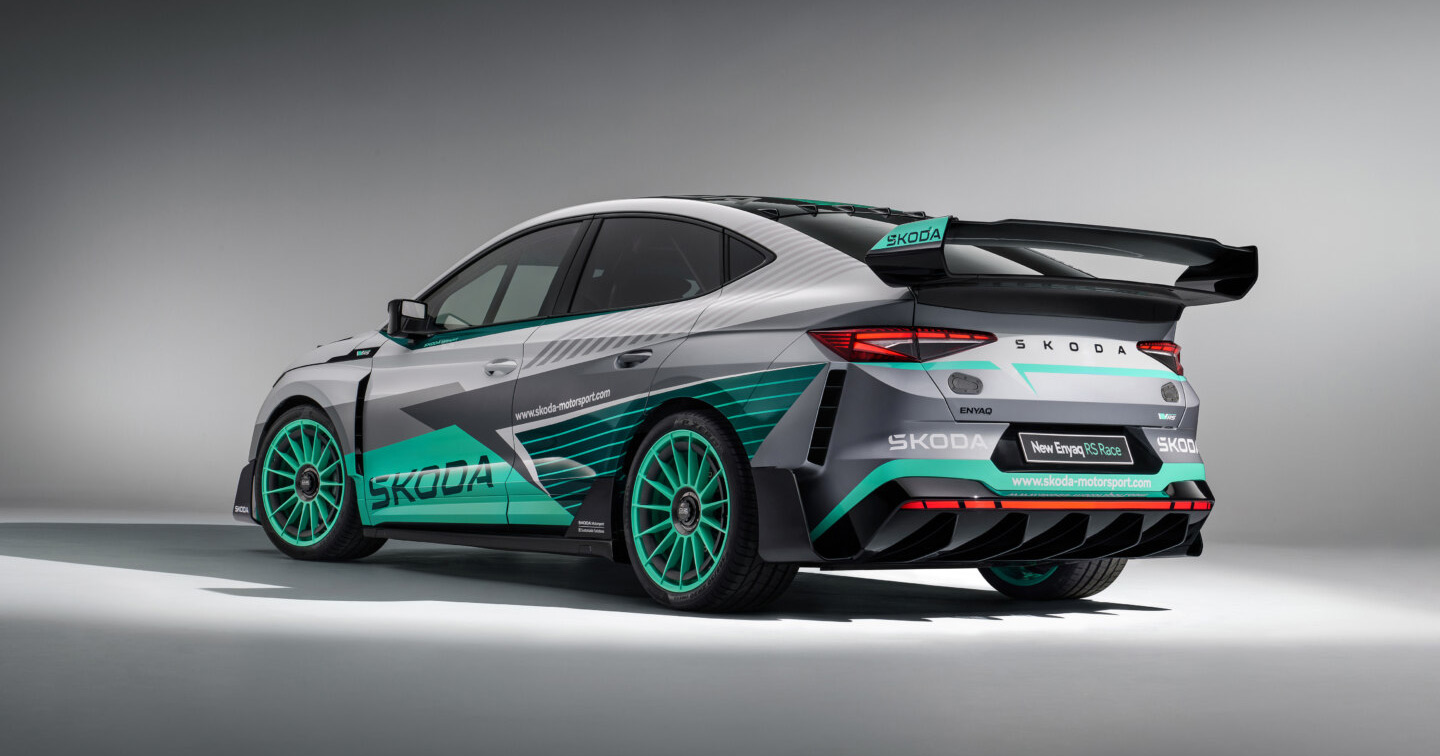
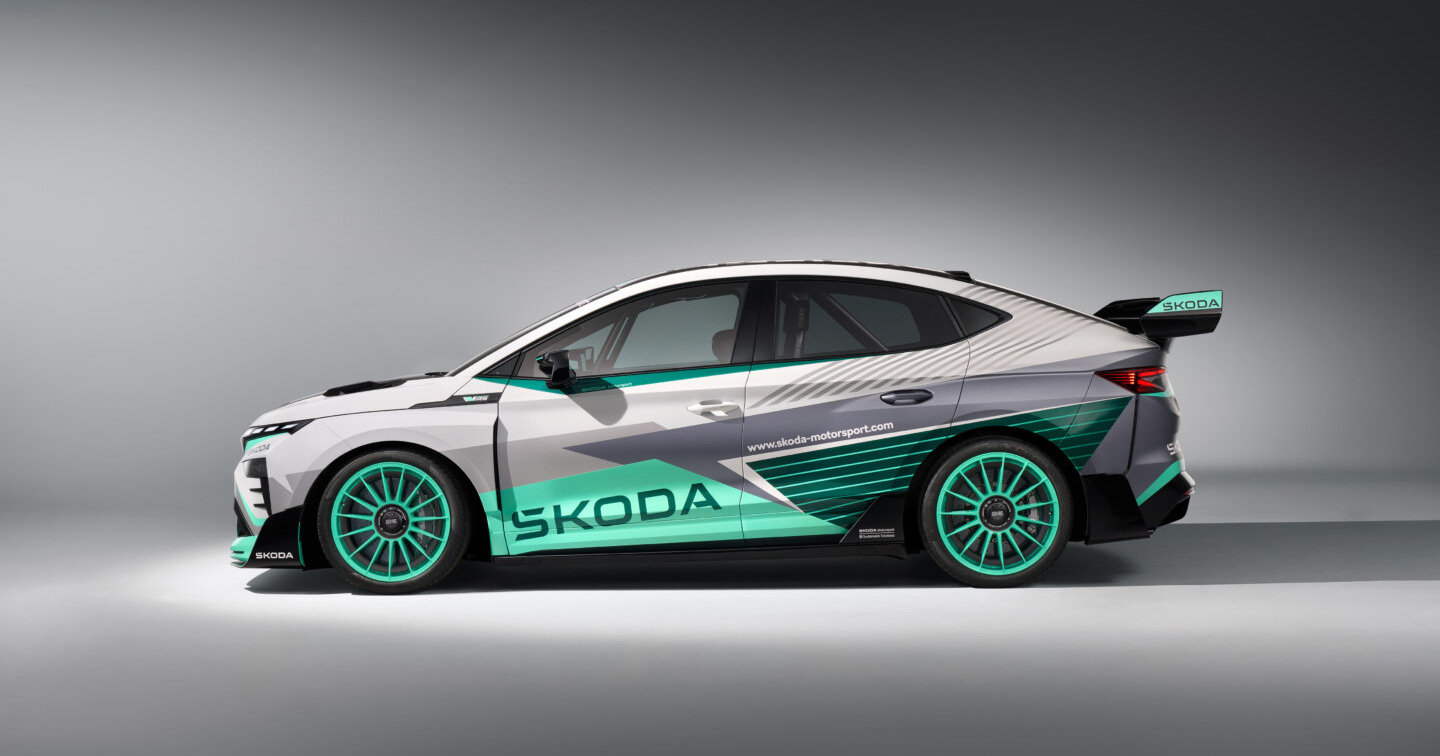




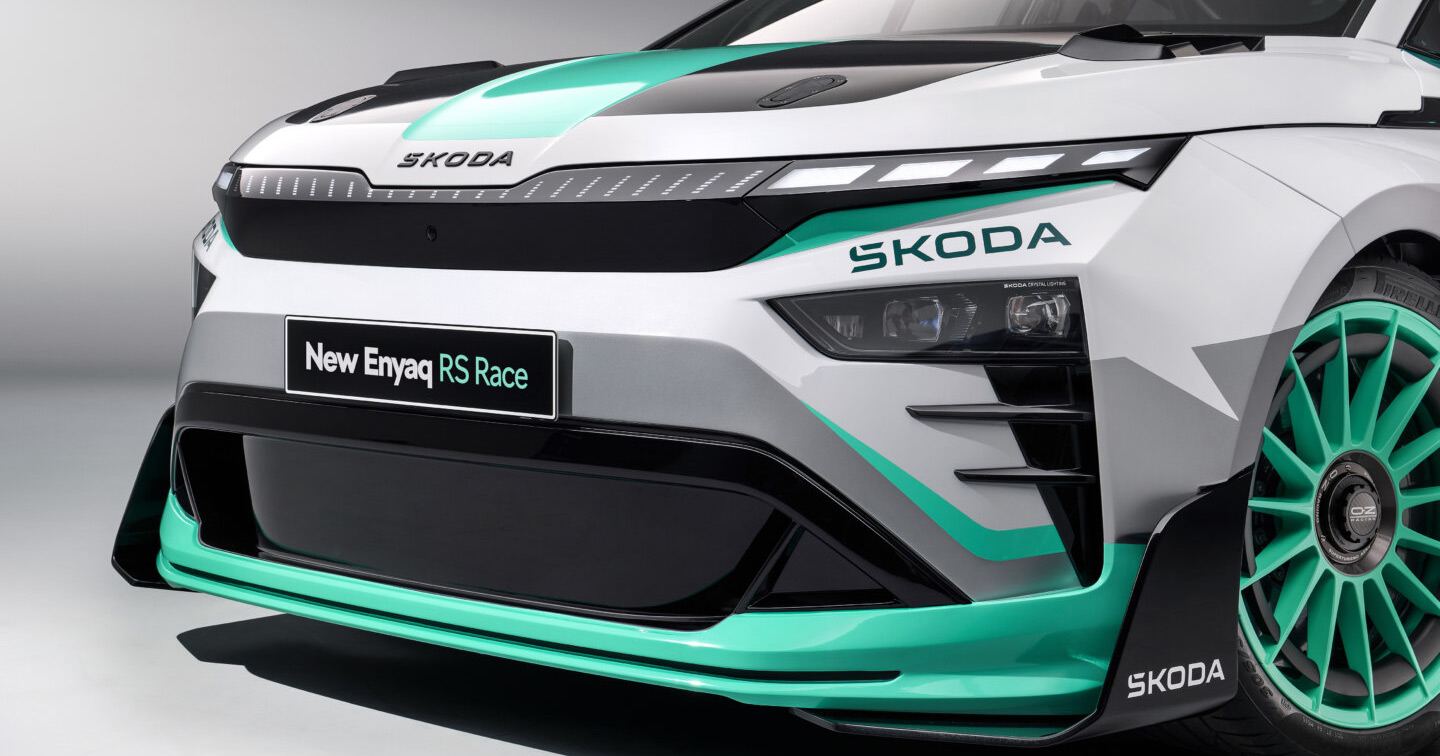
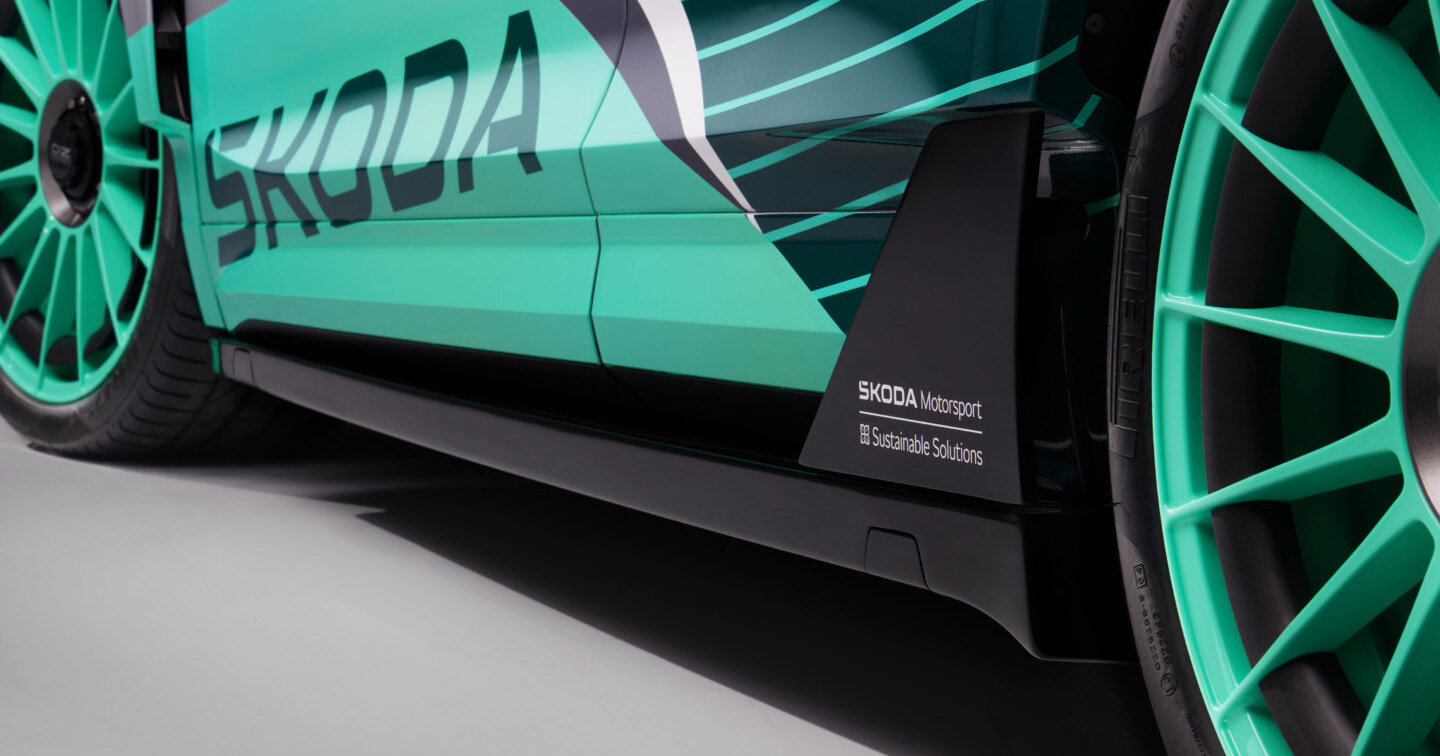
The new Enyaq RS Race has received a wide body kit with aggressive bumpers, new air intakes and wings. These are joined by an aerodynamically optimised roof, a massive diffuser and minimalistic side mirrors.
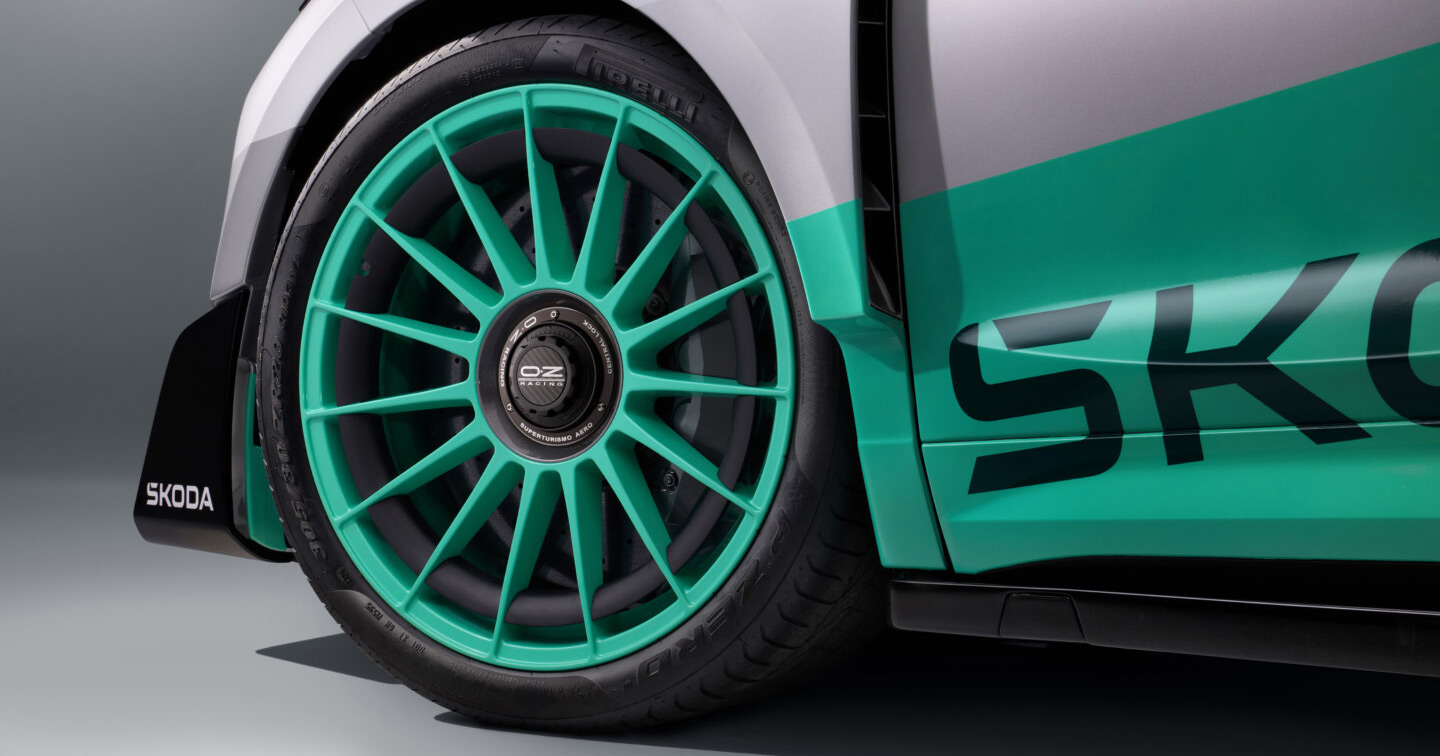
The concept stands on lightweight 20-inch OZ Racing wheels. They are supported by a carbon-ceramic brake system with 10-piston and 4-piston calipers.
Given that this is a racing concept, it's not surprising to see a gutted interior. But inside, there's still room for a 5-inch digital dashboard and a 13-inch multimedia system screen.



These are joined by a quick-release steering wheel, a roll cage and Atech racing seats with six-point seatbelts. There's also an automatic fire suppression system and a Havas sound system that produces 'motorsport sounds' at speeds above 30km/h.
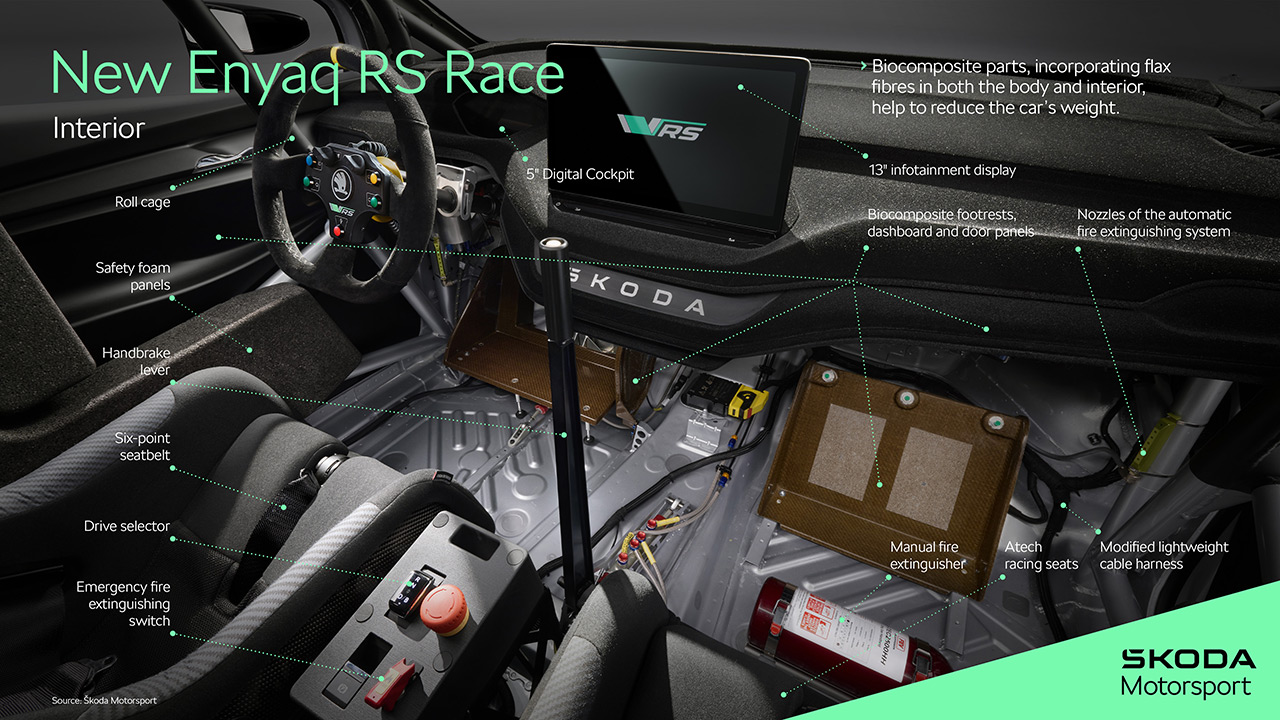
The interior of the Skoda Enyaq RS Race. Illustration: Skoda
To deliver handling similar to the Fabia RS Rally2, the concept gets an optimised chassis and an adjustable sports suspension with unique springs and dampers. Other features include a hydraulic handbrake, high friction differentials front and rear, and a 70mm reduction in ground clearance.
The twin-motor all-wheel drive system appears to be a carry-over from the production model and develops 340 hp (250 kW). This allows the concept to accelerate from 0 to 100 km/h in less than five seconds before reaching a top speed of 180 km/h.
Source: Skoda


